Reviewed by nikbr
:
Fine looking shells, a good selection of accessories with a well behaved, nice feeling cable with swappable plugs, three sets of eartips, interesting medium-sized case, a skillfully balanced tonality with ample strengths
:
Somewhat cheapish feeling shell beside the faceplate, slight treble issues, not for those seeking a very calm nor an energetic set
This hobby is an escapist's dream. Escape from daily routine and distress that's causing you via something as sincere and everlasting as listening to music. I believe that the power of music is still not fully understood since it works in mysterious ways. Allow it to do its magic on you and let your worries dissolve in melody.
Having had the possibility to try so many different sets in a relatively short time I felt obliged to go ahead and express my gratitude by trying to help some lost souls out there, just as I was when I first stumbled upon this weird hobby about wired earphones – so yesteryear! … I thought. Possibilities are seemingly endless and only by getting to meet the right people did I manage to jump onboard the train heading the 'right' direction without getting off-track thousands of times along the way. Make sure to understand the helping person's preferences and you too can find your footing and hit the ground running in no time.
We are nearing in on 2026 (WOW, where has 2025 gone??) and I am still finding footing for my reviews. I'm avoiding all lengthy yet substance-light topics that are covered in marketing materials or are totally subjective, and instead focus fully on elucidating how the highlighted IEMs sound to my ears.
This is how I imagined setting it up: We will kick it off by mentioning the integral part of our hobby we often skip right by – the music! Followed by briefly letting thoughts loose where I'll just go through some stuff that was on my mind, my graphics (that have been the main attraction ever since I incorporated them) and an explanation under each of those. I will then explain subcategories of reviewed IEMs more specifically. Next I will check for the effect of source-rolling and IEM's scalability, continue with quick comparisons, and finish with a concise summary including who this set is (not) for. As sources I will be using the iBasso DX180, iBasso Nunchaku, and Chord Mojo 2.
I hope you find my newly revised approach an enjoyable and worthwhile read!
I am all about transparency, so to kick it off, this IEM was sent to me by DUNU themselves (@DUNU-Topsound) in exchange for my review. They have no influence on what I write. And as always, I am grateful for the opportunity. All impressions were written using the stock cable (with the 3.5mm plug) and after extensive tip-rolling settling on DUNU S&S M tips.
THE MUSIC
To better understand what I listen to and thus perhaps have a clearer view as to what I look for, hiding behind the Spoiler is my list of roughly 100 tracks (in alphabetical order) I skip through for reviewing purposes. This is of course only a snippet of my expansive playlists, but it should give you a rough idea. I am sure everyone can find something they are familiar with. I also warmly recommend trying any of these for yourselves on whatever setup you guys have!
BRIEF THOUGHTS LET LOOSE
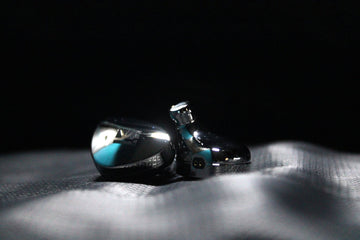
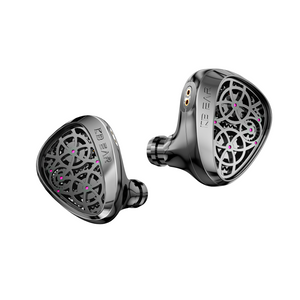
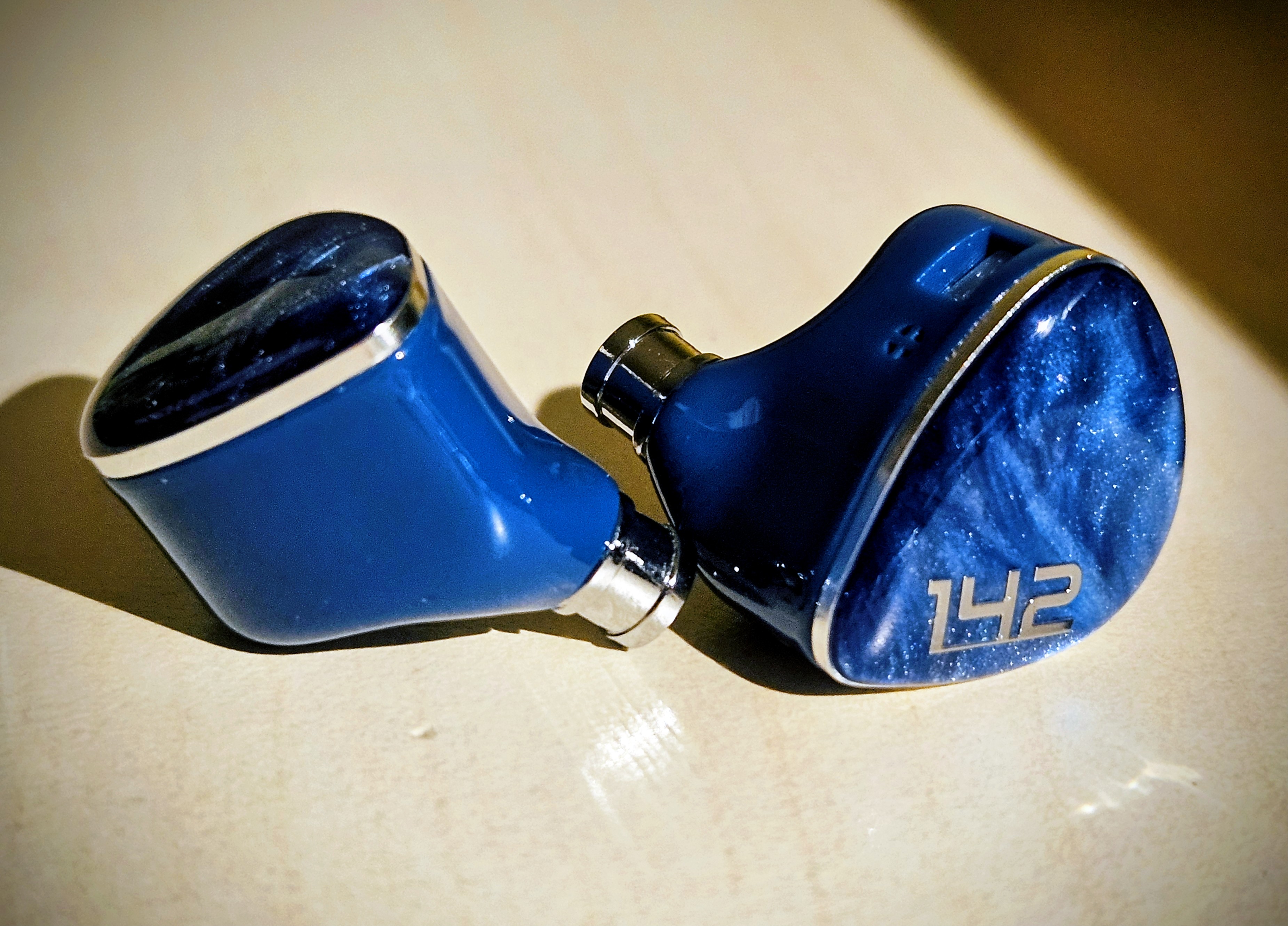
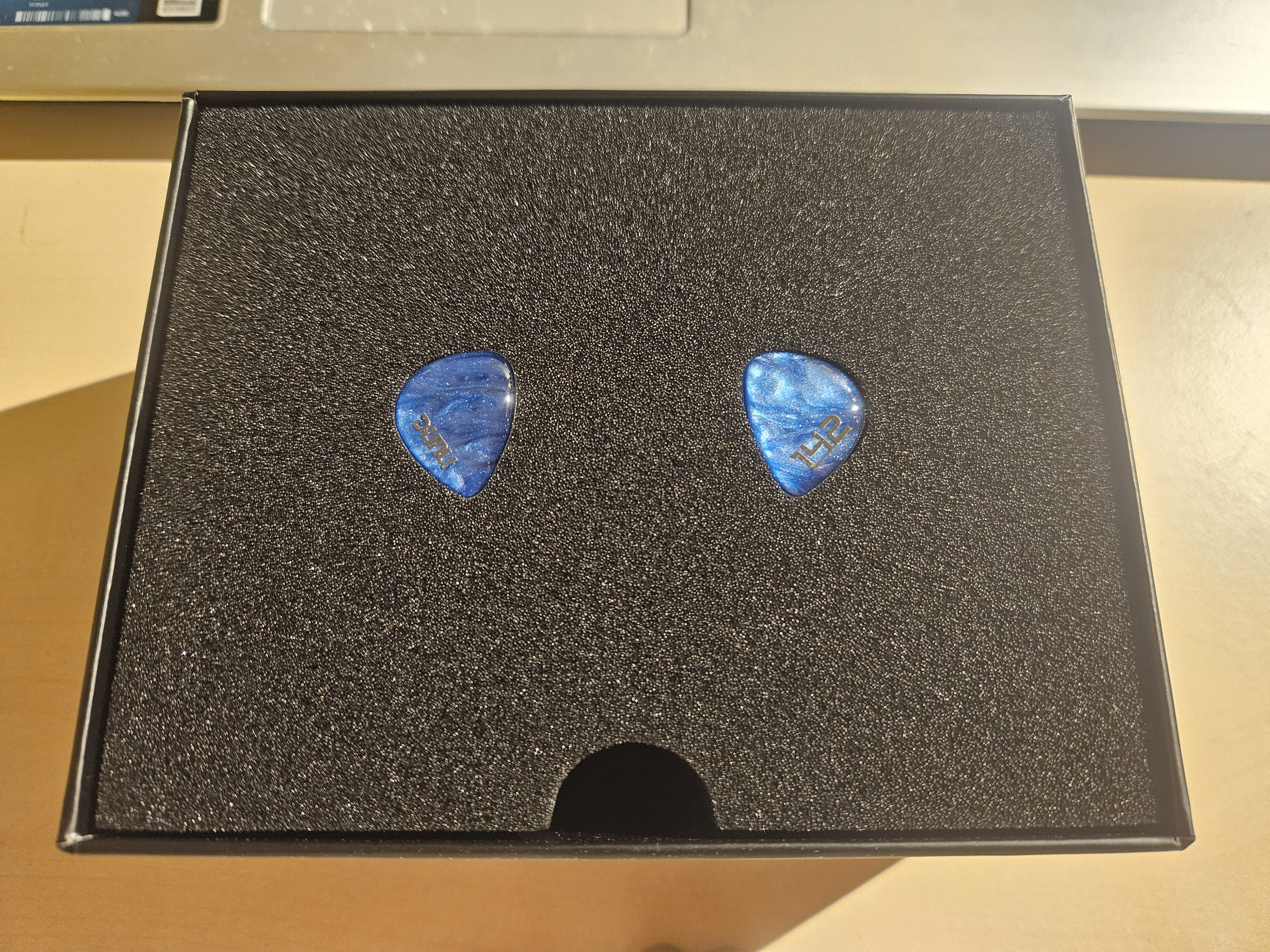
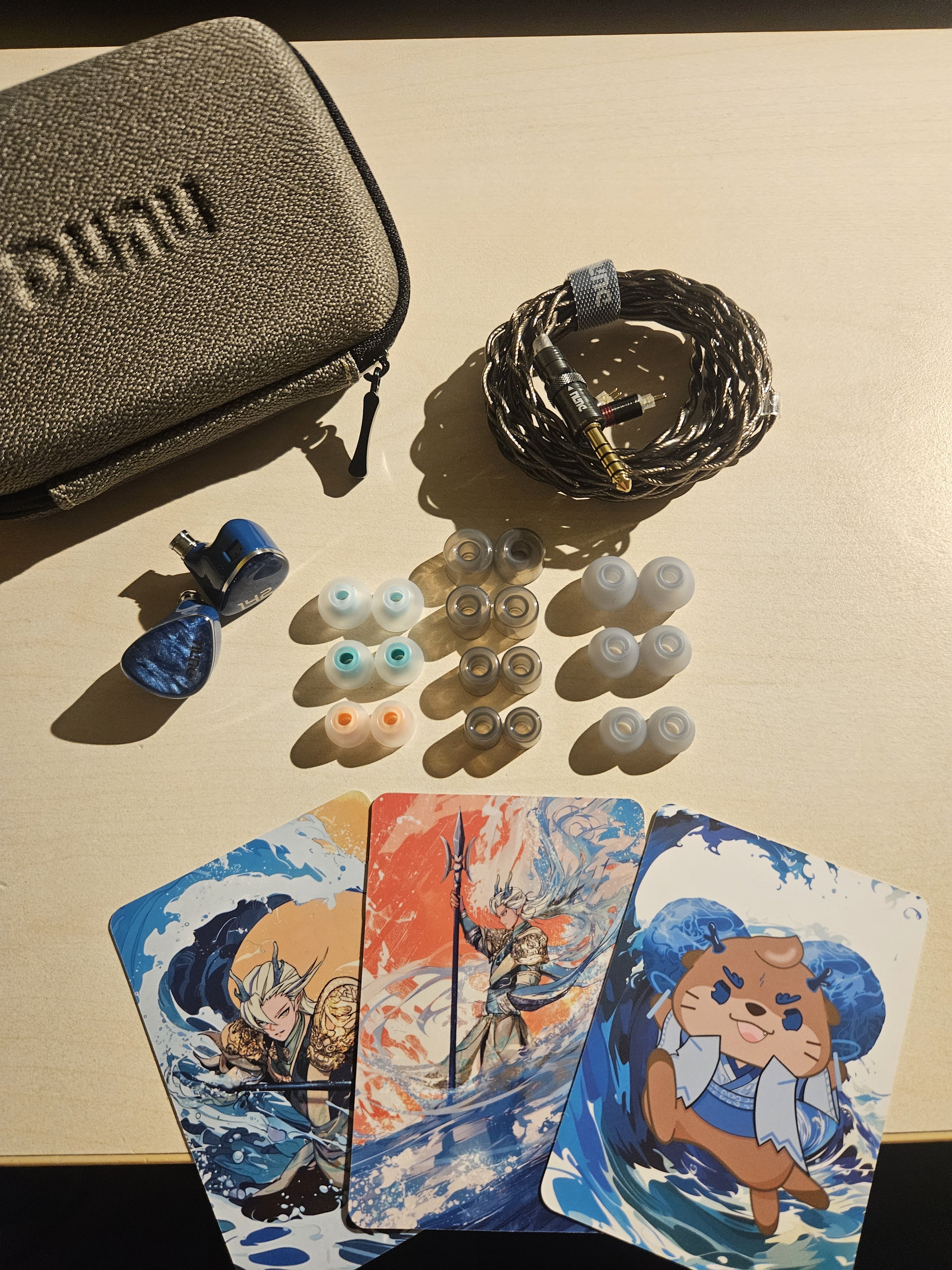
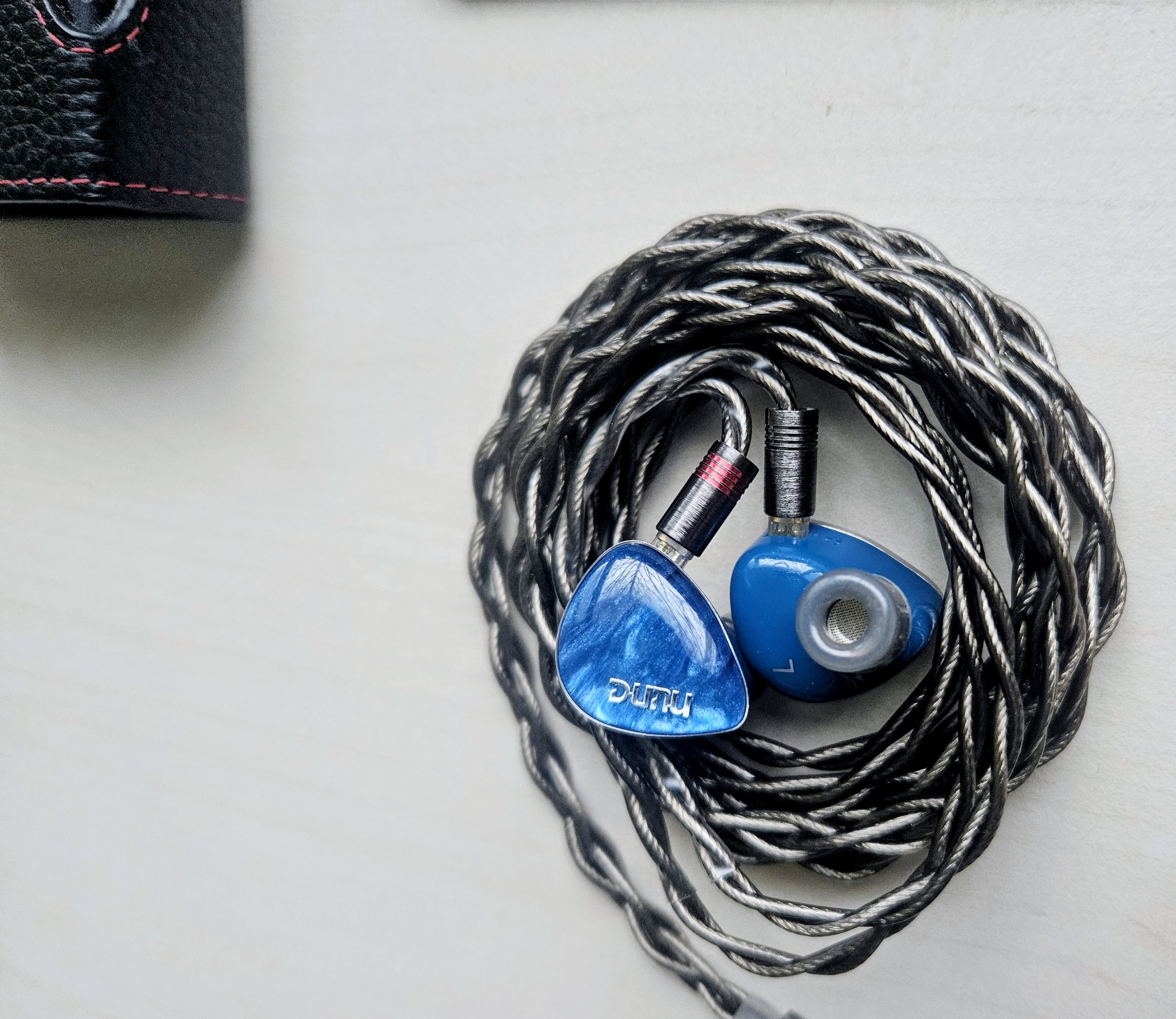
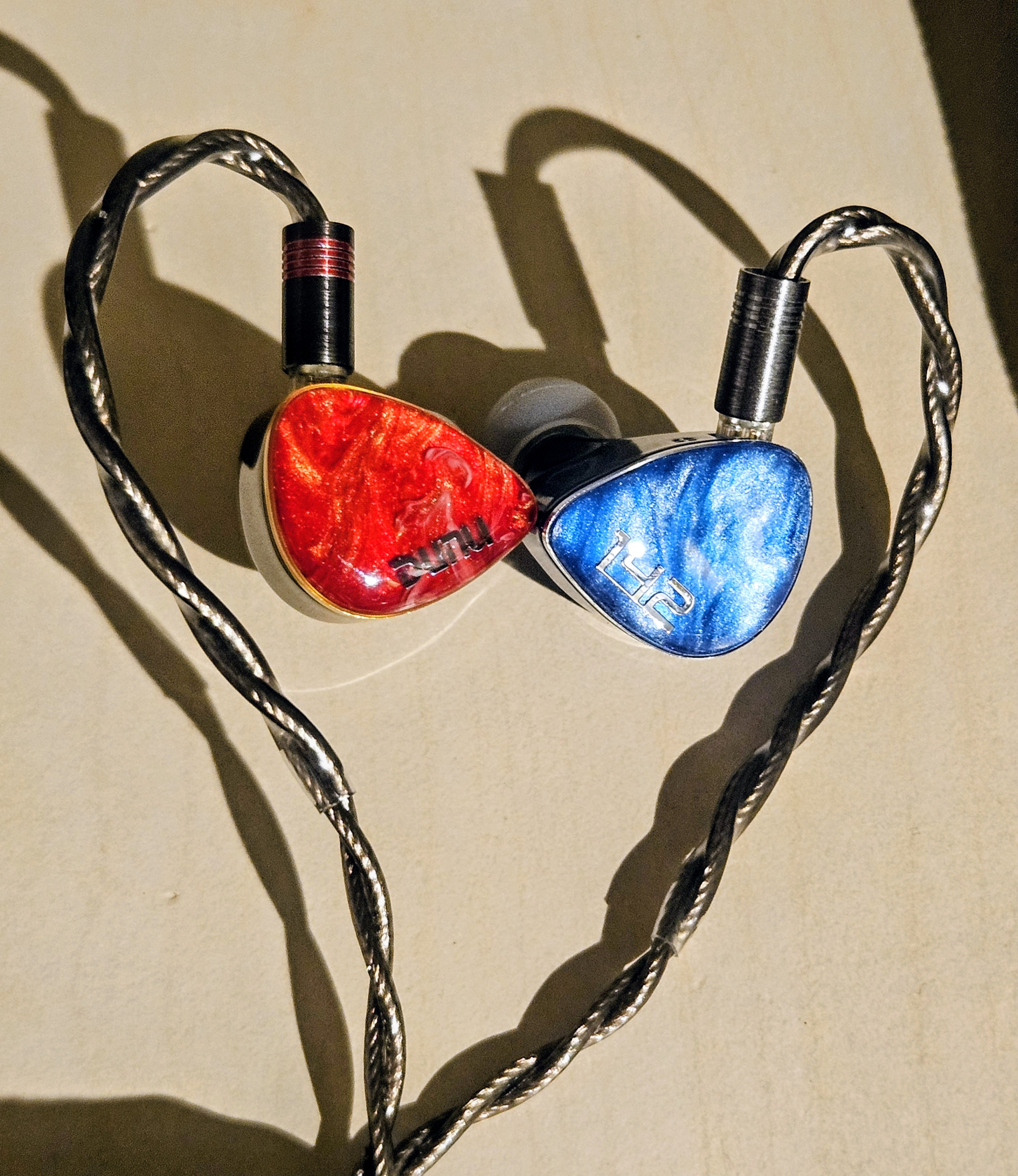
DUNU seems to be one of the companies that Head-fi enthusiasts can count on to release a good looking, well sounding and well accessorized IEM at multiple pricepoints. This time around it is no different, as the DN-142 is a cool bit of kit with a 1DD, 4BA and 2 planar drivers with a 4-way crossover setup enclosed in a beautifully tinted blue shell and blue faceplate that truly does look like a serene setting at the seaside with clear waters and calm waves. The cable is the one they use on Vulkan 2 and ITO models as well and it's one of the greatest mid-fi cables currently in the game with subtle handling characteristics, offering a feeling of exceptional quality and interchangeable plugs with a secure mechanism for it to stay in place. The tip selection is plentiful with three various models: one universal grey round-shaped ones with mid-sized bore width, and two familiar models - the S&S and the Candy. Everything is topped off with three playful cards that are a nice touch even if they will mostly end up residing right where they came from, in their box. All in all, this is a very decent package for the current asking price of 249.99USD.

TIP-ROLLING
Ah, the necessary evil to get the best out of universal sets. While I tend to settle quite soon on any of the tips that fit well and don't drastically highlight any of the set's negatives, I appreciate there are subtleties that can only be figured out by extensive A/Bing of tips. Thus, let's go through the three sets of tips that come alongside the 142 and hear for ourselves.
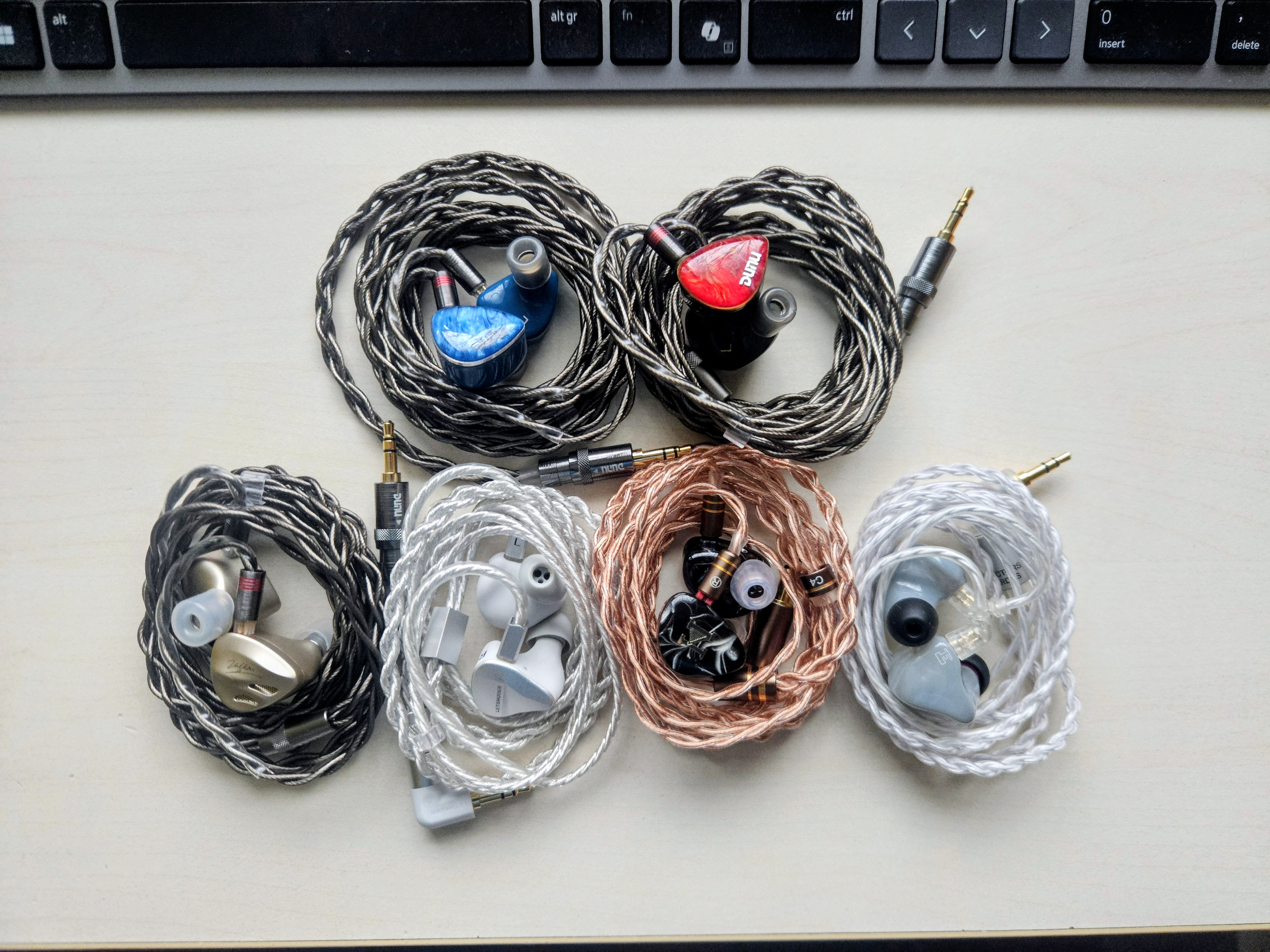
Compared to universal ones (far right grey ones on that top picture), the Candy blunts the top end sizzle, slightly mutes the midrange and makes it less open, while minimally amplifying the bass. S&S, compared to universals, offer a larger soundstage, better handled treble that seems to gain in finesse, and just a spot on balance with the low end. Clear winners are the S&S, but they come in three sizes and the difference among the three is comical. S is cute and I can hardly imagine it sealing any ear hole, M is okay, then the L is funnily huge but soft. Luckily, M fits me fine, but some may not be this lucky.
THE THOROUGH GRAPHICS
By now, most of you have come across these playful graphics of mine. I have received so much positive feedback on these that I dare not leave them out going into 2025 and am structuring even more of my reviewing right around them.
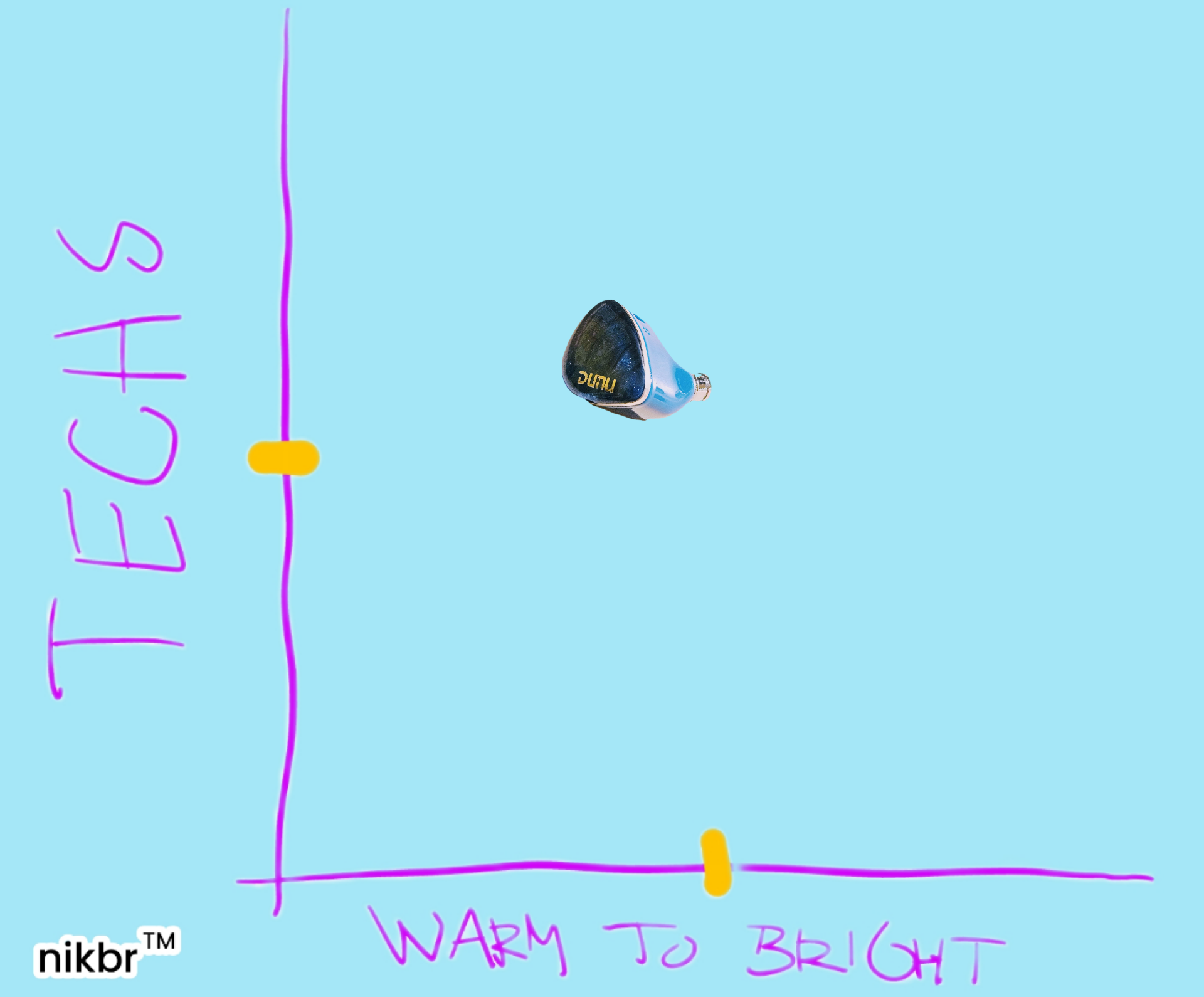
These are pretty close to neutral in my view. Slight warmth, but well balanced out with sufficiently joyous mid treble.
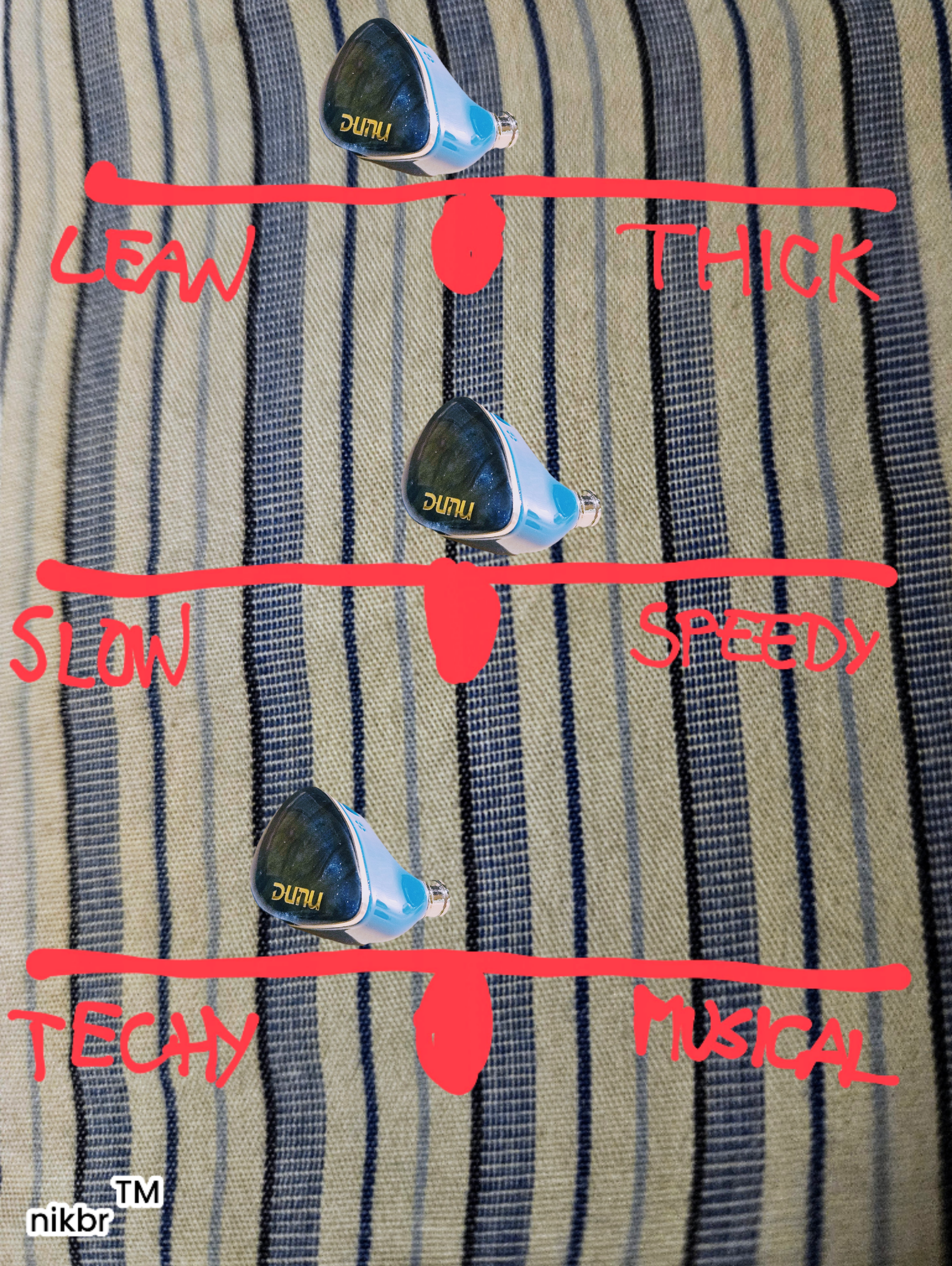
'Three scales' show a rather balanced combination of major tonal characteristics. While it leans a touch techy, it manages a fair deal of musicality as well.
'Quarter circle' places the 142 very near the center point, showing that it leans in neither extreme and aims at those that don't have a very specific goal in mind when it comes to energy or bass/treble dominance.
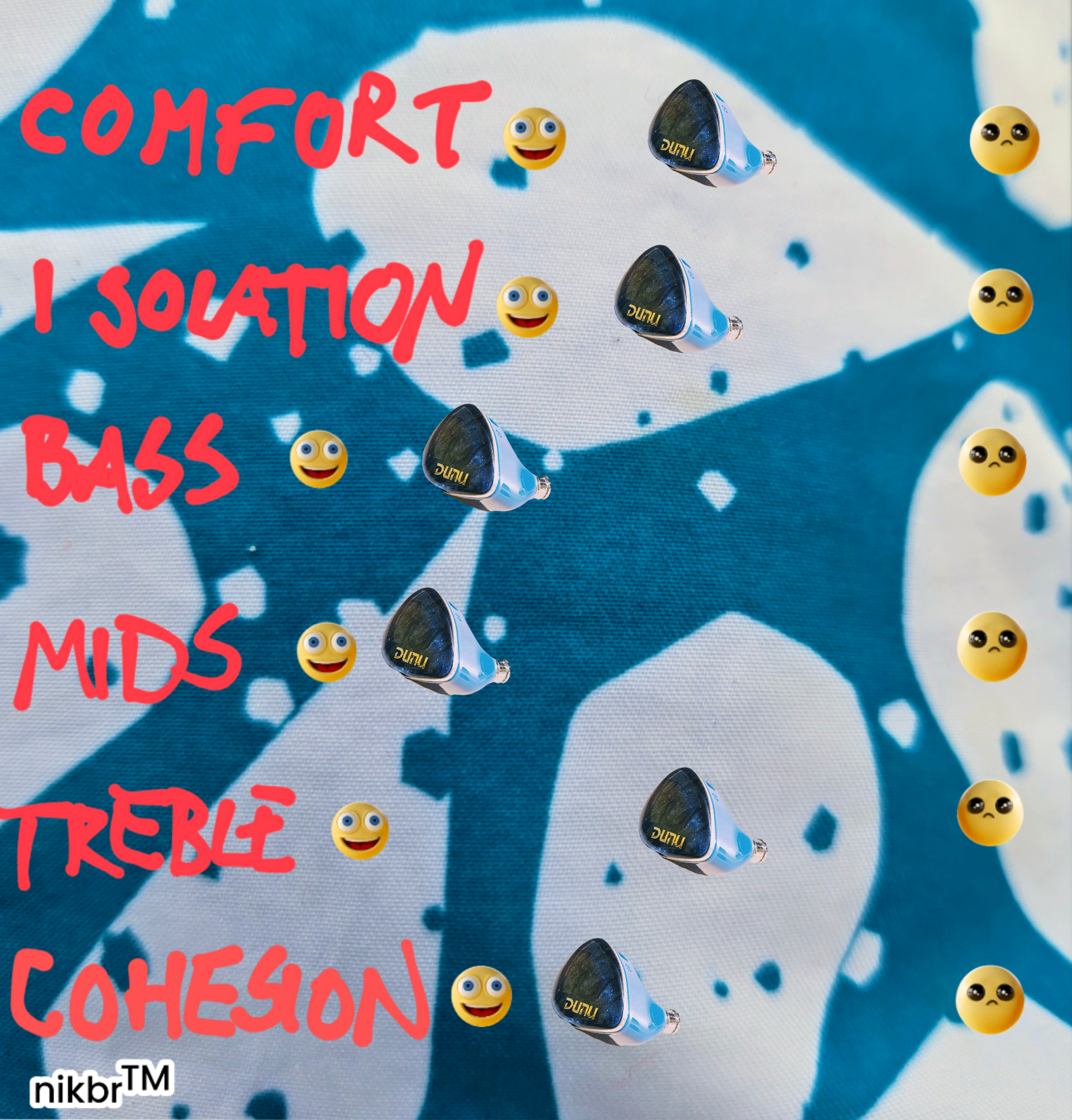
A decently comfortable fit for my ears, but I can see how it being on the larger side can somewhat annoy those with smaller ears. Isolation is good here, but nothing special. Bass, midrange and treble are covered individually down below. The way they form the whole soundscape is very cohesive and no individual elements in any song feel out of place.
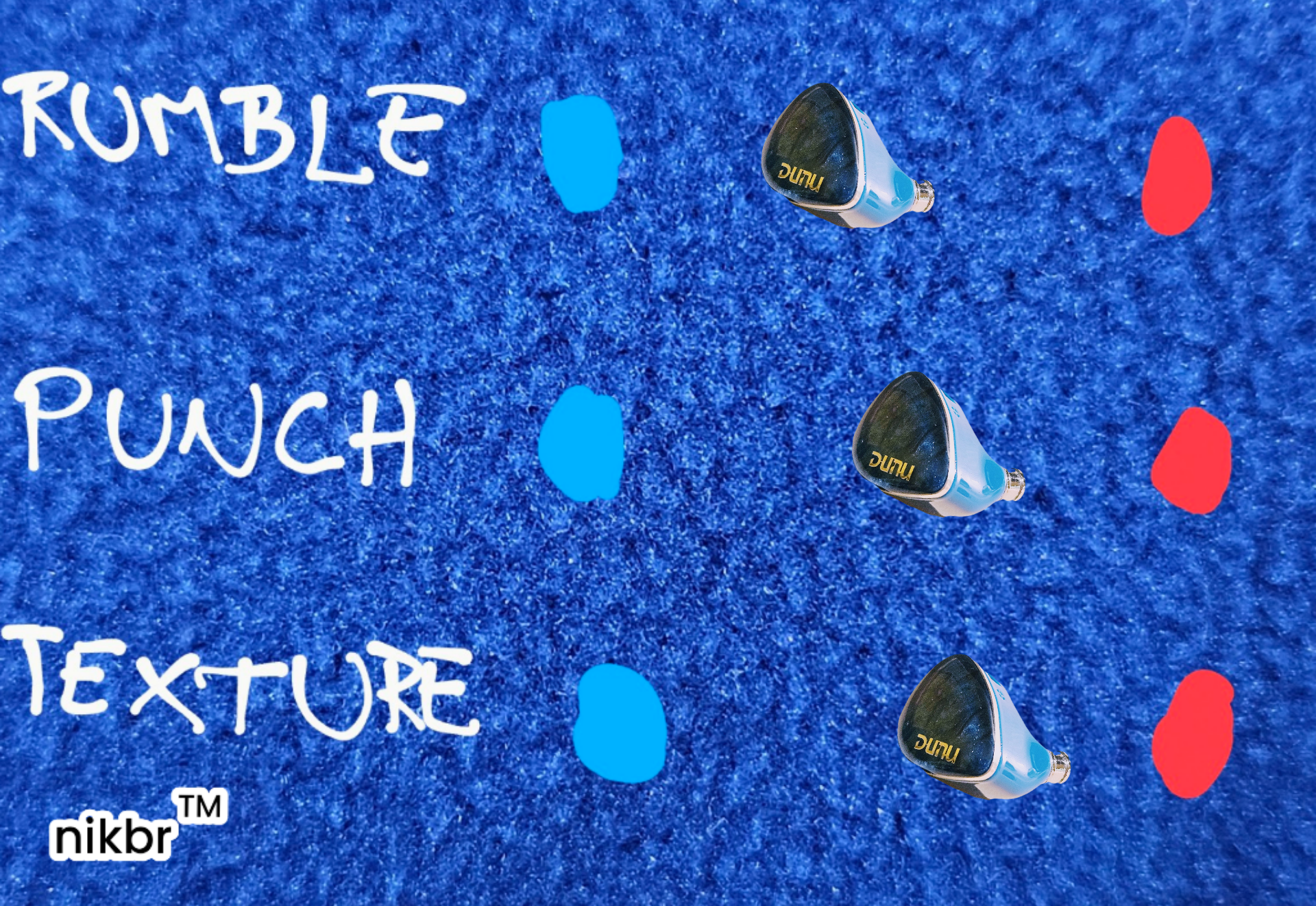
Bass is one of DUNU's strengths on all their sets I have heard, but they are never meant for bassheads and each set handles this area significantly differently. Quantity is always thought out and judged in unity with what they are going for. This way the DK3001BD 'Braindance' has a subbass lift and calm midbass to complement the stunning extension up top, the Vulkan 2 is intentionally lighter in bass to offer a midrange- and treble-first taste, whereas the DN-142 is supposed to represent the water element which requires a sense of effortless flow. Precisely how I'd describe this bass – very liquid-like. Subbass likes to rumble and does so very admirably, but does not move the most air of any DD. Midbass can kick, but might come across a touch soft around the edges. A beautiful subbass to midbass coexistence, reinforced by great texture that allows bass guitars and drums their tightness and playfulness equally. Timbre is spotless too and can be further improved on great sources – more on that later. The bass then cautiously tiptoes its way into the low midrange, skillfully avoiding any sense of bloat or overly heavy guitars or lower third of piano tones.
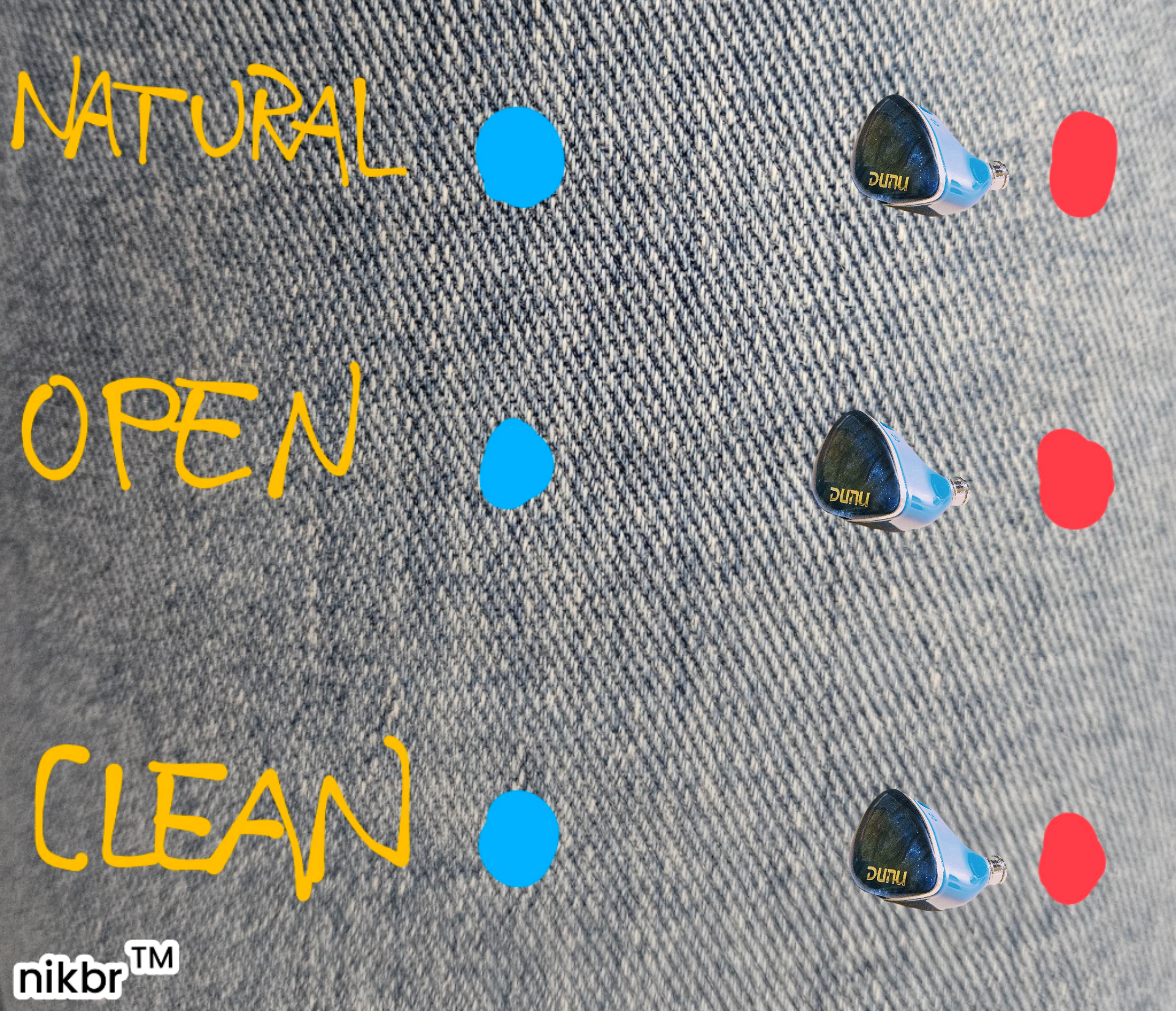
Mids leave no stones unturned with great sense of space, layering, and detail. Piano is well connected throughout its rich frequency range. Guitars come across as a touch more careful or velvety than I prefer, but not overly so. Male and female vocals are roughly equally convincing and avoid any sense of nasality or honkiness. They never sound shouty either, it manages even the worst pop offenders quite well. Timbre too is very fine, while leaning a bit over to that dry side. This is not a lush sort of midrange that really allows for a calm background listen. It requires attention, but isn't out there really screaming for it. The combination of bass and midrange is very beautifully packaged into a single unit that works as a team. That's surely thanks to well thought out crossover points, among other things. Placement of vocalists is right where I'd want them were I to tune these – upfront, occupying the center and holding their spot with vigour, no matter how crazy the surrounding accompaniment. Yet, I seem to be able to pick up any of the tiny details that flow in the background and form the whole atmosphere. Overall, a very convincing performance in this department.

Treble is where things don't quite work out for me, but it's far from bad, so listen up. The way they managed to make this reasonably priced mid-fi set have a voice so prominent and sing so sweetly is impressive. It all works more than well enough and is bound to make those that are newer to the hobby, in particular, very impressed by what they're hearing. This is no basic sound, not even in today's day and age of IEMs, which are, as a whole, getting better collectively, but there still remains a clear separation among those finer ones and the ones that are soon run over by the tide of constant novelties. Treble is where major differences reside, so it's still the greatest tool to judge just how special an IEM is. While I feel the DN-142 does so much right: on target with the quantity, the energy, the incisiveness, the lack of sibilance, the detail retrieval; two problems I find hard to justify: firstly, texture is overly loose and a mixture of metallicness as well as wetness comes across – a weird unorthodox combination. Songs with lots of hihats or other treble information get a bit hissy and overly pronounced. Air is very muted and it's a shame as the bass and midrange positives I mentioned could profit from it. As a whole, highs are where I feel the set gets a bit non-cohesive and shows its reasonable price tag a touch too clearly.
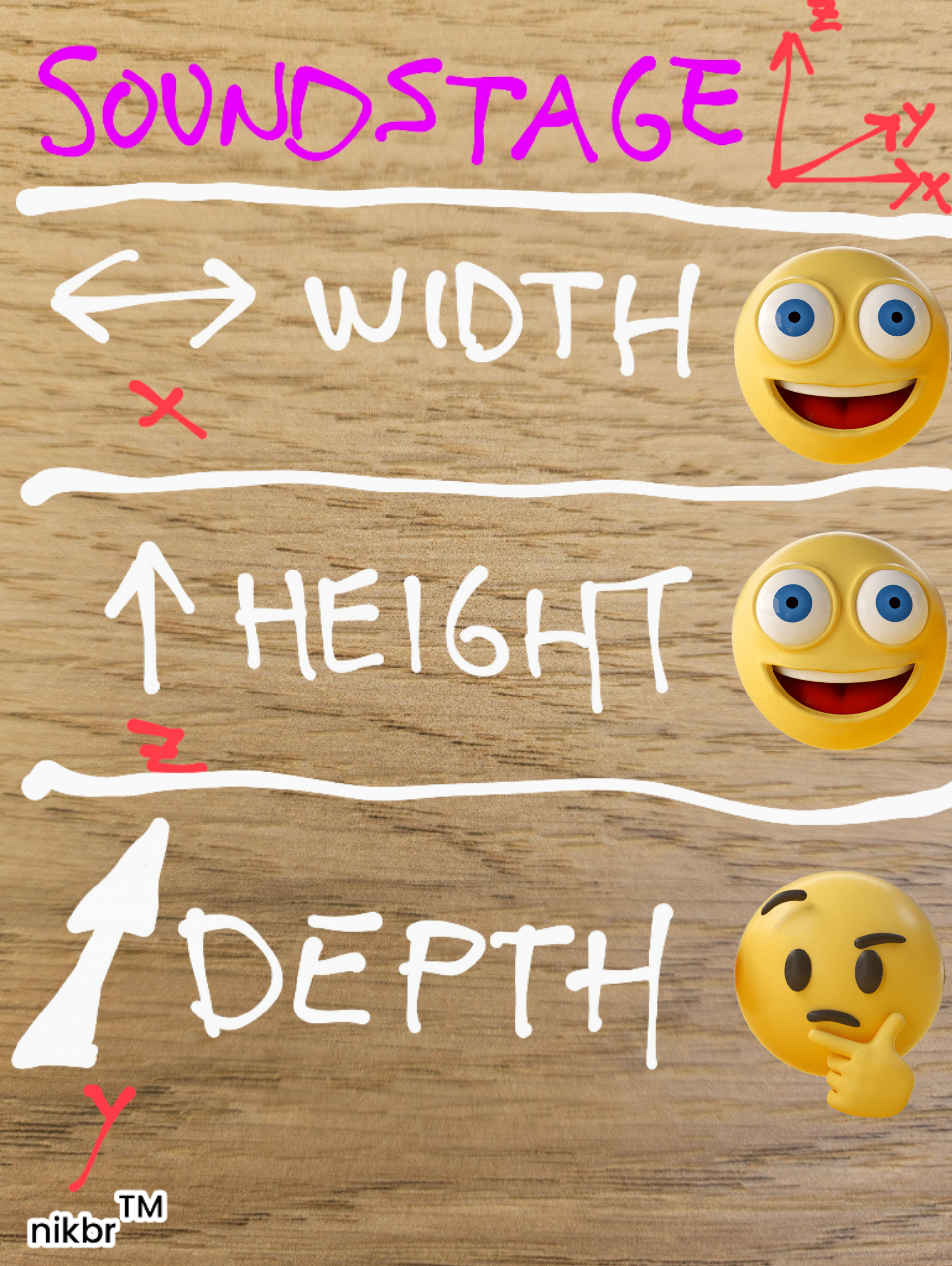
Soundstage is decently extended in all directions which allows for sufficiently spacious midrange and solid imaging, but those magical moments of holography are not a thing here nor does it quite get the sense of depth totally down.
THE EFFECT OF SOURCES & SCALABILITY
The effect sources have on sets is often overlooked or at least not as highly regarded as it perhaps should be. While I still maintain the stance that the transducer is of main importance, sources follow right thereafter. Certain sets will be more responsive to various DAC/AMPs, while others seem to remain relatively unchanged and unaffected by source-rolling. The DN-142 is susceptible to source-rolling changes which are audible and can tilt the set either way. I've got three sources worth trying: iBasso DX180, Chord Mojo 2, and iBasso Nunchaku. The added dimensionality and fullness of sound on the Mojo 2 is hard to miss. It works wonders in midbass richness and in midrange layering. It also injects the treble with more life and resolves some of the metallicness I talked about in the previous segment. Simply a great choice for the DN-142. The difference is honestly quite staggering, rarely is it this noticeable. Nunchaku offers two modes. In tube mode it's punchier than the DX180 alone, but I'm not a fan of treble presentation with additional velvetness on top of the bad qualities I mentioned in my treble description. In AB mode it gets closer to Mojo's mojo, but isn't quite as spacious and bass remains a touch more anemic. In short, DN-142 likes a more dynamic and resolving source and rewards the listener.
Another particular subject that is still somewhat of a mystery and a taboo, is whether IEMs scale with sources, and if so, why? We know IEMs barely use any power to play. And thus the often heard 'headroom' argument seems a bit moot. But there are certainly other aspects of Amp design that are well over my head and still somewhat unexplored or at least unexplained. I did not notice much difference in this regard going from my entry-level tiny dongles to the Mojo 2. The tonality and technical prowess improve, but I don't think it has anything to do with additional wattage, since DN-142 really isn't all that difficult to get going volume-wise.
THE COMPARISONS
Right, comparison time. Let's go with DUNU DN-242, DUNU Vulkan 2, Letshuoer Cadenza 4, ISN H60, and DITA Project M. Oh my, 5 comparisons, yikes. I'll keep these brief. Chord Mojo 2 is on duty with its dual outputs for the swiftest A/B possible.
1. VS DUNU DN-242, 2DD+4BA+2MP, ~300€
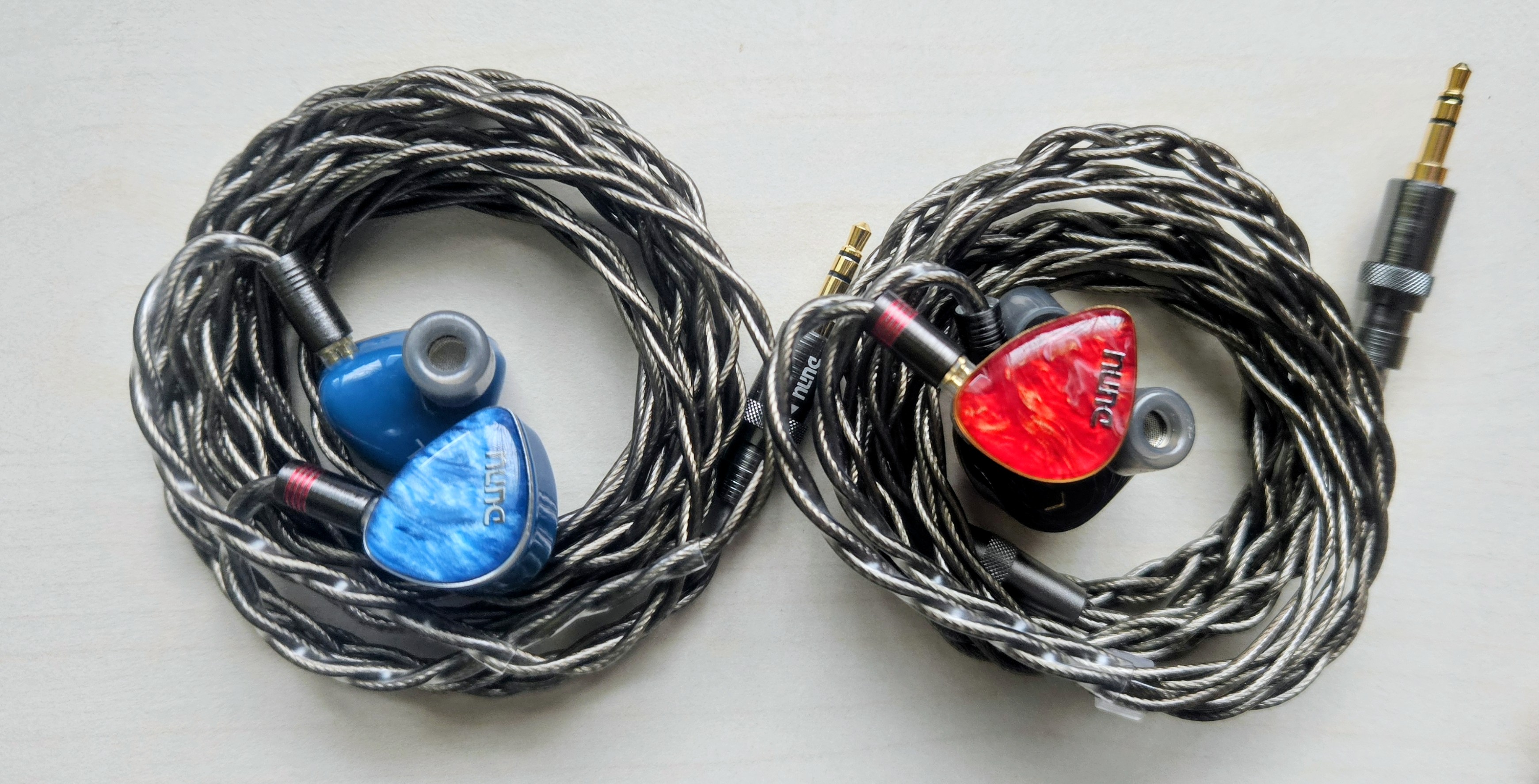
DUNU's Water & Fire duo we have all been waiting for! The 242 is just slightly easier to drive and the 142 is simple too. They obviously feel and fit absolutely equally. They are close in sound too. The 242 is the more V-shaped of the two. The 142 comes across as the calmer and bassier of the two, where the 242 puts some more emphasis on highs to offer a spicier take, sadly at a cost of further exacerbating the problematic areas as well as introducing some sibilance. Those female vocal recordings that have been recorded so that sibilance is attenuated sound livelier and more natural on the 242, though. Once more it seems my tendency of preferring the way a single (good) dynamic driver handles bass holds true. 142 offer a bass that is better situated with greater control over subbass extension as well as dynamic swings of punchier, rapid movements. Overall, I think the 142 is the superior product, but those that prefer a touch more bass and low treble, while not being too strict on treble's slightly haywire nature.
2. VS DUNU Vulkan 2, 2DD+6BA, ~310€
In comparison, the Vulkan 2 feels like a product that belongs a class above the 142 (and 242, respectively). The look and feel of its shells are miles ahead of the rather basic run-of-the-mill resin&plastic 142. They are the exact same shape, so if one fits, other will too. And sound? These are like the exact opposites of each other. The Vulkan 2 lacks in bass what 142 lacks in treble – extension and a sense of air and richness. I maintain that neither's weakness is too much to swallow, it is simply a case of preference. This next detail, however, is unavoidably the dealbreaker for some - Vulkan 2 is loud listener's nightmare with overly amplified low treble versus its cautious bass, not so with the low-end-dominant 142 which awakens with a slight twist of that volume knob. Technically, they are difficult to compare due to the major tonal difference, but still, the Vulkan 2 offers a more forward midrange and better imaging. There is quite a bit of hiss in the low treble that needs some getting used to on the Vulkan 2, especially risky and rather uncomfortable in those heavily hihats- and cymbal-driven metal songs. Ultimately, I cannot choose a winner, but the camps of those interested in these two are separate anyway.
3. VS Letshuoer Cadenza 4, 1DD+3BA, ~210€
The Cadenza 4 are so tiny in comparison. They also feel higher quality thanks to their uniquely textured shells. Beside their superior comfort, Cadenza 4 is an even more comfortable listen as well with more pronounced bass and tamer highs. It does not go too far down that chill path, though, and succeeds providing a musical experience better than that of the 142. However, midrange and treble both are 142's for the taking with much more capable layering, texturing, openness, timbre, … The difference is quite staggering, in fact. Must be the microplanars doing their thing, as well as perhaps the additional BA helping out. Those that aren't completely anti-treble will find the 142 as the more balanced and more lively listen that also schools the Cadenza 4 in technicalities. The 142 is the winner in most regards.
4. VS ISN H60, 2DD+4BA, ~300€
H60 looks cooler with translucent shells. Size and shape are similar to equal. Hm, this one is interesting! These are similar in tonality, but the H60 offers a more musical take on the tonal balance and pushes both bass and treble in a more balanced fashion. What all that means in practice is that the H60 is the more enjoyable set, but one that might become fatiguing and overly energetic sooner than the 142. Bass fullness is easily H60's strength and the H60 remains one of the rare sets with well implemented dual DDs in my experience. Imaging is better on 142, while the H60 takes it in note weight and overall sense of grandness and immersion. The midrange actually comes across a touch artificial on the H60 right after the 142, especially noticeable on acoustic guitars, such as Lonely island by Amble. There is no way around it, the H60's midrange is authentic yet not the most natural. Similar can be said of the treble, especially low treble that hits quite hard on the H60, while 142 smooths out that risky zone, very noticeable on Shivers by Ed Sheeran. The two go along quite well, H60 as the fun set and 142 as the calmer and more honest set.
5. VS DITA Project M, 1DD+1BA, ~280€
The 142 is bassier and overall a better balanced IEM. As a direct result of that, that is also where it seems to lose out as it lacks the specialty of the Project M. Project M's bass texture is one of the greatest on the market still. While it does not really rumble all that convincingly nor does it smack you in the face with the attack on those rapid rhythmic notes, the decay and overall sense of spaciousness of the low end is unmatched by the 142. So which low end one may prefer is totally down to preference, but those that wish the bass to be more upfront and like to listen loudly would prefer the 142's lows. Midrange is so much different. The Project M starts off as the slihgtly warmer of the two, but the severe lack of high mids nearly renders it as muddy in comparison. Not quite, but those that want a more transparent and better layered midrange with greater imaging would find the 142 better. Project M simply goes about its own way – where better to see that than the treble range. Sibilance is a non-issue on either, but the mid treble is spicy and very source-sensitive on the Project M which can provide a similar cringe-worthy sensation as sibilance in certain instances, such as Come Undone by Duran Duran. Those that holds strong grudges against treble can only go for the 142 out of these two, but even though my ears are still young and somewhat decent, the Project M's treble is more fun and sweet, at least to my taste as it never really feels not one bit metallic, hissy, or overworked despite a rather questionable tuning choice by DITA which makes the Project M a short-term listen, I would not spend hours with these. I'm afraid it is impossible to choose the winner as these go about their job so differently.
THE CONCISE SUMMARY
An impressive set, mostly. I appreciate the design which is just playful enough, but not overly childish. As always, DUNU delivers a decent accessory lineup. The effortlessness of fit, drivability and sound playback are all there. Weighing all the pros against the cons makes this a fair bet for those newer to the hobby, while I think some other, similarly or slightly costlier sets, do a better job in providing a unique yet catchy and capable take on one's favourite songs, so I don't quite see this as a set for those already rocking rich collections, unless they really like the duo of 142 and 242 and simply need to have these two alongside for some reason.