Reviewed by Hifi Juegos
:
-Many gamers were asking for an affordable IEM with RGB LEDs. Here it is.
-No listening fatigue.
-Ergonomics suitable for many hours.
-A large soundstage.
-Very precise for its price.
-Action scenes are very intense with this IEM. Good bass.
:
-DSP not compatible with absolutely any application or program.
-Ear tips could be improved. Poor seal.
-Non-detachable cable.
-Sound layer separation does not benefit multiplayer.
-I did not notice any increase in my FPS.
𝐇𝐞𝐥𝐥𝐨 𝐂𝐨𝐦𝐦𝐮𝐧𝐢𝐭𝐲
It’s time for a product designed for those video game players who like little lights: 𝐊𝐁𝐄𝐀𝐑 𝐕𝐞𝐧𝐮𝐬. Let’s go.
𝐏𝐫𝐢𝐜𝐞: €23–$27
Purchase link
𝐈𝐧𝐭𝐫𝐨𝐝𝐮𝐜𝐭𝐢𝐨𝐧:
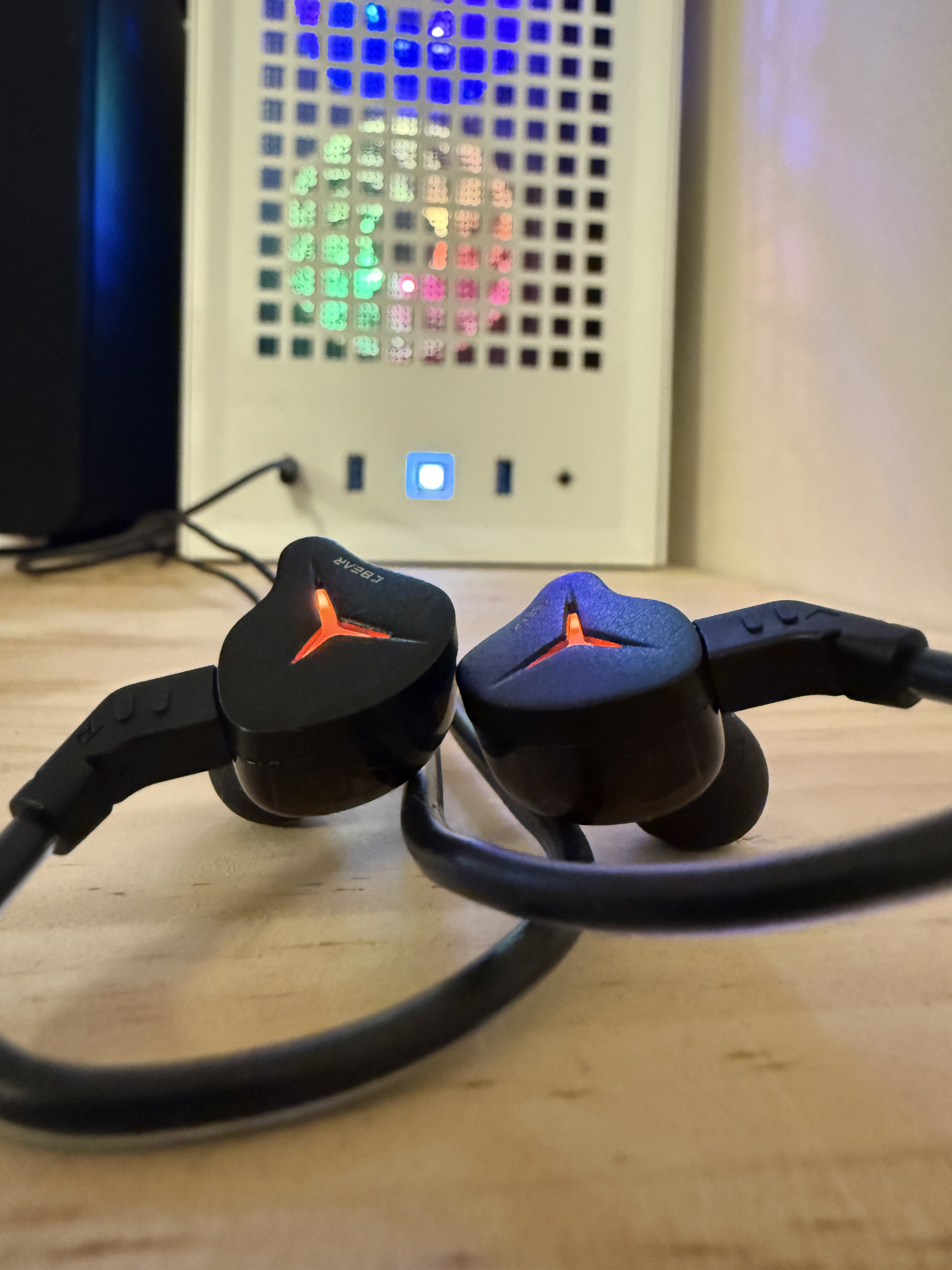
KBEar Venus wants to capture gamers’ attention with its RGB lights and be their ideal companion for their gaming sessions.
This IEM comes to fill a gap demanded by lovers of video games and colors who felt they could not find a product that would sit in their ears with glowing LEDs.
Well, here it is, friends. KBEar has listened to you.
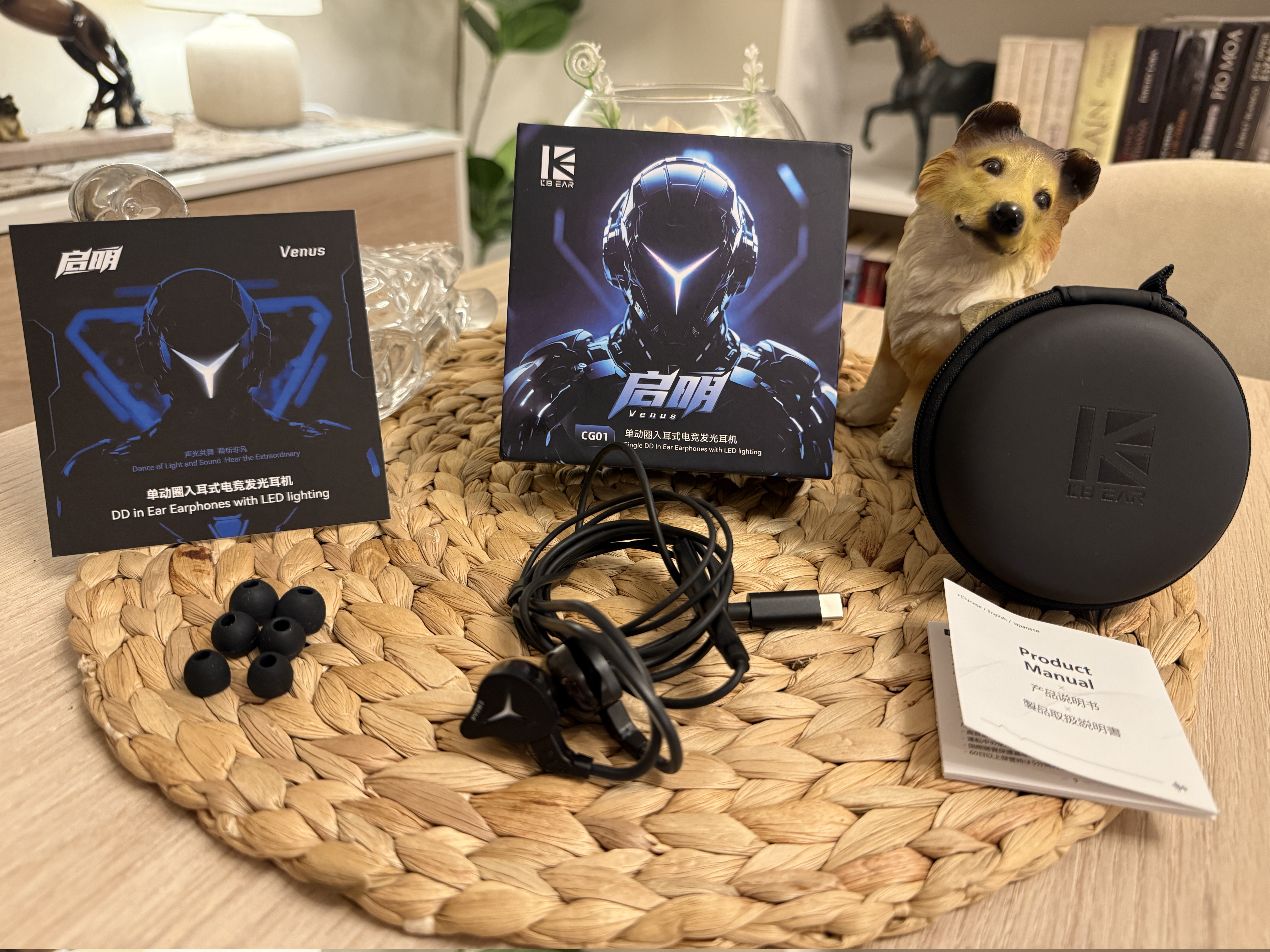
𝐀𝐜𝐜𝐞𝐬𝐬𝐨𝐫𝐢𝐞𝐬:
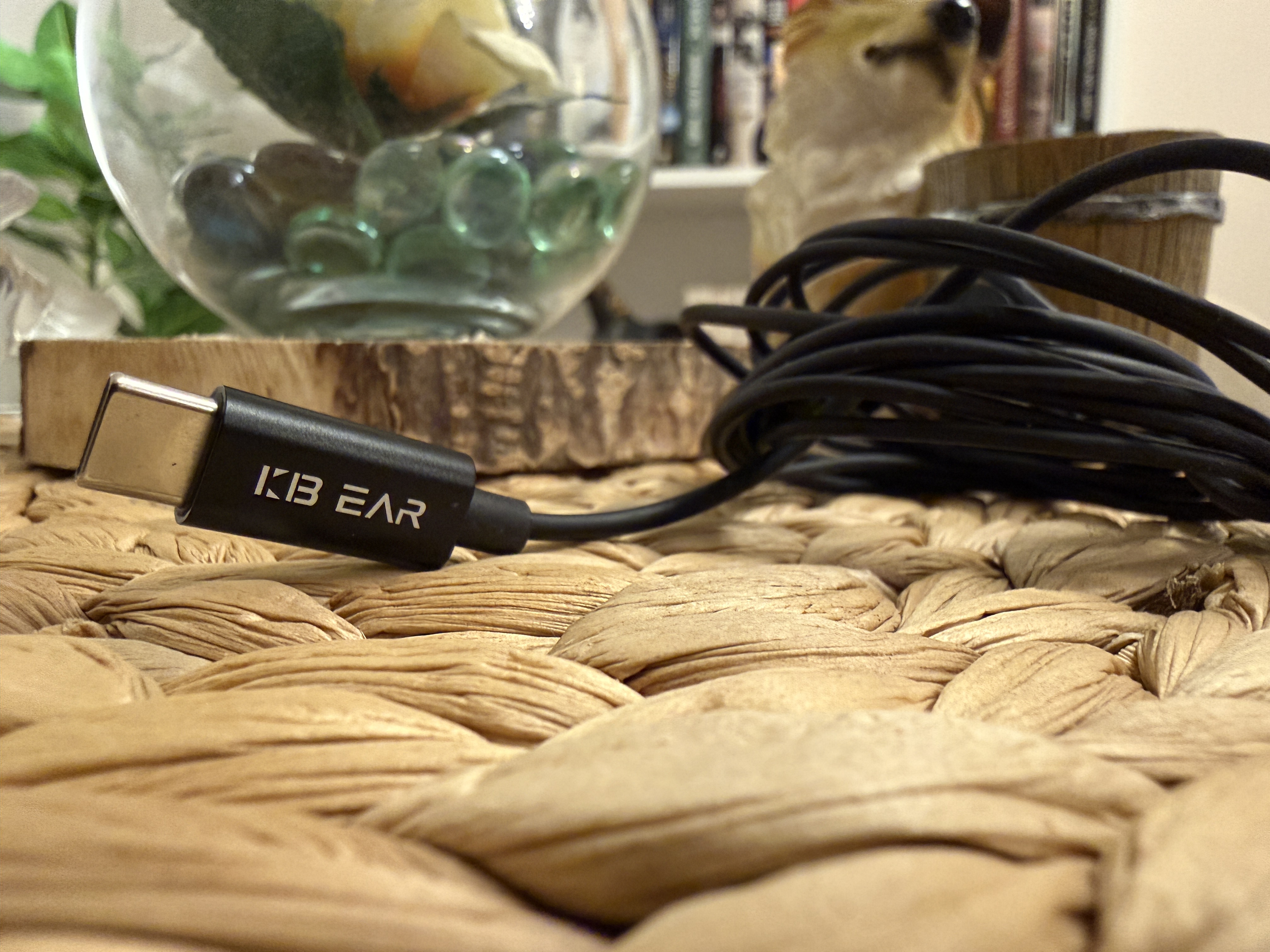
-Two capsules attached to the USB-C cable with DSP.
-A set of ear tips in sizes S M L.
-Storage and transport case.
-User manual.

𝐂𝐨𝐦𝐟𝐨𝐫𝐭, 𝐝𝐞𝐬𝐢𝐠𝐧, 𝐚𝐧𝐝 𝐛𝐮𝐢𝐥𝐝:
Ergonomically they are very good; I have no complaints in that regard. Perhaps for some, their capsules, which are medium-sized, may cause pressure from the edges of the body shape, but I cannot confirm this as I did not experience it and I spent hours and hours listening while playing.
What I didn’t like much are the included ear tips. I understand that it is a low-cost product and the accessories have to match the price. For me they are not very elastic, they do not provide a good seal, and they even bothered me inside the ear.
The cable is designed to be used at a desk or while sitting on the couch while you play. If you maintain a sedentary position, you will not have problems. However, if you move around while walking, you will suffer from tangling.
Even so, it feels resistant; it is designed to be durable and so that you can spill your most gamer drinks and snacks on it and not ruin it, since it is covered with thick plastic.
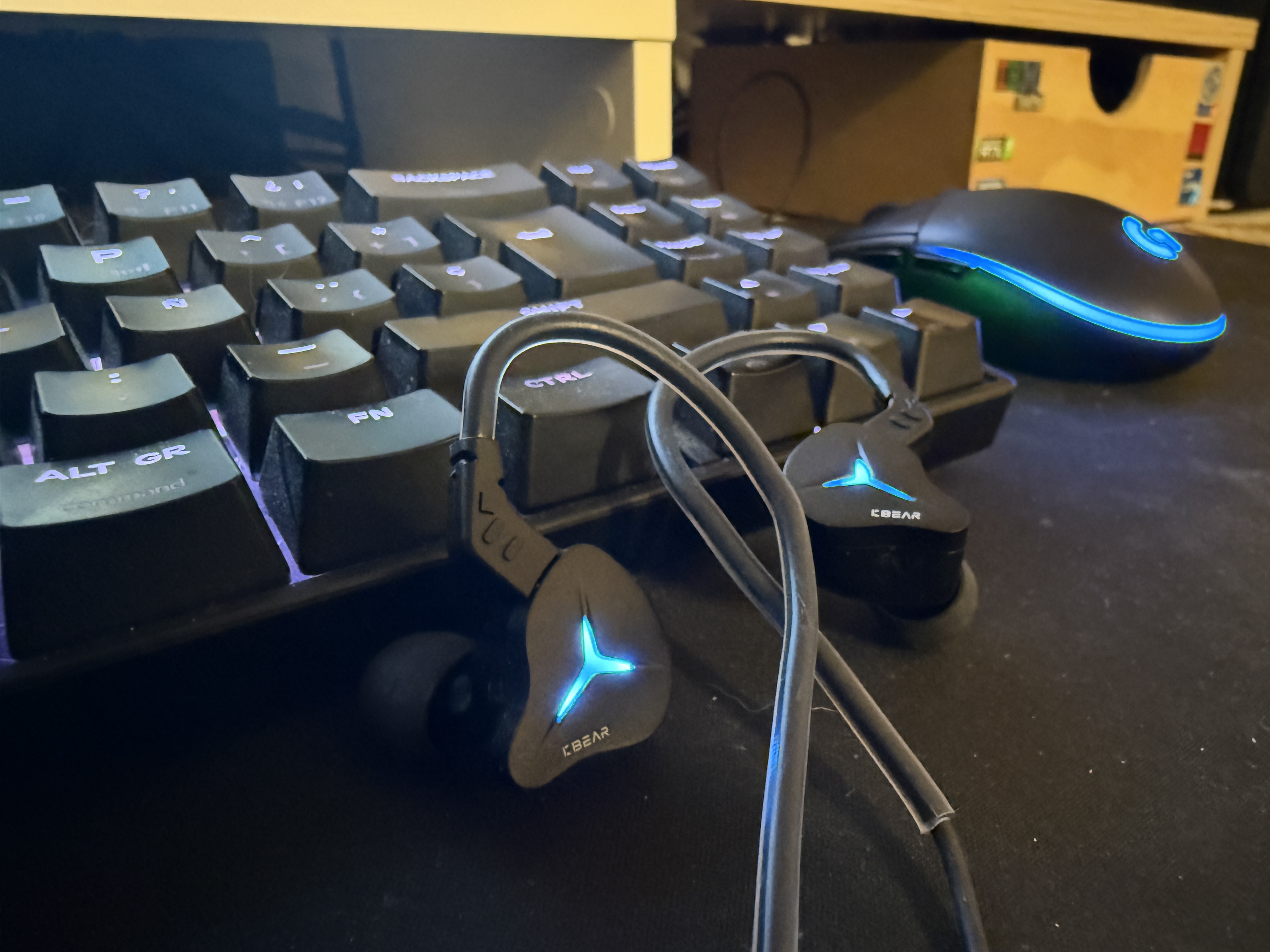
The construction is simple, with a resin body and a plastic faceplate where the protagonist is the RGB that changes dynamically.
Personally, speaking of aesthetics, it is not something that fits my tastes, but I applaud that they release this type of product and I am very grateful to be able to try them.
𝐓𝐞𝐜𝐡𝐧𝐢𝐜𝐚𝐥 𝐚𝐬𝐩𝐞𝐜𝐭𝐬:
-10 mm 1DD configuration.
-32-ohm impedance.
-100 dB sensitivity.
-20 Hz–20 kHz response.
 𝐃𝐒𝐏, 𝐜𝐨𝐧𝐭𝐫𝐨𝐥𝐥𝐞𝐫, 𝐚𝐧𝐝 𝐦𝐢𝐜𝐫𝐨𝐩𝐡𝐨𝐧𝐞:
Let’s start with the bad. My question to KeepHifi was the following: what can I use to control the Venus EQ? The answer was that for now there was no way, but that it could be implemented in the future. We’ll see if it can be done; hopefully yes, since having studied the capabilities of this gamer monitor for hours, it could be equalized into something better for multiplayer.
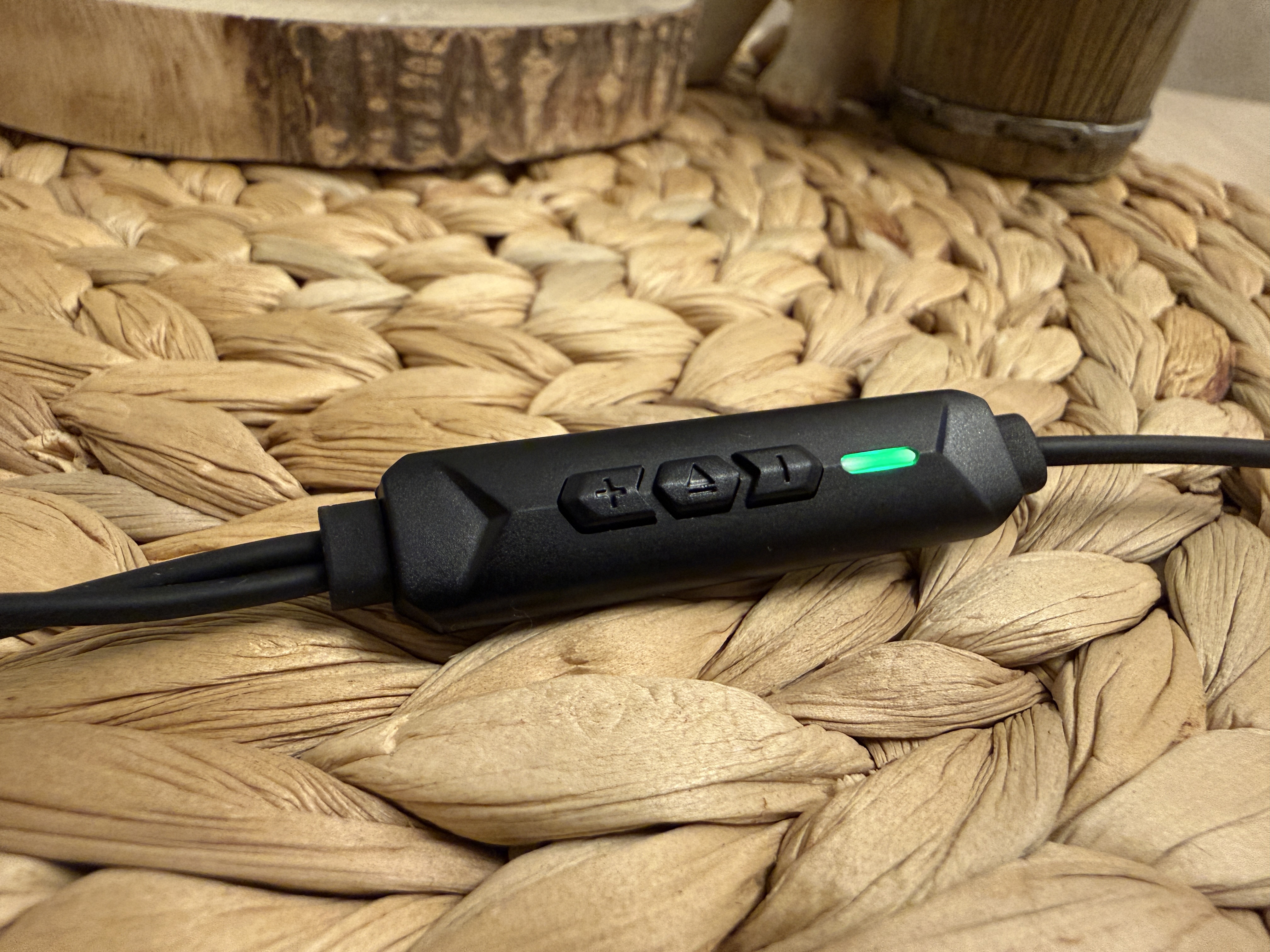
Halfway along the cable is the song and call controller. The typical play/pause buttons, skip track, hang up and answer. Everything is detailed in the manual. The construction is plastic, not very refined, but it works.
As for the microphone, it is more than sufficient to be heard. The quality is not excellent if we talk about resolution and, in addition, it places your voice very far back, giving a sense of distance, but it can be used. We can’t be too demanding either.
𝐏𝐚𝐢𝐫𝐢𝐧𝐠 𝐟𝐨𝐫 𝐭𝐡𝐞 𝐭𝐞𝐬𝐭𝐬:
There isn’t much to say here because this connects via USB-C. The stock ear tips were changed for Tri Clarion ones, which are open-bore.
These tips are some of my favorites for doing my multiplayer tests. It’s not that Venus needs to widen the stage, but it always helps when it comes to slightly diffusing the thickness of the lower frequencies and having better perception of details.
𝐒𝐨𝐮𝐧𝐝 𝐬𝐢𝐠𝐧𝐚𝐭𝐮𝐫𝐞:
The KBEAR Venus presents a moderate V-shaped signature, with emphasized bass, slightly recessed mids, and bright but controlled treble. The sub-bass has good presence and adds a sense of weight without muddying the overall sound. The mids are not the stars, but they maintain enough clarity for a pleasant listening experience. The treble adds sparkle and detail, although without becoming aggressive. This is a tuning designed for entertainment and content consumption, far removed from audiophile standards, with emphasis on impact, energy, and a sense of spectacle, rather than neutrality or absolute precision.
𝐒𝐢𝐧𝐠𝐥𝐞-𝐩𝐥𝐚𝐲𝐞𝐫 𝐯𝐢𝐝𝐞𝐨 𝐠𝐚𝐦𝐞𝐬:
Always seeking the most cinematic experience possible, tested in narrative and action-intensive titles. Check my blog to see the specific games and the conditions of the audio analysis in video games. Ear tips used: Tri Clarion.
★ 𝔸𝕔𝕥𝕚𝕠𝕟: in games of this type, the Venus shines; it was something very surprising. Explosions, hits, and strong effects feel full-bodied and present, giving that sense of awe that makes every intense scene feel bigger, more epic, and much more immersive.
★ 𝔻𝕚𝕒𝕝𝕠𝕘𝕦𝕖: voices are heard clearly and well defined, but without standing out in naturalness, and without being super forward. Even so, they are perfectly understandable and do not get lost among the effects, maintaining a comfortable and pleasant narrative experience.
★ 𝕀𝕞𝕞𝕖𝕣𝕤𝕚𝕠𝕟: it captures environmental sounds and background details well, helping the game world feel alive. It is not hyper-analytical, but it does manage to fully draw you into the game’s atmosphere.
★ 𝕃𝕒𝕪𝕖𝕣 𝕤𝕖𝕡𝕒𝕣𝕒𝕥𝕚𝕠𝕟:
separation is correct for its range, sufficient for this type of games, allowing you to distinguish different sounds without everything blending together and without perceiving disorder, although it is not ultra-surgical nor at the level of more expensive or more audiophile IEMs.
★ 𝕊𝕠𝕦𝕟𝕕𝕤𝕥𝕒𝕘𝕖: the stage is very wide and enveloping, more focused on giving a sense of space than on ultra-precise placement. I was able to enjoy well-distributed soundscapes in open-world games.
★ 𝕊𝕚𝕓𝕚𝕝𝕒𝕟𝕔𝕖: the treble is well controlled. It is not shrill or annoying, even in effect-heavy scenes prone to being fatiguing, which helps you play for hours without fatigue.
★ ℙ𝕠𝕤𝕚𝕥𝕚𝕠𝕟𝕚𝕟𝕘: when it comes to placing elements within the scene, it works correctly, with confidence in being able to distinguish the position of what is sounding, allowing you to locate important sounds without problems, although it is not designed to offer millimetric precision.
𝐌𝐮𝐥𝐭𝐢𝐩𝐥𝐚𝐲𝐞𝐫 𝐯𝐢𝐝𝐞𝐨 𝐠𝐚𝐦𝐞𝐬:
Always seeking the most analytical stage experience possible, tested in competitive shooter titles. Check my blog to see the specific shooter games and the conditions of the audio analysis in video games. Ear tips used: Tri Clarion.
★ ℂ𝕠𝕦𝕟𝕥𝕖𝕣 𝕊𝕥𝕣𝕚𝕜𝕖 𝟚: the KBEAR Venus allows correct identification of footsteps and gunshots, with a clear and stable stage. It is not the most precise for millimetric positioning, but it offers sonic coherence and sufficient separation to play competitively in a comfortable and consistent way.
★ 𝔸𝕡𝕖𝕩 𝕃𝕖𝕘𝕖𝕟𝕕𝕤: in Apex it stands out for its wide stage and sense of space. It helps locate enemies vertically and horizontally with reliability, although in chaotic fights it can lose some definition compared to more technical IEMs.
★ ℂ𝕒𝕝𝕝 𝕠𝕗 𝔻𝕦𝕥𝕪 𝕎𝕒𝕣𝕫𝕠𝕟𝕖: it offers good reading of footsteps, distant gunfire, and close action. Separation is correct even in intense combat, although it prioritizes impact and immersion over positioning precision.
★ 𝔹𝕒𝕥𝕥𝕝𝕖𝕗𝕚𝕖𝕝𝕕 𝟞: on large maps and massive battles, the Venus feels enveloping and powerful. It maintains a coherent stage and functional separation, ideal for enjoying the chaos without completely losing spatial reference.
𝐅𝐢𝐧𝐚𝐥 𝐜𝐨𝐧𝐜𝐥𝐮𝐬𝐢𝐨𝐧 𝐚𝐧𝐝 𝐩𝐞𝐫𝐬𝐨𝐧𝐚𝐥 𝐫𝐚𝐭𝐢𝐧𝐠𝐬:
I’m not going to beat around the bush. Personally, I consider it a safe bet if what you want are little lights that match your gaming setup and you are looking for something that more than meets your sound demands in video games at a very low cost.
Changing the ear tips is highly recommended, especially for multiplayer, which is where performance feels weakest due to not being very clarifying when it comes to dividing sound elements. With open-bore tips, Venus becomes a very good product where you can gain some sonic advantage, as it positions well within an open and logical stage.
For single-player video games, its performance is even better. Despite what I said above, we do not need surgical stratification in this field, although it is always appreciated. Its muscular temperament pushes that sense of intensity to very gratifying levels and, in addition, recreates the world in a lively and believable way thanks to a wide stage where you can savor every detail with your ears to gain cinematic immersion.
To finish, it would be appreciated to implement compatibility in the DSP function. I consider that the driver has the capabilities to perform much better when it comes to clarifying space when many sound elements converge at the same time.
If you made it this far, 𝐭𝐡𝐚𝐧𝐤 𝐲𝐨𝐮 𝐟𝐨𝐫 𝐫𝐞𝐚𝐝𝐢𝐧𝐠.
More reviews on my blog.
Social media on my profile.
𝐒𝐞𝐞 𝐲𝐨𝐮 𝐢𝐧 𝐭𝐡𝐞 𝐧𝐞𝐱𝐭 𝐫𝐞𝐯𝐢𝐞𝐰
𝐃𝐢𝐬𝐜𝐥𝐚𝐢𝐦𝐞𝐫:
This set of monitors was sent by 𝐊𝐞𝐞𝐩𝐇𝐢𝐟𝐢. I sincerely appreciate the opportunity to be able to test one of their products at no cost and that no conditions were imposed when creating this analysis.
Despite this, my priority is to be as impartial as possible within the subjectivity that comes with analyzing an audio product. My opinion belongs only to me and I develop it around the perception of my ears. If you have a different one, it is just as valid. Please feel free to share it.
𝐌𝐲 𝐬𝐨𝐮𝐫𝐜𝐞𝐬:
-Desktop PC.
-iPhone 16 PM.
-MacBook Air M4.