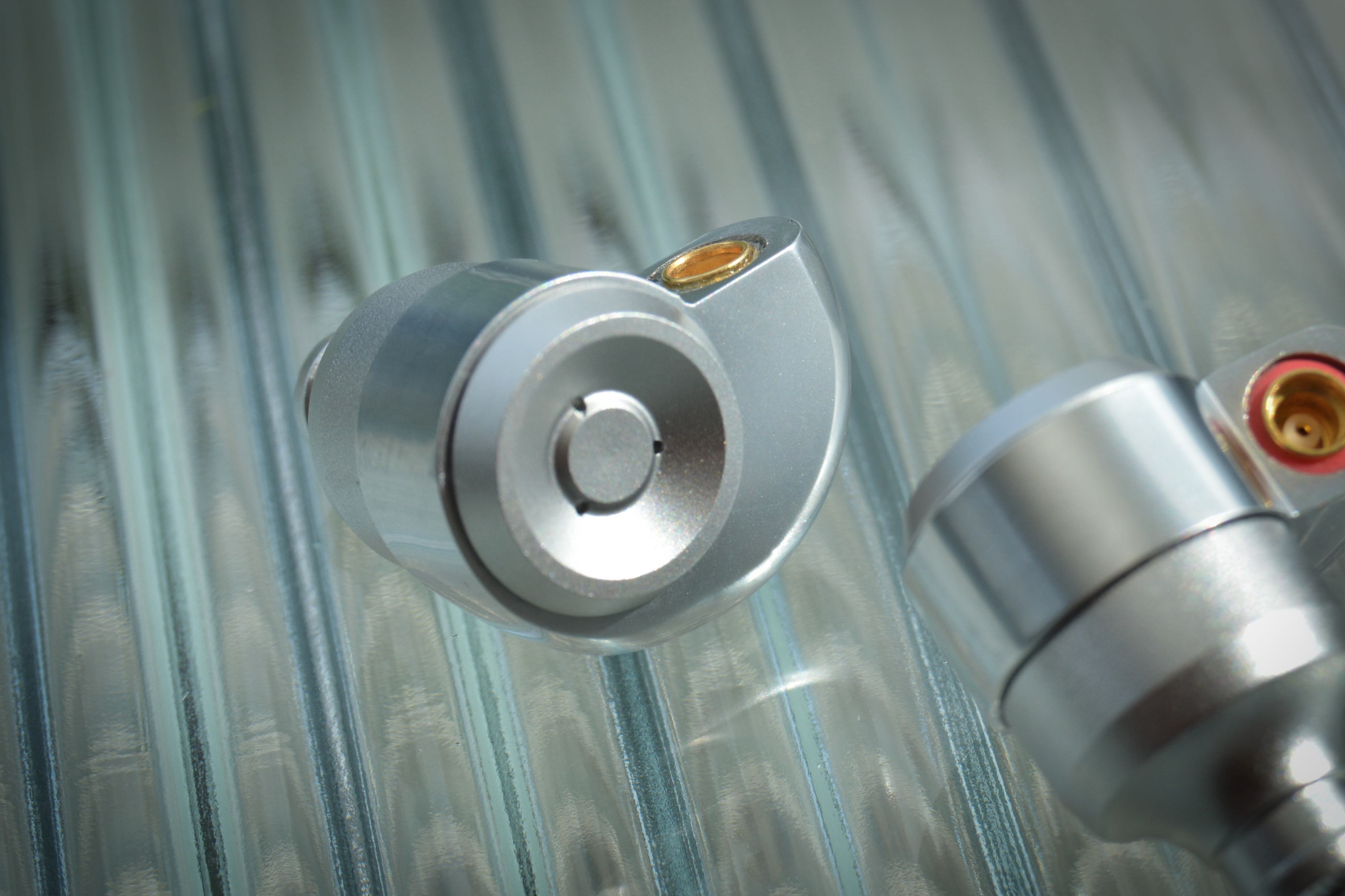
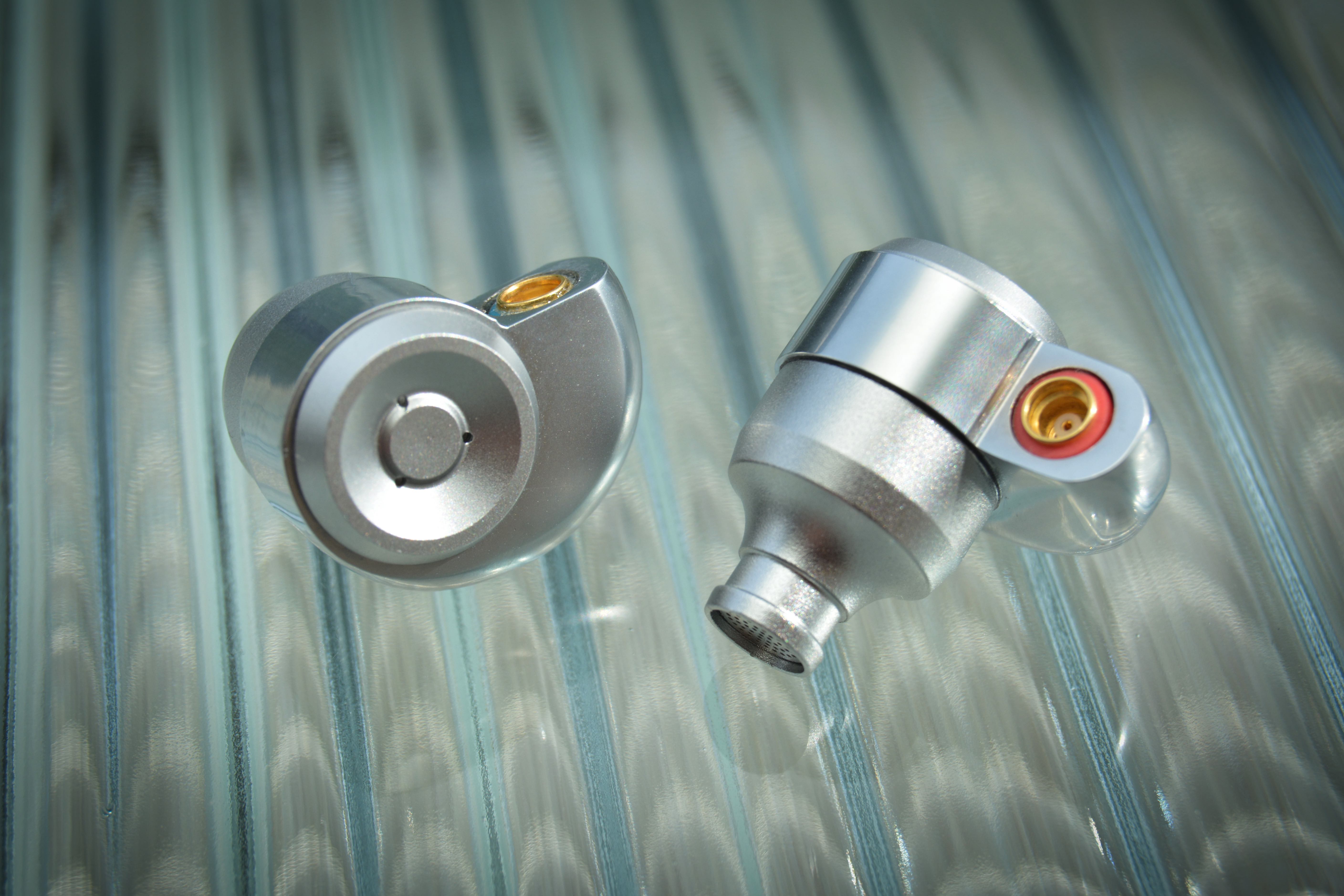
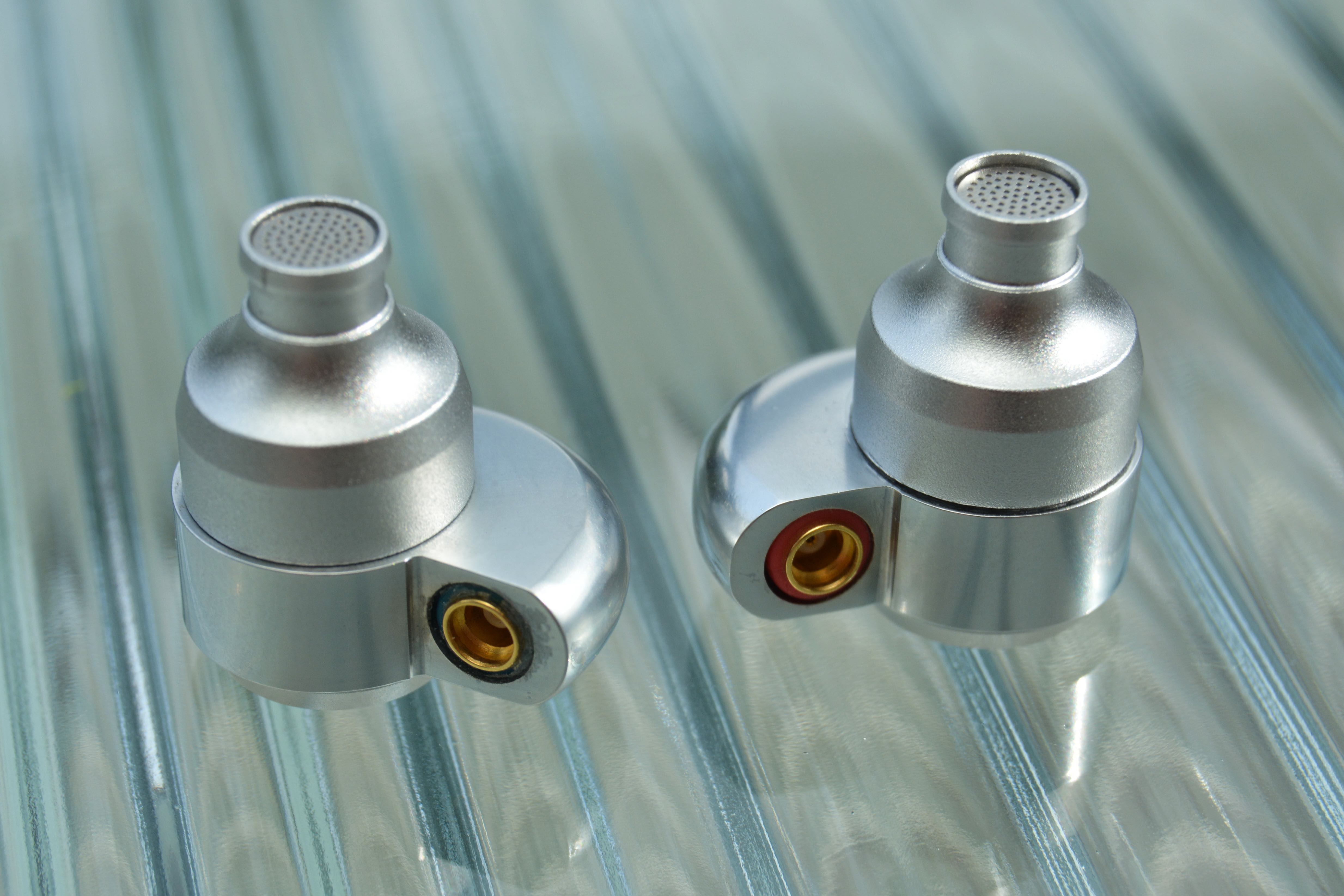
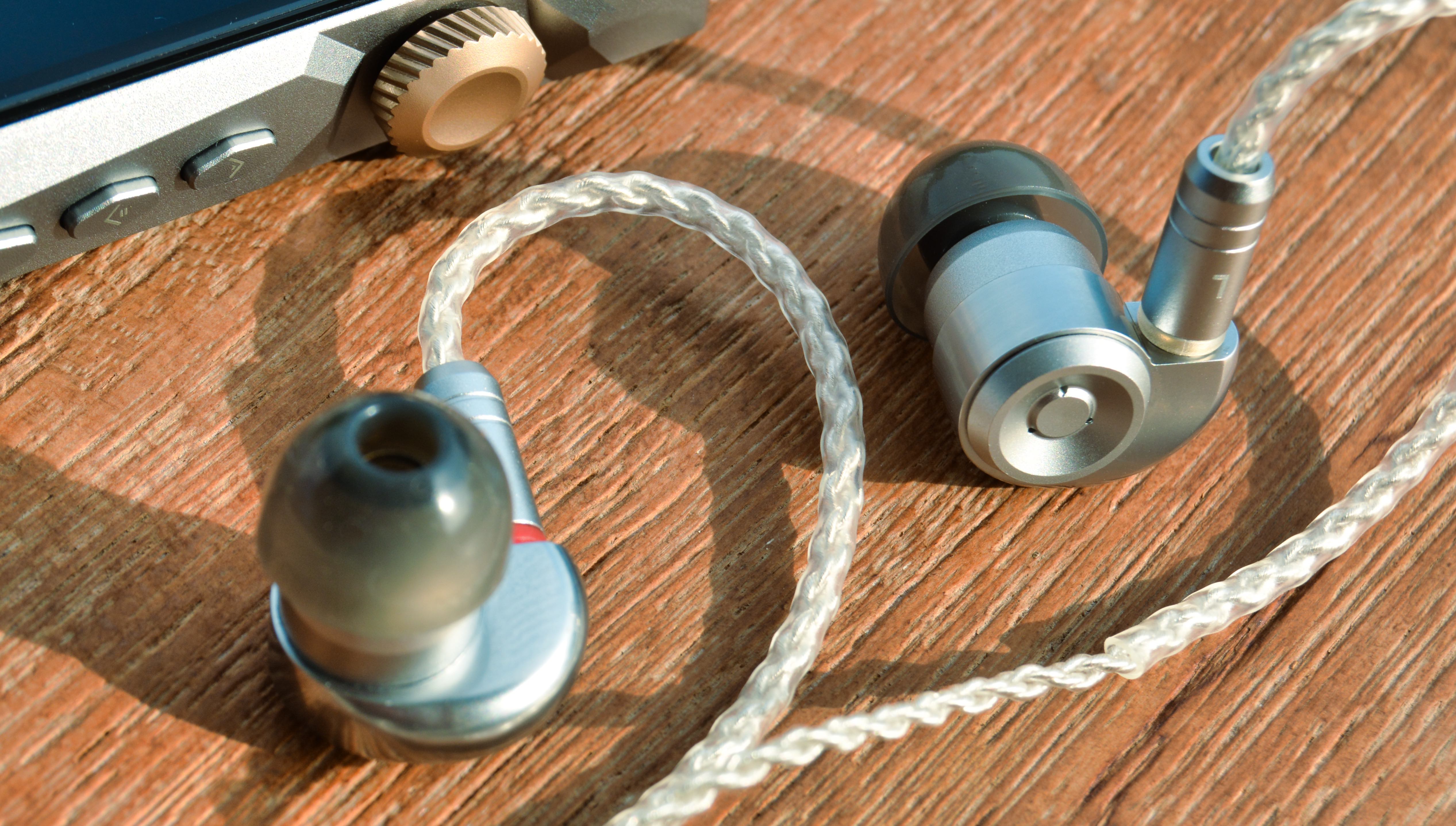
Robust V signature Amazing sub bass, and mid bass and lower midrange Build like a tank, yet only 6 grams a piece Robust and confident MMCX connectors I must have changed 10 or so times A thick and warm sonic presentation on the borderline of dark Small form, yet fitment is good due to big fins (you’ll see in photographs) Great timbre Great note-weight Golden treble that just seems to have enough detail, but not totally airy Medium large stage Good overall sound value in playback due to completeness and correctness, especially if you gravitate to warmer signatures Great decays and full-on sonic wholesomeness Easy to drive but not super easy Color coded right earphone and cable Pinna Gain may be just right, though careful Does good vocals, though not super forward When you look for it in music files, bass can be quite profound, especially in Electronic Music! :)
Cons:
Does good vocals though not super forward Cable overall ergonomics is questionable No 3.5mm/4,4mm modular included, only 3.5mm May be too dark for some listeners Confusing as same 2X DD as MKII model, though new MKIII’s 2X DDs make opposite in sound Adequate tip selection but only adequate Shape is slightly strange, but works out in the end after getting used to it Pinna Gain may be just right, though careful
The TINHiFi T2 MKIII Universal Ear-monitor Redcarmoose Labs January 5th, 2026
TINHiFi history: There has (over the years) become a vast TINHiFi history of products. There have been a few notable creations like the TINHiFi P1 Max Big Panda 14.2mm Planar or the $99.00 13mm DUDU Planar, which shares the same name as one of my dogs. And the demo list goes on including the C series……C1, C0, C2, C3 and the C5 Planar + BA. Then there is the T series which I have reviewed like the T2 and Flagship T7; a $199.00 a TOTL of 10mm single full-range DD joy! The T4 Plus, the T1S, the TINHiFi T3 Plus and T1 Plus and both the T5 and T5S. I mean there has been a few examples and I may have left a few out namely the T2 MKII………….what about the deluxe $699.00 P2 Ultra TOTL Flagship or the new (not reviewed yet) T6 1DD + 1Planar IEM.
Amazingly the first thing that came to my mind upon putting this T2 MKIII in my ears was just how different it sounded in comparison to the T2 MKII, plus how the sub and mid bass thrust……….this overall tone signature was much like the P2 Ultra! The P2 Ultra is a planar and the T2 III is a twin DD affair, so DDs do more sub bass than Planar IEMs normally.
It seems TINHiFi is changing their tone and creating warmer ideas of entertainment, maybe they are utilizing new sound design experts on hand? Whatever the reason we are in for some newly found fun and adventure here. That while not perfect, the MKIII does a lot of stuff right, and after 6 days of burn-in is ready for a full test of abilities.
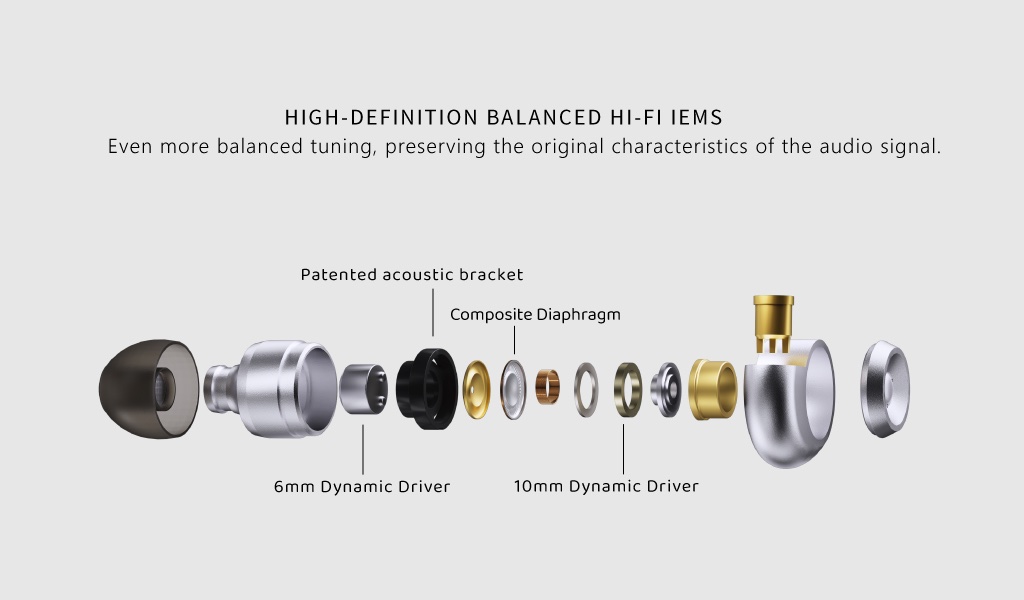
At $49.00 the new MKIII is on sale right now from its original retail of $69.00. Today I’m going to do comparisons to the newly released SIMGOT AUDIO EG280 Universal IEM. Now here with the MKIII we have an arrangement of dual dynamics……..in fact there is a 6mm DD combined with a 10mm joined “in-line” inside the IEM with a patented “acoustic bracket”.
SIMGOT AUDIO EG280:
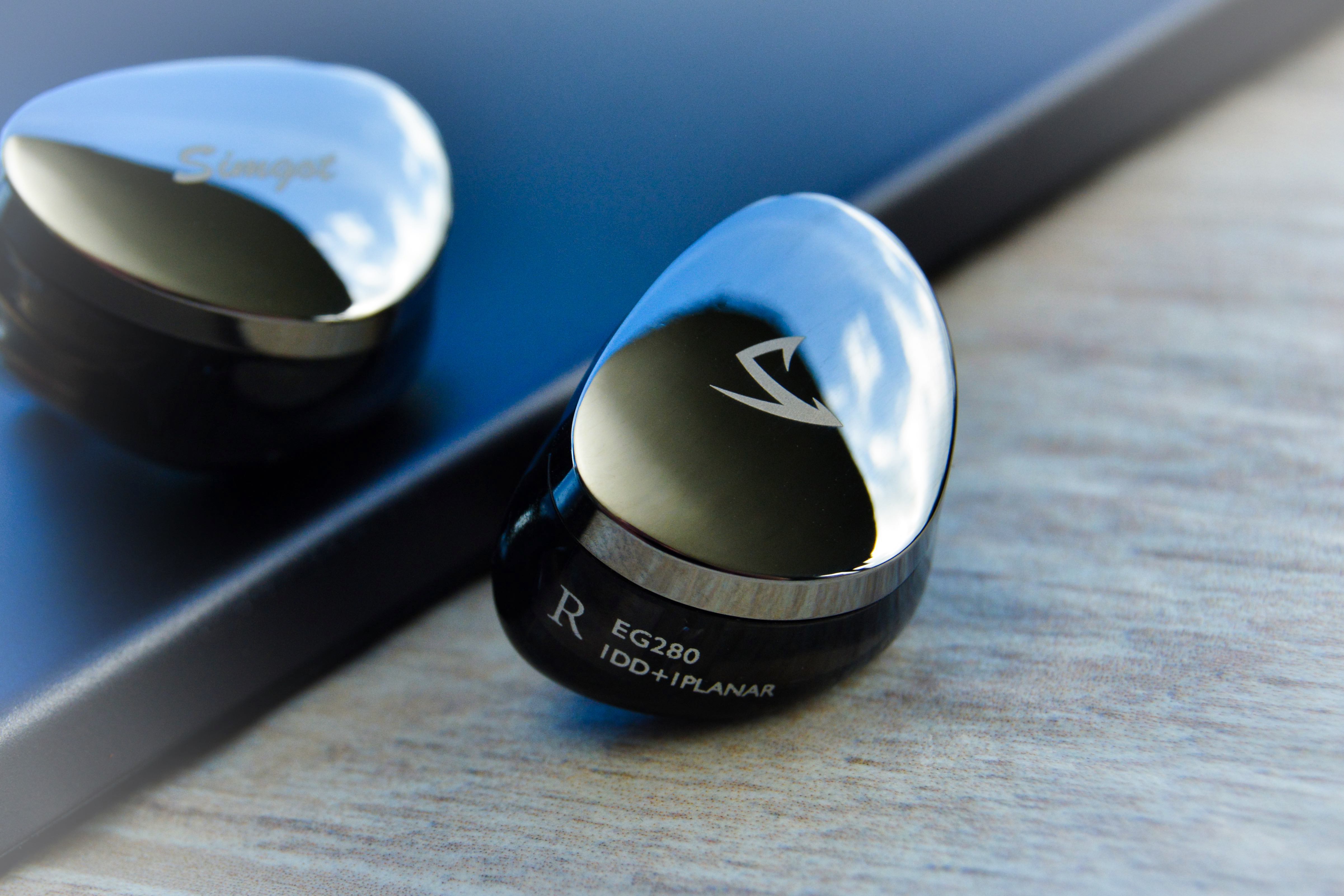
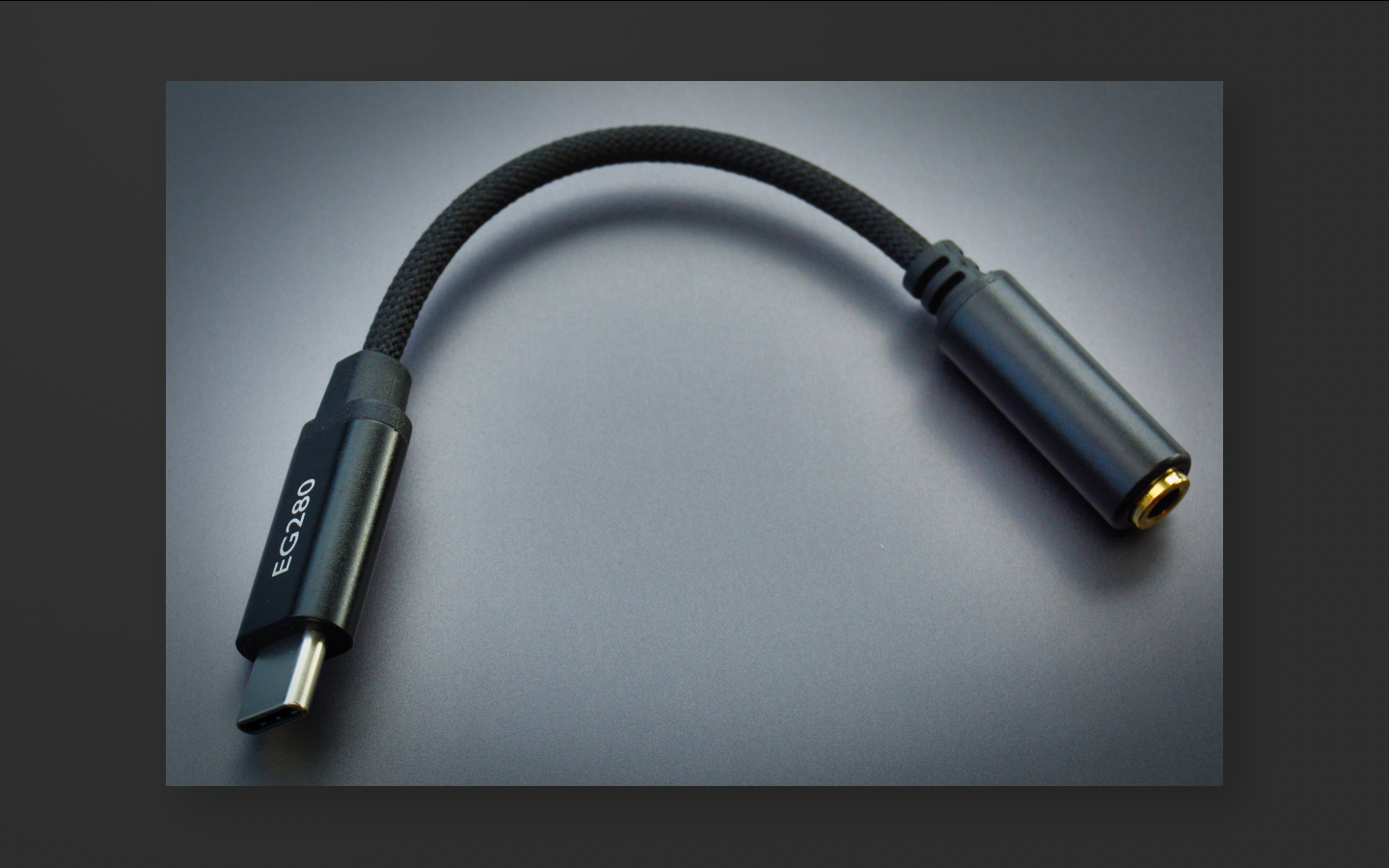
SIMGOT AUDIO: The $79.99 EG280 takes a fully different approach using a 6mm Planar driver and a 10mm dynamic driver. In addition the SIMGOT comes with a USB-Type C DAC enabling near-zero latency and added DSP fill-outs of stage and musicality. Plus the EG280 is build with a metal faceplate, but resin shell.
Yet while different I thought these two IEMs went and (just by their sound) went and explained what the two were sonically. And coincidentally we have a cleaner more reference tone to the EG280, where TINHiFi has really thrown in a different idea as to tuning here, replicating the expensive P2 Ultra Planar in tonal stance, yet it is the timbre I will concentrate on in the battle of the two!
Also just for fun I’m going to use the included EG280 DAC/Amplifier Type-C USB device with the MKIII, just to see how it adds a flavor of harmonic overtones due to DSP shenanigans.
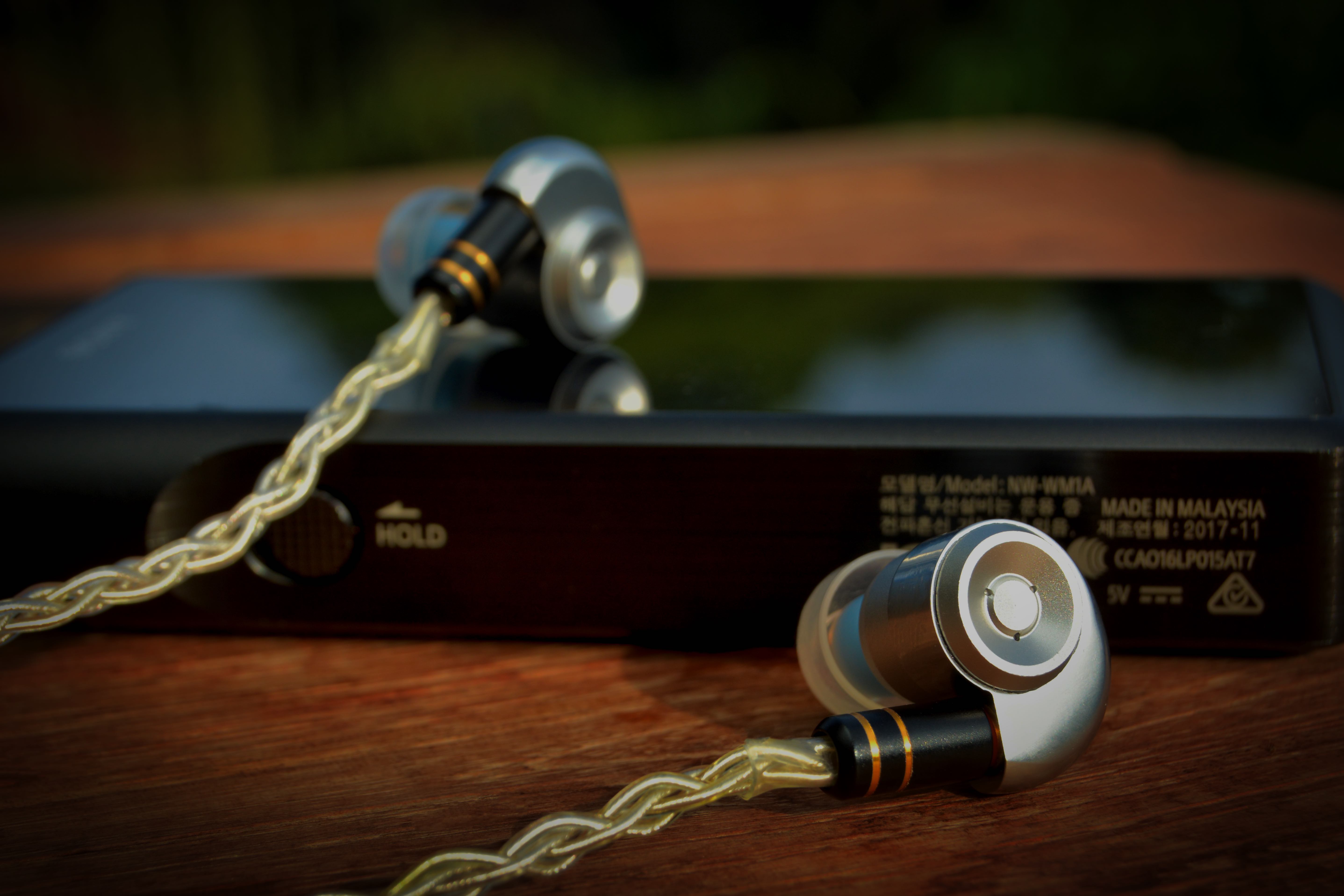
Equipment for comparison tests today: Sony WM1A in 3.5mm and in 4.4mm with Penon Audio’s S8 balanced cable. The EG280 DAC/Amp. The NICEHCK “C04” silicone ear-tips and the included cables on both IEMs……and finally the AP80 DAC as USB TypeC digital output. Later in the music tests I will use the Sony WM1Z.
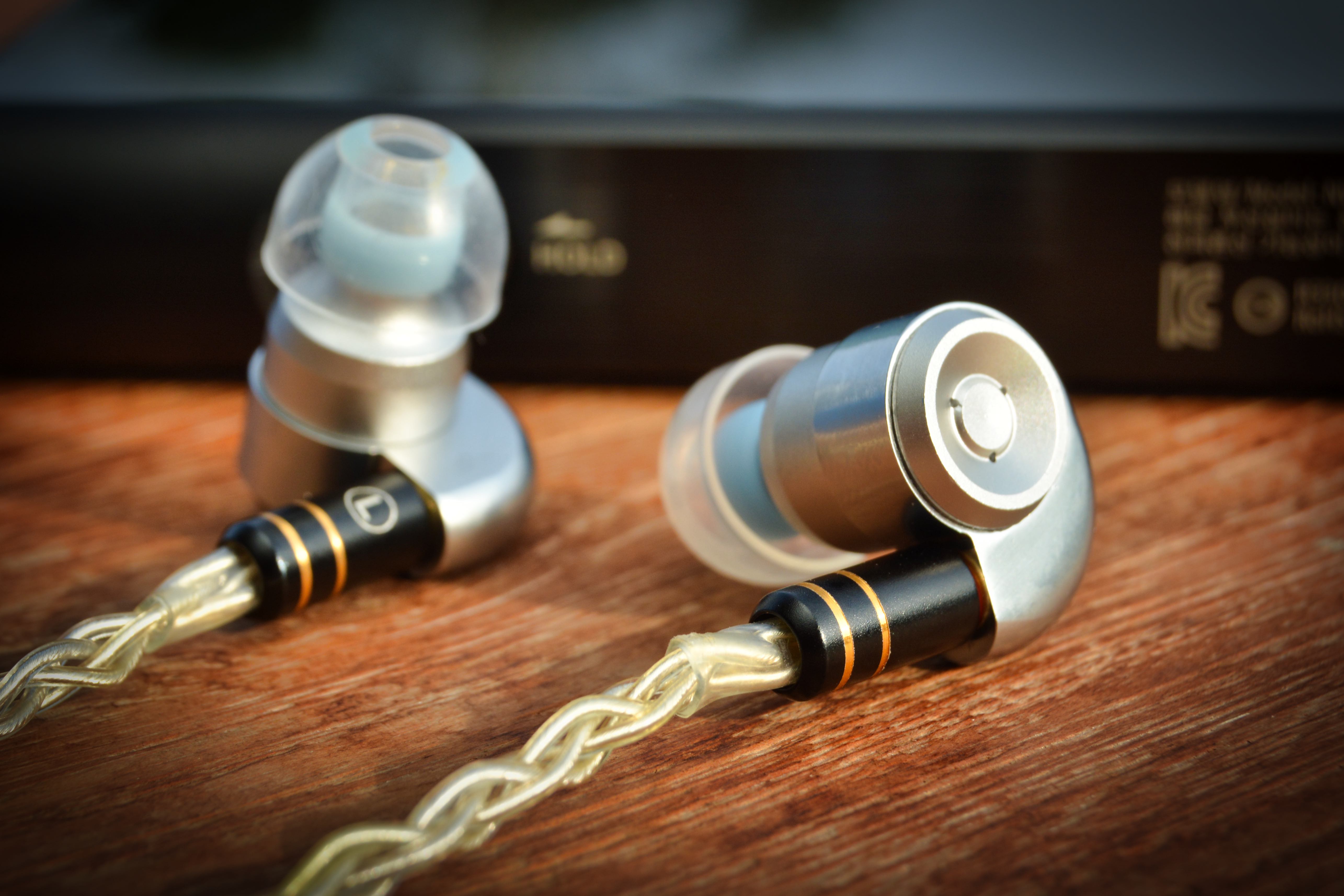
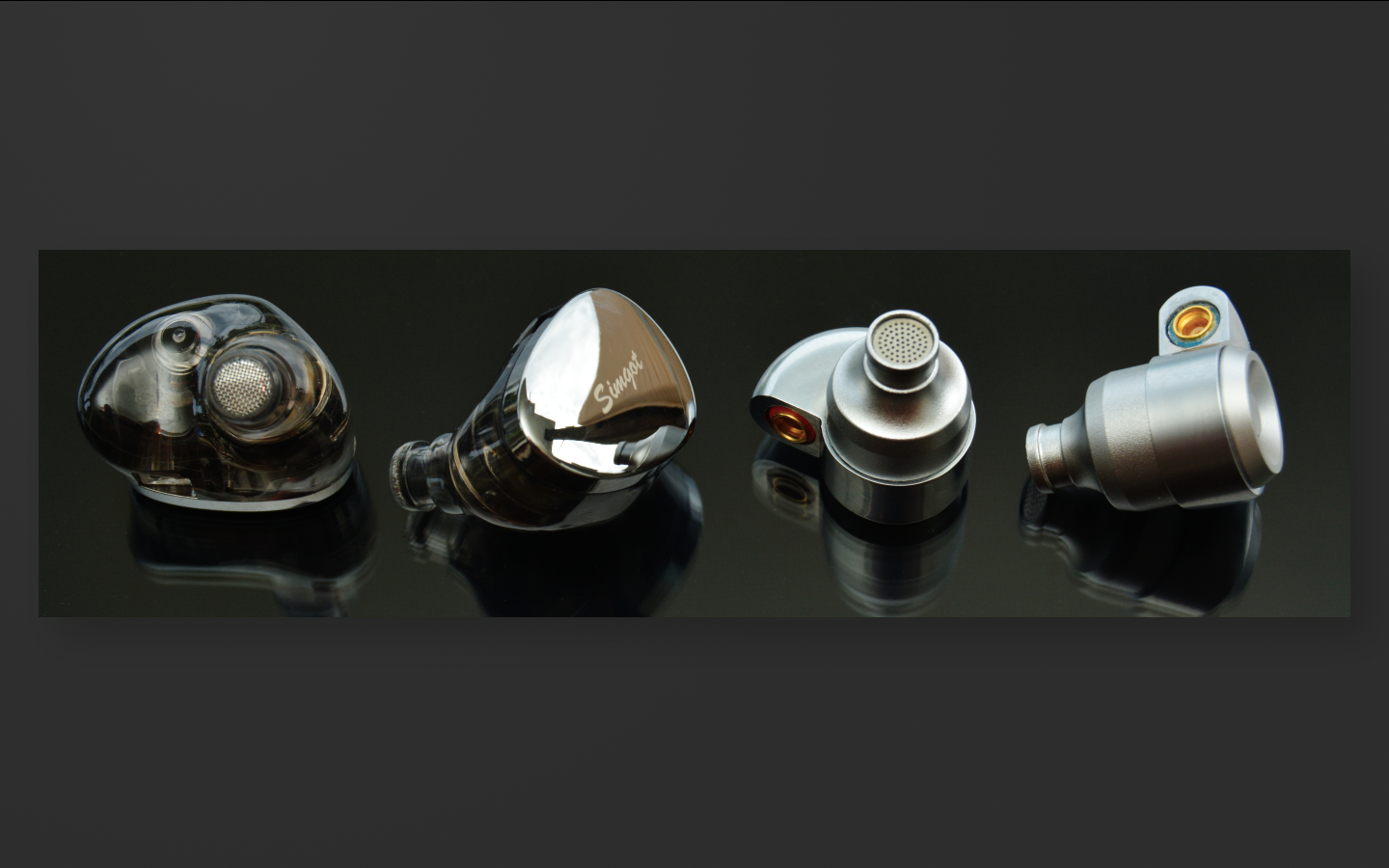
Left to right: MKIII and EG280 IEMs:
Let's get started: Starting with the Sony WM1A with no EQ. Here I’m using the included cables on both with C04 ear-tips. That while the SIMGOT has a noticeable Planar timbre and even a slight Pinna peak which they have addressed with the included DAC/Amp. Here we are going raw to start, which could in a way be a handicap for the EG280?
Let’s see?
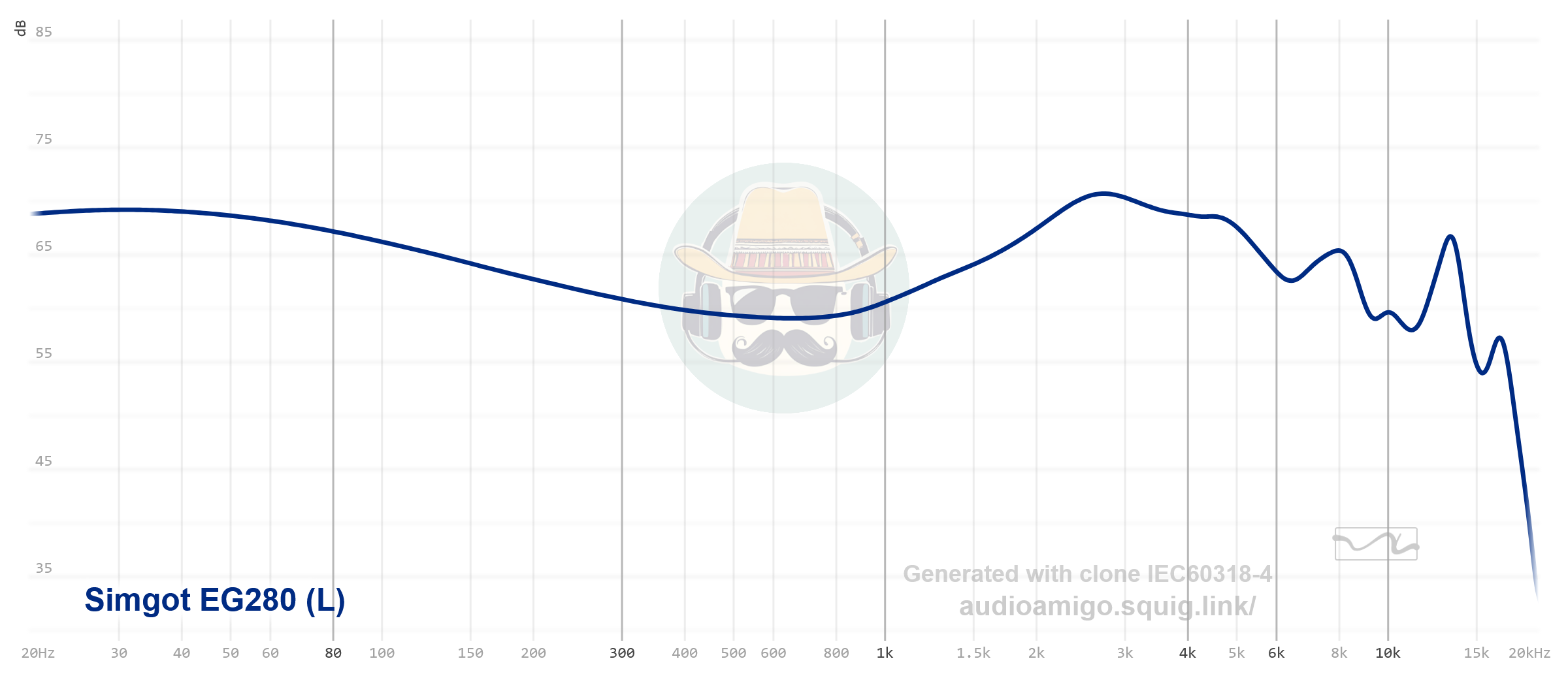
EG280 raw: Raw off the included cable and Sony WM1A with no EQ the EG280 is both wider in planar treble stage, and a noticeable effort at a cleaner and more spacial separated event. Gone are as much lower mid-bass and even MKIII sub for that matter yet this slightly thinner and even more detailed H-2019 target is welcome and fun, and as it is both for music listening and gaming….it becomes this thicker MKIII sonic milk that is both different and could be more satisfying depending on who you are and what you’re into.
All I can say is the MKIII has more note-weight, longer decays and the timbre is really good on both sets……but the MKIII timbre wins!
This EG280 bass window (looking down) is seen to contain a prominent sub-bass, allocated into a more noticeable sculpture due to less mid bass and lower midrange than the MKIII. Yet the MKIII has way more sub, a littles less clean, but that’s what you get. So we have more EG280 midrange and treble air positioned into a more aggressive yet spacial stance in comparison to the MKIII. These EG280 items hold a thinness, yet are more separated and in a way more clear.
The MKIII included cable and EG280 DAC/Amp: Changing cables so much in this review is twice as satisfying due to a consistent and subtle click, a click I get each and every time I try and add another MMCX cable back to use with the MKIII. Really in comparison we don’t need the extra smoothing of the EG280 DAC/Amp. While direct gets us slightly better sculpturing and contrasts, it is just it is the micro-planar of the EG280 that was asking for this adjustment not the MKIII. This idea of adding a smoother aftermarket DAC/Amp is really not as bad as you may guess with the MKIII it is a slight downplay in vocals positioning that is not needed with the MKIII playback…..and an extra homogenization of everything, where really the added stage and separation held in just how the MKIII goes about its day with the included cable is the win here. IMO
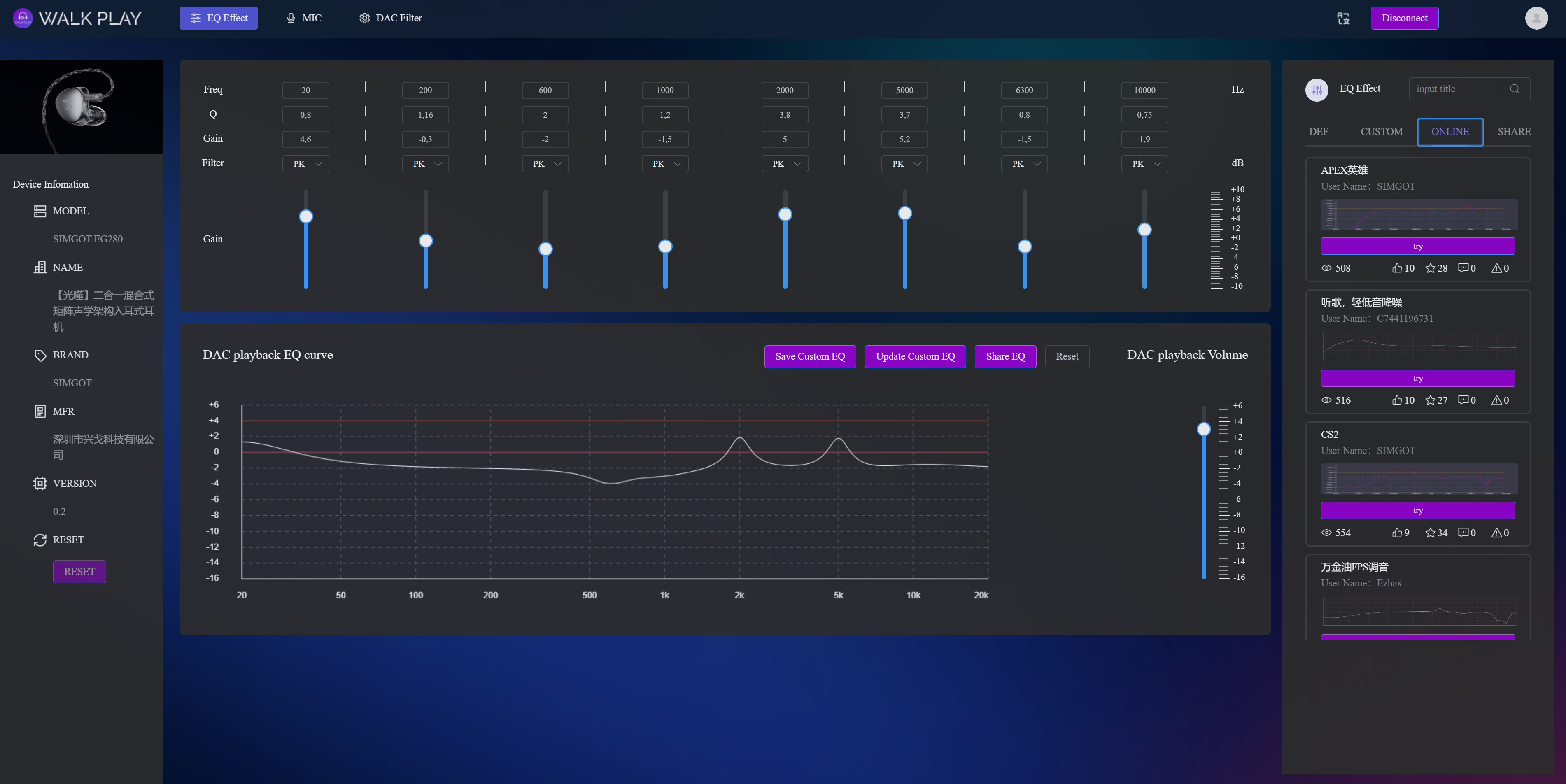
It should be noted here that Google Play store offers the SIMGOT application that allows further EQ and sound effects for the DAC/Amp. On the USB Type-C output the EG280 gets less loud than what is possible with the cable directly in, yet both are fully loud enough. It is this authority that is welcome today with DAC/Amp devices such as this. So the difference here is that SIMGOT has gone and created a more natural idea of tone than the EG280 is one its own. Now sure that tone leans slightly more to what the MKIII is doing, yet all of the character explanations about EG280 tone above still apply except for a rounder bass, and a smoothed out midrange and treble. So even with the DAC/Amp in place we are still thinner in tone, though showing that wonderful fast planar speed, and stage size. So the MKIII ends lesser in midrange and treble intensity, less clarity in a way due to such attributes. Where the MKIII is more lower midrange and mid bass/sub bass added thickness, at a slight loss in mid-stage positioning compared to the SIMGOT AUDIO EG280.
The MKIII goes and provides a thicker, more meaty and slower decay warm milk, not caring about the gaming details that the EG280 makes its selling points. Now reading about these differences would have you think only one or the other is listenable, where truly in playback both do very well for their price point, though the MKIII is more natural, at the same time not promoting those extra details in the midrange and treble….as well as midrange and treble stage. Though to me the MKIII comes off more integrated (even with more sub bass) and overall wholesome in tone!
The Penon S8 MMCX cable: Let’s talk about MMCX cable hook-ups. First off I could have used the new DD Flagship T7 MMCX for this test as it comes with modular plugs. Yep, that is the main reason I’m using the S8 as it is in 4.4mm. Yet the thing is (while I have not had issues with the MKIII MMCX or the T7 MMCX, I just felt better having the original cable stay with the T7. Hehe.
Sure folks are two sided on if they prefer MMCX or 2Pin. It goes with-out saying that there are more 2Pin hook-ups today. I use both, but prefer 2Pin. Though there are antics that MMCX does that 2Pin will never in a million years do. For one there is a rotating movement MMCX does which allows you to get a different style of better fitment once in the ear. Plus if you think about it, that same side force could possibly be a negative force to a 2Pin if done heavy and unexpectedly. This has never happened to me, but it is a design factor to think about, one that they overcame with MMCX.
TINHiFi MKIII and Penon S8 cable: Here is my first demo from 6 days of prior burn-in.
Kaveh Cohen, Michael Nielsen Forza Motorsport OST Brotherhood 44.1kHz - 24bit Timestamps only pertain to digital file, not video.
Sony WM1A with zero EQ, and Penon S8 cable and C04 ear-tips
I mean I know this song well having used it all the time in reviews. Yet its the MKIII that is the change, the change in stature after burn-in. Gone is the off timbre that was a side line of first impressions, and added to that we now have an extra warm stage, seemingly with extra width and purpose? I mean the real attribute here is both this new stage size, and added cohesiveness that simply goes along for the ride. If anything this sounds like a completely different IEM, and yes I tried the MKIII with the S8 prior to burn-in. Yet of course it is true that timbre identification can change a little day to day, allowing some days to grasp a seemingly better timbre, only we are now way beyond such little notices, as this new idea is fully better on all accounts.
At 00:08 the song gets going with the introduction of the basic rhythm drum. Now this drum sound can be played a few ways with different IEMs, with at times it becoming too bright or a slap, but no, not here. The best words here would be integrated and correct. At 00:42 I use this extra wash of mid bass keys to judge many things. This event can be replayed as non-entertaining, with a few other IEMs not focusing or even displaying the stage robustness that comes with this change in the song. Yet surprisingly this wash is probably the main thing to get out of this single review? That and really this MKIII is a totally different IEM than the MKII, it really is. TIN went and replaced the edgy Pinna Gain with a smoother more accessible Pinna idea, reinforced by extra mid bass and extra lower midrange energy. There is even an extra sub-bass to this signature! In a few ways TIN is finding success with this new “house” tune previously tried with the P2 Ultra Planar.
Could this be looked at as a dark IEM? I would rather throw the word warm in to describe what’s going down. The impactful drums take the cake here, with still enough of that midrange and upper midrange to fill-out the tone. This is not going to be a sibilant treble, and forgives the extra details that is normally accompanied by such. It is the fluid lows that add the magic, that and the space generated by these well done and careful mids and treble. Violins take on well presented timbre, with again support by the extended lows. And finally the pitter pats of the treble ideas come into play to seal the tonal deal here, a place I could easily spend the afternoon admiring. Again here it is the realism of timbre that makes this IEM transcend the first impressions…..where there may be a tiny bit of off timbre, but really I think not, which is a wanted surprise! OH, and can you say decays…….realistic DD X2 decays? I knew you could!
The sound: I don’t care where I go with my music choices here the results are truly the same; exceptional note-weight, timbre and clarity. As such vocals are not super projected, only they are lifted and I would not have them any other way. Vocals have depth, texture and decays. Harmonic overtones can be found and cherished too. Singer Songwriter music is both spacial outside your head mixed with beautiful guitar tone, including guitar string slides. Rock gets a slightly different treatment coming off both clear and rolling, rolling into a position of swagger and sway…..with bright electric guitars getting reinforced by rolling bass action into a style of perfection. OSTs get a double punch in that there becomes a fluid overall tone, with separate violins wonderfully separated and seen in warm timbre. Extra effects found inside OST playback get this fairly fast and marginally separated event status that satisfies and seems accurate. Electronica gets special love due to the extra lows presented unabashedly vibrant with the beat taking a separated hearing, probably due to 2 drivers in action.
As an example………..
Hans Zimmer & Benjamin Wallfisch Blade Runner 2049 OST Mesa 44.1kHz - 16bit Timestamps only pertain to digital file, not video.
Come on you can’t deny how very cool the piano timbre sounds, why this is different from my first impressions I’ll never know. This sub bass is totally there a moment later. The after shock rumble at 00:38 is precious. Here the bass performance between the two Blade Runner notes at 00:51 - 00:52 is priceless! Then a big drop at 00:59. Then the extra sub running bass line at 01:25 until it drops down a note a 01:26………..this section would not be complete without a description of the overall Blade Runner synth sound, a sound that accompanied the intro into the Blade Runner world in the first movie, and here again they are using a more involved, more detailed style of the same exact synth tone. Only now due to the level of recording it is more vivid, and the MKIII takes that vividness and runs with it! Perfect, especially for the money spent here! IMO
https://www.deezer.com/us/album/715131611 Klangwelt Here and Why Cold War Child 44.1 kHz - 24bit This was actually one of my very last songs to hear and what fully amused me was just how incredibly deep and sub the bass goes here. Of course this all starts with the file, meaning we need the mix and the quality of the recording to start with. At 00:36 a piano starts us off……….and just like the very last song we find the studio piano timbre to be on point. I seem to hear variation in note replay, due to finger force. At 00:53 the deep lower bass line starts up. At 00:41 the synth drum accents show their stuff. It needs to be said that part of the magic here has to do with the added volume of the throwing bass track, that while the same bass line was used at 00:53, now it is full-on front and center due to added bass energy. In contrast there are treble shakers out to the sides, especially noticed at the 01:34 mark…….yet they started at 01:09 mark. It is the tone of these shakes that really gets me going, in that we have both separation in tone and itemization inside the on-going stage.
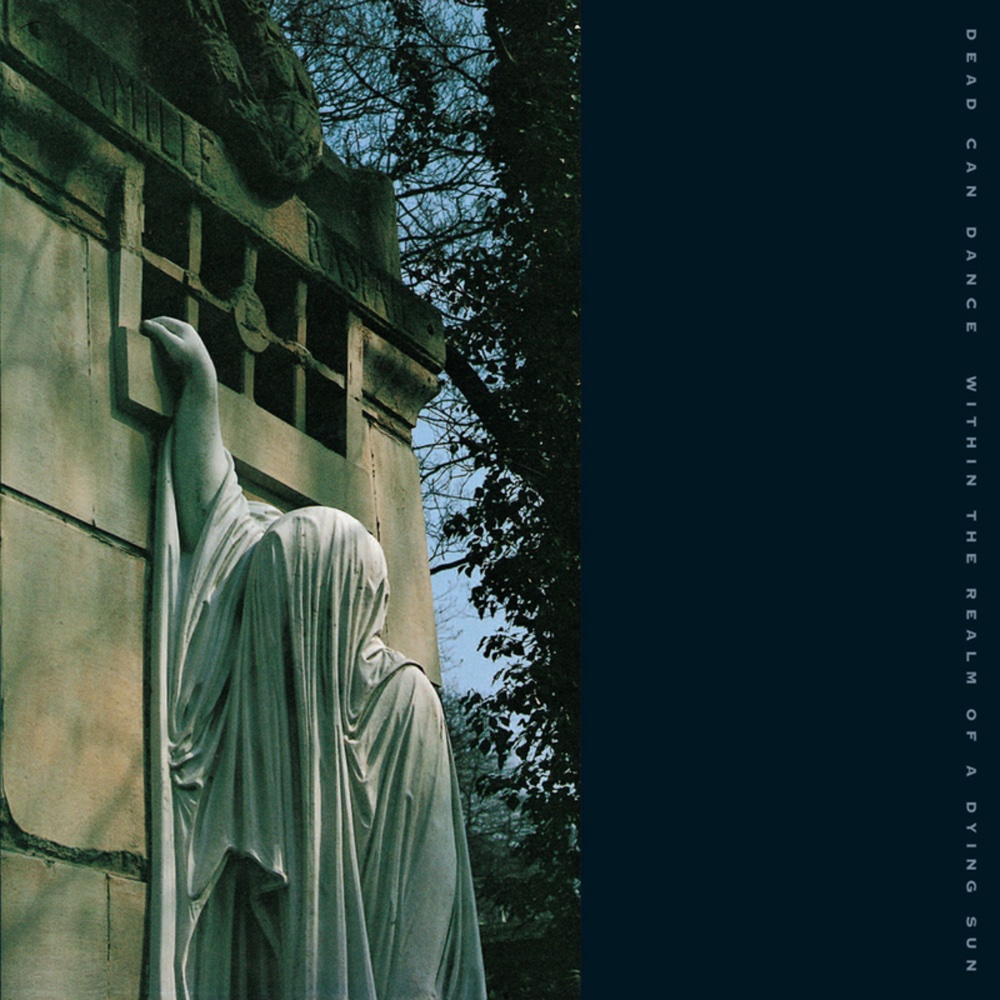
DCD Within The Realm Of A Dying Sun Dawn Of The Iconoclast 88.2kHz - 24bit Timestamps only pertain to digital file, not video.
Concerning the blast at the very start……….the underlying drum has both substantial authority and decays. This fanfare with snare drum beats and shouting horns serves to introduce vocalist Lisa Gerrard. As she comes in at 00:24…….afterwards. This is a clue as to what we have as an IEM. Vocals that is……..that if an IEM will do this mixture correctly is of tremendous importance here at Redcarmoose Labs. The vocals are placed just right, not forward or back but in place, embellished with all the decays and reverberations this song is known for. At 00:22 we could be forgiven for missing the authoritative bass synth line. It is not that it is understated, it is just in memory we are waiting for these vocals to arrive. The mind can only concentrate on so much, especially hearing this song so many times before. Yet at 00:28 we hear they have gone and played with the bass panning to bring about a new feature. At 00:40 we are immersed into perceiving both the great vocals and this bass panning which frames them. It is the floating of these vocals, maybe because it is in-fact 2 DDs both doing their thing at the moment!
Hans Zimmer The Dark Knight Rises OST On Thin Ice I92kHz - 24bit Finally the WM1Z makes its appearance in this review. A notable V response in adding clarity plus downright unarguable bass tone. The clarity is from the added stage treble performance here, making the MKIII that much more detailed and clear. This combined with the thick yet totally audiophile bass just takes the cake! At even 00:00 we now hear that authority....technically a slight fraction of a second past 00:00…..but you get the point. The added surrounding synth notes show a spacial display and then the violins take note. These strings at 00:51 make my day, they really do. Why? Full of life, but showing the drama this song holds as its essence. The added cello at 01:50 starts to get a notice, yet it is at 02:03 that it is a touchable and a real-life sonic event. Yet even right before the bass climax this violin arrangement and added small treble artifacts (chimes?) at 02:09….this then wash of pulled strings contained in their environment, floating above to behold and to cherish…..then drama. At 02:16 the main bass drops occur………..splendid. All I need or want!
Timestamps only pertain to digital file, not video.
NICEHCK Silicone "C04" ear-tips:
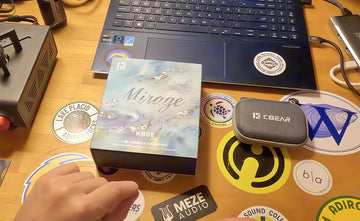
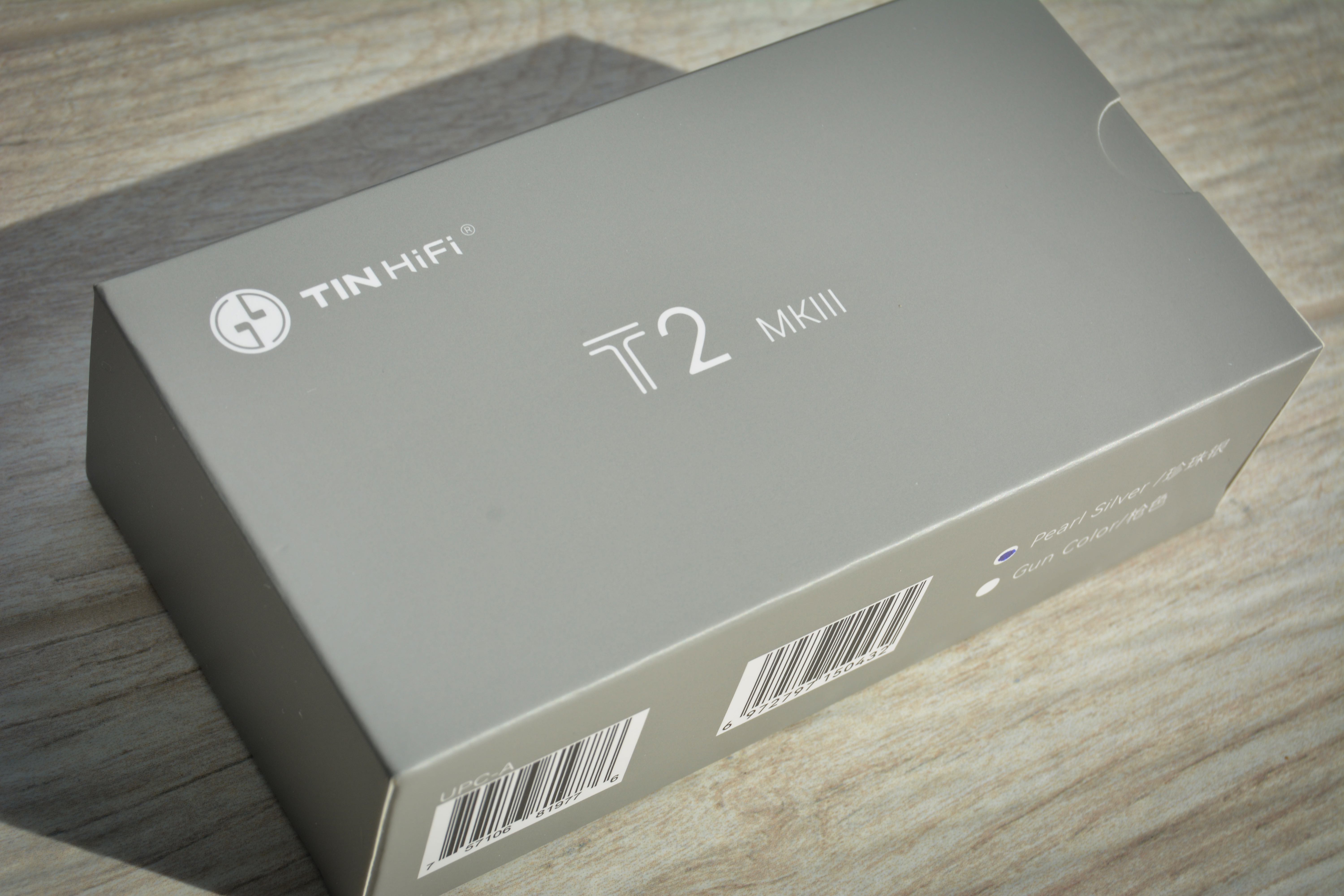
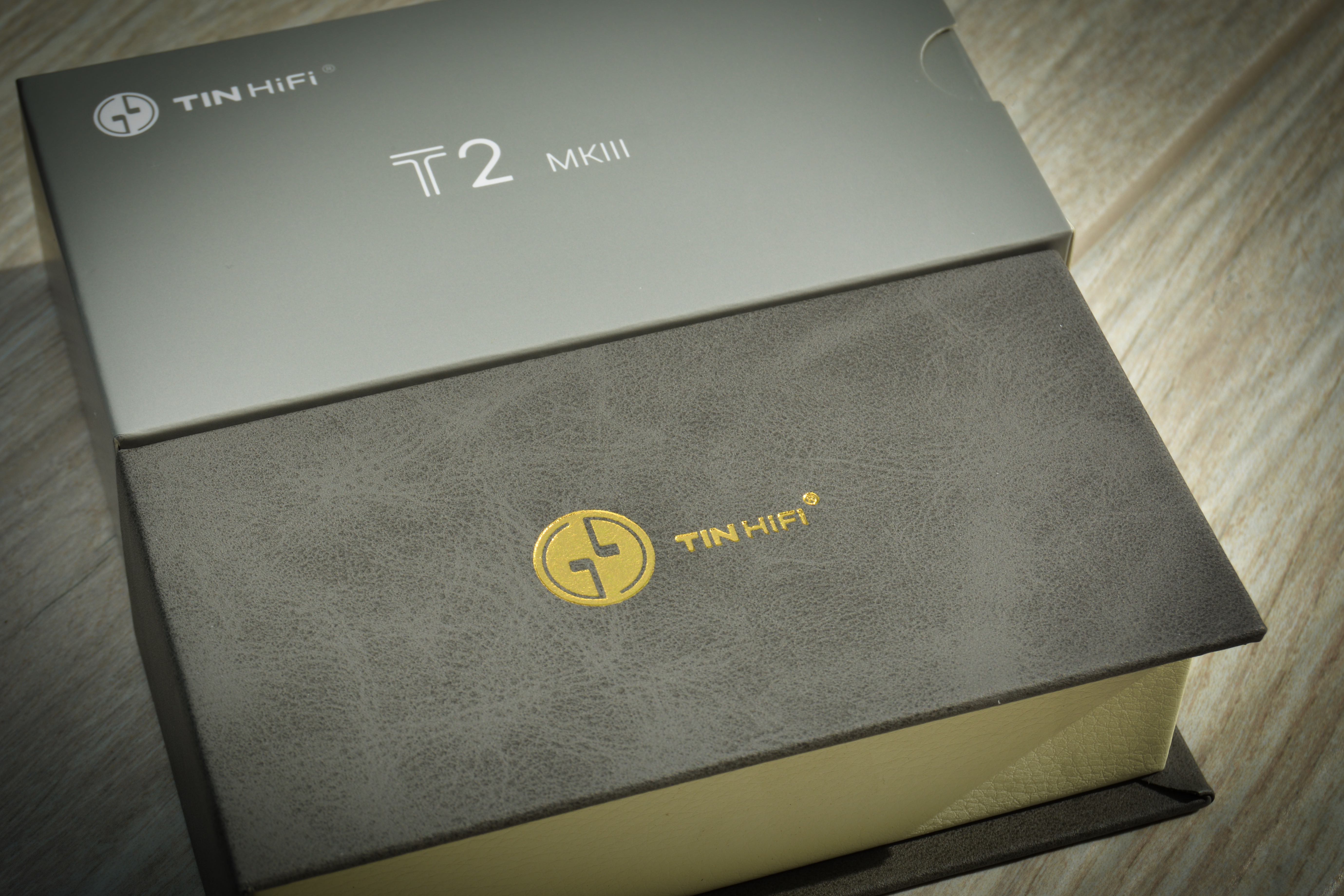
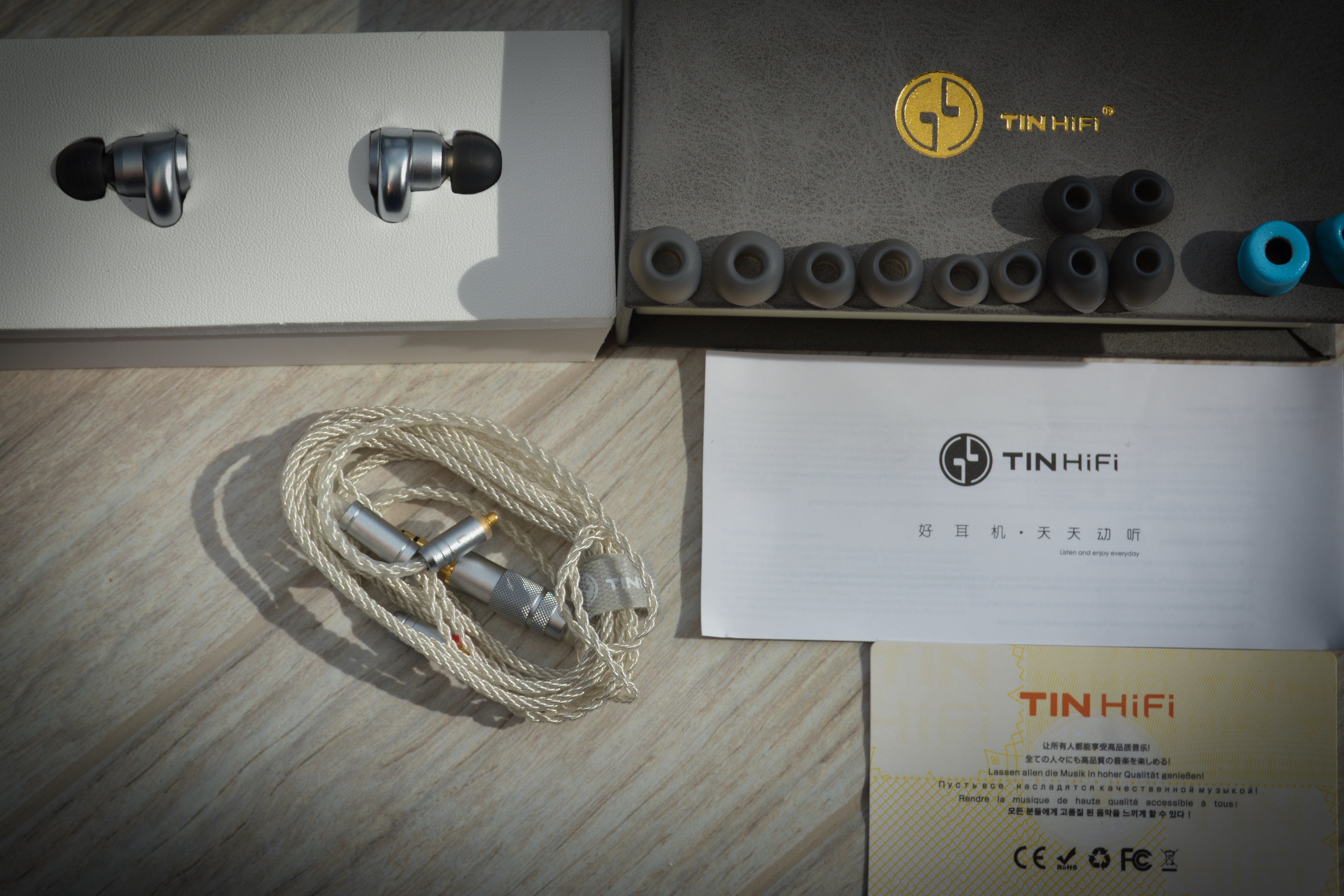
Packaging:
Build:
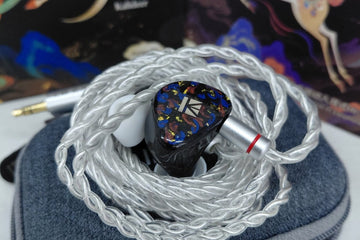
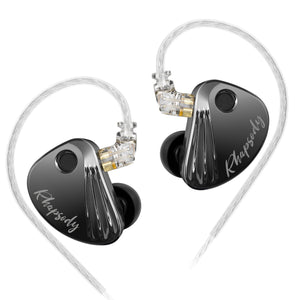
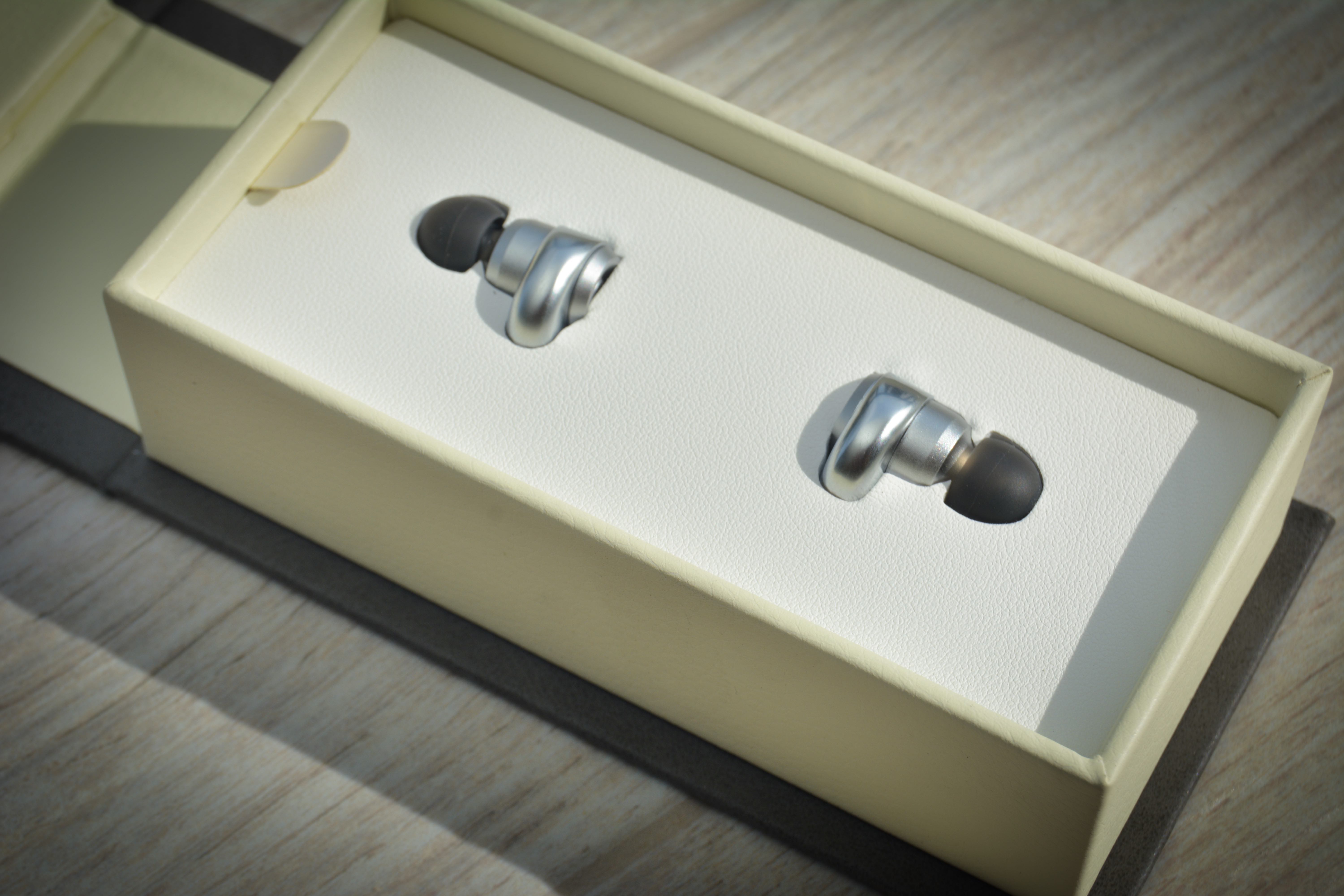
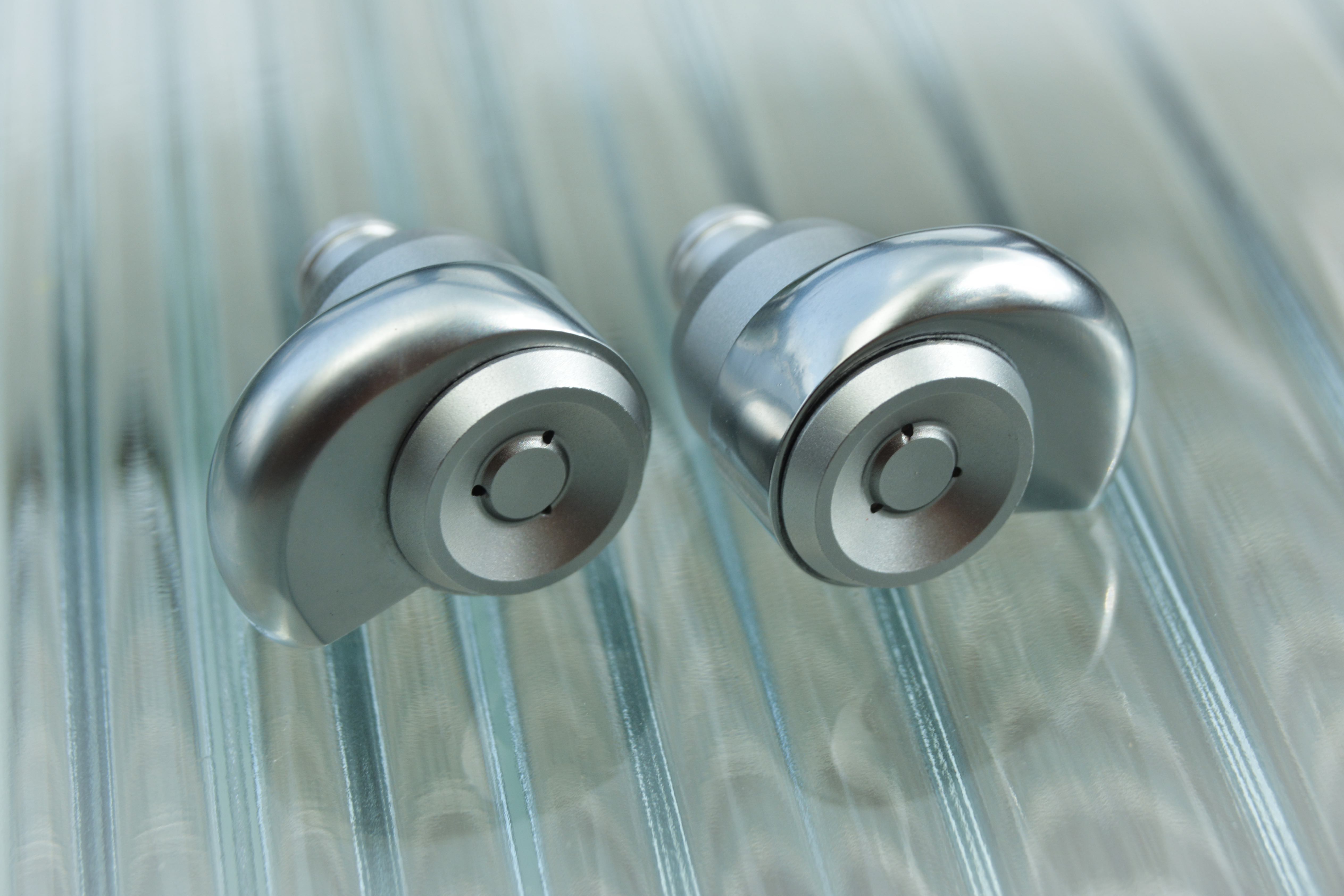
What can I say, the MKIII build is still unique in the IEM world, that while on the smaller side of the street, and a little unconventional in design, it truly works out. I mean if we can say one thing, the MKIII is built like a tank. And while normally I'm have suspicion about the nozzle angle with this style of build, it all worked out in the end. Though they are also a little small to hold in your hands to do cable changes.
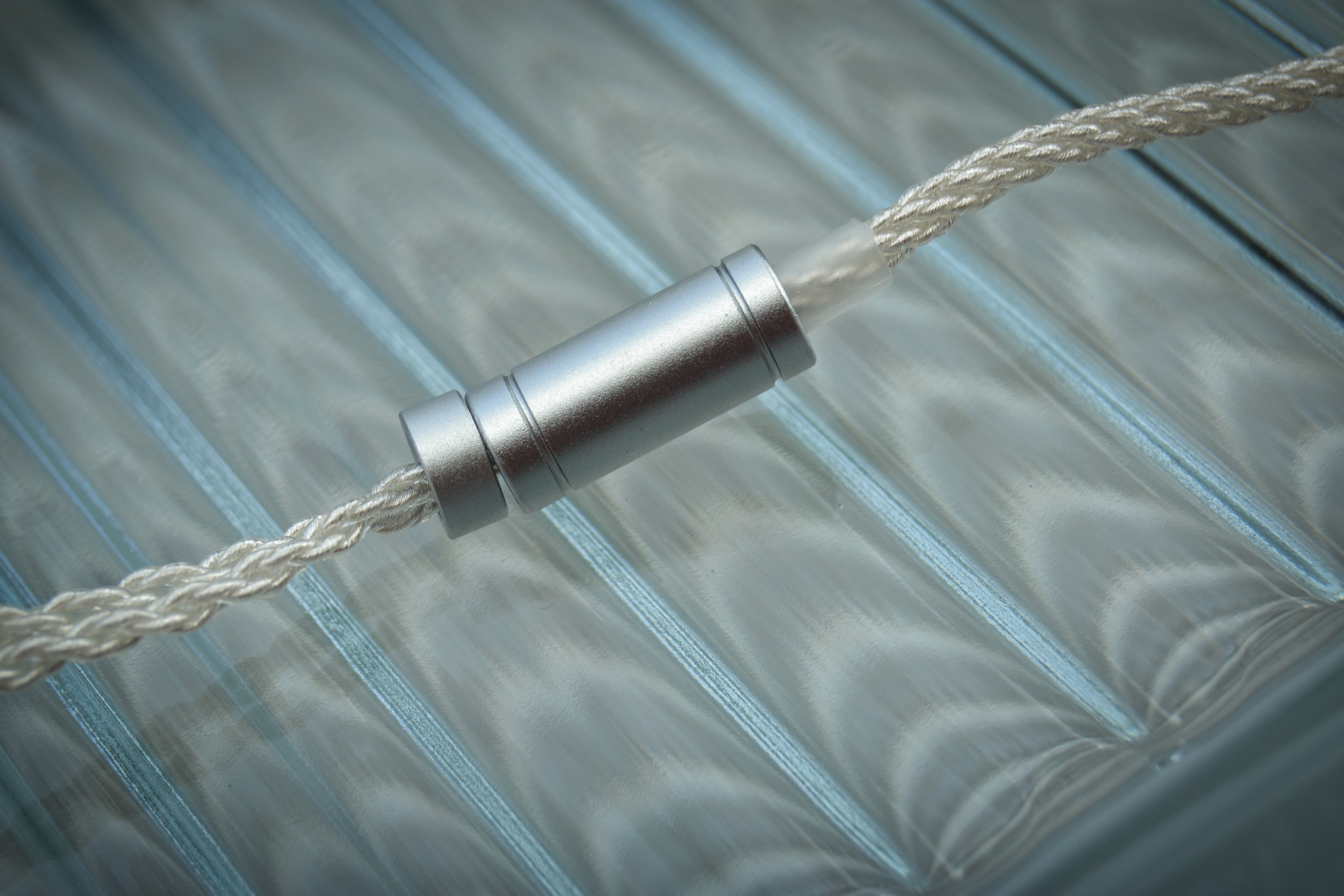
Cable: It is what it is...........................
Conclusion: So I have to say, the MKIII looks just like the MKII, only the real startling benefits happen once you realize they are totally different IEMs. And while I gave the MKII only 3 stars, I’m giving the MKIII 5 stars. Only because the tone is just that much better, and the added technicalities of denser imaging and honest timbre come together to include realism. Realism and basically fun.
Fun: Yep, TIN went one step further and included extra fun. Now this fun also comes with the added baggage of extra size and girth of images across the board. It is like your brother getting a regular meal and you opted for the Super Size meal. This is including extra note-weight and resulting sonic drama………The difference though is that at the restaurant you could in fact share the drama with your brother by sliding a few of those Super Size portions over for him to enjoy…………….only here personal audio is a singular sonic event and can’t be shared. You just have to sit and smile!
Disclaimer: The TINHiFi T2 MKIII Universal IEM has had a total 6 days of burn-in.
Disclaimer: I want to thank TINHiFi for the love and T2 MKIII Universal IEM review sample.
Disclaimer: These are one person's ideas and concepts, your results may vary.
A special thanks to member @PeacockObscura for hooking me up with the direct link to the TINHiFi team!
Equipment Used: Linsoul x Hidizs AP80 PRO MAX DAP in 4.4mm balanced and USB Type-C output Sony WM1A Walkman DAP MrWalkman’s Firmware 4.4mm balanced and 3.5mm single-ended Sony WM1Z Walkman DAP MrWalkman’s Firmware 4.4mm balanced and 3.5mm single-ended Sony TA-ZH1ES DAC/AMP Firmware 1.03 in 4.4mm balanced Electra Glide Audio Reference Glide-Reference Standard "Fatboy" Power Cord Sony Walkman Cradle BCR-NWH10 AudioQuest Carbon USB Samsung Phone 3.5mm single-ended and with provided Type-C connection HiBy R3 II DAP in 4.4mm balanced ifi Go blu Bluetooth Amplifier and DAC 4.4mm balanced Schiit Audio Asgard One Amplifier ifi hip dac 3 DAC/Amplifier 4.4mm balanced SIMGOT AUDIO EG280 DAC/Amplifier TypeC USB