









You can purchase BL03 II at the following link (not an affiliate link):
https://www.linsoul.com/products/blon-bl03-ii?_pos=1&_fid=bbb2067cd&_ss=c
Also, I’m not a seasoned reviewer, so whatever I say is purely my observations and your results may vary.
I’m not the one to usually focus on specifications and numbers. I focus more on how happy I am with the equipment’s sound and that’s it.
Disclaimer: This is a review unit from Linsoul however I retain full editorial control and the opinions expressed here are solely my own. I have not been paid or compensated by Linsoul, Blon or any other entity for this review. My assessment is based solely on my personal experience with the product.
I do get to keep the unit after review but that had no influence over the opinions expressed below.
Linsoul Store links (None of them are affiliate links):
Linsoul website: https://www.linsoul.com/
Linsoul Aliexpress Store: https://ddaudio.aliexpress.com/store/2894006
Linsoul USA Amazon Store link: https://www.amazon.com/s?me=A267P2DT104U3C&marketplaceID=ATVPDKIKX0DER
Sources used:
- Google Pixel (Gen 2) Type C to 3.5mm dongle
- iBasso DC Elite
- iBasso D16 Taipan
- Hiby RS6
- Chord Hugo 2 + 2go
- Onix Overture XM5
Blon is a Chinese audio company that has made quite a name for itself in the audiophile community. They're known for producing budget-friendly IEMs that over great value in terms of sound quality and build. Founded in 2013, Blon has released a string of popular IEMs, including the BL03, BL05, and BL07, each offering a balanced sound signature, clear vocals, and a comfortable fit.
But it was the original BL03 that truly captured the hearts of audio enthusiasts, often serving as a gateway into the world of audiophilia. For many, the BL03 was their first taste of audiophile-grade sound, and it holds a special place in their audio journey. However, the audio scene has evolved dramatically since the original BL03's release, and the value proposition in the budget IEM market has shifted significantly. Now, Blon has released the successor to this beloved IEM: the BL03 II.
Box Contents:
- IEMs
- 0.78mm 2-pin Cable (3.5mm terminated)
- 09 pairs of silicone tips (3 X S/M/L)
- Jute carry bag

Specifications:
- Frequency Response :20Hz – 20kHz
- Sensitivity : 116dB
- Impedance : 32Ω
- Driver Type : 10mm Dual-Chamber Dynamic Driver
- Colors : Matte Black / Silver-Gunmetal
Unboxing Experience:
The unboxing experience of the BL03 II is fairly standard. The IEMs come in a compact package containing the IEMs, a few sets of eartips, and a 2-pin detachable cable. The packaging is similar to that of the original BL03. One difference is the absence of the "OPERA" acronym on the BL03 II's packaging.


Design and Build:
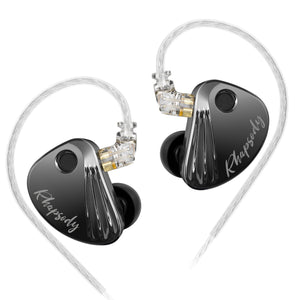
The BL03 II impressed me with its sturdy metal shell construction, exceeding my expectations for its price point. The IEMs sport a sleek black finish with a subtle texture that effectively resists fingerprints and scratches. While the nozzle is a tad short, which initially gave me pause, the overall design is remarkably similar to the original BL03, with the most noticeable difference being the matte black finish replacing the original's chrome. Another subtle change is the flush two-pin connectors, a departure from the hooded connectors of the original BL03.
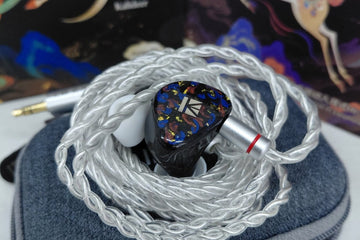
An interesting point to note is that the stock cable that comes with BL03 II is similar to the cables that came as stock with 7Hz G1 and Elua.


Wearing Comfort:
While generally comfortable, the BL03 II's fit can be a bit finicky. The short nozzle presented a slight challenge in achieving a secure seal, requiring some experimentation with different eartips to find the perfect fit for my ears. The cable, while functional, is a bit stiff around the preformed ear loop, which can be a minor nuisance. Despite these minor quirks, the overall comfort level is decent, especially given the affordable price.


Driveability:
The BL03 II is easy to drive. With its respectable sensitivity and impedance, it readily reached satisfying volume levels even when driven by my Pixel Type C to 3.5mm dongle. This eliminates the need for an external amplifier, enhancing portability and convenience. I also observed that the BL03 II isn't overly sensitive to variations in source gear, making it a hassle-free option for those who value a plug-and-play experience.


Sound Analysis:
Tonality:
The BL03 II paints a vibrant sonic landscape with a slightly V-shaped signature, emphasizing the upper midrange. This translates to a brighter, more energized presentation compared to its predecessor, injecting a dose of excitement into the music without sacrificing overall balance. It's like adding a subtle shimmer to the sound, bringing vocals and instruments forward with captivating clarity. While this generally adds a welcome vibrancy, it's worth noting that this upper midrange emphasis can occasionally push the boundaries with certain tracks, approaching a shouty quality at higher volumes, particularly when the recording itself is already bright.
Lorde's "Royals": The V-shaped signature is a perfect match for this track, lending a weighty foundation with the sub-bass while bringing Lorde's vocals forward with captivating clarity. The track becomes an engaging dance between the deep lows and the intimate presence of her voice. It's worth noting, though, that at higher volumes, the upper midrange emphasis can make her vocals sound a tad edgy, so be mindful of the volume knob!
Massive Attack's "Teardrop": Here, the BL03 II's focus on the upper midrange works its magic, adding a crystalline quality to the vocals and guitar. The subtle "smile" gives the bassline a satisfying thump, enhancing the track's melancholic yet driving rhythm. While this adds excitement, those who prefer a more neutral and laid-back presentation might find the BL03 II a tad too forward.
Sub Bass:
BL03 II has a sub-bass that delves deep, capturing the rumble and resonance of bass-heavy tracks. It's a controlled descent, avoiding bloat and overhang, making it a satisfying experience for most genres. For those seeking truly subterranean bass, however, the BL03 II might not fully quench that thirst. It lacks the ultimate slam and rumble of higher-end IEMs, especially those with dedicated bass drivers or specialized tuning.
James Blake's "Limit to Your Love": This track is a sub-bass behemoth! The BL03 II fearlessly navigates its depths, rendering the rumble with satisfying weight and texture. The decay is expertly managed, preventing the sub-bass from swallowing the rest of the mix. It's a visceral experience, feeling the music as much as hearing it. While the sub-bass is impressive, don't expect the earth-shattering rumble of a dedicated subwoofer; there are limits to what these IEMs can achieve, particularly when compared to IEMs with larger driver diameters.
Billie Eilish's "Bad Guy": The sub-bass here is more a shadowy presence, lurking beneath the surface. The BL03 II doesn't miss a beat, capturing these subtle nuances and adding a sense of depth and dimension to the track. It's like the difference between a flat photograph and a 3D image. While the sub-bass adds a welcome depth, those seeking a truly subterranean bass experience might find the BL03 II's sub-bass a tad reserved, especially compared to IEMs with a dedicated sub-bass emphasis.
Mid-bass:
Ah, the mid-bass – the BL03 II's playground! It's punchy, textured, and tightly controlled, injecting the music with a satisfying dose of impact. This makes the BL03 II a particularly engaging listen for genres that thrive on rhythmic drive and energy. It's worth noting, though, that this emphasis on the mid-bass can sometimes overshadow the lower midrange, making some instruments sound slightly recessed, especially in recordings with busy arrangements.
Radiohead's "Paranoid Android": The mid-bass drum hits in this track are a revelation. Each strike is rendered with a satisfying thump and remarkable clarity, perfectly complementing the song's dynamic shifts and complex arrangement. It's like the drums are right there in the room with you! While the mid-bass is impactful and engaging, it might occasionally overshadow the lower midrange, making some instruments sound slightly recessed, particularly in the denser sections of the track.
Kendrick Lamar's "HUMBLE.": The driving mid-bass line in this track is the backbone of its energy. The BL03 II delivers it with authority, capturing the texture and nuance of the bassline while maintaining remarkable control. It's a testament to the IEM's ability to handle demanding basslines without losing its composure. While this adds excitement and drive, those seeking a more neutral and balanced presentation might find the mid-bass a tad too prominent, especially compared to IEMs with a more linear bass response.
Lower Midrange:
The lower midrange walks a fine line, residing just north of neutral. This translates to a pleasing warmth and presence without veering into congestion. Male vocals are imbued with a rich body, while female vocals retain their natural timbre. This warmth adds a sense of fullness and richness to the music, making it a particularly enjoyable listen for acoustic and vocal-centric genres. It's important to be aware, though, that this warmth in the lower midrange might occasionally make the BL03 II sound a bit thick or veiled, especially with recordings that are already rich in the lower frequencies.
Leonard Cohen's "Hallelujah": Cohen's iconic baritone is rendered with a warmth and intimacy that sends shivers down your spine. The BL03 II doesn't just reproduce the notes; it captures the emotion in his voice. The acoustic guitar, too, is presented with a natural body and resonance, further enhancing the listening experience. While the warmth adds to the emotional impact, it might make the recording sound a bit thick for those who prefer a leaner presentation, especially if the recording already has a lot of warmth in the lower mids.
Adele's "Hello": Adele's powerful vocals are a force to be reckoned with, and the BL03 II rises to the challenge. Her voice is presented with clarity and emotion, and the warmth in the lower midrange adds a sense of fullness without sacrificing detail. It's a captivating performance that showcases the IEM's ability to handle demanding vocals. While this warmth is generally pleasing, it might not be ideal for all recordings, especially those that are already rich in the lower frequencies and could benefit from a bit more clarity in the lower midrange.
Upper Midrange:
The upper midrange is where the BL03 II truly makes its presence known. It brings vocals and instruments forward with captivating clarity and detail, adding a sense of intimacy and presence to the music. This makes the BL03 II a particularly engaging listen for genres that thrive on vocal performances and intricate instrumental details. It's important to be aware, though, that this upper midrange emphasis can occasionally push the boundaries, approaching a shouty quality with certain tracks, particularly at higher volumes, especially with recordings that already have a lot of energy in the upper midrange.
Joni Mitchell's "A Case of You": Mitchell's delicate vocals are rendered with exquisite detail, capturing every nuance and inflection. The upper midrange focus allows her voice to shine through, revealing the subtle emotions embedded within her performance. It's an intimate and moving experience. While the upper midrange emphasis adds to the intimacy, it can occasionally make her vocals sound a bit edgy, especially at higher volumes, which might be fatiguing for some listeners over longer listening sessions.
Miles Davis's "So What": The trumpet takes center stage in this track, and the BL03 II delivers it with remarkable clarity and detail. The upper midrange emphasis brings the trumpet forward, allowing the listener to appreciate the nuances of Davis's playing. At higher volumes, though, this emphasis can make the trumpet sound slightly harsh. It's a minor drawback, but one worth noting for those who prefer a smoother presentation, especially for trumpets and other brass instruments that already have a lot of presence in the upper midrange.
Lower Treble:
The lower treble is a model of balance, providing detail and presence without venturing into harshness or sibilance. It's like a sprinkle of fairy dust, adding sparkle and air to the music without causing fatigue. This makes the BL03 II a fatigue-free listen, even for extended periods. While this balanced approach is generally pleasing, it might not satisfy those seeking a more energetic and sparkly treble presentation, especially for genres that benefit from a more pronounced treble presence, like classical music or certain electronic subgenres.
The Beatles' "Here Comes the Sun": The acoustic guitar shimmers with life, thanks to the well-balanced lower treble. It adds a delicate sparkle to the track, enhancing the sense of warmth and optimism. The controlled decay ensures that the treble never becomes overbearing, allowing the listener to bask in the song's sunny disposition. While this adds a pleasant shimmer, those seeking a more energetic and sparkly treble might find the BL03 II a tad reserved, especially compared to IEMs with a dedicated treble emphasis.
Fleetwood Mac's "Dreams": The cymbal crashes in this track are a study in realism. They shimmer and decay naturally, adding a sense of authenticity to the recording. The lower treble adds just the right amount of presence without introducing any unwanted sibilance, allowing the listener to focus on the song's ethereal beauty. While this natural decay is pleasing, those seeking a more prominent and shimmery treble might find the BL03 II's lower treble a bit too relaxed, especially compared to IEMs with a more pronounced lower treble emphasis.
Upper Treble:
The upper treble extends gracefully, adding a sense of air and spaciousness to the music. There's a peak in this region, which contributes to the BL03 II's detailed and airy presentation. While this peak is generally well-managed, avoiding any harshness or sibilance, it might occasionally introduce a slight metallic tinge to certain instruments, especially at higher volumes, particularly with recordings that are already bright or sibilant.
Sigur Rós's "Hoppípolla": The shimmering textures in this track are a perfect match for the BL03 II's extended upper treble. It creates an expansive soundscape, drawing the listener into the music's ethereal beauty. The treble adds a sense of air and wonder, making it a truly immersive experience. While the airy presentation is captivating, the peak in the upper treble might occasionally add a slight metallic tinge to the instruments, especially at higher volumes, which might be fatiguing for some listeners over longer listening sessions.
Björk's "Hyperballad": The electronic elements in this track sparkle with energy, thanks to the extended upper treble. It adds a sense of excitement and dynamism, perfectly complementing Björk's unique vocals. The controlled peak in the upper treble ensures that the electronic elements never become harsh or fatiguing. While this adds sparkle and detail, this peak might not be ideal for all recordings, especially those that are already bright or sibilant.
Soundstage:
The BL03 II's soundstage is respectable, offering a decent amount of width and depth. It's not the most expansive soundstage out there, but it's well-defined, allowing for good instrument separation and a sense of space. This makes the BL03 II a pleasant listen for a variety of genres, as it creates a sense of immersion without sounding overly diffuse. For those seeking a truly holographic soundstage, however, the BL03 II's presentation might feel a bit limited in its width and depth, especially compared to IEMs with larger driver configurations or specialized acoustic designs.
Pink Floyd's "Shine On You Crazy Diamond": The expansive soundscape of this track is well-served by the BL03 II. It creates a sense of immersion, placing the listener within the music's atmosphere. Instruments are well-defined and separated, allowing the listener to appreciate the nuances of the arrangement. While the soundstage is immersive, it might not be as wide and deep as some listeners might prefer, especially those accustomed to higher-end IEMs with larger driver configurations or specialized acoustic designs.
Arcade Fire's "Wake Up": The anthemic nature of this track benefits from the BL03 II's soundstage. It creates a sense of grandeur and space, allowing the music to breathe and expand. Instruments are well-placed and separated, contributing to the track's dynamic impact. While the soundstage adds to the grandeur, it might not be the most expansive, especially for those seeking a truly out-of-head experience.
Layering and Separation:
The BL03 II excels at layering and separation, allowing individual instruments and vocals to shine through even in complex musical passages. This makes the BL03 II an excellent choice for genres that thrive on intricate arrangements and detailed instrumentation. It's worth noting, though, that this layering and separation might occasionally be challenged with extremely busy and complex tracks, where some instruments might get slightly lost in the mix.
Queen's "Bohemian Rhapsody": This iconic track is a masterpiece of layering and complexity. The BL03 II deftly handles the various vocal and instrumental lines, keeping them distinct and well-defined. It's a testament to the IEM's ability to maintain clarity even in the most demanding musical situations. While the layering and separation are impressive, with extremely busy passages, some instruments might get slightly lost in the mix, especially compared to IEMs with a higher driver count or more sophisticated crossover networks.
Dream Theater's "The Count of Tuscany": Progressive metal fans rejoice! The BL03 II's layering and separation are put to the ultimate test with this track. The intricate interplay of instruments and vocals is rendered with remarkable clarity, allowing the listener to follow every twist and turn of the musical narrative. While the BL03 II does an admirable job, with extremely dense and layered passages, it might not be able to perfectly separate every single instrument, especially compared to IEMs with a higher driver count or more sophisticated crossover designs.
Timbre:
The BL03 II generally delivers a natural and realistic timbre, making instruments and voices sound lifelike and engaging. The slight upper midrange emphasis doesn't significantly color the overall presentation, allowing for a faithful reproduction of the original recording. This makes the BL03 II a versatile IEM, suitable for a wide variety of genres and musical tastes. While the timbre is generally natural, it's worth noting that this slight emphasis on the upper midrange might occasionally make certain instruments sound a tad thin or edgy, especially at higher volumes, particularly with recordings that are already bright or sibilant.
John Mayer's "Gravity": The acoustic guitar is reproduced with a natural warmth and resonance that's truly captivating. Mayer's vocals are equally well-rendered, with a natural timbre that complements the guitar perfectly. It's a testament to the BL03 II's ability to capture the nuances of both vocals and instruments. While the timbre is natural and engaging, the slight upper midrange emphasis might occasionally make the guitar sound a tad thin, especially at higher volumes, which might be noticeable to those who are particularly sensitive to thinness in the timbre of acoustic instruments.
Norah Jones's "Don't Know Why": Norah Jones's velvety vocals are a treat for the ears, and the BL03 II does them justice. Her voice is reproduced with a natural smoothness and intimacy, drawing the listener into the song's emotional core. The accompanying instruments are also well-rendered, with a natural timbre that complements the overall presentation. While the timbre is generally pleasing, the slight upper midrange emphasis might occasionally make the piano sound a tad edgy, especially at higher volumes, which might be noticeable to those who are particularly sensitive to edginess in the timbre of piano keys.
Detail Retrieval:
The BL03 II's detail retrieval sits comfortably in the average range for its price point, offering a competent but not extraordinary performance. It manages to unearth a respectable level of subtle nuances and micro-details in the music, often exceeding expectations for its class. Think of it as a pleasant surprise – you're not just getting a decent sound signature, but also a glimpse into the finer details of your favorite tracks. While it's not going to compete with the resolving power of high-end IEMs with multiple drivers or specialized technologies, the BL03 II definitely holds its own, offering a more nuanced listening experience than one might anticipate at this price. It's worth noting, though, that this detail retrieval might occasionally be accompanied by a slight emphasis on certain frequencies, which can sometimes make the presentation sound a bit analytical or clinical, especially with recordings that are already detailed and don't require additional emphasis.
Steely Dan's "Aja": The intricate arrangement of this track allows the BL03 II to showcase its detail retrieval capabilities. It reveals subtle nuances in the instrumentation and production, allowing the listener to appreciate the complexity of the music. It's like getting a behind-the-scenes look at the recording process, discovering subtle elements that might have gone unnoticed before. While the detail retrieval is adequate, it might occasionally be accompanied by a slight emphasis on certain frequencies, which can sometimes make the presentation sound a bit analytical, especially compared to IEMs with a smoother and more laid-back presentation.
Hans Zimmer's "Time" (from Inception): The atmospheric nature of this track is beautifully rendered by the BL03 II. Its detail retrieval capabilities bring out the subtle nuances of the sound design, creating a truly immersive experience. You'll hear the ticking clocks, the swirling synths, and the subtle foley effects with a surprising level of clarity, adding a new dimension to your appreciation of the music. While the detail retrieval adds to the immersion, it might occasionally be accompanied by a slight emphasis on certain frequencies, which can sometimes make the presentation sound a bit clinical, especially compared to IEMs with a warmer and more forgiving sound signature.
Coherence:
The BL03 II generally exhibits good coherence, with the different frequencies blending together seamlessly to create a unified and cohesive sound. This makes the music sound natural and engaging, allowing the listener to focus on the musical performance rather than individual sonic elements. This makes the BL03 II an enjoyable and immersive listen, as the music flows effortlessly from one note to the next. However, the slight emphasis on the upper midrange and mid-bass can occasionally disrupt the coherence, making the presentation sound a bit disjointed at times, especially with recordings that have a lot of energy in those frequency ranges.
Pink Floyd's "Comfortably Numb": The gradual build-up and soaring guitar solos in this track are well-served by the BL03 II's generally good coherence. The different frequencies blend together seamlessly, creating a sense of flow and immersion. However, the slight emphasis on the upper midrange can occasionally make the guitar solos sound a bit edgy, disrupting the coherence slightly, especially during the climax of the song where the guitars are most prominent.
Daft Punk's "Get Lucky": The smooth and groovy nature of this track benefits from the BL03 II's generally good coherence. The different frequencies blend together seamlessly, creating a sense of effortless flow and rhythm. However, the slight emphasis on the mid-bass can occasionally make the bassline sound a bit too prominent, disrupting the coherence slightly, especially during the verses where the bassline is most prominent.
Comparisons:
Blon BL03 II vs. Original BL03:
- Tonality: The BL03 II takes a brighter and more energetic approach than its predecessor, with a more pronounced V-shaped signature and a greater emphasis on the upper midrange. This translates to a more vibrant and detailed presentation, but it can also make the BL03 II sound a bit shouty with certain tracks. The original BL03, on the other hand, offers a warmer and smoother sound, with a more relaxed midrange and treble.
- Bass: The BL03 II boasts a deeper and more impactful bass response, with better sub-bass extension and a more textured mid-bass. The original BL03's bass is less prominent, but still well-defined and controlled.
- Midrange: The BL03 II's midrange is more forward and detailed than the original BL03's, but it can also be a bit more prone to shoutiness. The original BL03's midrange is smoother and more relaxed, but it can also sound a bit veiled in comparison.
- Treble: The BL03 II's treble is more extended and detailed than the original BL03's, but it can also be a bit more prone to sibilance. The original BL03's treble is smoother and more forgiving, but it can also sound a bit rolled-off in comparison.
- Detail Retrieval: Both IEMs offer good detail retrieval for their price point, but the BL03 II has a slight edge due to its brighter and more detailed sound signature.
- Soundstage: The BL03 II's soundstage is slightly wider and deeper than the original BL03's, but both IEMs offer a decent sense of space and instrument separation.
Blon BL03 II vs. 7Hz x HBB Elua:
- Tonality: The BL03 II and the Elua both have a V-shaped sound signature, but the Elua's V is more pronounced, with a greater emphasis on both the bass and treble. This makes the Elua a more exciting and engaging listen, but it can also be a bit more fatiguing over time. The BL03 II is a bit more balanced, with a less aggressive V-shape.
- Bass: The Elua's bass is more prominent and impactful than the BL03 II's, with deeper sub-bass extension and a more powerful mid-bass. The BL03 II's bass is still well-defined and controlled, but it doesn't have the same level of slam and rumble as the Elua.
- Midrange: The Elua's midrange is slightly recessed compared to the BL03 II's, but it's still well-detailed and clear. The BL03 II's midrange is more forward, which can be beneficial for vocal-centric genres.
- Treble: The Elua's treble is more extended and sparkly than the BL03 II's, but it can also be a bit more prone to sibilance. The BL03 II's treble is smoother and more forgiving.
- Detail Retrieval: The Elua has a slight edge in detail retrieval due to its more pronounced V-shape and greater treble emphasis.
- Soundstage: The Elua's soundstage is slightly wider and deeper than the BL03 II's, but both IEMs offer a decent sense of space and instrument separation.
Blon BL03 II vs. 7Hz G1:
- Tonality: The BL03 II and the G1 both have a balanced sound signature, but the G1 is slightly warmer and smoother, with a less pronounced upper midrange. This makes the G1 a more relaxed and forgiving listen, but it can also sound a bit less detailed and engaging than the BL03 II.
- Bass: The G1's bass is slightly more prominent than the BL03 II's, with a warmer and fuller presentation. The BL03 II's bass is a bit tighter and more controlled.
- Midrange: The G1's midrange is slightly more recessed than the BL03 II's, but it's still well-detailed and clear. The BL03 II's midrange is more forward, which can be beneficial for vocal-centric genres.
- Treble: The G1's treble is smoother and more relaxed than the BL03 II's, but it can also sound a bit rolled-off in comparison. The BL03 II's treble is more extended and detailed.
- Detail Retrieval: The BL03 II has a slight edge in detail retrieval due to its brighter and more detailed sound signature.
- Soundstage: The G1's soundstage is slightly wider than the BL03 II's, but both IEMs offer a decent sense of space and instrument separation.
Blon BL03 II vs. TRIPOWIN x 0DiBi: Vivace:
- Tonality: The BL03 II and the Vivace both have a balanced sound signature, but the Vivace is slightly brighter and more detailed, with a greater emphasis on the upper midrange and treble. This makes the Vivace a more analytical and revealing listen, but it can also be a bit more fatiguing over time. The BL03 II is a bit more forgiving, with a smoother treble presentation.
- Bass: The Vivace's bass is slightly less prominent than the BL03 II's, with a tighter and more controlled presentation. The BL03 II's bass is a bit warmer and fuller.
- Midrange: The Vivace's midrange is more forward and detailed than the BL03 II's, but it can also be a bit more prone to shoutiness. The BL03 II's midrange is smoother and more relaxed.
- Treble: The Vivace's treble is more extended and detailed than the BL03 II's, but it can also be a bit more prone to sibilance. The BL03 II's treble is smoother and more forgiving.
- Detail Retrieval: The Vivace has a slight edge in detail retrieval due to its brighter and more detailed sound signature.
- Soundstage: The Vivace's soundstage is slightly wider and deeper than the BL03 II's, but both IEMs offer a decent sense of space and instrument separation.
Conclusion:
BL03 II takes what we loved about the original BL03 and kicks things up a notch. The sound is more engaging and detailed, with a punchy bass and sparkly treble that's sure to make your music come alive. Plus, it's still super affordable and built like a tank! Of course, no IEM is perfect, and the BL03 II has its quirks. But hey, for the price, it's hard to complain too much!
In a world overflowing with budget IEM options, the BL03 II manages to do well rather than stand out. It's a solid all-arounder that's easy to recommend to anyone looking for a fun and engaging listen without breaking the bank. If you're looking for an affordable upgrade to your daily driver, the BL03 II is definitely worth checking out!