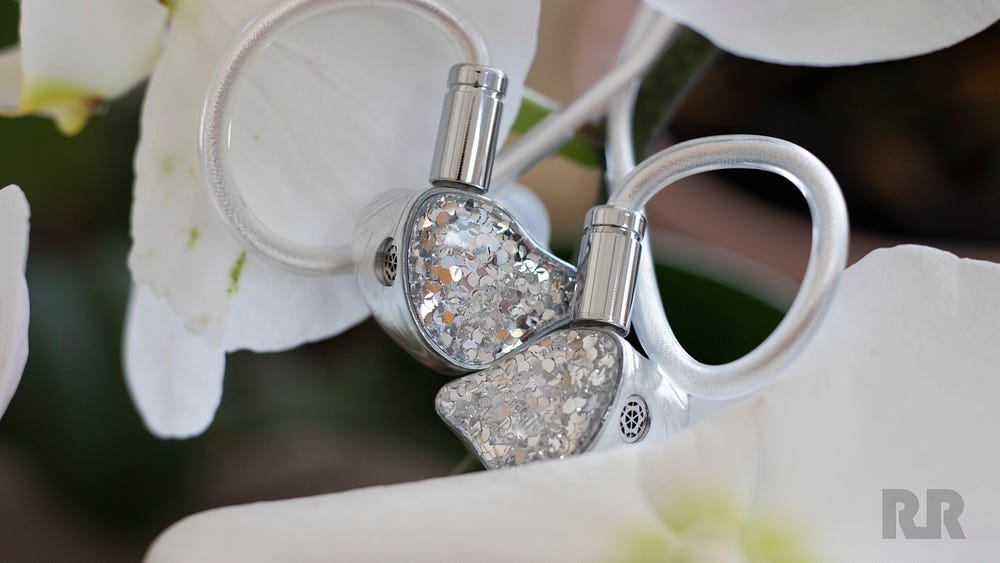
EarAcoustics Audio VSA MAX Review: Gently Into The Night
EarAcoustics Audio (EAA) has been on an unbelievable release spree recently. The SPA (and its 5+ versions), STA (and
its versions)
, and most recently the VSA (and
ITS versions). The VSA series is a lower-cost offering within the EAA lineup. It sits, with a noticeable amount of overlap, between the STA and SPA series’ of IEMs. Today we’re looking at the VSA MAX — the pen-ultimate version of the VSA and marketed (
in a kind-of-weird way) as a strong performer for female vocals. However I don’t believe in “specialty tunings” like “female-vocal-centric”. Either an IEM sounds good for my
music library or it doesn’t. Does the VSA have a broader capacity for performance beyond its marketed niche? Let’s find out.
You can find the VSA-MAX for sale
here, on Linsoul, for $149.
About My Preferences: This review is a subjective assessment and is therefore tinged by my personal preferences. While I try to mitigate this as much as possible during my review process, I’d be lying if I said my biases are completely erased. So for you, my readers, keep this in mind:
- My ideal sound signature would be one with competent sub-bass, a textured mid-bass, a slightly warm midrange, and an extended treble.
- I have mild treble sensitivity.
Testing equipment and standards can be found
here.
The Big Picture
Pros:
- Bright, crisp treble
- Plentiful bass
- Forward, assertive vocals
- Excellent build quality
- Beautiful cable
- Effective case
Cons:
- Modular cable connector lacks affirmative locking mechanism
- Cable termination is large and somewhat clunky
- Terrible (English) marketing
- Upper-treble brightness leads to bloom
- Midrange cooler-than-necessary to sound “resolving”
- Overwhelming product lineup, confusing product hierarchy
Tech Specs
- Driver: 1x 11.4mm dynamic driver
- Impedance: 32 ohms
- Sensitivity: 110dB SPL/mW
- Cable: 0.78mm 2-pin w/ 3.5mm, 4.4mm termination
Sound Signature
Sonic Overview:
The VSA MAX’s sound signature is V-shaped. Its midrange tone is fairly close to neutral and contrasts nicely with its bright, sparkle-prone treble. There’s a significant lift in the upper mids that provide strong vocal and instrumental separation. Thankfully, this emphasis is well-integrated and it’s free from disruptive peaks and valleys. The VSA MAX’s bass has above-average emphasis, providing a well-controlled foundation upon which the rest of the sound signature rests.
Sonic Breakdown:
Treble: Songs used:
In One Ear,
Midnight City,
Outlands,
Satisfy,
Little One,
Show Me How To Live (Live at the Quart Festival),
Bittersweet SymphonyThe main focal point of the VSA’s sound signature is its treble. It features excellent extension and articulation, cleanly and clearly stretching up towards the 18KHz range. High-hats and cymbals sound clearer than average for a dynamic IEM in this price range.
In One Ear’s chaotic crashing and slamming of percussion was delivered cleanly and with minimal blurring. The VSA MAX did a good, but not perfect, job at resolving the intense congestion in
Bittersweet Symphony’s upper register. The single dynamic driver embedded within the VSA MAX captured the meat of each element, whether it was string instrumentation, percussion, or synths, but did not consistently resolve the edges and fringes of their respective textures. Some of the VSA’s siblings, such as the
SPA Limited, fared better on this front.
The VSA MAX’s bright, airy presentation greatly benefits its ability to communicate a sense of space and distance. The VSA MAX rendered the lonely synths of
Midnight City with precision and impressive depth. The background speculars of
Little One popped in and out of existence with impunity, demonstrating a satisfying sense of dimensionality. The VSA MAX is more than capable of capturing significant texture and fade in quieter sections of tracks in spite of its non-perfect performance in my busy treble benchmarks.
Midrange: Songs used:
Flagpole Sitta,
Jacked Up,
I Am The Highway,
Too Close,
Little Black Submarines,
Bohemian Rhapsody,
Cash Machine,
Chasm,
Dead!,
The PartsIt seems to me like most IEM manufacturers have “figured out” how to tune a decent midrange. Yes, you’ll still come across something with a more “exotic” tuning like the
BQEYZ Frost, but they’re increasingly becoming the exception rather than the rule. The VSA MAX is a part of the broader range of IEMs with a good, if not great, midrange. Its precise tonality, and strong technical characteristics make it an excellent choice for a wide variety of genres and mastering styles. Thinly-mastered tracks like
Flagpole Sitta flow across the VSA’s drivers beautifully. Its well-weighted, but not particularly warm, lower-midrange fills out vocals well and stages them front-and-center. Its upper-midrange shelf adds a strong degree of intelligibility to them, with the VSA capturing a large swathe of vocal texture and inflection.
Busy tracks with modern mastering styles, such as
Dead!, showcase the VSA MAX’s impressive technical capabilities. For a single dynamic driver, especially one used in a relatively inexpensive IEM, it captures a surprising amount of instrumental texturing. The VSA managed to maintain a strong degree of separation and layering throughout the duration of the track, though it did tend to blend the edges of guitars together at the peak of the chaos in the chorus and outro. I did, however, appreciate the upper midrange’s strong showing when it comes to punctuating percussion.
Bass: Songs used:
Moth,
Gold Dust,
In For The Kill (Skream Remix),
War Pigs (Celldweller Remix)The VSA’ MAXs bass is rich and full, with average emphasis among V-shaped IEMs. The VSA’s lower register communicates weight and depth fairly well, rumbling on a need-to-know basis. It is clearly capable of hitting lower notes, but doesn’t dig too deep unless prompted by a bassy segment of actual instrumentation. It does punch in electronic music, such as
Gold Dust, but doesn’t really display enthusiasm for deeper percussion in drum-heavy tracks (for the most part). I quite liked the way the VSA MAX layered bass drums and bass guitar in
Moth, but found it a little lacking in
War Pigs (Celldweller Remix)’s mixed load of “real” instruments and dryer bass synths. That track is truly demanding for bass and asks for more than a simple rumble or light-weight punch.
Does the VSA’s bass pass the test for a basshead? Probably not — it isn’t hard enough or deep enough to meet that type of expectation. But for those who are more interested in cohesively-tuned , vibrantly-toned bass, without the need for massive bass presence, I think you’ll enjoy the VSA’s take on the lower-register. It is organic-enough and emphasized-enough to reliably and realistically stage most types of bass and meshes well with a wide variety of genres.
Packaging / Unboxing
Zoom image will be displayed
Zoom image will be displayed
Zoom image will be displayed
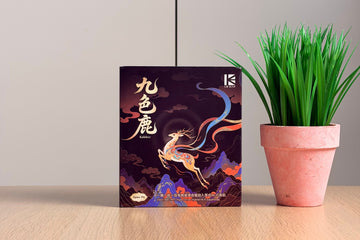
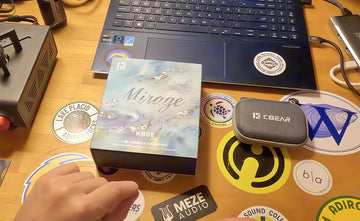
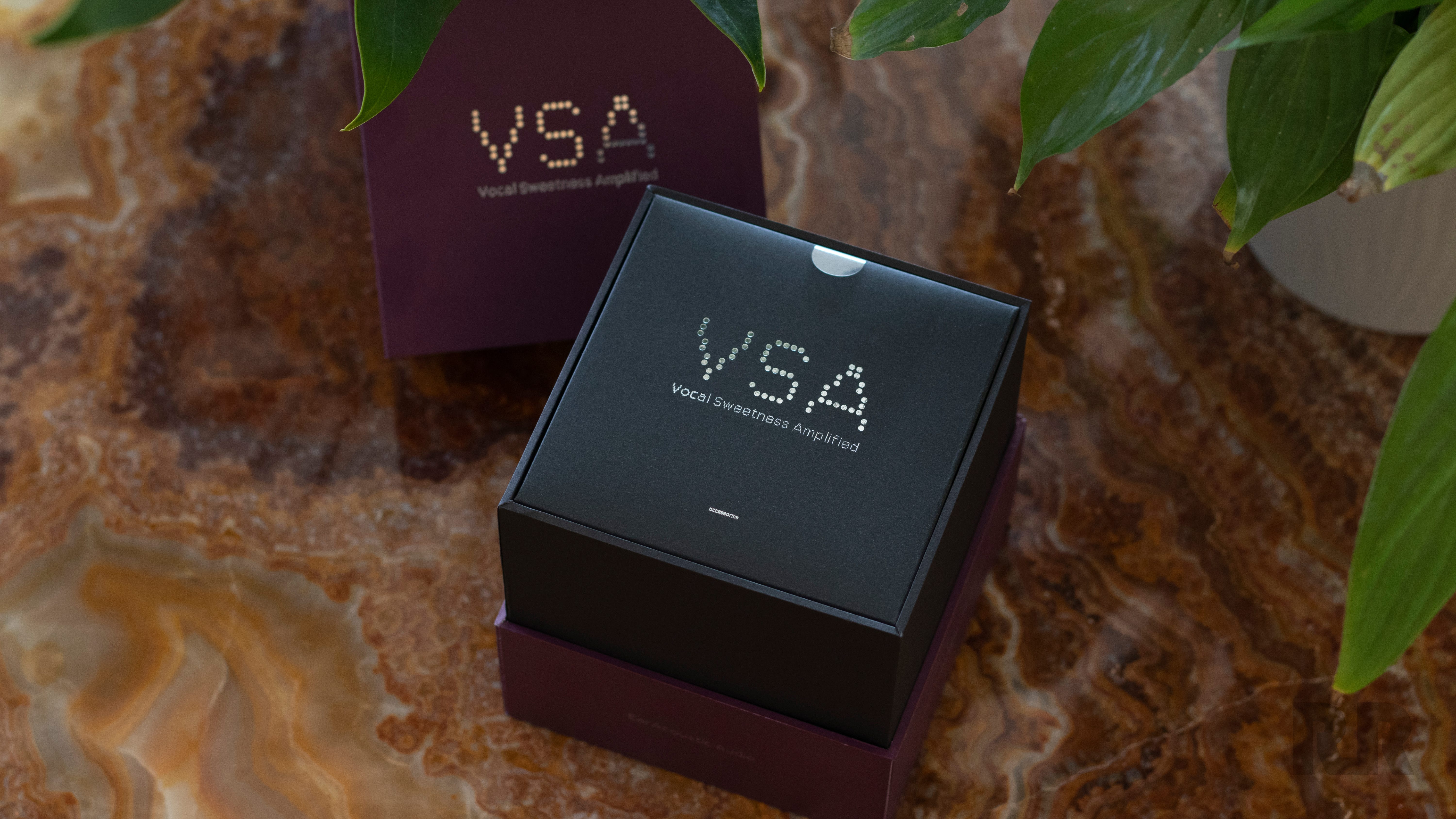
The VSA MAX’s packaging is very similar to the other IEMs in the EAA lineup. It features a multi-layer interior with a variety of textures and materials. This is a great unboxing experience, especially for an IEM in this price range.
Build
Construction Quality
Zoom image will be displayed
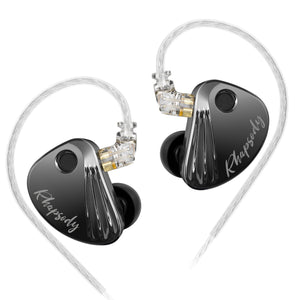
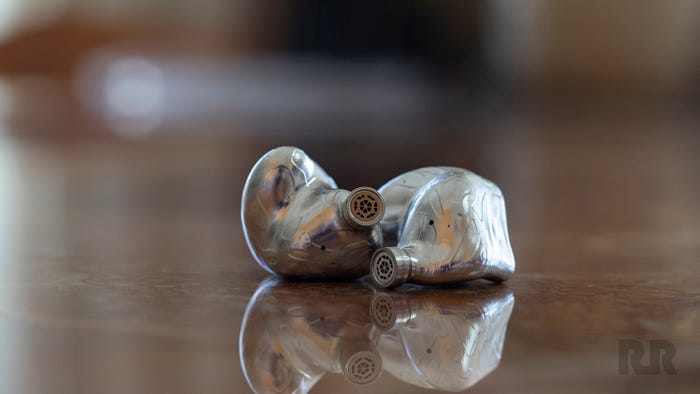
Much like the SPA Limited, the VSA-MAX utilizes a precision-cut single-piece aluminum shell. These are genuinely-beautiful shells that exemplify EarAcoustic Audio’s willingness to commit to their aesthetic vision.
Zoom image will be displayed
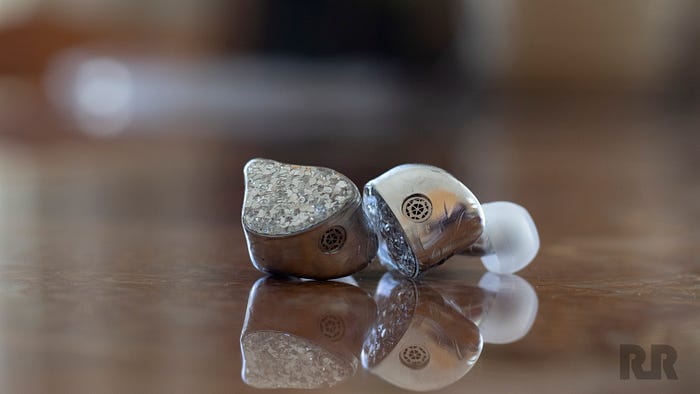
The side of the shell hosts a cleanly-cut and finely-designed vent.
Zoom image will be displayed
The shell’s nozzles are metal and feature debris filters that are similar to the vent. These nozzles are sturdy and integrated directly with the shell. There’s minimal risk of long-term durability with these shells, meaning they’ll last for as long as the driver does.
Zoom image will be displayed
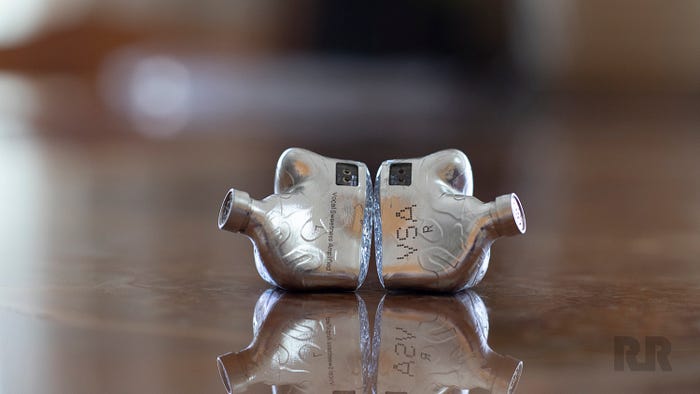
The top of the VSA’s shells boasts its 2-pin sockets. These sit flush with the aluminum, though they’re hosted in a clear plastic block rather than metal. This may be as a part of an effort to prevent corrosion.
Zoom image will be displayed
Zoom image will be displayed
Zoom image will be displayed
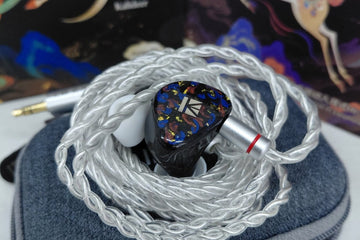
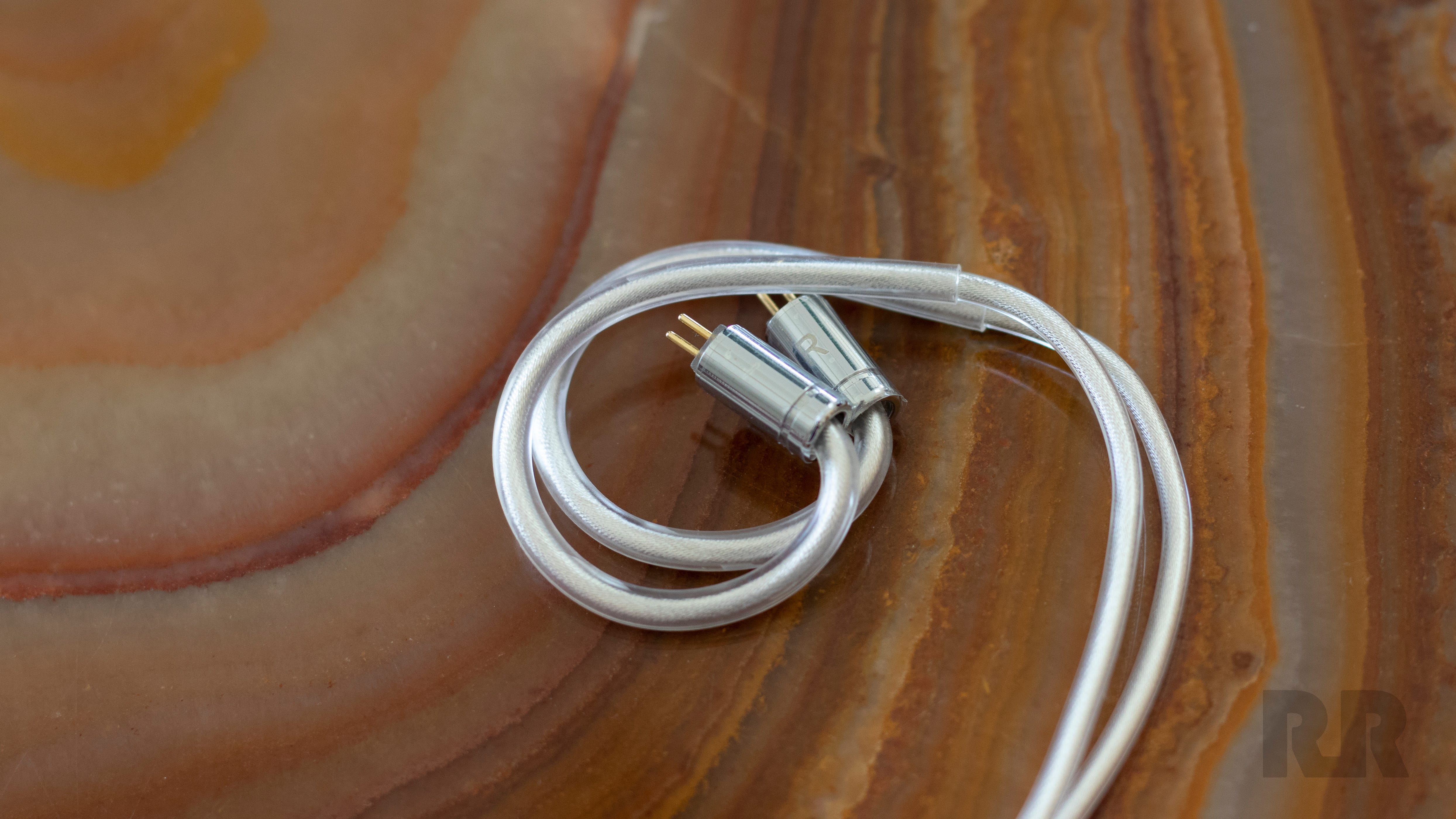
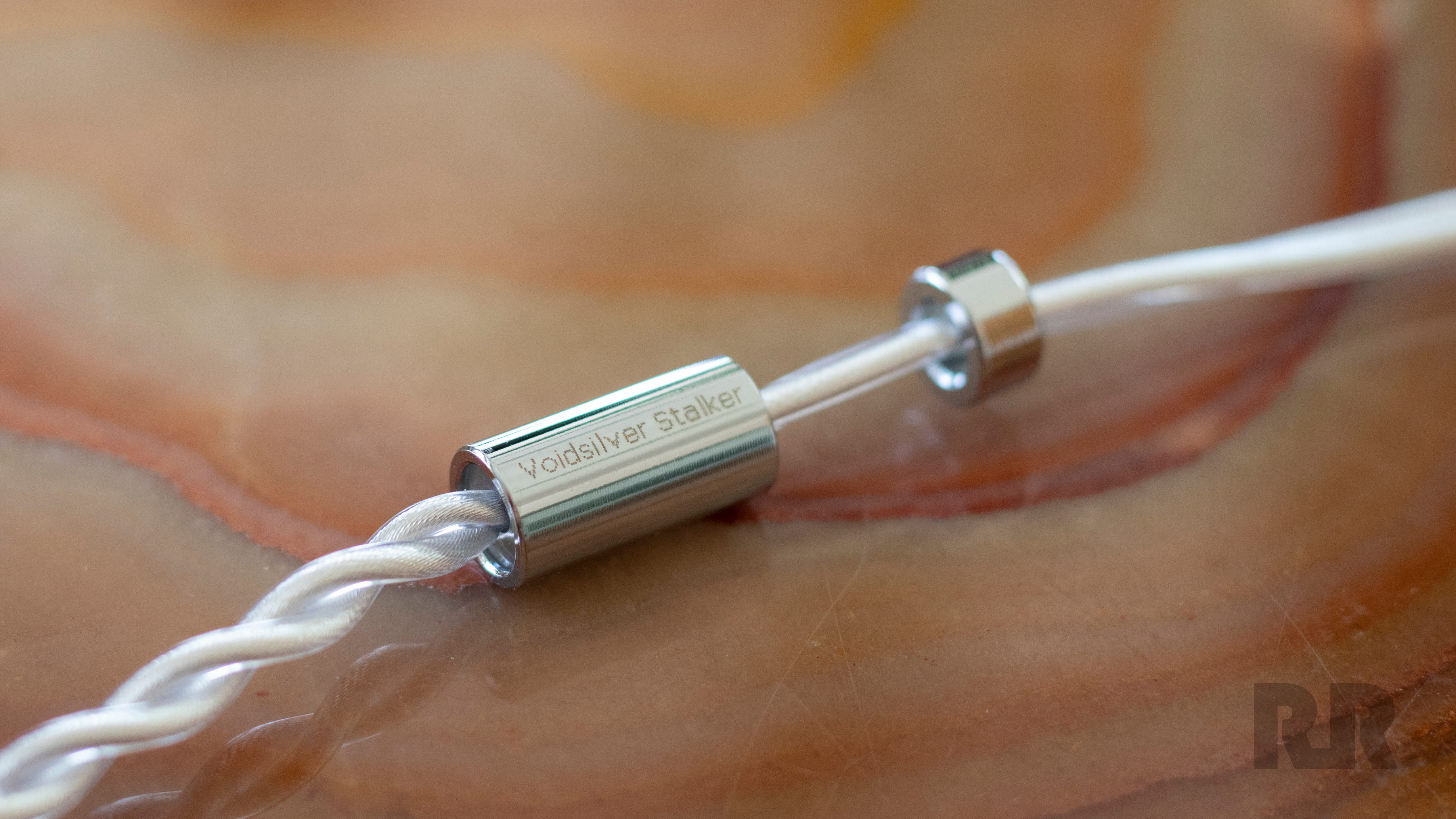
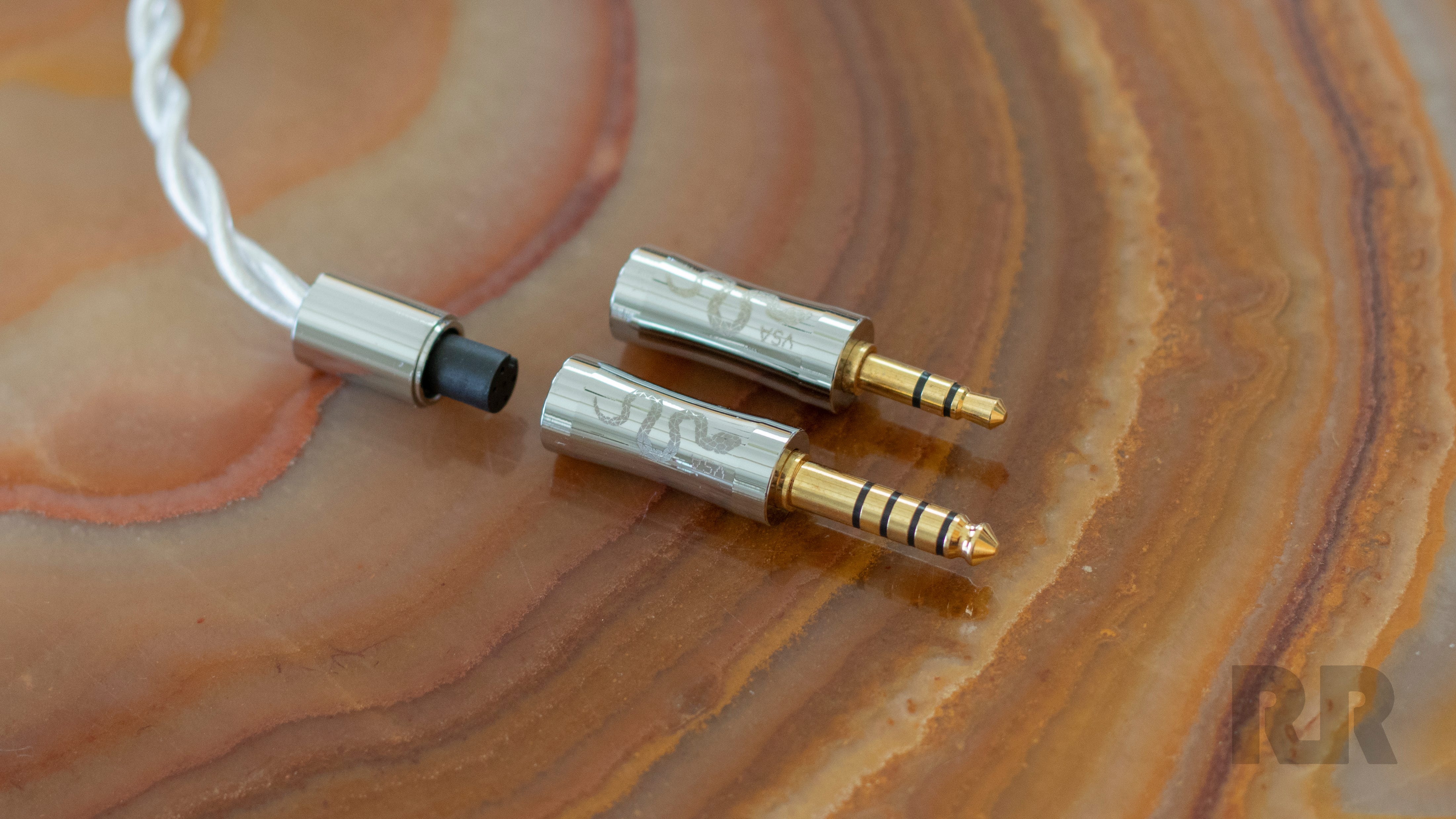
The VSA MAX’s cable is extremely similar to the SPA Limited’s cable. A notable change is that it features a modular cable with a 3.5mm and 4.4mm termination. This is a welcome improvement, but is not one that’s been implemented perfectly. The modular connection utilizes a friction-hold mechanism that keeps the plugs attached, rather than a locking mechanism such as a threaded-nut. These are less stable and more prone to wear over time. I’d like to see EAA improve their cables further on this front.
Zoom image will be displayed
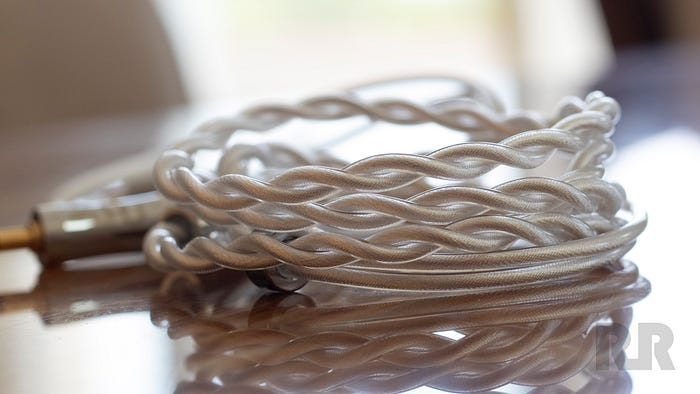
I would, however, like to emphasize how meaty and solid the VSA’s cable feels in the hand. It is a striking and attention-grabbing cable, but not one that’s particularly overwhelming with color. The ultra-fine strands of the metal underneath the outer plastic sheathe are appealing to the eye and really do a lot to make the VSA MAX look more premium.
Comfort
Disclaimer: comfort is a highly individual metric — no two people will have the same experience.I find the VSA MAX to be sufficiently ergonomic to be worn for 1–2 hours without irritation. That said, it is on the heavier side thanks to its metal shells, so those with sensitive outer ears may find it tiring. Its shells will also likely not be compatible with those who have small ears.
Power
Coming it at 32 ohms and 110dB SPL/mW, the VSA is fairly easy to drive. Much like its siblings, it is happy on a wide variety of sources, though I detected some minor improvements in bass control on the Meze Alba dongle and CD-2 (balanced) over my phone’s integrated DAC/AMP.
Warranty and Repair
The VSA comes with a one-year warranty. This is standard in the ChiFi world. That said, I’ve not seen many complaints from anyone with an EAA IEM that has experienced premature failure, so hopefully that means long-term owners won’t end up needing to get their IEMs constantly fixed.
Accessories
Inside the box you’ll find:
- 1x 0.78mm cable
- 1x 3.5mm adapter
- 1x 4.4mm adapter
- 1x zipper case
- 3x pairs silicone eartips
This accessory suite is fine, but ultimately misses on a few nice-to-haves. For example, an IEM as shiny as this would do well to have a cleaning-cloth included in the box. I also really don’t like the included eartips, so I recommend
at least expanding the selection in the box to include foam eartips or something decent like Spinfit, Comply, or Plussound Hybrid eartips.
The case is decent and can store the IEMs with out crushing them or over-coiling the cable. It does not, however, have a mesh-pocket for storing accessories/dongles. Adding that in would be really nice, as the VSA seems to benefit from such sources.
Comparisons
Comparisons are selected solely based on what I think is interesting. If you would like me to add more comparisons, feel free to make a request in the comments below!1:
EarAcoustics Audio SPA Limited ($429)
One might not expect there to be much a delta between the SPA LE’s performance and the VSA, but there’s actually a few noticeable differences. For starters, the SPA LE has a lighter, harder, and more responsive bass, less-emphasized upper-treble, and more-even upper midrange. Beyond that, there’s something intangible about the “spry” nature of the SPA’s driver that the VSA simply doesn’t have. I don’t know what exactly it is, but the VSA almost feels “rounder” and less textured than the SPA LE. I found myself consistently preferring the less dramatic and higher-precision presentation of the SPA LE over the VSA MAX.
In terms of physical construction, the SPA LE and VSA MAX are almost identical. They have very similar shells, very similar cables, and nearly-identical accessory packages. The main difference? Price. If you’re just looking for a V-shaped IEM with a solid metal shell, then grab the VSA MAX and save yourself the ~$275. That said, if you’re chasing some of the best single-dynamic-driver performance you can get in the sub-$500 range, then you might actually find the increased cost for the SPA LE worth it.
2:
NFAcous NA20 ($119)
The NA20 and VSA MAX are both single dynamic-driver IEMs. But that’s essentially where the similarities end. For starters, the VSA MAX is a far-more dramatic IEM. It has more-dramatic bass, a cooler midrange, and noticeably brighter treble. This causes the VSA MAX to push vocal elements and bright string instrumentation further forward and emphasize them in the mix. It has a similar level of articulation as the NA20, though the NA20 is a more-balanced IEM with tonal consistency throughout. I appreciate the NA20’s dedication to cohesion an organic presentation, though must acknowledge the VSA MAX’s tastier bass. The NA20’s bass does, in certain cases, sound “harder” and more-controlled than the VSA MAX bass, though not with enough consistency to qualify as strictly “better”.
The gap in price between these two IEMs is only $30, and for those extra $30, EarAcoustics Audio gives you an all-metal shell, a gorgeous modular cable, and a spacious case. The NA20 is not lacking for a cable, in practical terms, but certainly does not meet the VSA’s level of “bling”. Neither IEM has an impressive suite of eartips, so they’re’ equivalent on that front, at least.
If I had to choose an IEM between these two, it would probably be the NA20. It has a cheaper shell material, sure, but I like how light and comfortable it is. Its case is smaller, but that is totally fine considering the IEM itself is smaller and more compact. The NA20 is just easier to listen to and features an addicting organic warmth that the VSA (deliberately) was tuned without.
3:
Juzear Defiant ($99)
The Defiant is a less-bright, warmer, V-shaped IEM. It has a cohesive sound signature with emphasized bass. The VSA has a cooler midrange, brighter treble, and weightier mid-bass. Its sub-bass is fairly similar in quantity to the Defiant, though I prefer the overall bass tone of the VSA. The VSA sounds cleaner and clearer in very busy segments of tracks like
Dead! and
Ricochet by Shiny Toy Guns. That is, in part, a function of its cooler, lighter midrange, but really its seems like the $30 gap in price between the Defiant and the VSA yields a real difference in upper-register performance in favor of the VSA.
Both IEMs have modular cables and zipper case, though I like the VSA’s cable much more than the Defiant’s. The Defiant’s cable does, in fairness, have a better modular termination mechanism. The VSA has
much nicer shells, as they’re all-metal. The Defiant does also have a more-practical case and better suite of eartips, so that’s definitely something worth noting.
If you’re on a strict budget, you’ll probably want to go with the Defiant. It is often on sale for $85 (or less), so that’s significant cost-savings over the VSA. If you’re looking to eek out more performance and clarity than the Defiant can provide, then you’d likely go with the more robustly-built VSA, provided its brighter presentation matches your preferences.
Conclusion
The VSA is a beautifully-constructed single-dynamic-driver IEM. It features a bright, energetic V-shaped sound signature that yields impressive performance for relatively-affordable single-dynamic-driver IEM. That said, it has a few sub-optimal tuning choices that misalign it with my subjective sonic preferences. While it undeniably uses better materials than its price-bracketed peers, it does not universally best them in terms of tuning, nor performance.
Who This is For
- Treble-lovers who want dynamic-driver-style cohesion
- Fans of deep V-shaped sound signatures
- Listeners who want the confidence of all-metal shells
- Those who primarily listen to high-dynamic-range mastering styles
Who This isn’t For
- Those seeking warm, comfortable sound signatures
- Listeners who want reference-style sound
- Buyers seeking maximum price-to-performance
- Buyers with a brightness sensitivity
As always, happy listening!