






Introduction
KZ is very popular among the hobbyists and it’s also one of the brands that’s most likely to appear if you’re at your first IEM purchase and you’re doing some research online.
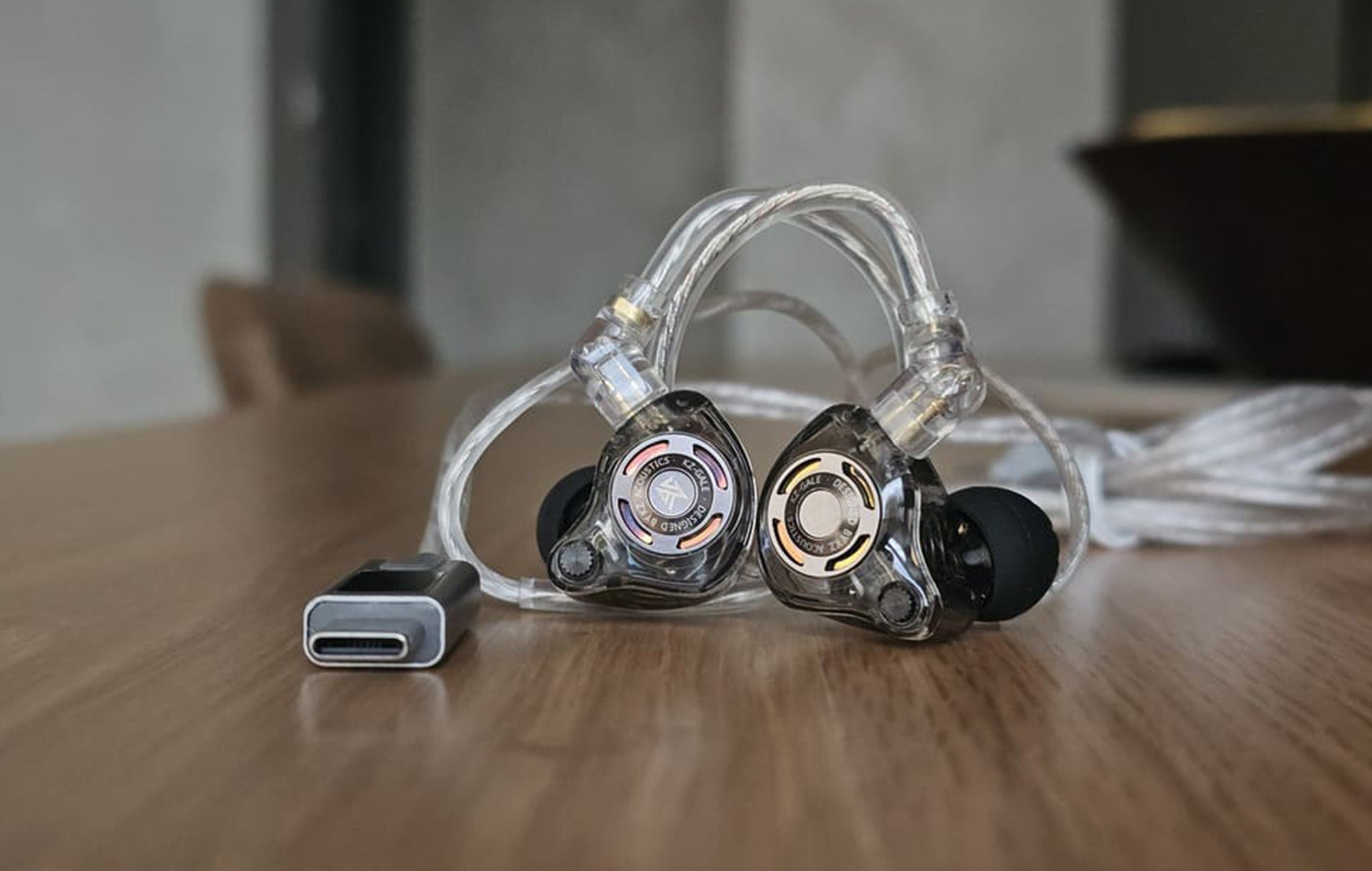
In this review, I’ll be taking a look at the Gale, a new IEM by KZ that’s aiming for those people who like to listen to music and that also want a game-ready set of IEMs.
KZ made a post on social networks stating that they wanted to know if there was any fan who wanted a free KZ Gale to game with it so I replied them and here I have the free set that they have chosen to gift to some fans.
Technical Specifications
- Driver Configuration → 1 x DD
- Impedance → 24 Ω
- Spec-sheet Frequency Response → 10-20 KHz
- Sensitivity → 107 dB/mW @ 1KHz
- Cable → 1,2m cable with 0.75mm PINs
- Plug type → Type-C DSP connector with 4 different modes
Packaging
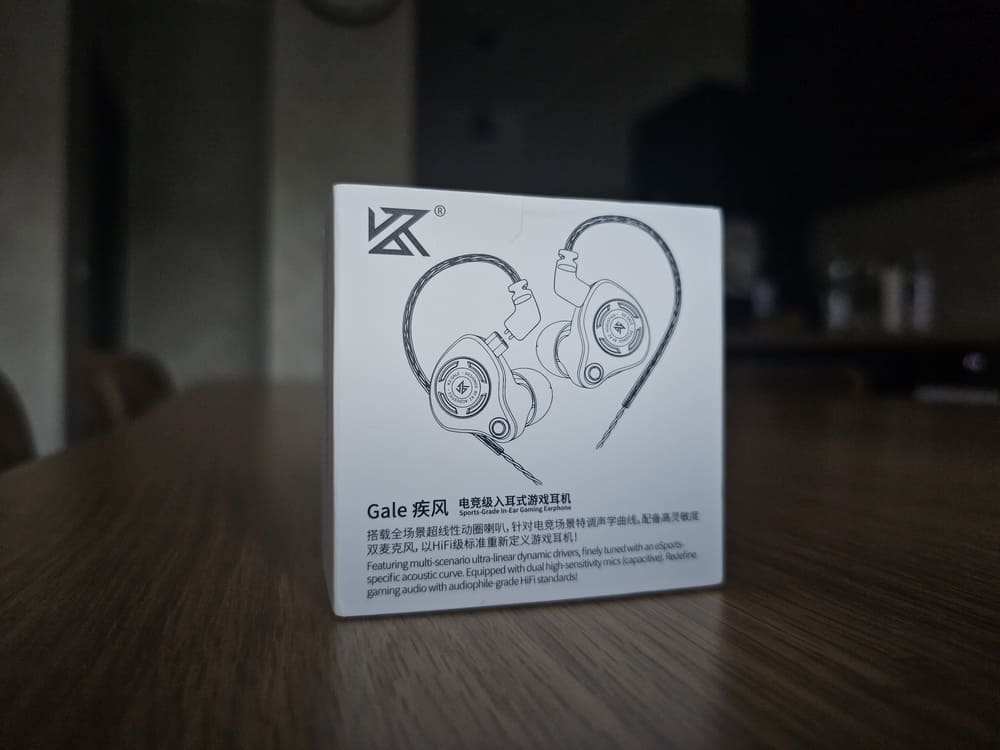
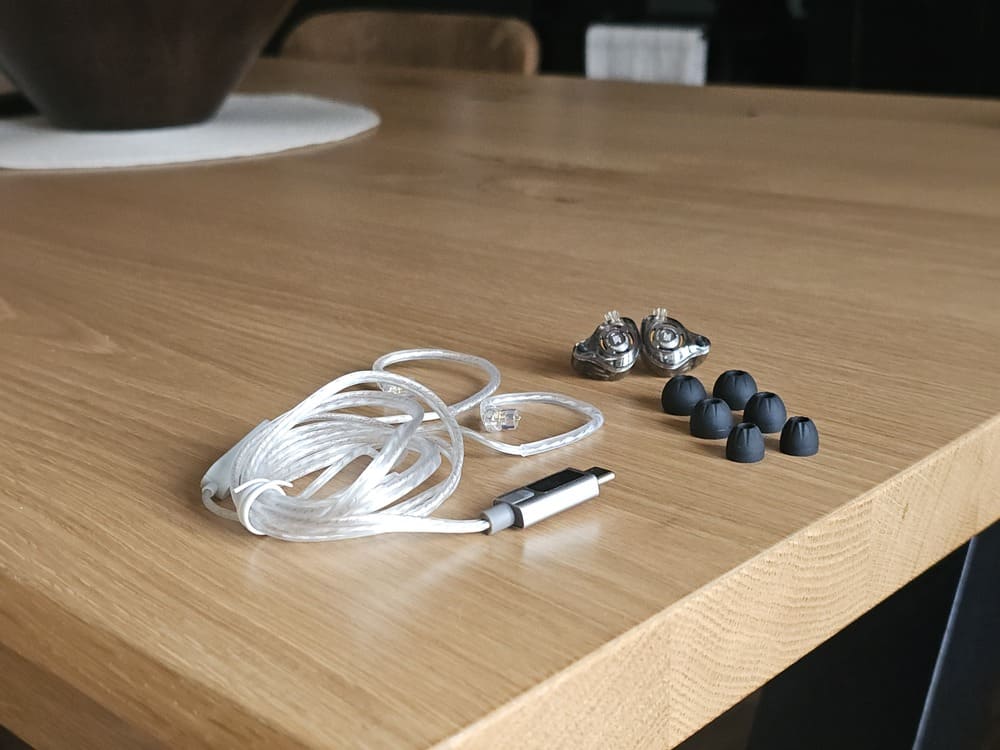
The KZ Gale come into the usual KZ simple cardboard box, which contains:
- The KZ Gale
- A detachable cable with a Type-C DSP connector
- One set of black starline tips
- User manual
Classic, minimalist, eco-friendly packaging that cares for every life on Earth
It puts every cent where it counts into the product itself and reminds you of the pure joy music brings to your soul
Our product doesn't require luxurious packaging to enhance its appeal, as the actual performance and true qualities of the product cannot be fully reflected through packaging. We advocate environmental protection, but we will not use environmentalism as a pretext to make high profits. This is one of the beliefs that KZ has held since its founding.
It puts every cent where it counts into the product itself and reminds you of the pure joy music brings to your soul
Our product doesn't require luxurious packaging to enhance its appeal, as the actual performance and true qualities of the product cannot be fully reflected through packaging. We advocate environmental protection, but we will not use environmentalism as a pretext to make high profits. This is one of the beliefs that KZ has held since its founding.
In all fairness, and this comes from my own perspective, I don't think this has a deep meaning. If KZ truly cared about the planet, they would not release tons of sidegrades with different names and slightly different tunings just for the sake of having a wide IEM catalogue.
Just include better accessories and you'll be fine with it without trying to get away with environmental-friendly slogans.
Just include better accessories and you'll be fine with it without trying to get away with environmental-friendly slogans.
Design, Build Quality, Comfort and Isolation
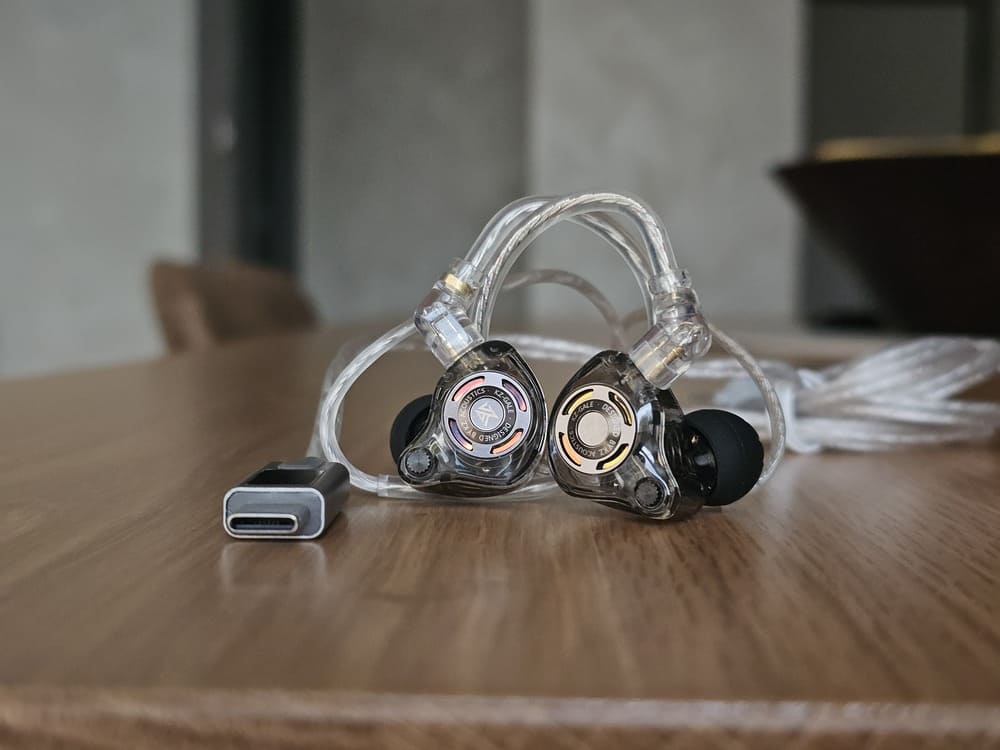
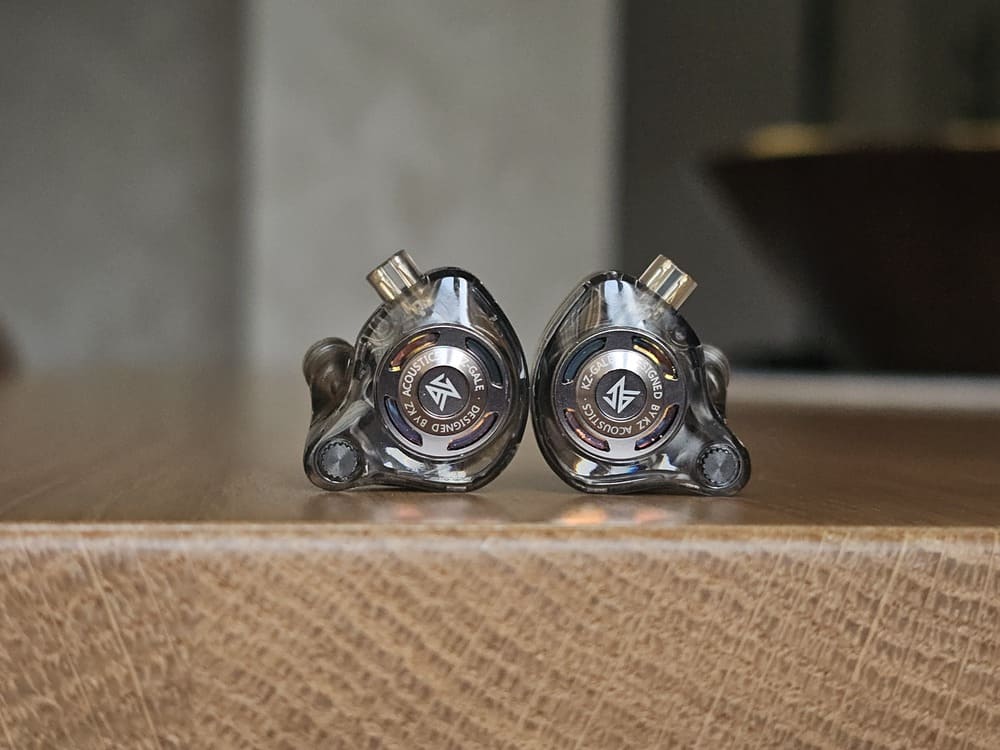
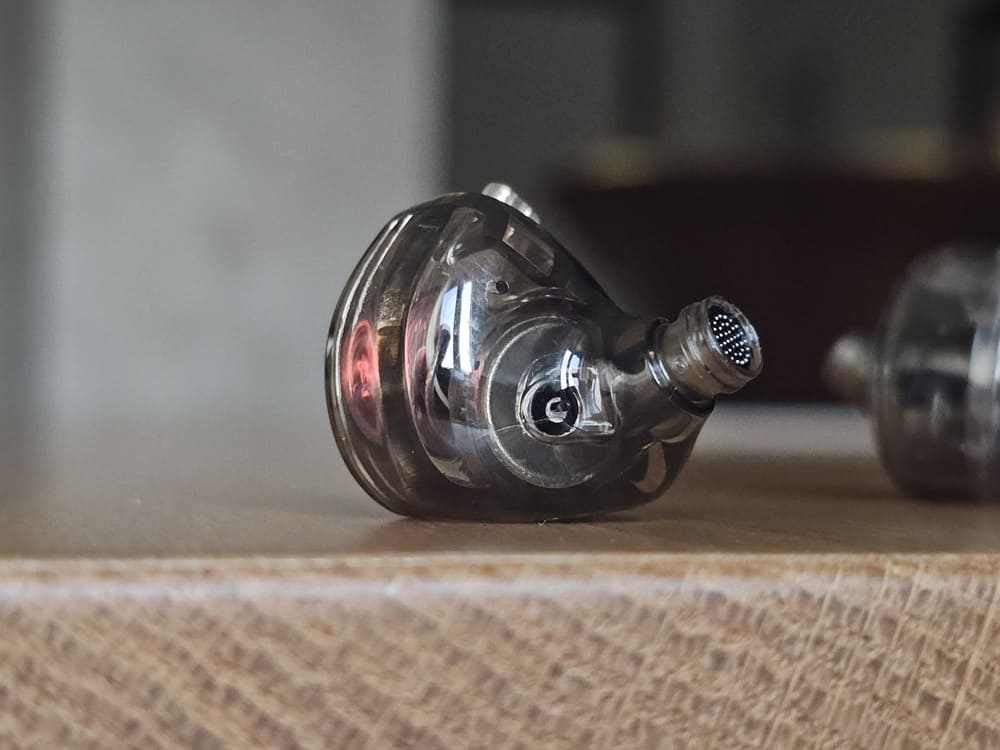
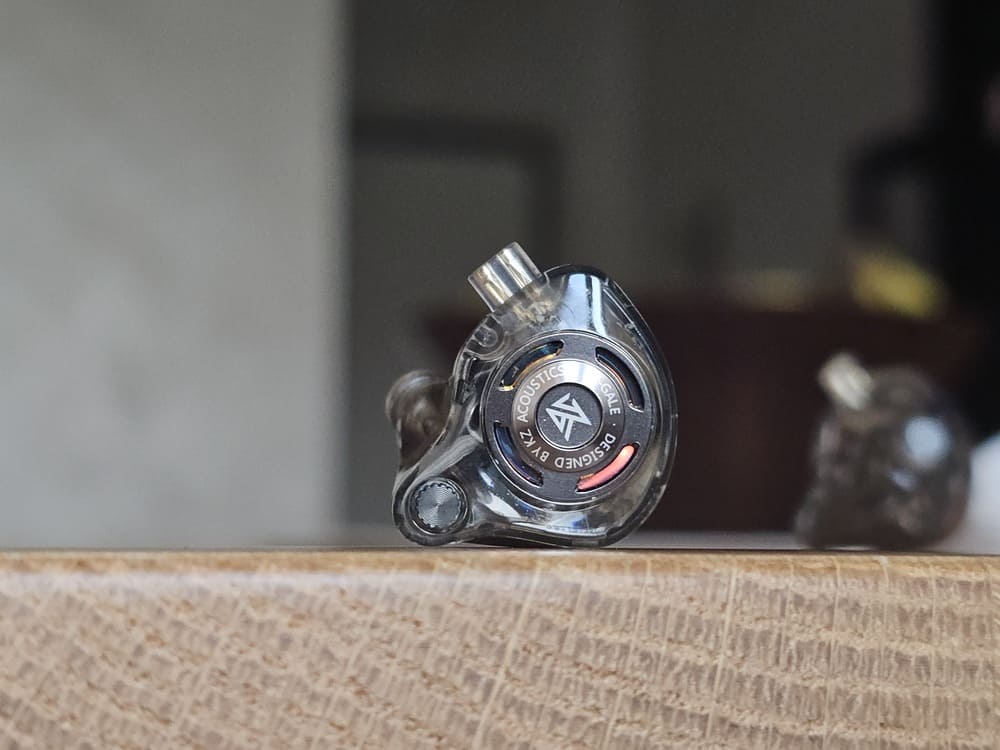
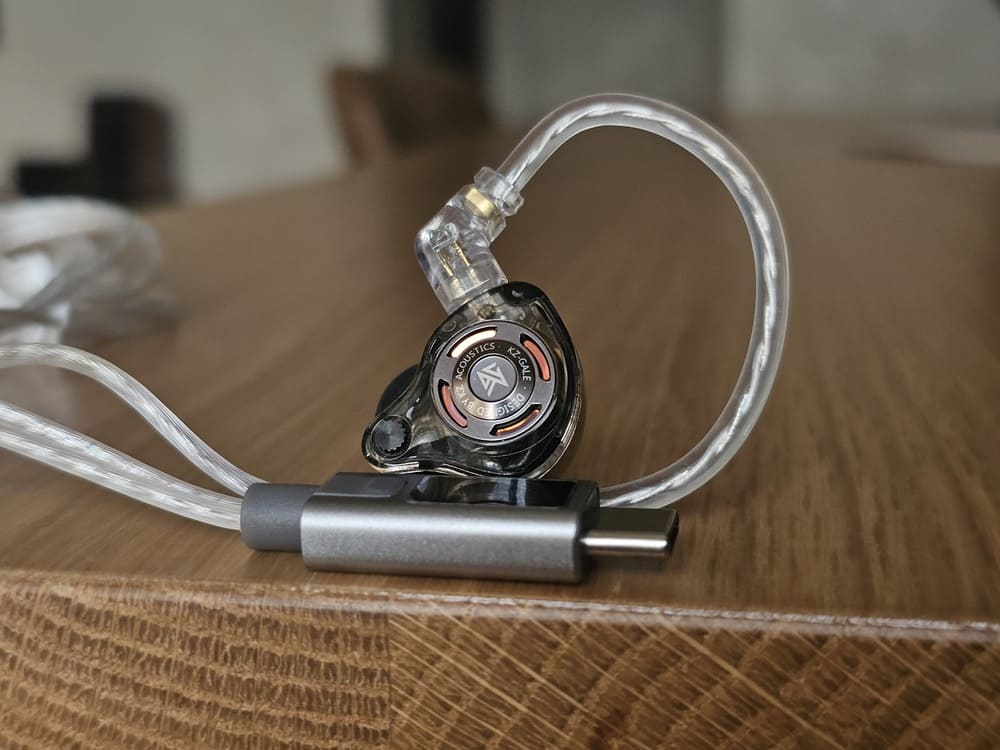
The KZ Gale are fully made of plastic, they are lightweight, and even though it’s clear that they’re cheap from the first time you hold them in your hands, I don't think that's going to put off most folks.
The comfort is pretty good, even though I had to use the widest tip to get proper seal (the plastic shell is slightly more capricious when trying to push it inside the ears). The isolation is just average, I prefer other IEMs while walking outside or commuting.
Cable
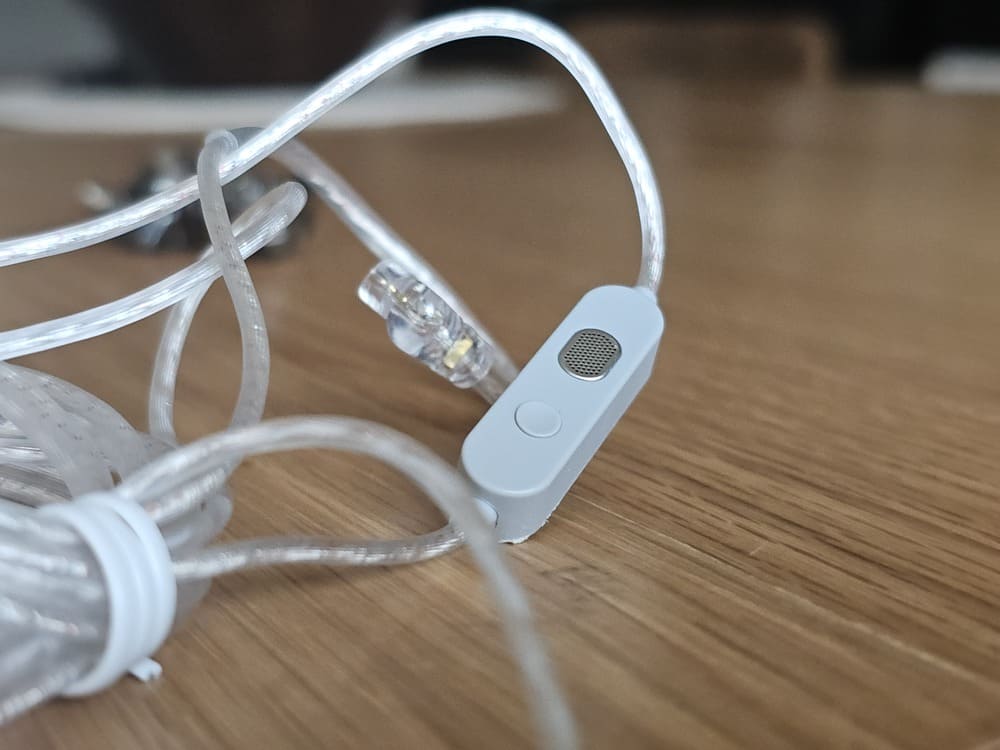
The cable is basically the same cheap cable that KZ and CCA always include with their IEMs, but with this specific version you also get a Type-C DSP connector with a button on it, which works as a DSP mode-switch button.
Sound
GEAR USED FOR THE TEST
- DAC: Topping E30
- AMP: Topping L30
- Mobile phones: Samsung Galaxy S23 Ultra
- Moondrop May’s DSP cable with PEQ=0
- Dongles: Apple Type-C dongle, Fosi DS2, DUNU DTC800, Truthear SHIO, Tanchjim Luna AT
- Portable DAPs: Snowsky Echo Mini
- Bluetooth DACs: Snowsky Retro Nano, FiiO BTR11
If you change the cable and use a normal 3.5mm jack, no worries, these are easy to drive. If you use the Type-C connector, same thing: it will provide for the right amount of power that these need and even more.
Let’s talk about the sound.
So, if you use the IEMs in their analog mode, which means connecting them to a normal 3.5mm cable, it sounds rather V-shaped with no excessive peaks and it’s a rather pleasant tuning. There’s nothing that really pops up since everything is where you expect it to be: no excessive vocals’ forwardness, some added low-end without becoming “overpowering”, and the treble has some added spice that treble sensitive folks won’t quite like but it never really gets into the “fatiguing” territory. The midrange is recessed as expect so if you want proper vocal thickness this is not the set for you, but this is something that characterizes most V-shaped sets so nothing new under the sunlight.
I was speaking about music, but the truth is that these are promoted for gaming, and even though I like the fact that the bass shelf isn’t too aggressive, the sub-bass boost provides for some thickness, that when paired the tamed pinna region kinda cuts away some sharpness that could be useful for pinpointing opponents in FPS games for example.
The soundstage is pretty good in the stock tuning while the imaging is average. I highly do not suggest to grab the Gale if you don’t plan to buy the Type-C version.
Why?
The cable itself has a button near the Type-C connector that acts as a switch between some DSP modes, which are these specifically:
- Music Balanced Mode: basically how I’ve just described the sound
- Bass Boost Mode: in a nutshell, same thing but with some added low-end weight
- Standard Gaming Mode: prioritizes upper mids and treble a bit and the low-end is tamed a bit
- Immersive Gaming Mode (Deep Dive Mode): this is the most extreme “gaming” preset, with a lot less bass with respect to the music modes and with upper mids and treble boost for enhanced positioning
Unfortunately, the Type-C DSP cable doesn’t have any customization app so you cannot use parametric EQ or customize the DSP presets in any way, but I have to say that the Immersive Gaming Mode is very good and transforms the Gale into a well-rounded gaming set: I have tried them playing Rainbow Six Siege, Apex Legends, Counter Strike and PUBG and the Gale didn’t disappoint, especially considering the price. I have tried budget IEMs with better pinpointing without a DSP Type-C cable (i.e. the Moondrop SSR, thanks to their great soundstage and imaging), but they were pricier and less versatile in terms of tuning so I guess the Gale bring very good value to the table.
The microphone quality is pretty good, and even though not class leading in terms of resolution, I could clearly communicate over discord with no issues.
Are they something I would use considering my taste and preferences?
Kind-of: I prefer KZ when they risk a bit more with slightly more emphasized treble and sub-bass, just like on the ZVX Pro that I like even more than the Gale. However, I can really see the benefits of the stock analog tuning of the KZ Gale since it does very well in general.
What I really like is the idea of the various modes that emphasize certain frequencies over the others when gaming. I am a gamer and I like the convenience of the switch since it adds some real flexibility to the overall experience with the IEMs. In addition, the microphone quality is pretty good considering that it’s an in-line microphone, so it’s a decent package to start gaming with IEMs on a budget.
Some comparisons:
SMALL SIDENOTE: since other sets don’t come with a similar Type-C dongle, I will focus on the sound and other aspects with respect to the IEMs themselves if used in analog mode.
Note that the Type-C cable is a very good addition and I highly recommend trying it for a couple more dollars with the respect to the 3.5mm version (it can also be used with other IEMs with QDC connectors).
KZ Gale vs KZ ZVX Pro
The ZVX Pro are more V-shaped with better low-end and upper-end extension and boast better technicalities and better build quality. The Gale sound more relaxed and balanced, but the technical performance is, in my opinion, not up to par with the ZVX Pro, that are better in terms of soundstage and imaging and also have snappier and more textured bass.
The comfort is very similar, the isolation is slightly better on the ZVX Pro, probably thanks to the metal shells. The unboxing experience is basically the same.
The comfort is very similar, the isolation is slightly better on the ZVX Pro, probably thanks to the metal shells. The unboxing experience is basically the same.
KZ Gale vs CCA CRA Pro
The CCA CRA Pro are probably among the worst releases in the KZ/CCA lineup, so it’s not hard to beat them. In fact, the Gale sound better, with better overall timbre and tonality, a less plasticky sound and slightly better technical performance. Build quality, comfort and isolation are very similar but there’s no true reason to get a pair of CRA Pro so just go for the Gale or the ZVX Pro if you want a better set among those sold by KZ/CCA.
KZ Gale vs Soncie Meory SM1 Lite
The Soncie Meory SM1 Lite didn’t receive a lot of praise for me because they were a bit awkward: not super comfortable due to the squared shells and also not really natural-sounding with respect to the competition back then. But if there was a thing in which they do very well, it’s imaging, and in fact the SM1 Lite beat the KZ Gale in terms of imaging. However, the Gale are a lot more versatile, they sound better when you listen to music and the performance during gaming sessions is still good, so there’s no reason to get a pair of SM1 Lite instead of the Gale (and you also have to consider that the SM1 Lite are priced even above the Gale in their Type-C DSP version, which adds even more versatility).
KZ Gale vs Celest Wyvern/Wyvern Abyss
The Wyvern Abyss have been a best-selling set from Celest and they were also recommended to most gamers because of the fact that there was also a specific version with boom microphone. Even without the microphone, the Wyvern still represent good value for money, and I’d say there are some similarities between them and the Gale.
The main differences between the two are caused by the upper midrange boost on the Wyvern, which makes the sound a bit more forward in that region, changing the perception with respect to the other frequencies. In fact, the Gale sound a touch more balanced than the Wyvern because of the less emphasized pinna gain region, making them more tolerable by those who don’t like forward female vocals, cellos and violins. In exchange, you get slightly more upper treble and a little touch of bass boost that make the lower midrange stand-out just a bit more. The Wyvern are still a bit above in terms of imaging when compared to the analog 3.5mm Gale, a thing that the Gale kinda compensate for thanks to the gaming DSP presets.
In terms of build quality, the Wyvern are better, whereas the Gale are more likely to fit most people without annoyance. The isolation of the Wyvern is better. In terms of packaging and accessories, the Wyvern are just a bit above.
The main differences between the two are caused by the upper midrange boost on the Wyvern, which makes the sound a bit more forward in that region, changing the perception with respect to the other frequencies. In fact, the Gale sound a touch more balanced than the Wyvern because of the less emphasized pinna gain region, making them more tolerable by those who don’t like forward female vocals, cellos and violins. In exchange, you get slightly more upper treble and a little touch of bass boost that make the lower midrange stand-out just a bit more. The Wyvern are still a bit above in terms of imaging when compared to the analog 3.5mm Gale, a thing that the Gale kinda compensate for thanks to the gaming DSP presets.
In terms of build quality, the Wyvern are better, whereas the Gale are more likely to fit most people without annoyance. The isolation of the Wyvern is better. In terms of packaging and accessories, the Wyvern are just a bit above.
Final Thoughts
The KZ Gale are a complete package for those who like listening to music and gaming as well, providing for a set that you can use for both by just clicking a button on the DSP cable termination. I would not buy the Gale without the Type-C cable because I think that the ZVX Pro is a much better analog 3.5mm set, and there also other good sets in the sub-20$ bracket that can be used for gaming, but if one wants a game-ready set with a good tuning that can also be used for music, the Gale hit the right spot and has everything that a hybrid gamer-music listener could ask for: good sound tuning, comfortable and lightweight shells and a Type-C DSP cable for less than 20$.
Thumbs up for KZ once again.