• Jan 14, 2026
  • 0 comments

EarAcoustic Audio STA Pro Max: Bold Debut under A New Name

Reviewed by IceIceberg


Pros

2DD dynamic driver configuration
Durable metal shells
Excellent sound isolation
Easy to drive, works well with portable sources
Good but non-universal tuning
Elevated sub-bass shelf
Dense and impactful mid-bass
Accurate and technically precise instrument reproduction
Tall, layered soundstage (though not very wide)

Cons

Stiff and thick cable
Lack of detail in the midrange
Treble is dark and lacks airiness
Narrow soundstage with poor instrument separation and imaging

IMG-20250514-WA0043.jpg
INTRODUCTION:

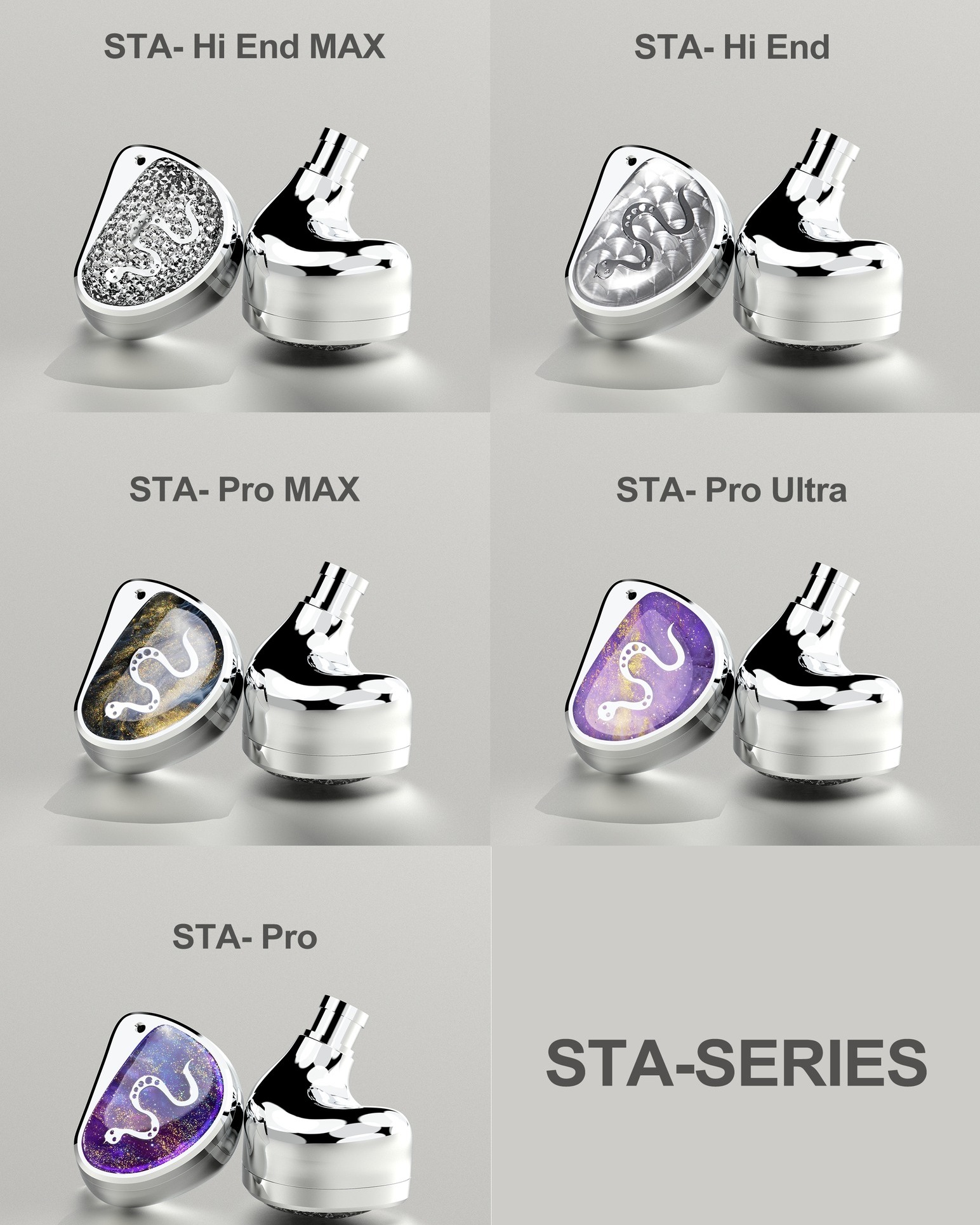
EarAcoustic Audio offers two main IEM lineups: the SPA and STA series. Today, I’ll be talking about the flagship model of the STA series - EarAcoustic STA Pro Max. These are dual-dynamic IEMs housed in a metal shell with a unique sound signature. The STA Pro Max is one of the company’s latest releases, announced last month and already available for purchase at around $80.

EarAcoustic Audio is a young but ambitious company, previously known under the TFZ brand. Their philosophy, “sound is the embodiment of art,” is clearly reflected in their products. This is my first encounter with the company, and I’m hopeful it won’t be disappointing.

Now, let’s talk about the IEMs themselves. The STA Pro Max are dual-dynamic IEMs featuring a 10mm dynamic driver with an LCP diaphragm for low and mid frequencies, paired with a 6mm dynamic driver with a composite diaphragm responsible for handling the highs and ultra-high frequencies. The STA Pro Max incorporates a dual N50 magnet system, which reduces distortion and enhances driver efficiency. The shells are made of metal, with an ergonomic shape and an appealing, aesthetic design, which I’ll cover in more detail later.

So, let’s dive deeper into this new release, starting, as usual, with the specifications.

495372352_122124842942803753_2586641195593700047_n.jpg

I would like to thank EarAcoustic Audio for providing me with the opportunity to test and review this product. Your support makes this review possible. I am very grateful to you and your team. Many thanks to you!

Disclaimer: My review is my personal, honest opinion about the product. I don't receive any income for conducting reviews and I don't participate in any affiliate programs. All thoughts expressed in this review are purely subjective and may not coincide with your own impressions. Trust your ears!

You can purchase the EarAcoustic STA Pro Max from:

SPECIFICATION
  • 2DD Driver Configuration;
  • Impedance: 30Ω;
  • Sensitivity: 110dB;
  • Frequency response range:10Hz-30kHz;
  • Connector: 2-pin 0.78mm.;
  • Cable material: Oxygen free copper and silver plated wire mixed weave;
  • Price: 80$.

PACKAGE:

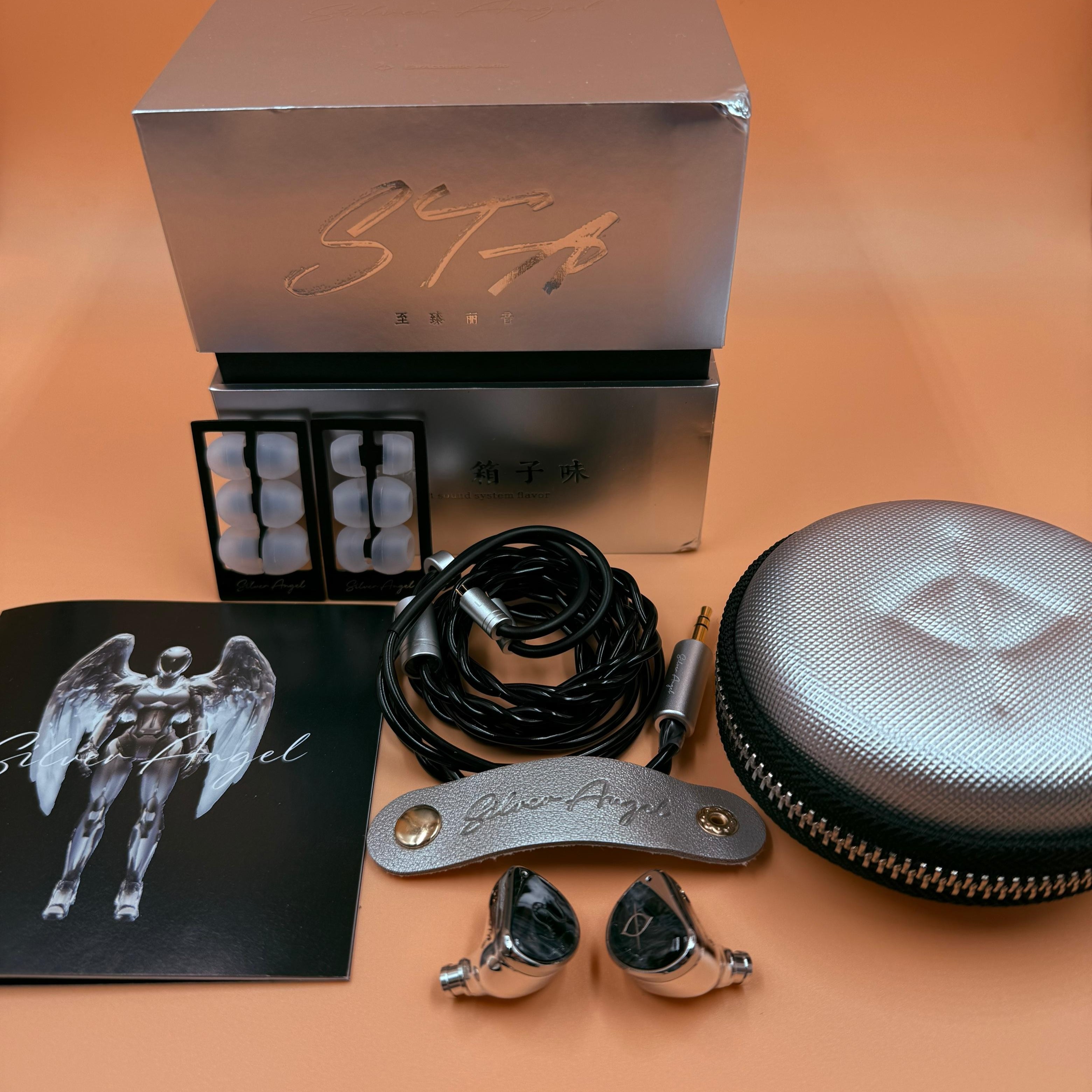
  • IEMs themselves - EarAcoustic STA Pro Max;
  • Oxygen free copper and silver plated wire mixed weave cable, 1.2m length;
  • 2 sets, 6 pairs of eartips: 3 pairs of white silicone eartips with a standard bore and 3 pairs with a wide bore;
  • Carrying case;
  • User manual.


IMG-20250514-WA0037.jpg

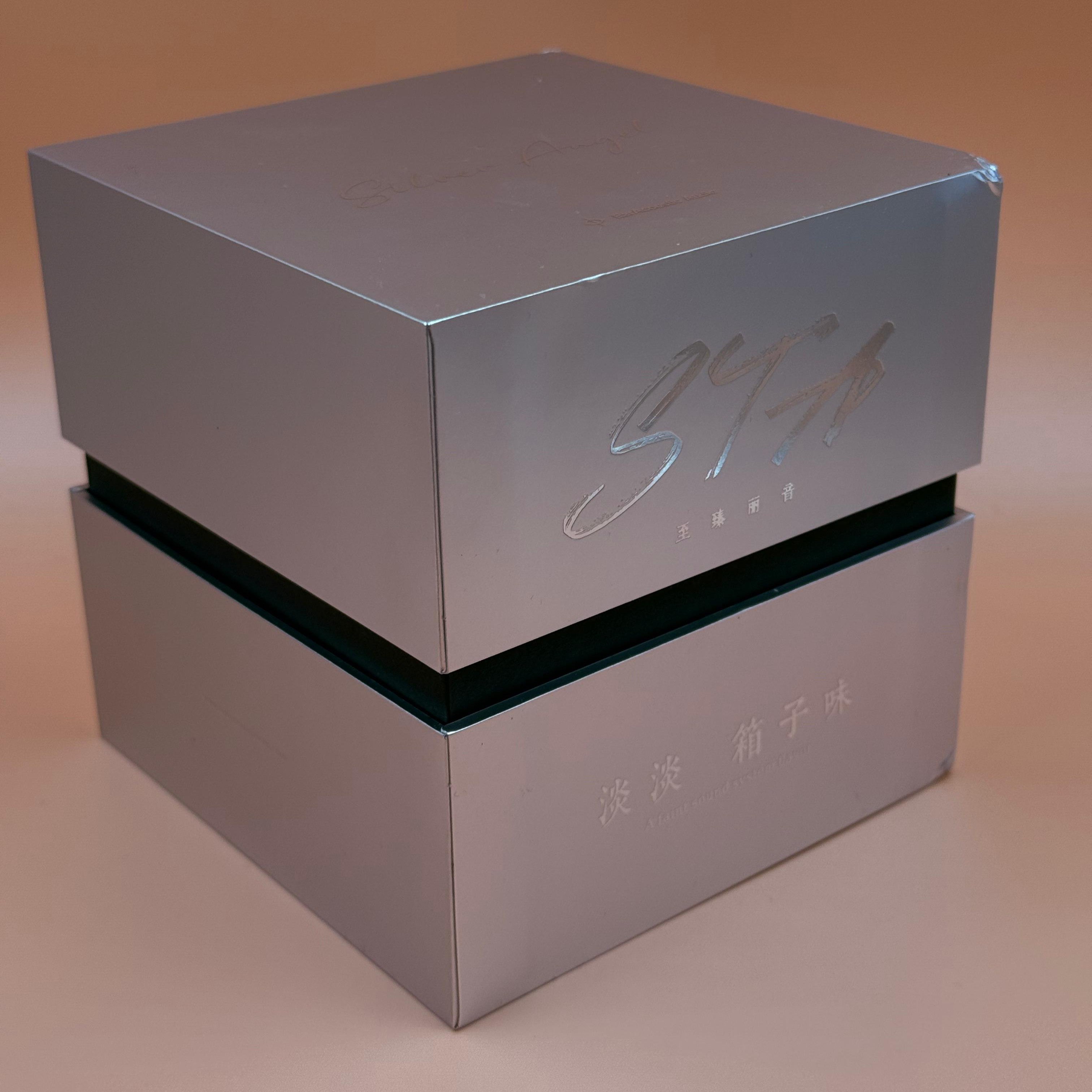
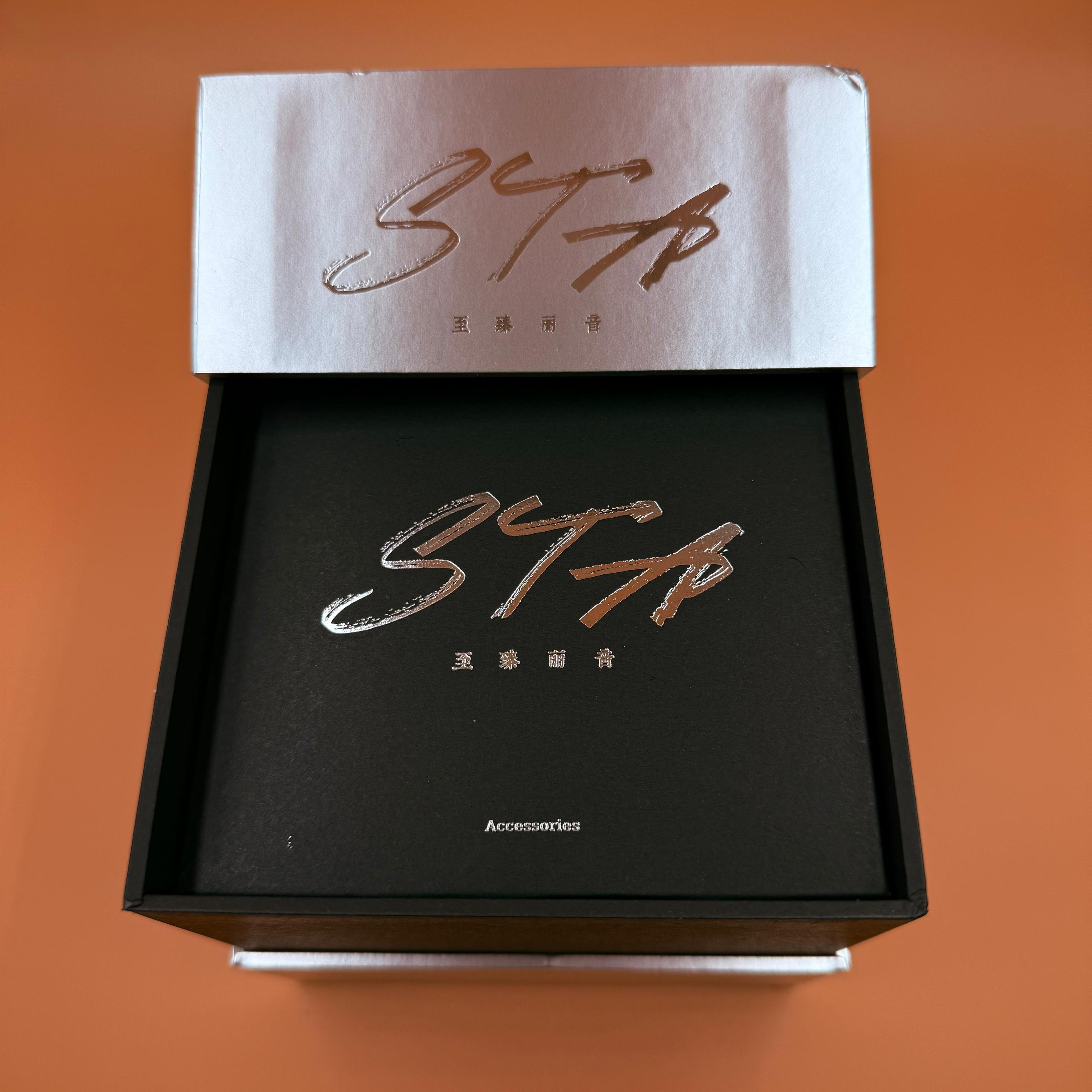
The EarAcoustic STA Pro Max comes in a large, square, silver-colored box. The packaging design exudes a sense of premium quality while adding a touch of intrigue. At first glance, it’s not immediately obvious what’s inside, which creates an interesting first impression: clean, minimalist, and slightly mysterious.

The box opens from the top, revealing a branded compartment containing ear tips and a small manual. Just below, the IEM shells are neatly recessed in a foam mold, and beneath them lies a carrying case with the cable inside.

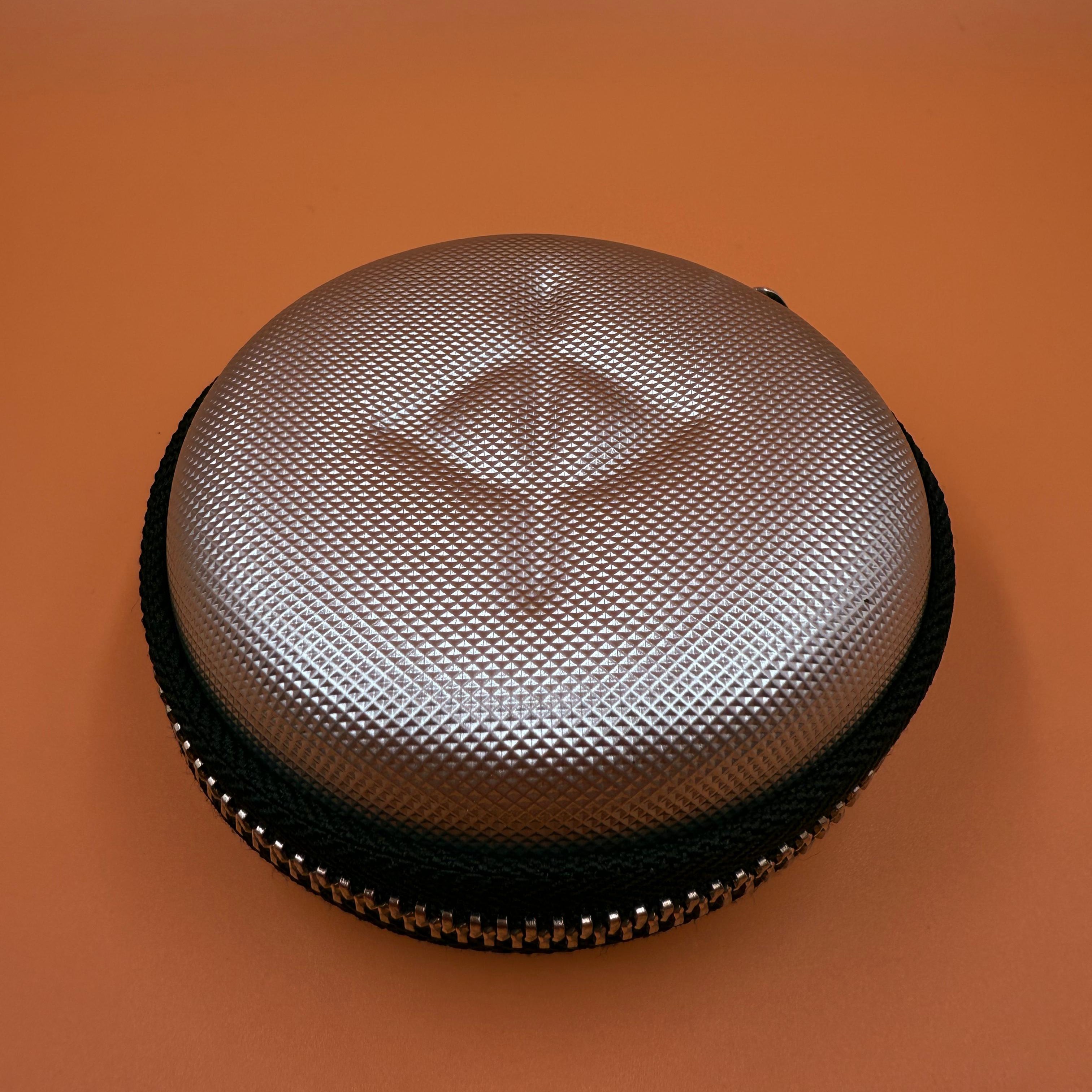
The case itself is silver-colored with a perforated texture. The company logo is embossed on the front panel. The case is dense, rigid, and quite spacious, with dimensions of 12 × 12 cm, making it easy to store not only the IEMs but also, for example, a compact portable DAC or a few extra sets of ear tips.

IMG-20250514-WA0006.jpg
IMG-20250514-WA0004.jpg
IMG-20250514-WA0011.jpg
IMG-20250514-WA0034.jpg

DESIGN&BUILD

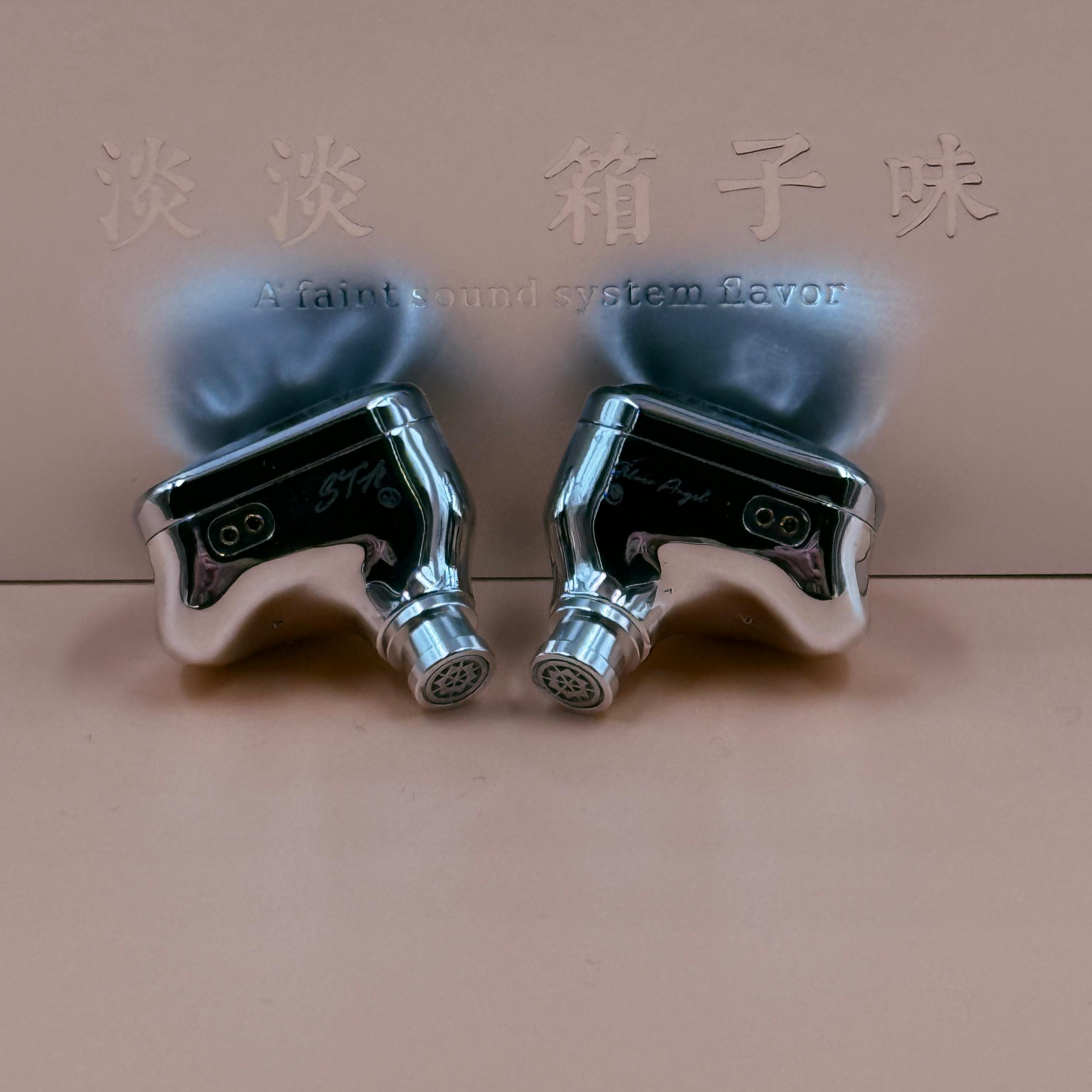
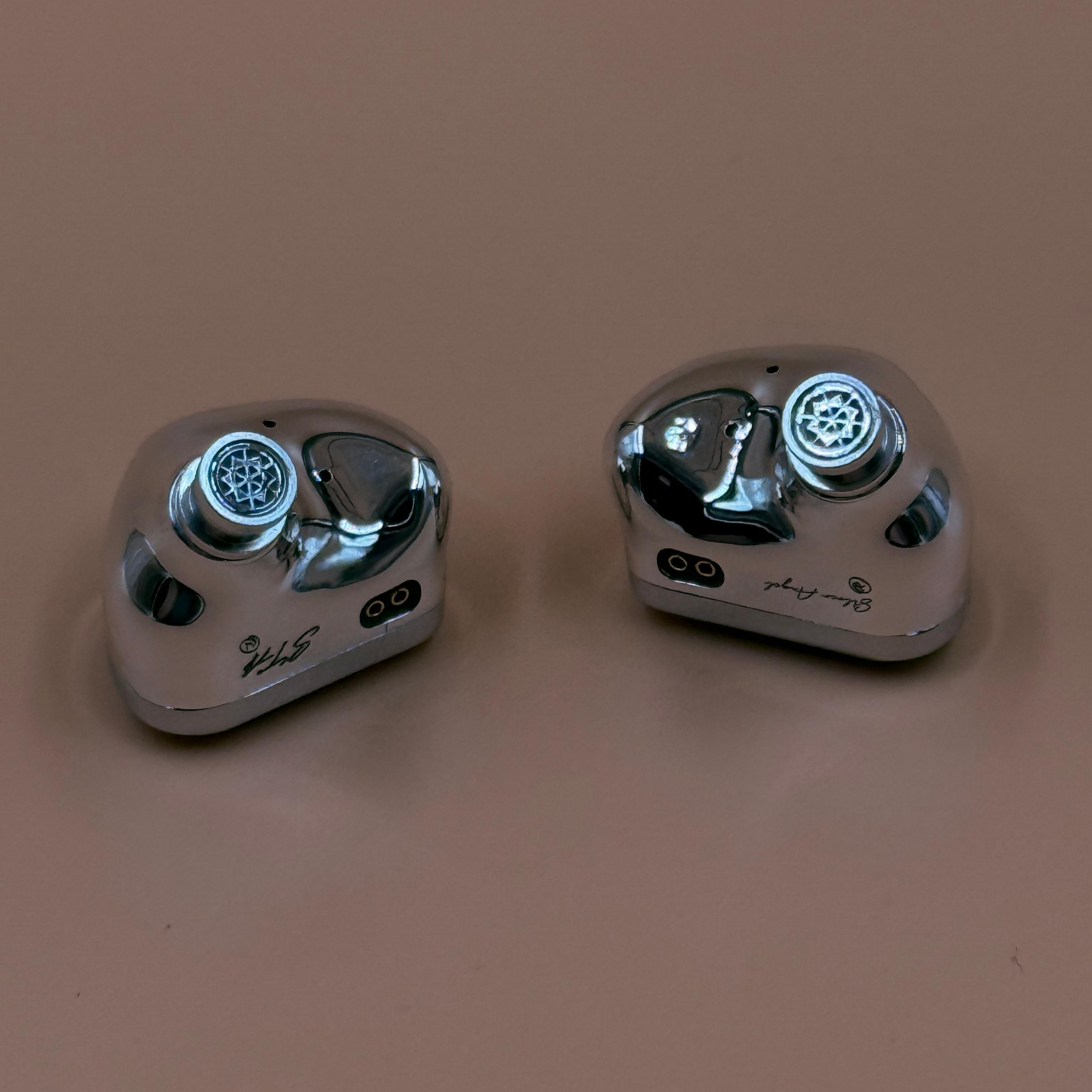
The STA Pro Max shells are made of zinc alloy with an electroplated finish and consist of two seamlessly joined parts. The overall build feels solid, and the construction is monolithic. All components are meticulously assembled into a cohesive whole, with nothing wobbling, creaking, or raising concerns about build quality.

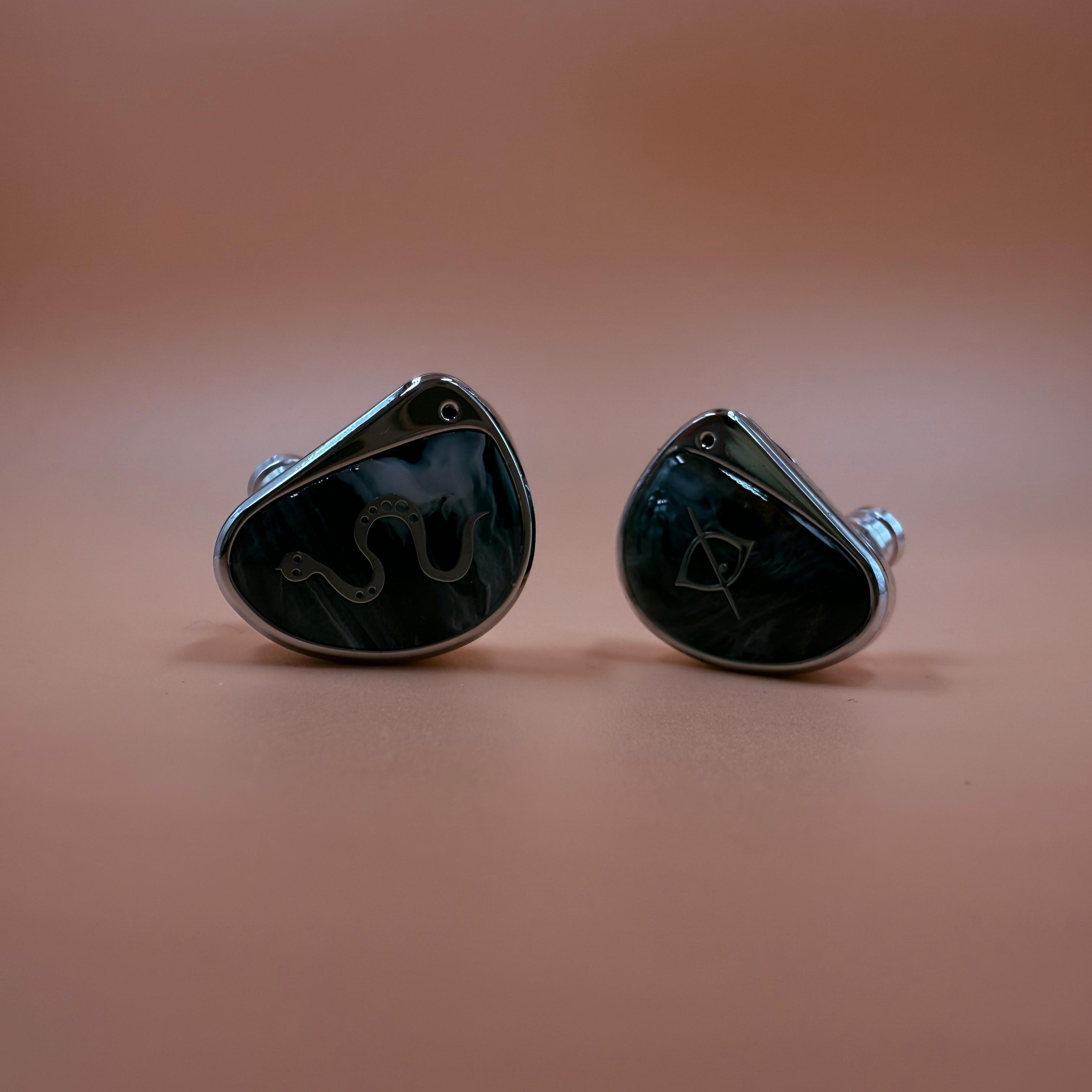
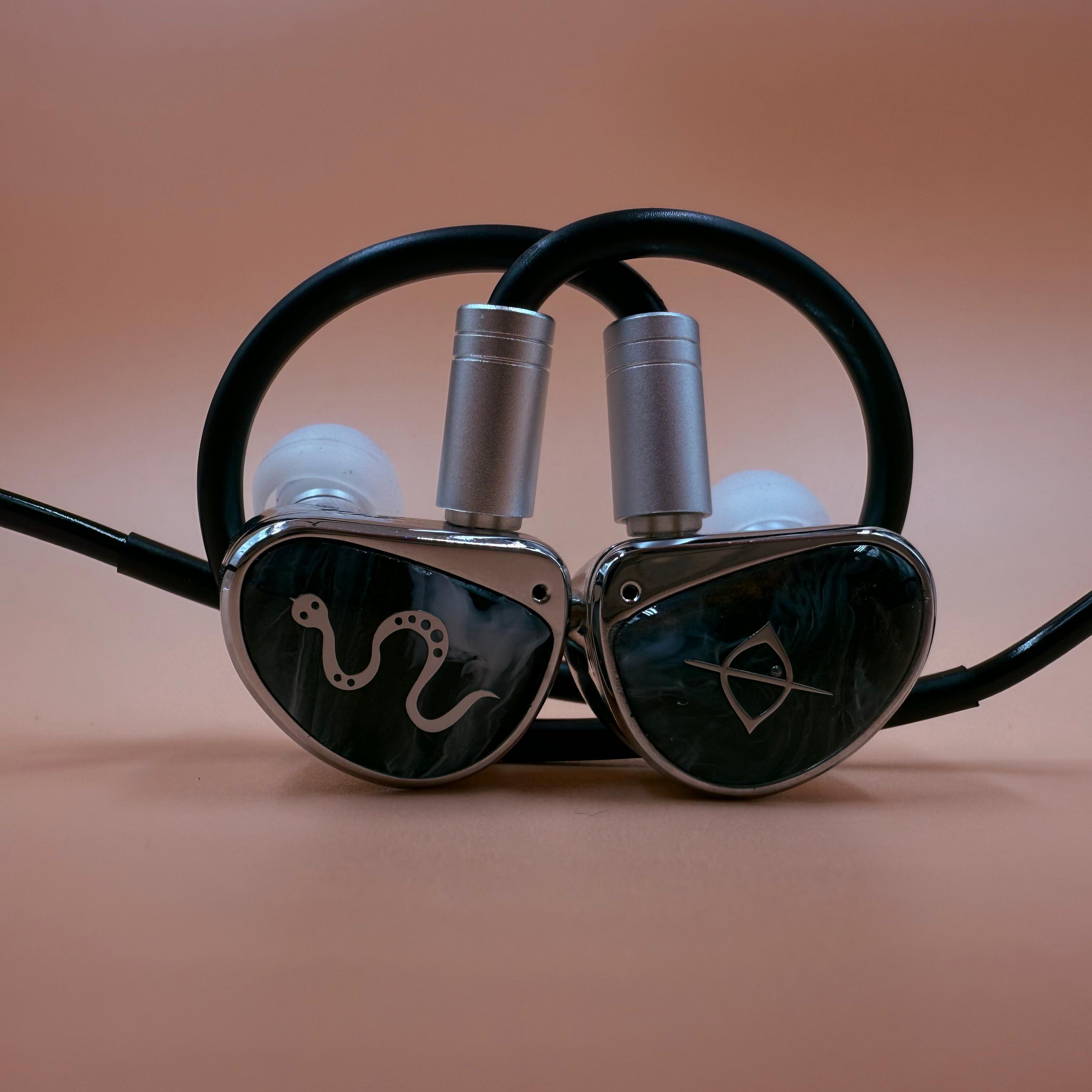
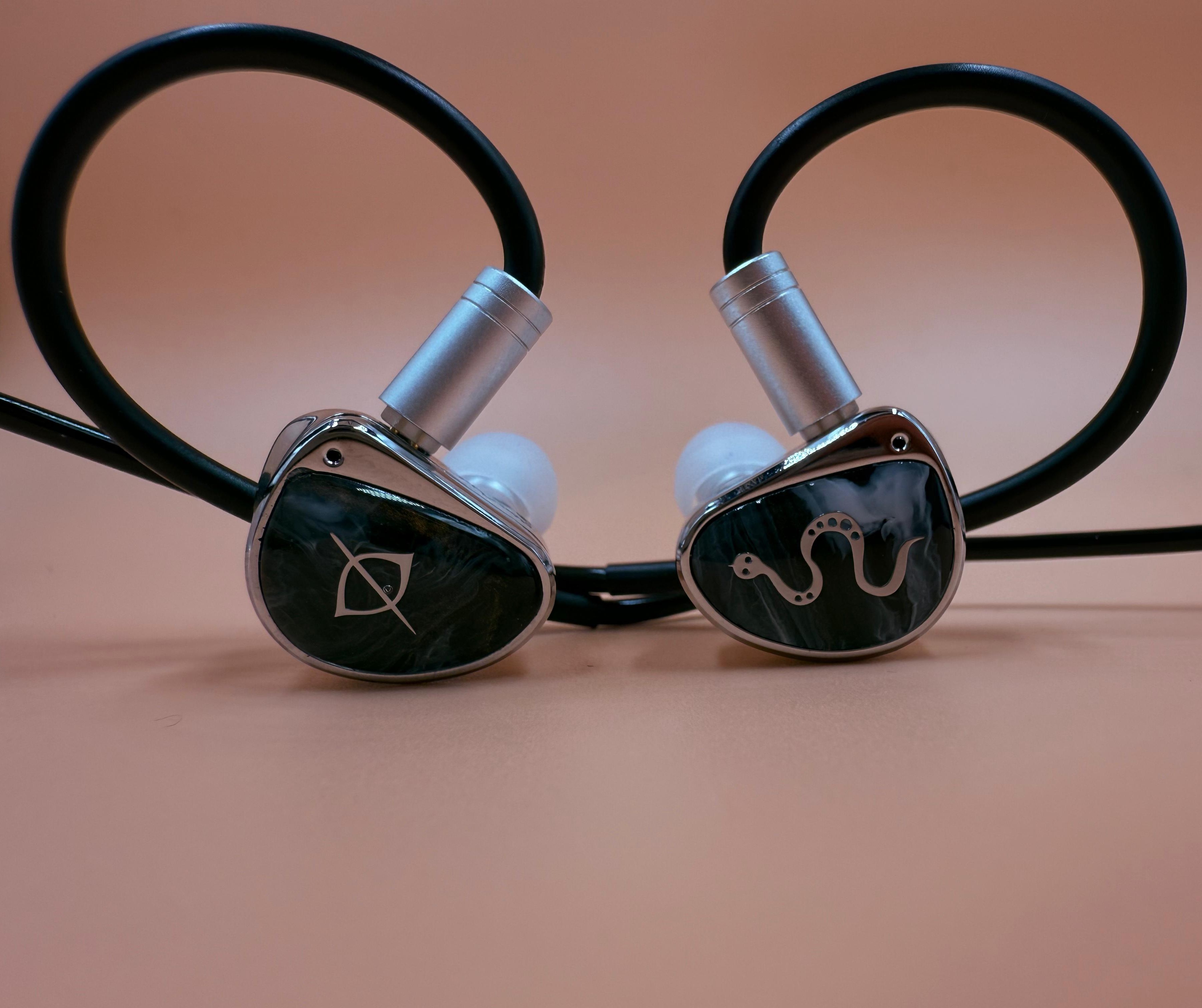
The shells have a glossy, silver finish which, while attractive, tends to pick up fingerprints. . The faceplates are made of polished resin with an abstract, colorful pattern. The left shell features an image of a snake - the symbol of 2025, while the right shell displays the EarAcoustic logo. This design approach truly sets the model apart from other IEMs and leaves an entirely positive impression.

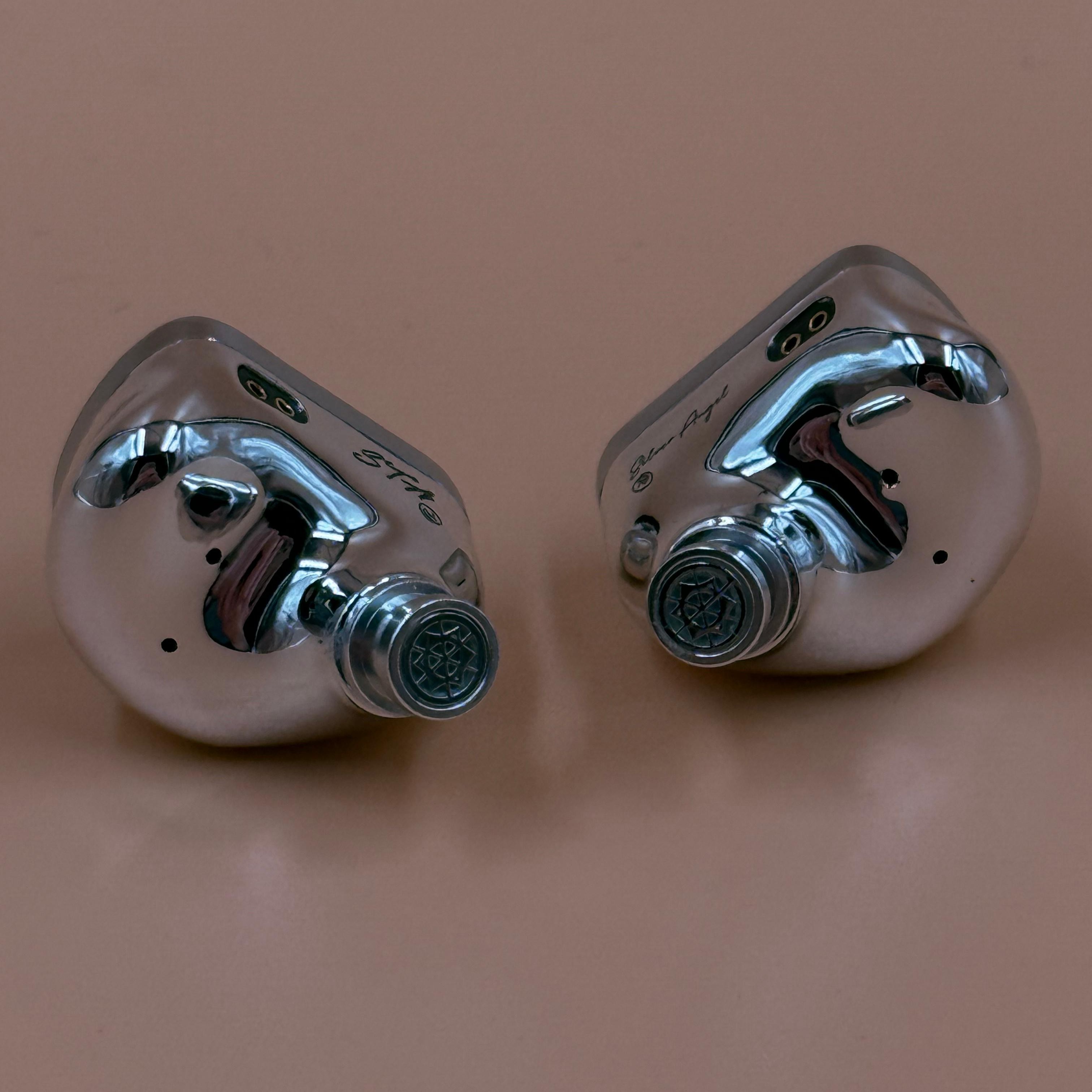
On the inner side of the shell is a metal nozzle, positioned at a straight angle. It’s relatively wide and long, with a uniquely patterned metal mesh at the tip. Nearby are two compensation holes to vent excess air, which should contribute to more stable driver performance.

IMG-20250514-WA0013.jpg
IMG-20250514-WA0035.jpg
FIT&ISOLATION:

The STA Pro Max has an ergonomic shape, precisely contouring the anatomy of the human ear. The inner part of the shell features a wavy relief, and there’s a slight curve on the upper edge that helps keep the shell securely in the ear. The shells are slightly smaller than average, with each weighing around 6.3 grams, making them practically weightless for daily use.

The fit is snug and deep, and despite the ergonomic design, they don’t create pressure or discomfort on the ears, even during extended wear. In my small ears, the shells sit securely, showing no tendency to slip out, even with active head movements.

The sound isolation of this model is genuinely impressive. Thanks to the well-engineered closed design and deep fit, the IEMs block approximately 75-85% of external noise. At just 50% volume, you're nearly completely sealed off from the outside world. In my case, I couldn’t hear my keyboard, my own breathing disappeared, and even loud street noises, like passing cars, became barely audible. Without exaggeration, this is one of the best levels of sound isolation among the recent IEMs I’ve reviewed.

The side of each shell features the STA model name along with R/L channel indicators and a 2-pin connector.

IMG-20250514-WA0018.jpg

IMG-20250514-WA0036.jpg

CABLE:

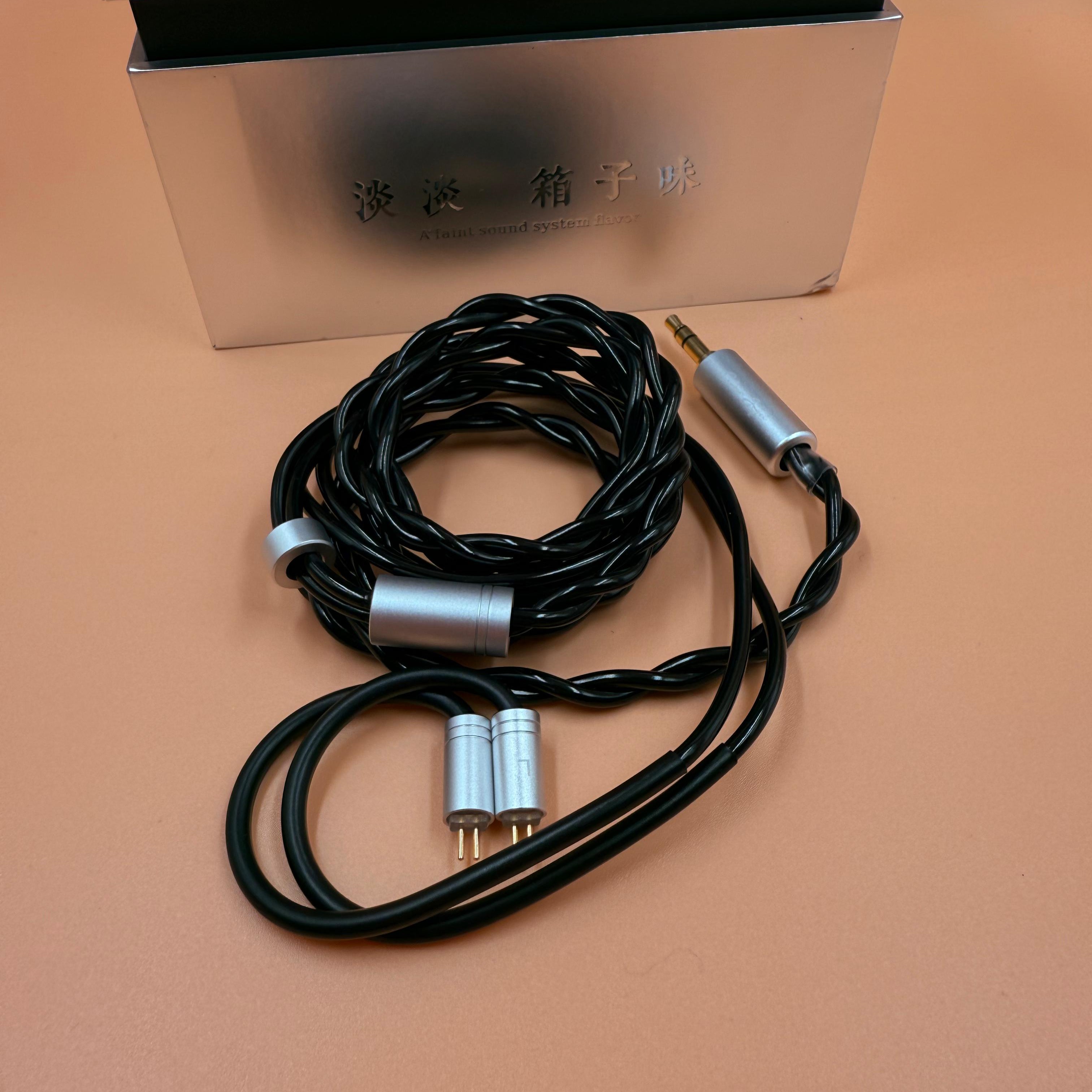
The included cable is what I’d call mid-tier, but it’s well-suited to the model’s class. The wire is made of silver-plated oxygen-free copper and encased in a stiff polyurethane sheath. The cable is quite dense and lacks significant flexibility, feeling somewhat bulky, with wires that vaguely resemble old telephone cords in appearance. All fittings are made of metal and finished in a silver color.

At one end is a gold-plated 3.5mm mini-jack in a metal housing, in the middle is a substantial splitter, and at the other end are comfortable ear hooks with a 2-pin connector and R/L channel indicators.

Overall, the cable gives an impression of durability and reliability. However, I would have preferred a lighter, softer, and more flexible option. Such a cable would noticeably enhance the comfort of using the STA Pro Max, especially for daily wear or extended listening sessions.

IMG-20250514-WA0033.jpg

EARTIPS:

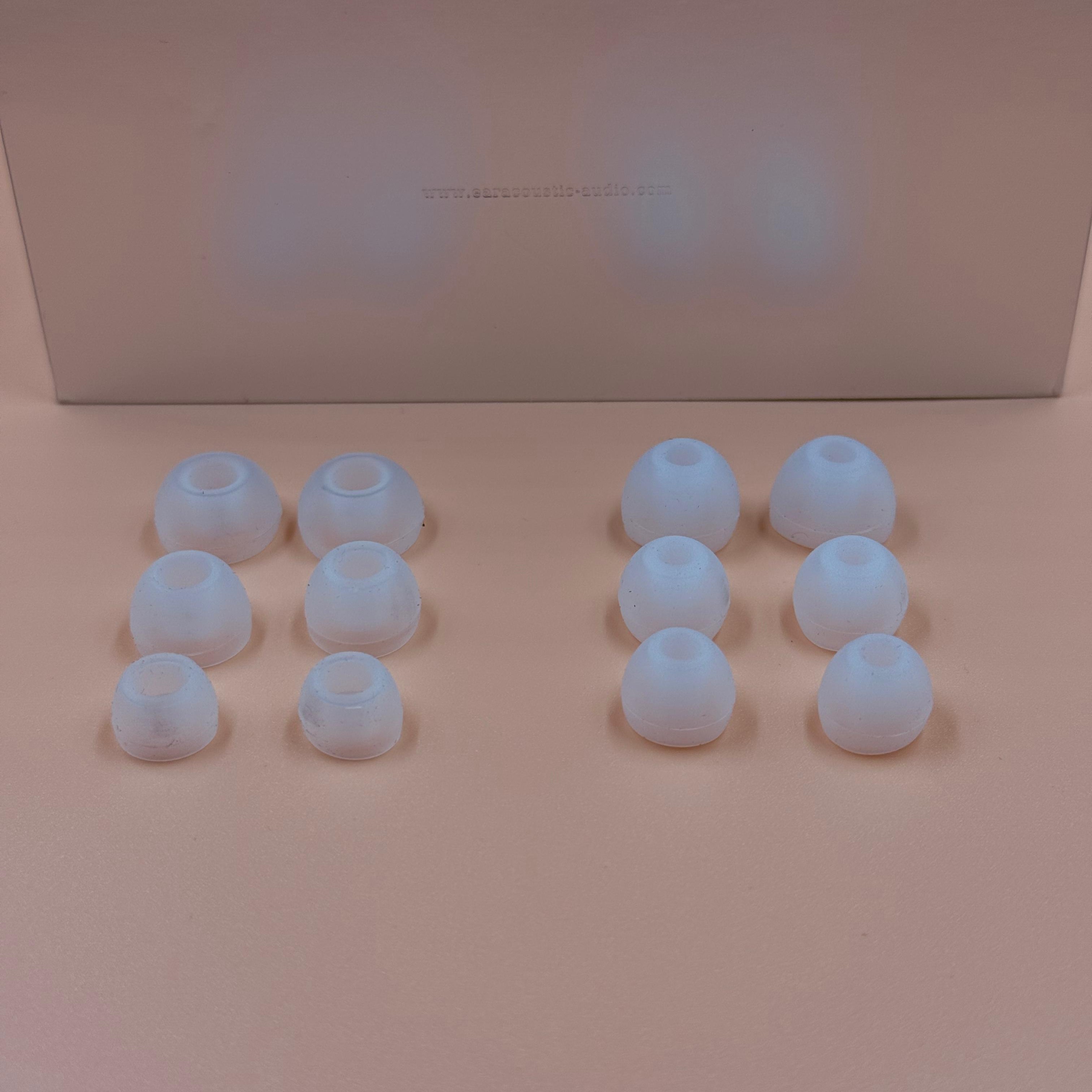
The included eartips with the STA Pro Max leave a mixed impression: on one hand, their presentation and variety are pleasing, but on the other, the quality is disappointing. They are made of rather stiff silicone, don’t hold their shape well, and can create pressure in the ear canal, leading to discomfort during extended wear.

The package includes two sets of silicone eartips: three pairs with a standard bore (S/M/L) and three pairs with a wide bore (S/M/L).
The wide bore eartips emphasize the mids and treble but make the sound less voluminous and weighty. The standard bore eartips meanwhile, don’t noticeably alter the sound signature, allowing you to hear the tuning as originally intended.

Personally, I prefer to test IEMs exclusively with the included accessories to keep the evaluation as objective as possible, so I’ll be using the standard bore eartips for this review. However, in the case of the STA Pro Max, I’d recommend replacing the eartips with softer, more comfortable ones. This would significantly improve comfort and enhance the overall listening experience.

IMG-20250514-WA0026.jpg
DRIVABILITY

With the STA Pro Max, EarAcoustic aimed to make them as accessible as possible for any device, and I must say, they’ve succeeded brilliantly. With an impedance of 30Ω and a sensitivity of 110dB, the STA Pro Max are easy to drive from almost any source, whether it’s a smartphone, portable player, or desktop DAC. The difference between sources is mainly limited to volume levels, while the character of the sound remains nearly unchanged.

Of course, with certain DACs, particularly those with their own sonic coloration, the presentation may vary slightly, but when using a neutral source, the sound remains entirely consistent.

This makes the STA Pro Max an excellent choice for those who want high-quality sound without relying on an expensive or powerful source.

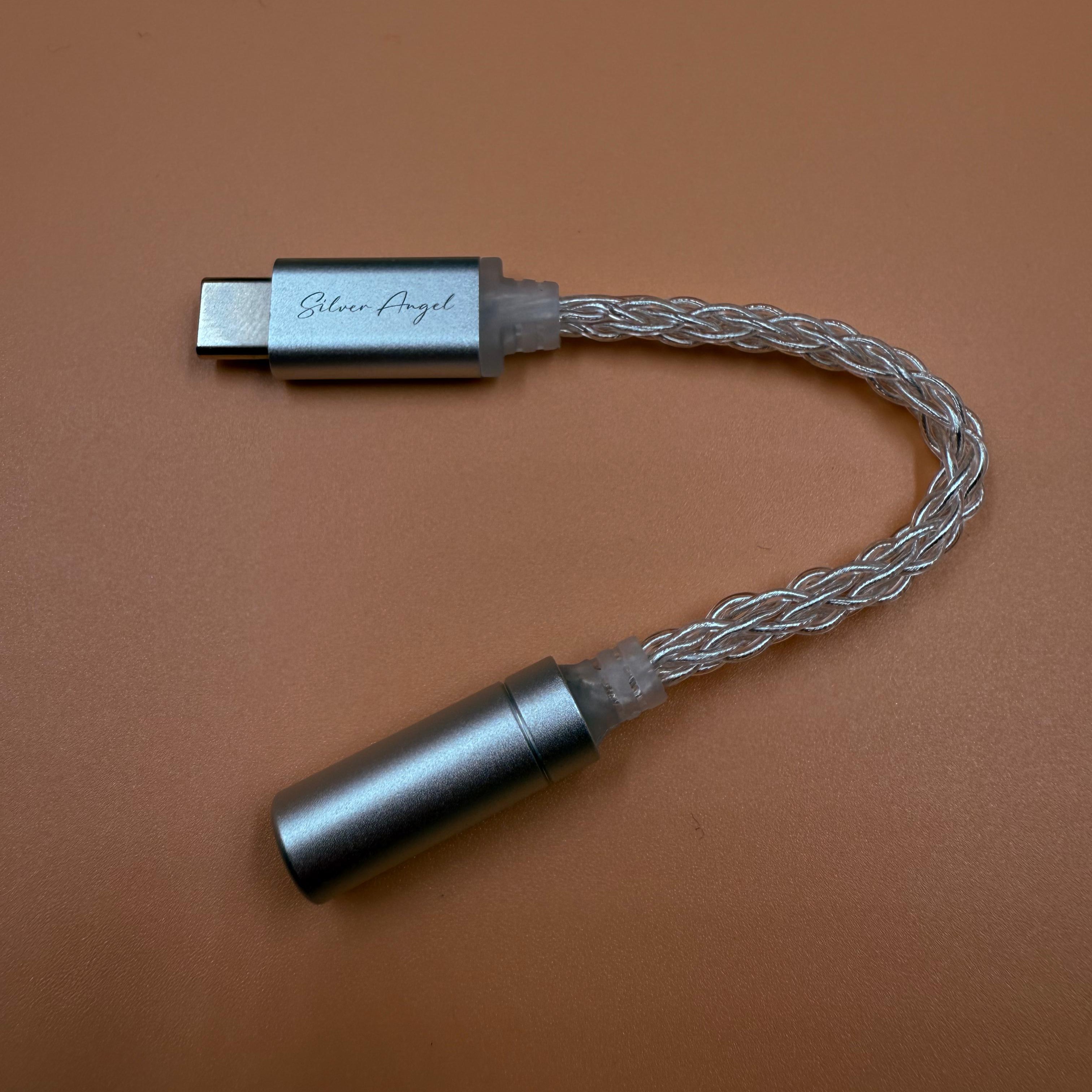
For this review, I’ll be using a portable DAC kindly provided by EarAcoustic, for which I thank them very much!

IMG-20250514-WA0052.jpg

SOUND IMPRESSION

graph.png

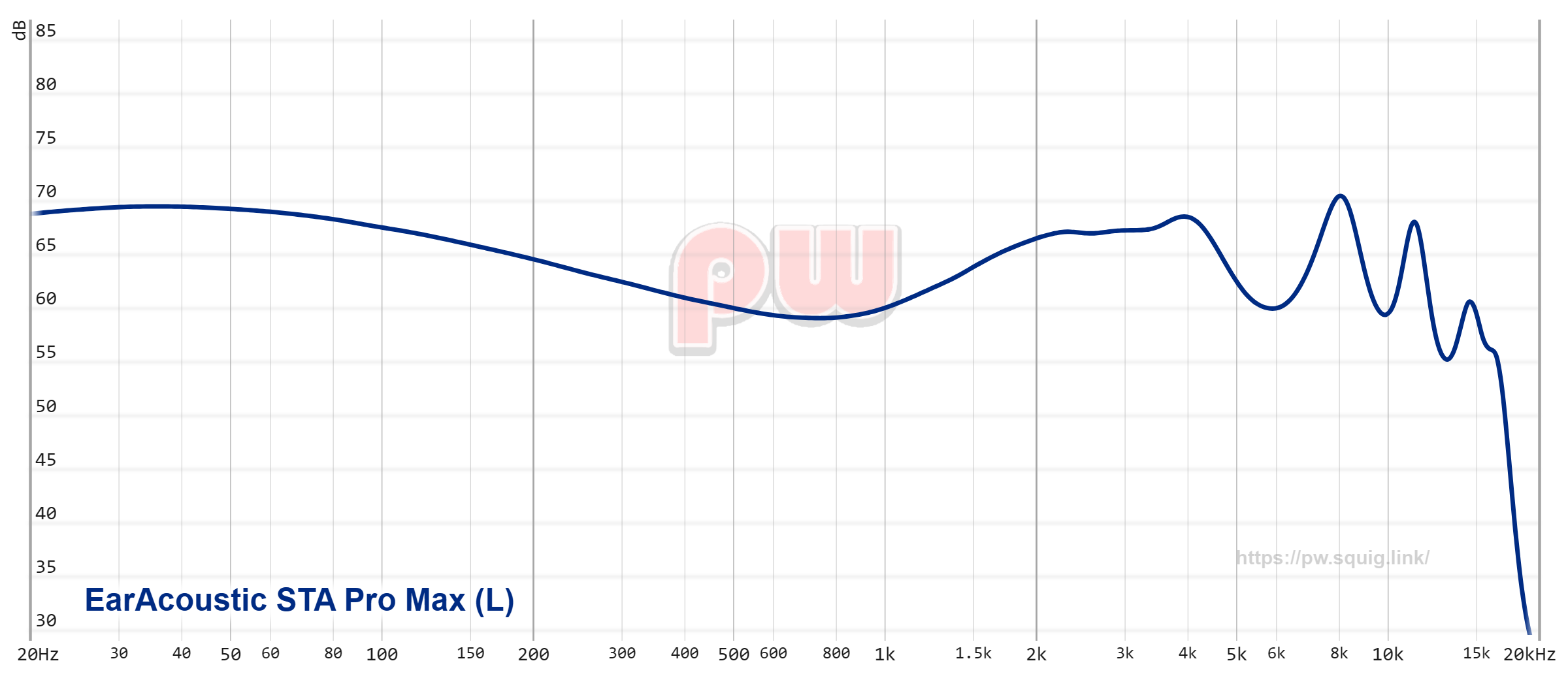
In terms of sound, the STA Pro Max delivers a smooth V-shaped tuning, with a pronounced emphasis on the low frequencies and lower mids. The midrange is delivered neutrally and evenly, without artificial boosts or dips, while the treble range shows some irregularities, which could theoretically suggest potential sharpness, sibilance, or a lack of airiness.

In reality, this set provides a fun, bassy presentation with high resolution, slow dynamics, and a somewhat technical sound character. The sound of the STA Pro Max is far from universal. It’s not a reference-grade sound and may not suit complex instrumental genres or audiophile-grade analysis.

However, in styles like pop, hip-hop, and EDM, these IEMs truly shine. These are the genres where energy, density, and emotional drive matter most, and in these contexts, the STA Pro Max can genuinely sparkle.

Bass: The low-frequency range in the STA Pro Max is handled by a 10mm dynamic driver, and it’s worth noting that it’s tuned exceptionally well. Looking at the graph, you can see a noticeable rise around 30 - 60 Hz, indicating a truly powerful and deep sub-bass. And indeed, that’s exactly what you get. The sub-bass feels massive, deep, and smooth, with a vibrant attack and a prolonged, slightly slowed decay. Sub-bass sounds in this model are dominant, setting the tone for the entire lows. They are well-separated from other frequencies and well-controlled, though not perfect, as the sub-bass contours are slightly smeared.

The midbass, on the other hand, is weighty, punchy, with a dense texture and sustained attack. The graph shows that the start of the midbass is slightly elevated, making the bass feel particularly deep overall. While this isn’t a basshead set, as the quantity of bass doesn’t quite reach that level, the quality of the bass is beyond reproach.

For an example of the lows, I chose the track "Bad Karma" by Axel Thesleff. This track, with its sustained basslines, excellently showcases both the depth of the sub-bass and the density of the midbass. The bass sounds voluminous and layered without overwhelming the ears, even at high volumes. The STA Pro Max handles this track well, creating a rich yet controlled bass canvas.

Mids: The midrange in the STA Pro Max is presented fairly neutrally, without pronounced peaks or dips, and lacks any significant tonal coloration. The lower mids sound full-bodied and melodic, with a slight bass accent in some tracks. Vocals here recede slightly into the background, taking on a velvety, somewhat bassy tint, reflecting the dominance of the low frequencies. The voice sounds more voluminous, rich, and multifaceted but doesn’t excel in high detail.

Instrumental parts are technically precise with clear articulation, though positioned in the background. Nevertheless, they harmoniously complement the vocals without drawing attention away from them.

However, these IEMs are not the best choice for complex, instrumentally rich music or for those seeking an analytical presentation with micro-detail. This isn’t the kind of set where you can dissect every note. Instead, the focus is on a more monitor-like, softer sound character, emphasizing the overall musical picture rather than layered dissection.

Both male and female vocals, despite their richness, sound somewhat dry and restrained, failing to convey full emotional expressiveness. These IEMs lack the detail and depth in timbral reproduction, so they’re unlikely to appeal to those who love diving into vocals.

The upper mids feels brighter and more vibrant compared to the midrange. The sound becomes slightly livelier, with added color, particularly in male vocals and instruments. However, the character of the presentation remains the same, still somewhat dry and technical, without excessive expressiveness.

To demonstrate the midrange, I chose "Empire State of Mind" by Jay-Z feat. Alicia Keys. This track is a great test for vocal reproduction, as it features both male and female vocals alongside a dense instrumental backdrop. The lower vocal frequencies sound velvety and rich, but the mid and upper vocal delivery falls short, lacking expressiveness and engagement. The instrumental part, however, sounds convincing and partially compensates for the lack of emotion in the vocals.

Treble: The treble in the STA Pro Max is somewhat ambiguous due to its unique presentation. On the graph, we see a dip in the presence region (4–6 kHz), with a distinct peak at 6 kHz. This immediately suggests that you shouldn’t expect a bright or expressive treble from this set. And indeed, the sound feels slightly dark overall, though it still offers decent extension in the upper and ultra-high frequency ranges.

Further along the graph, there’s a peak around 8 kHz, which adds a certain sharpness and piercing brightness to the upper peaks of vocals, cymbals, and bells. However, this is followed by a dip around 10 kHz, perceived as a lack of "air" and a slightly compressed feeling in the ultra-high frequencies.

The result is a mix of muted brightness with unexpected bursts of sharpness. In most tracks, there’s a lack of airiness and refinement in the treble range, yet high-frequency accents can sound unexpectedly harsh and piercing, especially at high volumes or in sensitive tracks.

To illustrate the treble, I chose "Elastic Heart" by Sia. This track clearly showcases the dark, slightly muted vocals, while the instrumental parts are delivered with emphasized piercing clarity. This contrast effectively illustrates the character of the treble presentation in the STA Pro Max.

SOUNDSTAGE

The STA Pro Max offers a layered, tall soundstage, but not a wide one. Overall, the soundstage feels quite narrow, making it difficult to place all instruments and vocal parts without overlap. Imagine a small corridor where music is playing - that’s roughly how the soundstage perception feels in this model.

As a result, instrument separation suffers, particularly in complex and dense tracks. Sounds begin to blend into each other, creating a muddy, blurred sonic mass where it’s difficult to distinguish individual elements. This is especially noticeable in dynamic tracks or orchestral music, where high clarity, precision, and localization are critical.

Imaging also raises concerns. In dense tracks, it becomes hard to pinpoint the origin of specific instruments, which reduces overall immersion and the accuracy of the soundstage perception.

IMG-20250514-WA0041.jpg
CONCLUSION:

EarAcoustic Audio has done an impressive job with the STA lineup, particularly with the STA Pro Max. As the flagship of the series, it delivers a serious sound, albeit with some nuances. The engineers took a bold approach to tuning here, which is hard to call universal but will certainly appeal to those who appreciate an emotional, rich presentation.

The model offers striking lows with an emphasis on sub-bass and a dense, punchy midbass. The midrange is neutral, without pronounced tonal coloration, but with a technical and precise rendering of instruments. The treble is on the darker side, with slight piercing clarity at the peaks, but it lacks openness and airiness, especially in the ultra-high frequencies.

Yes, there are certain compromises. The detail isn’t top-tier, the soundstage is limited, and there’s a lack of air. But it's important to keep in mind that this is one of the first models from the rebranded company, and it’s clear there’s potential. With each subsequent release, EarAcoustic Audio will likely address these shortcomings.

In conclusion, as a member of the global audio community, I'm genuinely happy to see the return of TFZ under the new EarAcoustic Audio brand. I’m confident that we have many exciting models ahead that will generate buzz in the market and, perhaps, become the next big hits among IEMs.


IMG-20250514-WA0047.jpg

SHOPPING LINK: KEEPHIFI 40% OFF
Leave a comment