Rich, dynamic sound signature Expressive treble with minimal hotness Top-notch imaging Highly price-to-performance ratio Excellent eartip selection Durable, well-built cable
Cons:
No foam eartips in box Under-sized mid-bass response Subtle vocal sheen for higher-pitched voices Cable can irritate back of ear
DUNU DN142 Review: Absolutely Electric
DUNU is a veteran Chinese audiophile brand. Over the 10+ years they’ve been in business, DUNU has released a wide variety of acclaimed IEMs. Their previous generation of IEMs, such as the DK3001 and Glacier, spawned entire fan-bases and modding sub-cultures. They’ve begun what looks to be a small shift in marketing and design direction, beginning with their new pair of tribrids, the DN142 and DN242. Whether it be trend-chasing or a genuine interest in exploring Chinese mythology, the new pair of DUNU tribrids lean heavily on the imagery and vision of traditional characters. They’ve simultaneously adopted a new, admittedly adorable, mascot. A busy brand is a well-utilized one, but has this wide-cast net of attention translated into well-implemented IEMs? Let’s get into it.
About My Preferences:This review is a subjective assessment and is therefore tinged by my personal preferences. While I try to mitigate this as much as possible during my review process, I’d be lying if I said my biases are completely erased. So for you, my readers, keep this in mind:
My ideal sound signature would be one with competent sub-bass, a textured mid-bass, a slightly warm midrange, and an extended treble.
I have mild treble sensitivity.
Testing equipment and standards can be found here.
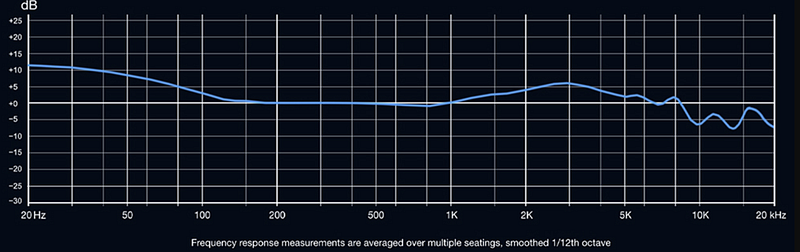
The DN142 is a U, almost V, -shaped IEM. It features emphasized sub-bass that gently blends down into the 200Hz range. Its lower-midrange is fairly linear and is not emphasized. The DN142’s upper-mids are energetic and forward, delivering a clear and distinct vocal range. Instrumental position is quite clear thanks to strategic emphasis in the upper-treble near the 6KHz and 8KHz ranges. Mercifully, DUNU properly-tamed the DN142’s 10KHz energy, pushing it down into a small valley to protect treble-sensitive listeners (like myself).
Dang-Fine Treble Tuning
DUNU’s tuners like a lot more treble than I do. Their average IEM (DK3001, Falcon C), is quite bright by my standards. Hearing the phrase “dual-planar driver” scared the bejesus out of me when I saw it on the 142 and 242’s spec sheet, as I had anticipated a bright, bloom-y mess. Its not so much that I doubt DUNU’s engineering abilities, but that the entire industry has, until very recently and on average, had a poor record when it comes to micro-planar tuning. The DN142 dispenses with these preconceptions, authoritatively. Its treble is expressive and energetic, without sharpness or sibilance.
Pop on a track like When I Come Around; Green Day and revel in the DN142’s treble resolution. It’ll feel like it captures every small nuance in the drummer’s high-hats, cymbals, and snares. The DN142 reproduces the instruments’ metallic, fleeting presences with precision that is seldom found in the sub $500 range, let alone the sub $250 range. Precise rendering of upper-treble attack and decay, with strong layering abilities make the DN142 a formidable IEM indeed. And while its not too hard to cram a ton of treble presence into an IEM, it is indeed challenging to do so without generating substantial discomfort for treble-sensitive listeners. I’m happy to report that the DN142, while not exactly mellow, is a fairly safe listen. Sharp tracks like Satisfy; Nero and The Funeral; Band of Horses suffer from just then tiniest bit of hotness — so minor though, that I didn’t even have to adjust the volume.
Impartial Midrange Tone
The DN142, the first entry into DUNU’s new “Delicate Series” of IEMs, was designed to be generous, though transparent. While these aren’t wholly-congruent sonic ideals, DUNU did a good job of balancing them. Instrumental tone is fairly neutral, though erring on bright side. Guitar texture in tracks like Holdin’ It Down For the Underground; A Day to Remember renders cleanly and with intent. The DN142 is happy to layer competing instruments while maintaining a strong sense of separation. Bring It on Back; Jet demonstrates this well. The DN142 resolves the deeper-set string instrumentation in the background well, even at lower volumes.
My one reservation with the DN142’s mids is that they can some times project a subtle “sheen” on higher-pitched vocals. This effect sits towards the edges of lyrics, peeking through irregularly. Oliver Tree’s vocals in Nothing’s Perfect; NGHTMRE, while certainly already filtered in post-production, have a bit more “shine” to them than you’d find on an IEM with a less-active upper-register.
Flexibly-Tuned Bass
The DN142 has a sub-bass focused lower-register. It has some mid-bass, but not as much as you might find on an IEM tuned with EDM in mind. Modern, bass-heavy mastering styles like those from Joji synergize well with the DN142’s tuning style. The bass line in Window rumbled with a satisfying depth and completeness, lending much-needed contrast to the track’s high-pitched vocals.
Rock and its sub-genres are quite fun to listen to, as the DN142 pulls in enough punch and weight to render a fun and dynamic sound-stage. That said, the DN142 doesn’t viscerally punch the way a dedicated basshead IEM might. My Condition; Dead Poet Society was clear, articulate, and weight, thanks to its robust sub-bass lines. Its drums, however, had only a hint of “punch” and its associated movement of air. Little Monster; Royal Blood was staged similarly: a bit of punch, with a sufficient amount of depth to fill-out the lower-register.
It’s never easy to balance performance and “fun”. At under $250, the problem is magnified by cost constraints. Yes, the DN142 isn’t a basshead IEM, but its ability to reproduce an exciting experience without smudging or blurring the bass into the midrange is phenomenal. For all but the most-ardent bass lovers, the DN142 therefore makes for an excellent companion for rock and alternative music.
Now, electronic tracks are a mixed-bag. The DN142’s relatively unassuming mid-bass presence makes its bass performance dependent on both listening volume and mastering style. For example, Quantum Immortality (AWAY Remix) came through the DN142 with richness, weight, and a sense of completeness. On the other hand, One Minute; Krewella, rumbled well, but didn’t really display much punchiness. Double Edge; Flux Pavillion was likewise dynamic and engaging, but mostly leaned on sub-bass rumble.
Unboxing
Build
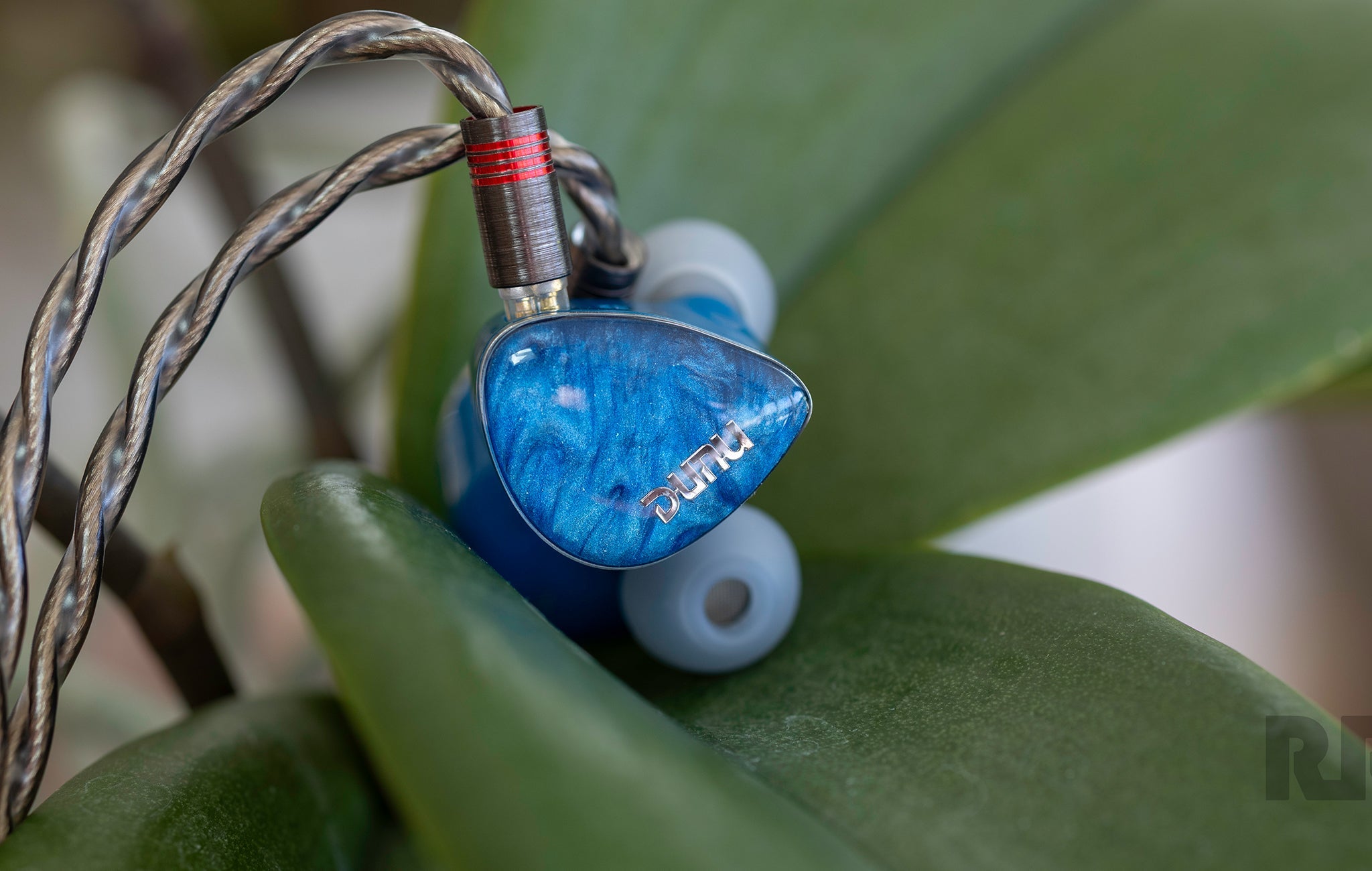
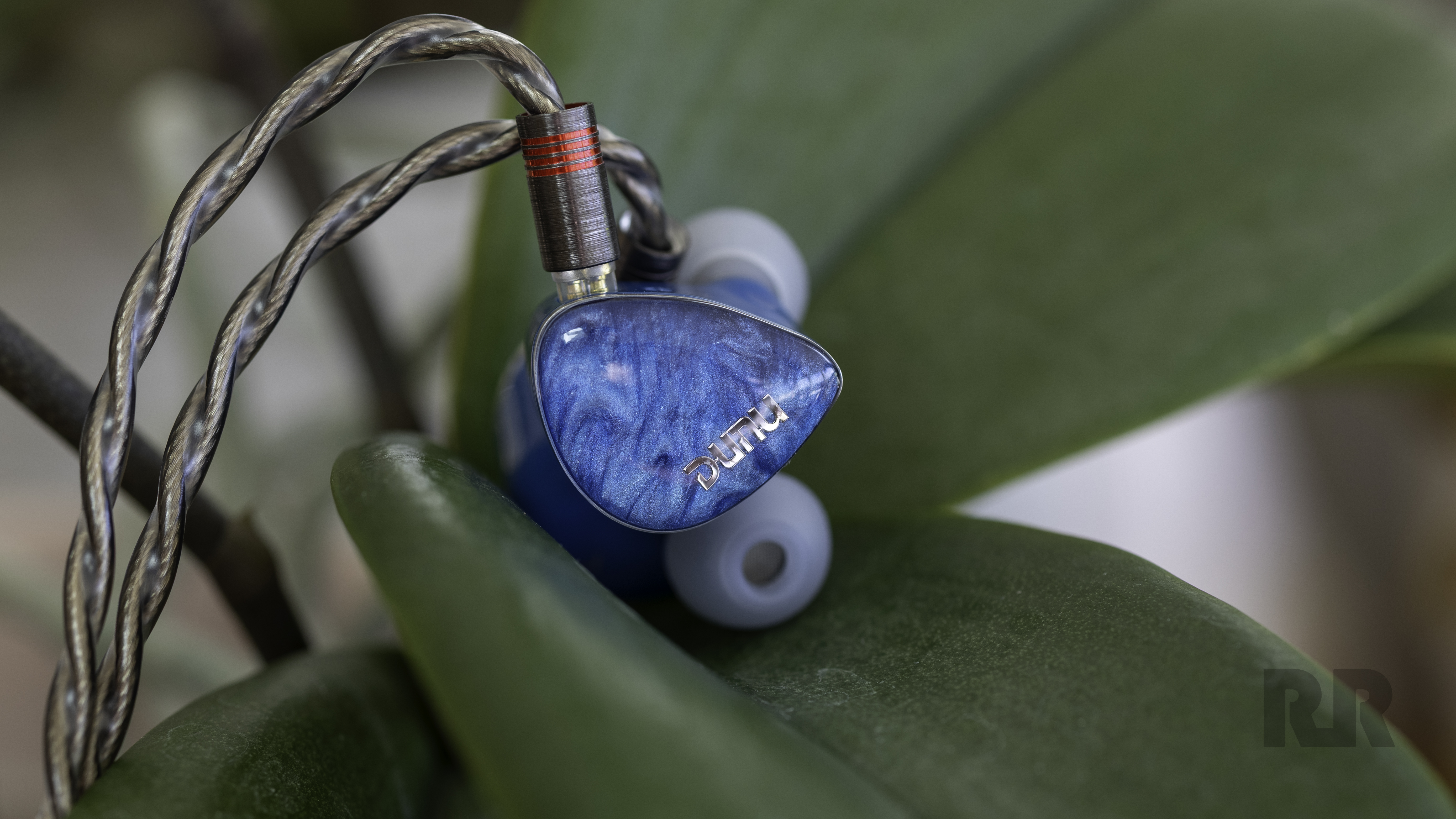
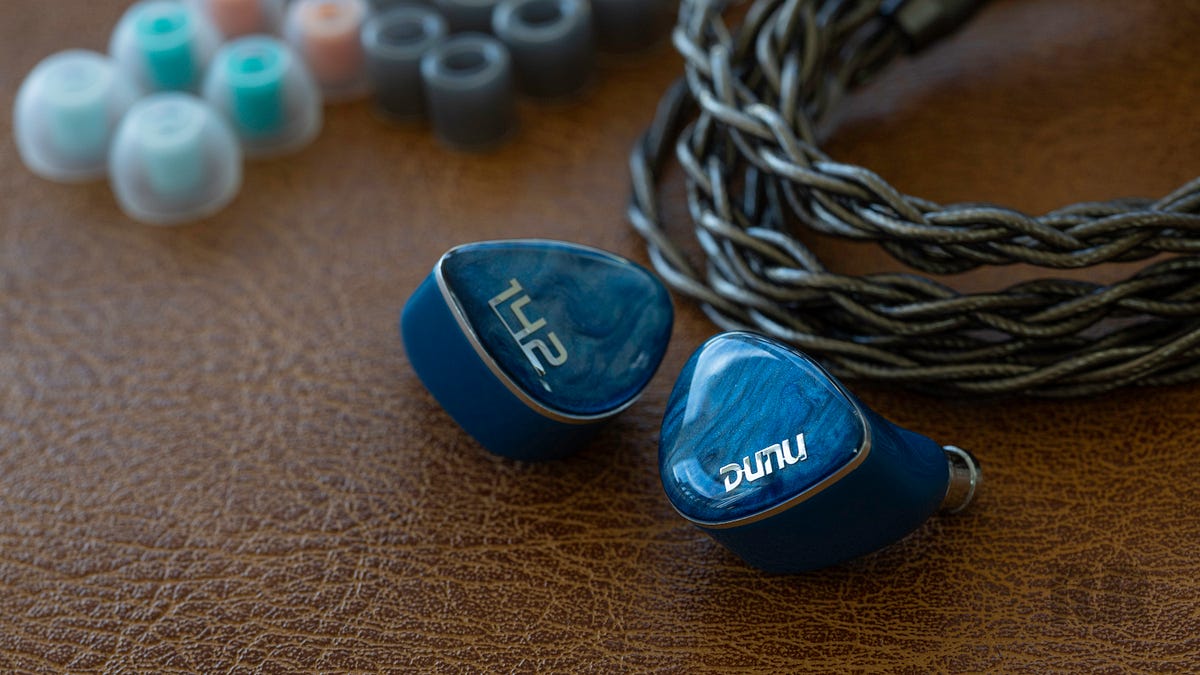
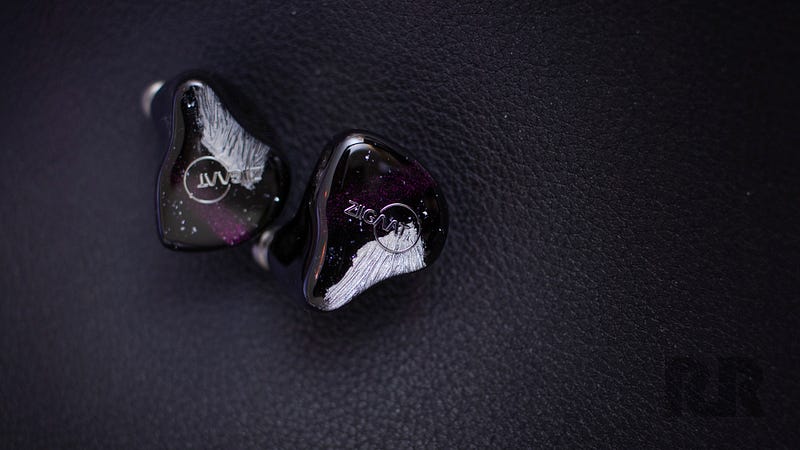
The DN142 (and its sibling, the DN242) feature 3D-printed resin shells, manufactured by HeyGears: a well-known 3D-printing outfit based in China. The DN142’s faceplates are pretty and are lined by a chromed piece of plastic. The construction is clean, as is the case with pretty much anything DUNU sells.
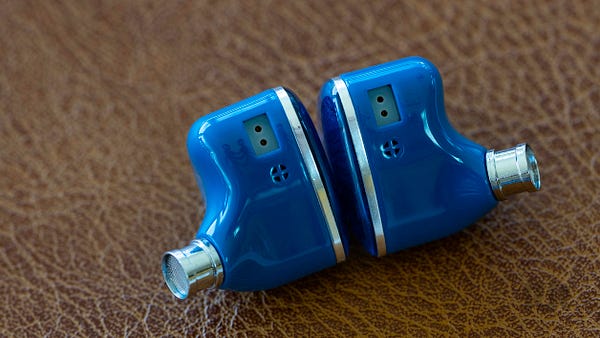
The top of the DN142’s shells host its 2-pin cable sockets. This is the only connector type offered on the DN142, so MMCX enjoyers might have to look at other DUNU offerings. These particular 2-pin sockets are partially-recessed, but even so, the DN142 is compatible with most aftermarket cable offerings.
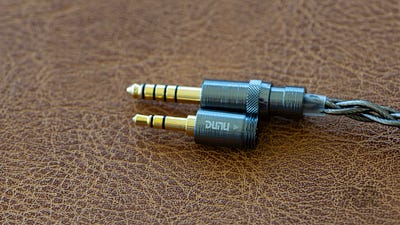
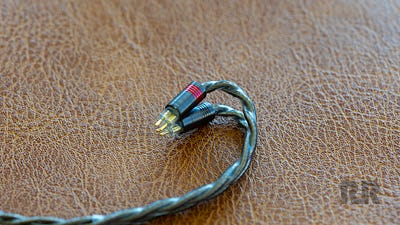
The DN142’s cable is identical to the one that comes with the ITO and DN242, which is to its benefit. This cable is well-built and uses DUNU’s excellent modular connection system. It comes with a 3.5mm and 4.4mm termination, though as of writing, you can get a free USB-C termination from DUNU when you order from their website. The cable itself is fairly soft and pliable. I can easily coil and store it in smaller cases. It’s not quite as “hefty-feeling” or comfortable as the cables that comes with pricier IEMs like the Vulkan II, but its more-than-acceptable for this price-point.
Comfort
Comfort is a metric that relies heavily on factors influenced by your individual ear anatomy. Mileage will vary.
The DN142 is of average comfort for me. Its shells are on the larger side, but it is light and sculpted properly. If I don’t seat it well, I can become uncomfortable in as little as 30 minutes. If I place it carefully in my ear, I can get 1–2 hours of comfortable, uninterrupted listening.
I’m pretty happy with the DN142’s passive isolation. Its nozzle size and length are compatible with my ears and allow me to block out an above-average amount of noise, even with the stock silicone eartips.
Accessories
Inside the box, you’ll find:
1x 0.78mm 2-pin cable
1x 3.5mm termination
1x 4.4mm termination
1x semi-hard carrying case
3x “collectible” cards
1x 1/4in-to-3.5mm adapter
10x pairs silicone eartips
As is tradition for DUNU, the DN142 comes well-equipped with accessories. The case, while shared between a number of DUNU’s IEMs, is functional and protective. The DN142’s modular cable is likewise tried-and-true and works quite nicely. There’s plenty of eartips included in the box, so listeners that prefer to use silicone will have a bevy of options. There’s no foam eartips included, which is a shame, but is par-for-the-course with DUNU.
Comparisons
Comparisons are selected solely based on what I think is interesting. If you would like me to add more comparisons, feel free to make a request in the comments below!
DUNU ITO
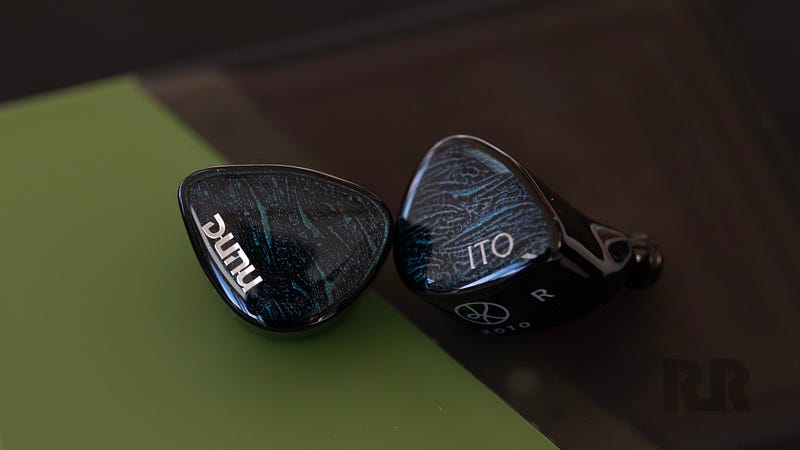
The ITO is a $199 hybrid IEM from DUNU featuring resin shells and nozzles. It is also a 2-pin IEM and shares a cable with the DN142 and DN242. Both IEMs have strong, nearly-identical, accessory packages. That said, the extra $50 tacked on to the DN142’s price buys you metal nozzles — a valuable upgrade that will prolong its lifespan. Resin nozzles are prone to cracking over time, especially in regions with a lot of UV and humidity. Metal nozzles are, by comparison, indestructible.
The ITO is a bass-heavy IEM designed for those that value bass above all-else. Its style and intent contrast the explicit desire for balance built-in to the DN142’s sound signature. The ITO has much more sub-bass and mid-bass and its warmer. The DN142 is cooler, brighter, and generally more-energetic. Its less-dramatic lower-register, while still useable in bass-heavy music, is much clearer than the ITO’s. The DN142 captures subtle bass textures and nuances that are smoothed-over by the ITO, particularly in the mid-bass. The ITO is the more-fun IEM for electronic music, like the works of Flux Pavilion and Taska Black, though some listeners may find its wall of sub-bass overpowering. Likewise, the ITO can sometimes come-across as too imposing in rock and alternative, especially when its bass overruns the lower-mids.
If I were to choose between these IEMs, I’d go with the DN142. Its small increase in price gives me a more-flexible, more-performant IEM with tangibly more-durable material choices. The DN142’s tightrope-walk with its treble is also quite entertaining to listen to, as I typically have to avoid IEMs with this much energy due to my sensitivity. Bassheads and EDM-devotees may still prefer the ITO, but my preferences make the choice easy in the DN142’s favor.
DUNU DN242
The DN142 and DN242, while marketed as siblings, are not very alike. Sure, they share shells and visual designs, but their respective tunings aren’t all that similar. Where the DN142 is fairly U-shaped, nearly even V-shaped, the DN242 is more linear. Its sub-bass is lowered, its lower-mids are a hint warmer, and its upper-mids aren’t as peaky. The DN242’s treble is brighter and has a little more fill throughout the upper-register. This positions the DN242 as a “north of reference” IEM with a small sub-bass shelf and enhanced treble. The DN142 is, by comparison, much friendlier and dynamic.The DN242 often comes-across as overly-bright, glaringly-so. Relatively benign tracks, even when played on high-strung IEMs like the DN142, are overpowering and sharp. The DN242’s brighter, leaner sound signature may suite some, but doesn’t properly line-up with my tastes.
Between the two, I’m going with the DN142. Its bassier disposition, warmer mids, and less-aggressive upper-register, result in an sonic experience much better-suited to my music library and personal tastes. The DN242’s higher price-tag doesn’t do it an favors, either.
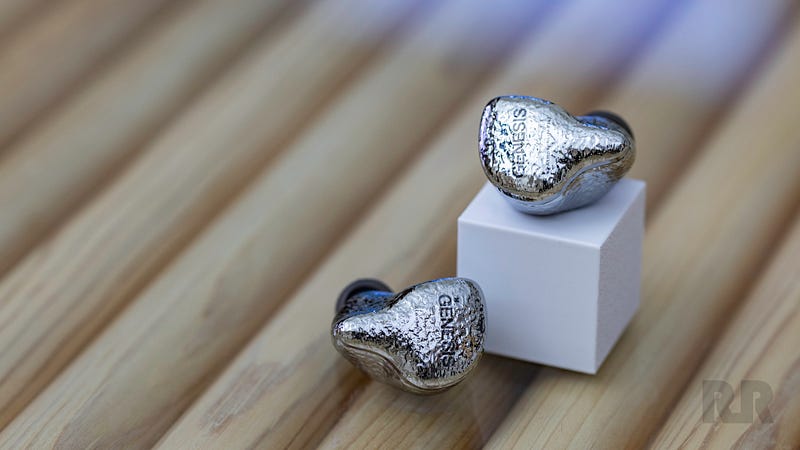
The Genesis G318 is an all-metal IEM with a single dynamic driver per-side. It runs for $249, making it a direct price-point competitor with the DN142. Both IEMs have decent cables, though I like the DN142’s more. It makes more-generous use of strain relief, has a great modular connector, and lacks the distracting microphonics found in the G318s’s cable. The Genesis has a larger case with more visual flare, but doesn’t really improve on the protectiveness offered by the standard DUNU zipper case. The DN142 has an excellent selection of stock eartips that dwarfs the G318s’s in both quantity and quality.
The DN142 is a cooler, less bassy, and brighter than the G318s. It lacks the warm, smooth, mocha-latte-like richness presented by the G318s. Instead, the DN142 uses a mix of performant drivers to strike a balance between “fun” and technical ability. The G318s is, to my ears, the more-charming IEM. Its bass a warmth, combined with its respectable performance and upper-register tuning, make for a fairly unique experience you don’t get often in the single-DD segment of the market. On the other hand, the DN142’s excellent blend of performance, comfort, and organic timbre is a positively electrifying experience. Its more-emphasized upper-mids and treble brings it a sense of air that the G318s simply doesn’t have. The G318s, while competent in its own right, doesn’t stretch as far into the back of the sound-stage when resolving textures. The DN142 catches a good deal of treble nuance that the G318s smooths-over.
If I could only own one audio device, and was made to chose between these two IEMs, I’d probably go with the G318s. Its metal shells and richer, fuller bass make for a simple, old-school charm that synergizes very well with my music library. Those that are looking to maximize performance, or those that aren’t as partial to warmth, will likely still want to go with the DN142.
ZiiGaat Crescent
The ZiiGaat Crescent is four-driver hybrid IEM featuring resin shells and a metal nozzle. It runs $279 and comes with a basic, uninspiring, modular cable. In fact, the standard ZiiGaat cable that comes with the Crescent is among my least-favorite stock cables that comes with an IEM. The DN142’s cable is thicker, less tangle-prone, and uses a vastly superior modular termination.
The Crescent has a smoother, less-dramatic upper-register. Its upper-mids are a little less-forward. The Crescent’s lower-mids are a bit warmer and its mid-bass is a smidge fuller than the DN142’s. It punches with a little more weight than the DN142, though with less speed and control. The DN142 extends better on both ends and its increased upper-treble energy makes it pull in details in more vigor. The Crescent’s more-relaxed upper-register is quite nice for casual listening, but again, doesn’t capture the full assortment of textures that the DN142 can. The DN142, while similarly-energetic in the upper-mids as the Crescent, doesn’t display the same “vocal” sizzle. The DN142’s increased midrange refinement is, in my opinion, emblematic of the gap in quality between the two IEMs.
The DN142 is my preference over the Crescent. The Crescent’s worse accessory package and cable, combined with its higher price-point, is a tough pill to swallow. Once you add in a fairly noticeable detail deficit, the scales tip decidedly in the DN142’s favor. Performance isn’t always the deciding factor in a comparison, but the Crescent just doesn’t offer anything uniquely charming with its tuning or psychoacoustics to compensate.
Kiwi Ears Astral
The Kiwi Ears Astral is hybrid IEM featuring seven drivers per side. It uses resin shells, metal nozzles, and flush 0.78mm 2-pin sockets. The Astral sells for $299, making it $50 more-expensive than the DN142. The Astral comes with a worse case, fewer eartips, and a worse cable. Frankly, if you were to just compare accessory packages, you’d think that the DN142 was a much pricier product.
The Astral also features a “modern” U-shaped sound signature, but one that I like much less. For starters, the Astral’s bass response is not as natural or potent, particularly when listening to electronic tracks. The DN142, in spite of its strange FR graphs, naturally blends its sub-bass down into the mid-bass. The Astral, by comparison, has a steeper roll-off into the lower-mids, making it a weird “sometimes bassy” IEM. The DN142’s midrange is more-linear and lacks the sterility of the Astral. Its upper-mids are more-energetic, and its treble has more presence overall. The Astral has a big spike in the upper-treble that can cause it to sound shrill and metallic, which is an issue that the DN142 seldom experiences, in spite of it having micro-planar tweeters. The Astral has one more driver per-side, but doesn’t strike me as performing any better than the DN142. The DN142 captures just as much upper-register detail as the Astral, just without the odd timbre. The Astral’s “clean”-sounding lower-register doesn’t pull in any additional textures or nuances, and the DN142 manages to go toe-to-toe without sacrificing its entire mid-bass.
Between the two, I’m going with the DN142. Its more-natural tuning, greater genre-flexibility, and superior accessory package delineate it as the better buy. Once you factor in its lower MSRP and excellent stock eartips, you end up with fairly substantial savings.
Conclusion
The DN142 is a well-tuned, performant IEM. DUNU has managed to price it competitively, making it a genuinely-great newcomer in the crowded sub-$300 segment of the market. The DN142 represents a compelling value that cleanly undercuts many of its “modern tuned” contemporaries. Solid build quality, a comprehensive accessory package, and above-average performance further sweeten the pot.
Who This is For
Rock and Alternative fans
Those looking for an energetic U-shaped sound signature
Listeners that enjoy sub-bass focused lower-registers
Buyers that enjoy bright treble
Who This isn’t For
Those seeking reference sound
Bassheads
Listeners that crave warmth
Those with extreme treble sensitivity
Listeners that already have enjoyable U-shaped IEMs