


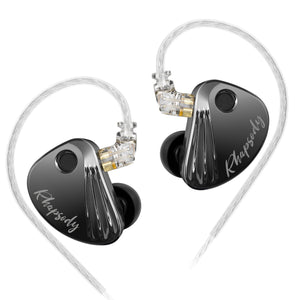




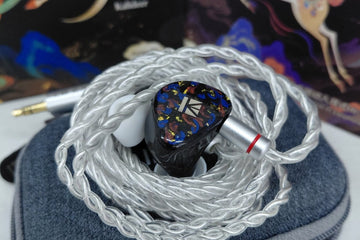
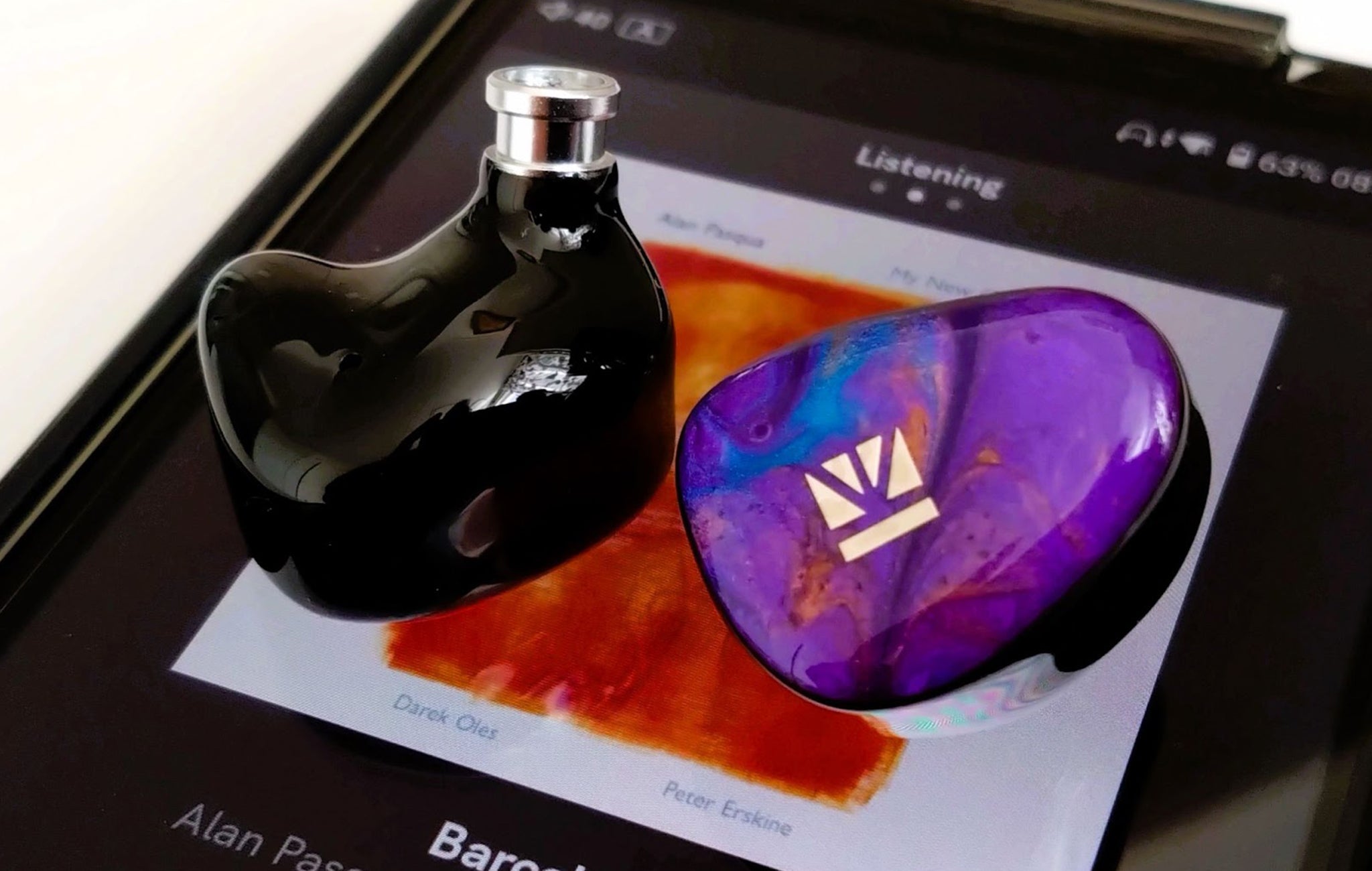
KBEAR KB02
One 10 mm Dynamic Driver
One 10 mm Bone Conduction Driver
Short about me
As a proud member of the Audio Geek European Tour, I’ve had the opportunity to listen to the KBEAR KB02.
I’m an amateur audio enthusiast who has been using IEMs for just over two years. I listen primarily to jazz fusion, jazz rock, jazz funk, acid jazz, smooth jazz, and contemporary jazz—with occasional dips into pop, rock, and classical music.
Sound Impressions
The driver implementation and tuning of the KB02 emphasize sub-harmonics in bass tones, making the bass sound deeper and boomier than it actually is. There’s also added resonance in the upper mids and highs. A solo piano can sound really engaging, and the tick of a cymbal’s center is lush and simmering. If you combine a double bass, acoustic piano, and drums in a delicate recording—like Alan Pasqua’s New Old Friends—you get a sense of space and reverberation, as if the trio were performing in a vast, abandoned cathedral with meter-thick limestone walls.

It’s interesting and fun for a while, but it definitely doesn’t sound like what the musicians or recording engineers intended. There’s a lot of added resonance, interpreted by my brain as overtones, undertones, and reverb—some of which are pleasant, some not.
After a while, it becomes fatiguing to my ears. Maybe I’m just overly sensitive to excess resonance. I also start to miss the mid-bass—the region where much of the music’s energy, attack, rhythm, and texture lives. I find myself longing for the original, uncolored sound.
Maybe it’s a fun experiment or a necessary step in the evolution of bone conduction IEMs. I’m not sure.
What I do know is that I don’t need this IEM, and for that reason, I give it a 3.5-star rating.
After a while, it becomes fatiguing to my ears. Maybe I’m just overly sensitive to excess resonance. I also start to miss the mid-bass—the region where much of the music’s energy, attack, rhythm, and texture lives. I find myself longing for the original, uncolored sound.
Ergonomics
The shell is medium-sized, with a smooth, rounded shape, a 6.5 mm nozzle, and a weight of 5 grams. It fits comfortably in my ears and blocks out sound to a satisfactory degree.
Summary
I don’t have high expectations for an IEM priced under $50, so I’m not saying this is either bad or good—it simply is what it is.
Maybe it’s a fun experiment or a necessary step in the evolution of bone conduction IEMs. I’m not sure.
What I do know is that I don’t need this IEM, and for that reason, I give it a 3.5-star rating.
My Star Rating System (from a consumer perspective):
- 3 stars — I don’t want this one
- 3.5 stars — I don’t need this one
- 4 stars — It would be nice to have this one
- 4.5 stars — I’d really like to have this one
- 5 stars — I must have this one