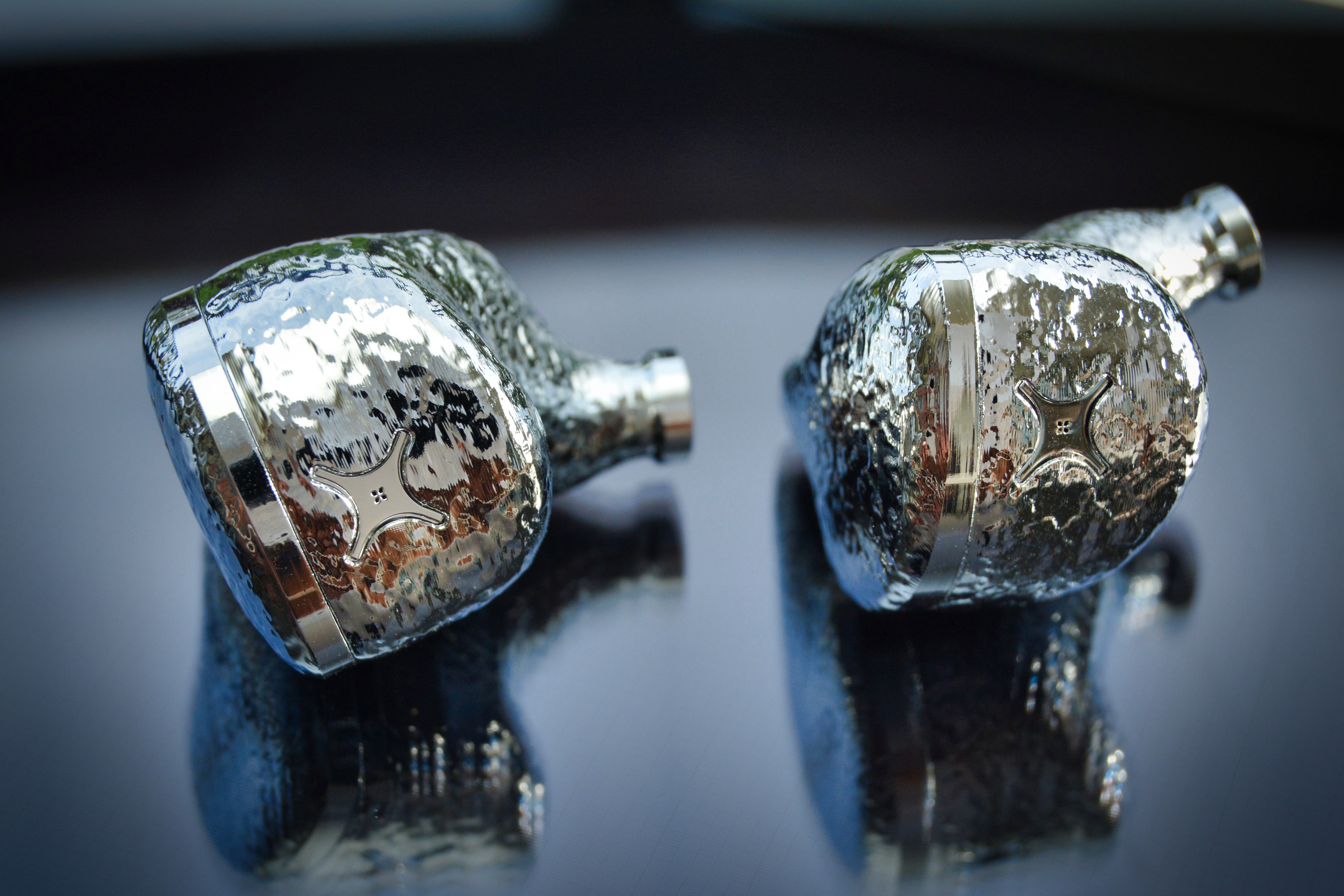
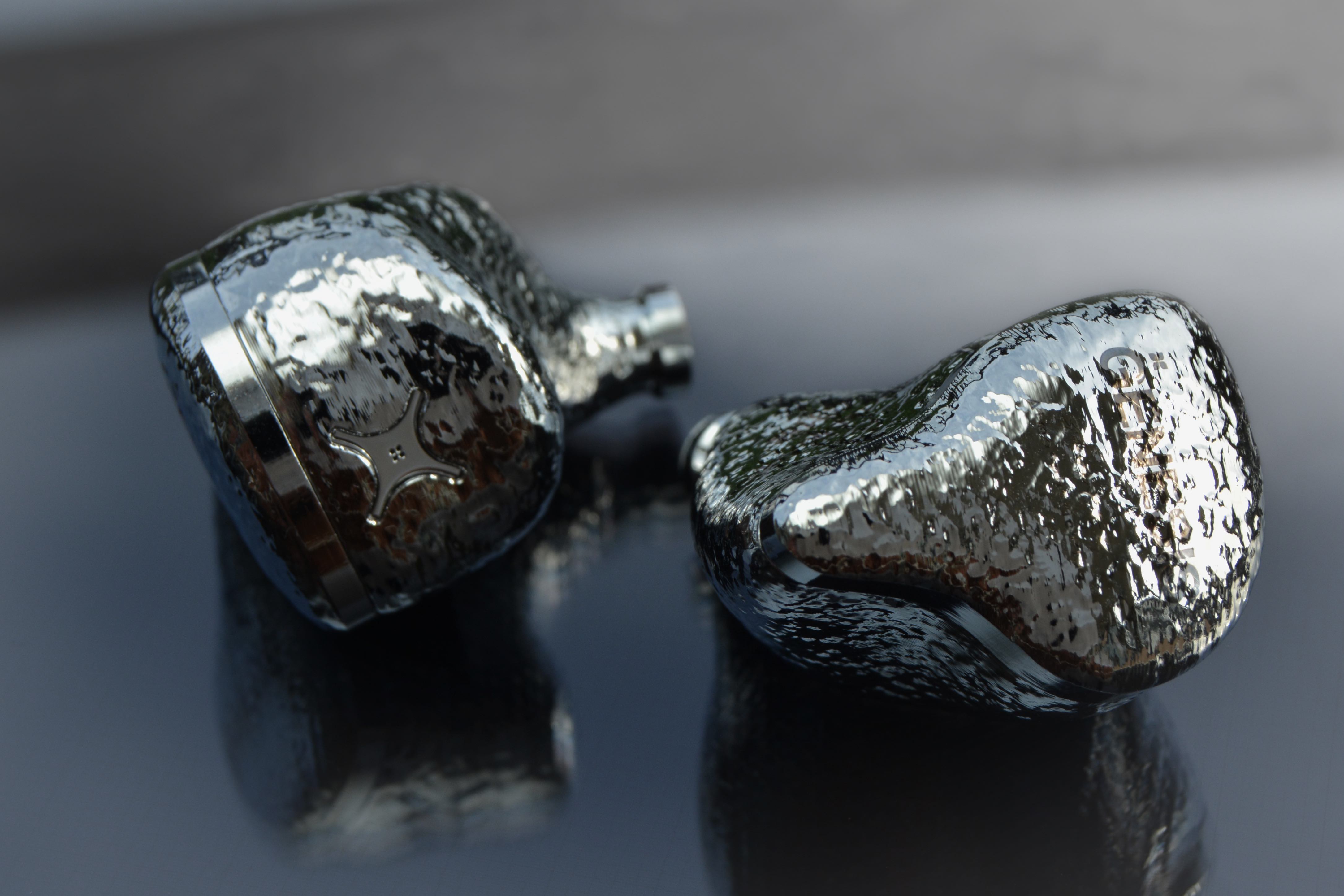
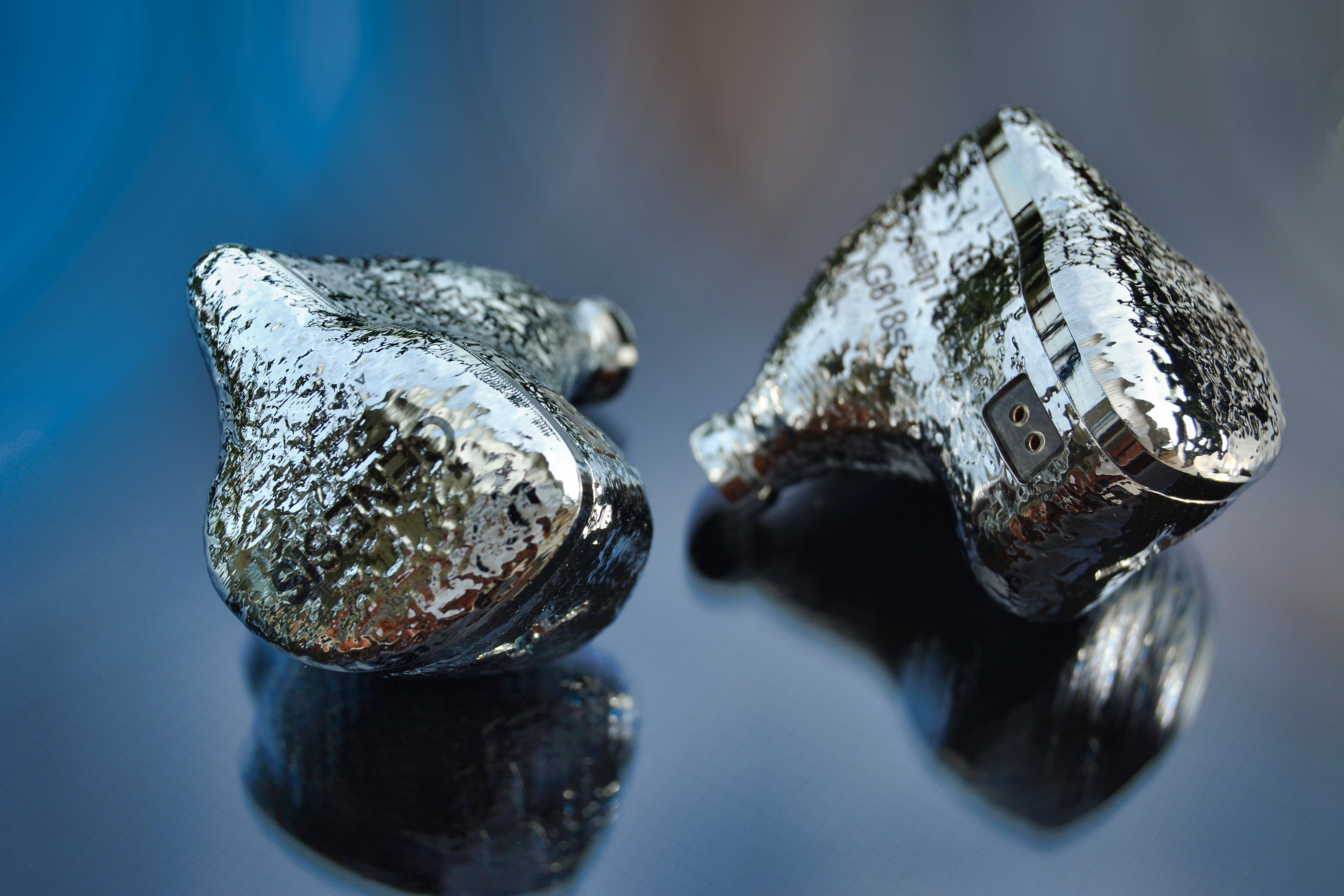
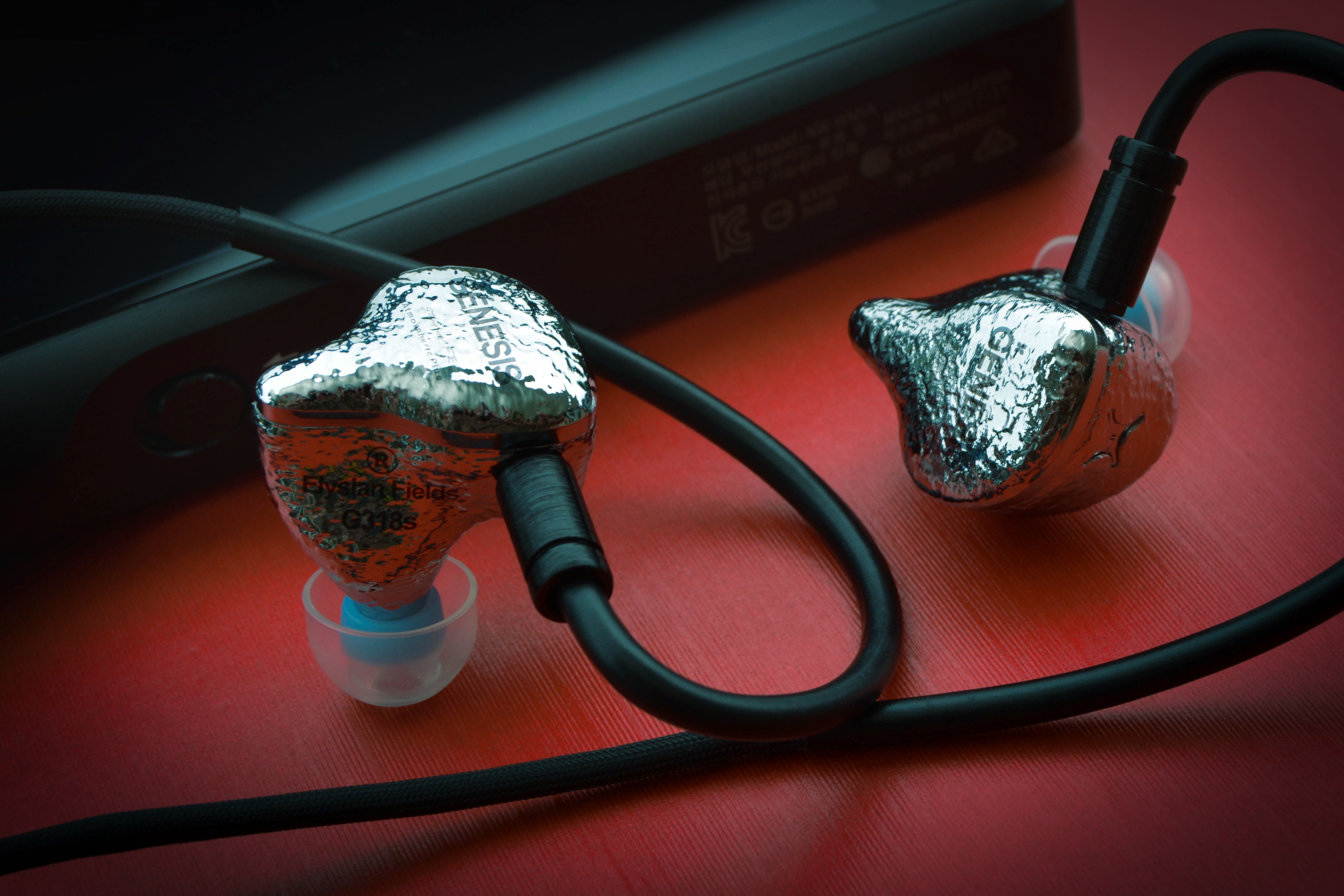
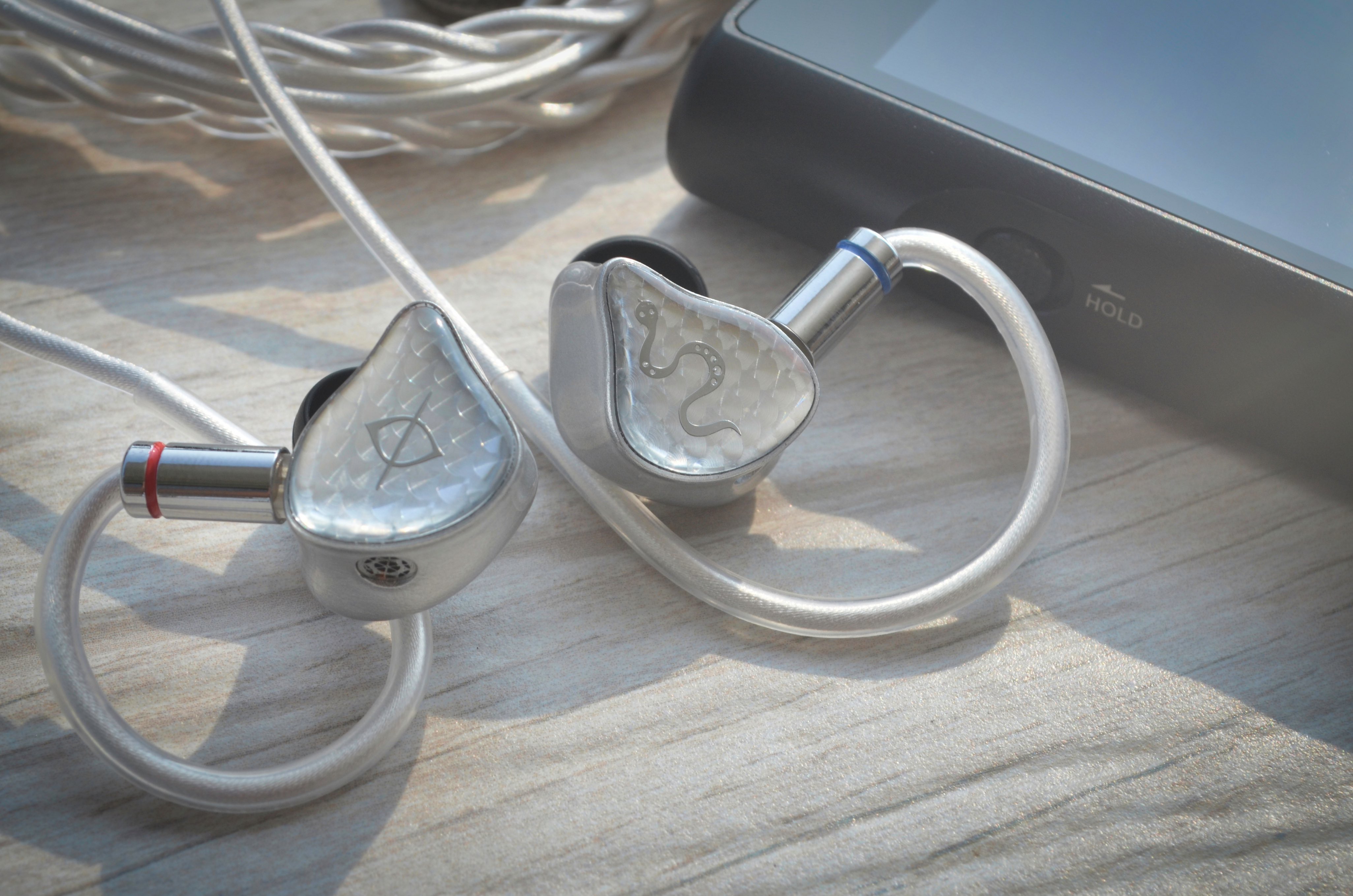
-New 318s 8.3mm single full-range DD brings about clarity and speed while giving bass authority -New 8 grams a piece shell in on the slightly large side but totally comfy -New black jacketed cable seems to go the same direction tonally as the 318s? -Giant leather style carrying case matching the cable -Fast and vivid imaging and details -Better treble and midrange imaging than you would guess from a single full-range DD -A forward sculpted imaging event leading to an increase in technicalities -Warm smooth yet fully balanced sound -A clean mid bass showing both improved pace over past 11.4mm DD ideas -Truly cohesive and holding extra note-weight -Amazing stage, that while average for the price point excels with 3D imaging -Not as bling laden as previous EarAcoustic Audio shells, due to the sides continuing up to make the faceplate, hence no faceplate sparkles added
Cons:
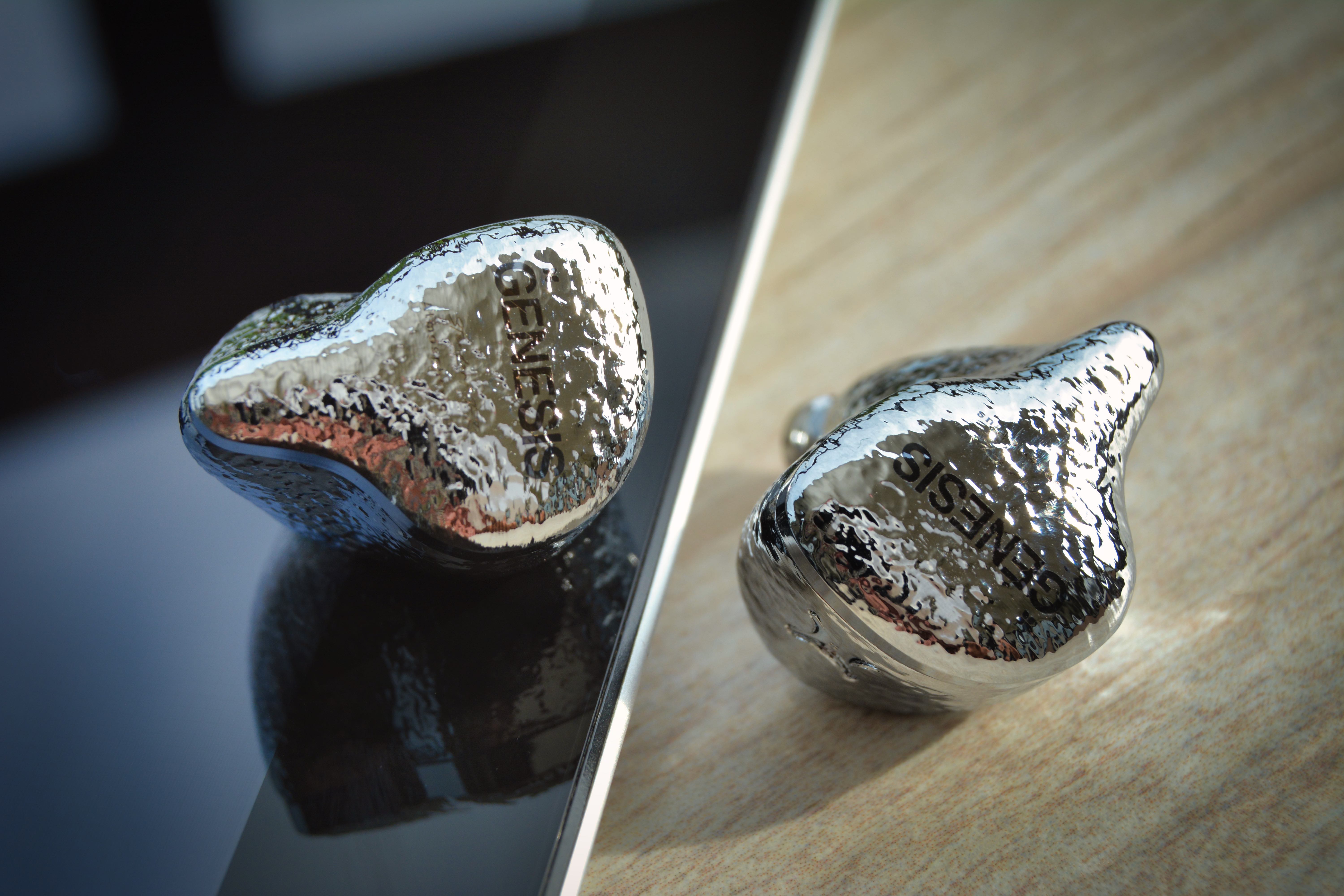
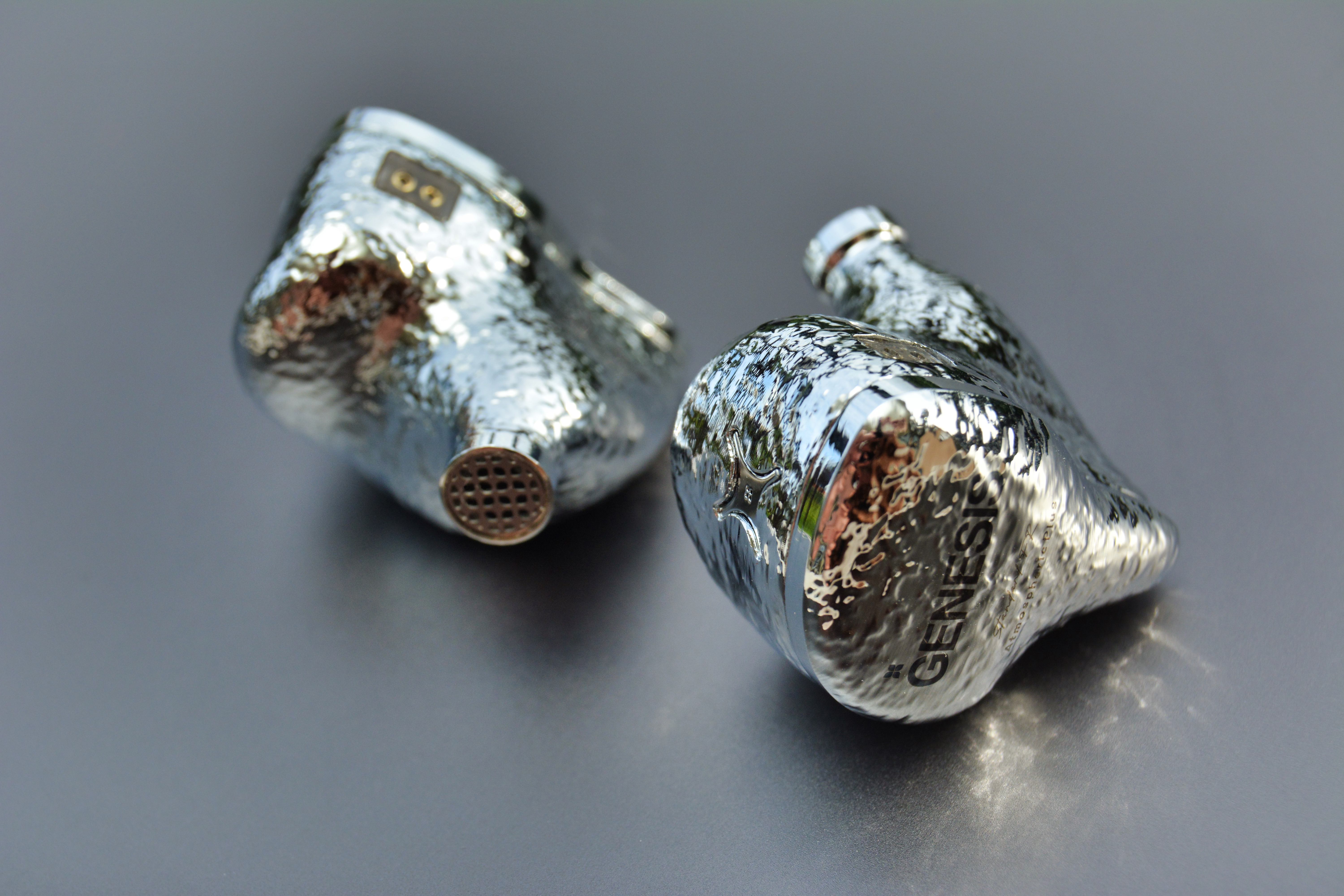
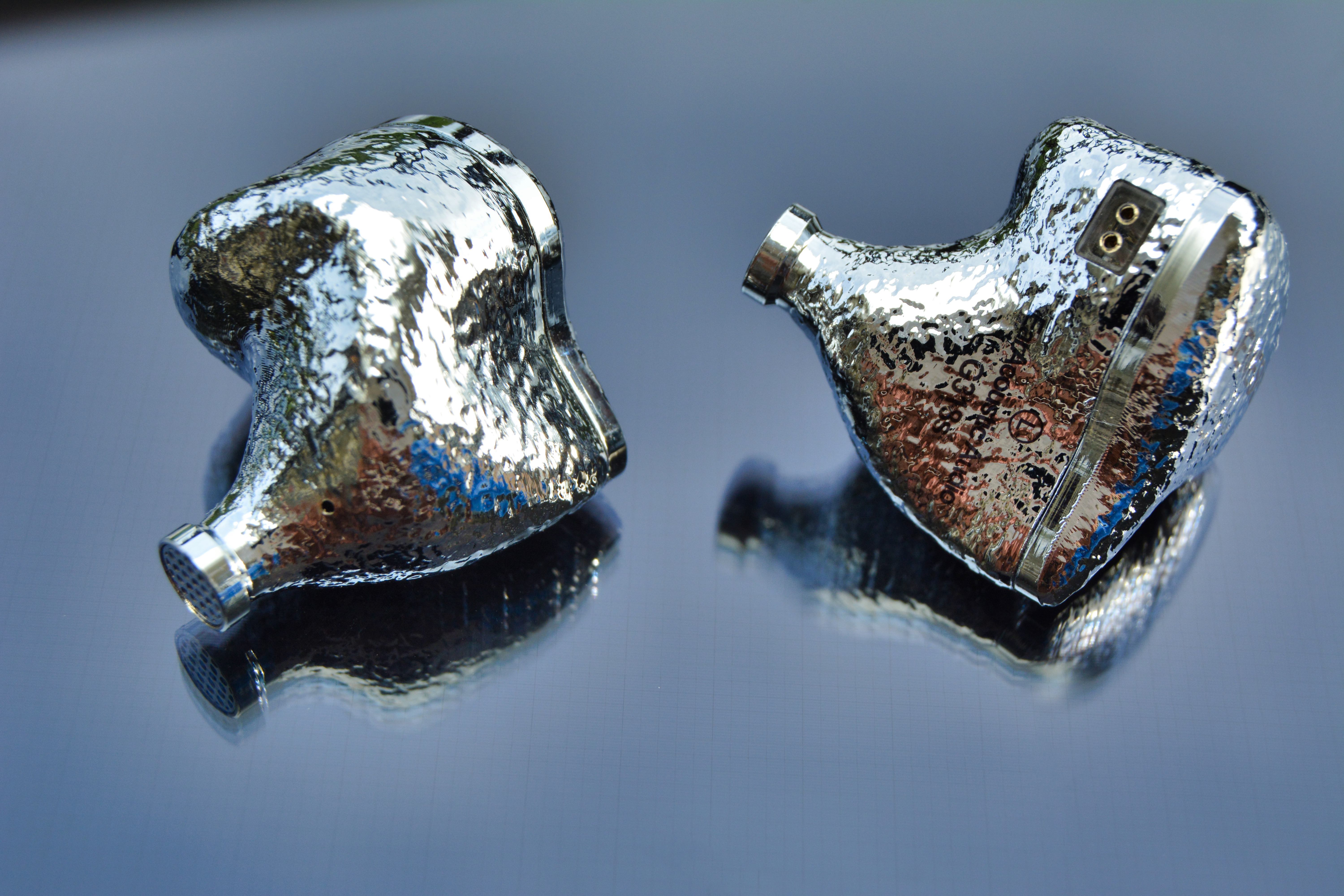
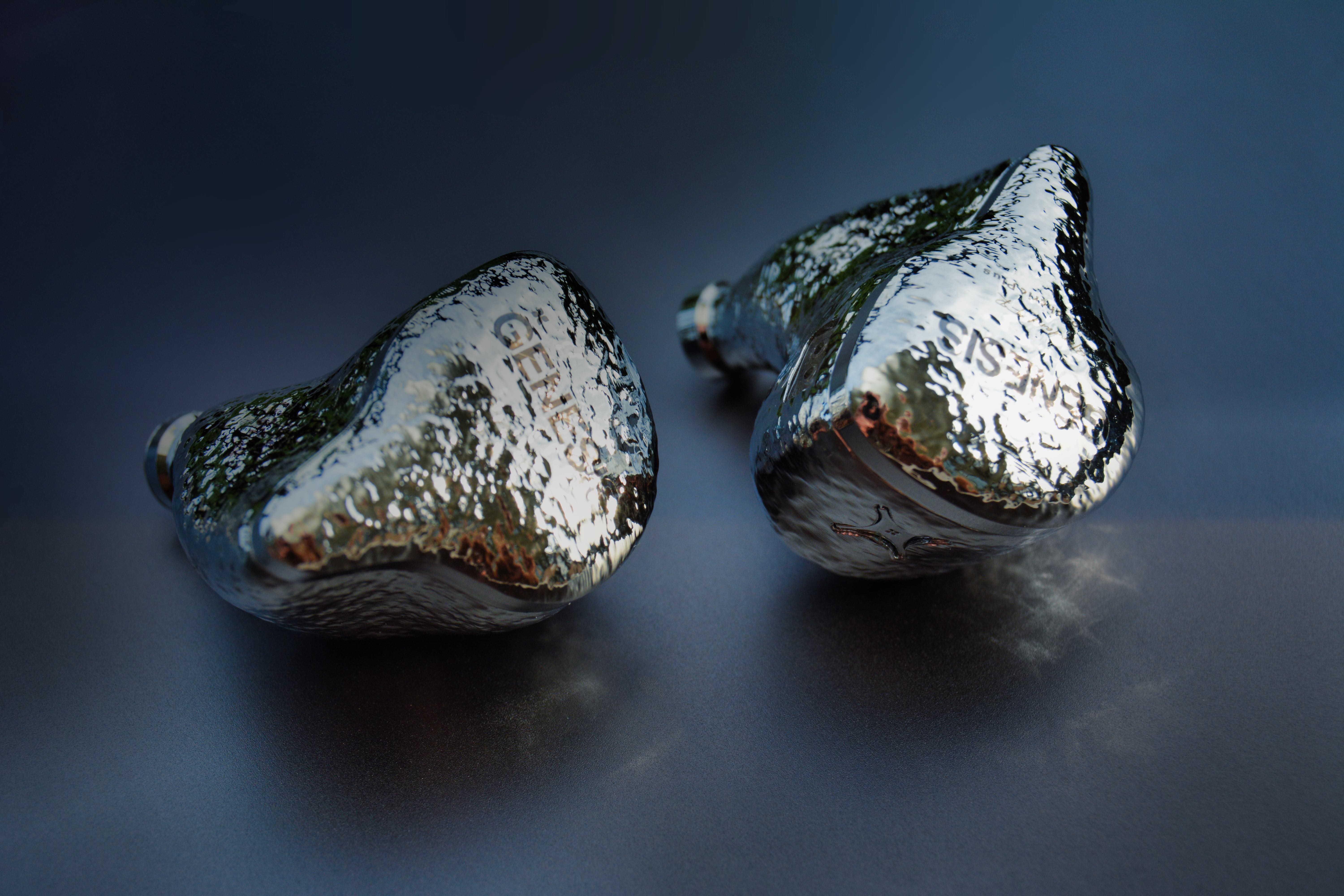
-Cable slightly micro-phonic at lower listening volumes -Does not come with modular 3.5mm/4.4mm cable set-up -Still some may not gel with the shell style here? As far as they can't figure out the crumpled metal build, yet perfect in feeling to the ear. Plus they never ever show fingerprints!
I think this is my 15th EarAcoustic Audio review? Now that is not including when the company went by the name……The Fragrant Zither……….yep they changed their name and upped their game plan. I can talk about how the GENESIS 318s is like the company's past output, because sure there are a few similarities. Yet I am comparing the GENESIS 318s against a few others today. Why? Well I believe using other manufactures output is going to help define what the GENESIS 318s is in the end. Plus we all know if you have purchased any EarAcoustic Audio IEMs in the past, especially their single full-range DDs before.........you’re maybe already familiar with the signature sound? Why do I say that, because no matter what price point and which shells these EarAcoustic Audio single DDs come with, they have a lot in common. Though the more I listen to the GENESIS 318s the more I realize it is a refinement in EarAcoustic Audio tone.
Sure I will throw one other EarAcoustic Audo IEM in for comparisons at the very end! At this review start I’m trying to outline how all these (more expensive) Hybrid IEMs compare.
Look, I have always liked the underdog in a battle. That while the nearest competitor is the ARETE II at just $20.00 more than the G318s……...still usually I like Hybrids best. Though I have to say if there was one company that has started to pull my heart stings in other directions it would have to be EarAcoustic Audio………as not only have their single full-range DDs got to me, but their new Planar the VSA-PM Crown has ended in my top 5 IEMs reviewed for 2025.
There is just something addictive about the Crown. The fast bass, the striations of treble detail, the VSA-PM Crown even calls out to me when I’m doing other reviews……..calling my name, and asking me if I will put it in my ears. Then joining it with the Penon TOTEM cable and the Sony WM1Z DAP is a style of end-game for me, heck I don’t even have to feed it high bit-rates.
No, I'm under a spell even playing YouTube videos via Bluetooth to the Sony WM1Z. So you can imagine over the past year I have learned A little with each new IEM...... and finally I have gained a new level of respect for what EarAcoustic Audio is up to. And no this output is not slowing down at all. Since the GENESIS 318s came out they have even already introduced a new Hybrid…...the new GENESIS Mix 9. This use of BAs is a new and different idea for EarAcoustic. Where sure TFZ were about the full-range DDs………now they are trying new stuff. :)
Only now with their resurgence of confidence, EarAcoustic Audio use what they have learned along the way to make these 2026 IEMs truly special.
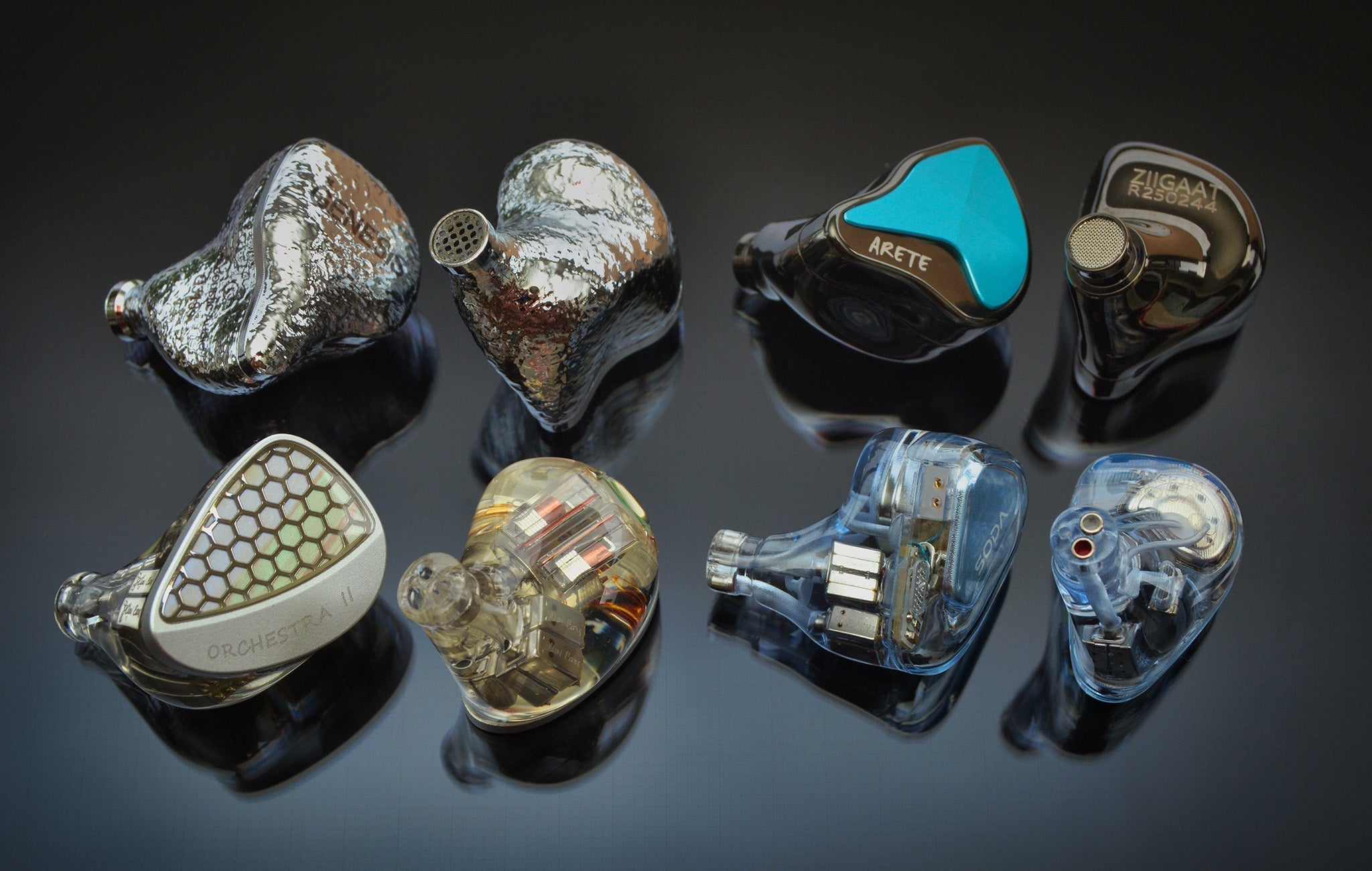
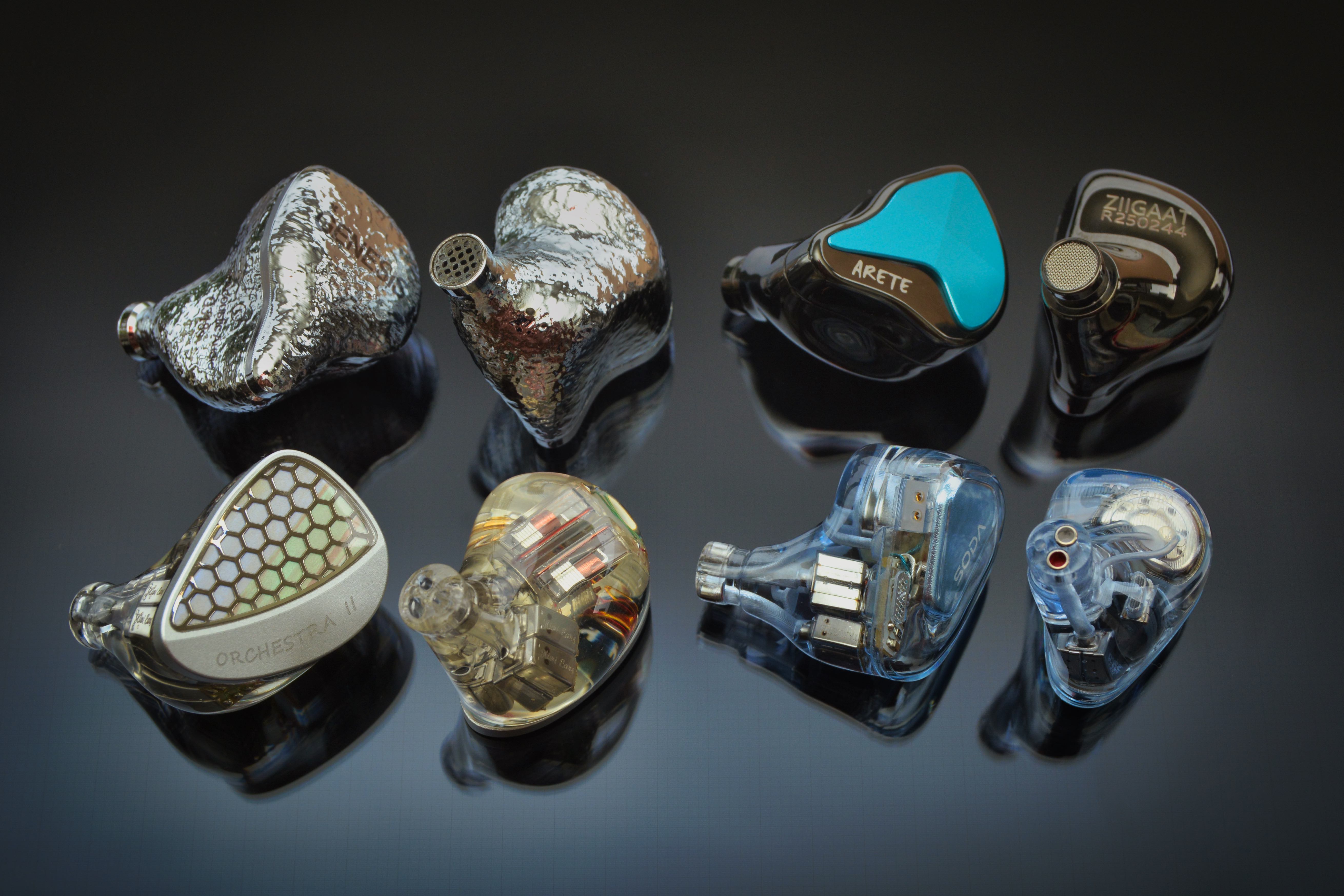
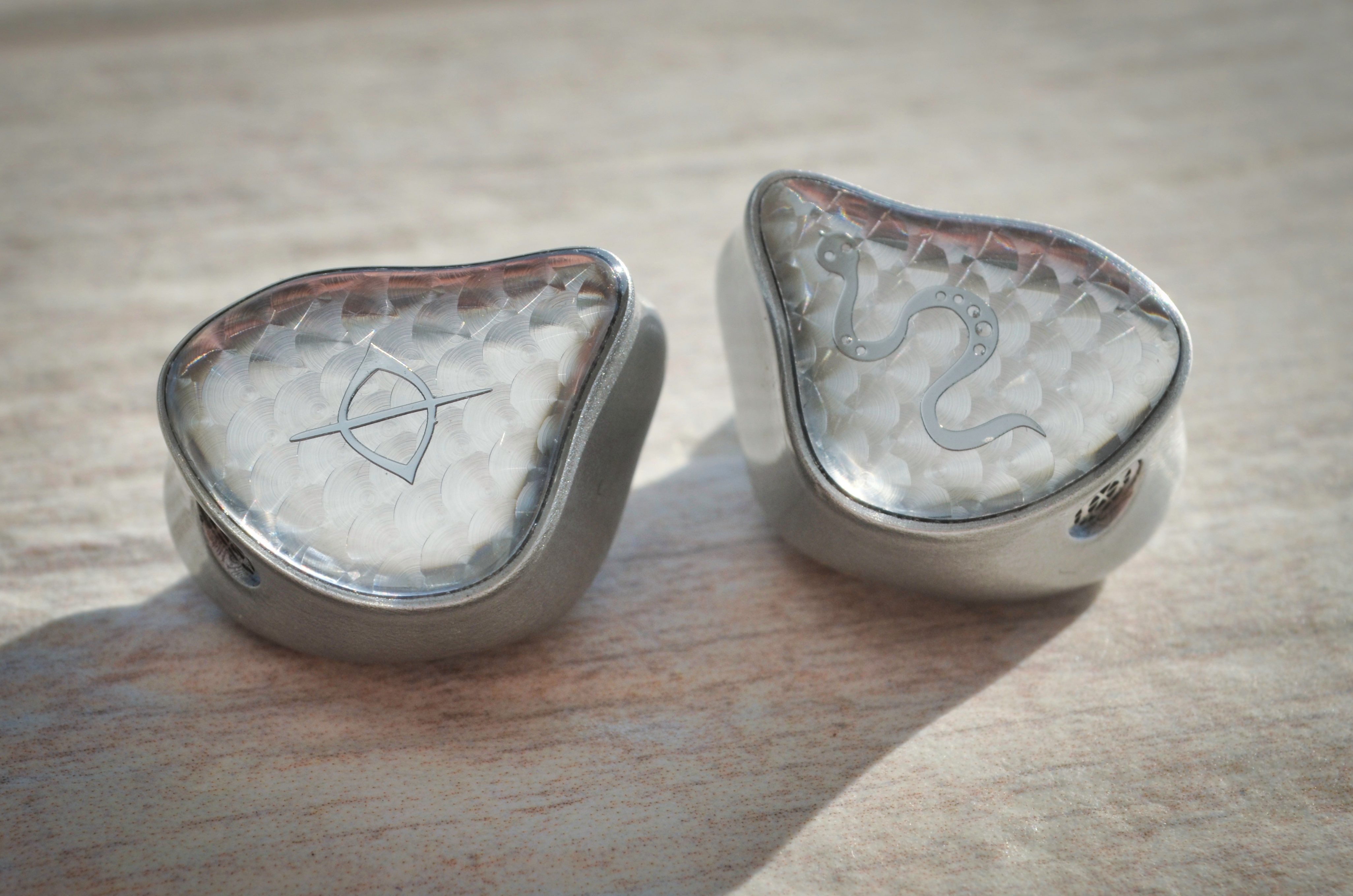
A fight is staged…….who will win? Left to right: Top:
GENESIS G318s by EarAcoustic Audio 1DD 8.3mm $249.00, Ziigaat Audio ARETE II 1 10mm DD and Two Knowles ED29689 drivers mids, Knowles SWFK 31736 dual tweeters $279.00
Bottom: Kiwi ears Orchestra II 10BA $349.00 and TANCHJIM SODA 1 10mm DD, 4BA, 2 Passive drivers $309.99
I’m starting off with the SODA as my first opponent against the G318s. Now in this test I’m using the Sony WM1A with zero EQ and the NICEHCK C04 ear-tips on everything, why? The C04 ear-tips just fit really well and seem to work here across the board. Though one change-out has been using the SIMGOT AUDIO LC7 aftermarket cable. Everything else is with their included cables, I just really liked how the LC7 made the SODA sound, use of the LC7 came later after the SODA review was written, and I should have already known the LC7 would be special. That the LC7 is a commonly used cable around here at Redcarmoose Labs, due to the cable adding low-end warmth and smoothing out the highs a little, all the while never truly coloring the sound, but leaving the tested IEM character intact.
Also I wanted to point out that as far as testing goes, there is an extra forwardness that IEMs like the Penon UNIQ do to very much to change the sonic landscape. This added 3D dimension takes with it the vocals and instruments to become forward in sculpture, in contrast the SODA is of a slightly set back demeanor. That while the SODA even with its Hybrid driver make-up is even set farther back into stage placement than the GENESIS 318s………that where we have them is Penon UNIQ the most forward, then the GENESIS 318s, then the SODA in positioning. Now that doesn’t make the SODA bad, no this is just the results of driver personality and the shell containment the manufacturer has chosen. Obviously there is more to playback than just the positioning of sound items…….yet this single feature I wanted to talk about at the start.
Where here both the 318s and the SODA proclaim their specific sound in part due to what drivers were chosen to make the sound…….that in many ways here EarAcoustic Audio are remaining true into what they know, yep, even before they slapped on this new name into place TFZ made a whole handful of single full-range devices. As far as recent times…….here is a partial EarAcoustic Audio list…..
SPA Series: SPA-Pro: SPA-Pro Ultra: SPA-Pro MAX: SPA-Hi End: SPA-Hi End Ultra: SPA-Hi End MAX: SPA-Limited Edition X 2 (Different shell surfacing):
New Vocal Sweetness Amplified Series: 1) The VSA-V1: 2) The VSA-MAX: 4) The VSA-V2: 5) The VSA-LTD:
Truly there are a lot of IEMs in production, so much so that it overpowers my desire in being complete. So really the question goes, “what do I get?” What do I get if I pay more for an up-line EarAcoustic DD IEM? Well to start with each has a slightly different level of technicalities, meaning when you spend more you get often more detail and refinement in image sculpturing.
Where the SPA-Pro only goes so far to allocate the bass into clarity as well as refine the treble into actual images holding detail. Now these words may issue a feeling of curiosity or a slight confusion as how could the just $99.00 be any good? Let me put it this way……..just a full-range 11.4mm driver inside a resin shell with metal faceplate. So it is very much the driver here with the $99.00 SPA-Pro. I am guessing the others in the SPA line use a metal shell to help refine the harmonic vibrations adding clarity. Yet for musicality alone the little $99.00 SPA-Pro is a total win here………….especially for the price. Though what comes along with going up line with EarAcoustic Audio is also a greater stage. And here (a first for me) we have a GENESIS 318s 8.3mm DD. Now maybe what this does is attribute more speed as less diaphragm to move? All I can say is yes, the 318s does promote a faster and cleaner bass than the SPA series or the VSA series.
SODA v GENESIS 318s:
I want to start-off by saying the size difference here is to the opposite extreme, with the GENESIS 318s being way, way larger. Though then the 318s happens to be about 20% easier to drive. By most terms the SODA is on the harder (to drive) side, especially for a regular Hybrid. Where my ideas about the SODA is TANCHJIM were really attempting to add cohesiveness, the cohesiveness that single DDs do naturally, that Hybrids often make both their benefit and weakness.
Being you get this great BA style stage with hybrids, then this bass Hybrid DD decay which in many ways contrasts what the upper divers are doing. This is normally because BAs have an instant decay and DDs have a longer decay, especially inside of how a full-range DD goes and gives this extra (by association) instrument decay to the midrange and treble. Full-range DDs also make points by adding normally better timbre than Hybrids do. So in a way Hybrids are always trying to play catch-up, always working to improve the new Hybrid IEMs timbre and somehow unify the tone, and that is where the value in the SODA lays. This added cohesiveness may be that much like the SIMGOT AUDIO Supermix 5, the SODA drivers are connected. Meaning the SODA uses different sound tubes running throughout the shell to achieve this cohesiveness and the Supermix 5 uses vents inside the shell to mix (and unify) the sound tube output.
Where the bass of the SODA is slightly less connected than the GENESIS, once you attempt to make the two volumes equal it shows the GENESIS has more bass. Then the vocals are slightly more subdued in GENESIS playback, in contrast to the more vivid boost the SODA does naturally with vocals. Where it could be guessed that the GENESIS has better note-weight and it does, especially in relation to the highs and mids. There are these decays that go along to add in reverbs to each and every GENESIS note. Though the crazy thing is you may guess that all of the treble is inside of a bigger stage with the SODA?
Yet that is not the case, to where there can be seen a holding closer to home of images inside the SODA, marked by slightly less distance between sonic events in places. Again while this may not be expected yet this is not in any form trash talk about the SODA, only differences in personalities between the two IEMs. That as far as entertainment goes both are vary much priced near the same, with the SODA costing roughly 20% more, and again the imaging placement to the SODA response is slightly closer to home. In the end it is other aspects that really make these 2 IEMs different. One that extra bass the GENESIS does adds a thickness that while great bass from the SODA, this extra GENESIS bass is noticeable, making the GENESIS that much more macho and the SODA feminine. Plus the SODA adds in midrange and treble frequency turn-out to simply show the GENESIS really more smooth and a character that could be described and slightly warmer due to such.
Even with the bass switch of the ARETE II off it shows itself to have more bass than the GENESIS. That while the 2 IEMs are very much the same as far as power requirements, it is this extra ARETE II bass which once switched to the GENESIS shows a more upfront midrange, even holding more small details in the lower midrange un-surfaced due to the less bass and more careful walk the GENESIS does. Now when concerning treble and upper midrange the ARETE II showcases a more vibrant and even filled in stage, showcasing the GENESIS to become much like the comparison to the SODA as being a tad more reserved. Yet again more GENESIS note-weight and longer decays. Though take note that this forward imaging of the GENESIS is like the ARETE II, but more cohesive and a hair smoother and more together in stance. While both IEMs do really well with electric guitar timbre, there is this extra contrast in guitar placement that carries less clutter in ARETE II playback. As such this personality continues to be found in vocals, that the ARETE II vocals come across slightly more forward, though not holding the fluid silky smoothness the GENESIS seems to enhance everything with. Maybe this is just the texture of BAs to DDs, only the GENESIS was amazingly well equipped to handle anything I threw at it, seemingly the hard trier getting more points due to technicalities than you would guess at the start. Still when you observe this extra slight separation of images, you can see where the ARETE II starts to earn its keep, only the extra bass presence can’t be avoided and makes the ARETE II even more of a value at times with stuff like EDM playback. But beyond that there is this Hybrid separation that when put to test with the right fills........goes and shows the ARETE II’s ability to take music apart and then serve it to you more separated and even clearer.....seemingly better at technicalities in this regard. The only way to possibly describe this is to show you……………..
Stein The Lost Horse Caravan 44.1kHz - 24bit Win goes to the GENESIS for a more realistic guitar tone.
Rammstein Zeit Armee der Tristen 48kHz -24bit
Win goes to the ARETE II for simply taking this song apart.
Orchestra II: Here we are rewarded with an IEM that has better technicalities almost across the board. Yet there comes an issue which for no better word will call Orchestra II dryness on tone. Where GENESIS action has the missing technicalities in stage and sculpturing of the song file, yet goes forward to gain smoother yet held together naturalness………GENESIS shows a smoother more wholesome idea, with bass decays opposed to BA bass detail. Though what comes with Orchestra II playback is a style of midrange images which are bigger and better drawn into life. Really in so many ways these 2 IEMs are opposite here. Where the GENESIS keeps images closer to home and less separated into a warmer tone, the Orchestra II is not shy, and is being just what it is, an audio microscope. This bigger yet dryer Orchestra II sound provides a more close-up view. Where this GENESIS tone is more together yet is also shown to hold its own style of slightly off timbre, but still better timbre in the end.
Where.....yes EarAcoustics Audio went and invented a new 8.3mm DD which cleaned-up a little of that lower area pronounced with the SPA series 11.4mm extra warmth and bass lumbering. This tactile speed also made the GENESIS more mid forward, and more technical, while even increasing the stage imagery into clearness.
And that’s the thing here, that when having the Orchestra II and GENESIS next to each other, you can hear how they do share a little in common with how each is striving to get the midrange images down made into clarity. Where sure the Orchestra II is higher in technicalities, except there is an energy that comes with 10BAs all firing off at the same time, a forward dryness that the GENESIS nonchalantly bypasses.
Maybe the Orchestra II is more the morning when you want all the details and remember the timbre is still really good with the Orchestra II, yet the GENESIS is slightly more relaxed getting you longer playing times into the night. That while less details are performed by the GENESIS, there is an added dose of musicality that is a charm. In a perfect world the ultimate IEM would be a mixture of these two sound making entities.
Music:
Stein The Lost Horse Caravan 44.1kHz - 24bit
Timestamps only pertain to digital file, not video. I’m not going to bore you with personal history, but let's just say I have been into guitar instrumental (surf music) most of my life………the stories about live Dick Dale guitar shows from my Dad......I heard about at an early age. Here this is a modern recorded album that showcases what surf instrumentals are about. IEMs do this twangy guitar many different ways, but here the DD is offering a trueness and a group of decays that along with timbre really gets us there. Here at 00:00 the faint sound of the sea shore brings us in. Also at 00:00 we hear the basic tempo brought to us via a darker rhythm guitar two string chord. At 00:10 a Dick Dale style of down slide is shown, and that is the critical point, to realize this forward and vibrant guitar is standing front and center, all the more able to either be win or lose due to focus. Yet the 318s goes and proclaims this single guitar to be in great timbre, that and extra note-density.
We hear the guitar decays that are so important here too. At 00:51 there is a picking attack on a chord which goes the next step to show us all the stage possibilities. And that is the thing, even at the start, the GENESIS is showing a stage left to right, tall, deep and forward to back of presentation…..meaning at the 00:51 the song gets going introducing a number of elements, like more guitar tracks, a faint cymbal, and due to being an instrumental.......they have room for all these activities. At 01:36 there is a break into what almost sounds like a new song, added drums…..even horns at 01:44. Still it is the out front basic guitar tone that takes the cake here. This tone holds the magic in that you never think a single lead guitar tone could become.........so complex and entertaining.
Timestamps only pertain to digital file, not video. DCD Anastasis Children Of The Sun 44.1kHz - 24bit
All this talk about cleaner careful bass almost goes out the window when we hear the drop at 00:32. I mean this bass is authoritative, clear and dynamic, dynamic in the mix enough to give us that bass thrill, but more importantly seemingly perfect, causing us to never ask for more.
It may be the better bass technicalities that are responsible here, as better defined bass sounds like more bass as the psychoacoustic riddle explains……That while I have heard Brendan Perry’s vocals more up front in other sets. They are still intimate and clear…..but what gets my juices flowing is the sheer fluidity found, the completeness of the mix, and the fact that placement is just as it should be here. The violin stabs at 01:04 come across as heard but smooth and slightly smoother than a few Hybrid ideas I have come across. Yet there is nothing at all wrong here, this is just the personality at hand. Even the outside strings seem to be slightly smoothed out, yet still take contrast in positioning in the outskirts of the stage.
DCD Within The Realm Of A Dying Sun Dawn Of The Iconoclast 88.2kHz - 24bit
Timestamps only pertain to digital file, not video. This song in many ways is a vibrant IEM obstacle course for IEMs in testing. At only 02:08 in total length, the song holds ideas to get right or wrong and tone and timbre to act upon relaying the message that the artist had in-store possibly. That there is a lot of work placed on the table for an IEM to accomplish in a short amount of time here. The horns at the very start let us know this fanfare has a purpose in its message. That at just 00.01 the bass drop of a timpani gives drama and the tone while not overbearing is clear........showing the decays and energy found. And the snare drum rolls to follow are not way out front, but smooth yet still vibrant. At 00:24 the vocals of Lisa Gerrard are found and clear yet not as forward as found with a few other IEMs.
Later we perceive that this display of vocals has a lower synth shelf as a foundation. At 00:33 this shelf is the backdrop for the reverberations of those vocals to be projected outwards into the stage. That in the end this really works here due to the timbre, the decays and the provided note-weight……..not to mention the great imaging of elements forming a 3D style of size.
Rammstein Zeit Armee der Tristen 48kHz -24bit
Timestamps only pertain to digital file, not video. It is the pace here that gets the win, just the fact that this is a relatively complex song that holds many moving parts. At 00:09 we hear the chorus synth and the back staged vocal sample well separated. The drums at 00:11 are tight yet authoritative but not messing with the mids. At 00:35 the electric guitar rhythm starts......being a perfect item to judge timbre here………..then at 00:51 we hear that Till Lindermann’s vocals are just right, in fact the deep register found in his voice gets better projection than the female vocals of Lisa Gerrard, yet that is the character of vocals with the 318s…..that the IEM prefers male vocals, yet female vocals are not buried, that just are not heard as well as male vocals.
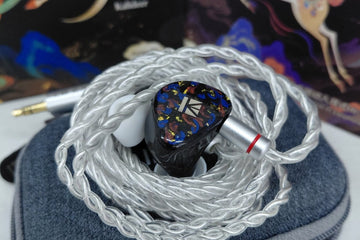
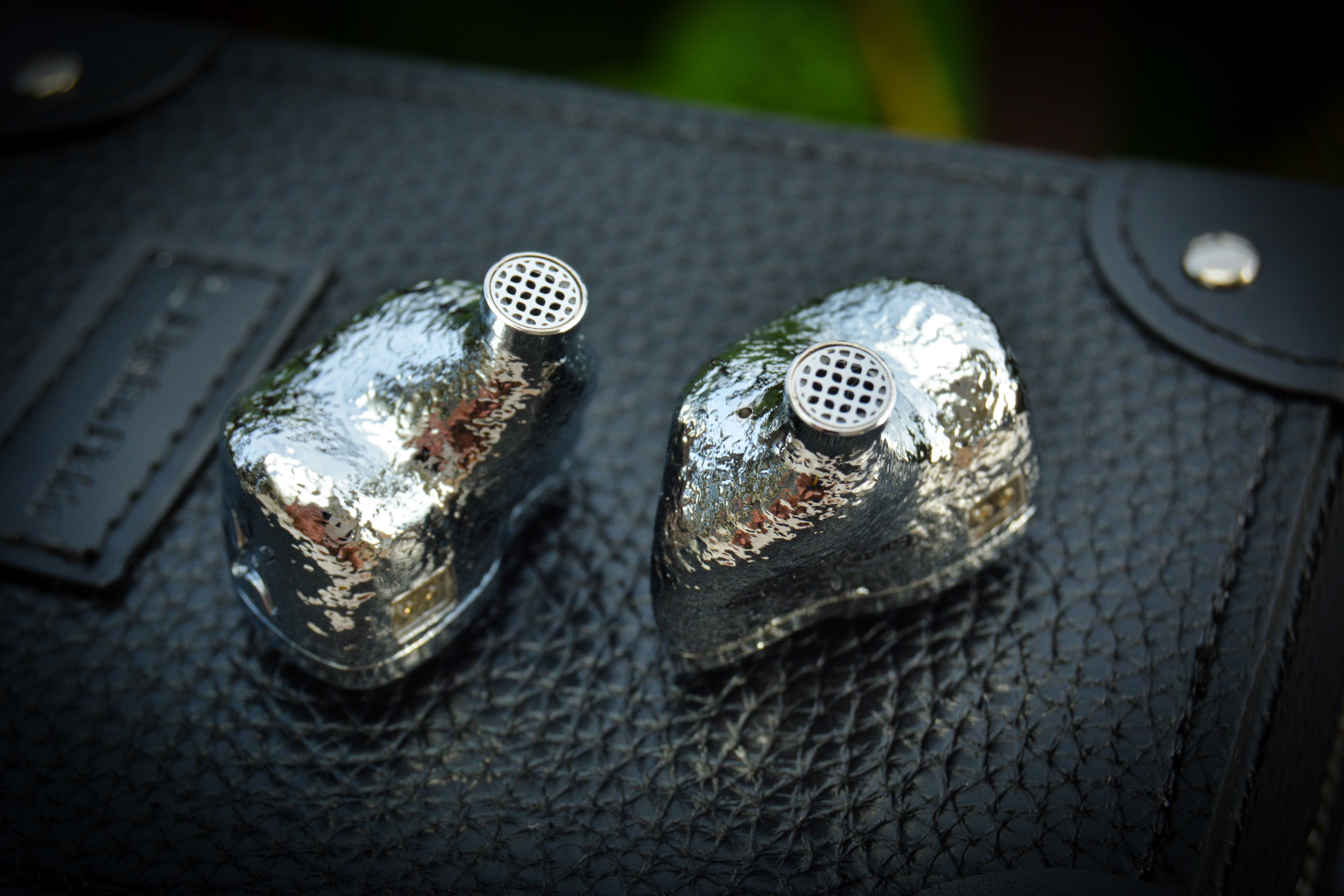
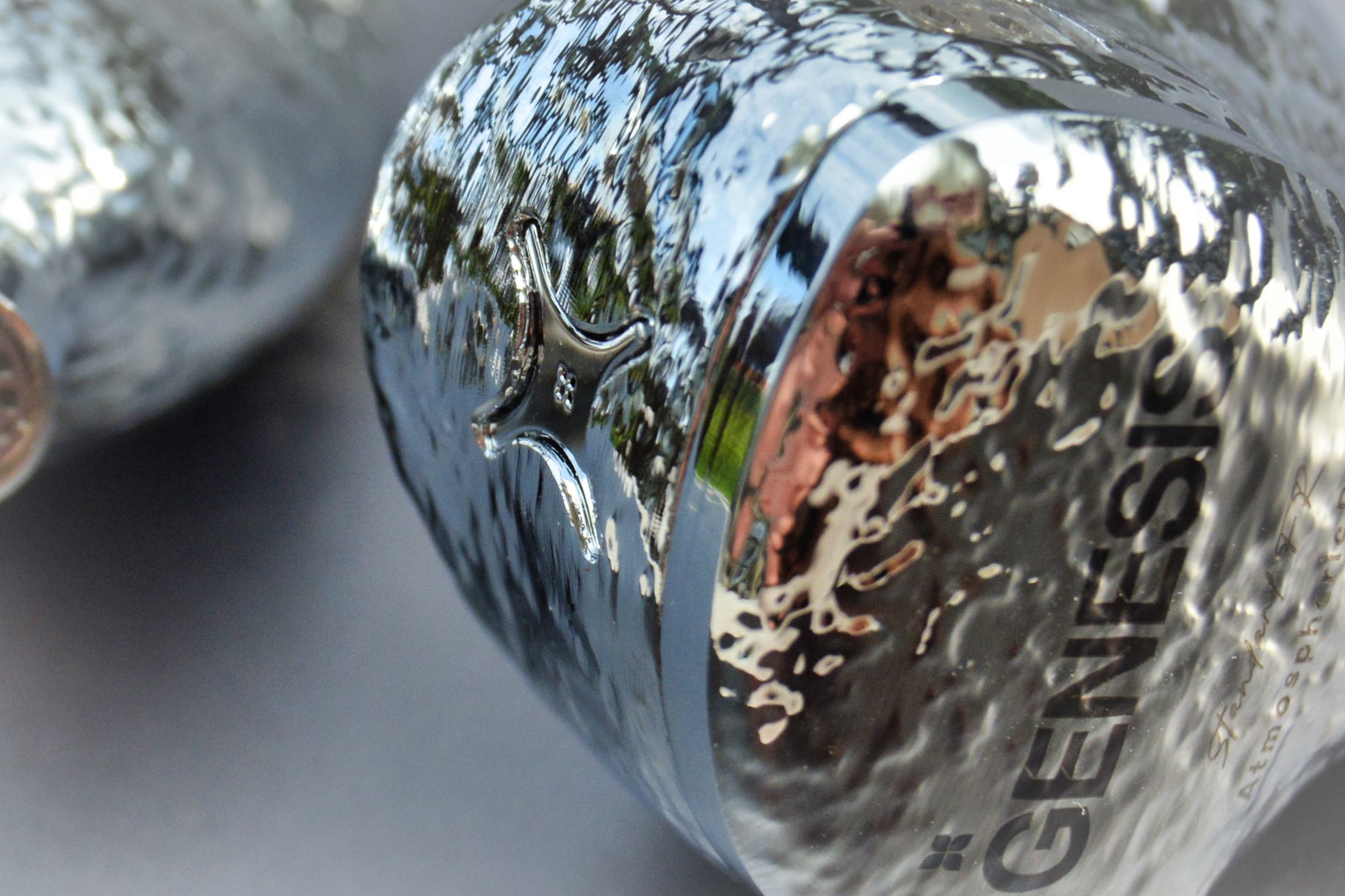
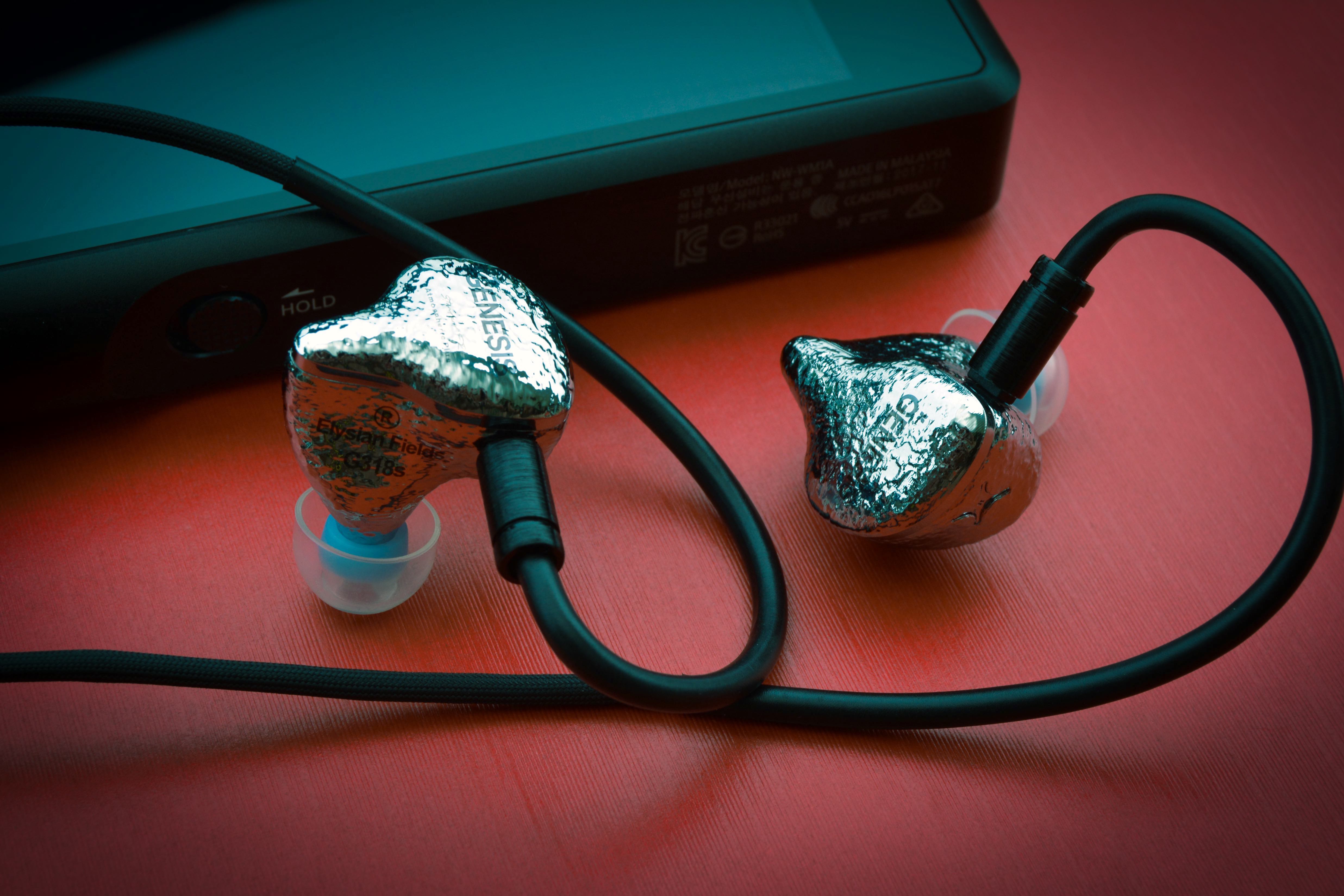
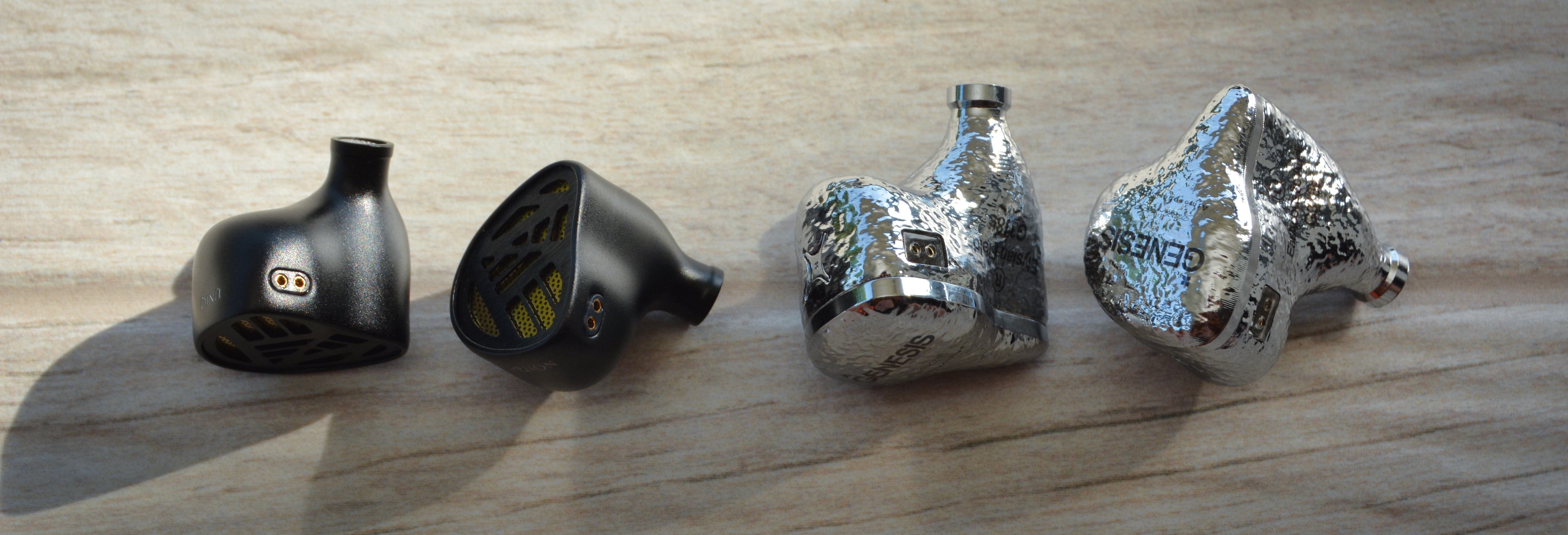
Build: Much of the hoopla surrounding this release comes from the introduction of shell build that reminds us of 2025’s TOTL Flagship EarAcoustic Audio SPA-LE. Yep this shell has both the look and feel of their $429.90 LE, and also the $849.00 Planar VSA-PM Crown. Only here they have extended the finish up from the sides onto the faceplate. As such the design works for me feeling really good inside the ears. The 318s bypasses the diamond bling faceplate of the past releases, and I look at this idea as a way to give a more reserved look. Having a breather vent near the nozzle and a X breather off to the side………this 8 gram a piece IEM is on the larger side. Yet fitment is great due to the overall shape at hand and the nozzle length and angle. Maybe the best part of the build is that the 318s never shows fingerprints?
Cable:
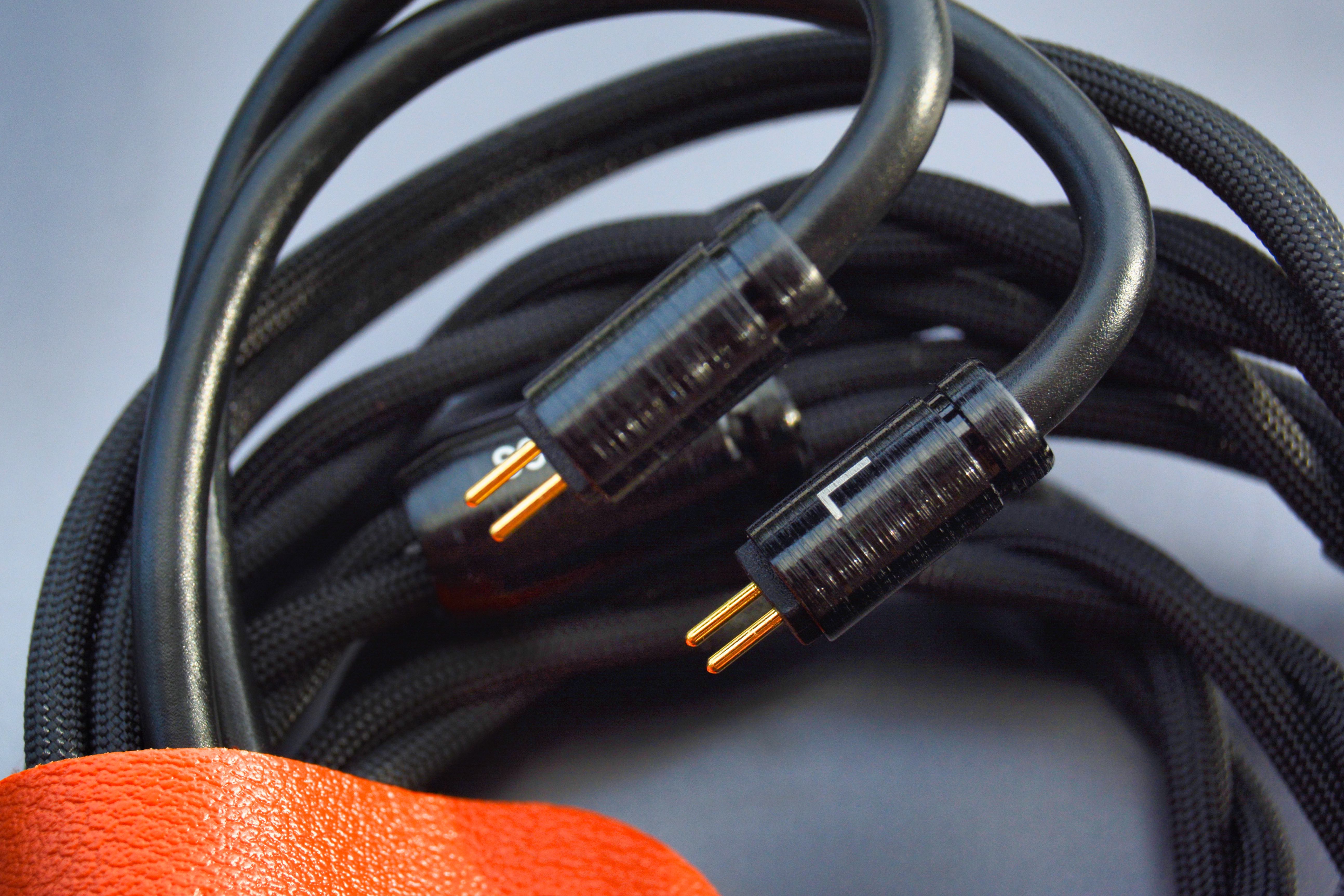
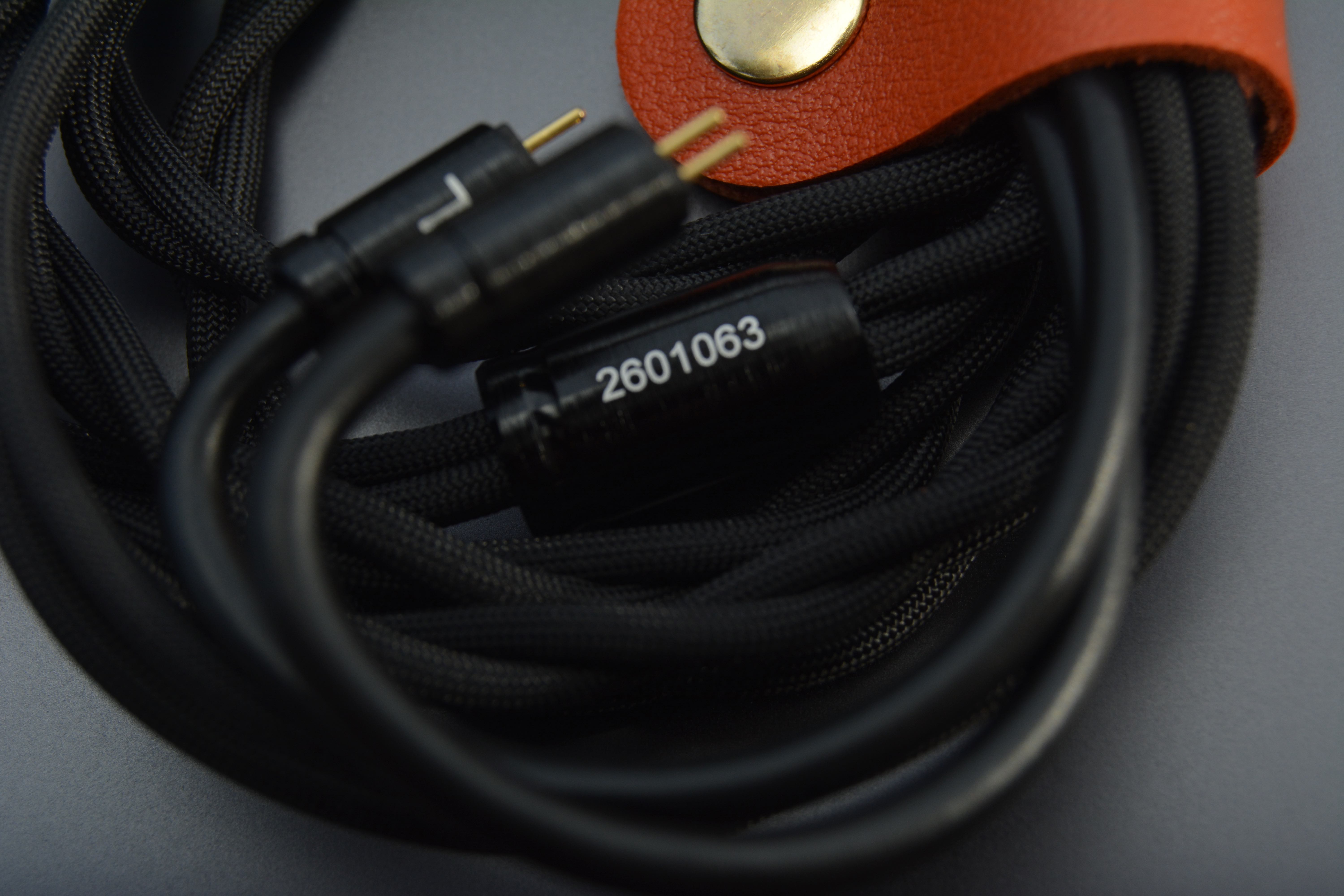
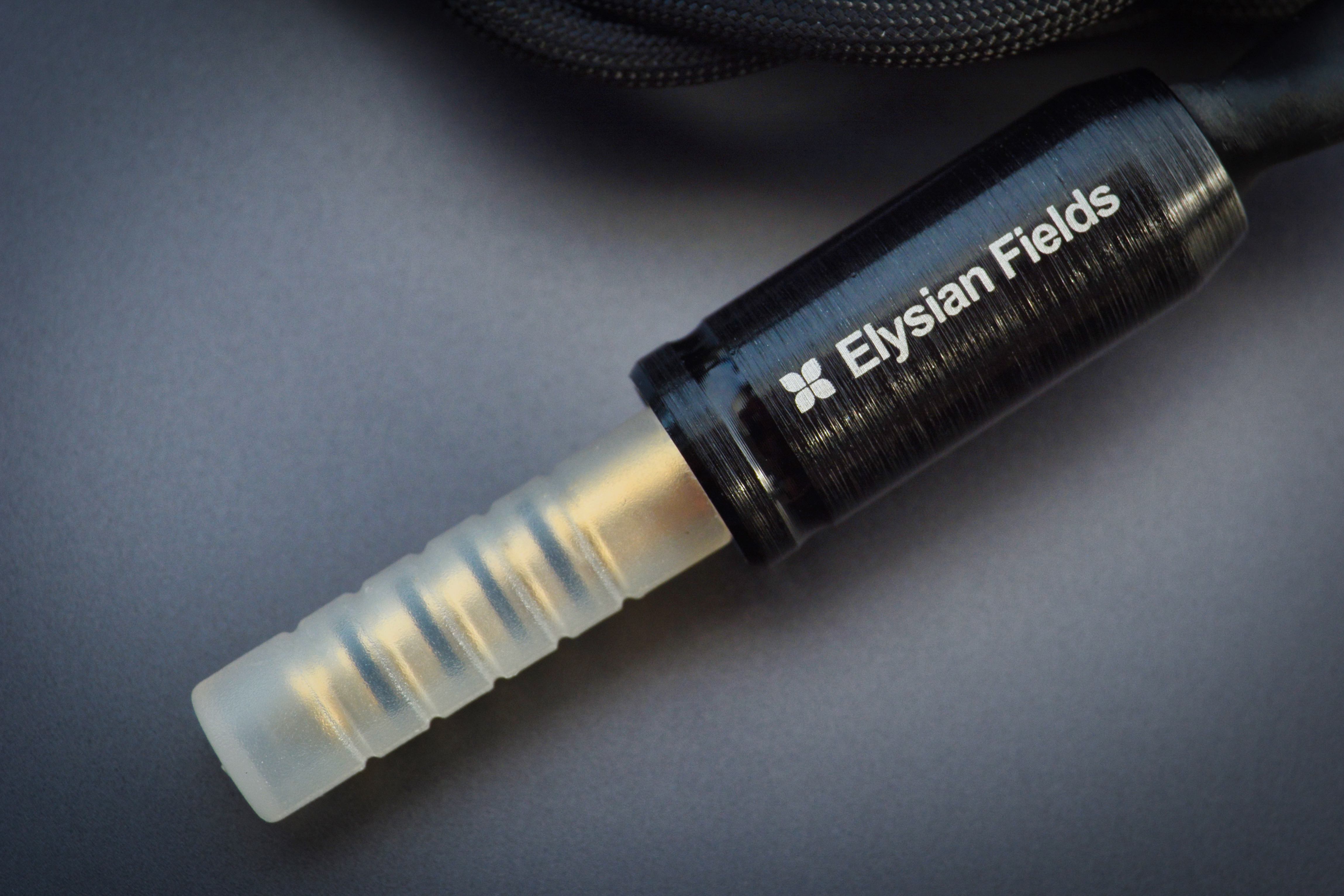
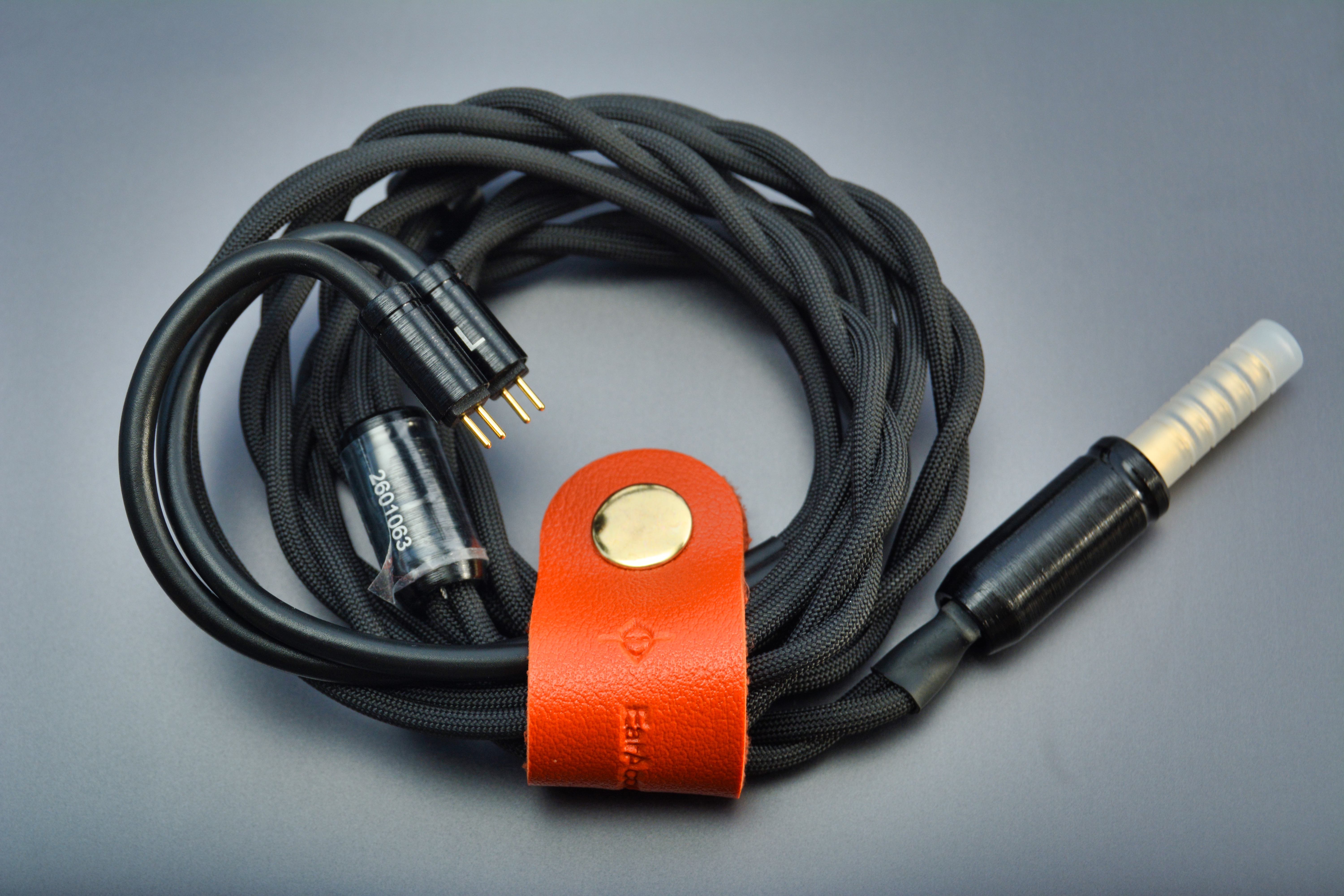
While I really like the silver-plated OFC cable, this is a cable that is different from anything they have ever introduced, even by early TFZ standards. Why? Well for one the cable seems to hold a straightness in demeanor. The black hardware, the permanent 4.4mm plug……then the cloth style jacket. This covering seems to enhance micro-phonics in use. Though when the music is at medium volume or higher we are fine. Though later in the review I will show how this exact cable is meant to be with the 318s in that it goes along with the party to help add to the complete sound we are experiencing here.
Packaging:
One extra pair of ear-tips come attached.
Conclusion:
At 8 grams a piece the 318s is not heavy but it is on the larger side of life. Only everything about the 318s seems to work here, the shape, the nozzle angle and length seems just right. Though due to the vents there is not a whole lot of noise occlusion, then there is the cable micro phonic noise due to transference of vibrations from the cable jacket. Though when the music is playing that noise goes away, especially if that music is played on the medium side of life. Speaking of sound, there is a very special demeanor the 318s walks to where it is all here for the taking, a brilliant tune leaving nothing out of the equation. All is played back with great note-weight, wonderful timbre and better technicalities than you would guess. This forwardness and lack of any bass clutter gives way to the understanding of what EarAcoustic Audio was going for, apart from the previous SPA line. And……there are remarkable benefits from the VSA line too……….yet here the applied focus of midrange imaging and sculpturing giving life to your tracks. Life? Yep a beautiful midrange, a little brighter in focus stance to the V shaped ideas of the VSA line, then a clearer faster more precise bass than was offered by the SPA and VSA ideas. This whole invention really comes together in that there is no confusion or conflict as to the tune being presented. As most of you know this tune as described comes about as highly technical, even though I showed more technical examples in the above side-by-sides. Still none of the other tested IEMs went to provide this mix of elements into just the right amounts……....the amounts of tune and technicalities.
And that’s the thing………….this style of playback goes with everything. Sure the lesser bass and even lesser mid bass + lower midrange thickness actions means you’re getting great pace and a crystal clear midrange….....all the more accessible due to conveniently smooth yet technical highs. This is a style of IEM that needs no excuses in a review.
There is nothing more needed or anything I would want different……thus a perfect 5 score here.
This of course is a little subjective in that a lot depends on what you are after and what your expectations are going in. Yet after 6 days of burn-in the whole signature coalesced into a style of correct balance, that in the end the GENESIS 318s was far better than I at first thought. What this means to you is you have an IEM here that allows you to grasp any genre and find it interesting and fun. That you could go out of a trip and the GENESIS 318s could be all you would need to take. No these are not vocal only IEMs, if anything I would call them warm, balanced everything IEMs that do vocals correctly but not exaggerated. There is this pleasant warmth here that arranges the bass character into this dramatic charm that is way better than I could even begin to describe……..that you buy these maybe due to the great bass, then admire them due to how forward in image placement the midrange becomes….....then love them due to how they go about the trebles, in that there is better treble than is typically found with single full-range DDs. It is this whole package that works here, it works for me and I sincerely think it will work for you too.
Disclaimer: The EarAcoustic Audio GENESIS 318s Universal IEM has had a full 6 days of burn-in.
Disclaimer: I want to thank Penon Audio for the love and for the EarAcoustic Audio GENESIS 318s Universal IEM review sample.
Disclaimer: These are one person's ideas and concepts, your results may vary.
Equipment Used: Sony WM1A Walkman DAP MrWalkman Firmware 4.4mm Sony WM1Z Walkman DAP MrWalkman Firmware 4.4mm AP80 PRO MAX DAP 4.4mm Sony TA-ZH1ES DAC/AMP Firmware 1.03 Electra Glide Audio Reference Glide-Reference Standard "Fatboy" Power Cord Sony Walkman Cradle BCR-NWH10 AudioQuest Carbon USB ifi GO bar Dongle 4.4mm
Hello, When you are talking about EarAcoustic Audio releases a slight confusion comes to mind. Why? Well they as an IEM company release a few IEMs yearly. Sure most of the time you get more than you pay for……and that is not sales talk……except talk due to personally reviewing around 14 of their releases, I have learned about the EarAcoustic ways. Where in actuality the scale of technicalities follows the money trail, more money spent, more realism arrived at. Now each listener decides for themselves what is real or not, or at least which of these frequency response curves tells a tale they want to accept as real. This is due to such sonic closeness of IEMs, they are right in your ears, and there is no way to interpret the FR curve other than what it truly is. You could be described as listening through a magnifying glass……everything more upfront and real/vivid.
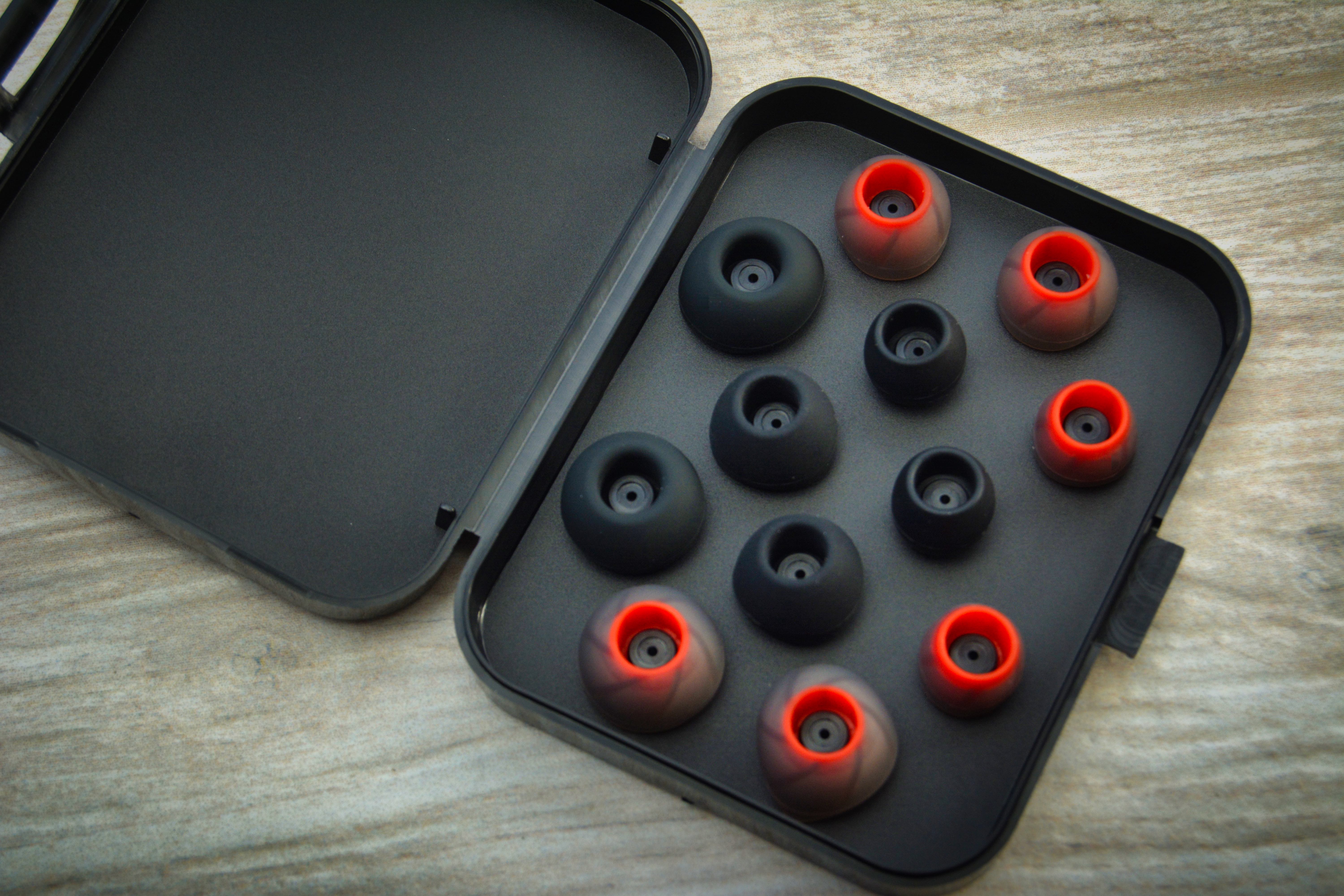
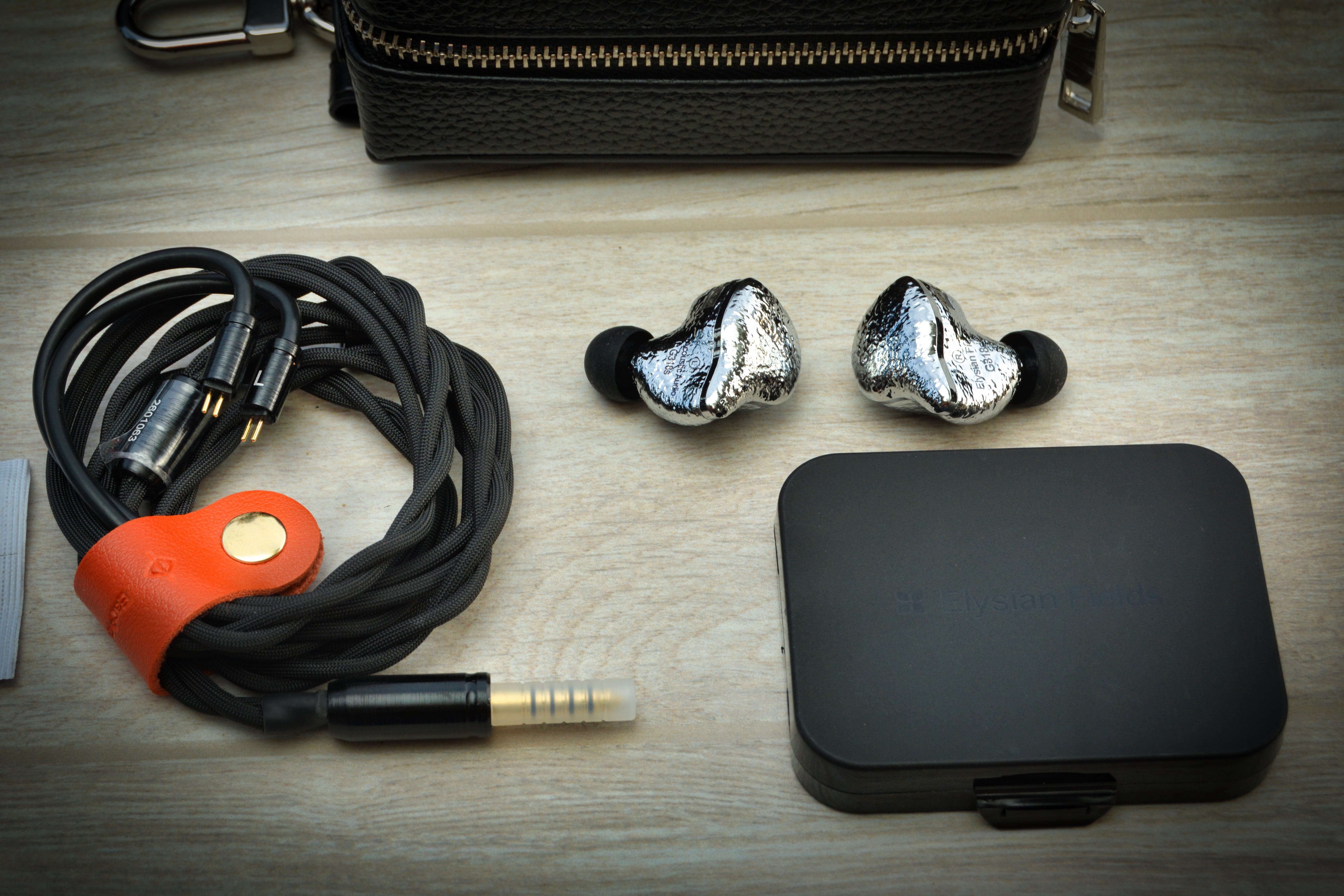
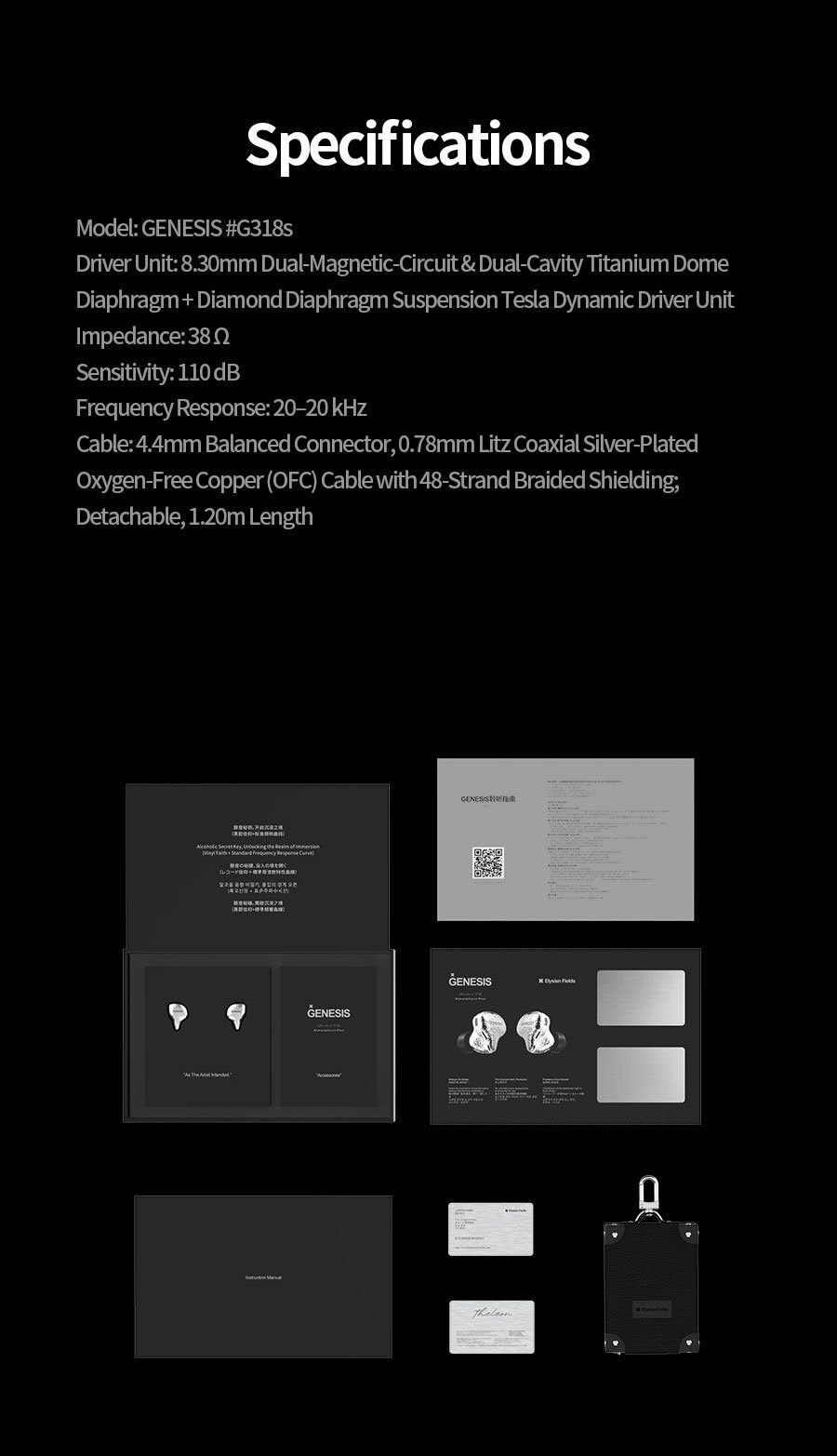
So even within the past 8 months I have blended more with some EarAcoustic releases, and with others less. Mainly this has to do with treble intensity. Where I absolutely loved the $99.00 VSA-V1, but shunned the VSA-MAX a little. And the MAX is $149.00……..it is just the lesser cost V1 is smoother to my ears. Now with the introduction of this new Elysian Fields line we are seeing both the TOTL shells reminiscent of the $849.00 PM Crown or the $429.90 SPA Limited Edition..................come into pedestrian territory at $249.00. This new GENESIS #G318s is about the future here. Gone is a lot of that expensive packaging, yet what is included has a special flavor. Yep, cool case, really cool cable and a selection of ear-tips……….and that is about it. OH? You get a cable tie too. Only studying the cable you can find each one is individually numbered, has all metal hardware and is a totally new departure for EarAcoustic Audio, as far a cloth-style jackets go.
Sound: Here we are given a style of middle of the road as far as tuning, only that middle gives way to the best views of what’s going on. Vocals well separated yet not too forward here. Extra bass with a dose of mid-bass and sub-bass, climbing into a provocative midrange yet here is the riddle, the treble, showcasing an timbral accurate treble, with just enough energy to make it both inviting but not hot. Where I typical full-range DD fashion we are rewarded with extra connected cohesiveness.......and note-weight.........only the treble is not boring one bit. The reasoning I guess is that after all these products EarAcoustic is learning how to refine their IEMs, and give you slightly more than you would expect? Though it is the lesser packaging extras that they have done away with in order to focus on what you really need and are subsequently looking for.
The treble is smooth yet well defined, creating this event of imaging way off to the sides of this tall/wide and deep large stage. Now when I say large, it isn’t the extra midrange expanded largeness due to frequency, no this is more down to earth and wholesome, really the whole signature is wholesome in that all instruments sound perfectly natural. I’m using the Kiwi ears back wide-bores………I then switched to the included wide-bores. And being that they are black silicone and relatively the same design, they are pretty close……so close it could almost cause confusion when placed together, yet the Kiwi ears black wide-bores have a slightly more polished upper midrange/treble stage in my opinion?
At just 8 grams each the GENESIS is not heavy or low weight. Yet the new black black ear-hooks are just right, really this custom universal form factor is the gift. Referencing 1000s of ear-shapes the shape just seems to work, at least for me anyway? A little smaller than the PM Crown, yet I really feel these will fit most people, And the magic to this IEM you ask? It is probably in how the GENESIS #G318s carves the stage, into that it isn’t trying to be the most defined IEM, yet 100% musical and clear.
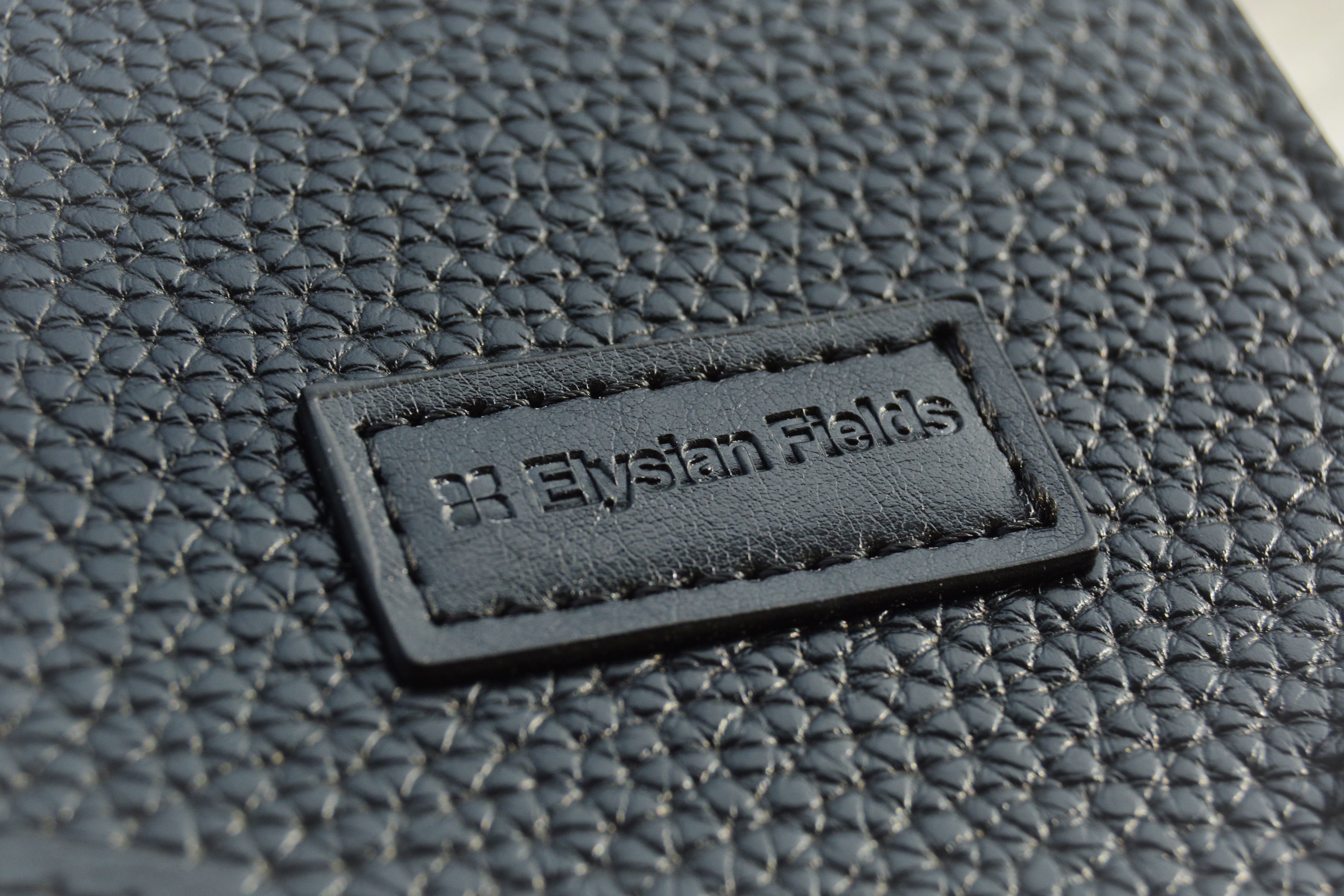
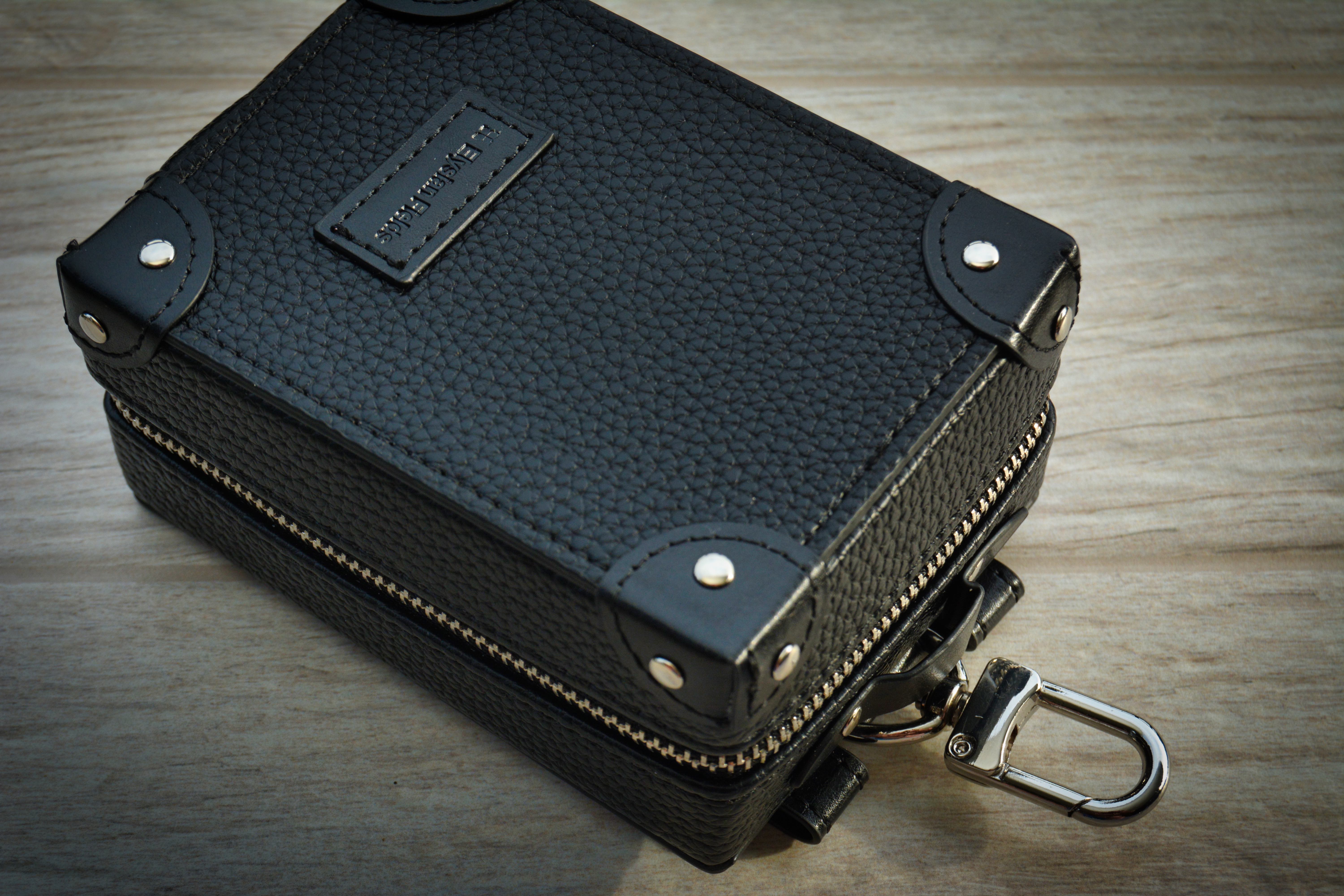
In hindsight, EarAcoustic Audio went full-tilt on this case, the nicest EarAcoustic Audio case ever. The case is the largest ever.. plus it is lined and has an inner pocket, plus the extra latch allows you to wear it off your belt…….how cool is that?
So to summarize here, great thick images, note-weighty and well defined detail yet detail is not to the level of BA examples, yet the cohesiveness and honesty of playback results in better in some ways results. Great case, great soft, not tangly cable. And finally cool looks, especially the X style breather holes.
The end of first impressions:
More comparisons: Penon UNIQ v the 318s: Trying both back to back, the first main difference is the UNIQ is way, way smaller, like at least 30% smaller.......or more. The UNIQ is small, and even though doing the review I didn't notice just how really small it is.........but it is. In sound the UNIQ shows itself to be better separated in imaging offing an upfront stance in every frequency band, where the GENESIS G318s is more laid back. This slightly relaxed statement in sound from the GENESIS produced lesser mid push with events holding a more close together generation, also the bass is less dramatic in how the GENESIS walks always. After 4 back and forth changes the UNIQ is simply more projected, even more detailed with larger imaging farther away from each other. So you can imagine the UNIQ stance of forward mids then goes to affect every other frequency position, in that there is a milky softer mid bass stance the GENESIS shows to become more prominent due to balance. Where maybe due to this UNIQ separation of everything this softer GENESIS seems like it may be overall smoother. UNIQ extra imaging vocals come off more separated and of more detail, but in the end the GENESIS is a tad smoother in vocals at any volume used. And while stage of the UNIQ is forward and imaged better as well as both IEMs holding comparable right to left stage size in the end. Timbre is the same too.
The EarAcoustic SPA-Pro v the 318s: Remember I said I am always rooting for the underdog IEM. Well priced at just $99.90 the Pro is just that. And some blended with the less showy metal shell faceplate and resin build. Sure we get a slower 11.4mm full-range DD, only lets see what else happens with this tune in comparison to the 318s? At 5 grams each we have a lower weight example, plus the Pro is smaller. I’m using the 318s included cable and C04 silicone ear-tips with the WM1A DAP.
Pro: In so many ways this final review is what the GENESIS 318s is about, in contrast to EarAcoustic Audio’s prior releases. Here this could be of value to folks just wanting to get into the EarAcoustic sound, yet maybe they don’t want to spend a lot, and the Pro offers such an experience. Or they have the Pro already but want to experience what going up line to what a more money purchase may offer?
Pro: That the tightness of bass with the Pro was better than I remember, which made me pull out my original Pro included cable, which only came in 3.5mm. So I’m using both cables to test this comparison. That there is both more bass to the 318s yet there is also a thickness and pull back of treble and upper midrange lofting the Pro contained as one of its personality traits. What comes out the other end is a style of clarity, where the Pro showed a style of clarity due to boost, here with the 318s we have a more smooth yet detailed in sculpture full throttle advancement. In that these two IEMs could be thought of as complementary, only once you truly get an idea of how the 318s goes about its day, there may be no need to ever visit the Pro again. The lightness in Pro playback is replaced with more real ideas, with a dash of increased technicalities which while the Pro stage is darn good, the 318s is designing an example of better realism and sculpture, that added to a tighter bass and cleaned lower midrange and mid bass bordering on all you would ever want or need. Yep, the sculpt of images makes my day with the 318s.
This 318s realism is found with farther itemized, slightly darker......yet full of note-weight and midrange replay. This removal of the extra Pinna Gain the Pro used to get an idea of clarity is replaced by a darker real clarity (and image density) that seems to leave nothing left out? Tight bass and a fun darker smoother more contrasty 318s example of the reason you listen to IEMs in the first place. And that is the thing, I thought the Pro would be brighter from the included 318s cable, where truly the provided 318s cable has better note-weight than the original Pro cable it came with. That leads me to believe part of this replay magic of the 318s in included by what the slightly micro-phonic cable does. That the included cable is part of the keys to our success in tone.