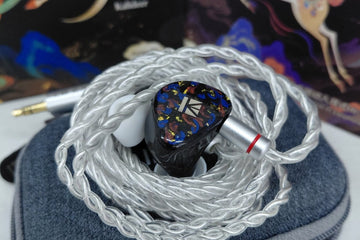
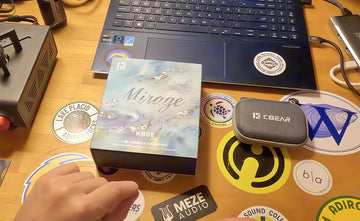
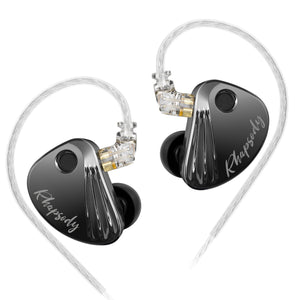
Great box opening experience Aluminum Alloy build weighing 8 grams each, and custom universal shape fits inside ear Amazing performance from just a standard phone, but scales with improved sources Big sized sonic immersion with a warm musical tone Realistic natural timbre and image positioning, in a way better than Hybrids Dramatic subtle V shaped swagger Built like a brick schiit house Seemingly balanced, even and complete tonality, having all bases covered Not too bright in the highs, but enough to get details Vocals are right in place, not too back to issue boredom, or too forward like a vocal-centric IEM Stage is grand in a forward to back way, top to bottom way and out to the sides Big analog replay, closer to speakers in a room or full-size headphones in stage
EarAcoustic Audio SPA-Pro Max Universal IEM Redcarmoose Labs July 19th, 2025
A few of the Silver Angel Series by EarAcoustic Audio have been produced, 13 to be exact! Yep, they (EarAcoustic) have gone and stuck their proverbial neck out, making a boatload of IEMs. The SPARK series centers around a 11.4mm Dynamic Driver and the STAR series have a 10mm and a 6mm combination. You may be wondering if there is much difference between these different IEMs? I mean why would they offer so many? Well realistically the (TFZ) The Fragrant Zither Company/EarAcoustic Audio can saturate the IEM market that holds many different price points, as some want to pay under $50.00 and some want to get the extra sound quality by spending the LE cost which is the TOTL priced at $429.90. In this review I will go over how spending more for the DAP/Dongle you ultimately hook your IEM to makes a difference here. So it is a combination of Source and IEM that add to the music replay being closer to what you want or more realism here. Many people guess that the IEM you choose makes more important end-results in comparison to the DAP, or other source you use? I beg to differ in that I believe everything in the signal chain has an influence here. And coming in at near the end of my (first run) of EarAcoustic Silver Angel Series as this is my 9th EarAcoustic Silver Angel Series review. But have no worries as there are more EarAcoustic IEMs in the form of the EarAcoustic Audio VSA series, yep more added IEMs to the line.
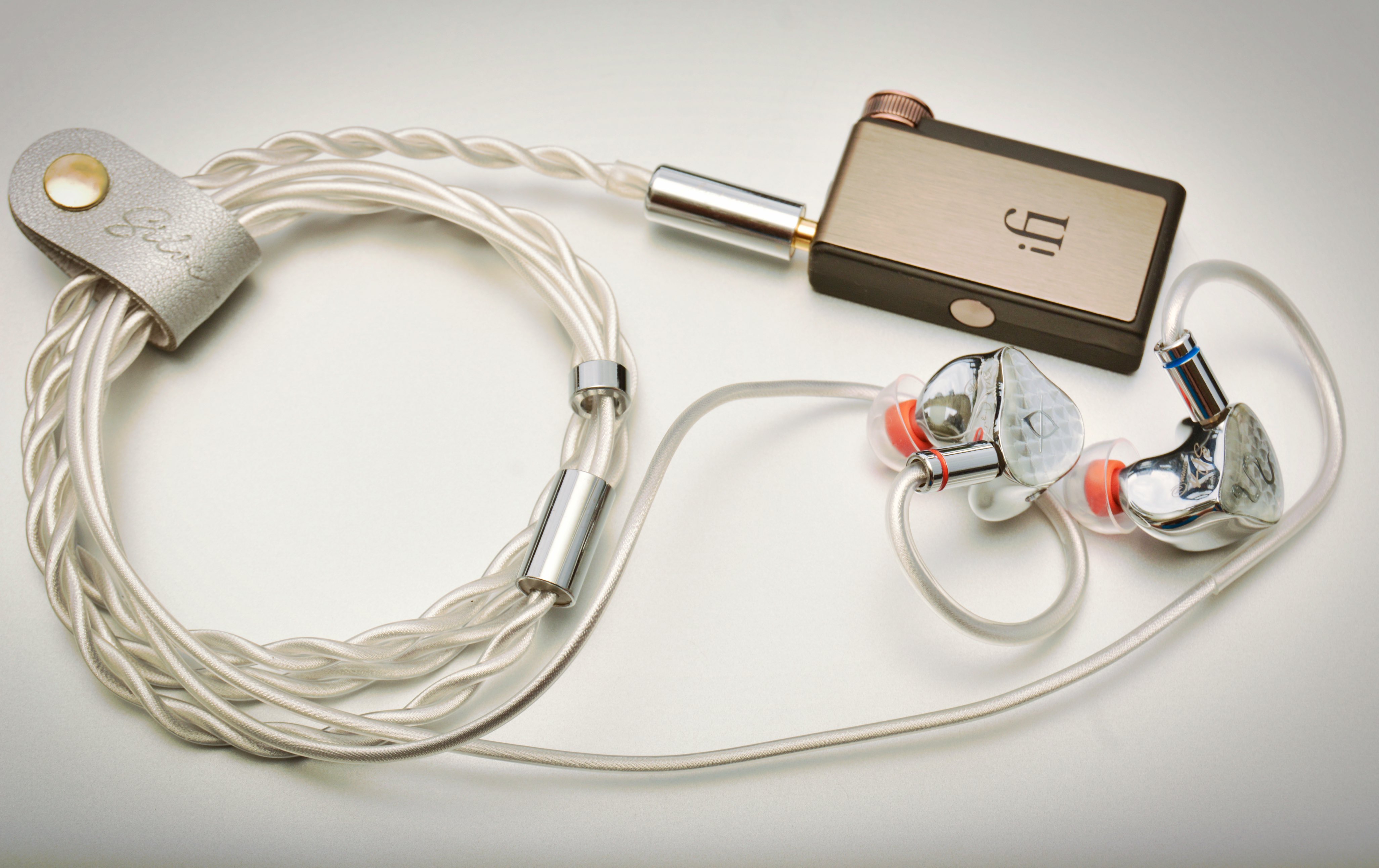
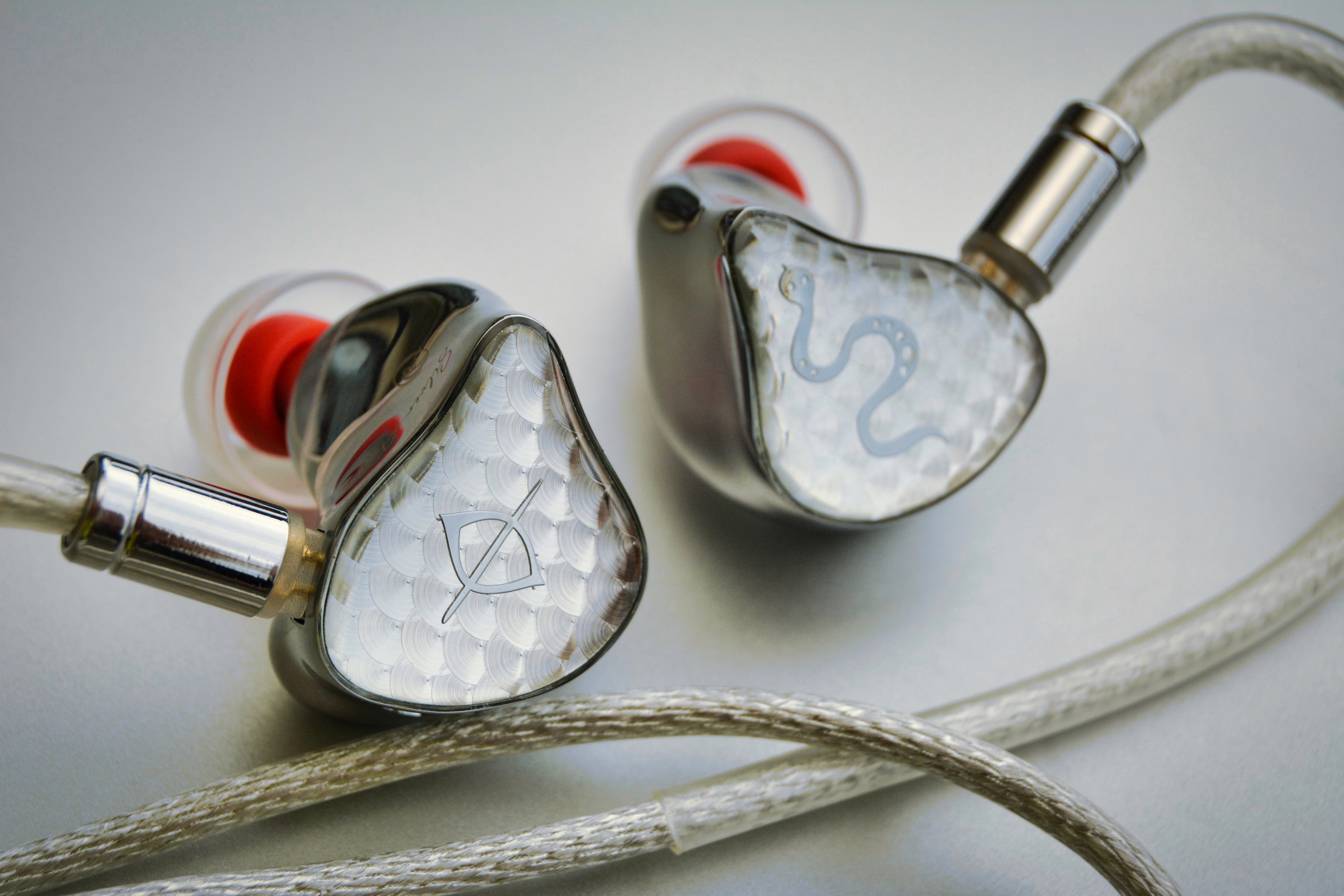
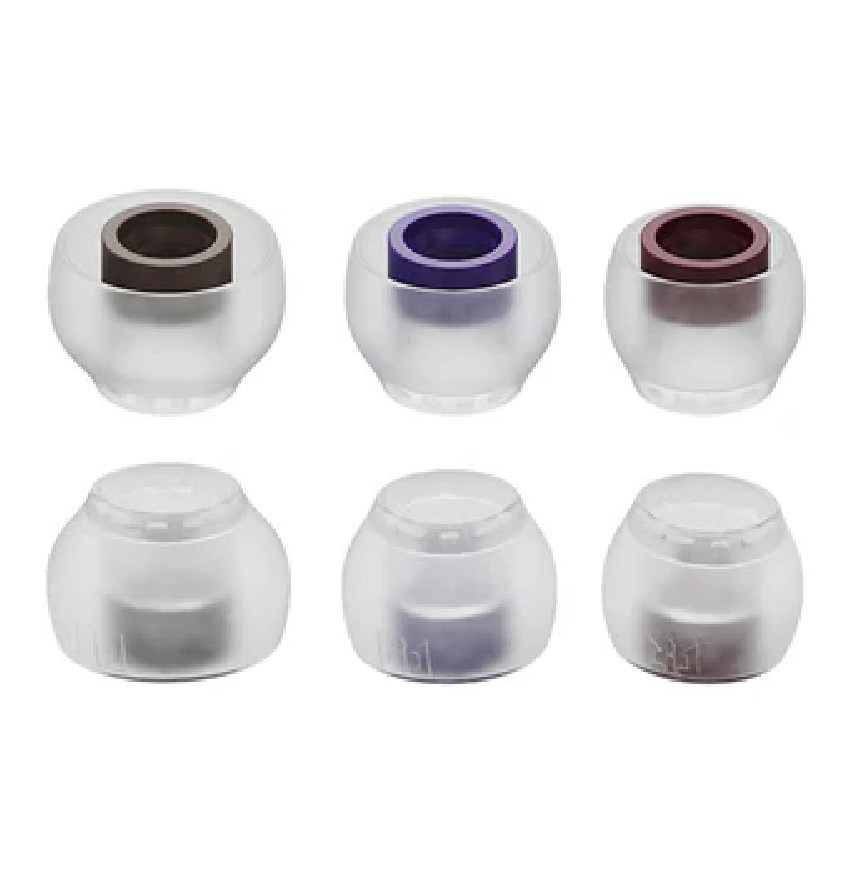
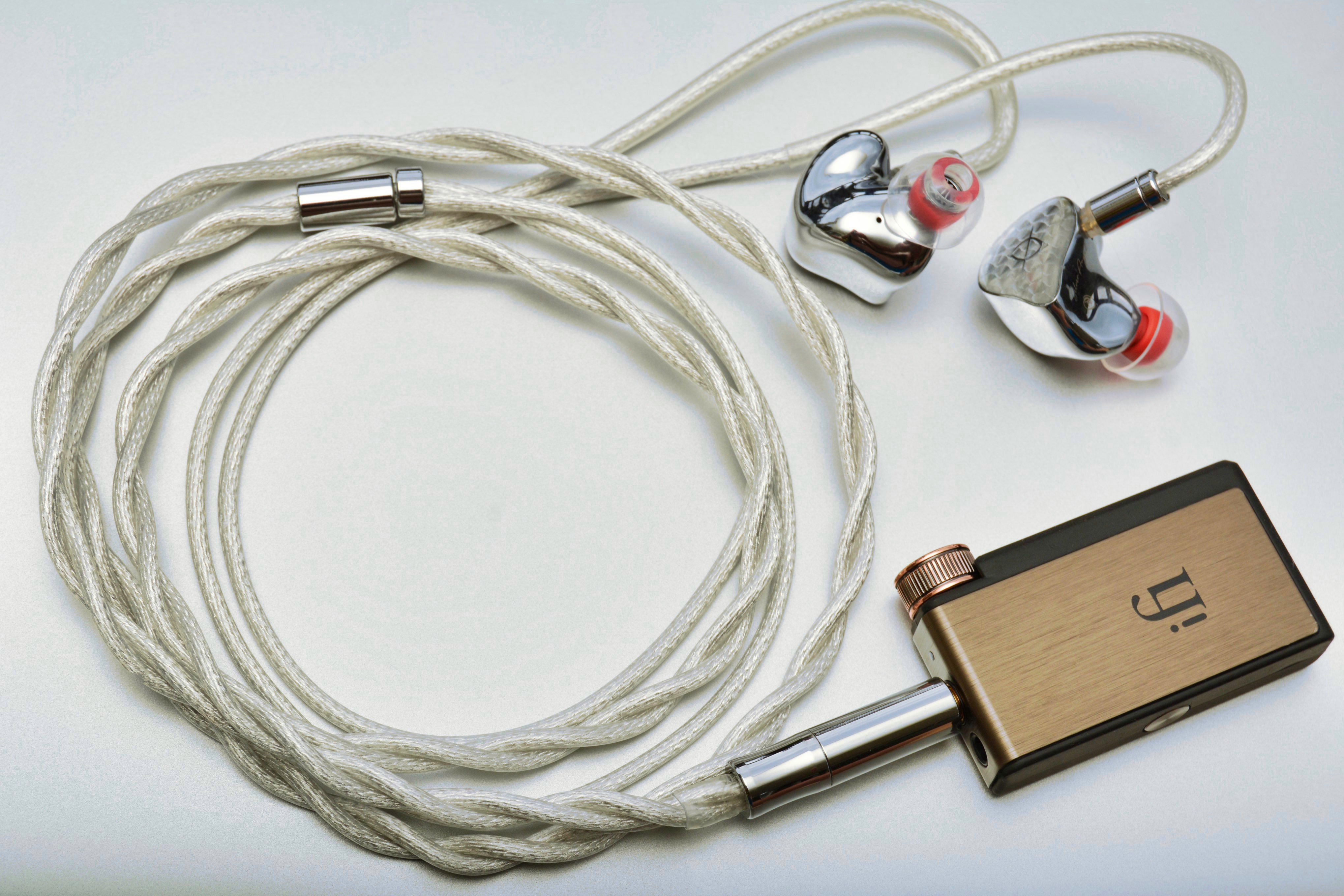
The EarAcoustic Audio SPA-Pro Max with included cable and Penon PAC LS tips, and ifi GO blu.
Company product explanations: You don't have to read this product list section, save your energy!
SPA & STA Style Explanation: 1. SPA series compared to STA series overall style has a slightly richer, more intense atmosphere.
2. PRO series are more professional, more pure tone and higher reduction.
3. The Hi-End suffix has a stronger sense of atmosphere and higher hearing tolerance.
4. Ultra and MAX represent the need for higher thrust combination, more rich sound.
SPA & STA Process Explanation: SPA-Hi End / SPA-Pro: 3D Resin Printing + Precision Spraying
SPA-Hi End Ultra / SPA-Pro Ultra: Zinc Alloy Plating + CNC Post Treatment
SPA-Hi EndMax / SPA-ProMax: 5-axis CNC process for aeronautical grade aluminum
SPA series products are standard 0.78MM double pin LITZ coaxial cluster oxygen-free copper + silver-plated wire combination replaceable line.
STA series of products are standard with 0.78MM double pin oxygen-free copper + silver-plated wire combination replaceable line.
STA series of products are standard with 0.78MM double pin oxygen-free copper + silver-plated wire combination replaceable line.
STAR Series: STA-Pro: STA-Pro Ultra: STA-Pro MAX: STA-Hi End: STA-Hi End MAX:
SPARK Series: SPA-Pro: SPA-Pro Ultra: SPA-Pro MAX: SPA-Hi End: SPA-Hi End Ultra: SPA-Hi End MAX: SPA-Limited Edition X 2 (Different shell surfacing)
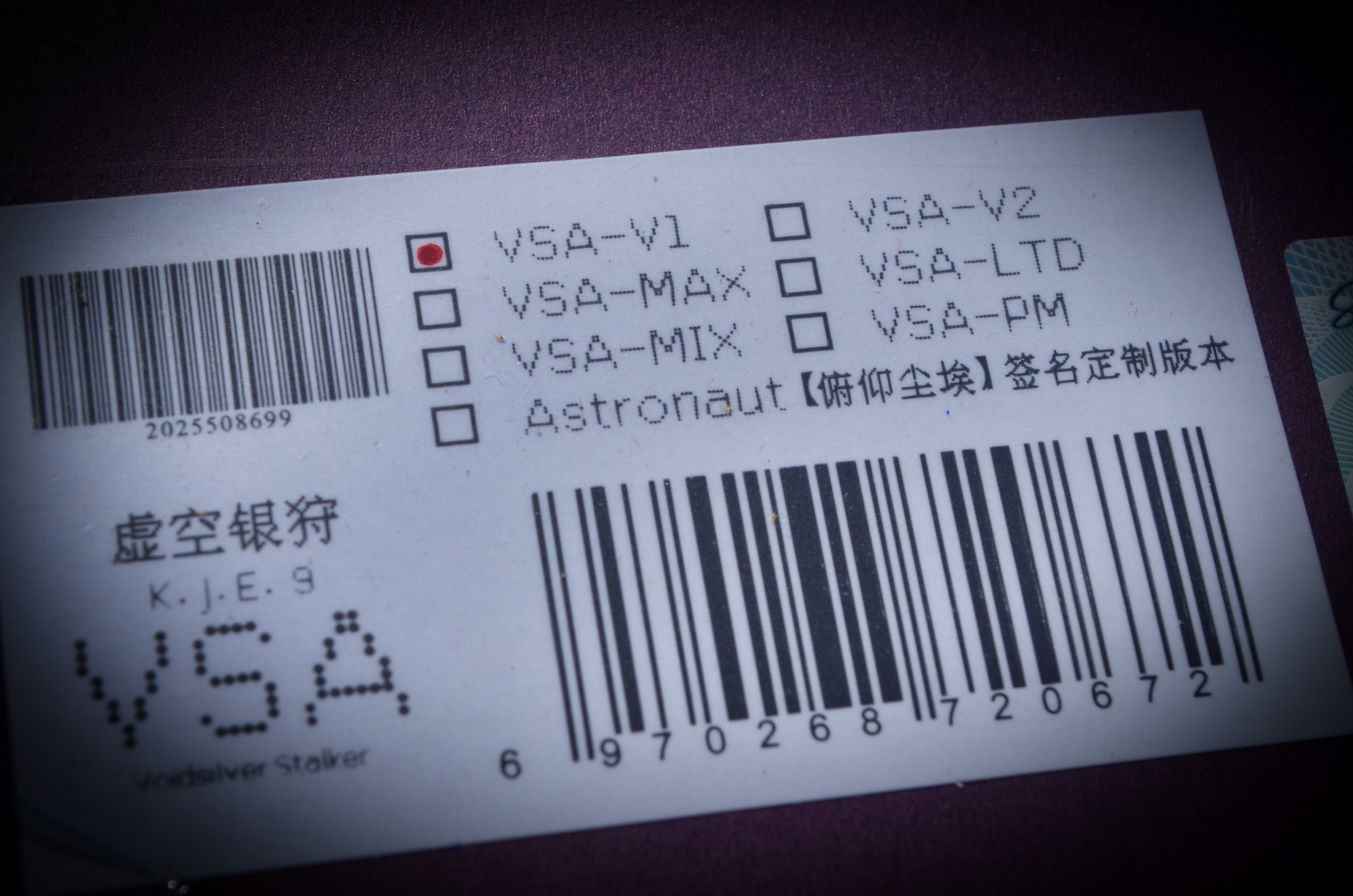
New Vocal Sweetness Amplified Series 1) The VSA-V1 2) The VSA-MAX 3) The VSA-Mix 4) The Astronaut (????Haha) 5) The VSA-V2 6) The VSA-LTD 7) The VSA-PM
Crazy selection: To try and simplify all this craziness I would say get the 5 gram each resin shell and Zinc Alloy faceplate, getting an entry into the SPA series at a simple $99.90 for the SPA-Pro. If you want to spend more, more to go to the next level, get this one the “SPA-Hi End MAX” if you really personally identify with the sound statement and have the spare cash on hand get the SPA-Limited Edition. You see I like the SPA series slightly better than the STAR series, but that’s just maybe me?
The EarAcoustic Audio LE versus the EarAcoustic Audio SPA-Pro Max: Here the easiest way to understand the differences is extra LE vibrancy and tonal extras! This specially was noticed in the treble and upper-midrange to come about inside a form of definition and LE detail. At 429.90 you may expect such differences, though one thing I noticed was a more 3D Limited Edition personality. This started in noticeability in the upper midrange being the midrange as extra detail and realism…………….
The EarAcoustic Audio TOTL Limited Edition.
Sure the LE is $429.90 and the SPA-Pro Max is $219.90. Only what do you get for your extra spending? Weighting the two back-to-back we find out they weight exactly 8 grams each, both of them do. And being CNC constructed from Aluminum Alloy together we can understand this similarity.
Yet the (the other) Zinc Alloy SPA-Hi End Ultra has the same size 11.4mm DD, only it weighs 14 grams each.
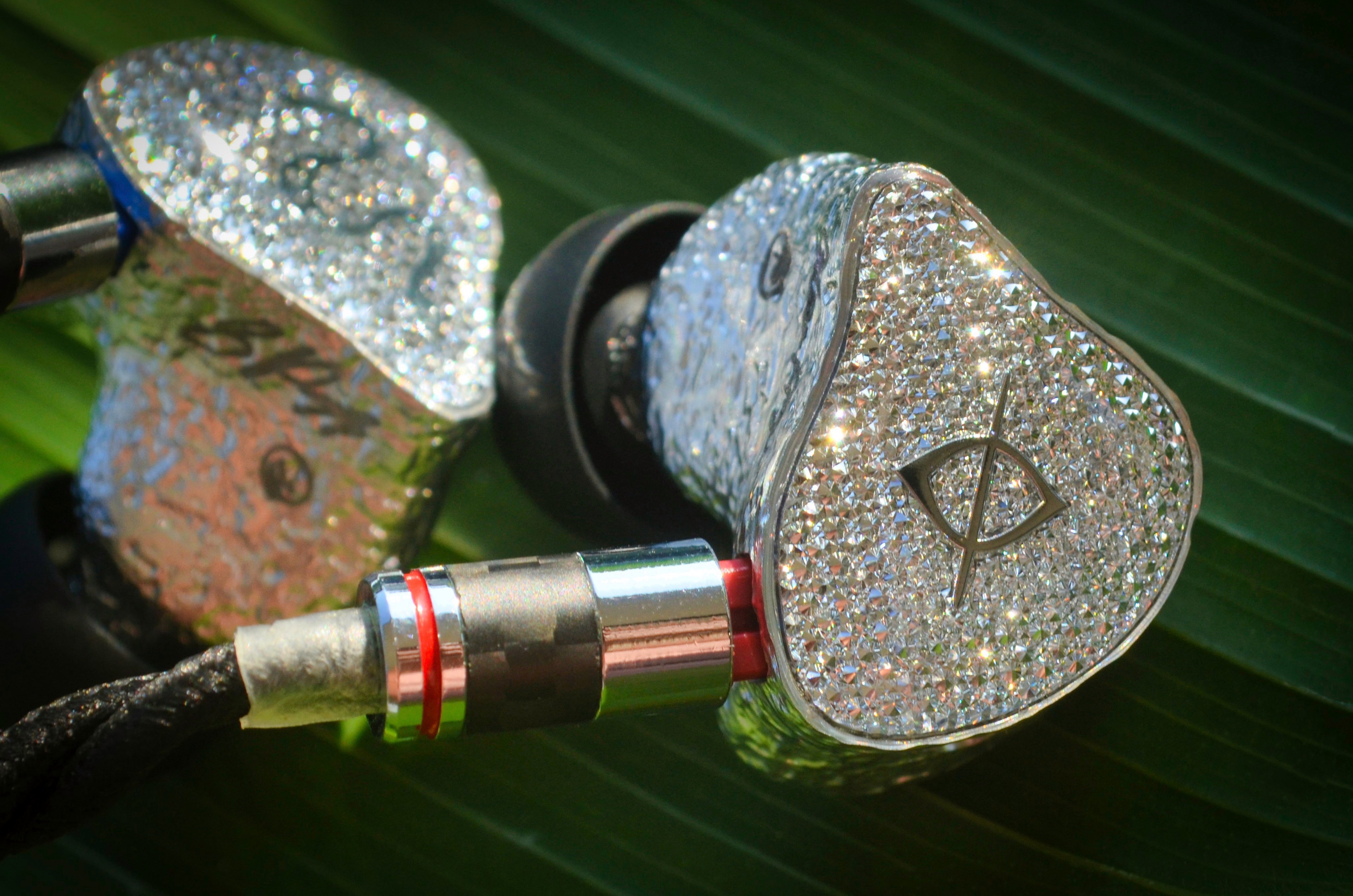
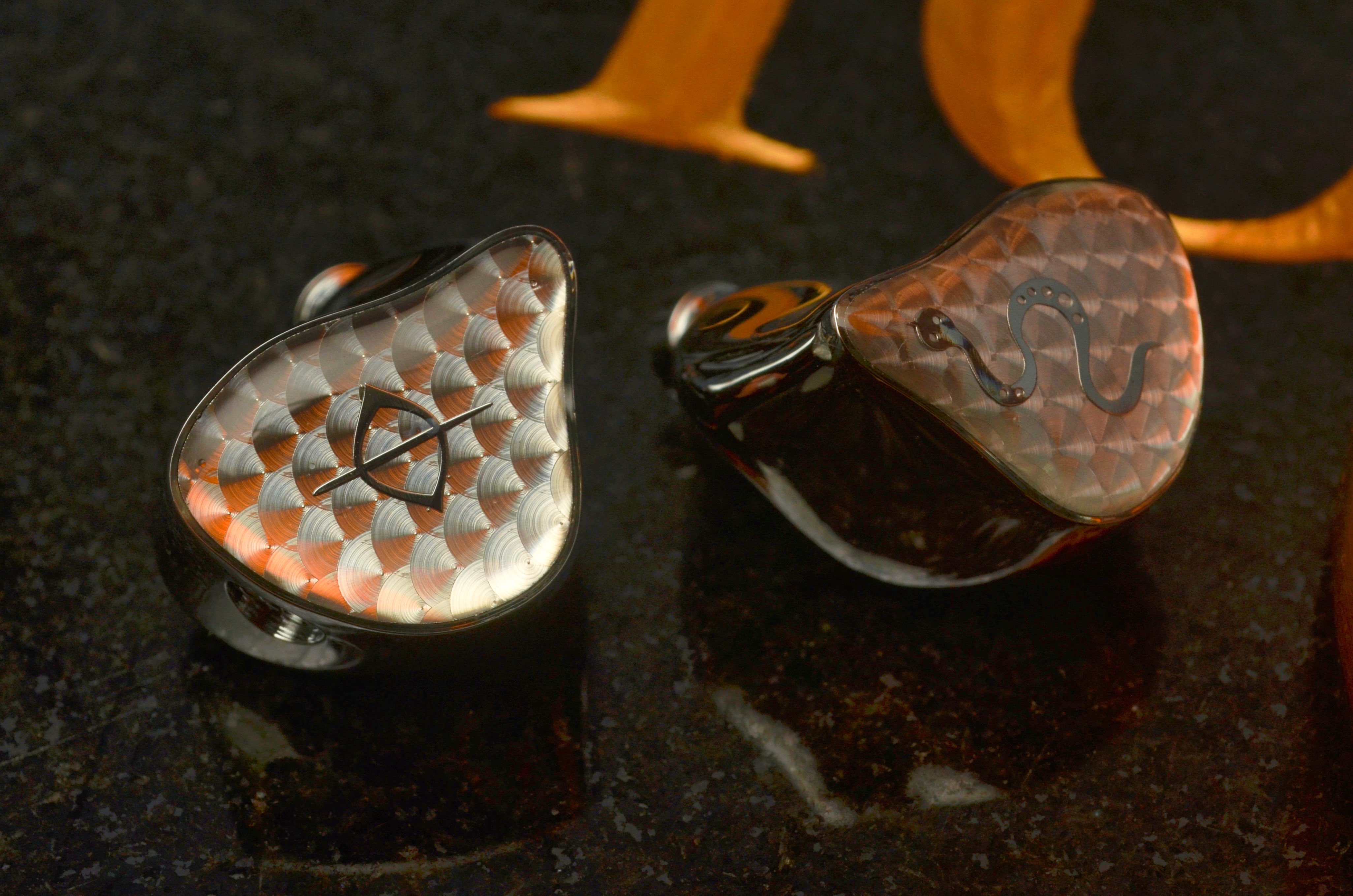
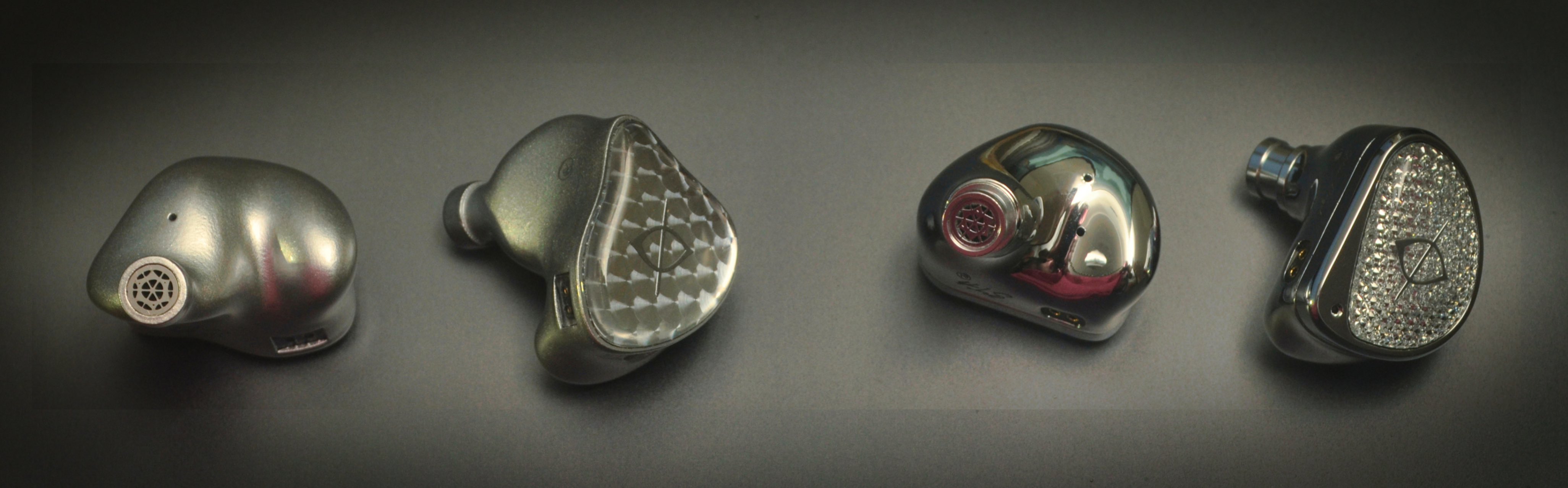
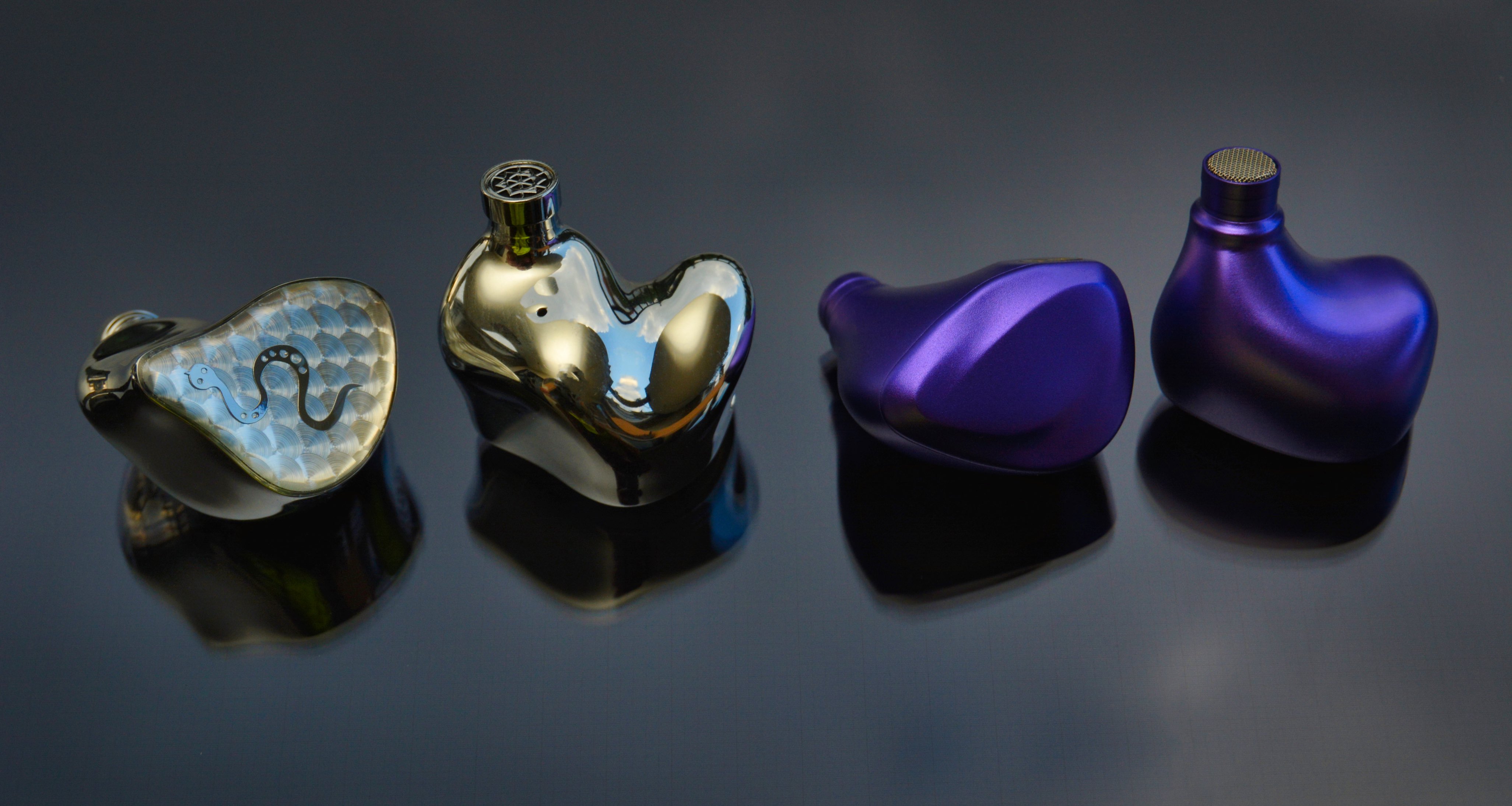
At first I thought this SPA-Pro Max today was downline from the Zinc Alloy SPA-Hi End Ultra, then I checked the price. The SPA-Pro Max is $219.90 and the Zinc Alloy SPA-Hi End Ultra is priced at $189.90. It is just the Zinc Alloy SPA-Hi End Ultra sports a diamond sparkling (expensive looking) faceplate, and the SPA-Pro Max does not. This downplay of visuals could in fact be an attribute for you, if you found the sparkles too much. Realize that the Zinc Alloy SPA-Hi End Ultra and the TOTL LE edition share exactly the same faceplate. Such a Limited Edition actually has two variations, with one (mine) offering a crinkle shell, and the other Limited Edition having flowing lines.
Though back to the SPA-Pro Max sound, you have to realize all of the SPA series has a 11.4mm full-range Dynamic Driver. Only the differences are what EarAcoustic chooses to lay on top the driver material. Yet to be overly clear here of the three in the SPA-Pro series, the entry SPA is the only one with a resin 3D shell and costs $99.90. The Max here today is the top of the SPA-Pro series.
Back to the sound, remember it is the combined effects of the source and the IEM which produce the sound. Yep, that could be a given effect, only at times we as humans tend to judge IEMs just by themselves and forget about the source sound. What I’m getting at here is even the TOTL Limited Edition was only so good from the ifi GO blu Dongle in LDAC. So when comparing the LE and the SPA-Pro Max sound, taking the SPA-Pro Max sound over to an Audiophile DAP like the Sony WM1A increased stage size and added depth to the imaging separation.
Amazingly it is of similar effect (to upgrading our source) in how the Audiophile DAP goes forward to help blacken the background and showcase deeper more itemized bass, showing sculpturing clarity from SPA-Pro Max! This is a feature of end-sound ability that is regularly understood among audiophiles, that you can upgrade your source or use a lesser source with a better IEM to gain almost equal results. Also it depends on the usage scenario! Meaning maybe you want to go on a short walk outside and use the ifi GO blu sitting in your shirt pocket? Maybe you’re taking a four hour plane flight and would rather have the Sony WM1A DAP in use. Just remember that taking a DAP into use fully updates the SPA-Pro Max, changing the stage, and bringing contrast elements and special 3D delineation into SPA-Pro Max playback, often replicating (close to) the sound quality of the ifi GO blu with the Limited Edition.
So to summarize this sound experience here, both the SPA-Pro Max and the LE were great from the ifi GO blu Dongle, but the SPA-Pro Max had extra room to gain sound quality from switching to an Audiophile DAP over the ifi GO blu Dongle. Still as you can see in the pictures here, I still loved the GO blu Dongle in use. And it goes without saying that the Limited Edition gets a sound quality bump into 3D textures and detail when also used with the WM1A. Here the very best way to describe the SPA-Pro Max and LE differences is that when driven by the Sony WM1A, the LE just seems smoother and both smoother and slightly more realistic. So yes, the stage with the LE is bigger, but along with that there is an upper-midrange and treble that are both more detailed and smoother to the Limited Edition. You get what you pay for here.
SPA-Pro Max and WM1A: Even though I don’t show it, I will be using the Sony WM1A Audiophile DAP to judge the qualities of the SPA-Pro Max in the music section to follow!
Music: Here I am using the Sony WM1A Audiophile DAP with the SIMGOT AUDIO LC7 cable and Penon PAC LS ear-tips.
Kaveh Cohen, Michael Nielsen Forza Motorsport OST Fate 44.1kHz - 24bit
Timestamps only pertain to digital file, not video.
So here I’m using a song off this album that I normally don’t use for reviews. Here I just heard it randomly after a few sound tests, and the original song for testing played, and Fate just followed. Fate is a small word with big meaning, and you could call it Fate, if you ended up purchasing the SPA-Pro Max and not the LE IEM. You see if you had never heard the LE the SPA-Pro Max would still be just as involving and detailed, that only after side-by-sides it becomes noticeable that the LE gets you 10% more detail and stage definition, along with an extra slight boost in realism. If those extras are with the diminishing return of 2X the money so be it. Though of value, and the understanding of purchase value, I really like how I was tricked by doing the LE review a while ago, then me thinking the Zinc Alloy SPA-Hi End Ultra was above the SPA-Pro Max? This is a given level of confusion being that this is my 9th EarAcoustic IEM review, with the new brighter EarAcoustic Audio VSA-V1 on the way here to Redcarmoose Labs, and the outstanding EarAcoustic Audio STA Hi-End Max 10mm X 6mm to follow this review!
As such we have an amazing level of musical involvement here. Call me choosey but to be upfront I like the EarAcoustic Audio SPA series a little better than the STA series. SPA stands for SPARK and STA stands for STAR. Where both IEM designs have their strong points and weaknesses, the SPA is a little more authoritative with the bass being it is generated by a 11.4mm driver. As such the bass can be ever so slightly lumbering and holding this small lack of detail that the 10mm DD of the STA series has no issues with normally. And while there are soon to be a total of 5 total STA’s..........that I have covered, there seems to be more of a sound range in personality. Meaning EarAcoustic Audio went and figured out a way to make the STA series more diversified, making an STA edition that is darker and an STA edition that is brighter. The next EarAcoustic Audio STA Hi-End Max (I am to review) seems to be very middle of the road, and holding even better technicalities which I will go over in my review. The STA Hi-End Max at $89.90 is the most expensive STA I have reviewed so far.
What does this have to do with the sound of the SPA-Pro Max? Well to tell you the truth, I simply like the bass better about 90% of the time. While it is slightly less technical at times, it makes up for that with added physicality over the STA series and (to me) a dose of extra musicality.
Fate: Before I get down to the nitty-gritty with the Fate song I also want to mention my cable choice here. Penon is a cable manufacturer and has a broad history of making some of the best cables for the money out there. I have heard my share of Penon cables, and the later part of this review will be bringing in the new Apex cable to show how if you spend more on a cable, at times it too can upgrade the IEM and Source sound performance.
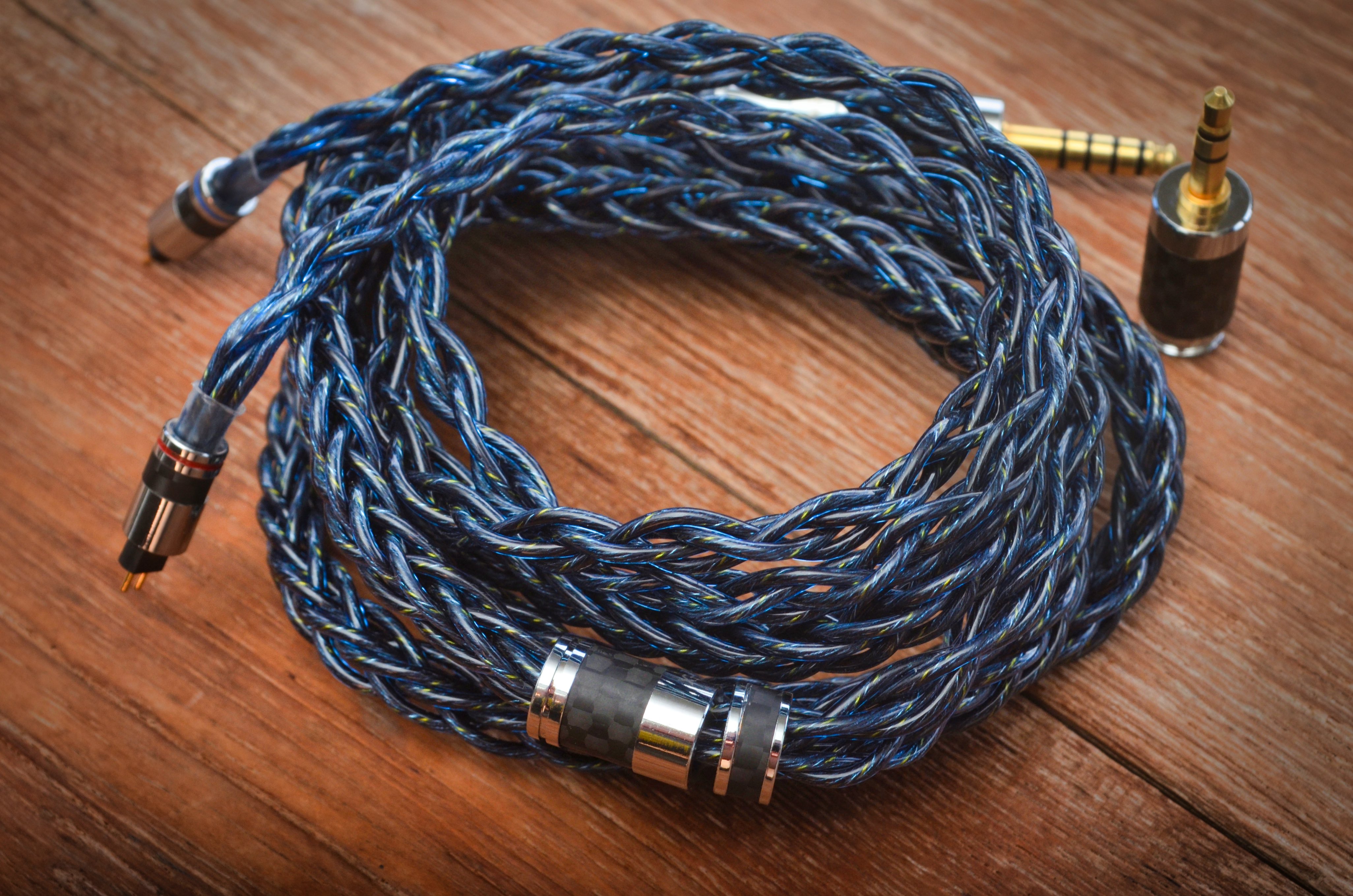
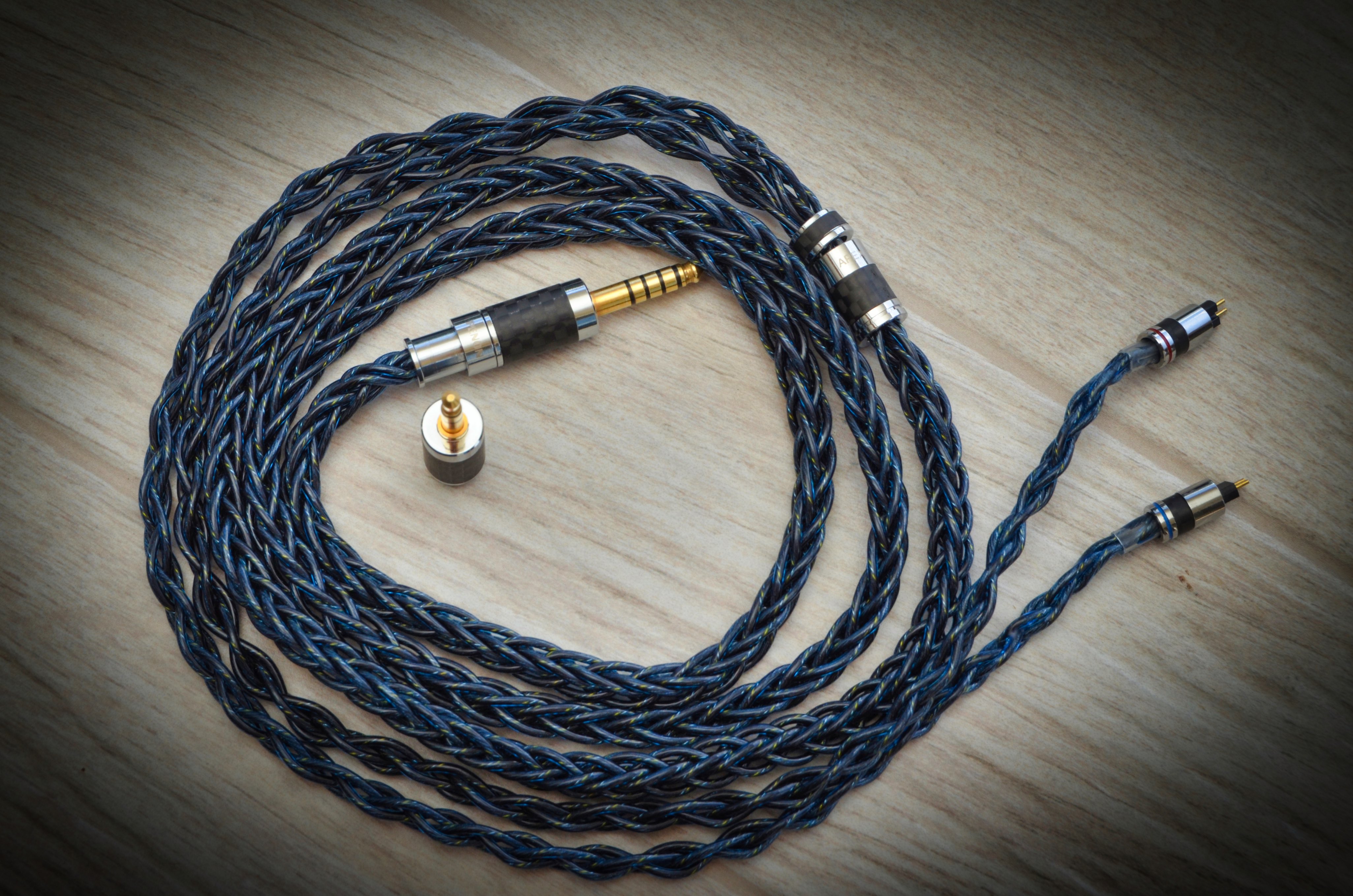
This Penon Apex cable is coincidentally the exact price of our SPA-Pro Max today, unless you get the offered 2nd extra material plug, then the price rises by $40.00.
So here I chose the LC7 only due to it not coloring the sound and offering a smooth upper midrange experience as well as added lower midrange stage and tone girth, over the included cable. All this talk about different cables, and we will get to the included cable, the only thing is normally I use 4.4mm connections to access the balanced amplifier in my DAPs, and the included cable only comes as 3.5mm.
Fate: Could this even be considered a real song? At only 02:35 it is short, but has its uses in providing a backdrop to video game racing. This style of music is great in that it still holds wonderful IEM testing elements, yet is truthfully background music, used to add mood in a video racing game. You can almost feel the cars racing around the track, and I have never played the actual game here. At 00:17 the added sub-bass is the cat’s meow. Yep, that is all it takes at times here at Redcarmoose Labs. This style of bass is controlled and low, but has that lovable quality of being so separated in tones from the rest of playback. It is in these exact places that we really wonder how a single full-range 11.4mm driver is able to do this. And if I was to summarize the efforts of the SPA series, it is making a full-range DD sound like multiple drivers, and that is what is special here. Typically full-range DDs have a fault somewhere, where the treble is not detailed enough, or the bass does not provide a prominent low tone push, but not here…………In fact it is the SPA series that is quietly changing my preferences away from Hybrids. Well not quietly…….lol. I mean a few years ago I stated that the changes in full-range DD technology will eventually start to keep up with Hybrid BA x DD affairs, and that is also where I see the most room for technical advancement to go. And sure enough EarAcoustic/Silver Angel Series/The Fragrant Zither (all one company here) are truly challenging the industry at hand. This realization of their house sound they have propagated throughout the series, overcoming (in my opinion) many brighter ideas like the 2023 TFZ Crown IEM.
So what about the Fate song……….. It seems the SPA-Pro Max is probably the best value of the whole series here. Sure it depends where your value lays. As subjective as this stuff is really the better value is the Resin made $99.90 original SPA-Pro is really totally the best value, as it is the least expensive SPA made. But some want a metal shell over resin!
Only there is an uptick in realism and added contrasts to the (lesser money) SPA-Pro. Sure you’re reading a review written by a reviewer who simply believes go up line in the series and obtain better sonics. Only the real question here is where do these qualities lay. At 00:00 the opening synth works lay lower in the mix here. I’m trying to talk about other aspects of this song and keep rewinding it, but the bass at 00:17 keeps stopping me in my tracks……..it is really that good!
Just the fact that the bass is a layer, fully positioned and separated from the 5 other elements arriving at your ears. No way am I a basshead, and that’s just the thing, it is this careful and controlled bass that gets me going here. So you could call me a careful and controlled basshead?
At 00:33 a new drum is introduced. This element is lower middle toned and we can hear the texture and authoritative delivery, not sounding thin, or in any way unnatural. In fact the more I hear it, the more bass it contains, making me realize it is a bass drum with a deep decay. Around this whole song are played piano notes and a sequence of hand played very fluid (Fender Rhodes sounding) synth patchs. At 01:33 we come to realize just how the bass tone carries part of the whole song’s backing melody? Sure this is simple music, but at the same time, when the drums are removed, and the bass is shown for all its supporting musical additives.....it becomes emotional! At 01:33 it makes me start to gain appreciation for what each musical element's job is. That these chords and bass additives are added at the same 01:31 moment, yet then they offer us a window in song writing to experience this bass! At 01:40 then the bass goes slightly lower and we are welcomed with a home-like feeling of sorts……….I feel like I’m at home here? This is where I’m meant to be, call it fate, maybe? OK, enough with the nonsense. Lol
Dead Can Dance Anastasis Kiko 44.1kHz - 24bit Timestamps only pertain to digital file, not video.
Ok I use this song almost 100% of the time to judge IEMs. This song is used especially at the review start, as somehow I can learn a lot about realism of an IEM with drums. And remember this talk about realism is only relevant to music heard here at Redcarmoose Labs. The sound of the original drums are lost in time, never to be heard exactly as they were performed, so it is a guess how they really are/were. What we have is an approximation of tone, yet inside of that approximation if you hear it replayed back enough times through (100s and 100s of IEMs) you kinda learn what you like and what to call real sounding. So here I’m getting an idea as to the drum stage, the decay, the density…..the timbre etc, etc. And sure many IEMs are not as focused on these drums, to make their existence in the IEM world (maybe) obtaining a different style of fame? Sure there are vocal IEMs, bass IEMs, even guitar harmonic IEMs, believe it or not. This would be discovered by how much the guitar was projected artificially or naturally into the sound mix. Here for the review in total, it is safe to say the SPA-Pro Max is centering around evenness and realism that comes from a careful conservative style of replay....a subtle V shape. Now that doesn’t mean we don’t have entertainment, no what we get from this style of replay is the feeling of naturalness and correctness, that somehow all the instruments are heard in their places? Nothing standing out or being fully exploited, just for the thrills of exploitation. This style has a long list of benefits, with one…..adding long listening times, and two……going with more ranges of music and music genres. Call me smitten with the Silver Angel series line, but this SPA series has all of the traits of an easygoing yet detailed experience, this means it is not too warm, or too bright. What we have is a rare balance of a V shape tone, never reaching scorching levels of upper midrange or treble, never obtaining blurring bass frequencies, and I like that! It seems the SPA series know how to walk that line, holding a tune that I feel most will not take an offense to, that while trebleheads or bassheads may take a challenge here, the middle of the road listeners, like I am, become very well sedated by this tone and as a results continue to focus only at the music at hand, and forget to judge the IEM in use.
Kiko: As such we are offered a well done stage. The cymbals obtained right from the start take on a metallic sheen, yet it is subdued and careful. It is the slight placement of different 00:04-00:05 emphasis at the of the cymbal hit-stroke. This is always there, and at times heard in better clarity than others. The drama comes at the 00:18 mark…..guess why? That’s right the bass comes in, who could have guessed? LOL But more than that each and every instrument here is heard inside its designated placement. Lisa Gerrard and her Chinese yangqin take the focus as only a metallic harmonic string instrument could. This focus is about realism of both timbre and decay, as well as the way the instrument is positioned in the L to R pan of the stage. All is correct and such IEM attributes go a long way to position themselves inside the understated qualities of correctness and carefulness. Sure I have IEMs which promote this Yanggin in a brighter more forward idea, but that would maybe be of importance if you were trying to isolate the sound of the instrument, but not if you had an idea to hear the song as it was intended to be heard. Meaning I’m a guitar player, and sure I like when guitar is a focused presentation in the music, only I know how music is supposed to be mixed and how balance is meant to be heard, and this is the sound of balance. Just the fact that the Yanggin is by the producers fully exploited into the stage, holding tell-tale reverberations and harmonics of creation……….or should I say past impact creation. The drums, the bass and the Yanggin are all heard here in glorious form and decay. Of special note, the drums are ever changing the intensity of the hit, and I like that detail, only it is so noticeable, it is not a detail in the end!
00:14: Finally, Lisa Gerrard’s vocals emerge here at the 00:14 place! Wow, this is maybe why some are listening? Me, I’m more of an instrumental listener, but appreciate how vocals are done when done right. Such a realization came about in my 30s when I came to the fact that much of my music was instrumentals………………even instrumentals of vocal songs redone in a kind of easy listening non-vocal way! HA. But of all the vocals I have paid attention to in my life, here Lisa Gerrard is one (if not the best) vocalist I have ever heard! Now sure I’m using my vocal forward MrWalkman software WM1A to hear this, but I checked and the vocal backward, more instrumental WM1Z still has this vocal flair with the SPA-Pro Max! Now TFZ/EarAcoustic Audio is even introducing the VSA-1 and VSA-MAX IEMs as a continuation to the EarAcoustic line. Reviews state that there is extra vocal energy to be found here with the IEMs, though I have not heard them as yet. The thing I want to send home is that depending on your source used and really with any choice of sources, the SPA series with the SPA-Pro Max can be utilized especially if you’re only into vocal music, that is just how well rounded they are. Meaning I gravitate towards instrumental music like the background music of the first song here, yet vocals are fully represented by the SPA-Pro Max, in every conceivable way? That is what makes the tuning of the SPA series so legendary in my book. Truly this IEM walks that line, being able to pull-off all genres and all styles of playback, even adding any DAP or cable to the equation, simply adds up to good listening in the end, at least to my ears?
Timestamps only pertain to digital file, not video. So this song example would be used at times if I was wondering about the bass. But more than that, if I wanted to understand how the rest of the song additives would play out with the bass additions. So typically this would be over-kill in a review as this one, only there are a few ideas to be learned here. As if there is enough bass to make the “Bass Ambient” genre work in listening tests, how does this bass actually sound, I mean what textures are provided, and how does the pinpoint treble trinkets make themselves heard, amongst the backdrop of powerful bass? I mean here I’m going on and on about the subtle yet accurate V signature put out by the SPA-Pro Max, yet I’m actually trying to trip-it-up here with this challenge! Shield Emitter (feat. Tineidae) So probably my best feature I should talk about is the slight steely additive of chimes at the start. At 00:10 we hear the existence of what could be in fact a musical triangle.
The triangle, or musical triangle, is a musical instrument in the percussion family, classified as an idiophone in the Hornbostel-Sachs classification system.
Such a sound is heard, but not as out front as with Hybrids. Meaning sure I’m thrilled to be able to hear it fine, only I have done reviews of treblehead IEMs which go and promote a stronger and more visually detailed idea of the Triangles existence. Remember too, this area of small accents in the ultra-highs is maybe of lesser importance than the main characters in this song? Meaning I had an instinct about using this song to prove points, only I was not sure about what points I would make until finally hearing it. This is a test song here at Redcarmoose Labs, only used a little less often. And sure all of this is important, if a musical work was made, hopefully the artistic statement is complete or to the best of the artist's ability.
Bass and other sonic artifacts of the Ambient Bass (sub-genre) take on a life of their own!
In truth this heavy and full-on bass tone takes the cake. My ears are rumbling, even during the Triangle note placement area. But it goes to note that there is one single instrument that takes the show into musicality. I will call this the Blade Runner Synthesizer, as in judging music often we will refer to the first stylistic use of an instrument in use……..and in Blade Runner, this synth was first used to stand out and become its own force of the song. When I say stand out, I mean the Blade Runner textures and relief into perception inside the stage here is not the most flamboyant or even the most bright. As such they still get full-on noticeability due to sonics of creation. And again while not heard as standout-ish as I have heard it, this is probably more homogeneous in both tone and texture, heard as still out front, yet not scathing or just too much. Then a ticking of a clock………then at 01:31 a climax of sorts takes place. Though my favorite part of this area in the song is at 01:28……..again these little sparkles that are just barely heard, yet are there. This in a nut-shell helps promote the tune of the SPA-Pro Max that it does it all and far better than you would guess. See the most important feature here is the vibe of the song, it is not in describing the small details, but how the song goes along and the sequence of events leading up to different levels of entertainment. Here the SPA-Pro Max gets the vibe totally 100% correct, without showcasing any one small feature.
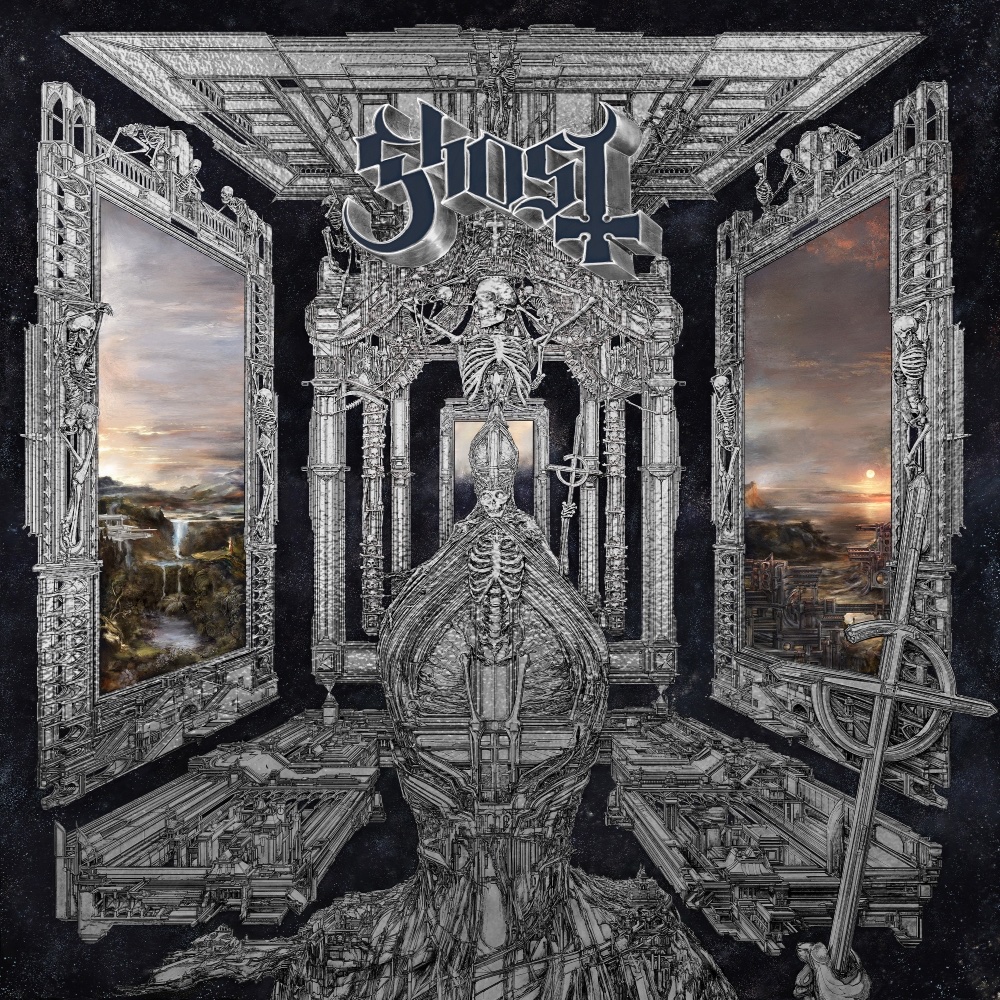
Ghost Skeletá Peacefield 48kHz - 24bit Look, I didn’t like this song when I first heard it. The song was too much of a departure from the band’s sound (I know) and style. But I didn’t give up. At times music is a journey to a place you are not acquainted with yet. Only the best way to learn that is to keep trying………..and at first the new sound may become tolerable, then liked, then…………..loved if you are lucky. The end result is you have a new style of music to call your own, nothing wrong with that!
This new style may in-fact not be so bad, only it was not what you expected, which in itself made it wrong. When if you hear another band play the same style you may not be so offended by it. Call it not-what-you-ordered and truly that could mean 90% of this issue. Only what could happen if you loved the music after about 6 times hearing it, would that be great? So I got this album and it slowly grew on me to become one of my most favorites of the year. Coming out April 25th, 2025, I have had plenty of time to hear this song.
Timestamps only pertain to digital file, not video. Skeletá Part One: Part one is hearing it with the SIMGOT AUDIO LC7 cable, then part two will be an Apex cable brought-out, while still using the Sony WM1A with no EQ and Penon PAC LS ear-tips.
Skeletá: In my reviewer’s imagination, and the biases obtained by doing over 300 reviews I guess many may still be reading along and not truly believing how the SPA-Pro Max does vocals. This may come about from older full-range IEM ideas, simply learned from experiencing the hobby, or just an idea thought about because full-range DD don’t have brighter BAs to metallically promote and separate this vocal tone and imaging placement apart from the underlying instrumentation. Truth is there is no perfect driver, only ones that do various musical ideas better than others. The timbre correctness at times is a wanted trait that really all BA drivers never reach. This means no matter what hocus-pocus the makers do, they never reach the realism of timbre found with full-range DDs, they never do. Now it is true that in limited circumstances the DDs will offer a strange timbre, but normally it is pretty good. The issue with DD is they are attempting to offer an even, complete and correct frequency response. When I say even and complete what I’m driving at is at times they do bass good, or treble and upper-midrange well but rarely do both, or never totally convince the listener that there is enough bass, or upper response frequencies. So due to this phenomena we expect that if great bass is presented, that maybe we will take a hit on vocal ability, or treble ability? If I was to judge the playback here, I would maybe say we have slight diminishment of treble space placement. Meaning if I was to criticize the SPA-Pro Max, it is not really the tune, but a small area where the extra treble images get kept a little close to home, not being fully broadcasted outward to where they may be perfect..........if we lived in a perfect world. Does this matter? Yes, and no. No, because even though the images inside the treble are not as separated and as formed outwards in the stage, still there is nothing annoying about their tone. Plus if you want a little more 3D imaging get the LE model. Slightly bigger imaging with the LE, along with a smoother more harmonically advanced style of imaging.
Skeletá: Still when this single vocal then choir takes presence, we as listeners are far from complaining…..at all. This style of music brings me back to my youth when my parents made me go to church, the best part of the church was the giant organ and giant choir……..that and the ambient reverberations that took place 100% of the time!
No one can fault this vocal here, hence my reasons for including this track in this review. Plus there is a second reason, the bass at 00:27. The interesting part is I have an audio memory of a few headphones and IEMs promoting slightly more bass separation and selective bass tonal flair that we don’t have here. That simply means that there may be frequencies that the other IEMs and full-size are doing which give me more of an audio-bass thrill? I’m not complaining, nothing is perfect, though the SPA-Pro Max has you even questioning those other headphones' abilities to do it all. Meaning when I think back to them, sure there were other things that they did not as good as the SPA-Pro Max. Still this separation at times can be a slight issue where sure the SPA-Pro Max may have an upper hand at doing less complicated music better, still though the TFZ company has done everything in their power to produce as close to perfect frequency response as they know how, maybe we are slighted due to technicalities?
At 01:36 all that trash talk gets forgotten here, as the music really starts. Here the contrasts and stage technicalities go hand and hand to promote a dramatic break. A change and an introduction of the main chorus of the song. At 01:43 the guitars even make it father out into the stage, than expected? This is why we are here, this is why we buy IEMs in the first place, to get a glimpse of musical involvement and so much that it makes you forget any small life issues that may be nagging you at the present time. Music is an escape from reality, and one of the main reasons why people go to live events, they may tell you that they are not trying to escape life’s nagging little pull-strings on the conscience, but most of us old-timers know, everyone’s life is not perfect, just as there is no perfect IEM, only better examples of the art form and lesser examples of the art form. At 02:12 the drama of the bass is more like I was thinking it would be……so it is there with the SPA-Pro Max, all of it. Especially how this song is recorded, that the song is dramatic and clear, sitting in the perfect placement of a Rock/Metal trajectory into a fun adventure.
At 03:37 there comes a guitar lead straight out of 1980s Hair Metal. This is music executed so well, somehow no matter what they do as a band, it could never be heard as cheesy. At 04:17 we can hear an extra filagree of lead taking the back levels of hear-ability making room for the vocals. As such there are many tracks to this musical project and in-a-way the SPA-Pro Max does take them apart wonderfully! Was it the vocal multitracking that capitulated this album into 1st place! Singer and band leader Tobias Forge would probably say the multi tracked vocals added to the sonic authority here, and if anything added mood and polish!
Whatever it is we get to experience it all here with the SPA-Pro Max, yep it’s just that good!
Disclaimer: SPA-Pro MAX has undergone 6 days of continuous burn-in.
Disclaimer: I want to thank Penon Audio for the love and for the EarAcoustic SPA-Pro MAX review sample.
Disclaimer: These are one person's ideas and concepts, your results may vary.
Equipment Used: Sony WM1A Walkman DAP MrWalkman Firmware 4.4mm and 3.5mm Sony WM1Z Walkman DAP MrWalkman Firmware 4.4mm and 3.5mm Sony TA-ZH1ES DAC/AMP Firmware 1.03 Electra Glide Audio Reference Glide-Reference Standard "Fatboy" Power Cord Sony Walkman Cradle BCR-NWH10 AudioQuest Carbon USB Samsung Phone 3.5mm output ifi GO bar Dongle 4.4mm and 3.5mm
But wait..............there is more!
Apex: OH? Wait one more section here……..we need to find out how the Penon Apex cable comes out! This should be good, and the magic here is both the cable and the IEM are exactly the same exact price…..$219.90. Now to be clear the Apex can come with either a OFC Gold-plated Copper or a Rhodium plated plug or both plug options for $40.00 more. Here we are using the Gold-plated Copper with the Sony WM1A in 4.4mm balanced.
Apex: Here we are choosing the copper plug to add warmth, where the Rhodium adds extra detail and kind of recesses the lower midrange to promote a faster and more detailed response. First off your brain tells you this is more expensive cable, so vocals sound slightly clearer, if they are or not it is arguable……in the first couple seconds. Then the money hits. Yep, a more crisp and separated stage presence. Further deeper realms of the bass and drums, then the guitar hit inside of more contrasts, then the stage takes a more prominent position, holding simply more real adventures in reproduction here. Sure I thought I would have improvements, but improvements happened with 11.4mm clarity and staging. That for one, this cable is not colored in any way. Yep, better transparent than even the way more expensive VIII Pyramid, and more down to earth than the Penon ASOS+X with a slightly less energetic stage. But I love the lows here, that the Apex is an easy cable to include in a review opinion. In the end, the Apex actually brings just what the SPA-Pro MAX was asking for, an opening-up, a bringer of extra bass density and a clarifying of upper treble and upper midrange. I mean the LC7 is a better cable than EarAcoustic’s included cable due to allowing 4.4mm additives, but the LC7 in not known for total clarity, or contrasts for that matter. Yes, $219.90 is a lot of money for a cable, only the separation and overall broader stage makes the value here, plus it looks pretty good too! Cheers! Thank-you for reading!
Wait, you think this short review is over.........nope we have more to cover!
Just In: Oh also by the way………there are seven more in the new EarAcoustic Series new VSA series, with VSA meaning Vocal Sweetness Amplified. So does that mean that the STAR and SPARK series are obsolete, I think not. Plus I guess they could add to the vocal ability, but truly after doing this whole review, I’m smitten with the vocals just the way they are. You could look at the new additions to the already 13 Silver Angel series as again another variation of the TFZ brand. My EarAcoustic 11.4mm DD VSA-V1 review coming in 7 days, though first impressions soon, like tomorrow!
1) The VSA-V1 2) The VSA-MAX 3) The VSA-Mix 4) The Astronaut (????Haha) 5) The VSA-V2 6) The VSA-LTD 7) The VSA-PM
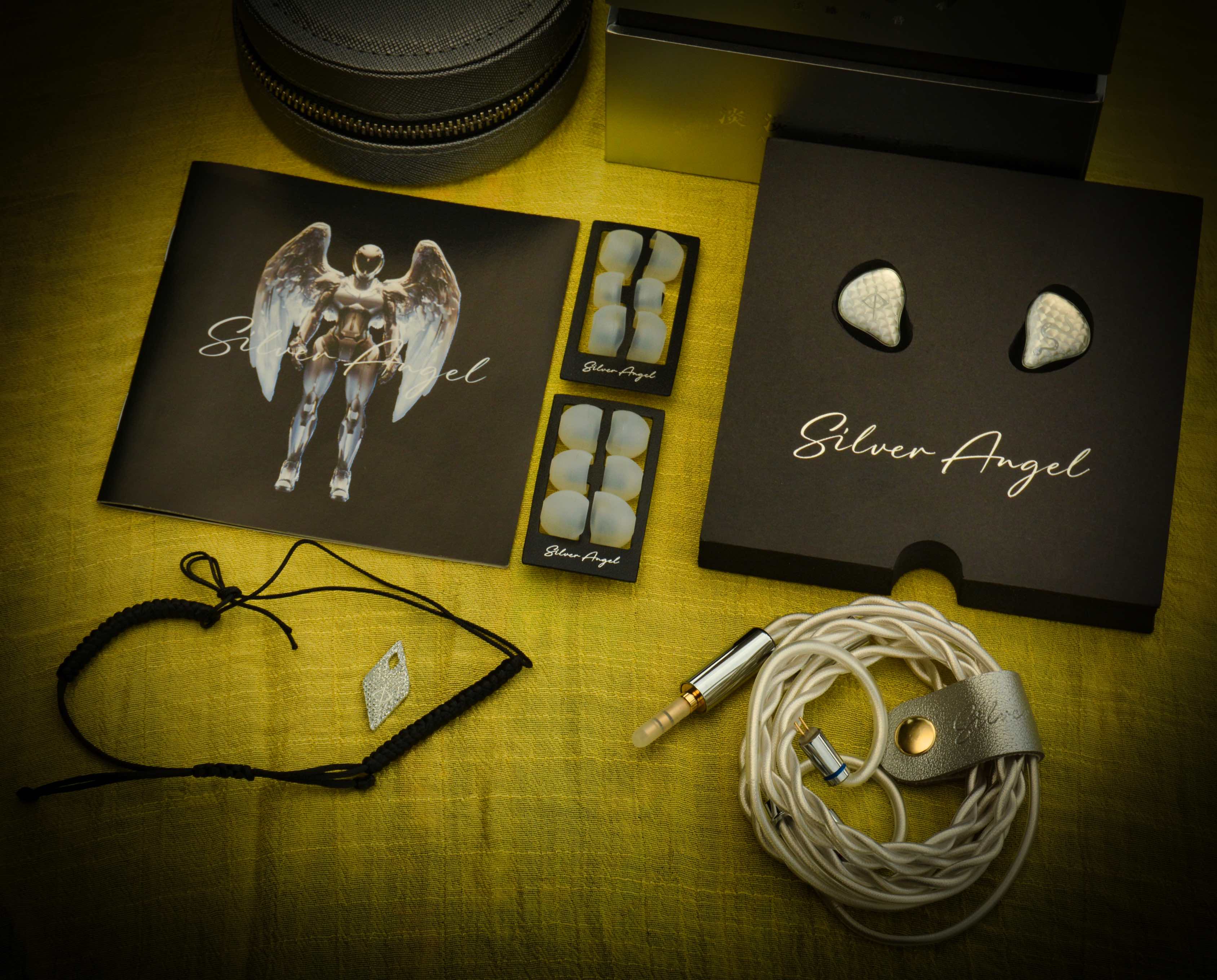
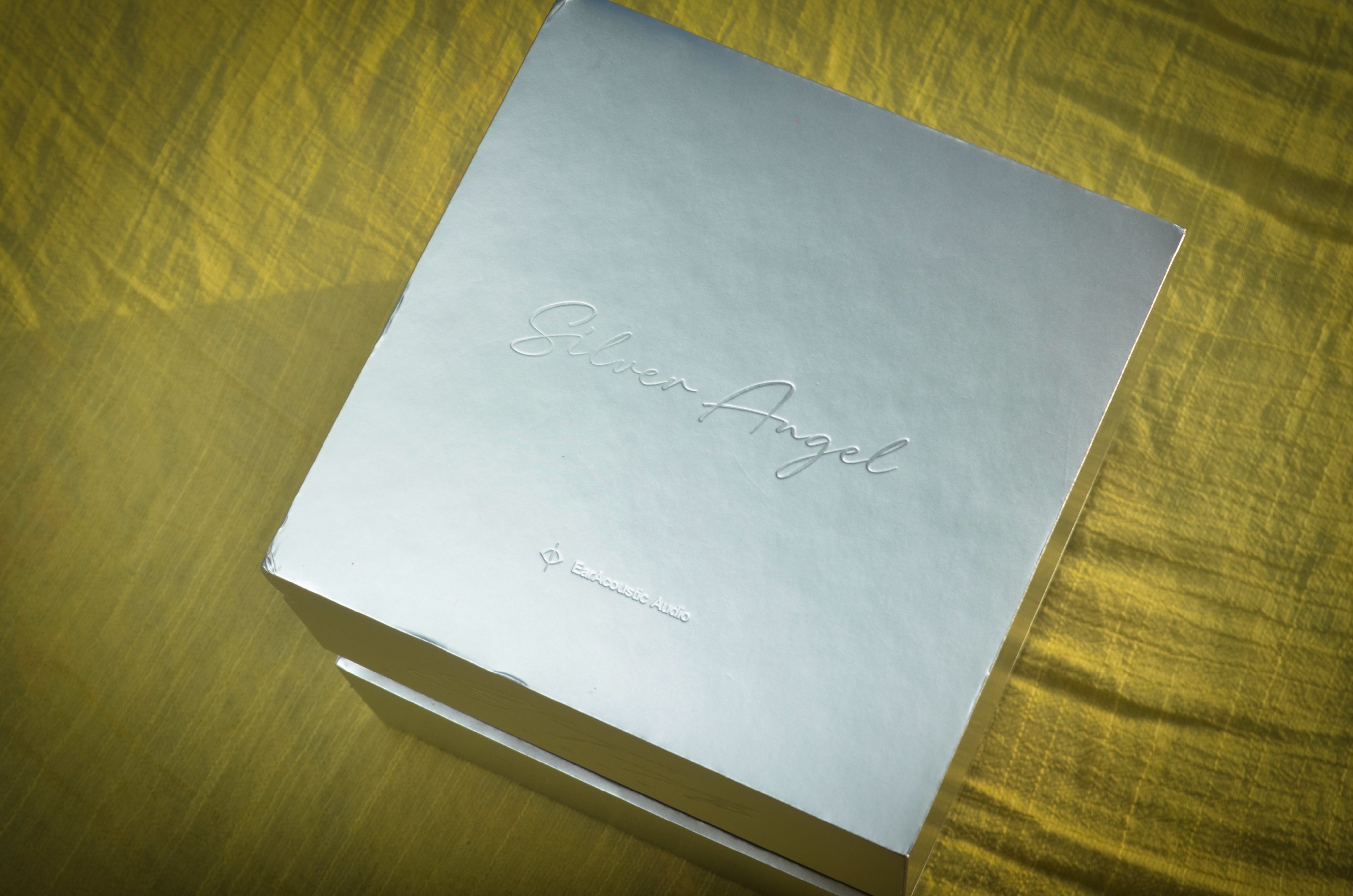
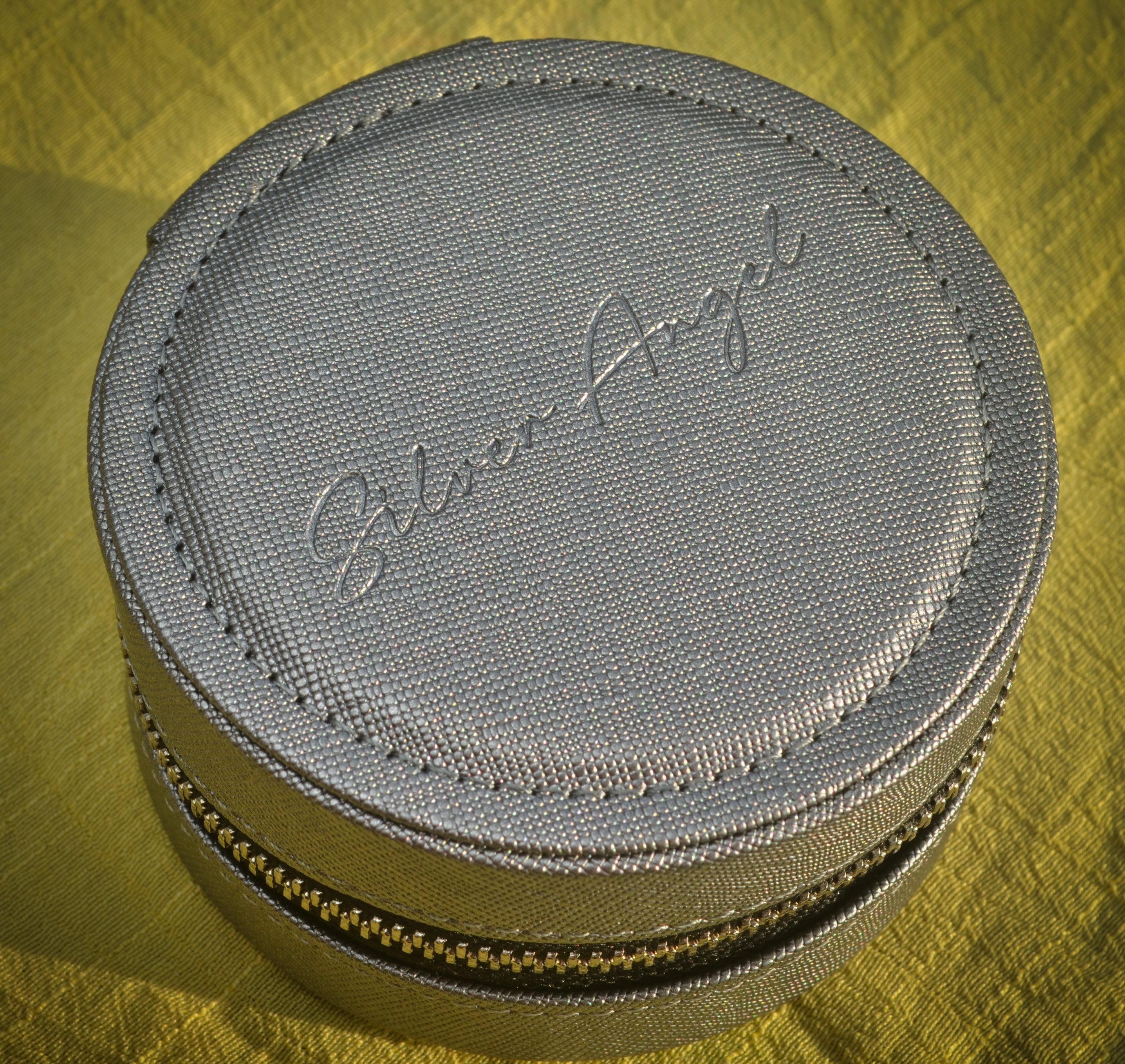
The Packaging:
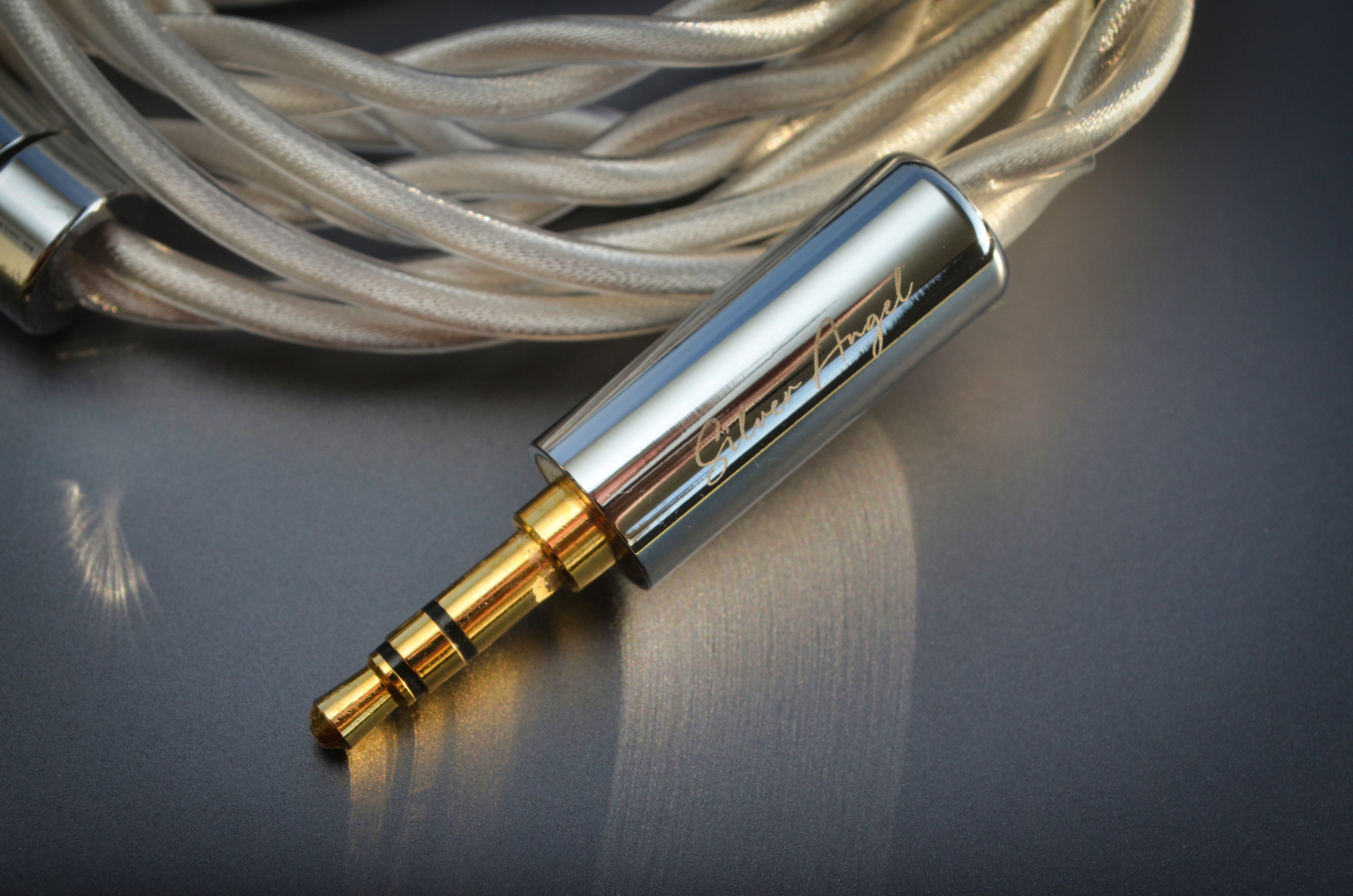
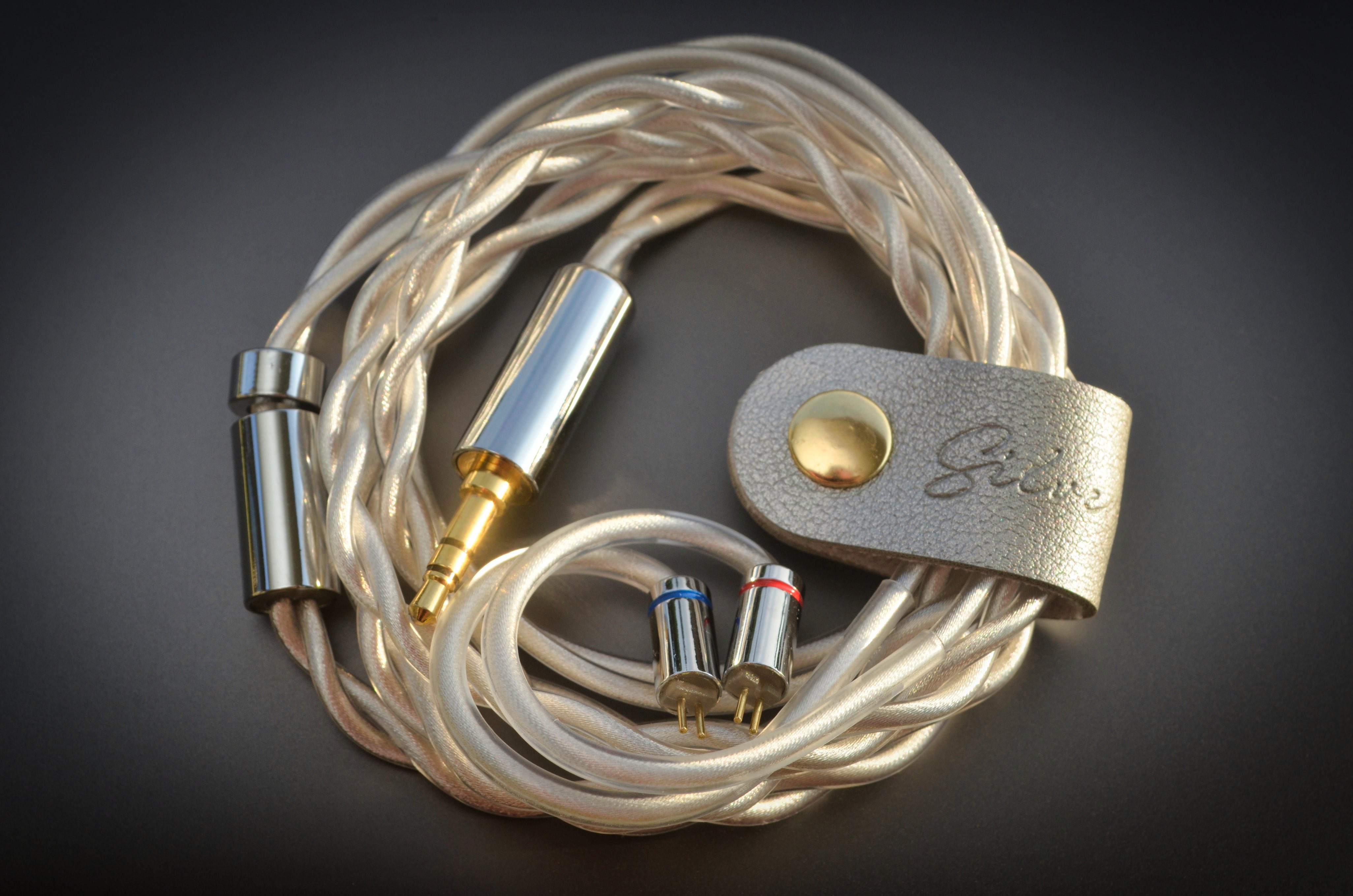
The included cable: Wire specification: 0.78MM dual pin LIZ coaxial bundle oxygen free copper and silver-plated wire mixed weave 1.20M. Here I took out the 3.5mm cable and used it extensively with other IEMs, and I truly like the fit and ergonomics of this cable, I would have used it more if it wasn’t 3.5mm only. But lucky it looks like EarAcoustic went and used the same material for the new VSA series. Truly if you are into the SPA-shape.........with the outer-ear tissue being of a more unique shape person to person. Fit is deep and luxurious as far as form goes, due to the venting sound occlusion is only so-so, but not bad, just not the very best I have heard. Nozzle angles are great as well as nozzle length.
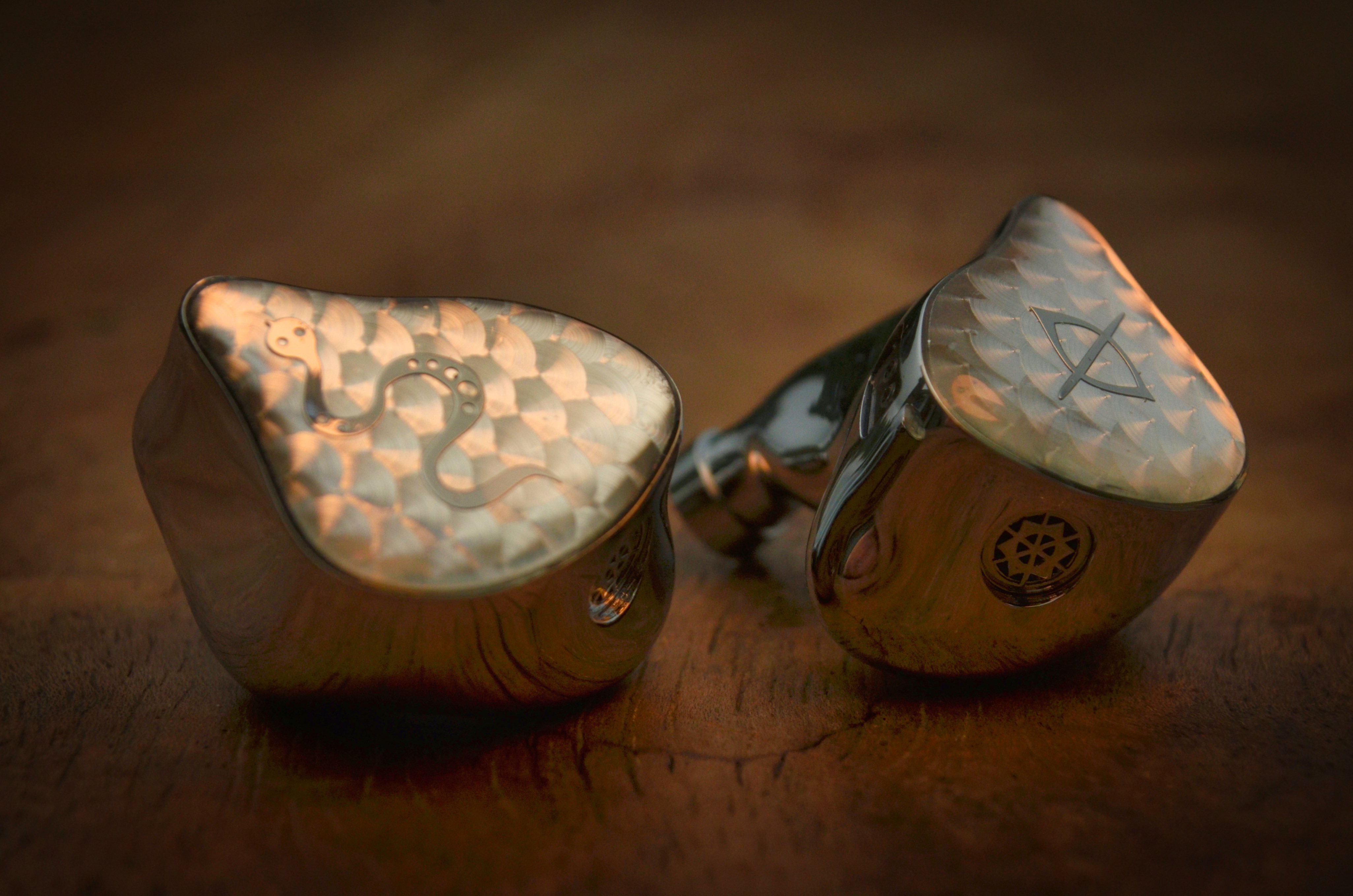
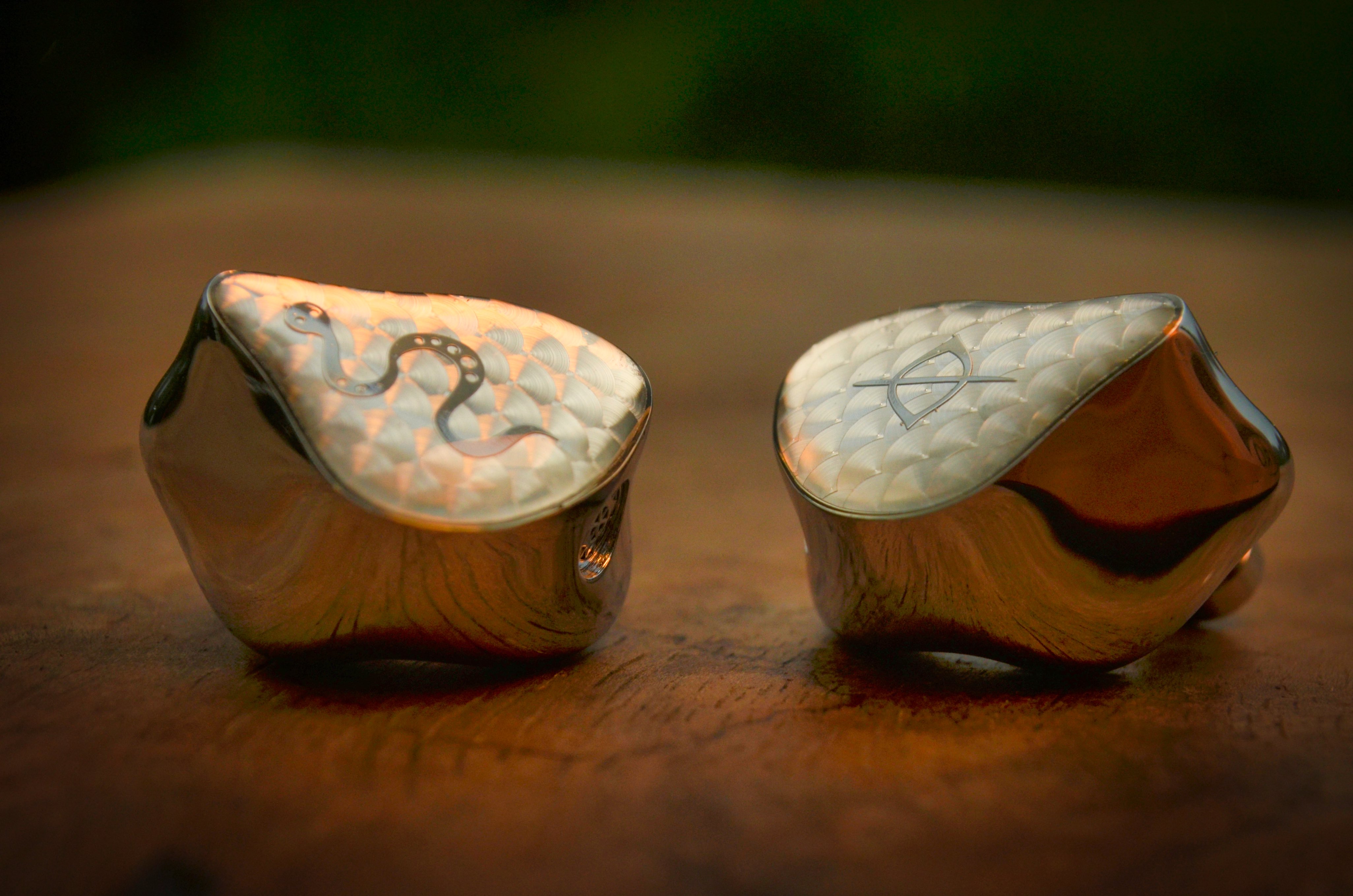
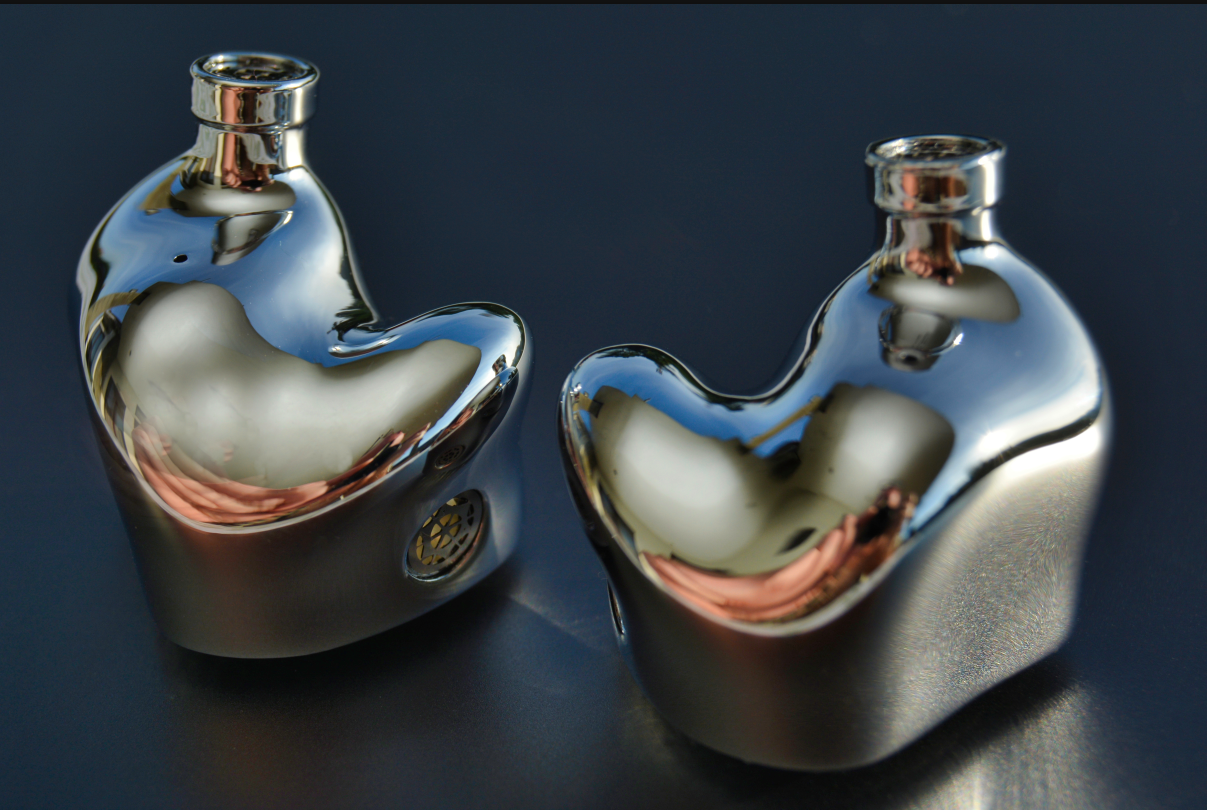
Build: What ca be said about his aluminum alloy build, other than the weight on both the TOTL LE is 8 grams as well as this SPA-Pro MAX, not as heavy as the Zinc Alloy make-up of the Zinc Alloy SPA-Hi End Ultra, yet we also have a high price to the SPA-Pro Max, and along with that is slightly better sound. Really all of these IEMs in the SPA series have close to the same shell, except the lowest priced entry SPA the SPA Pro which is resin. Though every model has the nozzle screen breather port off to the side as seen in pictures. This breathability is substantiating the stage by simply giving the 11.4mm DD room to breath. The fit is definitely a custom universal form, taking information collected from public ear databases with information revealing that the center of the ear is closer to the same shape/size for everyone.
BONUS LEVEL SIDE-BY-SIDES:
Finally comparisons to the EarAcoustic Audio STA Hi-End Max and SPA-Pro: So here is where I validate my preferences for the SPA Pro-MAX over the lesser costing simple resin shell SPA-Pro. Then also I’m breaking out the soon to be reviewed STA Hi-End Max, an IEM that comes the closest to replicating what I enjoy about the SPA series. Also it is the only STA to have a sparkle (zinc alloy) faceplate included to the always resin body of the STA series. Where out SPA Pro may be wanted for out in cold climates as the whole rest of the SPA line has metal alloys.
Here I wanted to make a few quick notes about the differences found. I’m using the Penon Apex cable in 4.4mm OCC Copper with the PAC LS ear-tips.
EarAcoustic Audio STA Hi-End Max: I like to do my reviews I one day if possible, that way when I come to a section comparing IEMs I have always heard the IEM I’m comparing against the whole day long. So here we reach a level of STA production that is very close to the SPA series in sound and price.....the STA Hi-End Max being $89.90 and the lowest priced SPA, the SPA Pro being $99.90. Guess which one I like better for just $10.00 more? Where sure the sound results offer a slightly faster take on this same sound, only there is a slight clutter you get due to the 10mm and 6mm DDs X 2. The results are a lesser physical 10mm bass representation, that and just by its physicality it sits father back in the mix. I could go on pouring salt into the wound but I’ll stop now. Yet, this one still needs a review too………HAHA.
SPA-Pro: OK, I’m home here! Yep, the SPA is great for what it is, a bigger stage than most of the STAR series, only now I’m gifted with added drama that just comes from better sound reproduction. Now the point of all this is how does the SPA-Pro compare to the SPA Pro-MAX? The SPA-Pro is less than 1/2 the price of the SPA Pro-MAX, and what do we get now? Well after spending the same day with the SPA Pro-MAX I can tell you it is a little like the SPA Pro-MAX versus the LE. That the LE brings the contrasts and vividness, the SPA though has close to the same stage as the SPA Pro-MAX only it is not as filled in with as much clear separation. The point here is the bass is less defined, but still offering basicity the same personality at hand. The upper midrange and treble of the SPA-Pro disclose a lesser degree of detail and note definition than the SPA Pro-MAX, there is an area inside the midrange which does not show all the details held inside the SPA Pro-MAX.
As such we still don’t have that touch of smoothness that the LE does strangely different from the SPA Pro-MAX, the LEs ability to do both higher levels of detail through technicalities and yet still offer it all up on a silver platter with an ounce of smoothness, and I’m not taking smoothness like tonal upper midrange detail, lessened, but harmonic complexity which shows itself as smoother more defined note edges.
BONUS LEVEL, BONUS LEVEL X2: SPA-Pro Max against TRI i3MK3 Hybrid IEM:
The above EarAcoustic Audio SPA-Pro MAX shown with Penon PAC LS ear-tips and SIMGOT AUDIO LC7 cable.
Comparisons: Look, at the start I was not sure if the EarAcoustic Audio SPA-Pro MAX would be the perfect battle to go up against here. I received the two IEMs at approximately the same time, and during 6 days of burn-in the two IEMs were all I was really listening to. At $219.00 for the i3MK3 and $219.90 for the SPA-Pro MAX…..they are priced the same.
Then it hit me, maybe this is destiny? Of course they should be compared back-to-back.
Really the two are opposites being the SPA is a 11.4mm full-range DD and the i3MK3 is a 3 driver Hybrid. Also they completely differ in playback. Meaning the SPA comes across thick and beefy, cohesive and more bass laden, where the i3MK3 comes over as more mid centered, and while still providing an exquisite leaner style of careful bass, the SPA emits more lower midrange along with this slight bass slowness that comes from the lumbering of the 11.4mm full-range. One shell (the i3MK3) is CNC Aluminum at just 6 grams, the SPA is also CNC Aluminum alloy but maybe due to the increased size seems much more heavy (than it is) at 9 grams. Really again the two IEMs are the opposite here, in that the i3MK3 has very little extra shell expansions into universal custom form around your ears, where the SPA-Pro MAX is adding fins and curves to try and occlude the ear and add areas for your ear to hold them in place.
The more I examined the two IEMs the more I started to get excited about a match-up. After spending almost a full-week hearing both, I actually started to view them as complementary IEMs. Meaning one does special things opposite to the other, therefore it would be an option to own both………but let’s now do real side-by-sides……….let the sparks fly!
TRI i3MK3 versus the EarAcoustic Audio SPA-Pro MAX: Here I’m using the SIMGOT AUDIO LC7 modular cable with the SPA so that both IEMs could have a balanced 4.4mm drive. I’m using the Penon PAC LS ear-tips on the SPA and the wide-bore TRI ear-tips on the TRI i3MK3. To get the TRI i3MK3 an advantage I chose the Sony WM1Z DAP. Such a DAP character goes to ultimately enlighten the TRI i3MK3 by providing extra physical oomph to the lows and expand the treble stage even broader due to the fishbowl effect of the 1Z treble staging. In fact this set-up of using the Sony WM1Z I determined to be almost too favorable to the TRI i3MK3, hence deciding to use (also) the WM1A on a different part of the comparisons due to the 1A bringing the SPA into better tonal character-isms. While if you only had the WM1A, you would be more than happy to only use the Sony WM1A for the TRI i3MK3, and the 1A adds the vocals and stage sizing into SPA-Pro MAX playback………only you seem to get the full-big-breakfast with the TRI i3MK3 and WM1Z combo, and I didn’t want to leave that out of this review, how could I?
TRI i3MK3 and the Sony WM1Z:
The added physicality seems to provide that extra density to the TRI i3MK3 bass adds.
Meaning sure the TRI i3MK3 bass is nice, only we welcome this added bass presence and separation from a separate full 10mm Beryllium DD. Such a bass holds a more refined example sitting slightly farther back in the mix than the SPA-Pro MAX and going about its day with slightly more sculpturing and definition. Where the SPA-Pro MAX has a warmer and more accessible bass………….that seems to cut through offering a more forward presence in the stage. Not to mention the SPA-Pro MAX is way more efficient taking less power to reach the same volume levels. In many ways I like the clearer idea of the SPA-Pro MAX playback, that sure the stage may even be bigger to the SPA, I don’t know, they are equals here as far as stage goes, with each IEM providing its own set of favorite frequencies to spread out the stage.
Though I do know now why there is a guitar player on the box-opening experience here.
Even with the V shaped Sony WM1Z tonal personality, the guitar harmonics are fully more filled-out and colorful to the TRI i3MK3. For that matter using the Sony WM1Z resulted in more midrange push to the TRI i3MK3 and a rewarding sense of clarity there. Still the SPA-Pro MAX is over-all clearer with less conflict between drivers, less cushion fuzz between sonic events, bringing more detail and clarity to the table. No conflict between drivers as the SPA-Pro MAX is utilizing only one 11.4mm full-range driver here, and this is normally surprising as I typically like Hybrids better.
This event may be due to the specific tone that was arrived at with the SPA-Pro MAX.
Meaning TFZ/EarAcoustic Audio really did their homework to add a very evolved DD, a DD that seems to add both treble and bass from a single DD. And while the WM1Z is a standard V shaped affair, the WM1A is more pushed midrange to activate more vocals into hearing the SPA-Pro MAX take added advantage. I mean sure both IEMs go and relate that vocal additive of the Sony WM1A to the mix. And I’m trying not to make this a DAP review, only it can’t be ignored how both IEMs go to tell the tale of vocals better with the WM1A. In-fact……all the extra bass density and treble airiness only goes so far, being overshadowed into entertainment by the Sony WM1A vocal stability here.
Ghost 13 Commandments Call Me Little Sunshine 44.1kHz - 16bit Could the TRI Clarion ear-tips be a big part of this tone? I mean sure this is not an advertisement for the TRI Clarion ear-tips. But maybe in a way it is? Why didn’t I know about these ear-tips before? All I can promise you is the TRI Clarion ear-tips will be creeping their way into a few reviews here from this point on out! I switched the Clarions over to the Penon PAC LS ear-tips on the TRI i3MK3s, and all I can say is, yes they are comparable, only once you hear something………..you can’t unhear it. That yes, the PAC LS ear-tips are also known around these parts of their upper-end intensity and focus. But the Clarions have a wider nozzle circumference going!
Nozzles: Only I’m guessing here, that the slight angle downward from the nozzle opening, actually adds firmness here, needing less material to still get the ear-tip to push back-pressure against the ear-canals physically, and I like that!
Still I would call the two sets of tips equal, only the Clarion does slightly better vocals here. Ear-tips are a big part of the end-result tonal ideas here at Redcarmoose Labs. So much so that it has me questioning my choices to use different ear-tips in my comparisons here.
Really though the two ear-tips are interchangeable. With the PAC LS ear-tips and the Clarion ear-tips each allowing for slightly different ideas of IEM character to shine through. Though not as much of a difference to still hear the character of the drivers to shine through, as each IEM here are really opposites in what they go about doing day-in and day-out.
Call Me Little Sunshine: Going for the midrange blast here with the Clarions with the SPA and the WM1A. Here, yes we have a midrange and treble brightness with the SPA! Yes, bright and forward, almost too much, especially after spending a big part of this reviewing process with the WM1Z. Switching back to the Penon LS ear-tips. Also in the EarAcoustic Audio SPA-Pro MAX…..the PAC LS ear-tips give a slightly better reassuring feel to the IEM fit process, and maybe it is the shape, but the added bass is also an attribute over the Clarions here?
Yes, now I’m sure of it, that the PAC LS ear-tips offer better bass, but the Clarion do better highs. Again I’m focusing on these differences to come to a conclusion that part of the IEM objectivity is influenced by the ear-tips used........of course. Typically I will use the same ear-tips to do these side-by-sides, and here I’m finding myself in a slight conundrum. LOL
Anyways: Back to the basic use of the PAC tips used with the SPA and Clarion tips used with the i3MK3…….I find the WM1Z to be really the slightly more real, and offering a style of playback with the SPA that while slightly less Hybrid separated, coming off more real sounding than the TRI i3MK3 and with that more uniform and filled in, filled in with a natural wholesomeness that just doesn’t stop.
Here is the thing……a super fast change-out of the IEMs with their own cables and ear-tip, onto the WM1Z on its charging base, relays the differences found here.
That the TRI i3MK3 holds a slightly thinness of note weight, only that thinness is not a drawback and I hope it doesn’t come across as such. That emerging from this style of a little less note density comes about a separation and even contrast. A contrast that I didn’t know I would find. This contrast allows extra imaging separation and location into specific parts of the stage. Honestly, during preview listening sessions I thought of the TRI i3MK3 not having as much contrast, and sure maybe it is the WM1Z offering these attributes, only they are unarguably there today.
This wholesome bass (while less than the SPA) is fully fast and allocated to its own zone in the stage. The TRI i3MK3 does hold a slight buzzy air, yet better timbre than you would guess by it being a 10mm Planar driver. I wonder if this use of the Knowles dampeners are working their magic to stifle any Planar timbre, because this sounds almost the farthest from what you would expect from Planer treble use?
The Sonion 2356 BA: The Sonion 2356 BA seems to be held inside a cradle by the bass density and treble density. Meaning other than an all BA set-up KBEAR is exploiting the nearby driver character to kind of smooth out and take away any BA timbre or faster note decay normally found with a BA. Also the use of a namebrand BA goes miles to add to the quality here. Also for the most part both IEMs today are showcasing a balance, that while the TRI i3MK3 is more sub bass oriented and more midrange forward in style, both are heard as very good and complete, even and correct. It is just that the EarAcoustic Audio SPA-Pro MAX held a slower and more filled out low-end, that the sculpturing done by the TRI i3MK3 seemed cleaner and obviously faster.
The EarAcoustic Audio SPA-Pro MAX: The EarAcoustic Audio SPA-Pro MAX is totally different in that there is an ounce midrange and upper midrange clarity, due to none of that frequency buzz of the Planar in use, and while a little less upper midrange exploitation by the BA and Planar of the TRI i3MK3, what we end up with is still a dramatic pushed vocal presentation, yet with a feeling of more naturalness and sculpted poise to the idea of more refinement!
Both IEMs are totally fun in their own correct way. Just that the upper midrange guitar frequencies are more prominent with the TRI i3MK3 creating their own thing into the stage, where the SPA-Pro MAX is still doing those guitars, but they are more natural and integrated into coming off more both together and possibly real sounding, but lacking the contrasts and separation the TRI i3MK3 does without trying.
Side-by-side conclusion: My surprises in this test is that one, I thought the SPA would hold a better perceived note-weight, and it does, only the TRI i3MK3 in the end was way better at note-weight than I could have imagined, until I tried the two back to back.
Obviously the volume difference was even more noticeable between the two. In the end the SPA created an extra lower stage added lower midrange girth (and down-low details) as opposed to the upper midrange stage-size created by the tuning focus of the TRI i3MK3. These thinner stage ideas of the TRI i3MK3 are a little faster being introduced and taken away. This TRI i3MK3 personality (while fun) offers a less realistic approach, that while excelling in some technicalities, remains slightly more synthetic in the end. Also just to add, the SPA fits just slightly better (more all encompassing) due to being larger and having a slightly longer nozzle, but again this is nitpicking as the TRI i3MK3 is a little less noticeable and fits fantastic.
The EarAcoustic Audio SPA-Pro MAX with LC7 cable and ifi GO blu with Bluetooth LDAC!