Reviewed by mars chan
:
Nicely balanced, moderately V-shaped tonality.
Good technical capability without sounding cold.
Detailed midrange and treble with no metallic coloration.
:
I wish it were a little lighter.
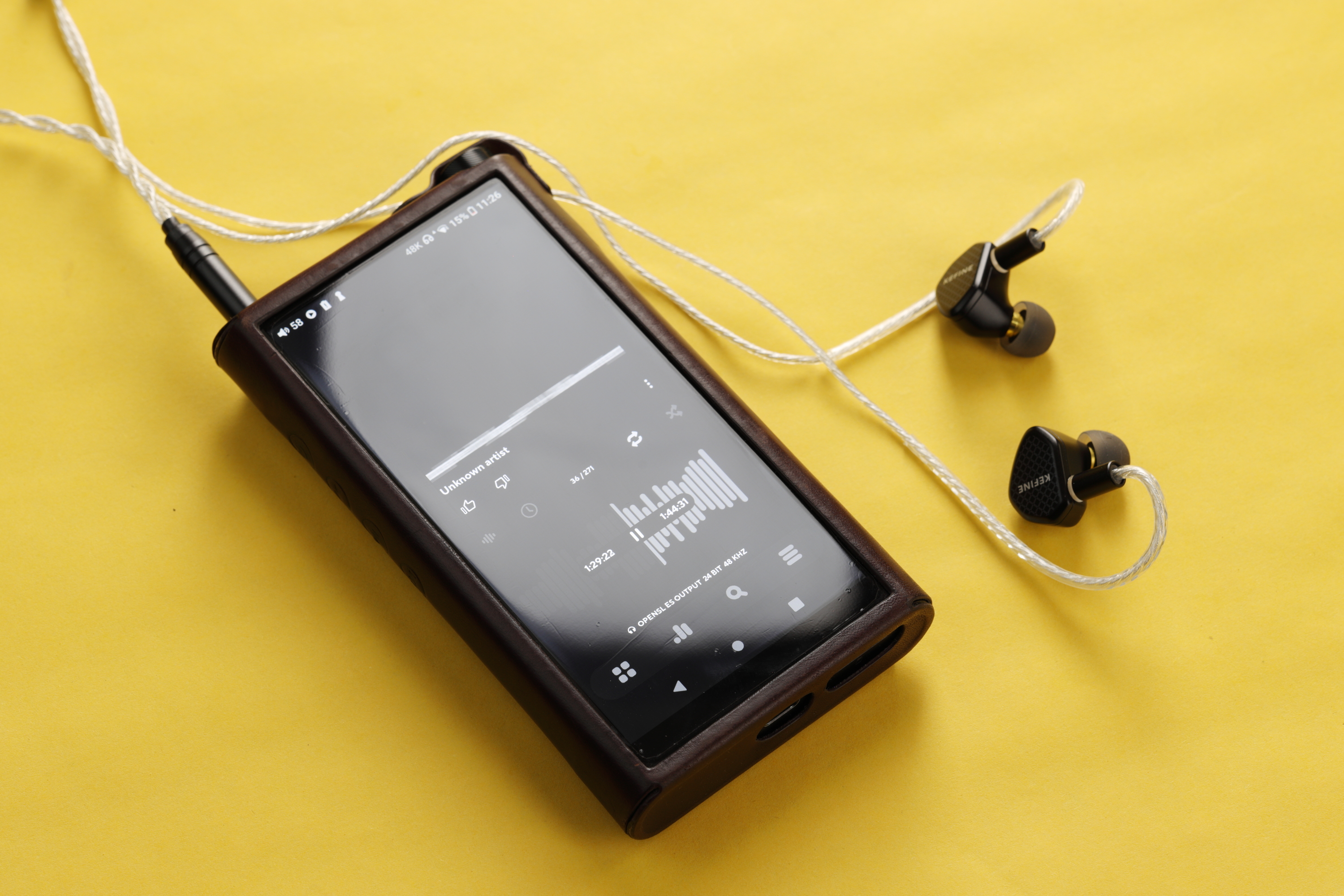
Kefine Klean Review
It’s me again, Mars Chan. This time, I got the Kefine Klean ($49). This is my first Kefine review, and I believe I’m slightly late to the Kefine Klean, but as the saying goes, better late than never.
The Klean was sent to me for review, but please be assured that any opinions expressed here are my own, based on my personal experience.
Kefine is a relatively new brand in the IEM market and has gained popularity quickly, which has made me curious for a while now about how the Klean sounds. Or more importantly, how the Klean compares to other popular single DD IEMs, including the Sivga Que UTG and Twisture Woodnote.
Let’s find out.
Features
The Klean features a 10mm dynamic driver with a diaphragm made from diamond-like carbon (DLC), which is known for its extended high-frequency capabilities while retaining the bass impact that dynamic drivers are renowned for. The impedance is 32 Ω, and the Sensitivity is 107 dB.
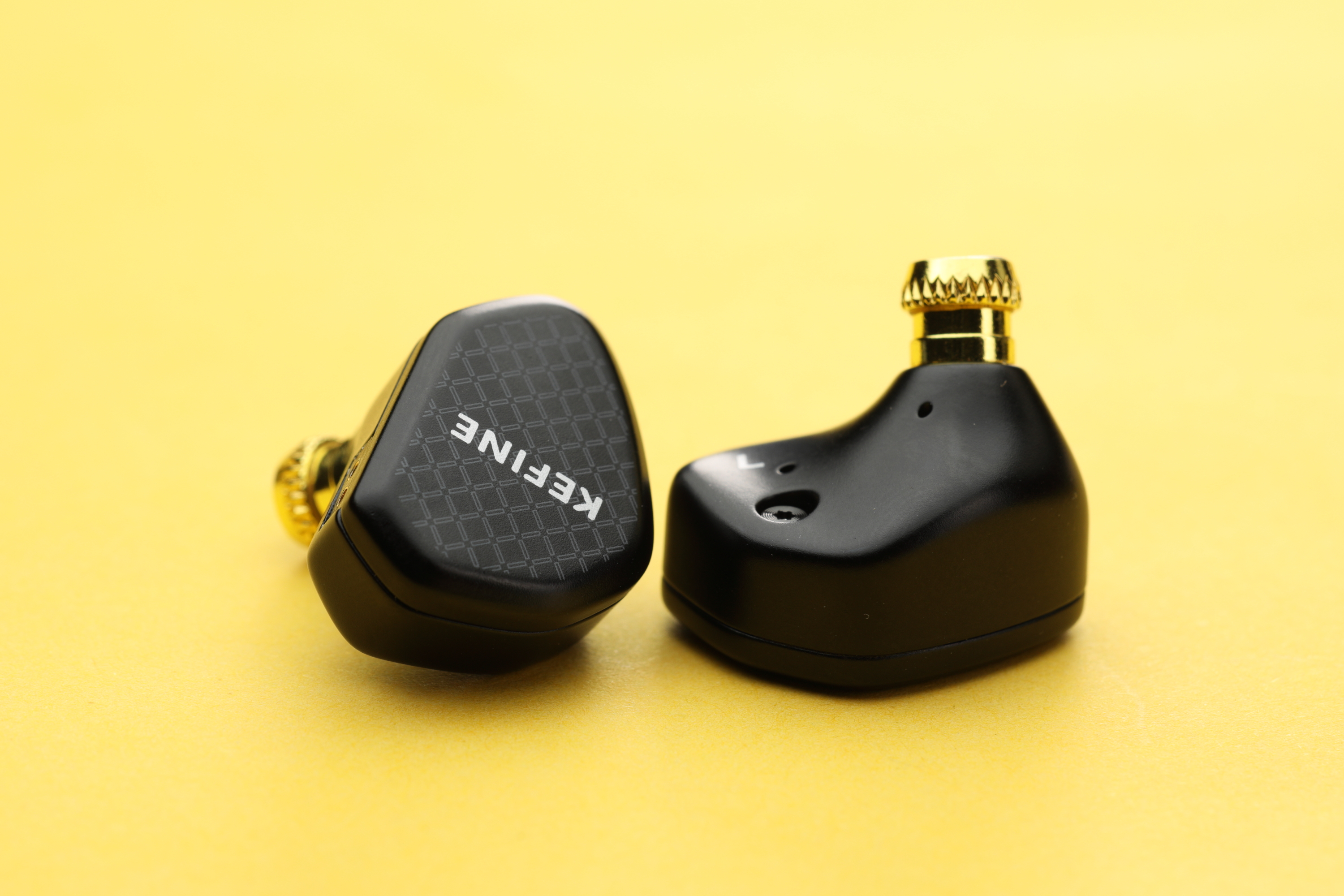
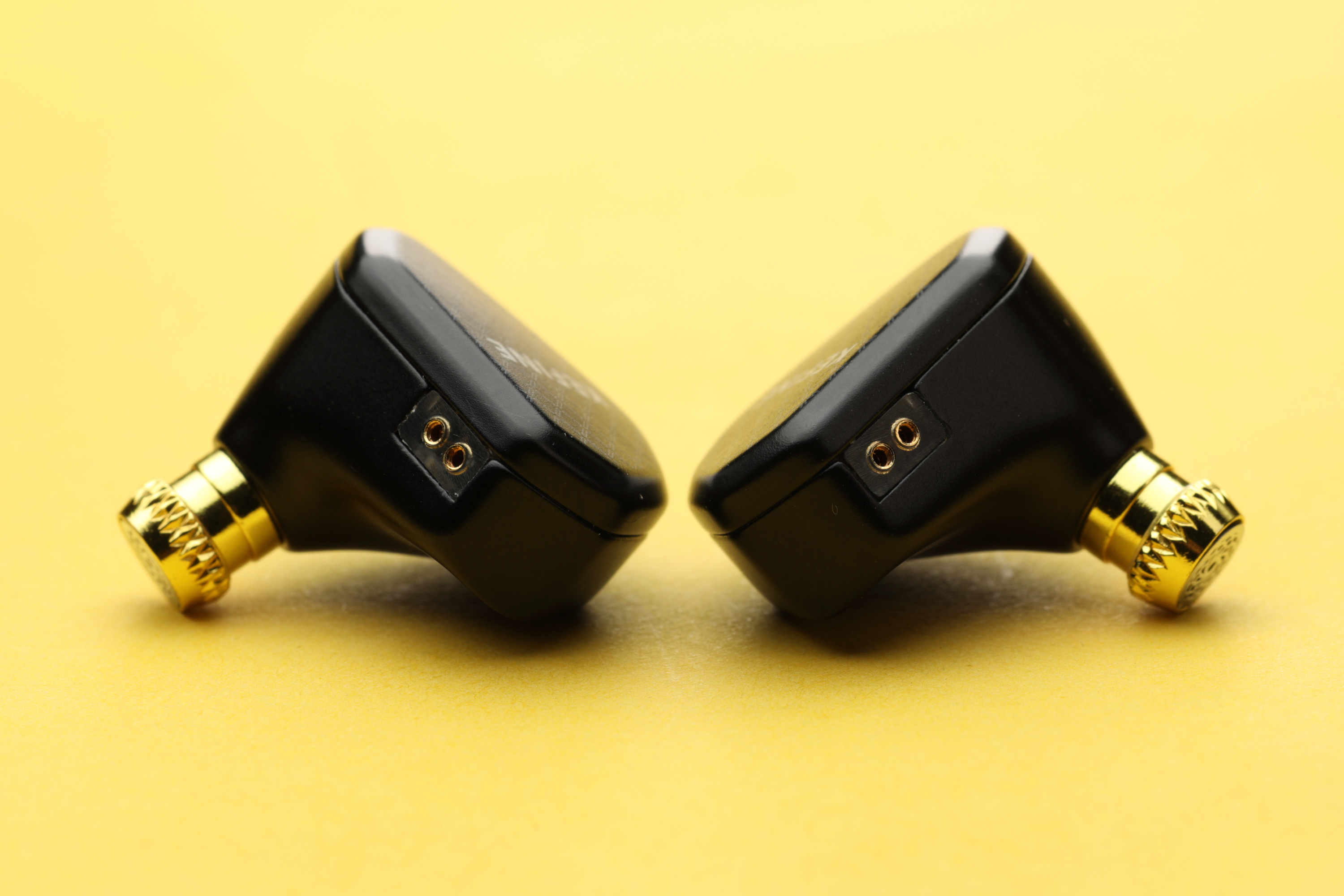
Klean’s shell is made of polished cast alloy metal, which is fastened by a screw rather than relying solely on adhesive to close the shells, as adhesive can fail on occasion, as I experienced with other IEMs.
Klean also features a pressure relief system, which prevents pressure buildup in the ear canal that might cause nausea and headache. I never experienced such issues with the Klean.
Design
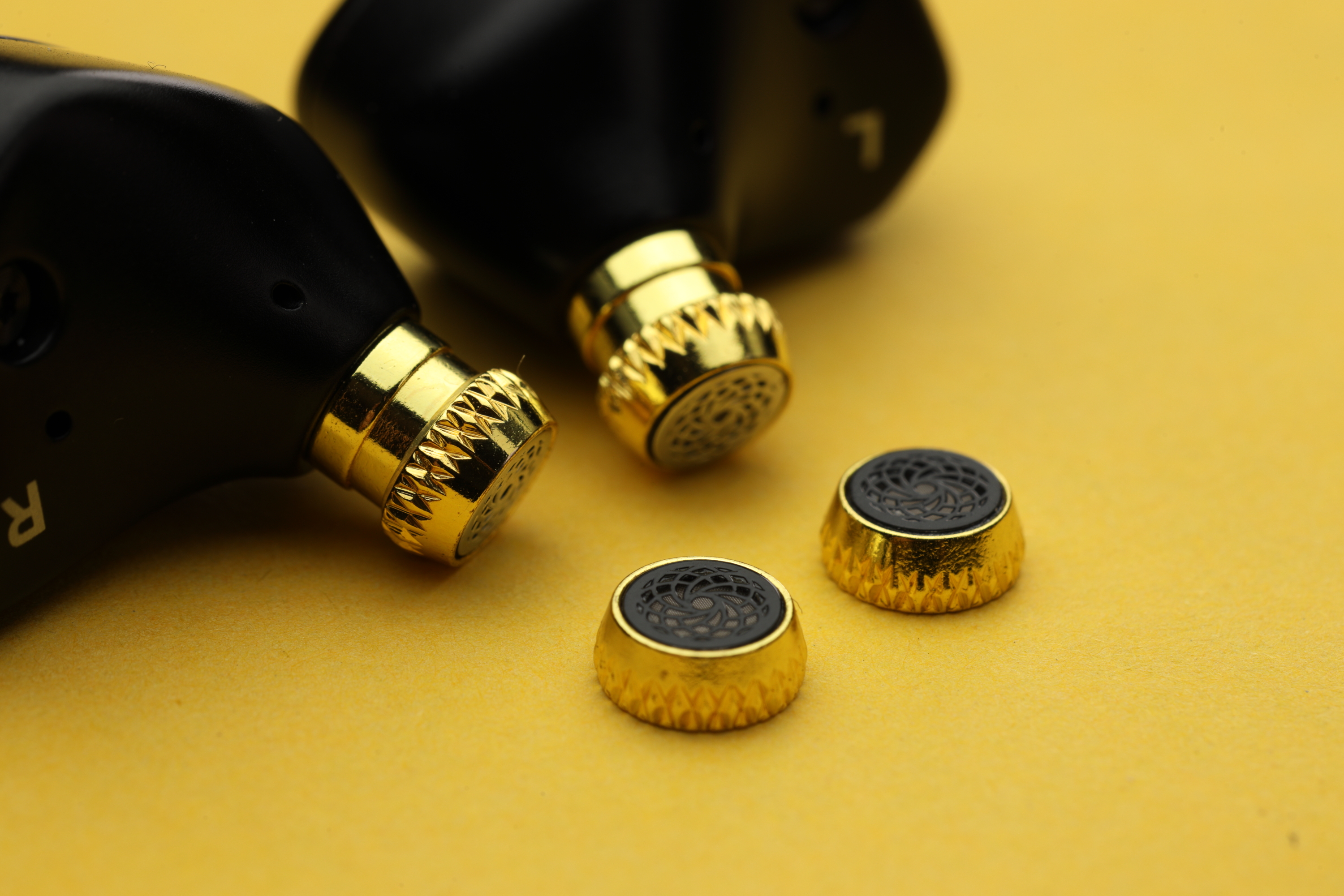
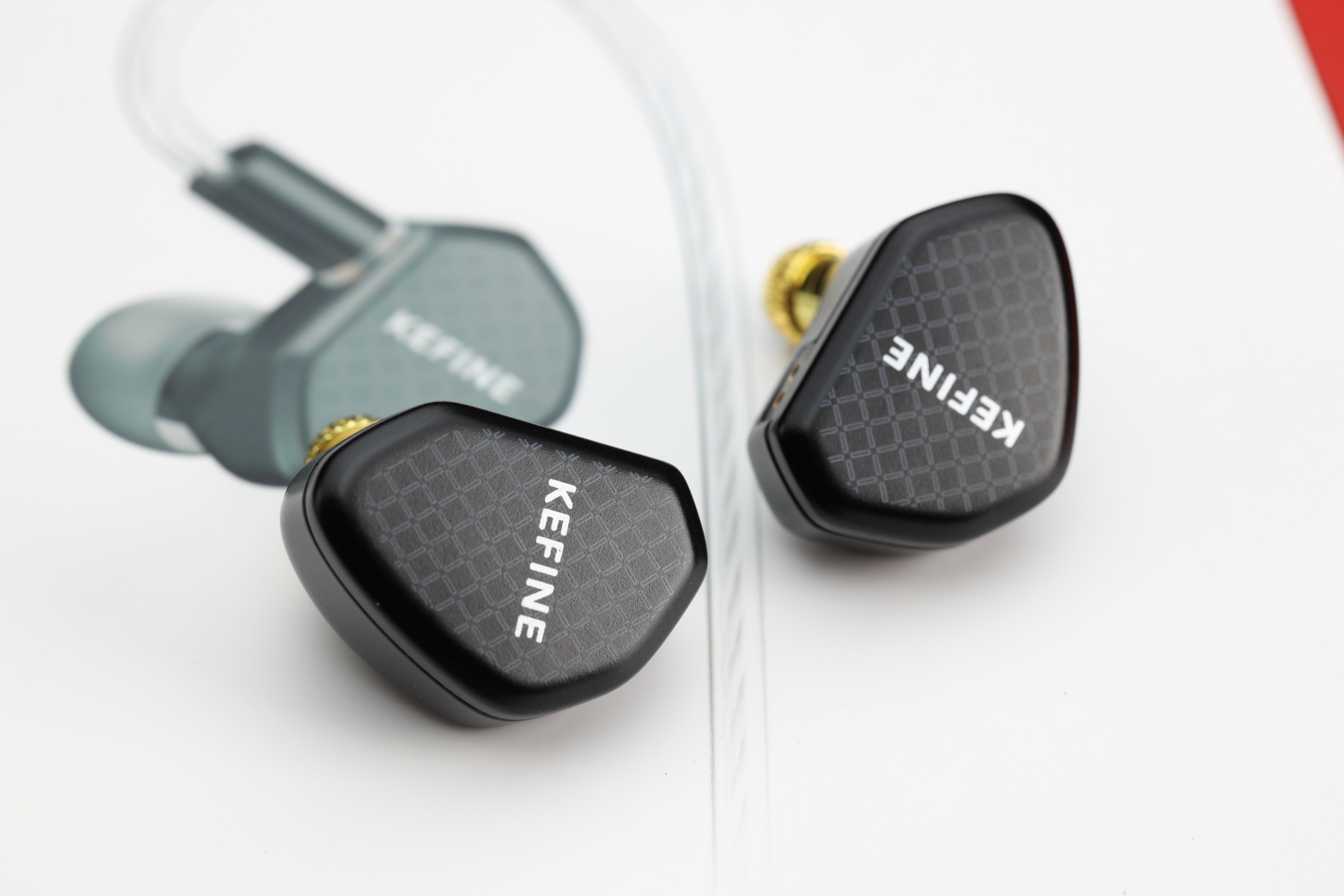
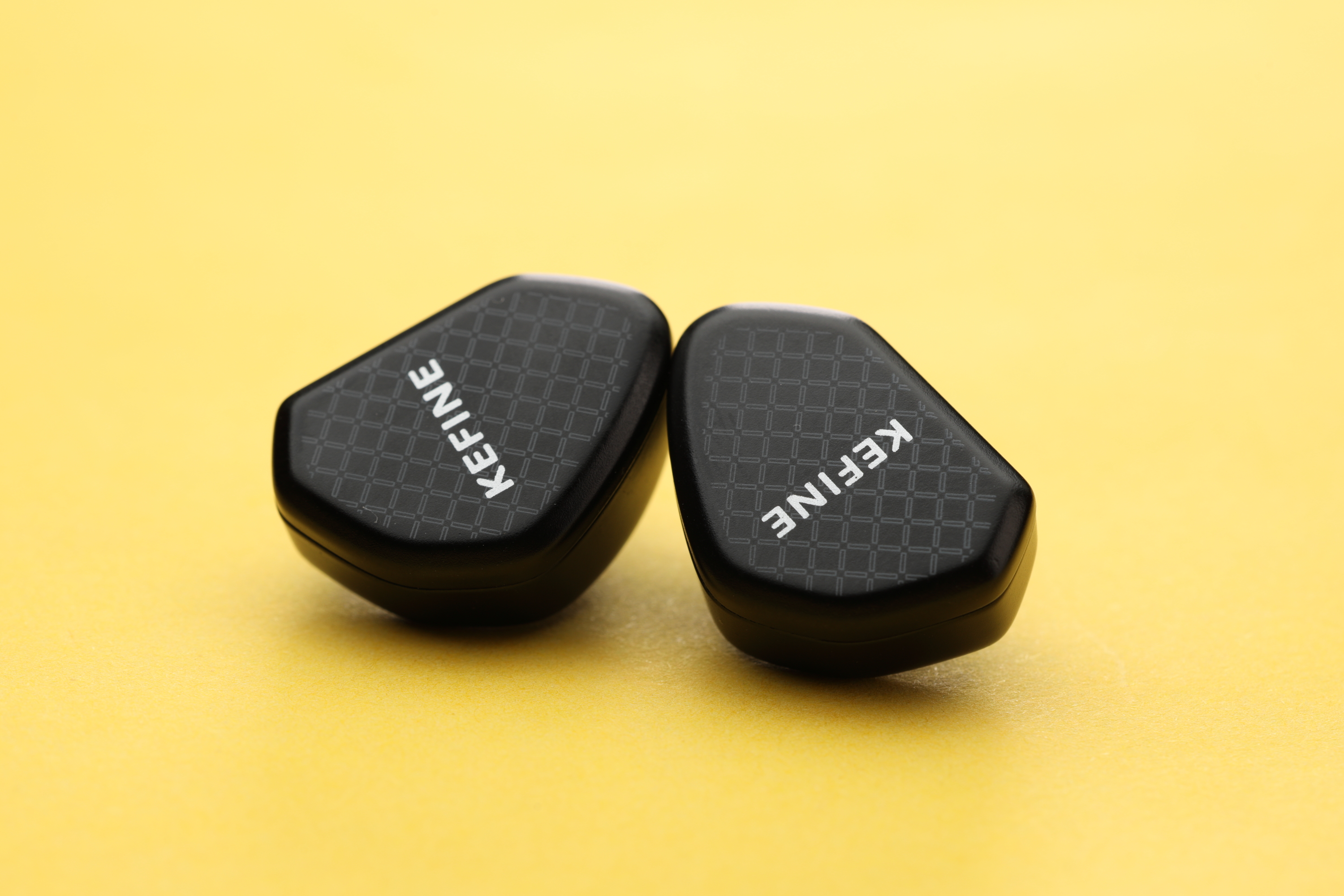
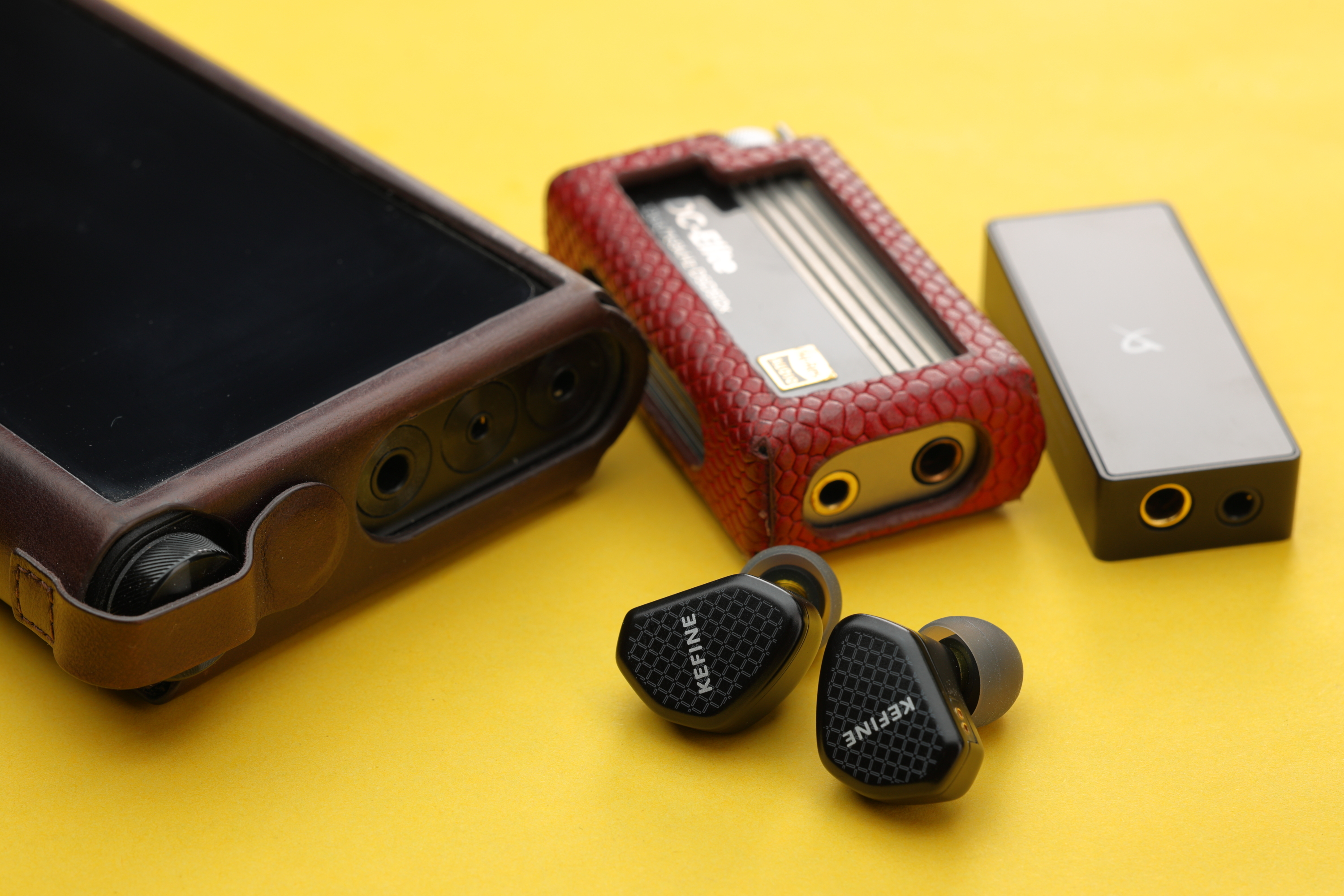
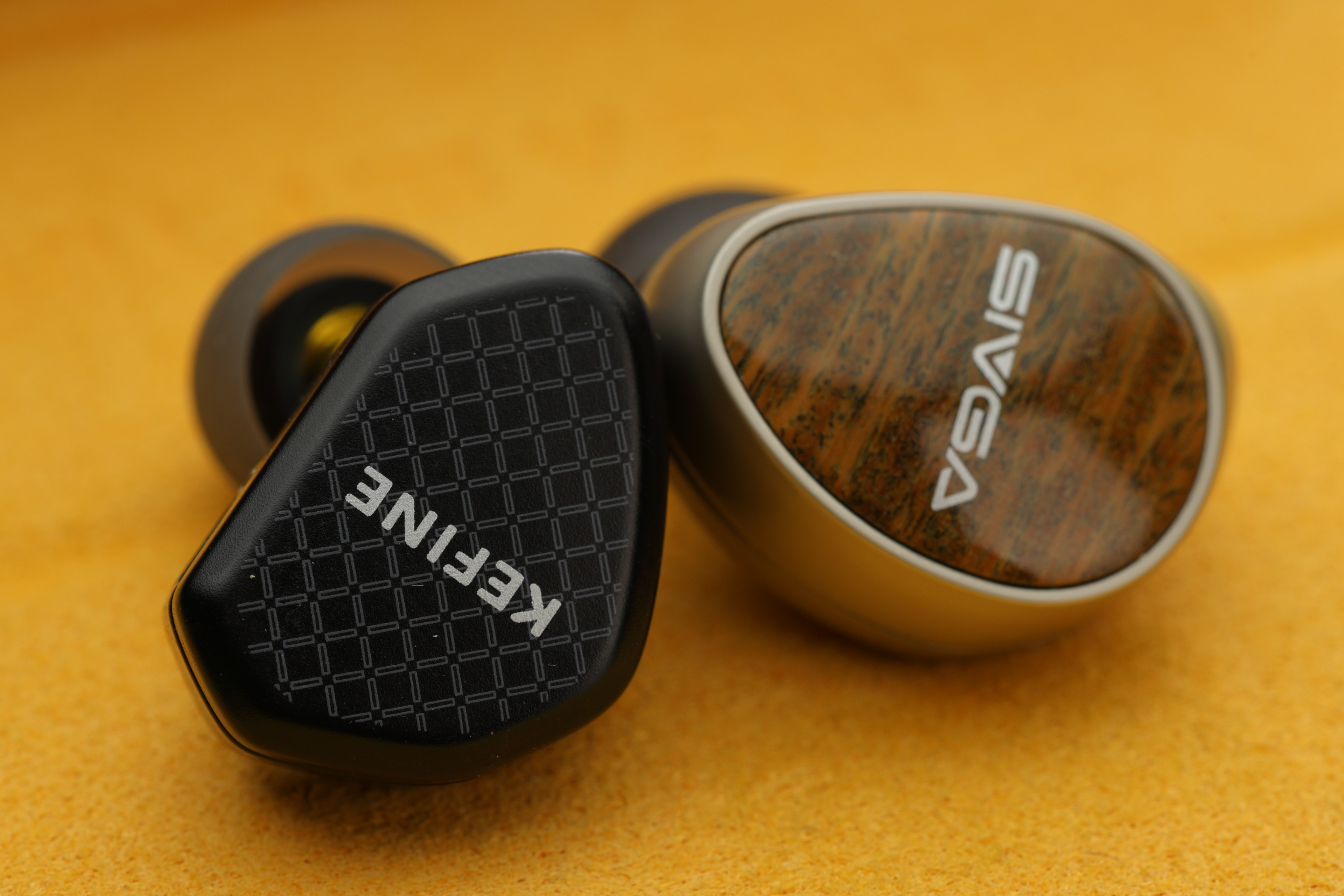
Klean’s design is simple, clean, and unassuming. The black shell is ergonomically shaped, featuring a flat faceplate printed with patterns and the Kefin text. The gold-plated tuning nozzles are replaceable, and the Klean includes two pairs. There is a vent hole located near the nozzle, and another one is positioned further away.
I like the way Kefine placed the Torx screw at the back, rather than on the faceplate, making the Klean look clean, no pun intended. I also appreciate the knurled nozzles, as they make changing them easier.
Cable
My Kefine Klean sample includes a 3.5mm 2-core cable made with High-Purity Silver-Plated Copper Wire, which is neither too thick to affect portability nor too thin to tangle easily. It is also available in a USB-C version with a built-in mic and control.
Comfort and Isolation
I experience excellent comfort with the Klean, thanks to its medium size and ergonomically shaped shell, as well as the inclusion of a pressure relief system. I find it suitable for long listening sessions. Although I wish it were a little lighter than its measured weight of 9.8 grams, 7.5 grams should be perfect.
Isolation is good; the large 6.4mm nozzle and the stock ear tips provide a good seal and effective isolation from ambient sound. The overall sound isolation is average, comparable to most IEMs I’ve used.
Packaging & Accessories
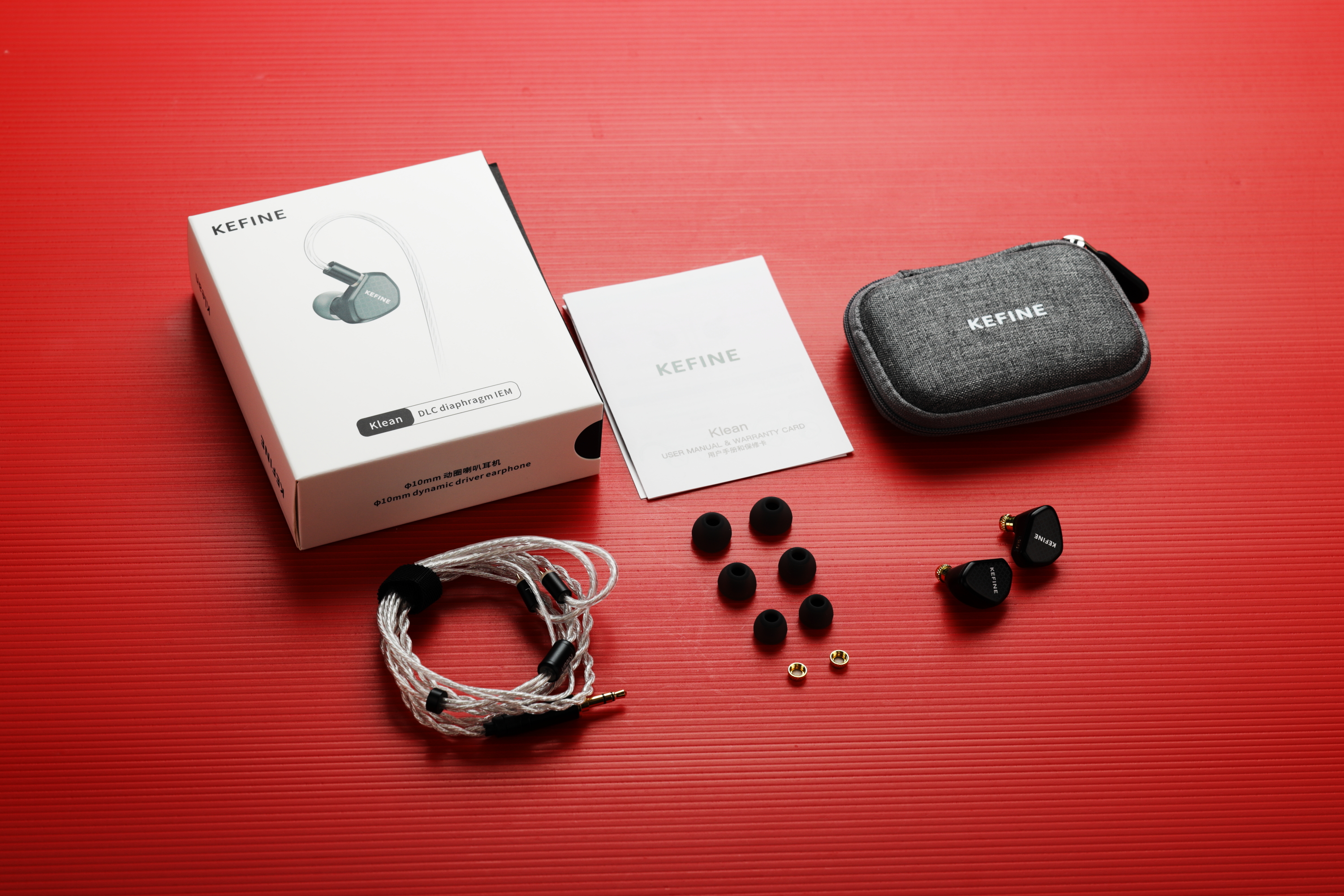
Packaging is smart, simple, and practical. The mid-sized white box features a photo of the Klean at the front and text all around, and measures 110 mm x 128 mm x 37 mm in dimensions. Another box slides out from the right side, which contains all the accessories.
The package includes a pair of IEMs, two pairs of nozzles, three pairs of ear tips, user manuals, a carrying case, and a 3.5mm cable.
Measurement
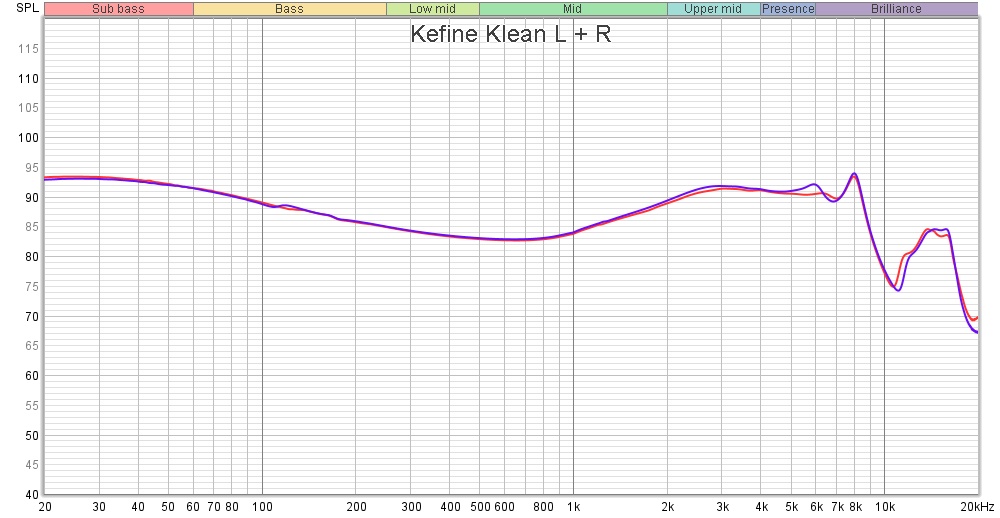
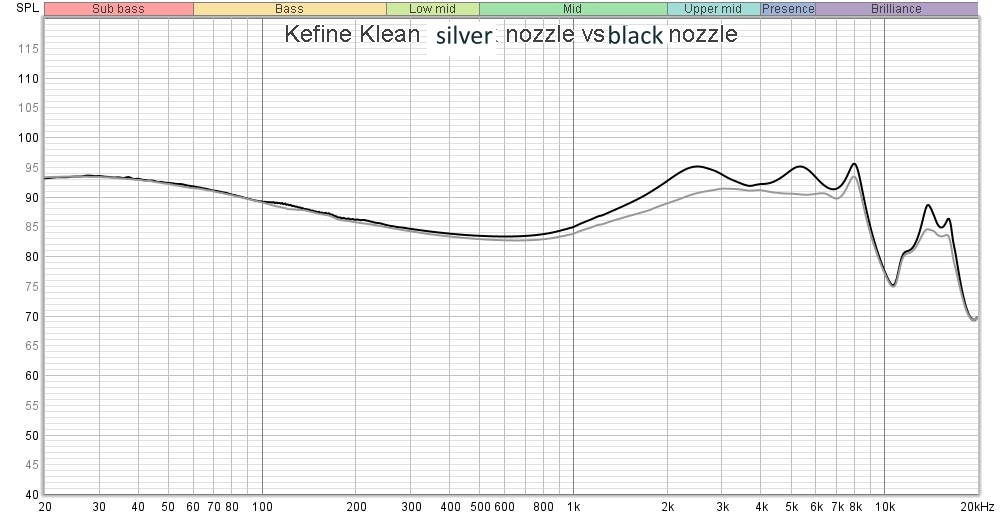
My measurement reveals an almost perfect channel balance, indicating a high manufacturing quality (see photo). The difference between the black and silver nozzles is shown in another graph.
Regardless of the nozzles used, the graphs display a moderate V-shaped to V-shaped sound signature.
Listening Condition
Before seriously listening to the Klean, I spent more than 30 hours of burn-in time using a DAP playing music for about 8 hours per day for several days. I notice improvements in sound after the burn-in; the Klean sounds more open in the midrange, the treble has become smoother, and the bass has become tighter.
I used a wide variety of sources, including the iBasso DC Elite, TRN Black Pearl, paired with my OnePlus 13 phone, and Fiio M15s. Stock ear tips and cable were used, and the default sound settings were employed without any sound enhancement or equalization using Poweramp and UAPP music player apps.
Sound Signature
Of the two kinds of nozzles, I only used the default one, which is the silver nozzle, as I find the black nozzle produces too much upper midrange and lower treble for my taste.
That said, Klean has a balanced, moderately V-shaped sound signature characterized by a moderately boosted sub-bass. A barely recessed perceived midrange response, a mild upper midrange presence, and a boosted treble that balances the boost in the bass.
I like how the bass balances between sub-bass and mid-bass presence, which makes the sound rumbly when needed yet tight, articulate, and detailed. The lower midrange is clean and uncolored by artificial warmth and bleed from the bass.
The upper midrange has good presence yet is never overbearing and shouty. It balances well with the lower midrange, avoiding the instruments and vocals from sounding thin or dark. Instruments and vocals have the right presence, but without the shoutiness that caused fatigue.
Treble is mildly elevated in perceived response; it sounds smooth and extended with good detail, air, and atmosphere. I was surprised by how many micro-details it reveals. The Klean approaches the sound of a well-implemented hybrid set without the coherency issues typically associated with hybrids.
I like the way the treble sounds detailed, slightly boosted, and lively, without sounding sharp, metallic, and fatiguing.
Technicalities
Soundstage size would also depend on the quality of the sources used; that said, with the sources used in this review, Klean has a satisfyingly above-average soundstage size and a delightfully spherical shape, which makes me feel like I’m in a natural environment surrounded by sounds.
Imaging is also above average; there is good lateral panning of the images without breaking apart between panning, and they remain defined and stable. There is good holography of the images, where the images appear to be floating in the air with nicely defined edges.
Center vocals have good definition, presence, and palpability. It appears in front with good realism, as if you can almost touch it. At the same time, the background instruments play separately behind the singer, indicating that the Klean has good image separation and layering.
Pairings
Klean pairs nicely with my iBasso DC Elite, TRN Black Pearl, and Fiio M15s. It effectively reveals the nuances of each source.
I prefer the Klean to be paired with neutral and transparent-sounding sources and would avoid sources that have harsh treble or thin-sounding tonality.
Comparisons
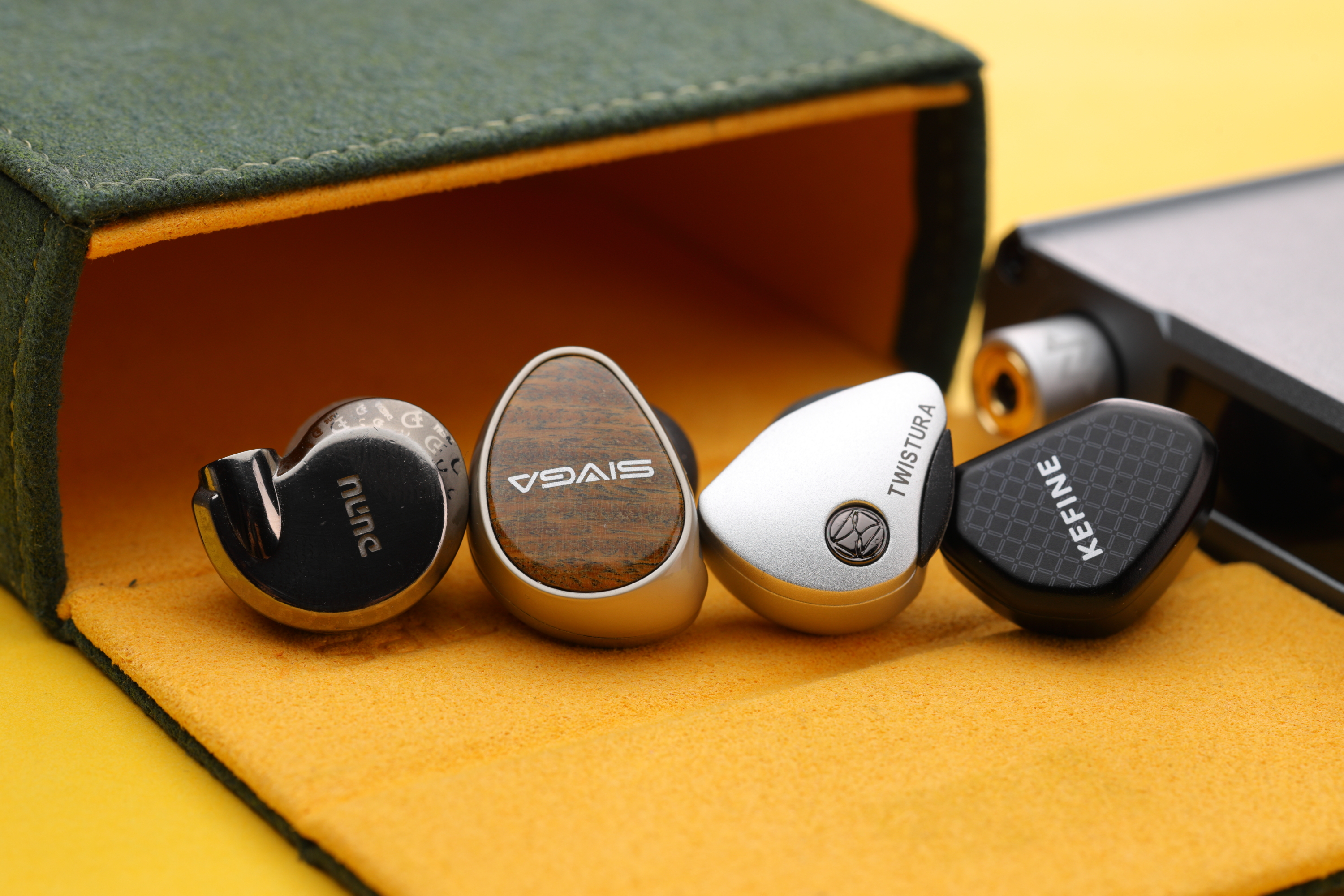
Sivga Que UTG
Description
Que UTG features a 10 mm flat, ultra-thin glass diaphragm driver, unprecedented in single DD IEMs, and promises unrivaled detail and resolution. It has an impedance of 32 Ohms and a sensitivity of 103 dB.
UTG’s shell is made entirely of zinc alloy metal, finished in titanium-colored paint, with a piece of sandalwood at the faceplate. There is a vent hole near the nozzle and another near the recessed 2-pin connectors. It includes a detachable 2-pin modular cable with replaceable plugs.
Sound Quality
UTG has a neutral bass and midrange, with the treble more elevated, giving the impression that it has a leaner note weight and tonality compared to the mild V-shaped sound of the Klean, which features thicker bass and less elevated treble.
Although both have good depth and size in sound staging, I find the Que UTG to have a wider sound with less depth, while the Klean is more rounded and even in every direction, making its imaging performance more holographic.
In terms of dynamics, both are lively and energetic, and never sound dull. However, I find that the more bass presence in the Klean gives it an edge over the Que UTG in terms of dynamics.
Twistura WoodNote
Description
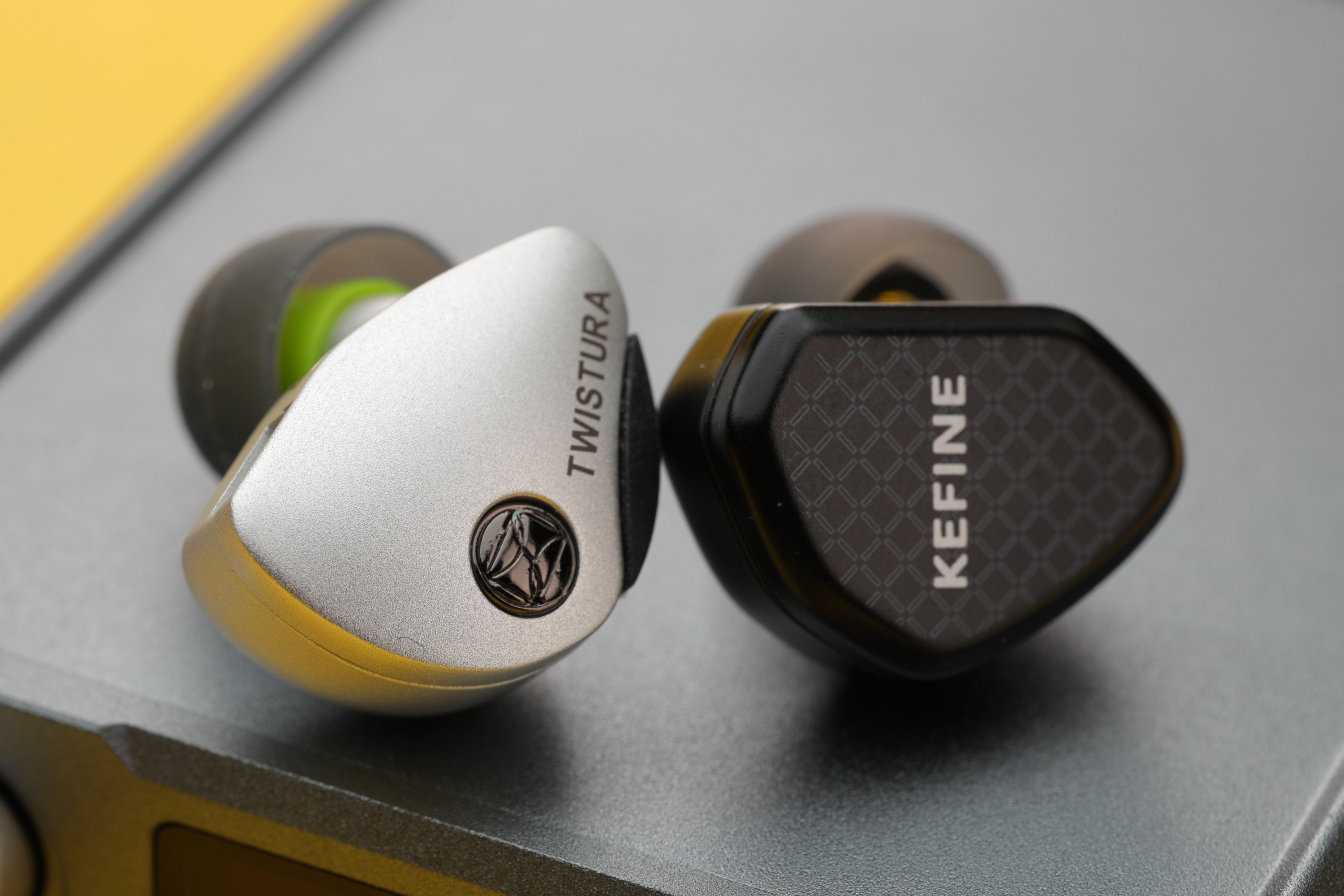
Woodnote features a 10mm Dual-Magnet, Dual-Chamber, Revitalized Wood Diaphragm dynamic driver for natural sound. It includes three pairs of tuning nozzles, has an impedance of 18 Ohms, and a sensitivity of 125 dB.
Woodnote utilizes silver-anodized, CNC-machined aluminum Alloy Ear Shells. There is a vent hole near the nozzle, and a slotted port hole near the 2-pin connectors. It included a thick and attractive-looking 2-core copper cable with replaceable plugs.
Sound quality
Using the Woodnote with the default nozzles and stock ear tips. Both sounds are reasonably neutral, with a slight V-shape in their tonality; however, I find the Woodnote to have a slightly more prominent bass and upper midrange, which gives the instruments more presence and forwardness in their presentation. The difference is small, though.
Regarding soundstage and imaging, both are not far off; however, I find the Woodnote has less depth and a more forward and in-your-face presentation due to its more elevated upper midrange response, while the Klean presents a more balanced and rounded soundstage with a more holographic imaging presentation.
I find the Woodnote to have a slight advantage in terms of dynamics, as the elevated bass and the more forward upper midrange give it more punch and a more immediate sound presentation. The Klean is still dynamic-sounding but not as dynamic as the Woodnote.
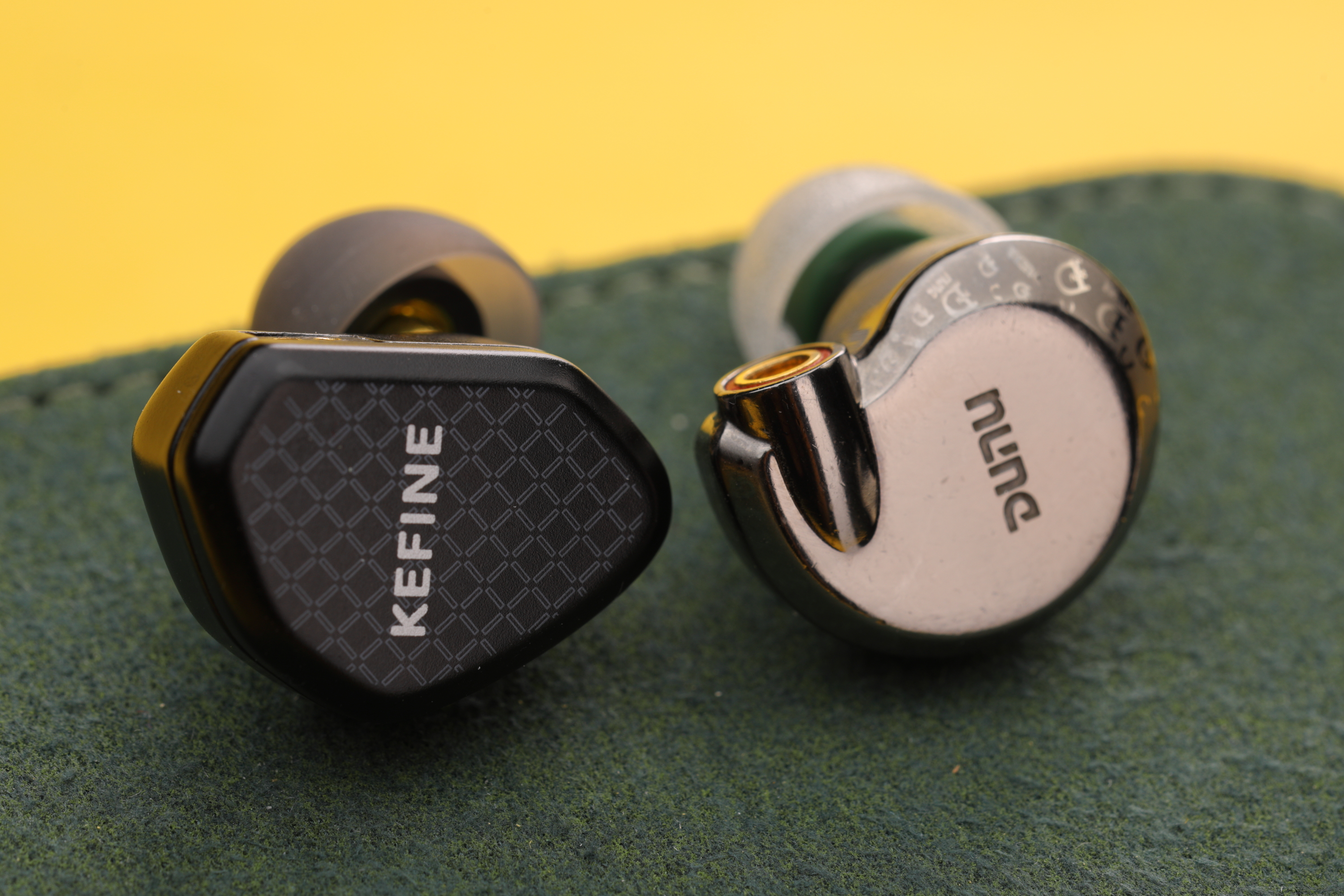
Dunu Falcon Ultra Ti
Description
Falcon Ultra features a 10.7 mm pure metal foil (completely non-polymer-based) lithium-magnesium alloy dome diaphragm with separate suspension. It has an impedance of 16 ohms and a sensitivity of 108 dB.
The compact shell is made of CNC-machined stainless steel in Meteorite Titanium paint finish. It includes two pairs of replaceable nozzles. There is a small vent hole near the nozzle and two bigger vent holes near the MMCX connector. A MMCX cable, made with high-purity Furukawa single-crystal copper and silver-plated wire cores, features a replaceable plug and is included.
Sound quality
Using the Falcon Ultra with the gold nozzles and ePro EP00 ear tips, the tonality is close, with the Falcon Ultra being slightly more neutral and having a flatter frequency response. In contrast, the Klean has a somewhat more prominent bass and treble, resulting in a more V-shaped sound. Both models have a natural sound.
They are about equal in terms of sound staging and imaging, but I find the Falcon Ultra to have a slightly larger sound stage and more holographic and defined imaging.
I couldn’t tell them apart in terms of dynamics, even when the Klean is slightly more V-shaped in sound signature. They are very similar in liveliness and energy, and they never sound dull.
Kefine Klean Technical Details
Style: In-ear
Driver Type: Dynamic Driver
Driver Size: φ 10 mm
Frequency Response: 20 Hz - 20 kHz
Sensitivity: 107 dB ± 3 dB
Impedance: 32 Ω ± 15%
Cable Length: 1.2 m ± 0.2 m
Plug Size: φ 3.5mm SE
Weight: 9.8 grams each without ear tips and cable
Nozzle size: 6.4mm
Pros
Nicely balanced, moderately V-shaped tonality.
Good technical capability without sounding cold.
Detailed midrange and treble with no metallic coloration.
Cons
I wish it were a little lighter.
Conclusion
I appreciate Kefine Klean’s balanced, mild V-shaped tonality and its technical performance, particularly its holographic imaging capabilities. I also appreciate the clever way it placed the faceplate fastening screw at the back, rather than on the faceplate itself, which makes the design look clean.
However, I wish they made the metal shells thinner or smaller to make them lighter, as I am a fan of lightweight IEM shells, because I use IEMs during my walking exercises. At 9.8 grams per shell, it’s not a deal breaker, as many more IEMs are heavier.
That said, as a late reviewer of the Kefin Klean, I never knew that I’ve been missing out all this time on a clean, technically competent, and tonally pleasing-sounding IEM at an entry-level price point. Kefine Klean sounds good regardless of price, and thus, is recommended.
Non-affiliated purchase links:
https://keephifi.com/products/kefine-klean-10mm-dlc-diaphragm-dd-in-ear-earphones-two-interchangeable-nozzles-two-different-sound?_pos=1&_psq=kef&_ss=e&_v=1.0