0000 = bass +0, treble +0
1000 = bass +1, treble +0
1100 or 0100 = bass +2, treble +0
0010 = bass +0, treble +1
1010 = bass +1, treble +1
1110 or 0110 = bass +2, treble +1
0011 or 0001 = bass +0, treble +2
1011 or 1001 = bass +1, treble +2
1111 or 0101 = bass +2, treble +2

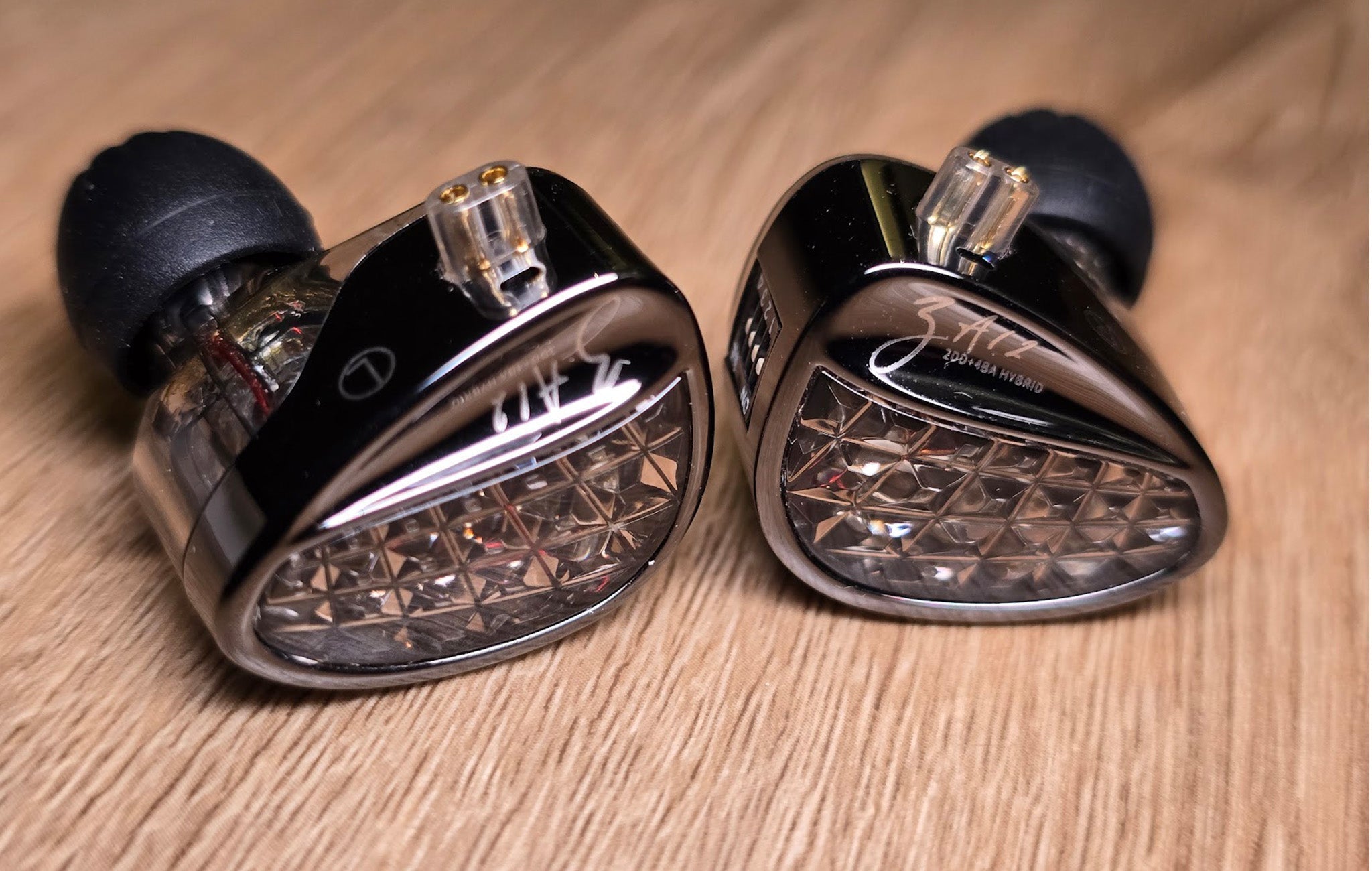
My favourite tuning is the “bass +2, treble +0” setting, with which I will proceed with my review.

The bass is very tactile and snappy. There isn’t very obvious bleed into mids, and it can slam whenever the track demands it, especially if it is driven well. While it is not a basshead level impact, it does have enough texture and body to keep you engaged. There isn’t much resonance and trailing end to the bass notes, making it very clean and analytical, but in some tracks I may find myself wanting some more rumble and grunt in the subbass. Case in point, the downpitch-shifted guitar “bass line” in “Seven Nation Army” became pretty noticeably "guitar" than "bass", but I can still find the overall experience very enjoyable. Moving to “Through the Fire and Flames”, the quicker bass can really keep up with the inhumanly fast drums here, but indeed the rumble is still quite missing.
I have to say, ZA12 mids is one of the best I’ve ever heard from a KZ or CCA set. It’s generally neutral, with decent clarity and details. The positioning of the vocal is quite forward and the timbre is very natural. Both male and female vocals are equally well reproduced, with little to no sibilance, depending on the track. Listening to Vaundy’s “Kaiju no Hanauta”, the vocal stands out quite well with some syrupy quality to the timbre. Hoshimachi Suisei’s “XION” shows the limits of my sibilance tolerance and yet, I still enjoy the experience very much.
The treble in ZA12 is very quite energetic with a good amount of air and amazing resolution. It just stops short of being too bright to my ears, but I can understand if some people might find this too bright. I think, in terms of sheer resolution, it can keep up with IEMs from the 100-200 dollars range. That alone is pretty impressive to my ears. In Monkey Majik’s “Change”, the intermingling of the electric guitars/bass and the Yoshida Brothers’ shamisen are well separated here, with no sharpness in the notes.
Technicalities-wise, the standout is definitely the resolution. This is probably due to the very forward positioning of the sound, which unfortunately also restricted the soundstage slightly. The imaging is still decent though, and the layering is still excellent. Timbre is relatively natural and the coherence is surprisingly good.
Bass: tactile, snappy, fast, tight
Mids: neutral, detailed, vocal-forward
Treble: airy, resolving, no sharpness/sibilance
Technicalities: excellent resolution and layering, decent imaging, ok soundstage, good coherence, natural timbre
Power Requirement and Pairing Suggestions
While it is quite easy to drive it decently, ZA12 scales pretty well when paired with a more powerful source. The 45Ω impedance allows it to tolerate more beefy amps, and warmer sources are preferred.
Select Comparisons
Truthear Hexa ($90):
I think when Hexa came out, it was considered to be a technical bang-for-the-buck set, albeit with some issues with kinda plain tonality. I think ZA12 now replaces that position, with arguably better tonality. The mids and vocals are thicker in ZA12 and the resolution is quite a bit better. If anything, I would say the build quality is a better on the Hexa, but otherwise, I would prefer the ZA12 in terms of sound quality.

Tangzu Fudu Verse ($90):
Usually, I would move on to recommend Fudu for those who find Hexa to be a bit too plain. Fudu is a thicker, warmer version of Hexa, with similar technicalities. ZA12 is quite a bit more reserved in the bass, but overall resolution and layering is done better on the ZA12. Fudu became too laidback when compared head-to-head. I would go with ZA12 for a more critical listening, and Fudu for a more relaxed listening.

CCA Rhapsody ($52):
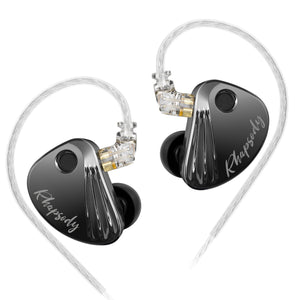
This is probably the most direct comparison within KZ's own lineup. Personally, I find Rhapsody's bass too detached and loose, complete opposite to the ZA12, with better mids and more extended treble too. I pretty much prefer the ZA12 over Rhapsody for most tracks in my library.

Conclusion
KZ ZA12 is one of the best releases from KZ in recent memory. Despite having some issues with the build quality, I think the sound quality can make up for it, especially at this price point. To be honest, I would rather KZ increase the price to somewhere around $90-100 and build it better (which they did pretty well with CCA HM20). So, with all that, I can’t give it higher than 4 stars, but I can still recommend this to those with very limited budget.
Shopping link: KEEPHIFI 35% OFF