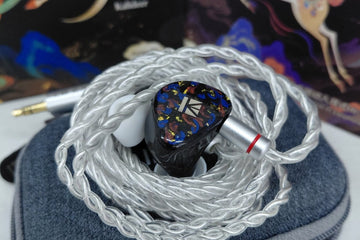
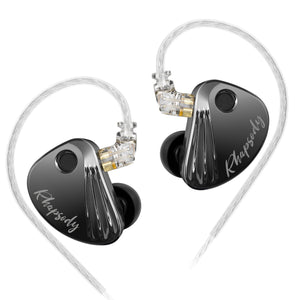
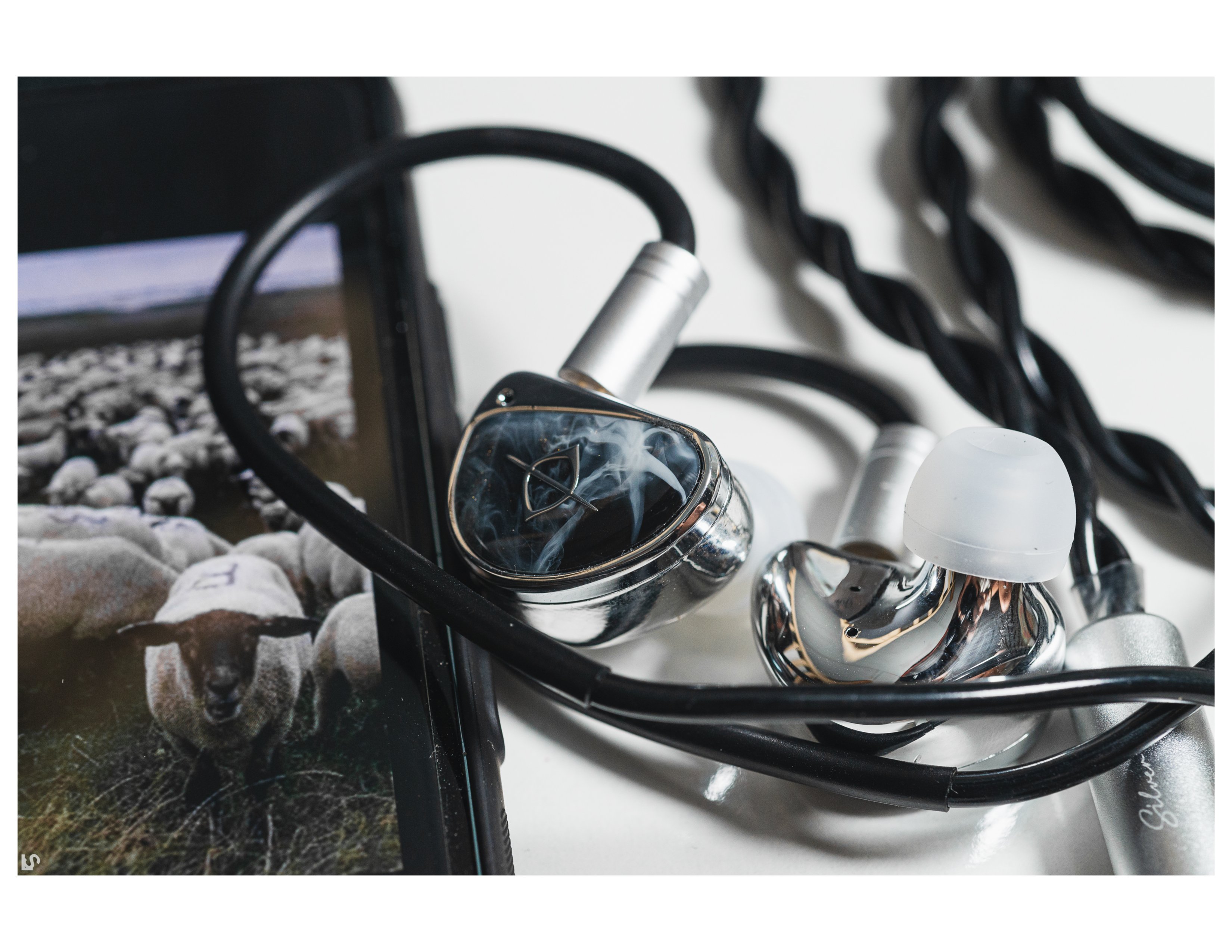
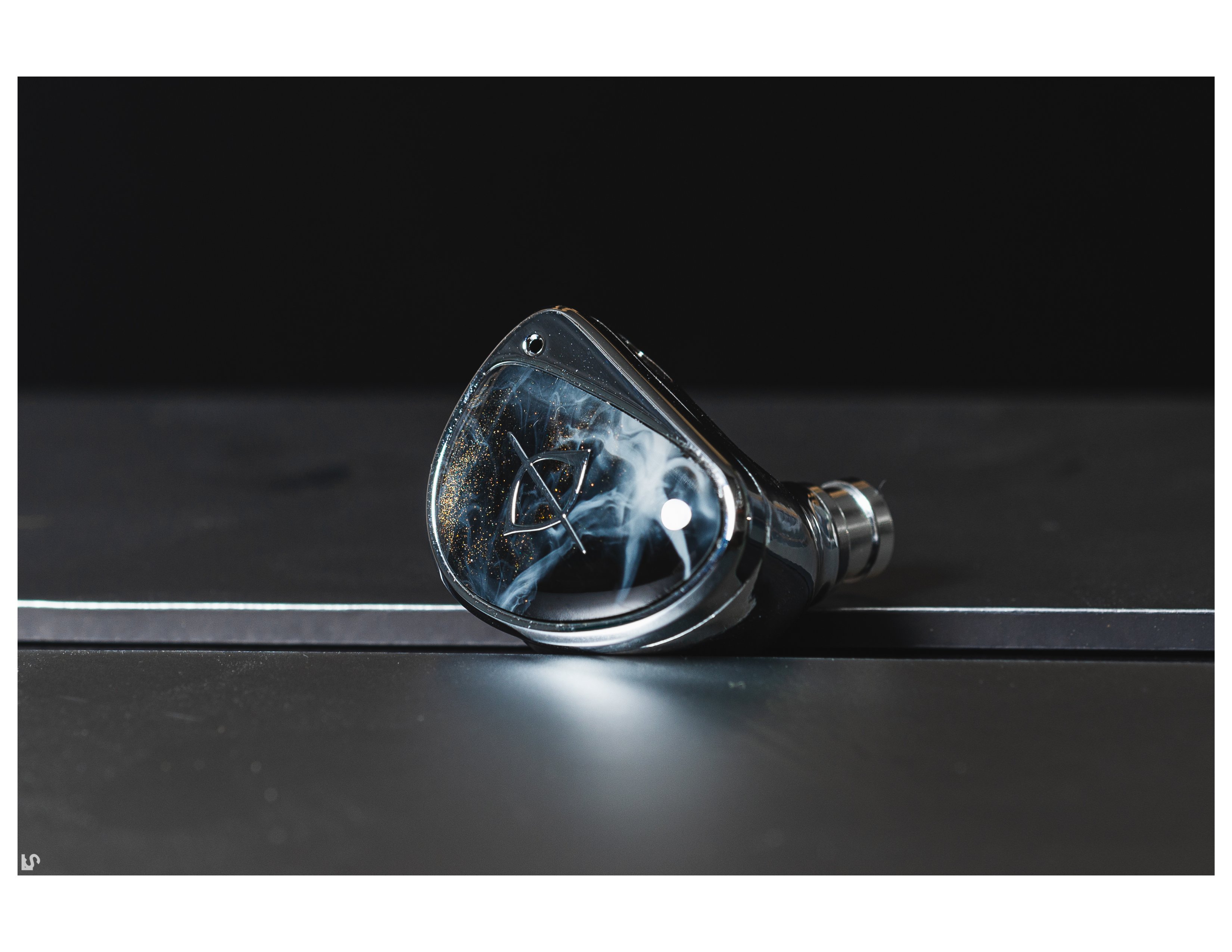
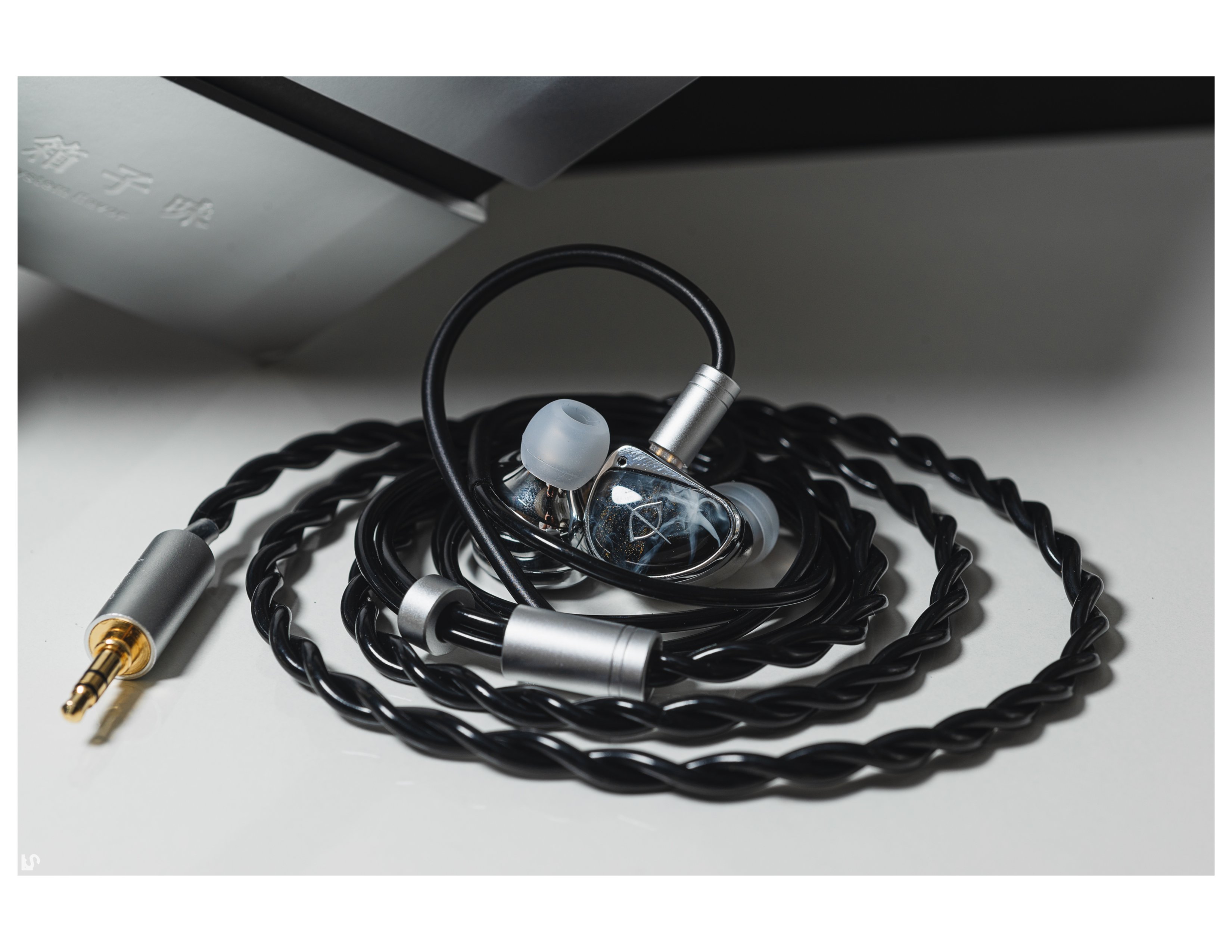
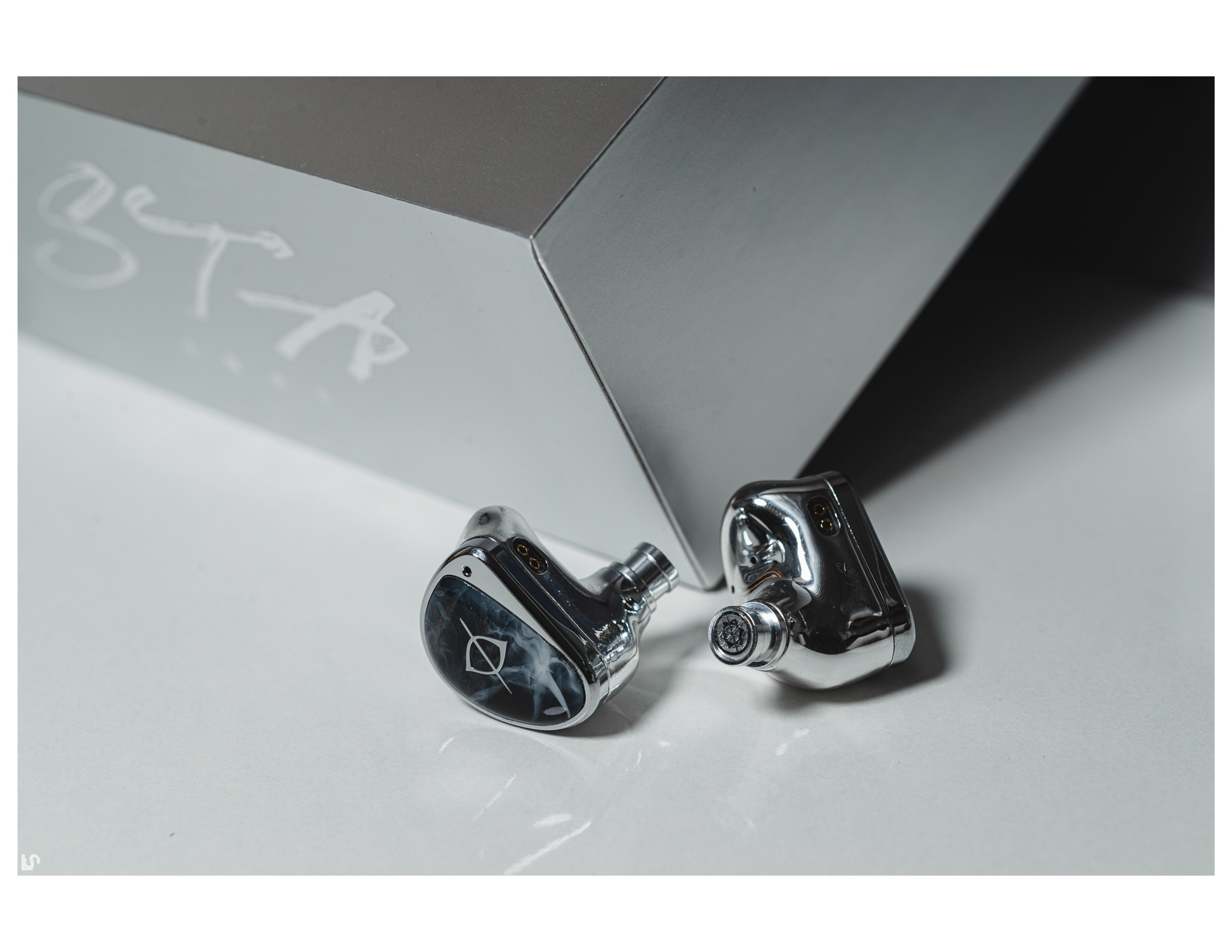
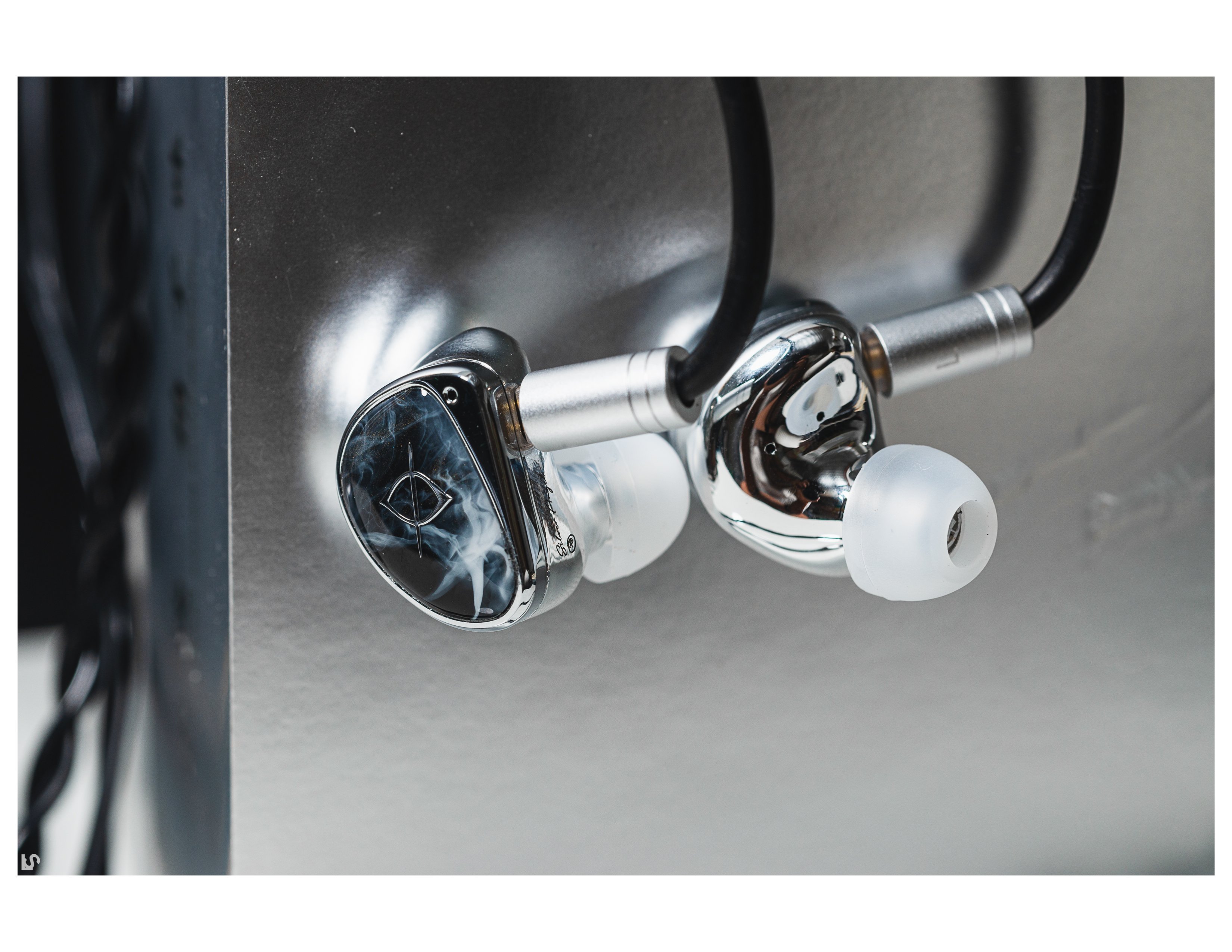
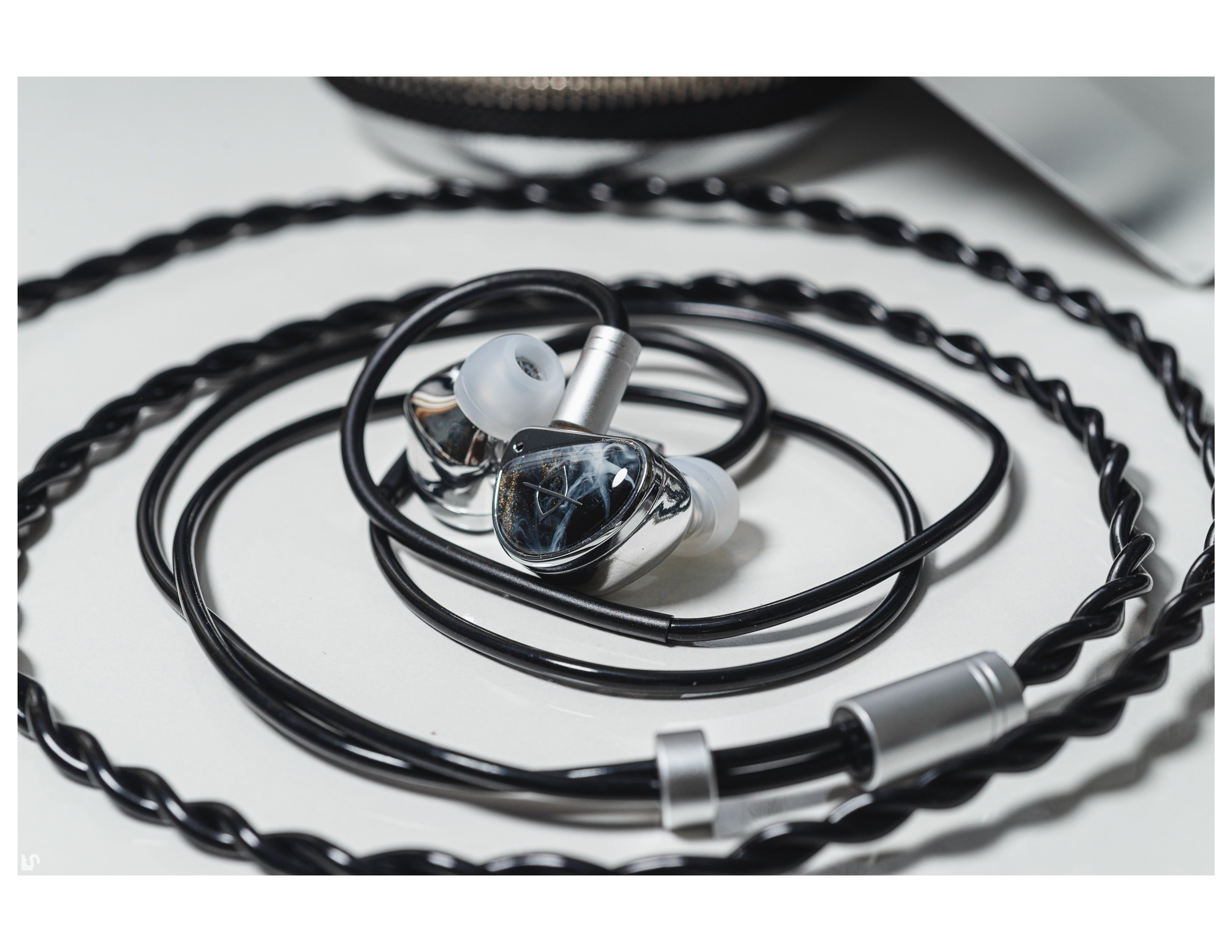
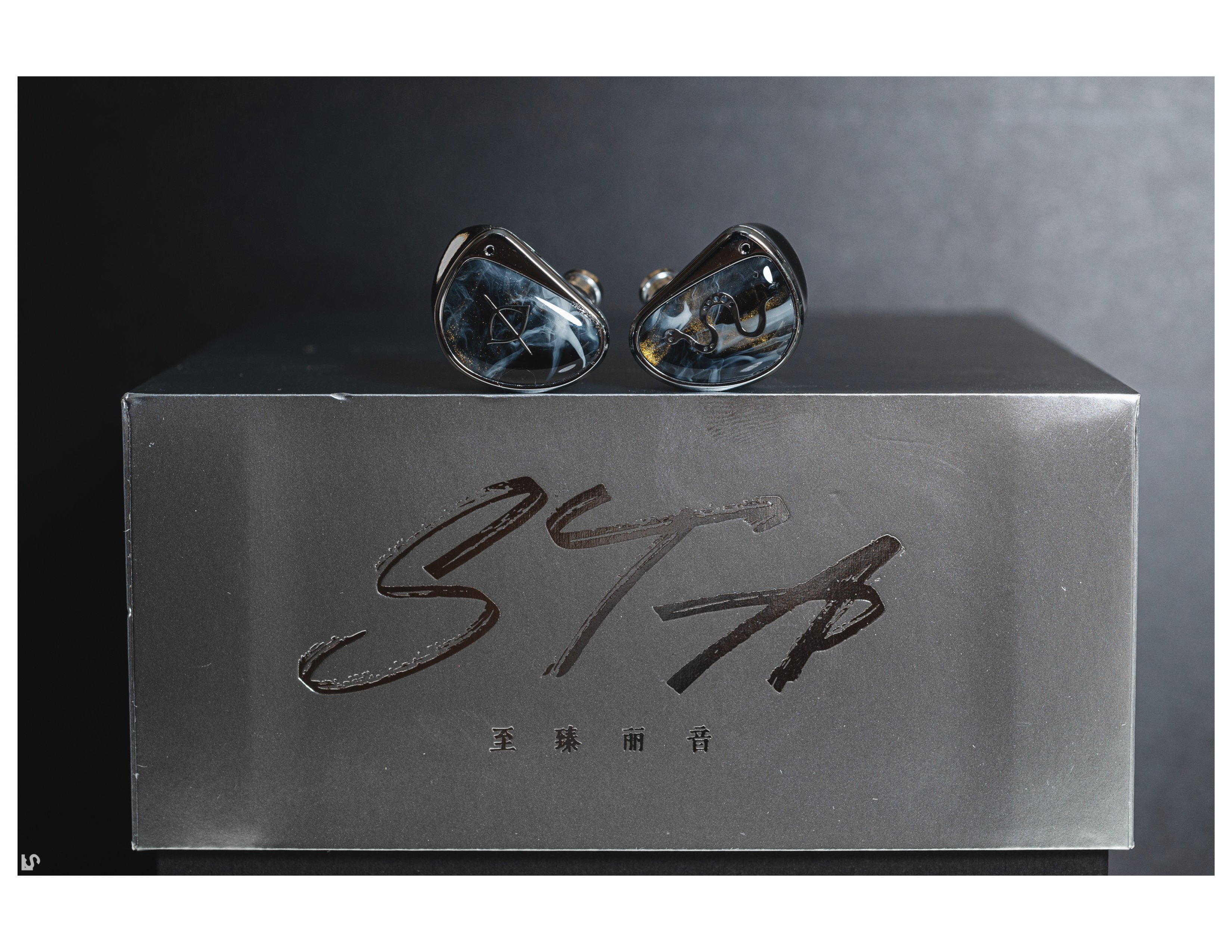
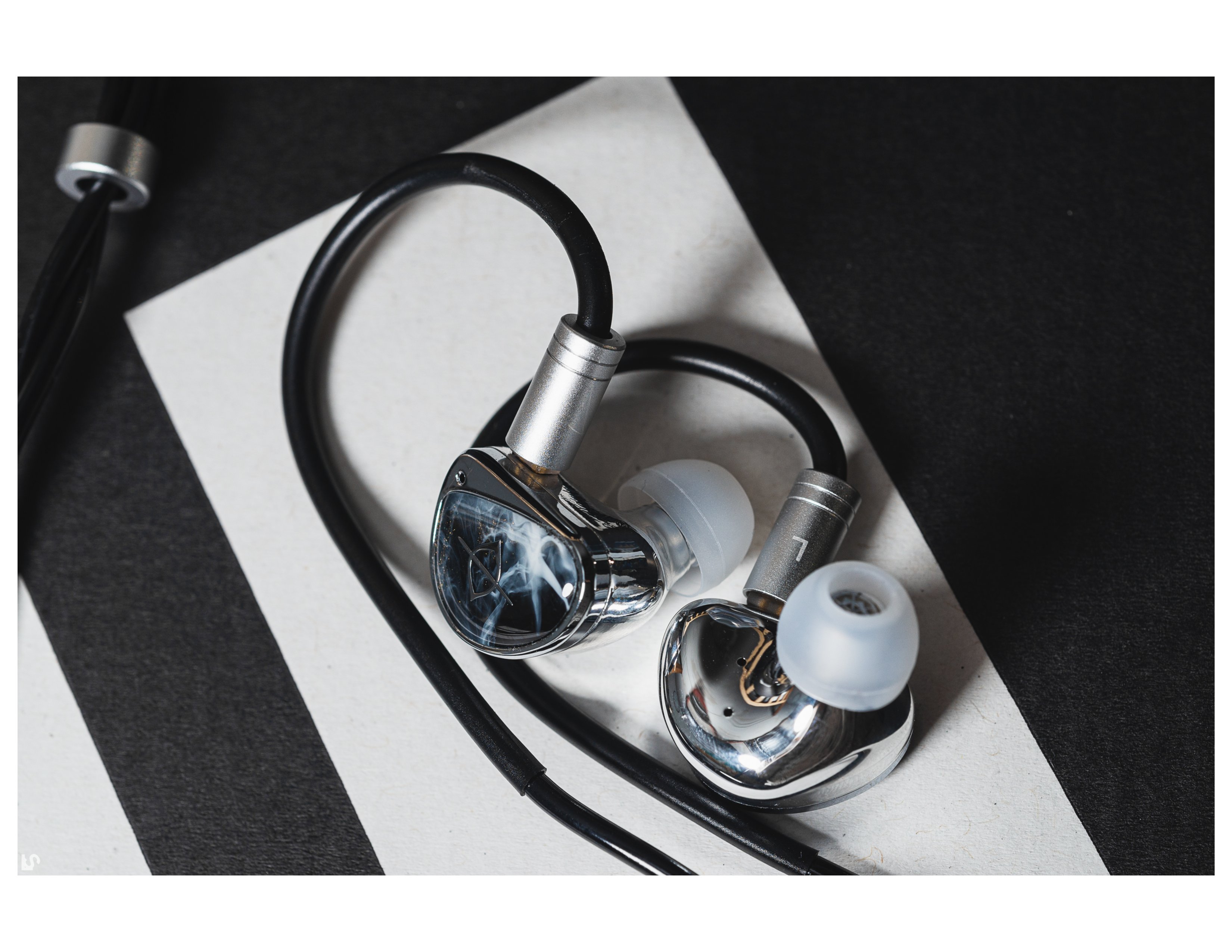
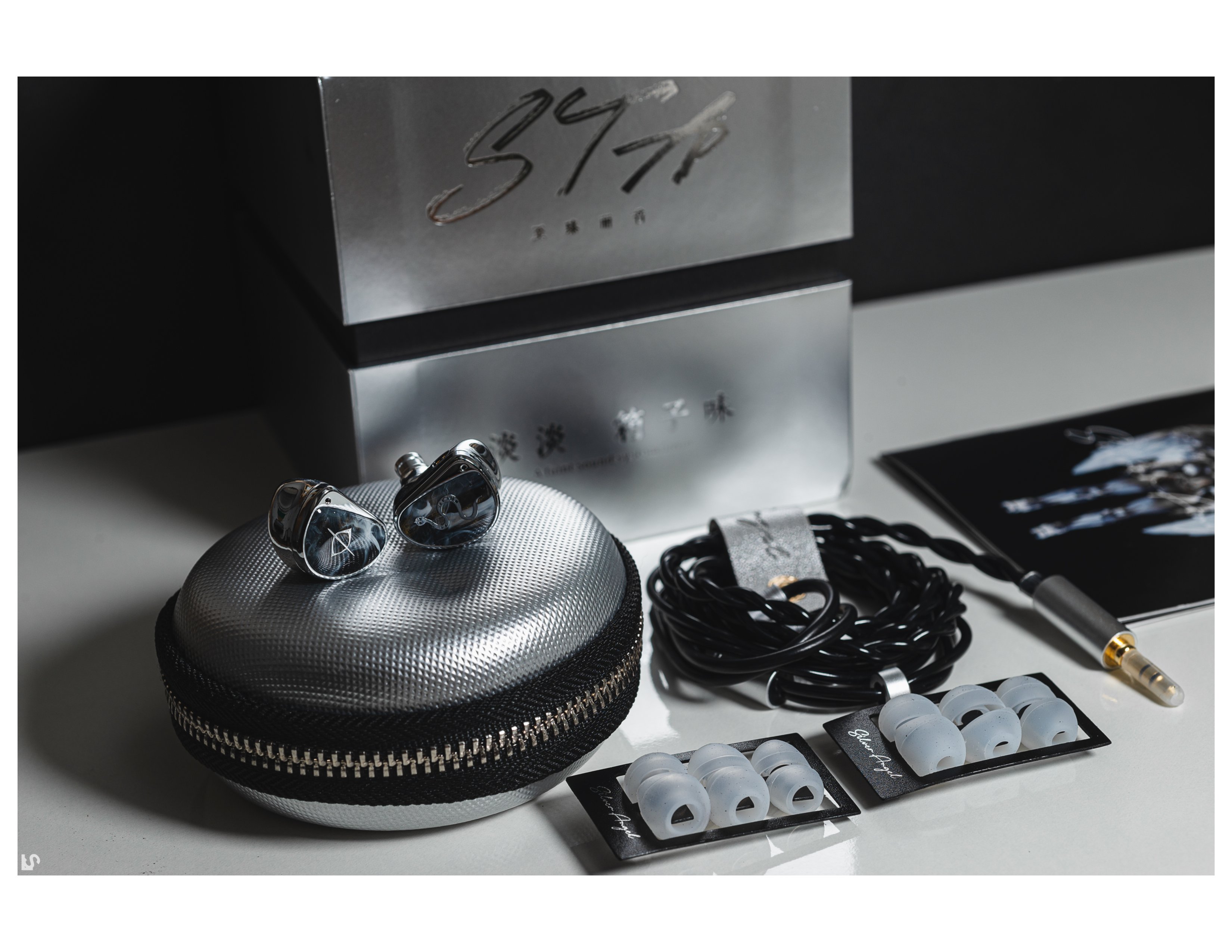
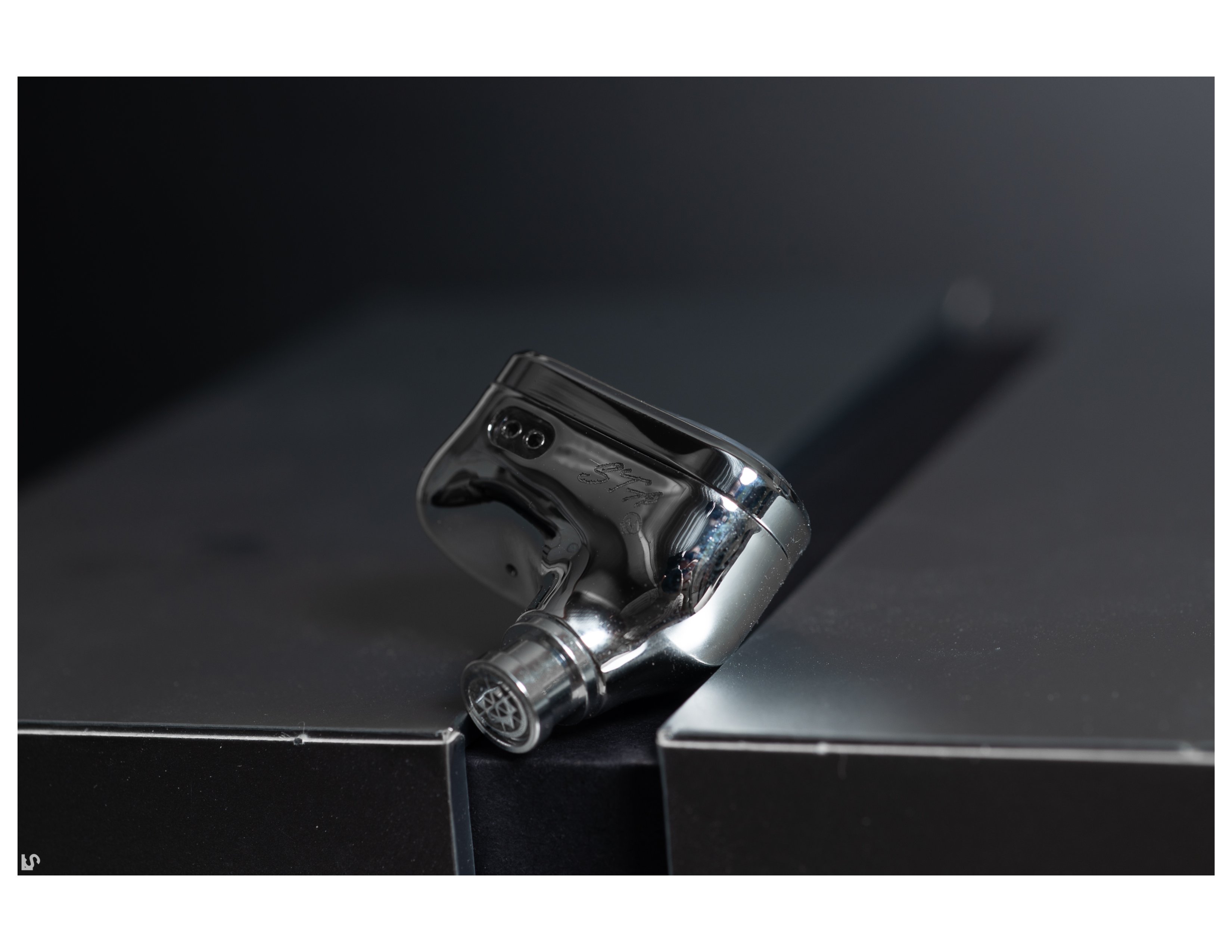
A “unique” bassy IEM under 100 USD! Thick, v-shaped sound signature! Thick, midbass-dominant bass response! Lush, thick, smooth mids! Non-fatiguing upper frequencies! Taller than usual soundstage height! Very good fit, comfort, and isolation! Lightweight, visually-pleasing design! Very good quality of accessories and presentation! Easy to drive, but scales well with power!
Cons:
The overall sound lacks a bit of air to my liking. Subbass quantity may lack those who prefer earth-shaking subbass.
It is definitely easy to drive, but it needs a 4.4 balanced connection for good measure of power (to my ears, at least).
I don’t read FR graphs. I only use my ears, as earphones should be used.
EarAcoustic Audio sent this unit to me in an exchange for an honest, unbiased review. Rest assured that this review will do its best to devoid from any bias/es as much as possible.
The following remarks and observations shall be made and owned only by me.
No monetary compensation is/was involved before, during, and after the period of creation of this review.
Your mileage may (and always, will) vary.
======================================================================== My personal preferences, in terms of sound, methodology, and music of choice:
I prefer a “neutral/flat/balanced”, uncolored sound as much as possible.
I prioritize technical over tonal performance.
I listen to most genres existing on the internet.
I use the included stock eartips and cable as much as possible to put myself on a consumer’s perspective, unless stated otherwise.
======================================================================== Burn-in time: 4-8 hours per day, 5 days.
Source/s used:
- Non-HiFi smartphone (Infinix Note 12 G96), PC.
- Tanchjim Space DAC
- Fosi Audio SK02 USB DAC
- Venture Electronics Odo USB DAC
- Venture Electronics Devastator USB DAC
- Venture Electronics Megatron USB DAC
- Snowsky Echo Mini DAP
- Kiwi Ears Allegro Mini DAC
- DDHiFi TC35M2 USB DAC
- Aiwa XP-V710C CD Player (12 sec. EASS)
- FiiO DM13 CD Player
- Local Files via Foobar, YouTube Music, Deezer, and Qobuz with UAPP.
IEM/Earbud/Setup configuration:Stock medium widebore eartips, any form of EQ or MSEB off, 40-60% volume.
Unlike the SPA Hi-End Ultra that I have reviewed before, the EarAcoustic STA Pro Max presents itself in a thick, smooth, mild v-shaped sounding set. On certain setups, it may sound a “balanced”, soft w-shaped sounding IEM, with a thick character. What sets it apart from the current V-shaped sets under 100USD is its midbass stands out more than its subbass, which is quite rare in today's IEM trends.
Lows:
The bass here in the STA Pro Max technically “can” satisfy bassheads, depending on what they prefer to prioritize on basshead sets. Those midbass enjoyers are definitely in for a treat here in the STA Pro Max is it is thick, and mostly dominant in nature, exhibiting a chunky, punchy character. Attack and decay speed on this set is on the average side of things, with a good amount of detail and texture. The only nitpick that I can think and hear of with this set is the subbass quantity on this set could have been with the same level with the bass in terms of quantity, but overall, the entire bass quantity of this set isn’t really lacking and will be more than enough for most genres you listen and throw at it, in a positive manner. Despite me not being a basshead, I like how EarAcoustic Audio tuned this region here in STA Pro Max because there aren’t a lot of currently released IEMs exist with this type of sound, since most IEMs of today emphasize the subbass more than the midbass. If we’re talking about uniqueness in this region, the EarAcoustic Audio STA Pro Max is the most unique that I have heard under 100USD in today’s IEM market.
Mids:
Due to its forward, thick, punchy midbass, the mids seem to exhibit a noticeable midbass bleed here in this IEM, particularly in the lower mids. I’d say it is tastefully done since it doesn’t drown the mids at all as it only gives it a good amount of warmth, but I also see those people that may find it “thicker” than usual, that may not fit or sound perfect on some genres such as those vocal-centric tracks as an example. Lower mids are undoubtedly thick and have a good texture. Upper mids are smooth, more or less as smooth as what the lower mids exhibit, with a decent amount of clarity, air, and separation. Abnormal peaks and harshness are absent in this set, even on sibilant prone tracks. This in return, makes me recommend the STA Pro Max to basically anyone, especially for those people that have a pair of ears that are very sensitive to bright upper frequencies.
Treble:
The aforementioned qualities of the STA Pro Max are also carried here in the treble region. It is definitely safe, has a good amount of extension, and free from any sibilance. Detail retrieval seems to also exhibit an average quality in this price point, which also means that this isn’t designed to be used for analytical listening. If I were to nitpick however, I find that the treble here on the STA Pro Max lacks a little bit of air to my liking, which in return also affects my perception of soundstage width. It sounded a bit “closed in”, or “only in my head” if I may. Don’t get me wrong, the treble on this set is far from being dark or non-existent, it’s just that I am most likely accustomed to the sets I reviewed lately wherein there is a bit more air and extension present compared here in the STA Pro Max. I do believe however, that EarAcoustic Audio intended to tune the STA Pro Max this way since the transition between regions and the overall sound is safe, smooth, without sounding too soft or mushy.
Soundstage, Imaging and Separation:
Let me say this first here: the overall technical chops is nothing to write home about for this price, but is far from being bad either. The only thing that stood out to me is its soundstage height that seems to be a bit taller than usual. Separation and layering is average at best and may experience some mild congestion on heavy passages. Imaging is accurate enough and has no problems rendering vocal and instrument positions.
The Sivga Que seems to be a bit thinner and less warmer in sound when compared to the EarAcoustic Audio STA Pro Max. This in return also means that the Sivga Que is also more balanced and open in sound when compared to the STA Pro Max. It is also less forgiving in flaws and sibilant prone tracks as well. Overall, both sets perform really well under 100 USD. The STA Pro Max is noticeably warmer, softer, smoother, and thicker compared to the Sivga Que, but the Sivga Que has better technical chops when compared.
The Rose Technics Star City 5 Pro is more balanced and less warm when compared to the EarAcoustic Audio STA Pro Max. It is also less softer and less thicker despite both sets having nearly identical mild-v-shaped sound signature. Treble seems to be a bit more extended on the Star City 5 Pro when compared to the STA Pro Max. Technical performance is also mildly better on the Star City 5 Pro, as it has quicker attack and decay.
The Faaeal Tulip is less in thickness and is cleaner in sound when compared to the EarAcoustic Audio STA Pro Max. The mids is also more forward on the Tulip. and are very noticeable on the vocals department, compared to the STA Pro Max’s laid-back, smoother presentation. Treble is also more present and extended on the Tulip when compared. Technical chops are also better on the Tulip, but not by a lot.
Out of all the comparisons I did with the EarAcoustic Audio STA Pro Max, the Roseselsa Aurora Ultra is by far the closest when it comes to the sound thickness. The Aurora Ultra’s sound is surely thick, but a tinge less thicker than the STA Pro Max. It is also mildly quicker as well. Mids are also less warm on the Aurora Ultra, and the vocals are a bit forward when compared. Treble is a bit more extended on the Aurora Ultra, but still keeps its composure not to sound sibilant. Technical chops are also better on the Aurora Ultra due to its driver configuration, particularly on the separation and layering.
After all of these observations I did with the EarAcoustic Audio STA Pro Max, I have now concluded that this IEM is a guilty pleasure to me. As someone who prefers things in DF Neutral, neutral, or balanced in sound, I have legitimately enjoyed the STA Pro Max, especially during my commutes and casual listening sessions. Of course, this IEM is far from being “correct”, it doesn’t even follow the current trends on the sound target either, but in my opinion, that’s what makes itself unique. There aren’t a lot of IEMs that are well-tuned to sound this thick and midbass dominant in today’s market that I have heard recently, given that I have reviewed a lot of IEMs ever since. Despite it being “unique” or “niche” to my taste, it does not sound bad at all either. Far from it actually as it pairs with most of the genres I listened to it really well. If the STA Pro Max is a person, it is probably that guy who has the “vibes” oozing in his aura, and probably wears some chrome hearts outfit on a daily. Thank you for bringing something unique to the market, EarAcoustic Audio!
Source:The EarAcoustic Audio STA Pro Max is easy to drive, but it seems to benefit on a fairly powerful source, or with a 4.4 balanced connection. The upper frequencies seems to open more on a fairly powerful source . I recommend a source with at least 2VRMs on this one, preferably neutral sounding as well, for good measure.
Eartips:The two sets of eartips are alright and does not seem to hinder the sound quality of the STA Pro Max. As for third party eartips, I recommend the TangZu Tang Sancai, Tri Clarion, or the Dunu S&S for this one.
Cable:The cable included here in the STA Pro Max fits the overall aesthetic of the IEM, not to mention that the craftsmanship here is also precisely done. If I were to change the cable of this IEM, probably I’d have it in a 4.4 balanced connection.