






Introduction
KZ is among the most famous brands (if not the most famous) in the Chi-Fi landscape and they’ve been working on some interesting full BA setups recently. The AM16 comes after other full BA setups like the AS16 Pro, the Sonata and so on, and it’s hitting the ~50 price mark which is pretty unusual for a configuration like this.
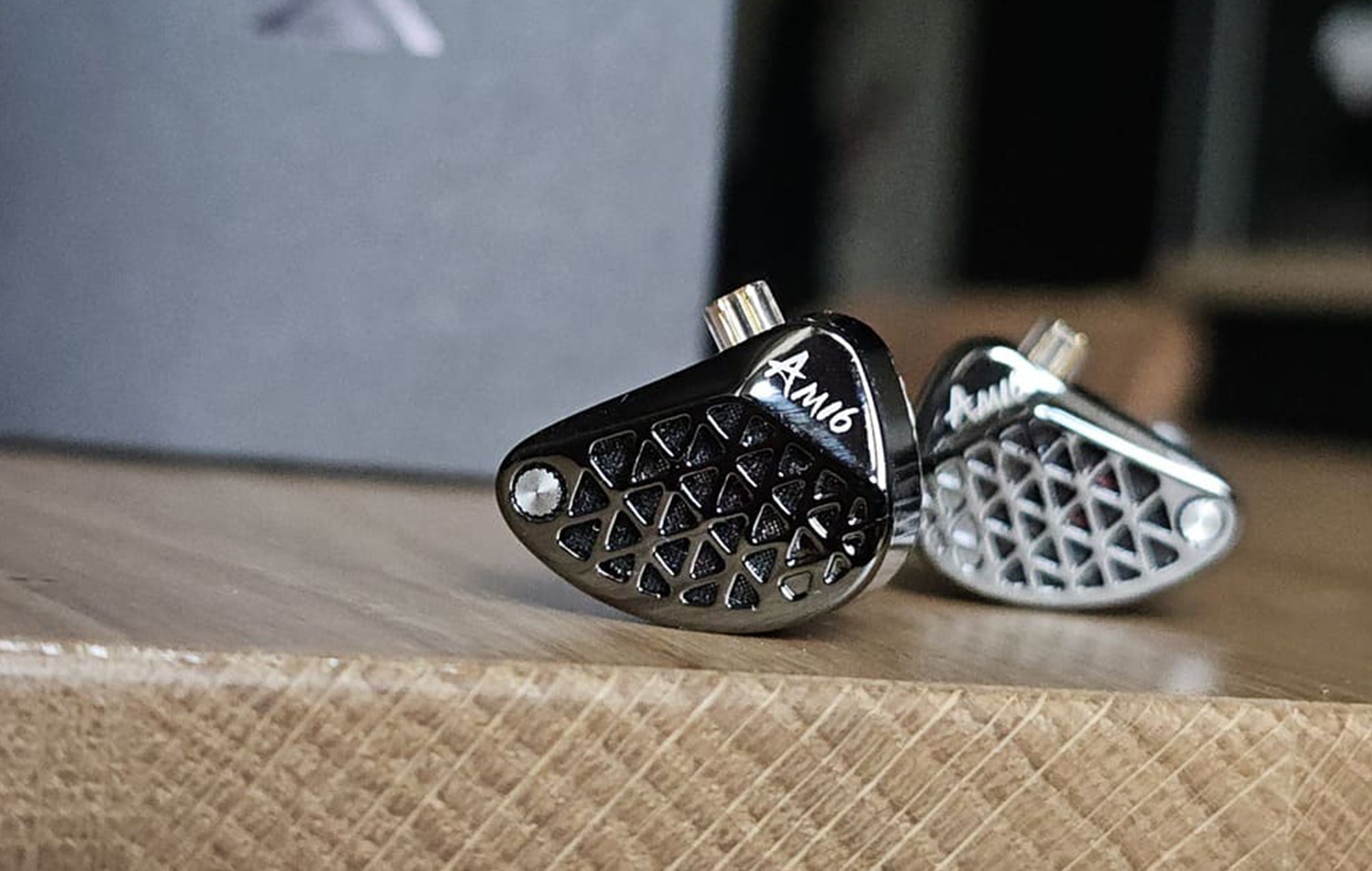
In this review, I will try to share my thoughts on the AM16 Balanced version and a few comparisons with some of their peers. The AM16 reached my door unexpectedly so I don't know who was the sender, I guess it was Jenny from KZ. Anyways, they look pretty good and kinda look like there's a grill underneath the faceplate but hey, let's go ahead.

Technical Specifications
- Driver Configuration → 16 BA both sides (I guess that it means that there are 8 BAs per each side)
- Impedance → 22 Ω
- Spec-sheet Frequency Response → 5Hz-40kHz
- Sensitivity → 104 dB/mW @1kHz
- Cable → 1,2m OFC cable with QDC 0.75mm 2-PIN connectors
- Plugs → 3.5mm jack (my sample has no in-line microphone but there is a MIC version available)
Packaging
The packaging of the KZ AM16 is very minimal just like every other previous packaging from KZ (excluding a few examples like the Zenith, Sonata and so on), containing:
- The KZ AM16
- The same cheap cable that KZ and CCA have been including for ages
- 3 pairs of starline tips
- User manual


Design, Build Quality, Comfort and Isolation
The build quality of the AM16 is pretty good, and even though the shells are made of plastic, the overall assembly is very good and the IEMs seem really well crafted; there’s also a visible grill underneath the faceplate that could suggest an open back design, but the passive isolation is too good to be an open-back set.
The shells don’t have any sharp edges and they’re pretty comfortable despite being on the bigger side.
Maybe, if I had to pick a few things that are definitely improvable, I’d mention the QDC connector, which is something that KZ has been using since the dinosaurs’ age (so i don’t see it changing in the near future) and, as others pointed out, the very weird glue-job that can be seen from the transparent shells (I mean, if you have transparent shells, at least put some effort at hiding the terrible glue-job, even though that’s not affecting the sound experience).


Cable
Nothing to say about the cable honestly since it’s the same cable that KZ used to ship in the past with all of their IEMs. Even though I am sure that many would love to get a better stock cable with most KZ sets, I struggle to complain about it since one should be able to get these for as low as 10$ or even less during some sales or thanks to welcome promotions on Aliexpress.
There’s no chin slider and my sample doesn’t even feature a remote mic on the cable.
Sound
GEAR USED FOR THE TEST
- DAC: Topping E30
- AMP: Topping L30, Fiio A3
- Mobile phones: Samsung Galaxy S7 Edge, Xiaomi Mi A3, Samsung Galaxy S23 Ultra
- Moondrop May’s DSP cable with PEQ=0
- Dongle: Apple Type-C dongle, Fosi DS2, Hidizs XO, Kiwi Ears Allegro Pro, Tanchjim Stargate 2, Dunu DTC480, Dunu DTC800, Truthear SHIO
- Portable DAPs: Snowsky Echo Mini, Benjie S8/AGPTEK M30B
- Bluetooth DACs: Snowsky Retro Nano, FiiO BTR11
- Bluetooth Adapters: KBEAR S1, KZ AZ10
- Other sources: Presonus AudioBox iONE, Elgato Wave XLR
Amplifier needed?
The KZ AM16 are easily driven from most sources so you don’t strictly need a portable amp.
Let’s speak about the sound.
The KZ AM16 are a fun-oriented, V-shaped set with a very catchy sound.
The low-end has a nice shelf that gives a good punch to the bass and pretty good sub-bass presence considering that we’re talking about a full-BA set and that no DDs are involved. The bass is also pretty quick during rapid basslines and it maintains its punch delivering a natural bass response that is usually lacking on budget BA sets.
The midrange is recessed but the lower mids actually exceeded my expectations, sounding pretty natural and without being too thin or completely left behind (for sure, if you want a very rich and thick sounding lower midrange and if you want super warm male vocals, this set won’t be your cup of tea. The upper midrange is emphasized with very energetic female vocals and forward sounding electric guitars, trumpets and violins.
I am pretty tolerant to treble, so I guess I am not a reference in this regard, but I think that the treble response is quite well done on the AM16. These don’t have the best treble extension out there but the roll-off is naturally done and the earphones don’t feel congested while still sounding pretty natural and non-fatiguing. If anything, one could get some fatigue from the forward upper midrange, but I don’t think that the treble will be a problem for most people.
The soundstage is of average size and I am already happy with this since budget full-BA sets tend to sound more closed in than similarly priced sets that involve different configurations (this may also depend on venting necessities). The imaging is pretty good as it’s pretty easy to spot the correct position of instruments and vocals. It’s not as precise as, let’s say, the Sonata, but it’s not that far either.
Are they something I would use considering my taste and preferences?
Yes, it’s a fun V-shaped IEM with nice isolation and decent comfort, so I’d definitely carry them in my backpack. It’s not my favorite set from KZ but I really think many people will like these.
Some comparisons:
KZ AM16 vs KZ Sonata
Technically speaking, the Sonata are more proficient, they feature a wider soundstage and a leaner sound signature that doesn’t have the same midrange recession that you’ll find on the AM16.
In terms of overall fun, I think that the AM16 provides for a more thumpy and energetic signature that would suit EDM genres better, whereas the Sonata will appeal more to those who want a more versatile unit to play with different genres while enjoying superior technical performance: in fact, the Sonata are better in terms of details, separation and imaging.
The Sonata come with better packaging and better isolation from external noises, whereas the AM16 are a touch more comfortable.
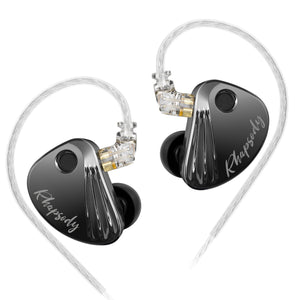
KZ AM16 vs KZ Rhapsody
The AM16 are more natural despite the full-BA config, they are more detailed and more technical and also have a faster and more accurate and controlled bass response. The timbre is much better on the AM16, and that’s clear from the first usage.
Just get the AM16 unless you want super boomy and fat bass as the Rhapsody can truly shake your head (especially with an impedance adapter).
Soundstage and imaging are better with the AM16.
In terms of overall packaging, they’re almost the same, the isolation on the Rhapsody is better and the comfort is better while wearing the AM16.
KZ AM16 vs CCA Trio
I wanna start by saying that I like the Trio more, and that’s because I love the overall tuning of the Trio and the way they reproduce every track.
In terms of sound signature, the AM16 have a bit more bass and upper midrange along with a touch more energy in the mid-treble; the Trio are warmer with slightly thicker notes and they have a more tactile bass thanks to the full-DD configuration.
When it comes to technical performance, the AM16 are superior with better imaging even though the Trio have a wider soundstage. Comfort is okay on both sets, provided that you don’t have very small ears as both use pretty large shells.
Packaging and accessories are lackluster in both cases.
Final Thoughts
The AM16 are impressive considering the full-BA configuration and if we think about the price. Some years ago, something like this wasn’t possible, but here we are with an 8-BA per side that actually sounds very good with a mostly natural timbre and pretty good technical performance for the asking price.
I like how KZ is working with their new models and I hopefully we’ll see better and better product over time.