:
Neutral-bright tuning with well‑lit and open mids.
Excellent vocal clarity and convincing instrument separation.
Lightweight build and good fit, even for small or medium ears.
Impressive price‑to‑performance around $25 USD.
Typical KZ cable: basic but flexible and functional but...
:
KZ’s QDC connectors (non‑standard and a bit fragile).
Limited sub‑bass impact and slightly bright treble on long sessions.
Stock eartips choke dynamics and upper‑end smoothness.
Plastic shell lacks a premium feel.
Male vocals can sound a bit thin around the lower mids.
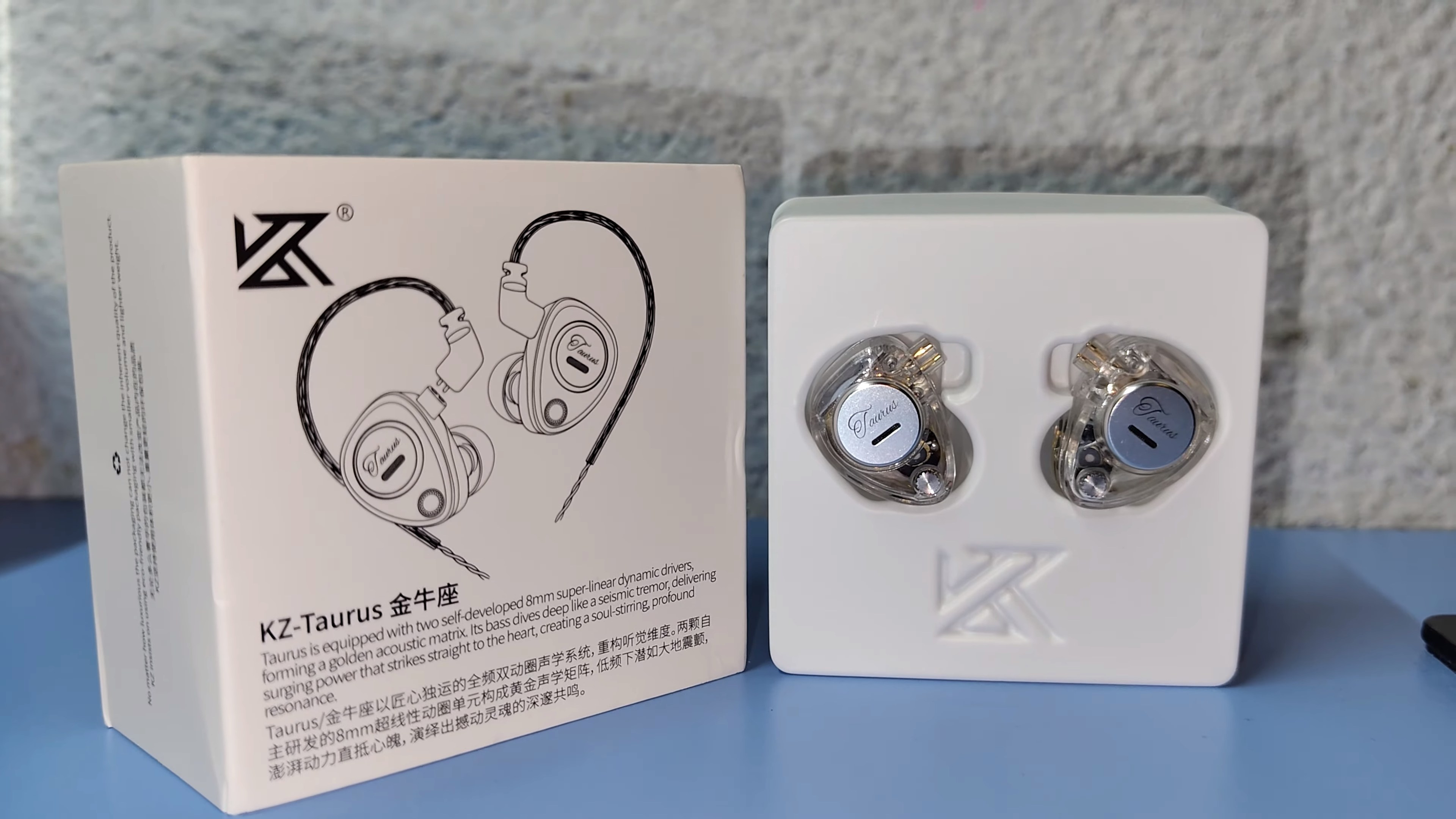
KZ TAURUS – by Requiem Review
Hey everyone, this is Joel from Requiem Review, and welcome to my first written review! I’ve been testing IEMs on YouTube for about a year now, and we’re close to hitting 1,000 subscribers. From now on, I’ll start posting written impressions here and on other forums—covering both new products I pick up and maybe revisiting some older sets I’ve already reviewed in video form.
Big thanks to KeepHiFi for trusting me with this first pair. They sent me the KZ Taurus so I could test it freely and share my honest impressions. Everything here reflects my genuine experience after using and comparing it against similar IEMs I know well.
Specs
- Driver setup: dual horizontal 8 mm dynamic drivers.
- Impedance: 36 Ω.
- Sensitivity: 105 dB/mW @ 1 kHz.
- Frequency response: 20–40 000 Hz.
- Connection: 2‑pin 0.78 mm (QDC).
- Cable: silver‑plated parallel dual 1.2 m.
- Colors: clear, black, white.
Packaging and Build
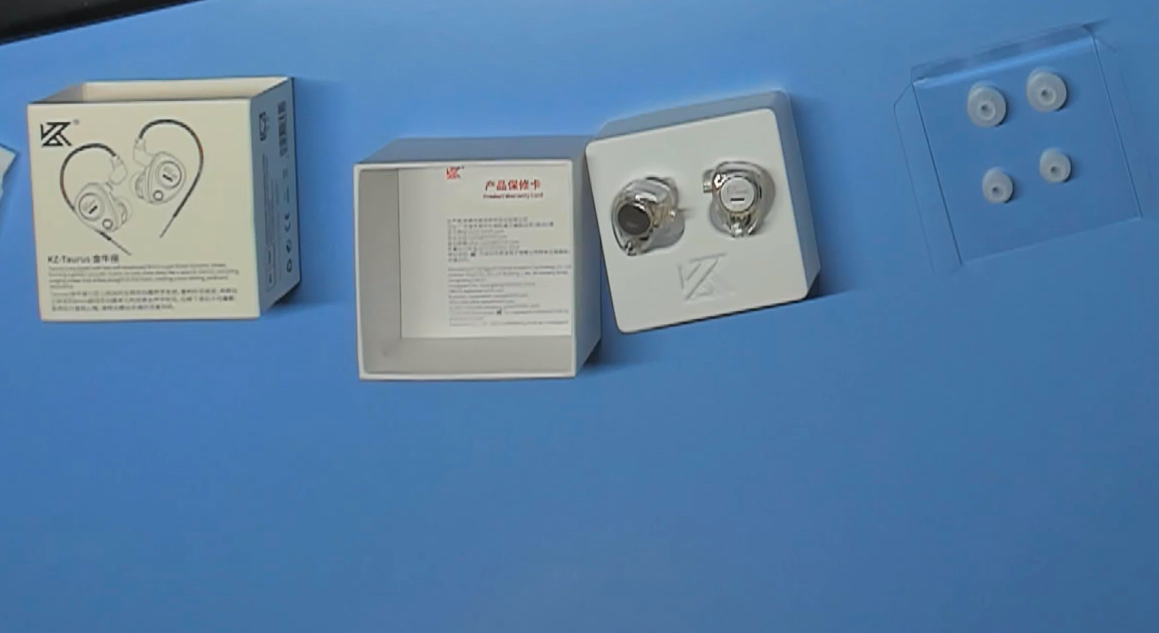
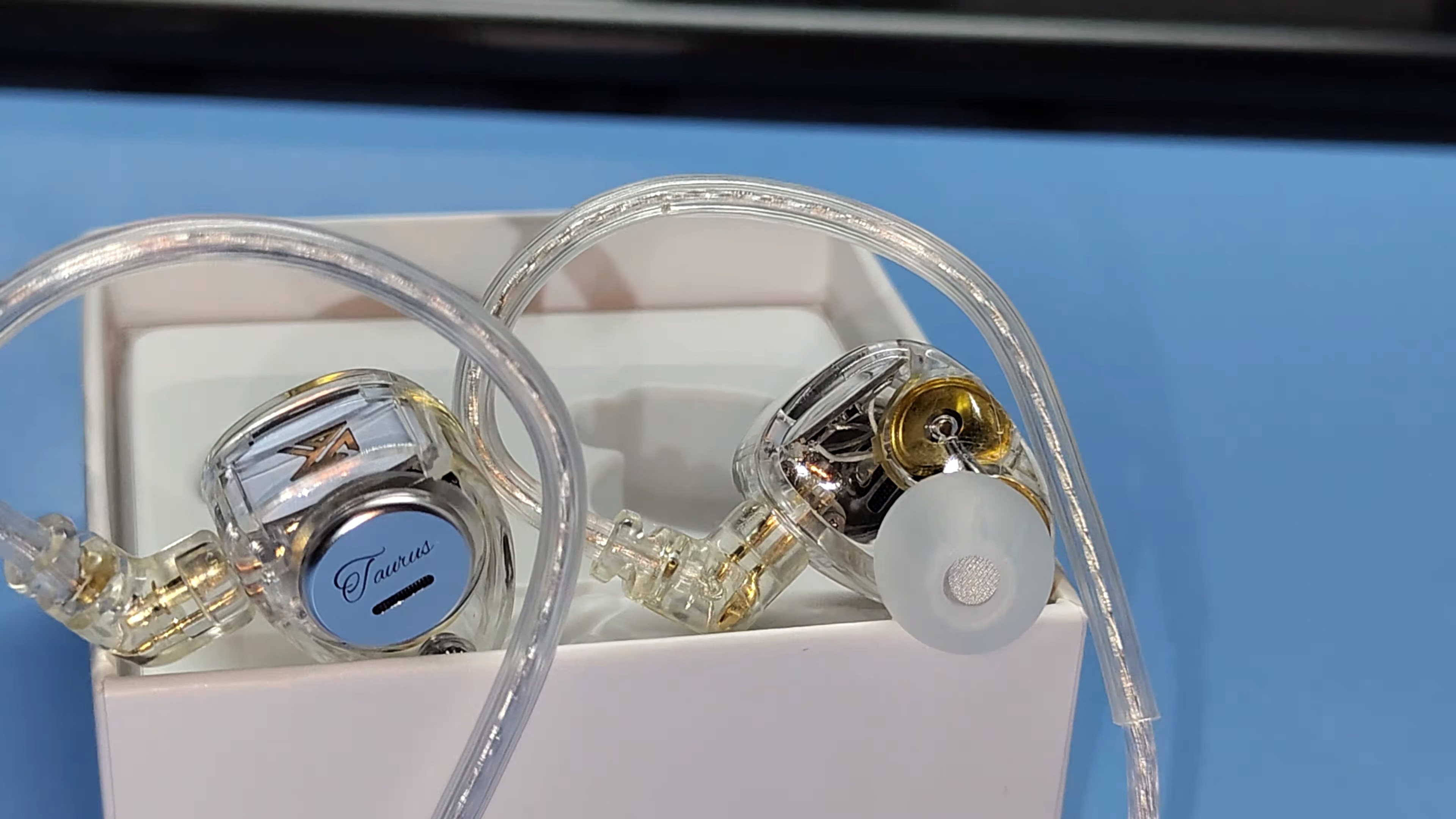
Classic minimal KZ presentation: plastic shell tray, three pairs of S/M/L tips, silver cable with 3.5 mm plug, and a tiny warranty slip. No luxuries, but neatly done. The shells are made of translucent resin that exposes part of the internal structure. KeepHiFi let me choose the color and config—I went for the clear, no‑mic version since I prefer showing the internals for photos and teardown shots.
They feel lightweight but solidly sealed. The QDC connectors lock in firmly, though straight 2‑pin would’ve been more convenient for aftermarket cables. Once fitted, they sit low‑profile in the ear, offering a stable and fatigue‑free fit even over long sessions. With small ears, they should seal easily.
However, stock tips don’t do them justice—upper treble can feel a bit rough and the whole tonality gets thinner. As I always say on my channel: take time to tip roll. A good seal or a slightly warmer tip (SpinFit, Azla, etc.) changes their balance a lot.
Source Pairing
My current daily drivers are the FiiO KA15 and the Questyle M15i. They’re both great for evaluating budget to mid‑tier IEMs. The Taurus drives easily even from a phone, but scales modestly with better sources. With the KA15’s balanced out, it gains tighter control, slightly deeper bass, and a wider stage with smoother highs. With the M15i, it opens up even more—cleaner background, better layering, and a sweeter upper‑mid presentation.
In short: if you want extra punch, KA15 gives more weight; if you want precision and spatial focus, M15i takes it. They don’t need power but definitely appreciate a clean, mildly warm chain. After around 20–30 hours of playback, the treble settles and the sub‑bass gets more texture.

Sound Signature
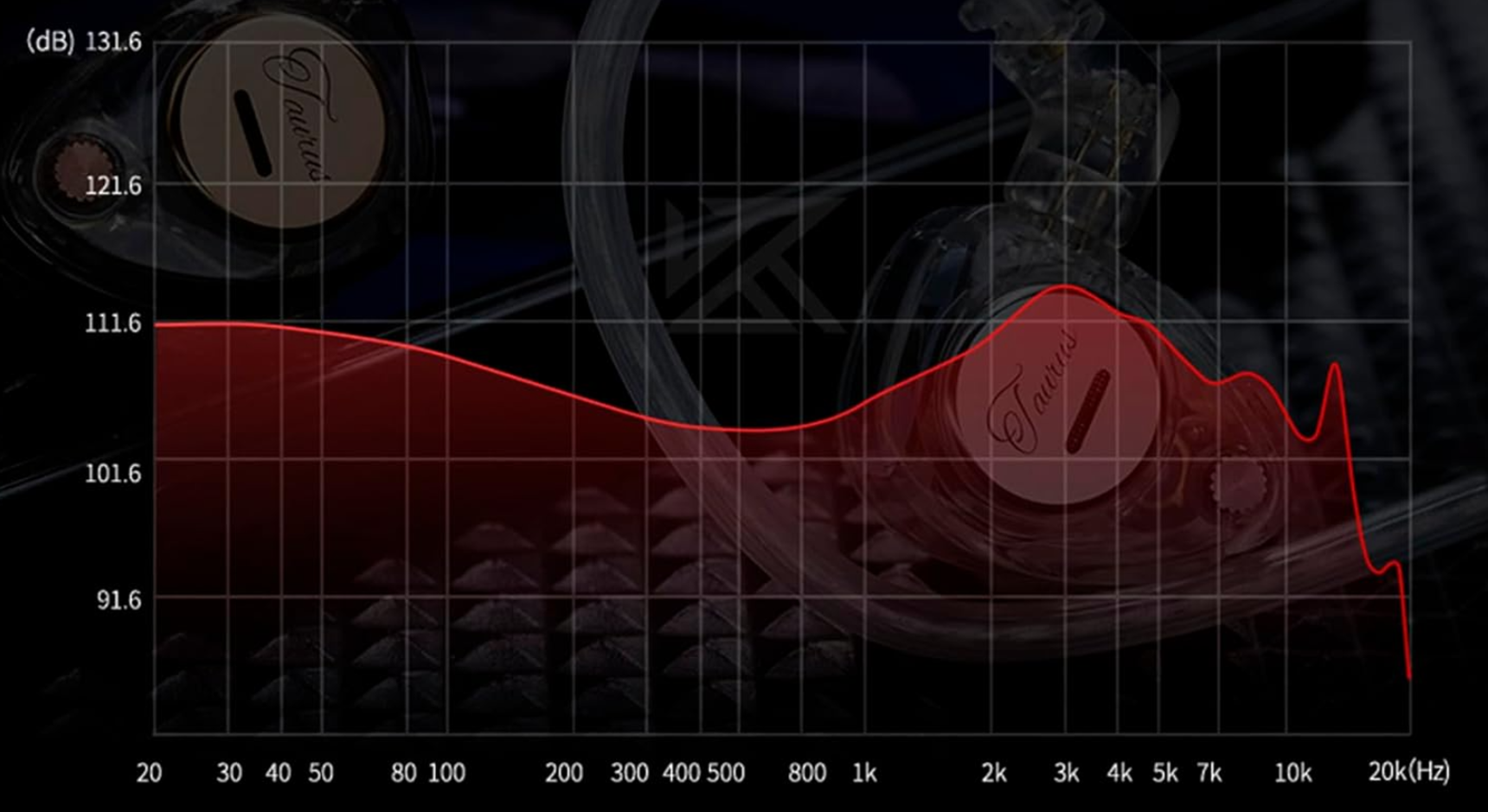
The Taurus is tuned neutral‑bright overall, but with a few quirks worth unpacking to understand how it behaves across the spectrum.
Sub‑bass: extends decently low but remains subtle. Below 40 Hz you still hear the notes, not feel them shaking your ears. It’s textured, fast, and clean—no bloom. In trap or cinematic music, you get definition more than slam.
Mid‑bass: tight and lean. The kick drum has a defined edge; basslines are articulate without bleeding into mids. Great for speed and clarity but lacks punch if you like heavy‑hitting EDM or hip‑hop. With silicone tips offering stronger seal, some body returns without muddying things.
Lower mids: clean transition from bass, with no extra warmth or veil. Instruments like cello and brass maintain a natural tone but not much density. Male vocals can sound a bit light, especially in warm recordings. On the upside, multi‑layered mixes breathe easily—backing guitars, pads, and harmonies stay distinct.
Mids: easily the highlight. Vocals and lead instruments jump forward with crisp articulation and transparency. Acoustic guitars sound snappy and open. On folk, indie, or pop tracks, they shine. At excessive volume or on bright masters, they can sound a bit sharp. For instance, in Fast Car (Tracy Chapman) the voice feels intimate and well‑centered; in Blackbird (The Beatles), plucks are crystal clear with natural note transitions and a clear spatial center.
Upper mids: slightly boosted to enhance presence, giving snare hits and female vocals a nice snap. This adds separation and focus but can be fatiguing on already hot recordings. Foam or thicker tips can mellow the edges while keeping detail intact.
Lower treble: crisp and sparkly, adding shimmer to cymbals and strings. Fine details—brushwork, reverb tails—pop out easily. On compressed tracks, the ride cymbal can get a bit too forward if you crank volume, so moderate listening levels work best.
Upper treble and air: extends nicely, offering an airy, spacious soundstage. There’s a clear sense of openness with good layering. Push volume too far and it tilts toward brightness, but around medium levels, it achieves an enjoyable “open window” feel without harshness.
Soundstage & Imaging
Stage width is noticeably wide, though depth is moderate. The overall presentation feels airy thanks to lifted upper‑mids and well‑vented treble. Imaging is well‑defined—vocals center properly, instruments anchor convincingly left and right. It doesn’t throw a 3D bubble, but still outperforms most sets in this bracket. For jazz and vocal music, the clarity really pays off; for metal or EDM, the limited low‑end punch weakens impact.
Dynamic range remains stable as volume increases, though at high extremes treble hardens a bit. The sweet spot is medium volume, where tonal balance feels neutral, crisp, and lively. It suits vocal‑centric, acoustic, indie, or pop genres best. Bass‑oriented listeners (hip‑hop, EDM) may find it lacking body.
Comparisons
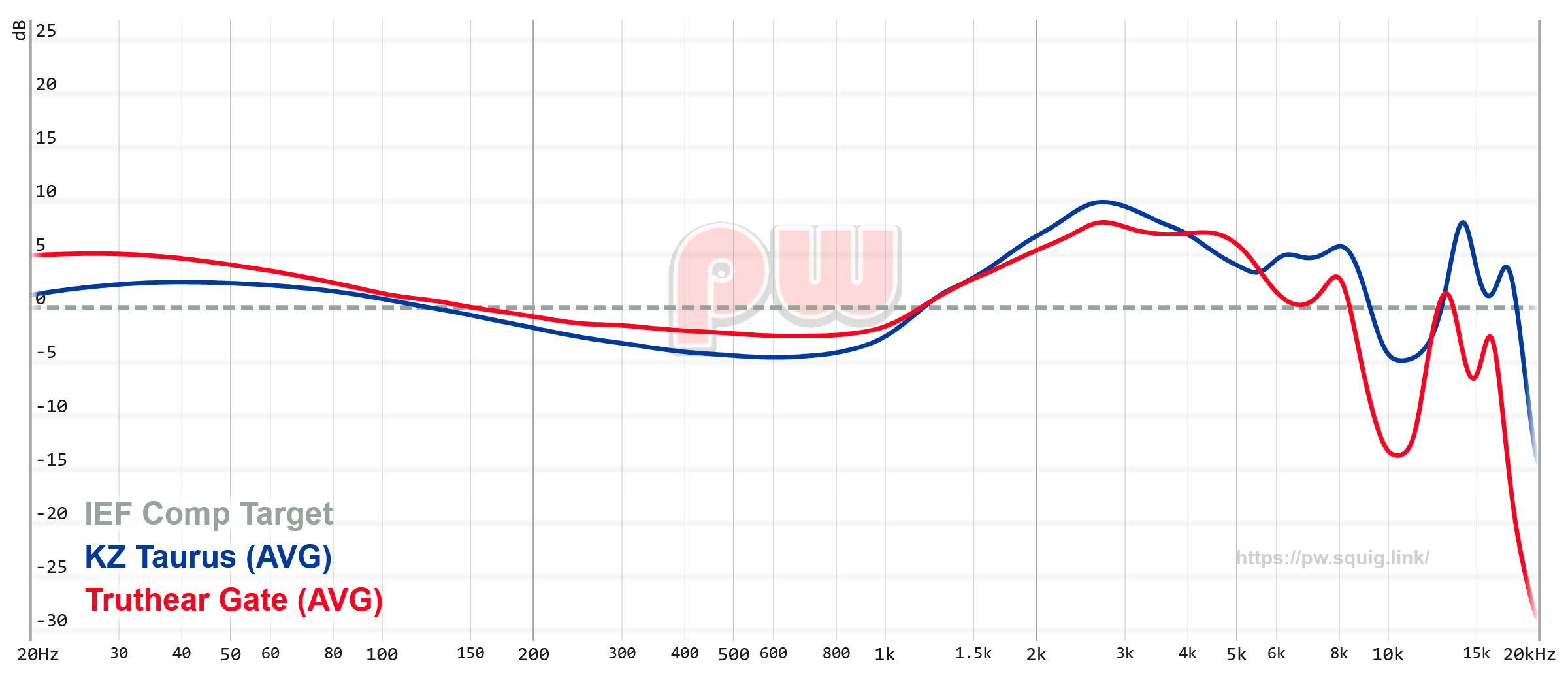
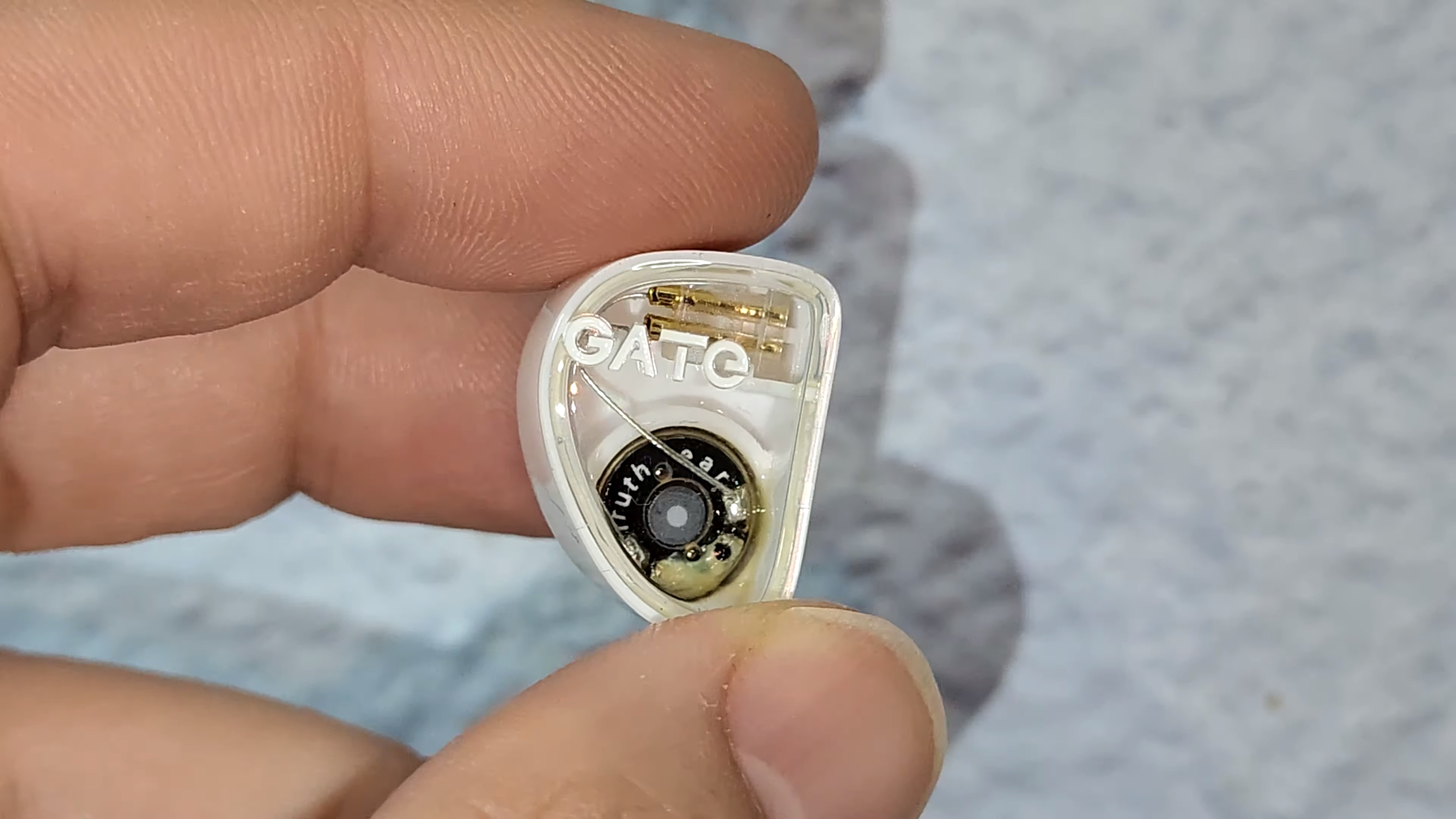
Truthear Gate: compared to the KZ Taurus, the Gate sounds more restrained and linear, with softer bass and tamer treble—ideal for relaxed long listening. The Taurus counters with a livelier, more open and airy presentation. The Gate focuses on balance and smoothness for “plug‑and‑play” clarity without risk of sharpness, while the Taurus adds extra sparkle and forward mids for analytical listeners.
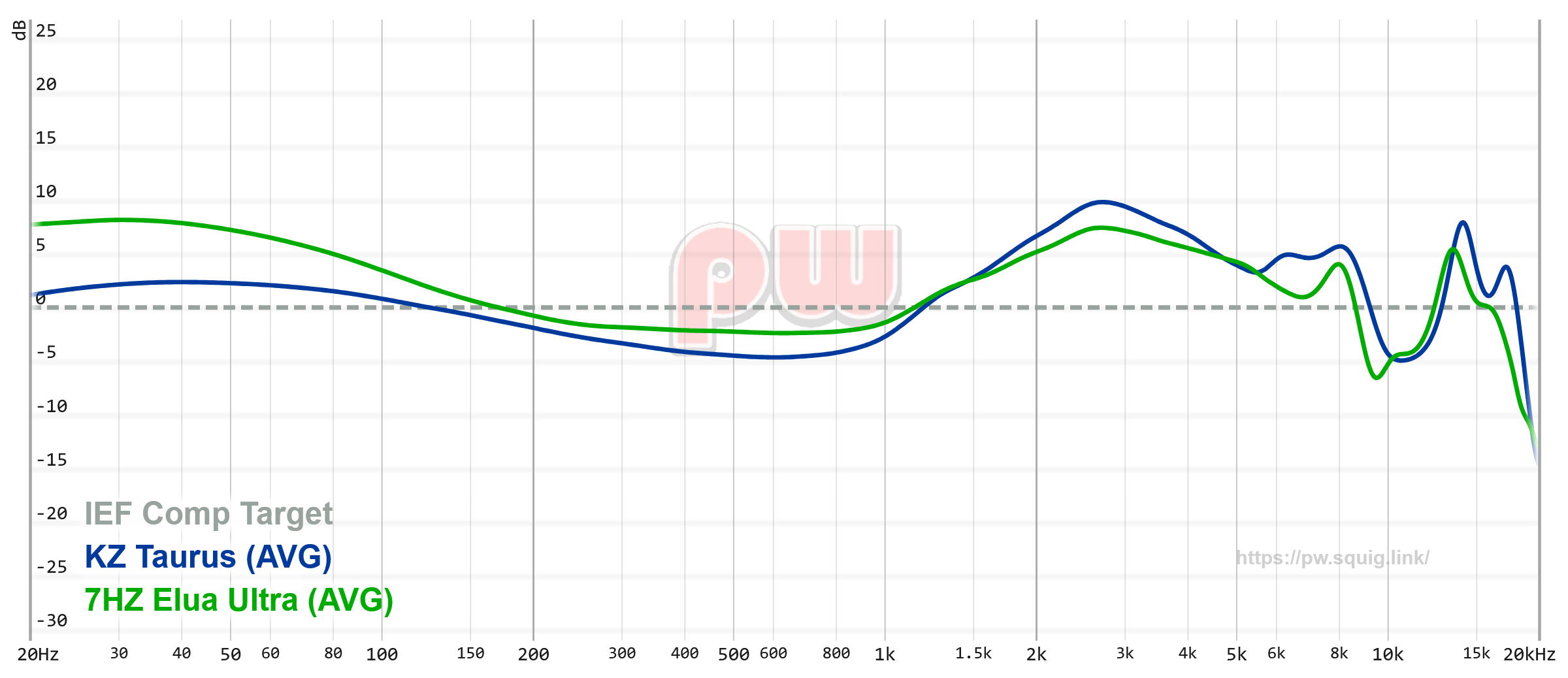
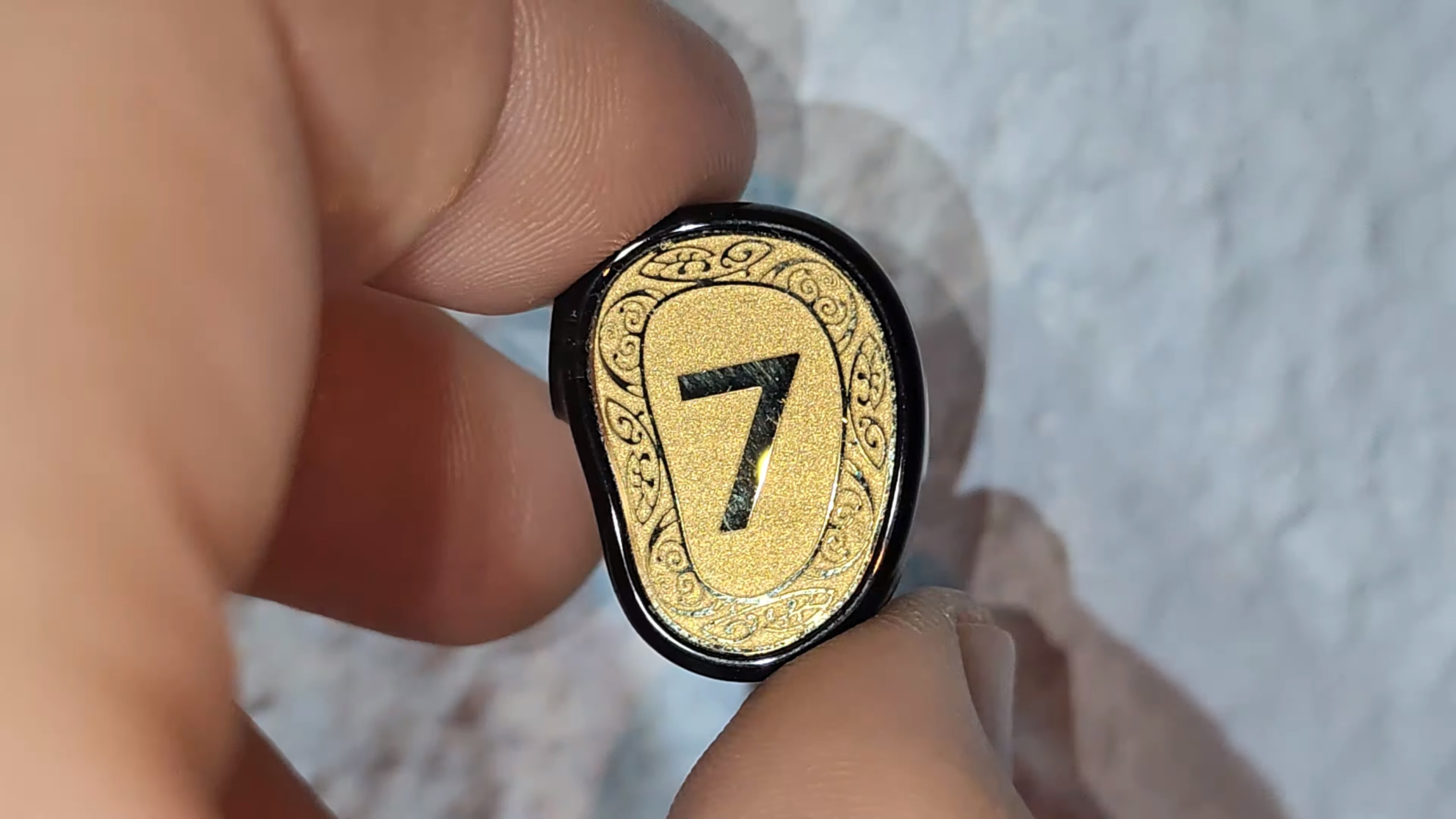
7Hz Elua Ultra: this one leans toward a mild‑Harman curve—rounder bass, fuller mids, and smooth but not overly bright treble. The Taurus is lighter‑bodied and more spacious on top, while the Ultra feels warmer and easier‑going. You trade a bit of sparkle for stronger punch and more forgiving energy over long sessions.
Thanks to Paul Wasabi for providing the frequency response measurements that helped illustrate how the Taurus stacks up against the Gate and the Elua Ultra
Final Thoughts
The KZ Taurus won’t blow you away with sub‑bass rumble or glitzy treble—it aims for a transparent, natural presentation at a very approachable price point. It’s a set for those who enjoy dissecting mixes and value a clean, analytical tonality over warmth or weight.
If KZ keeps refining this direction while taming upper‑treble peaks, this could mark a promising evolution for their budget lineup.
Thanks for reading till the end! Do you also find these forward mids as intriguing as I do, or do you prefer a warmer tonal tilt? Let’s chat about what genres you think fit them best—I’ll see you in the next review.
I’m sharing some direct purchase links from Keephifi on different online stores and their own website:
AMAZON: https://amzn.to/3JNSW9E
ALIEXPRESS: https://s.click.aliexpress.com/e/_c3NXoAnN
KEEPHIFI: https://keephifi.com/products/kz-ta...fi-gaming-earbuds?_pos=1&_sid=dbfa4717f&_ss=r
30% DISCOUNT at KEEPHIFI with the code: RequiemReview