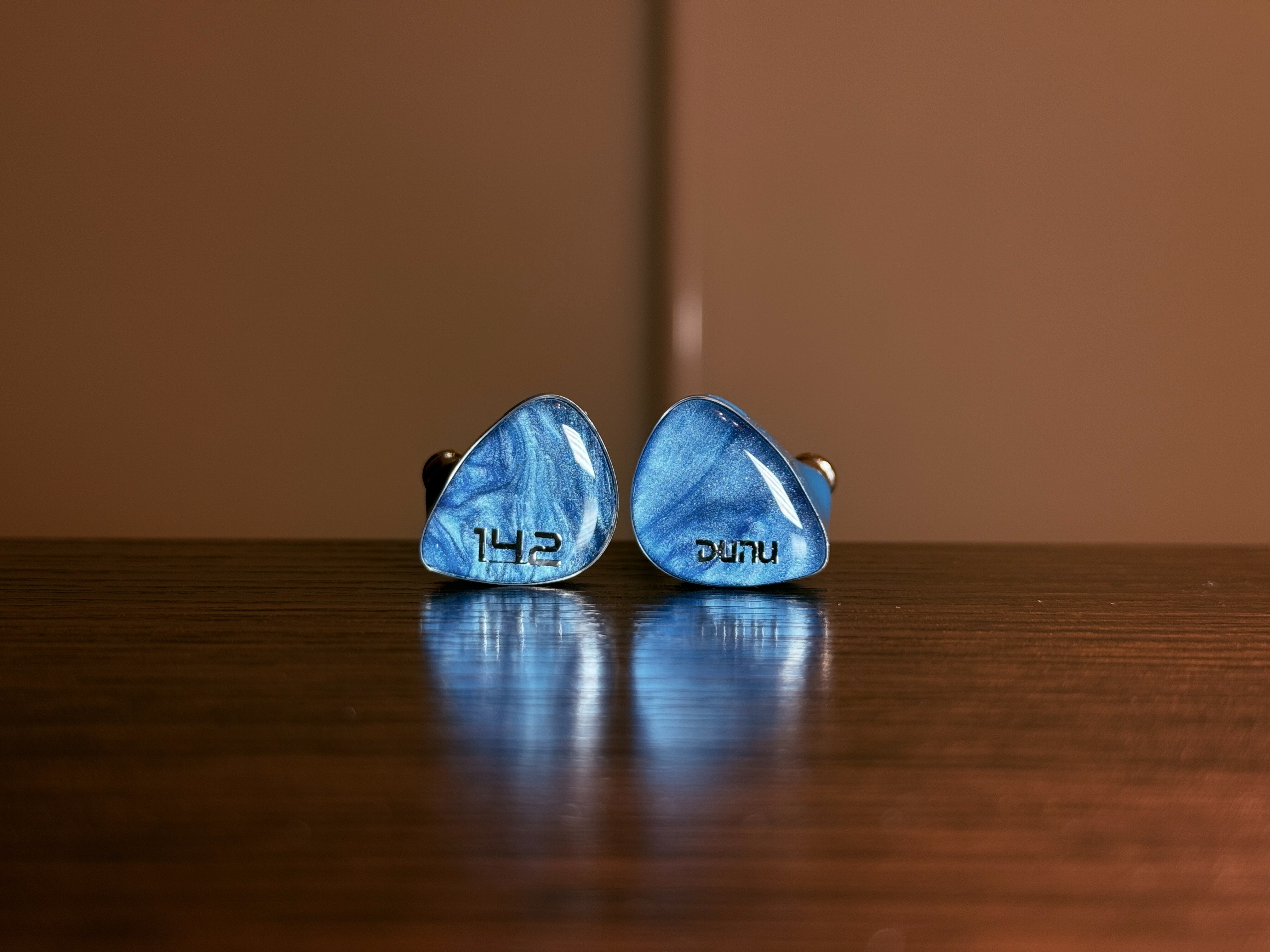
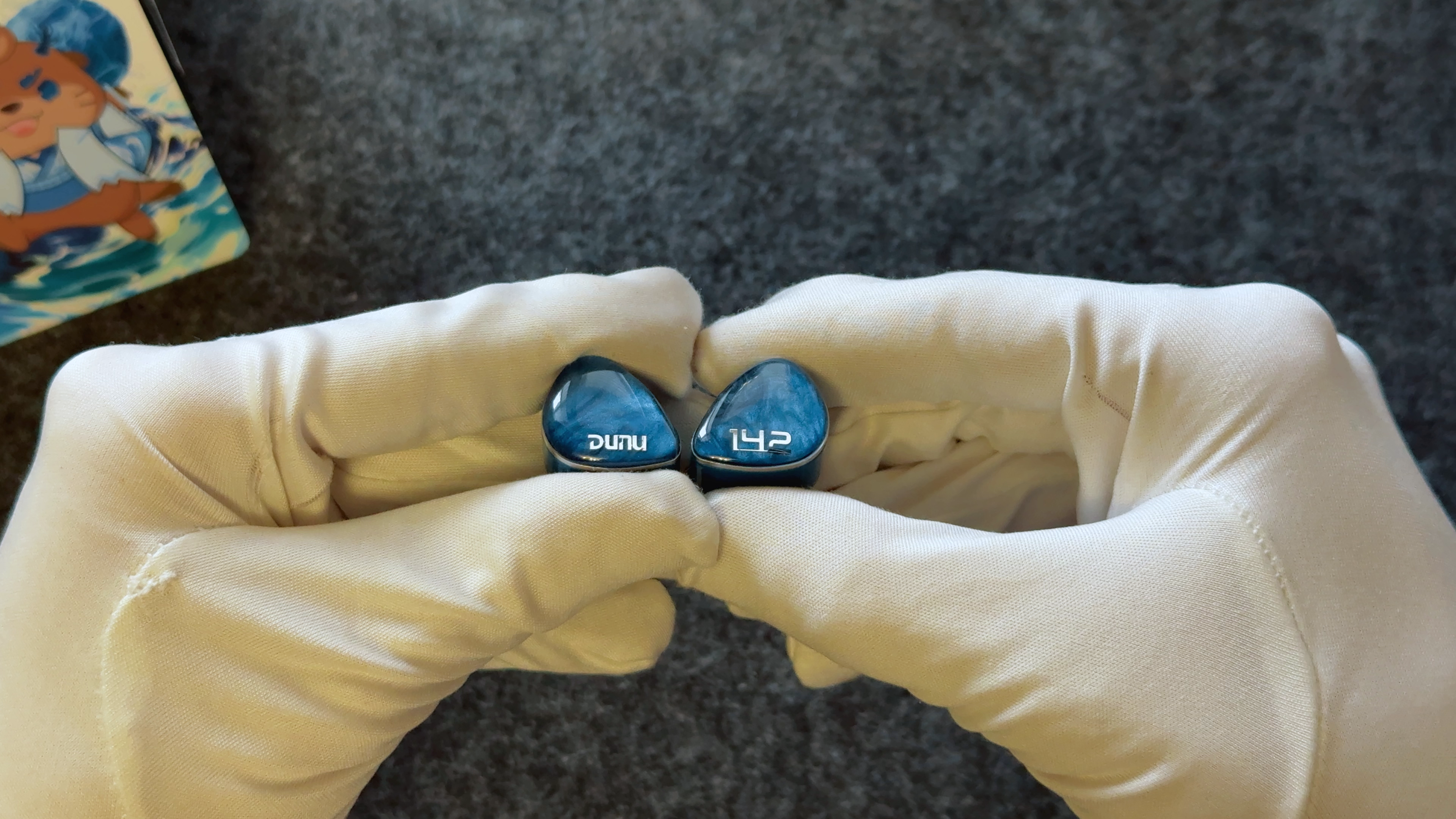
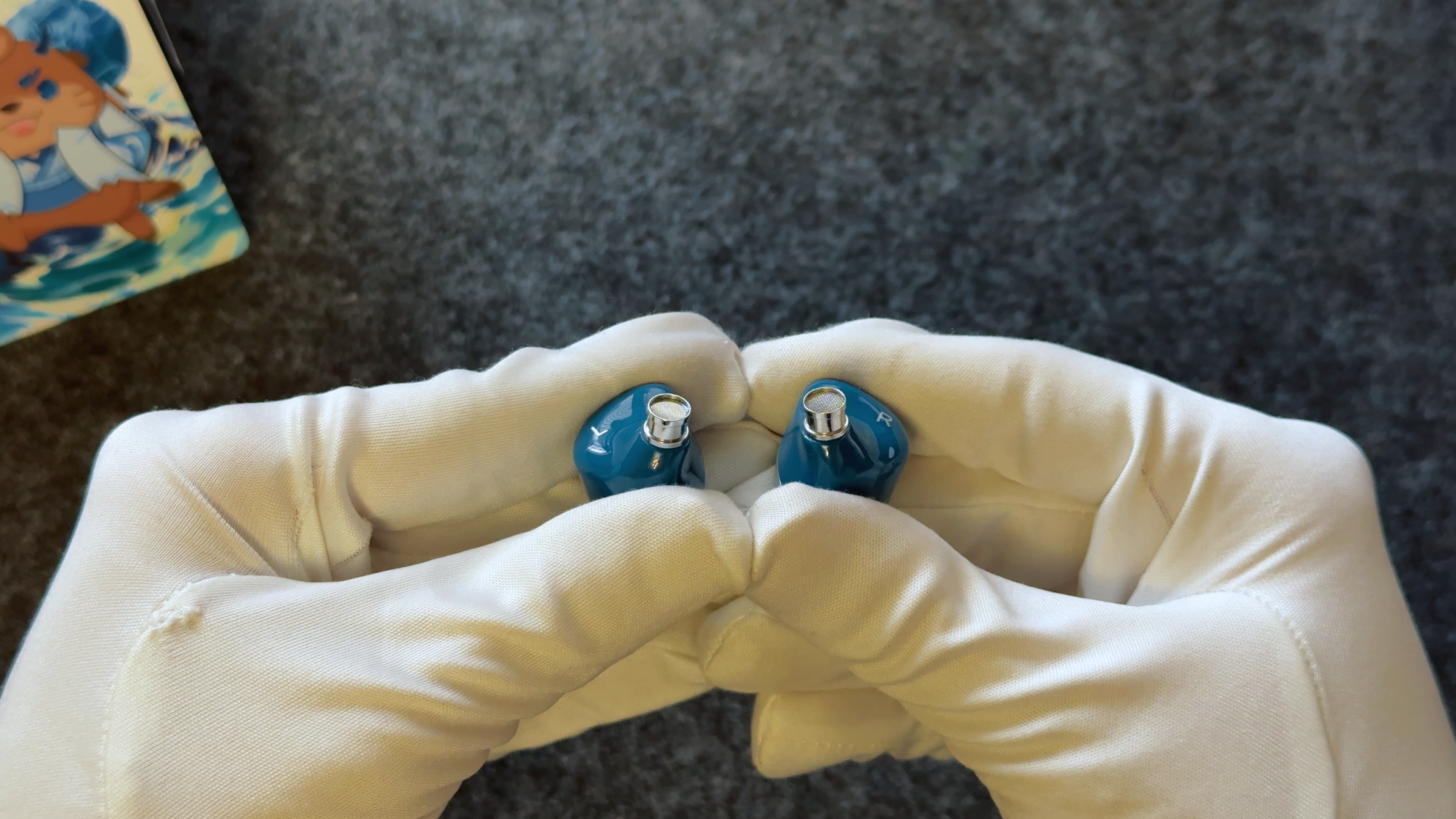
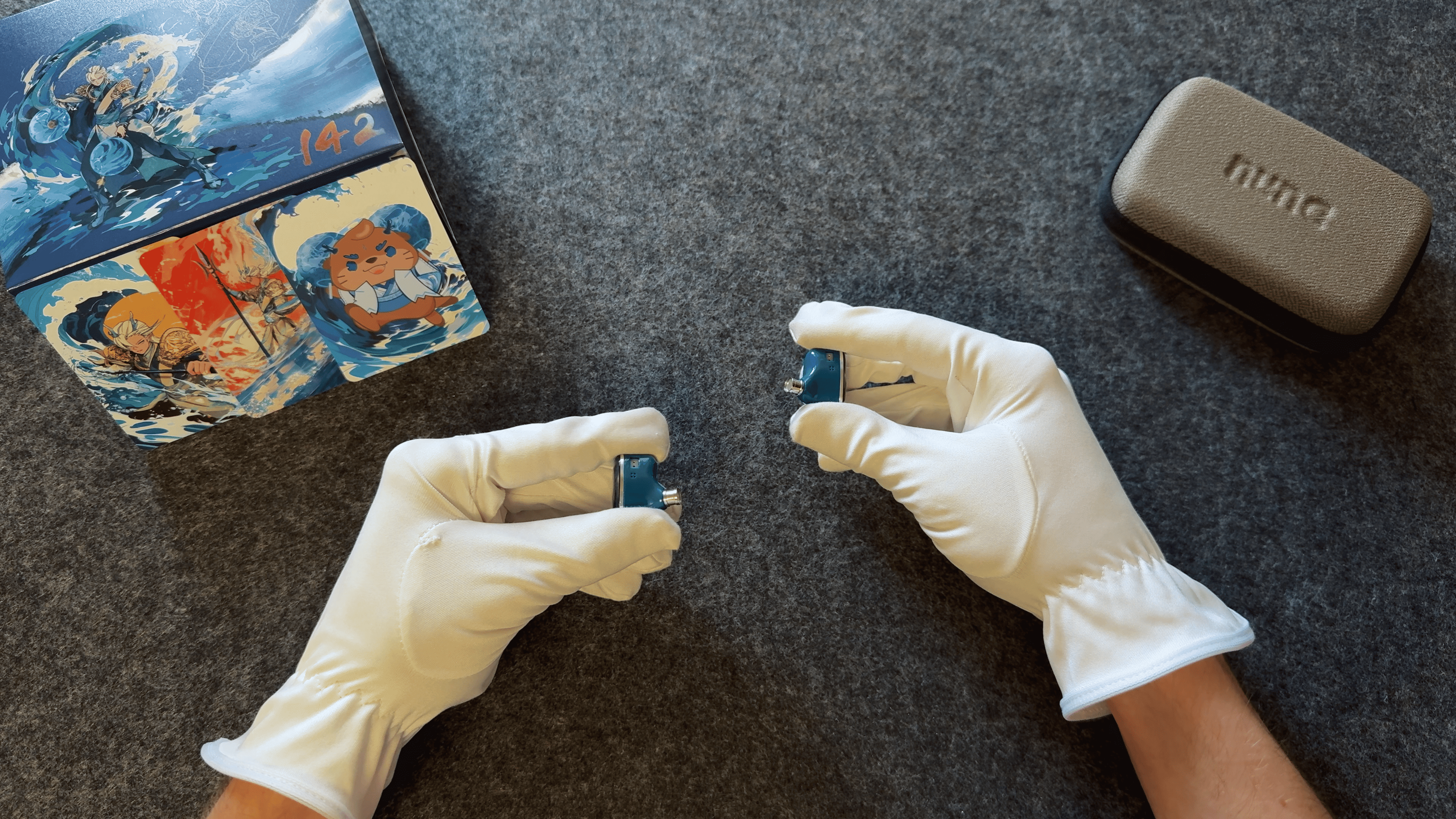
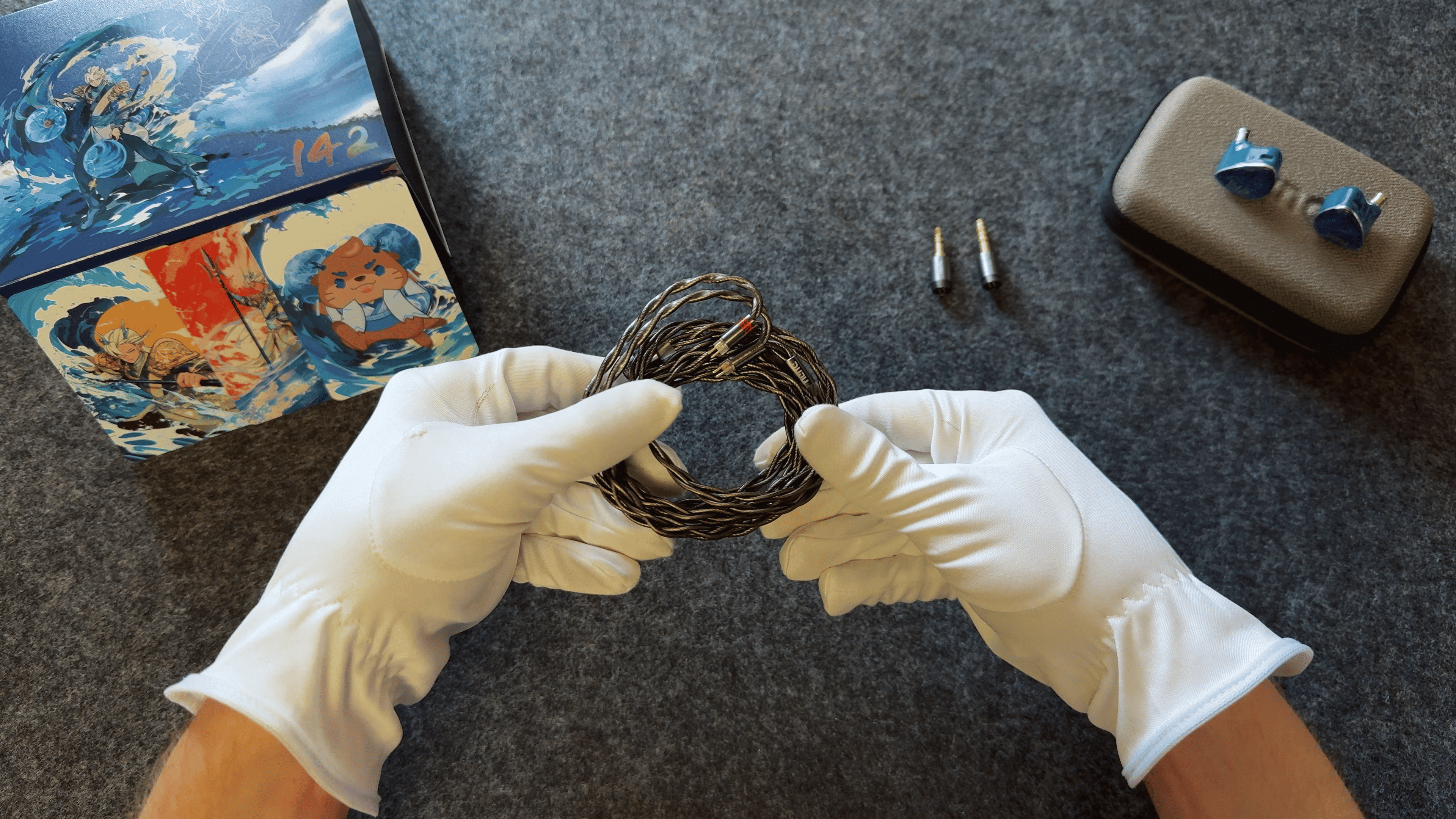
So, basically, the Dunu 142 sounds super lively, energetic, and cohesive, with a natural tonality, thanks to well-tuned BA drivers, where vocals sound like live vocals, and instruments sound like real ones with good dynamics, wide expansion, where the sub-bass is really deep, and the treble is airy and extended. At the same time, the transitions from quiet passages to powerful bass explosions feels very smooth and seamless, which is appealing in this model.
In short, the overall impression of the 142 is when listening to them, you think: “Damn... for this money, I was expecting just good, versatile sound, but I got endgame-level of fun and immersion.” This sound profile is about emotions, about the desire to listen to albums over and over again, rather than about high technicality and studio analysis.
BASS
If DUNU wanted to convey the depth of the ocean in the bass, they nailed it. First of all, this is a sub-bass-oriented model, and in 142 it starts very deep with a visual rumble and dense texture, like a vibrating spring that is very tense. It's a multi-layered, rolling wave that covers the bass drop, but it's quite controlled, with a smooth rise and natural decay. It's really deep, like an underwater earthquake, where you feel the depth with your whole body, and it works well with bassy genres.
The midbass is controlled and punchy, not dominant and definitely calmer than the sub-bass. It's more modest in the initial phase than basshead IEMs, doesn't push forward, or bleed into the middle, and the mid-bass amount is just enough for the body and weight in the track, so the synth in EDM has a dense, elastic punch, the bass guitar has the energy of the strings, and the drum has a resonant kick. In fast genres, the bass doesn't blur, doesn't lose its contour, and keeps up with the rhythm, even though it's not super fast and accurate. For me, it fits organically into the overall picture, doesn't create pressure, but can explode when necessary without overwhelming the sound. And a quick tip: if you want more slam and authority, just switch to a 4.4 mm connection and you'll be surprised.
MIDS
The mids in 142 are clean, transparent, natural, slightly pushed back compared to Knowless BA sets, and with a slight recession in the lower midrange, but without feeling empty or thin. So, the lower mids is in the background, and this is the most noticeable nuance here. Male vocals, especially deep baritones such as Johnny Cash and Leonard Cohen, sound articulated and full-bodied, but sometimes seem a little distant and less deep, without that lush velvety texture, but it's not thinness to the level of emptiness, just not emphasized. The instruments in the lower midrange also feel slightly distant and lighter, but don't lose their body or become dry, which is a big plus.
The upper midrange, on contrary, is pushed forward just enough to make the vocals sound lively, present, and detailed, but not shouty or aggressive. Female vocals are airy, crystal clear, with a slight sweetness and excellent articulation, while male vocals in the high register sound rich, colorful, and emotional. The instruments here become expressively rich and weighty, without blurring or artificial brightness, well-detailed but not hyper-analytical.
In short, the mids here are tuned for musical enjoyment, harmoniously complementing the deep bass and sparkling treble, but if you feel the presence is lacking, you can always increase it with EQ, without any limits.
TREBLE
So, the treble in 142 is bright, energetic, and really extended, with an emphasis on the upper treble, sparking and adding a sense of airiness, but still staying under control.
This is not a dark or neutral top, nor aggressively sharp, but rather crisp and sparkly, with good shimmer and brilliance, yet in most cases non-fatiguing. The micro-planar drivers do wonders here, adding excellent extension, plenty of air and micro-details to the treble, which make the sound lively and open. At the same time, you can feel the planar nature with a fast attack, long tails, and sparkle on the instruments.
Well, the cymbals have a clear attack and natural shimmer, the hi-hats are fast, with good ringing, but not hissing, and there are no sibilants in here if you use the right tips with a narrow bore.
SOUNDSTAGE
In fact, 142 provides a very natural, spacious, and realistic soundstage, not cozy and intimate, but rather musical and organic with moderate width, where the instruments are well separated left and right, but their limits are noticeable, followed by decent depth with clear layering of the foreground and background and noticeable height thanks to the airy treble, which gives a feeling of space and openness. If we divide the soundstage into layers, I would put the instruments, sub-bass, and female vocals in the foreground, the mid-bass and male vocals in the middle, and the reverberation, echo, and air behind in the background. In terms of separation and imaging, it's average here, and if the track is intense, the bass or treble can steal the spotlight, but in most cases everything is well separated and clearly defined in the sound space, though not analytically.
COMPARISONS
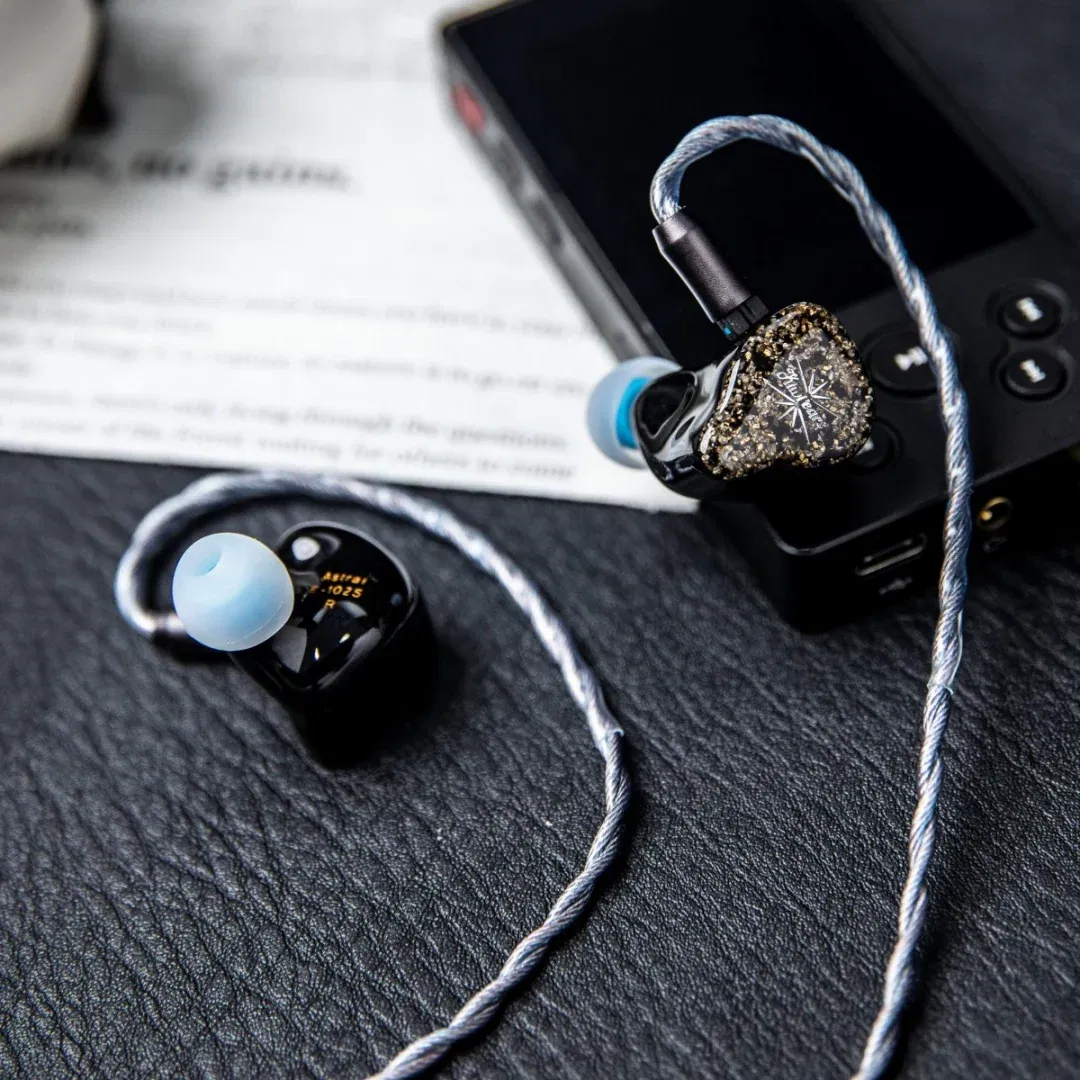
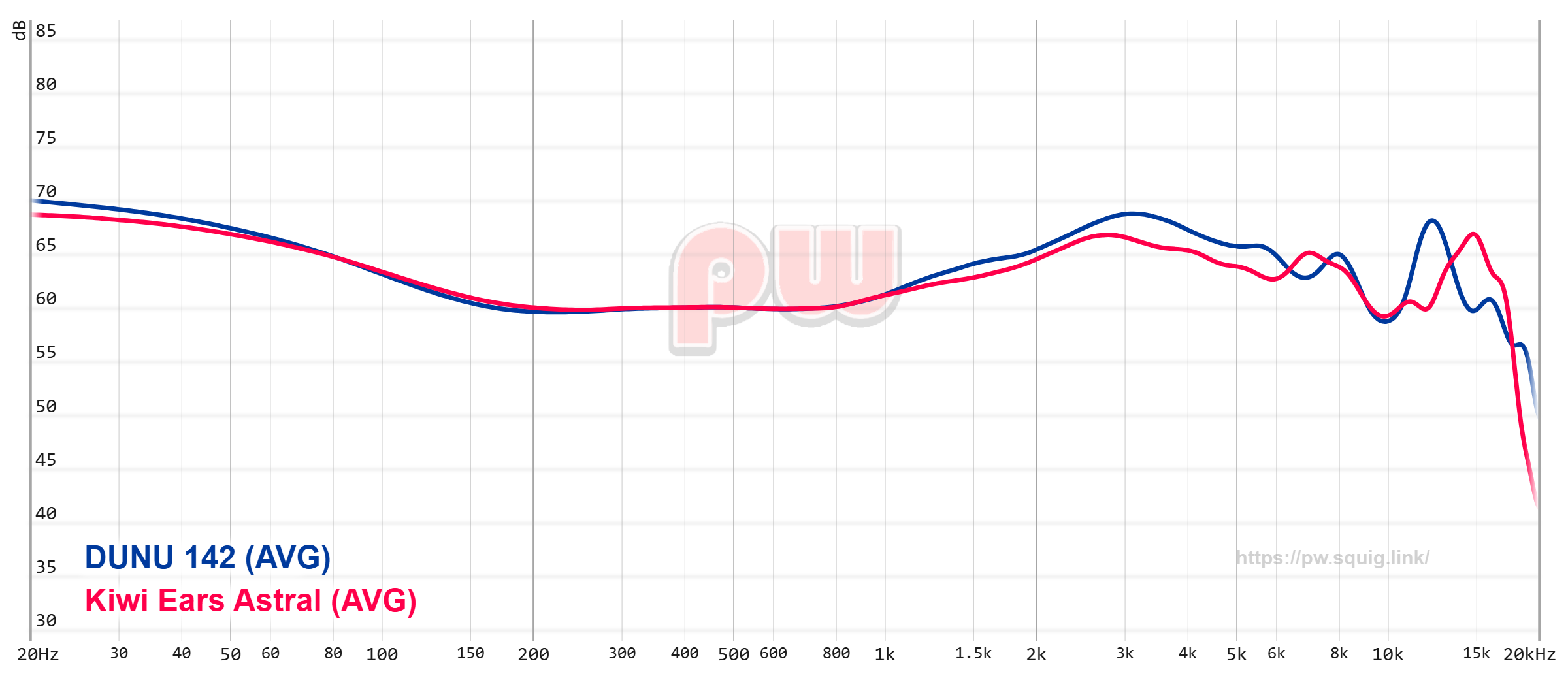
Do you remember when I showed a graph comparing Kiwi Ears Astral with Dunu 142, saying they are similar? Well, now let's figure out the differences between them, and which one is better for you.
First, the Kiwi Ears Astral is a 1DD + 6BA for $299, which is $50 more than the 142. And in terms of overall sound, these two models are indeed pretty similar, and if you don't listen carefully, it's really hard to notice the difference. So, the 142 has deeper, more textured and rumble sub-bass, though in terms of mid-bass they have the same impact, but the Astral is more controlled and clear. The midrange in the Astral seems more present and expressive in vocals to me, with good weight in male vocals and clarity in female vocals, while the 142 simply sounds cleaner and more natural, but with a slight recession in the lower midrange. The treble in the 142 is more detailed and extended with a slight sparkle at the top, while in the Astral is more relaxing, smooth with excellent extension, but not as expressive as in the 142. In terms of technicality, Astral and Dunu 142 are the same in stage sizes, but Astral clearly wins in imaging and separation.
Overall, it's difficult to pick a favorite here, since their sound is almost identical, and if your budget is limited, the 142 is obviously the better choice. They are more fan, bassy, and perfect for modern music, but if you are willing to spend an extra $50 on the Astral, they will be more versatile, more neutral with prominent vocals and better technicality. For me, I would probably go for the 142 in 2026, because they offer almost the same as the Astral, but are cheaper.
CONCLUSIONS
In conclusion, you know, when HiFiGo asked me to test the 142, I was like, “Okay, another interesting tribrid from DUNU, I'll listen to them, compare them to Astral, and move on." but in the end, lol, I've been listening to them non-stop for several days straight, no matter if it was old recordings by Roy Orbison and Tom Jones or new school like Kanye West and Kendrick Lamar.
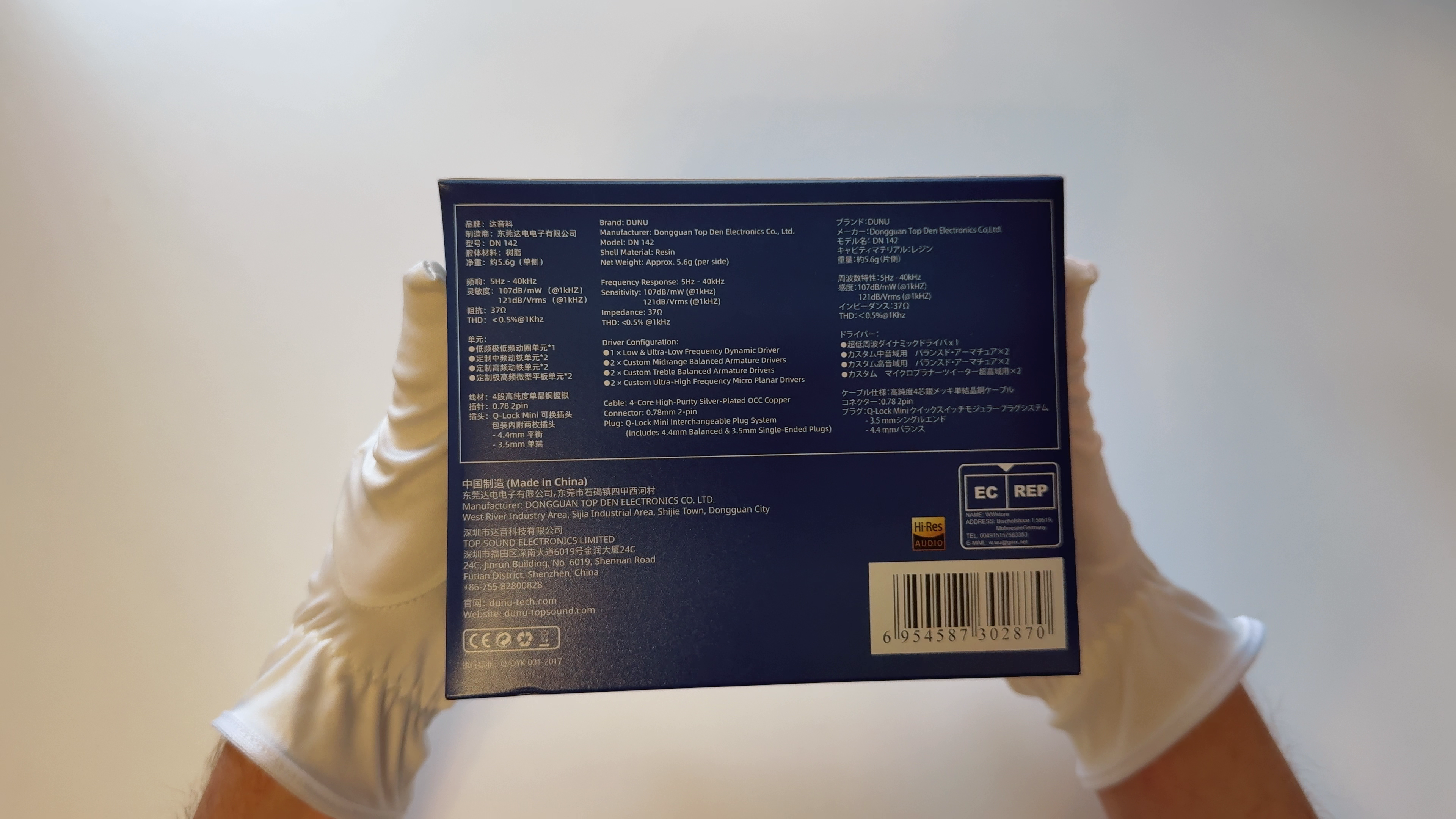
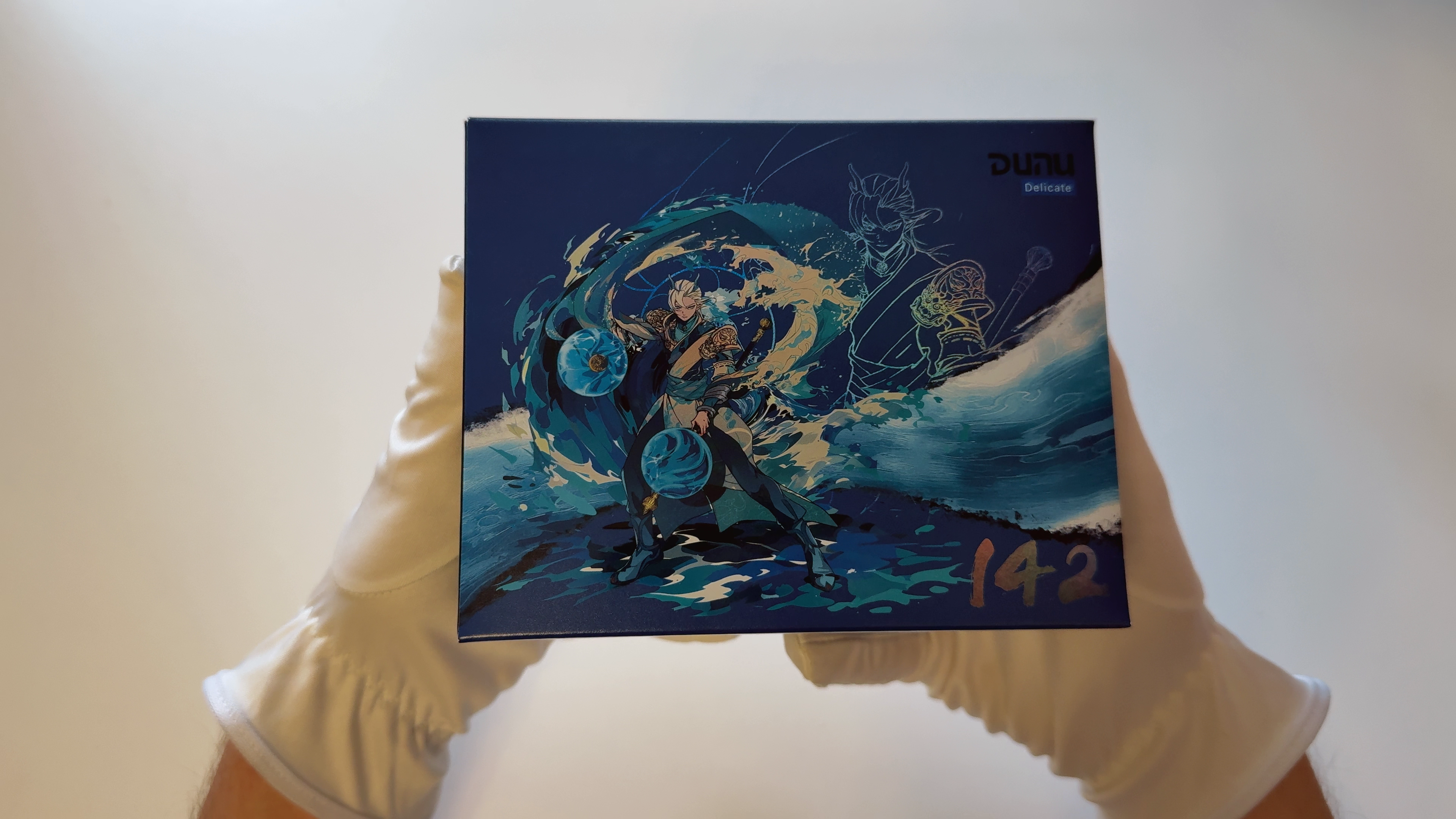
All right, let's go over the main specs again. The DUNU 142 is a 1DD + 4BA + 2 planar driver for $249, the younger blue brother of the fiery 242, inspired by an ocean theme, which is seen not only in the design but also in the sound.
First of all, the 142 sounds super lively, immersive, fresh, and energetic with natural tonality and seamless coherence across the entire range.
Their mild U-shaped signature with an emphasis on sub-bass depth, forward mids, and extended treble create exactly the sound that works phenomenal with modern music. EDM, hip-hop, pop, and rock all sound exciting and engaging.
And if I had to choose one pair of IEMs for $250 in early 2026 for everyday listening, I would seriously consider the 142. They offer what I call “versatile end-game sound, not for analysis, but simply for relaxing and emotionally immersing yourself in your favorite albums.” Sure, there are more technical and neutral models on the market, but not many IEMs at this price make me want to listen to music so much like the 142 does.
In the end, my final rating is 8.5 out of 10, and this is a rating for anyone looking for the most versatile option for a fair price. If you want to listen to everything, get a rich set, not worry about the DAC, and just enjoy different music, then the 142 is a great pick for everyday use.