KZ Taurus Review: W-Shaped Experiment
KZ is a very well-known brand in the ChiFi world. It’s no stretch to call them a household name, though my experiences with their products have been mixed, at best. Today we’re covering the KZ Taurus — an dual-dynamic driver IEM attempting to best its budget ChiFi contemporaries. Does it pull it off? Let’s get into it.
You can find the KZ Taurus for sale here, on KeepHiFi, for $22.99.
About My Preferences: This review is a subjective assessment and is therefore tinged by my personal preferences. While I try to mitigate this as much as possible during my review process, I’d be lying if I said my biases are completely erased. So for you, my readers, keep this in mind:
- My ideal sound signature would be one with competent sub-bass, a textured mid-bass, a slightly warm midrange, and an extended treble.
- I have mild treble sensitivity.
Testing equipment and standards can be found here.
Packaging / Unboxing
Coming soon!
Build
Construction Quality
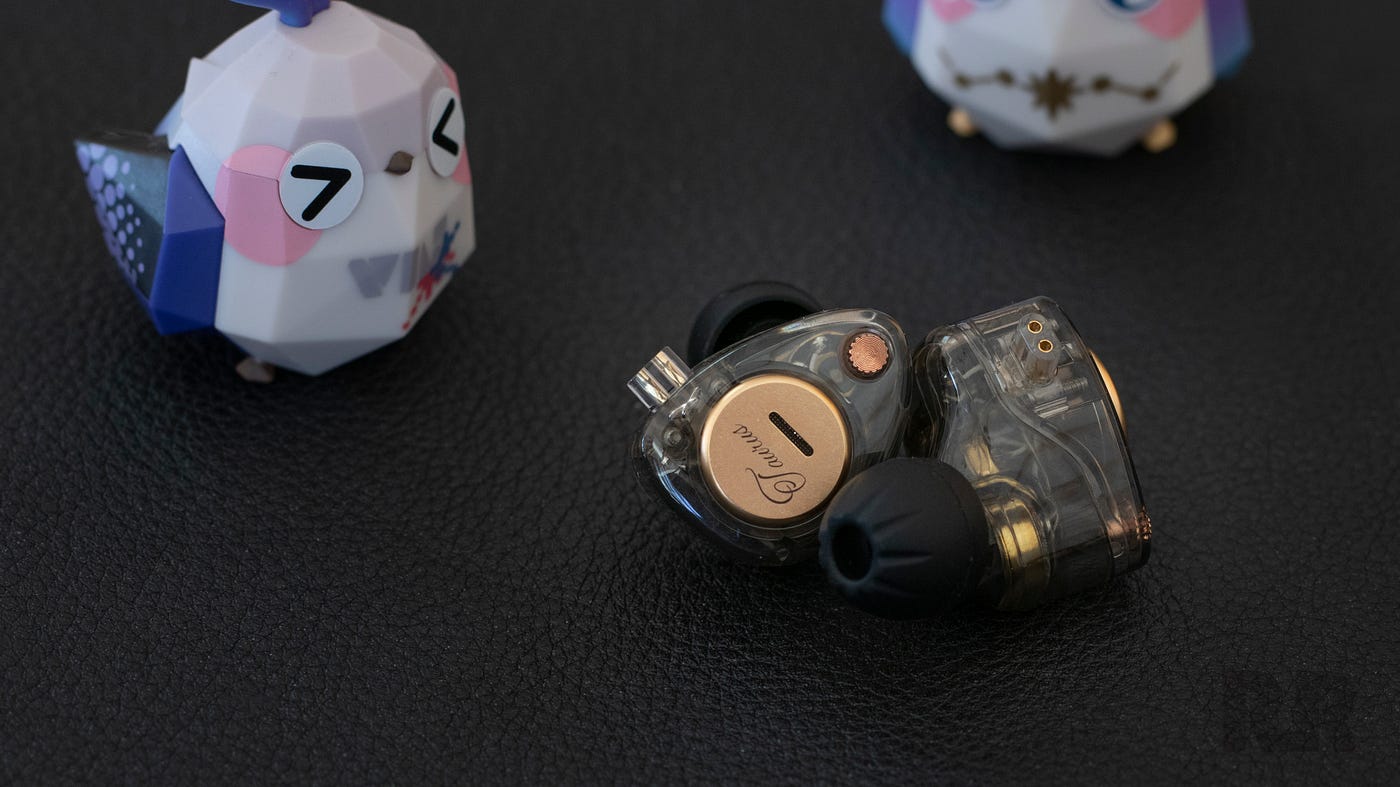
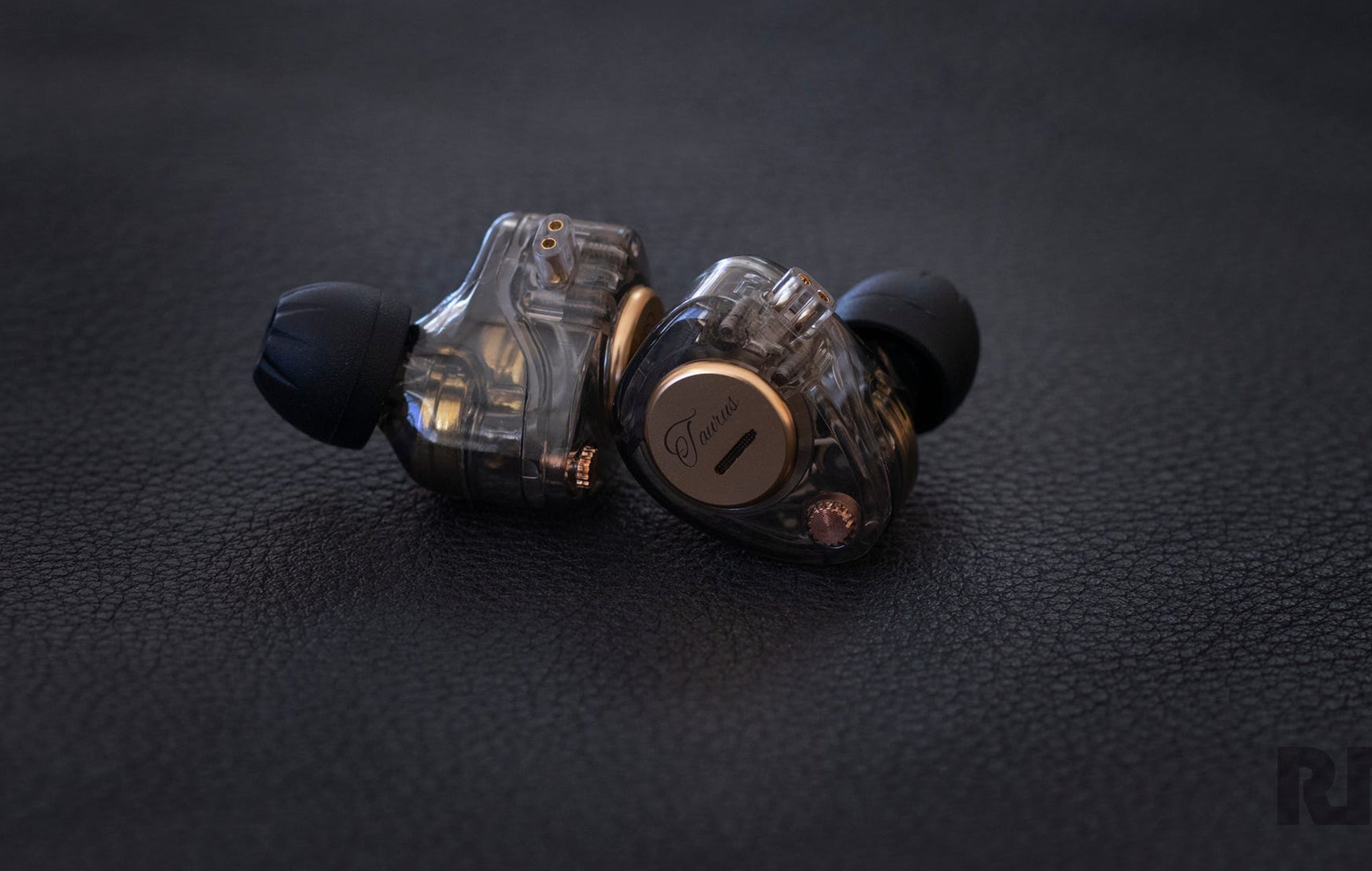
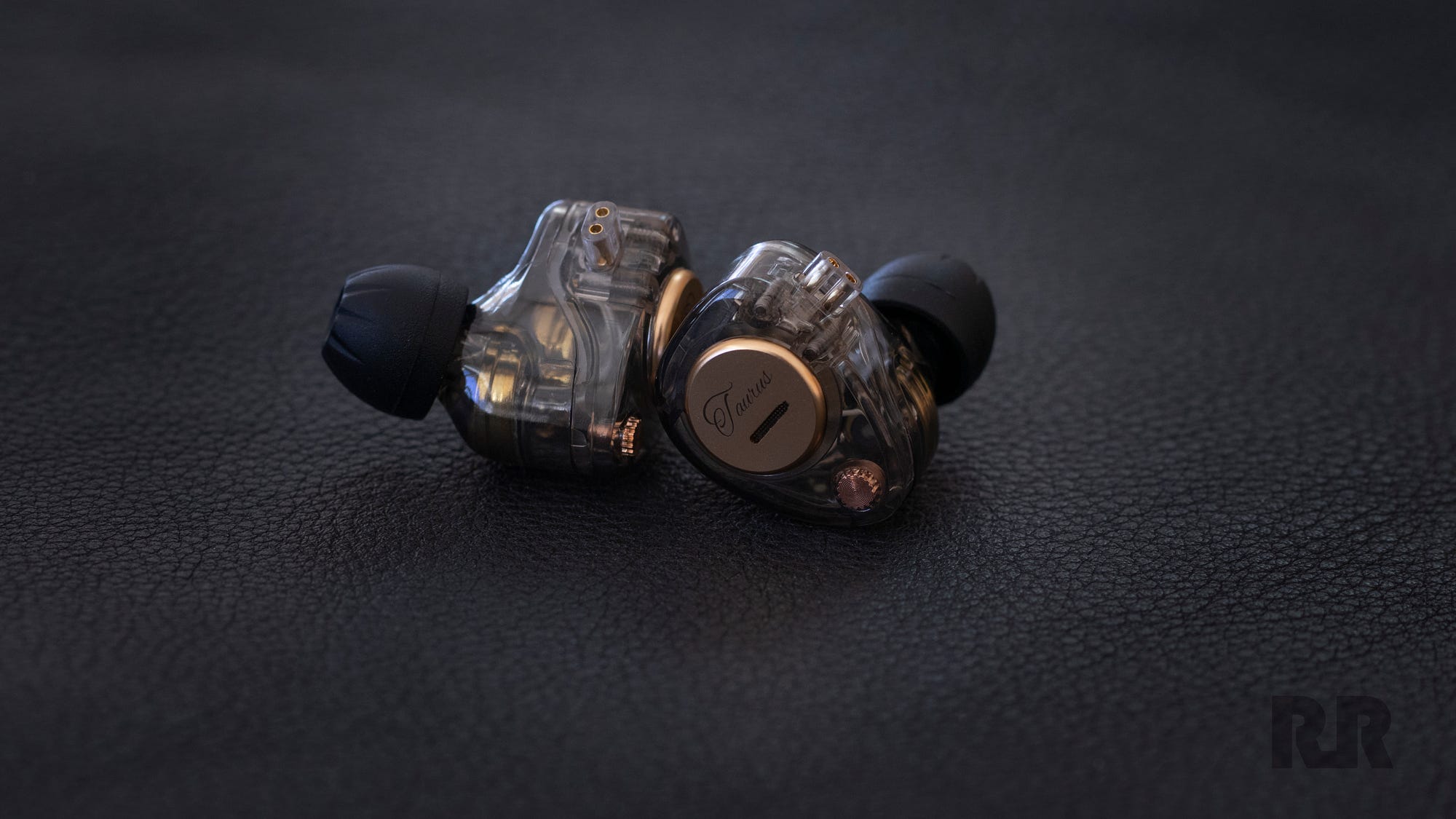
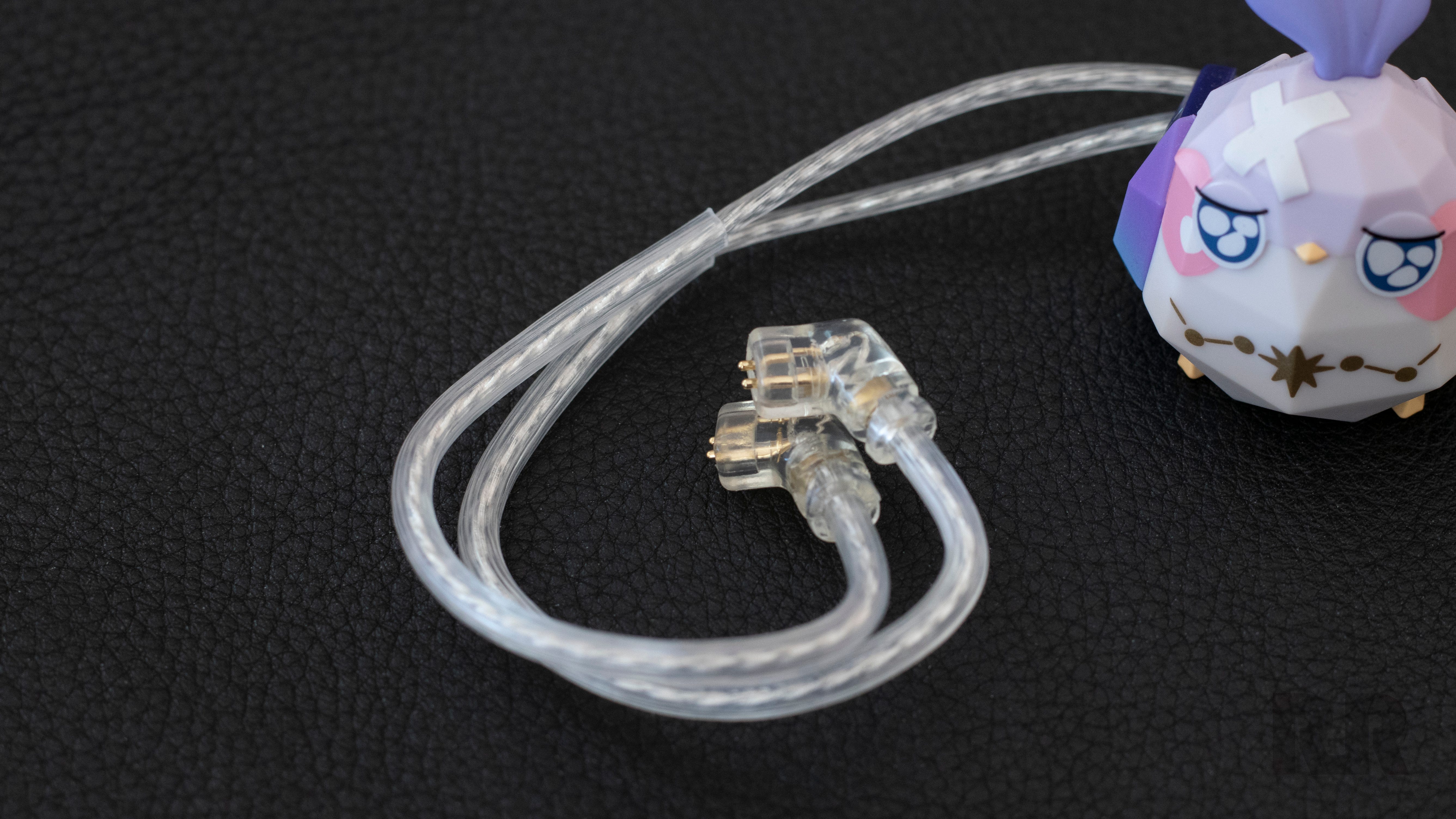
KZ’s construction choices have always been middling, at best, and the Taurus is no different. It features plastic shells, a non-standard extruded 2-pin cable connector, and plastic nozzles.
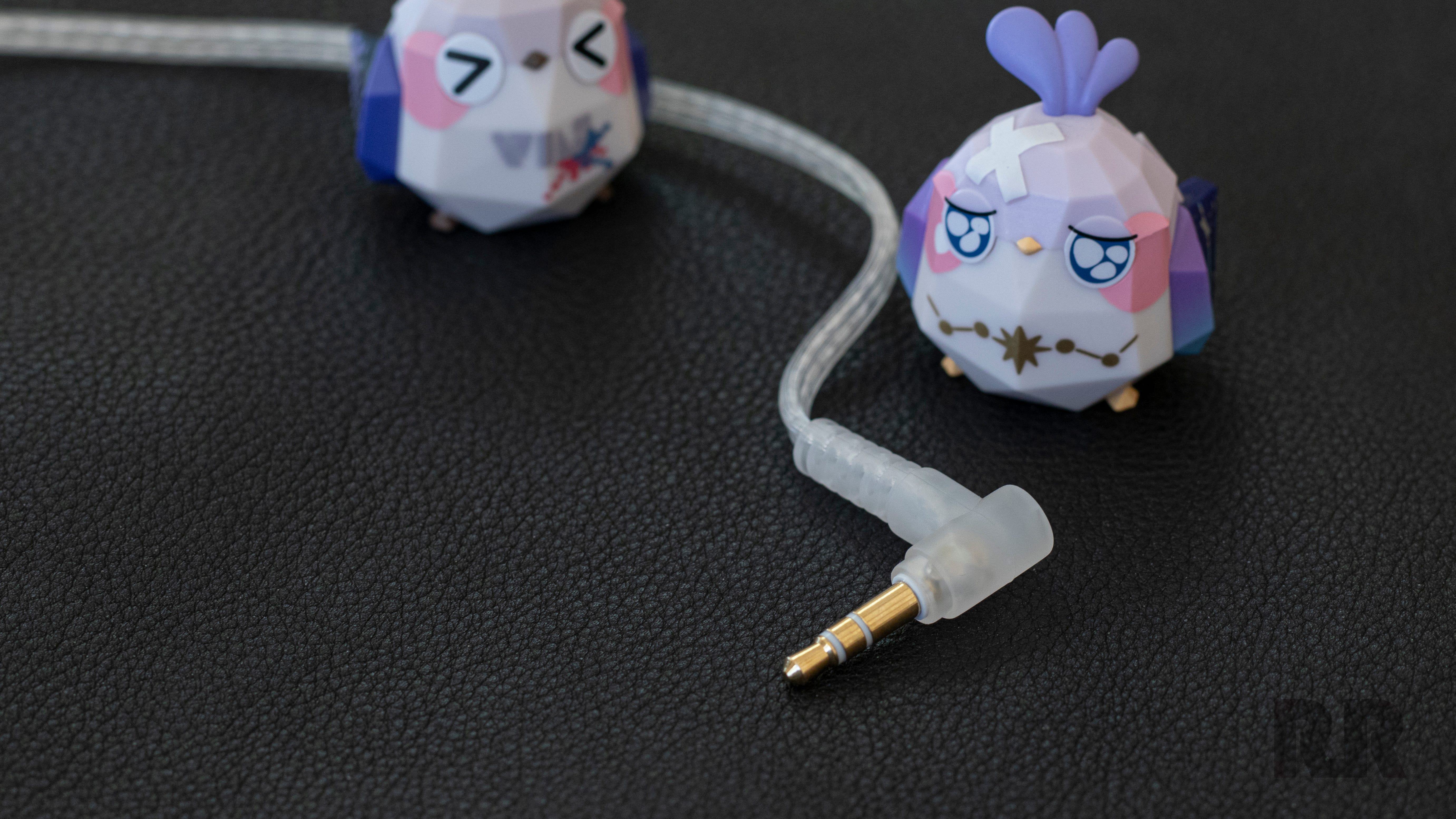
KZ’s cable is built from SPC wire and utilizes basic, but acceptable, finishings. It has sufficiently-functional strain relief at the base of the 3.5mm jack. The earguides are pliable-enough to maintain form without being too disruptive.
Comfort
Disclaimer: comfort is a highly individual metric — no two people will have the same experience.
The Taurus is of average comfort, and can be worn for extended periods of time. It is light, and not super-large, though it could certainly use a bit of slimming on its inside face. The Taurus’s cable is likewise ergonomically usable, though a bit on the thin side.
Power
The Taurus is trivial to power. It has a slightly-higher impedance than you’ll get from multi-BA IEMs and hybrid designs, but any decent modern source should be sufficient to enjoy the Taurus’s potential.
Warranty and Repair
The Taurus has a standard 30-day return window from KeepHiFi. If you order the Taurus from a different vendor, their specific warranty and return policies will apply.
Accessories
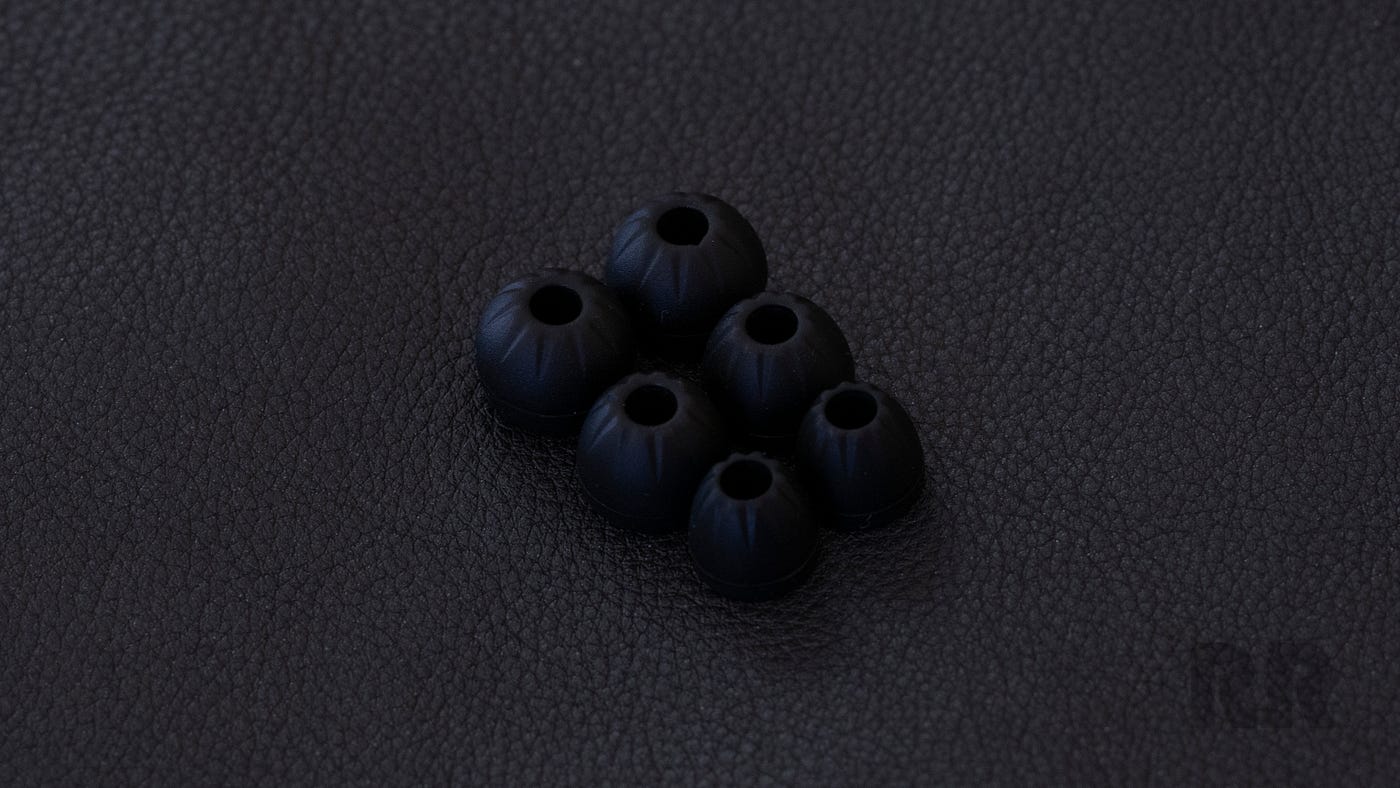
The Taurus comes with 3 pairs of silicone eartips, and nothing else. This spartan accessory suite is standard-issue for KZ. For ~$20, it’s hard to demand more. These eartips are ok, but not optimal for my ears.
Comparisons
Comparisons are selected solely based on what I think is interesting. If you would like me to add more comparisons, feel free to make a request in the comments below!
1: KBEAR KB02 ($40)
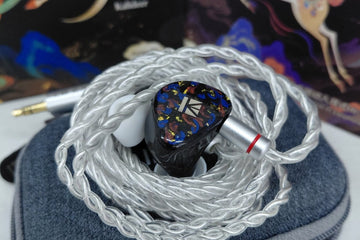
The KB02 is bassier and has less-dramatic upper-mids. The Taurus and the KB02 trade blows when it comes to treble-detail, though I found that the KB02 did a better job at managing finer-detail in busier parts of my test-tracks. The Taurus has better-controlled-bass, though at the expense of its engagement in electronic tracks.
The KB02 is twice the price of the Taurus, but offers tangible improvements across the board — from sound quality to accessories, to build. Those who prefer leaner, mid-centric sound will likely prefer the Taurus. Those who find that level of upper-midrange emphasis tiring will absolutely gravitate towards the KB02.
2: BQEYZ BQ10 ($29)
The BQ10 is warmer and bassier than the Taurus. The Taurus, however, is far more resolving across the board. The BQ10 is an attempt at “budget-Harman” that I believe fails to deliver the detail I expect from an audiophile IEM. The Taurus, though perhaps tiring to those with an upper-midrange and treble sensitivity, is better-toned and more-performant. The BQ10 does, however, have it beat on accessories and build-quality.
3: 7Hz Eula ($30)
The Eula is another dual-dynamic IEM, though one that is a little pricier. It has a similar style of construction and cable. The Eula’s mid-bass is more-prominent than the Taurus, giving it more energy and engagement in electronic genres. The Eula has a somewhat similar amount of midrange emphasis as the Taurus, though the Taurus has a marginally-worse bridge to the treble. The Eula does a bit better in complex passages and resolves treble-bound inflections and textures more-frequently. The Eula also has slightly-better accessories, though the difference isn’t that big.
These are similar IEMs that really test your preferences. I’m partial towards the Eula’s broader bass response and more-predictable treble performance.
4: 7Hz G1 ($35)
The G1 is warmer and much bassier than the Taurus. It has a more-recessed midrange and less-forward treble, aligning it closely with other Harman-tuned IEMs. The G1’s midrange is more-cohesive and delivers more-organic male vocals. The G1 also manages to resolve weighty bass-bound percussion with more-believable oomph. The Taurus does sound more “open” when A/B’ing, but ultimately delivers a less-enjoyable, and far-more sizzle-prone, experience across my entire music library. Sure, the Taurus may surface the occasional detail more-easily, but it smudges them far-more obviously than the G1 does.
The G1 is more expensive, but its metal shells, actual accessory package, and friendlier-tuning make it a more appealing choice for me.
Conclusion
The Taurus is another KZ experiment in the budget segment. It attempts to deliver a “detailed” experience by boosting the upper-midrange at the expense of overall cohesion. This overbearing tuning style hearkens back to older models like the KZ ZST — another IEM I was not partial to. While the Taurus does represent a potentially high-value purchase for those who want mid-centric W-shaped IEMs, I find that the budget segment has other, perhaps slightly more expensive, options that I prefer.
Who This is For
- Those seeking W-shaped, mid-centric sound in the budget segment
- Listeners who enjoy upper-mid dominance
Who This isn’t For
- Listeners sensitive to upper-midrange
- Listeners sensitive to treble
- Those seeking a complete out-of-box experience
- Those who can afford to step up into the $30-$50 price bracket
As always, happy listening!
35% OFF: https://keephifi.com/discount/taurus-blog?redirect=%2Fproducts%2Fkz-taurus-horizontal-dual-dynamic-drivers-in-ear-monitor-iem-headphones-hd-dual-microphone-hifi-gaming-earbuds