:
- Clean, natural, speaker-like sound without harshness or sibilance
- Scales well with volume
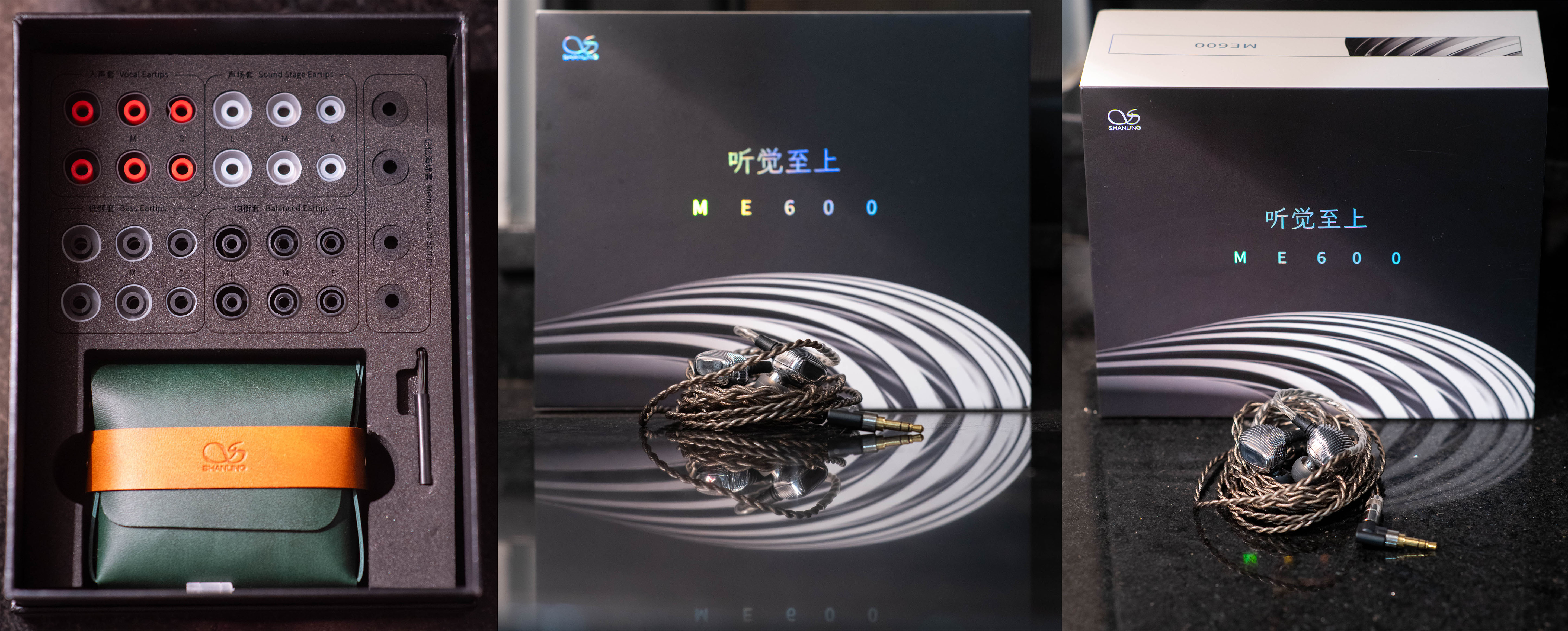
- Comes with three different tuning filters/nozzles
- Build quality is top-tier for the price
- Aesthetics are top-tier for the price
- Accessory package is top-tier for the price (tips, carrying case, and a modular cable are all of high quality)
- Sound isolation is top-tier (with the standard silicone tips, these isolate almost as well as or many other IEMs do with foam tips)
:
- Shells are heavy
- Nozzles are long and thick (people with small ears might have trouble getting a deep fit, which is crucial to getting the best sound)
- Would have preferred a different cable color (like all black or shiny silver to match the shells)
- May not have enough energy in the upper frequencies for very low-volume listening
I am not a professional reviewer and I bought these IEMs with my own money. I have a modest collection of around 20 IEMs, so keep that in mind when reading!
It's off to a good start already...
Many IEMs are hard to judge what they're worth simply by looking at them or even listening to them. You can have two IEMs in front of you: one costing 20 and another costing 500, and even to discerning consumers and listeners, it can be hard to pick out which is the cheap one and which is the expensive one. Not so with the Shanling ME600. This is one of those IEMs that, as soon as you open the box, you can tell is a higher-tier product. Everything has been thought out and designed with class and finesse. Everything included in the box (tips, cable, carrying case) is of high quality and looks good together.
The same applies to the IEMs themselves. The shells are beautifully understated and classy-looking. They are heavy, sure, and this might be seen as a con to some. And in certain situations, it is! But what you get in return is a product that feels high quality in your hands and in your ears, along with sound isolation that is much better than lighter-weight IEMs made with thinner shell materials. As I mainly use IEMs outside on noisy city streets, this is a perfectly acceptable trade-off for me.
How do they sound?
My main genres are blues, classic rock, R&B/soul, hip-hop, country, classical, and jazz. Occasionally, I will also listen to other genres such as vintage pop, EDM, and metal. Regardless of genre, I like an exciting sound signature with good slam and punch in the bass, natural or forward vocals and instruments, and not too much shimmer in the treble.
The sound coming from the ME600 can be described as perfectly neutral. And when I say that, I don't mean "neutral" in the way most people talking about IEMs would describe it. To me, neutral is what a good set of bookshelf speakers sounds like in a decently treated room. This means you can listen at various volumes, whether it's a relaxed 60 dB or you're rocking out at 90+ dB. The sound at either volume will be pleasing. With these earphones, especially at mid to high volume, the sound is clear, precise, and engaging (neither "warm" nor "cool"), and there is no sibilance or offensiveness whatsoever.
A quick breakdown:
Sub-bass: Pretty good, but it's slightly behind the mid-bass. It suits my personal preferences but true bassheads will probably find it lacking.
Mid-bass: The star of the show. It's there and punches hard and fast, but it never gets overbearing or bleeds into the rest of the frequency range. The mid-bass helps create an engaging and exciting sound.
Vocals: Both male and female vocals sound perfectly natural. They are neither too recessed nor too forward. Perfect tuning for vocals.
Guitars (and many other instruments): Same as with vocals. They sound natural and are neither recessed nor overly forward.
Cymbals, hi-hats, etc.: Again, completely natural! Many would probably say these sound muted or recessed, but that's only because they're comparing them to most other IEMs on the market. In my opinion, most IEMs are tuned incorrectly and unnaturally, producing cymbal sounds that are too loud. If you watch a live performance at a small venue with good sound or listen to good speakers in an acoustically treated room, cymbals and other "splash" and "ching" sounds are never front and center. They're supposed to be in the background, not the main focus. And that's exactly how they sound on the ME600.
Comparisons (against other IEMs):
Here I will compare the ME600 with the ones I find the most similar or suitable for comparison.
vs Ziigaat Doscinco (2DD+3BA)
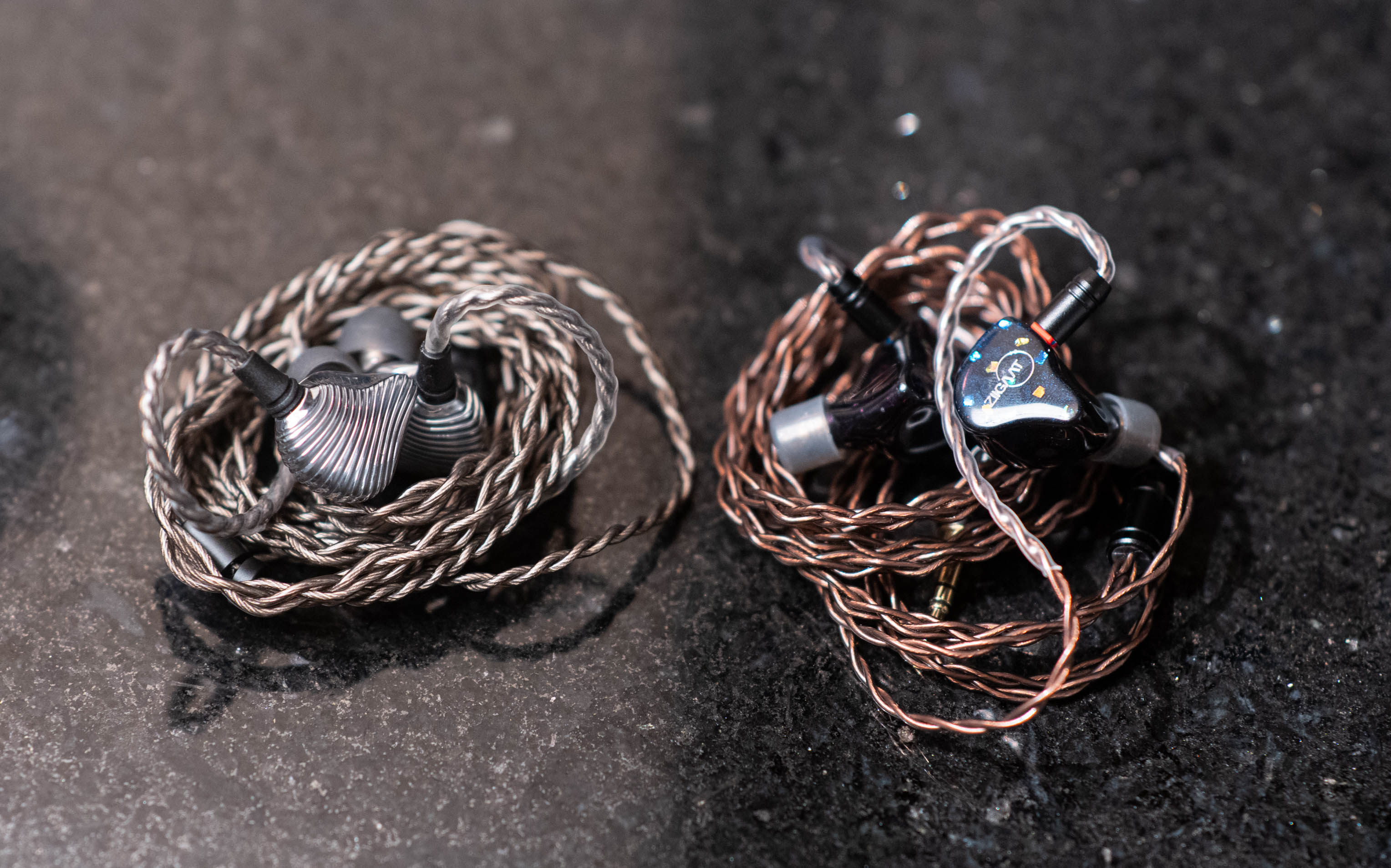
Let's begin with the Doscinco because not only are they in the same price bracket (both around $300), they also use the same driver setup (2DDs for bass + 3BAs for the rest of the frequency range).
First of all, the builds on these are completely different. The Ziigaat is a lightweight IEM with resin shells and comes with a thin (and tangle prone) cable. I use the Ziigaat (with EQ) at home when gaming. There, I do not need as much sound isolation, so I prefer the Doscinco for the weight alone.
In terms of sound, the Doscinco is a much more V-shaped IEM. It has more energy/rumble in the sub-bass, which makes the bass overall take up more focus in the mix. On the other hand, vocals (especially male vocals) and instruments (like electric guitars) sound comparatively recessed on the Doscinco. They're always a bit in the background.
What's next, the Doscinco has a lot more energy in the 5–8 kHz area, so cymbals and the like are more forward in the mix. Personally, I cannot listen to the Doscinco without EQ. I use -5 dB at 5000 Hz and another adjustment around 10 kHz. Even with these adjustments, the Doscinco is harsher-sounding than the Shanling, and for me, it's limited to medium volume on most albums.
Overall, I think the Shanling is a better IEM and I greatly prefer its tuning. But if you really love sub-bass and don't mind the extra energy in the upper mids then the Doscinco could be better for you. Both are good iems, just different.
vs Aful Explorer (1DD, 2BA)
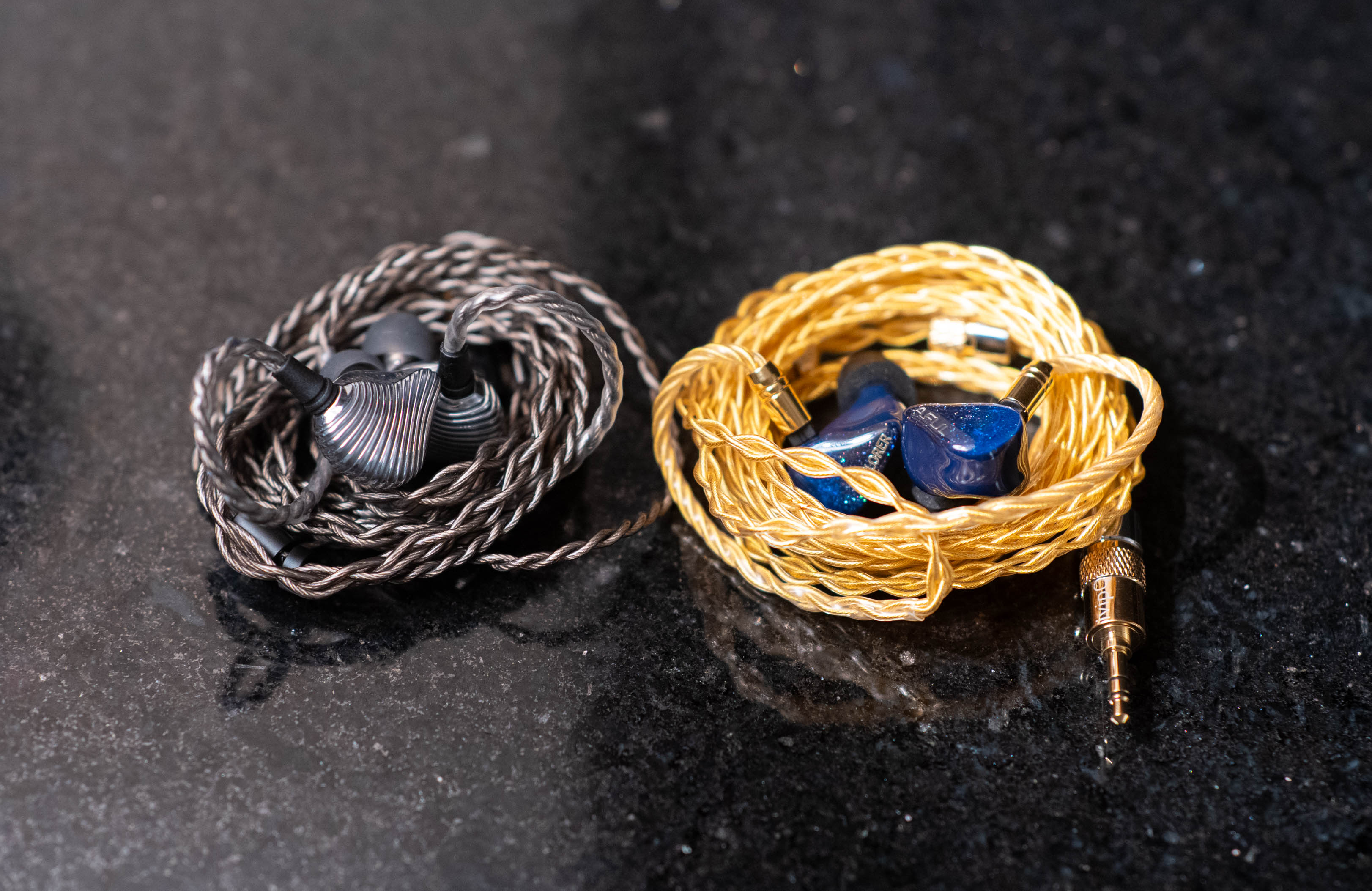
The Explorer is one of the few IEMs in my collection that I can listen to without any EQ at all. The other is the Shanling we're reviewing here. For that reason, I think this is a good comparison.
The Explorer is known to be the perfect pick for those sensitive to peaky treble and sibilance. To these listeners, I would say the Shanling ME600 is the perfect upgrade.
As for the sound, the Explorer has more audible sub-bass, most likely due to lacking the mid-bass punch that you find on the ME600. That's the first major difference. Next, the pinna gain on the Explorer is quite recessed compared to the Shanling. This makes vocals and instruments such as electric guitars not have quite as much "bite" or excitement to them. This was my main criticism of the Explorer. Yes, it sounds good at high volume, but even then a lot of the time, I just wished it had a little more energy.
That's what the Shanling provides. To me, it fixes a lot of the drawbacks of the Aful Explorer while keeping most of the positives.
Is the ME600 worth three times the cost of the Explorer? Yes, I think so. To me, the Explorer is clearly worth its 100 dollar price tag. Compare its build quality, cable, accessories, and of course sound quality to something that costs 30 bucks, and you will clearly see the Explorer is worth the asking price. The Shanling is that next step up and a great upgrade.
vs Fiio FH3 (1DD, 2BA)
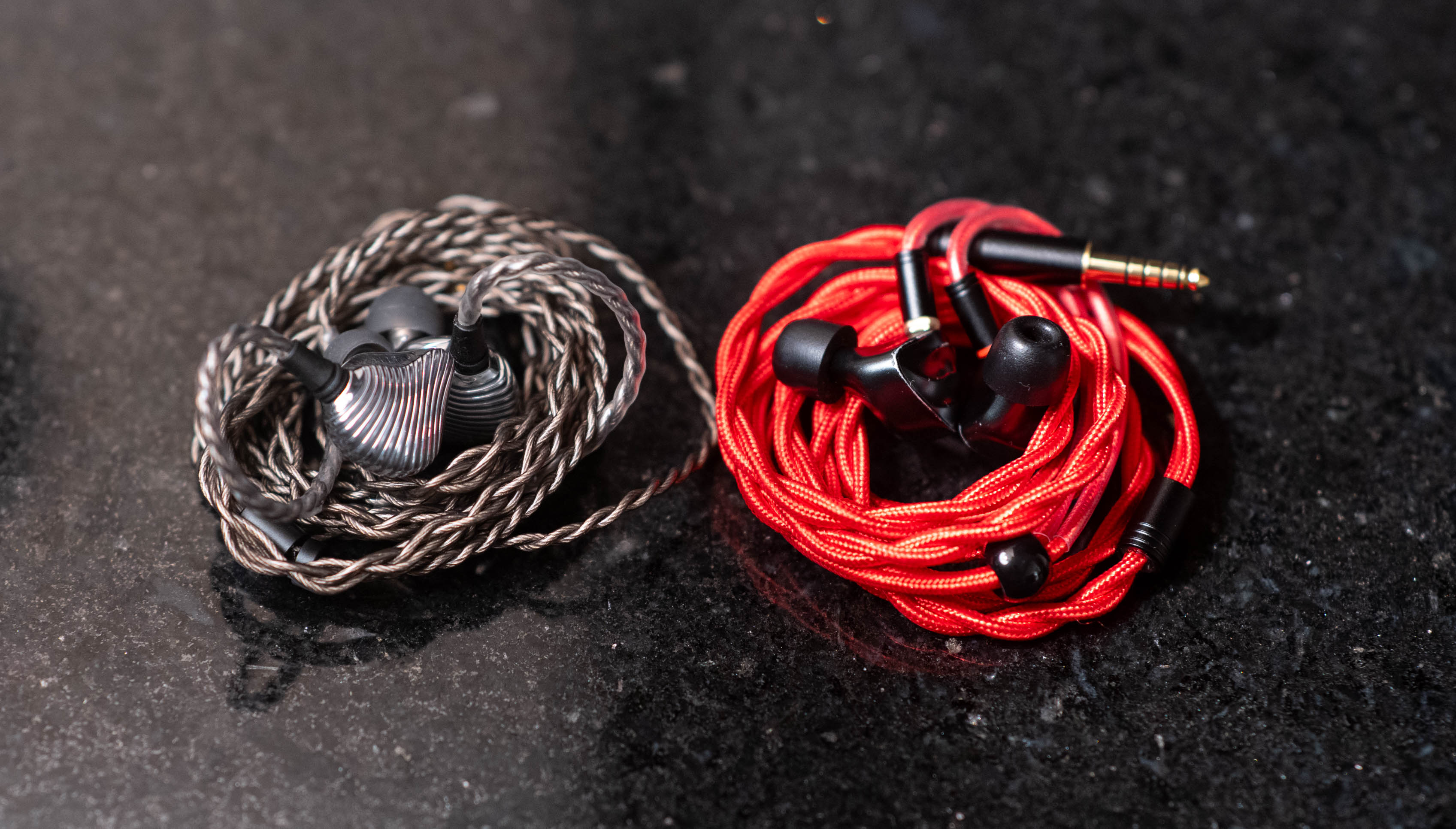
An older set, but perhaps the one with the most similar tuning to the Shanling ME600. This Fiio was my main IEM for years and was practically all I used. To me, these two sound very similar, but the Shanling is simply more refined and does what the Fiio does well even better.
First, the bass: Both are mid-bass-focused and have incredibly satisfying punch. This is where they're most equal in terms of performance. The Fiio has always provided my favorite "clean bassy" sound, and the fact that the Shanling can compete is good praise.
When it comes to the mids, they still sound very similar. You can see this on graphs too. To me, this is the perfect tuning. But what the Shanling does better is the coherence and the lack of spikes, peaks and valleys, especially once we get into the upper mids and treble. The Fiio FH3 has several quite sharp peaks, starting around 5 kHz (where it starts exactly depends on your particular unit, ears, tips, and insertion depth).
The Shanling has none of these. It's much smoother. And this makes all the difference in terms of listening experience. The FH3 can only be turned up so loud before it starts to hurt or damage your hearing. The Shanling can be listened to at louder volumes without hurting you at all. This is the biggest difference, and it's also why the Shanling, in my opinion, easily justifies its higher price tag.
Conclusion:
In my collection, the Shanling ME600 has quickly become my favorite IEM. It is the one I use anytime I go outside or travel anywhere. Not only does it look amazing, it provides the best sound isolation out of all my IEMs, and it has a very nice stock tuning. I do not even have to use EQ with it at all. And that is very rare! For this reason, just like the Aful Explorer, I believe this to be one of the very few IEMs that are safe to blind-buy for most people. I don't think anyone could say they hate this tuning or are bothered by it in any way (unless, perhaps, they're bass-averse or have severe age-related hearing loss).