








Preface:
I’m not the one to usually focus on specifications and numbers. I focus more on how happy I am with the equipment’s sound and that’s it.
Disclaimer: This is a review unit from Linsoul however I retain full editorial control and the opinions expressed here are solely my own. I have not been paid or compensated by Linsoul, TinHiFi or any other entity for this review. My assessment is based solely on my personal experience with the product.
I do get to keep the unit after review but that had no influence over the opinions expressed below.
Sources used:
- iBasso DC Elite
- iBasso D16 Taipan
- Dethonray Clarinet
Introduction:
So, TinHiFi. They're a brand that's been in the circle for a while now. They've built up quite a reputation over the years. Before I got my hands on the C1, I knew TinHiFi for some of their other well-loved releases.
You've got their "T" series, for instance, which really put them on the map. Models like the original TinHiFi T2 and its variations, or the T3 Plus, became instant hits. People loved them for their clean, balanced sound, often at prices that made you do a double-take. They also ventured into planar magnetic drivers, which is a big deal in this hobby, with models like the P1 and P1 MAX II. Those are known for offering a different kind of sound, often praised for their speed and detail.
They've even dabbled in more specialized stuff, like the "C" series, which the C1 is part of, with other models like the C2 Mech Warrior and C3. It seems like their philosophy has always been about bringing solid Hi-Fi sound and quality to a more accessible price point. They clearly focus on delivering good performance and build without all the unnecessary bells and whistles.
Specifications:
- Driver: 1DD 10 mm full-size DLC diaphragm
- Sensitivity: 106 ± 3 dB @ 1 kHz (0.179 V)
- Impedance: 32 Ω ± 15
- Distortion: 3 % @ 1 kHz (0.126 V)
- Frequency Response: 10Hz - 20kHz
Box Contents:
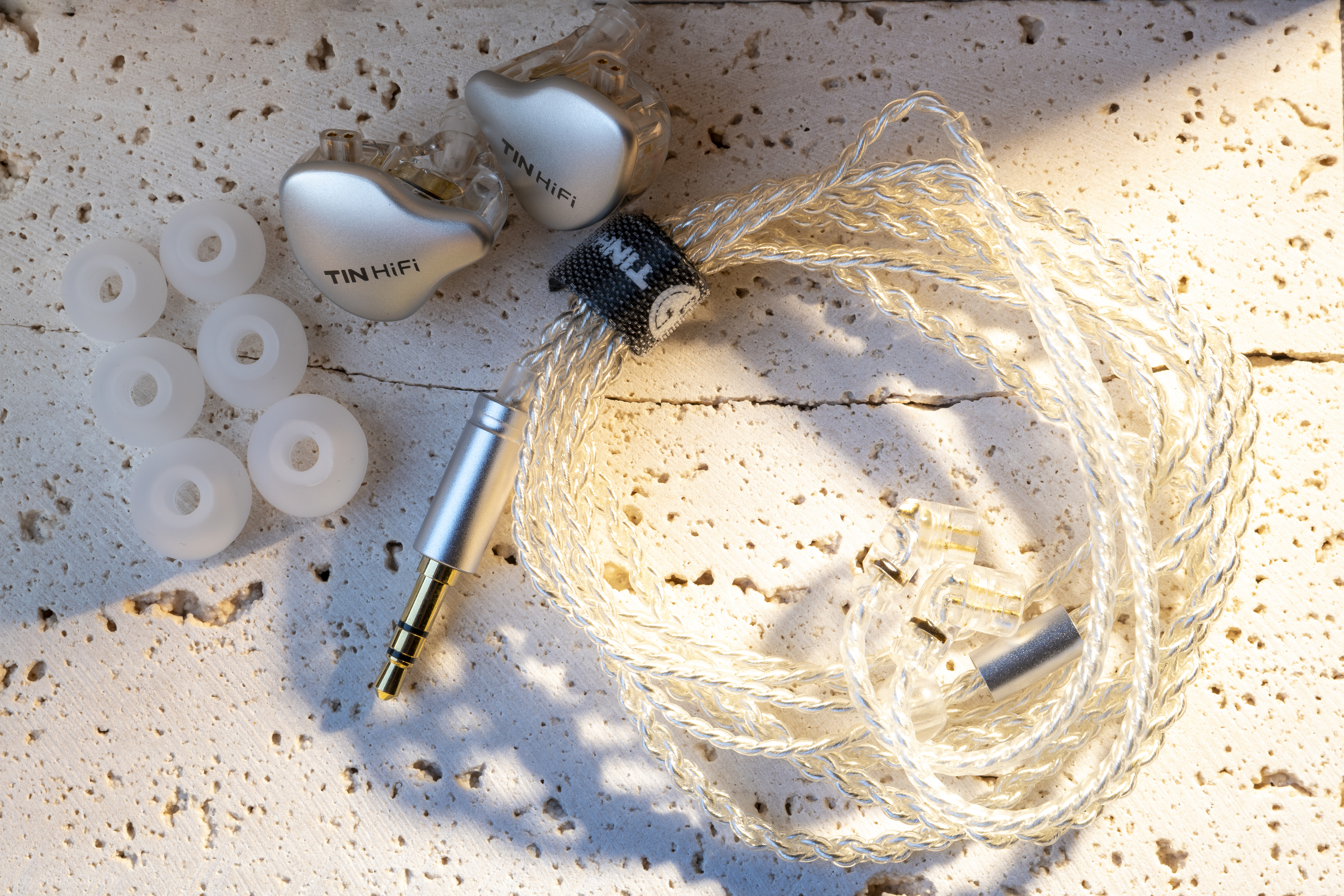
- C1 IEMs
- Silicone Eartips (1 X S/M/L)
- 0.78mm 2-pin QDC Cable (3.5mm terminated)
Unboxing Experience:
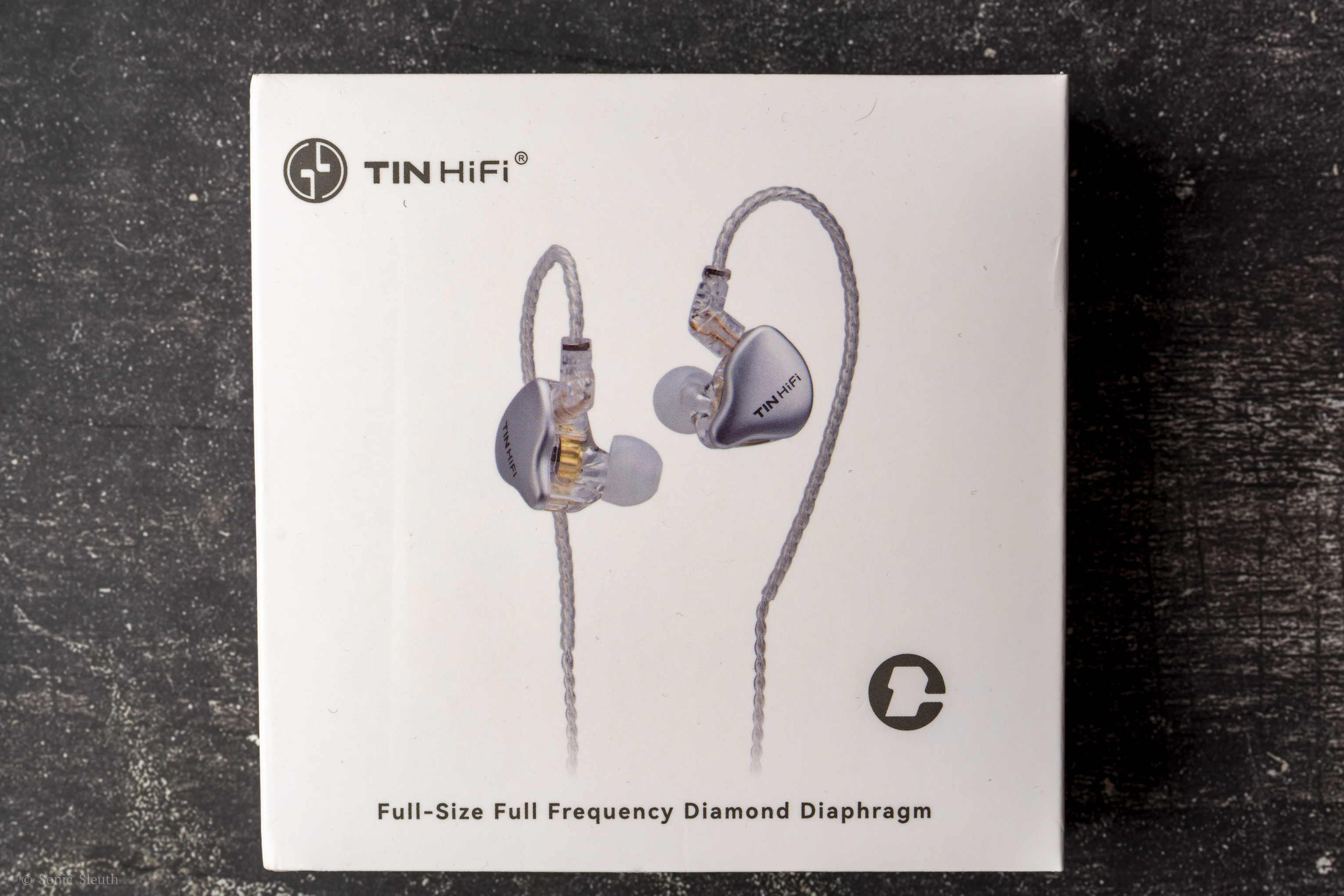
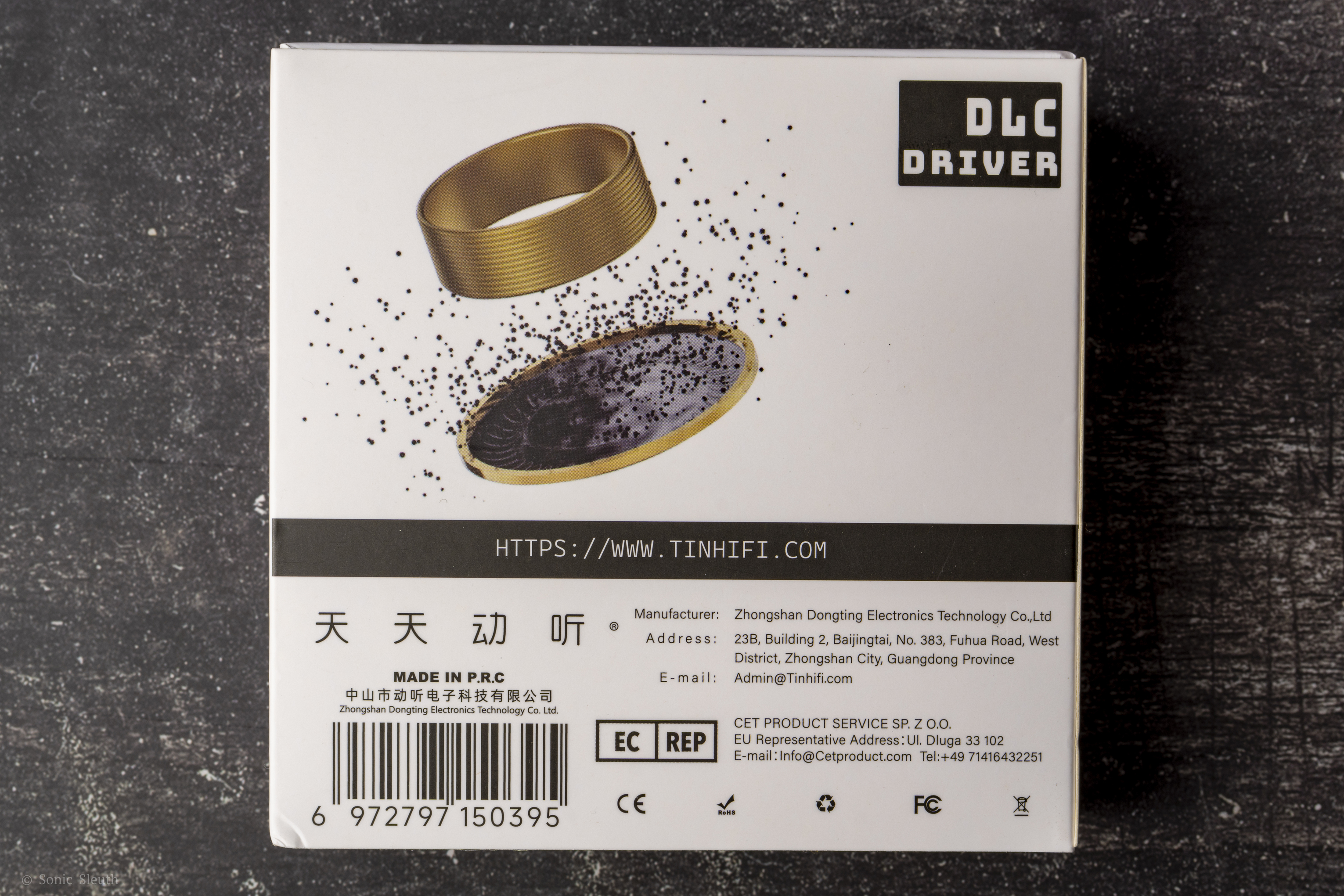
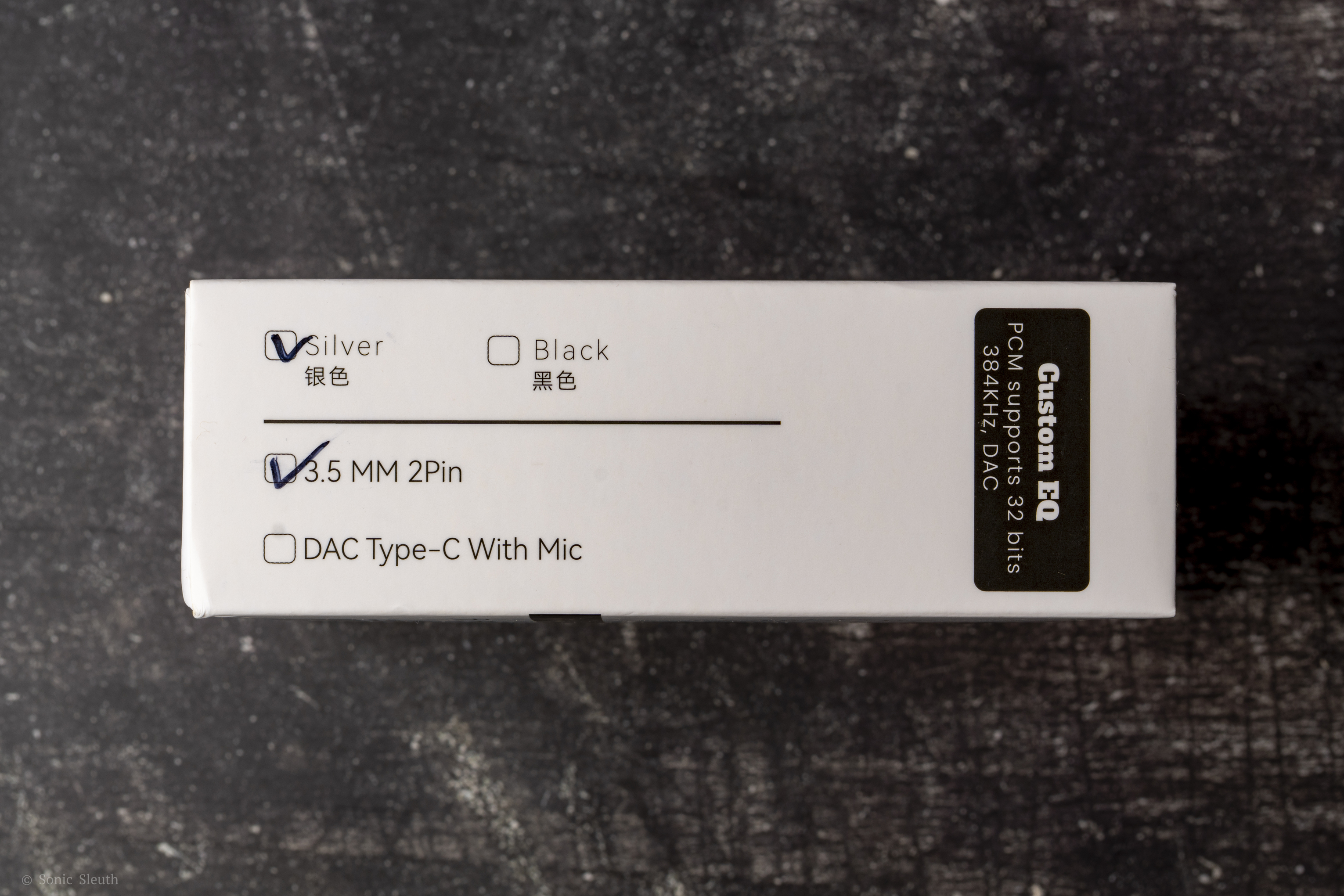
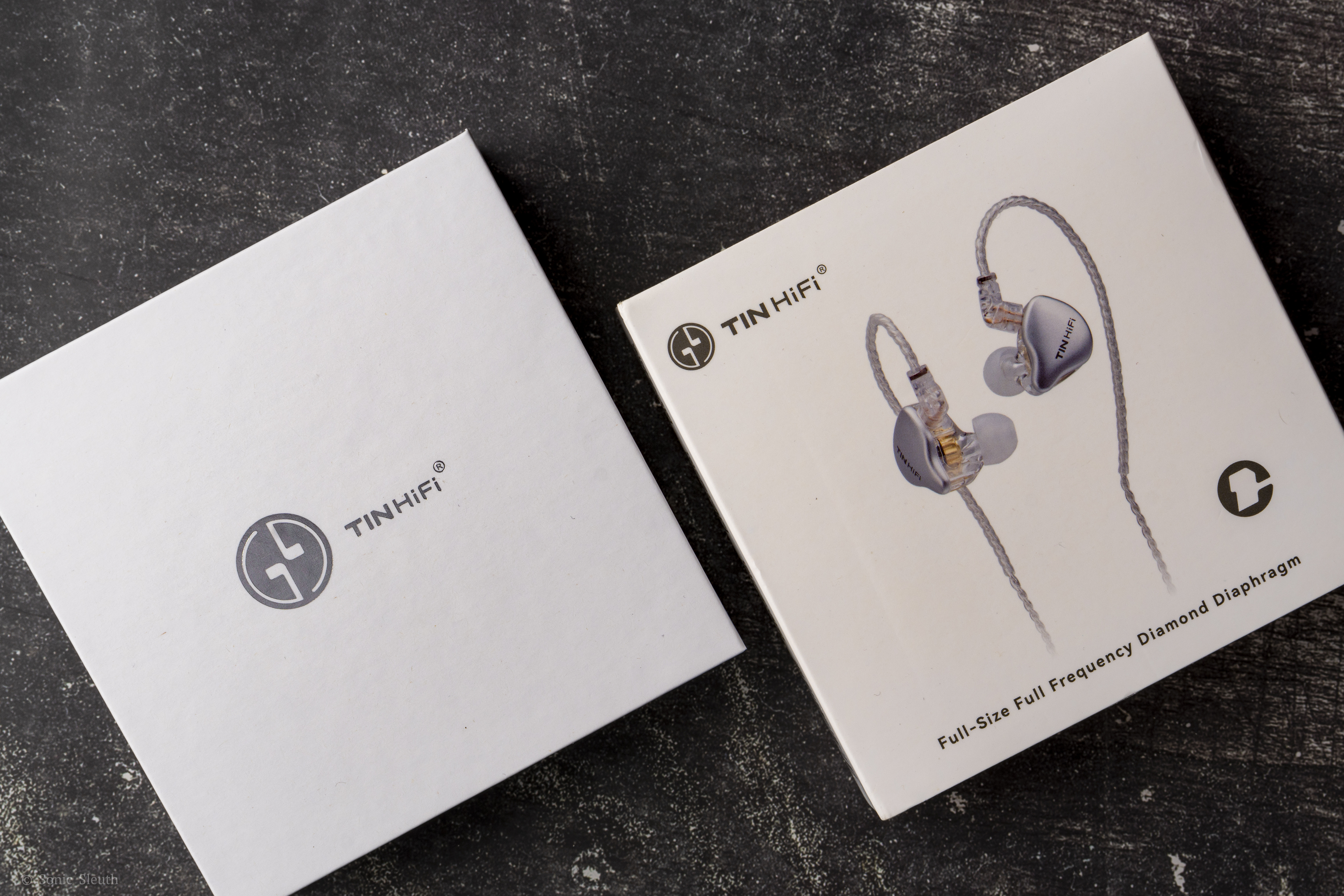
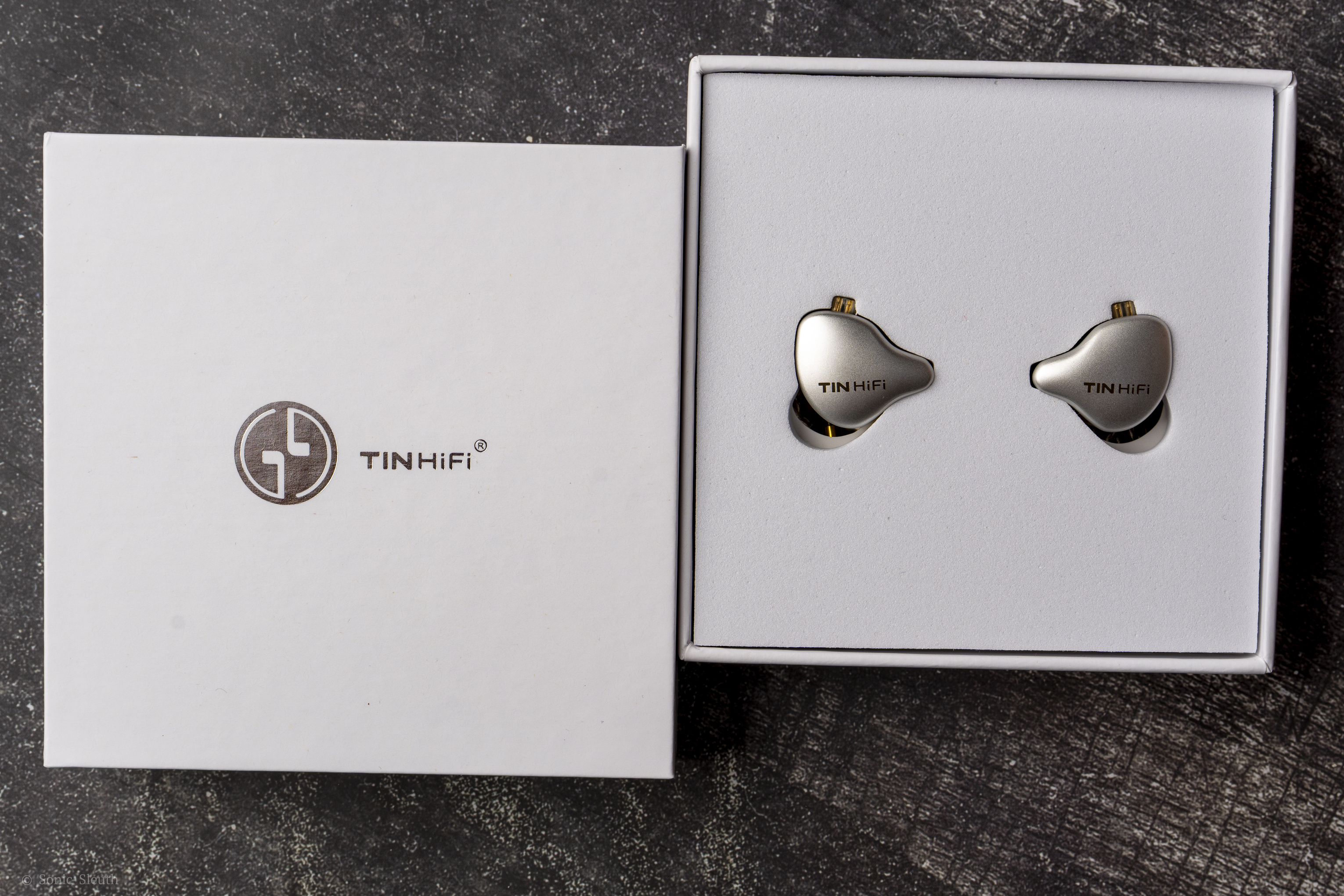
Let's talk about the unboxing experience. The C1 comes in a very minimalistic package. It’s a pretty simple box.
When you open it up, you'll find the C1s themselves, nestled snugly in a foam cutout. They're held securely, so no worries about them rattling around during shipping. Underneath that foam, you'll find the cable and just a few pairs of ear tips. That's the whole shebang! It's truly a "what you see is what you get" kind of deal. For a pair of IEMs priced at under $30, this is absolutely fine, even expected. It immediately tells you that TinHiFi has focused their budget where it matters most: the sound-producing bits and the IEM shell itself, rather than spending on elaborate packaging that most people just throw away anyway. It's not a luxury unboxing, but it's efficient and gets you straight to the listening.
Design and Build:
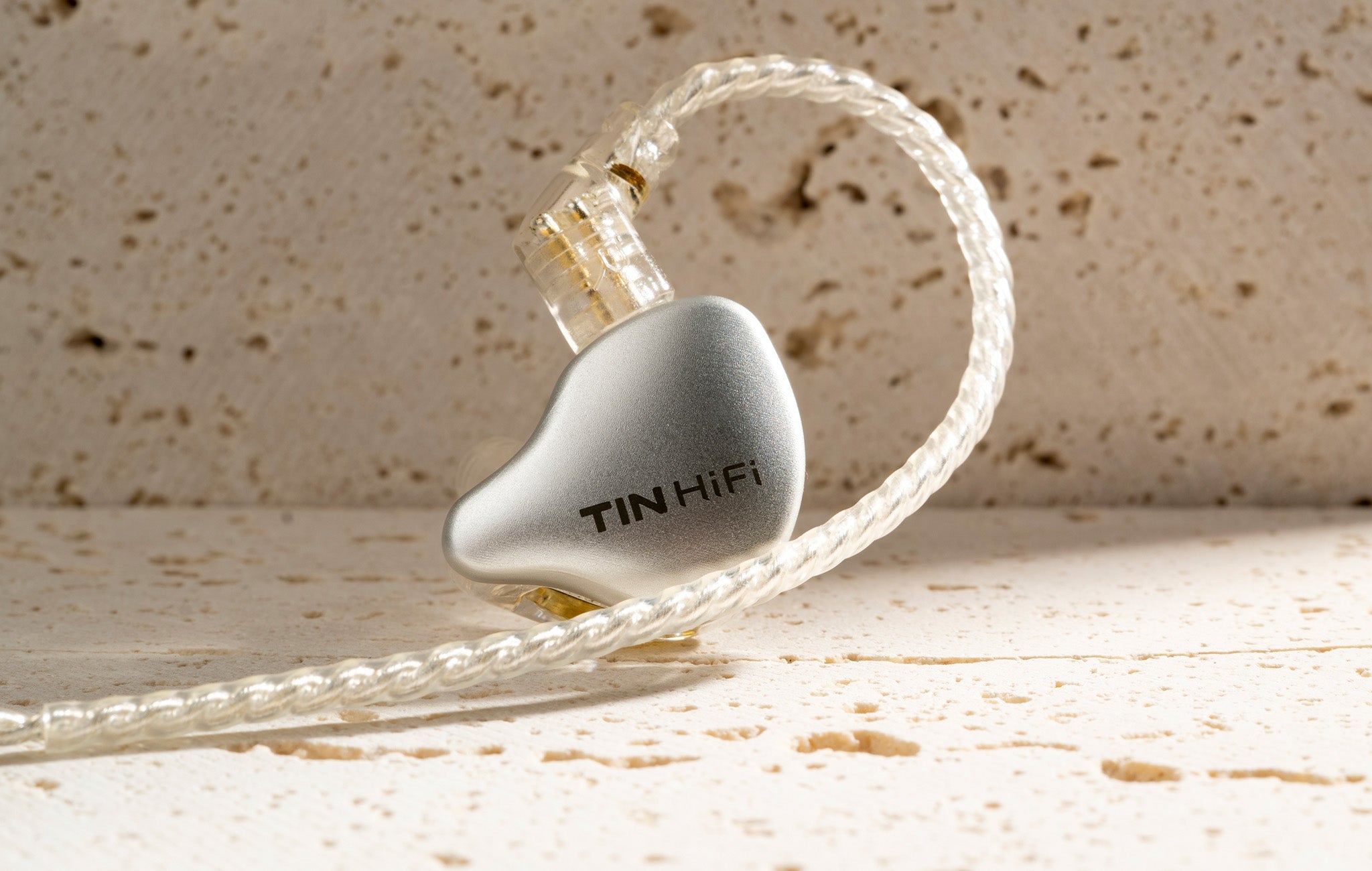
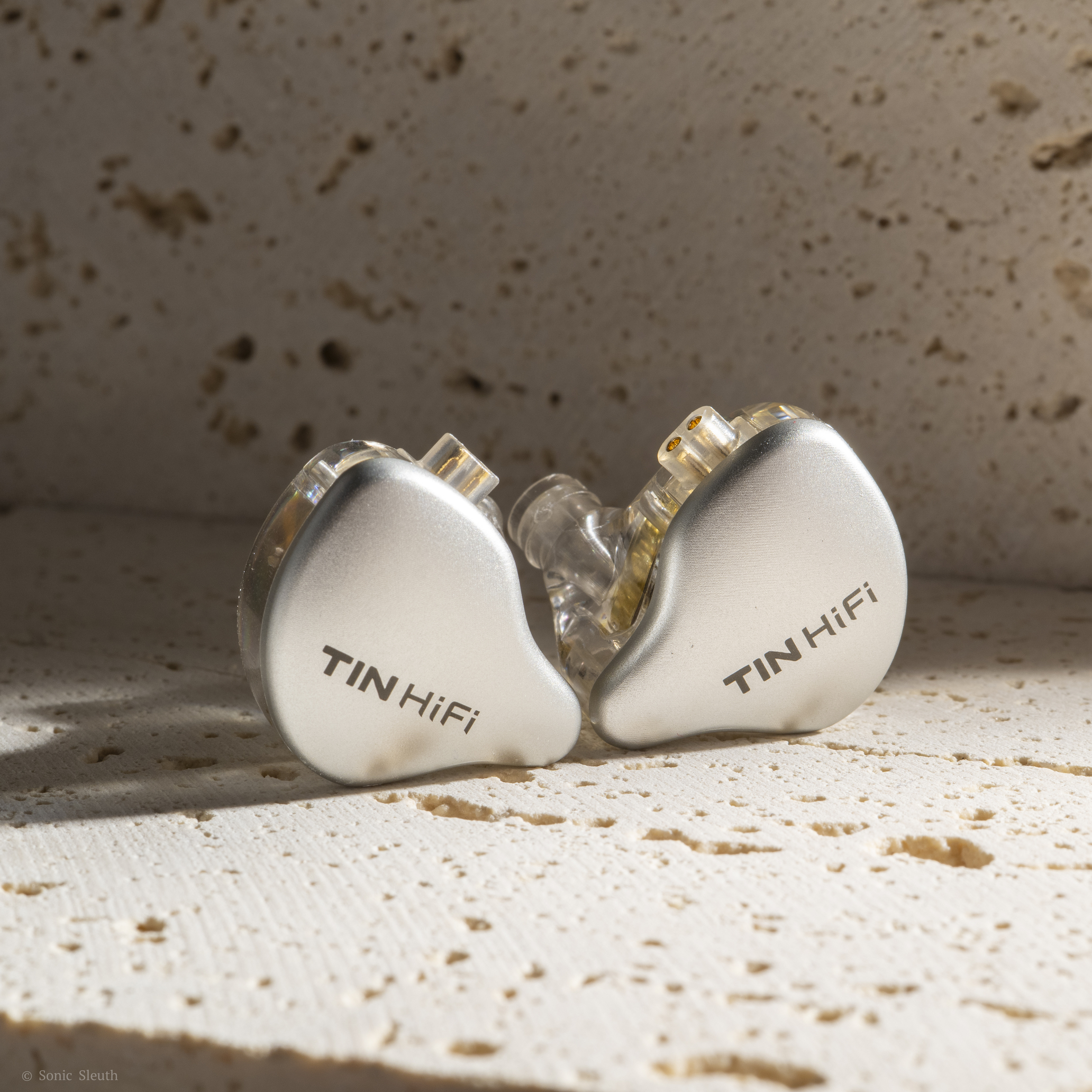
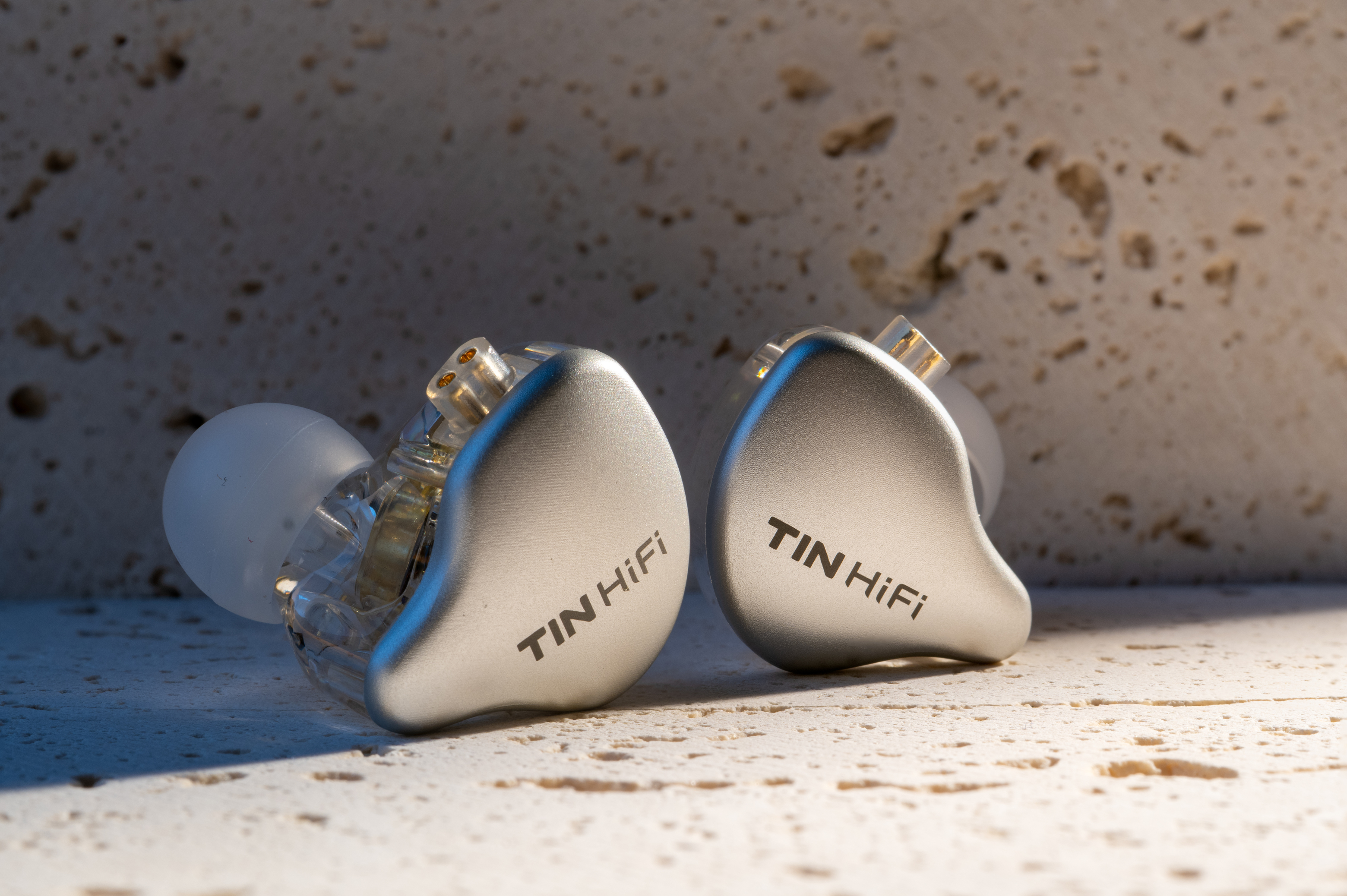
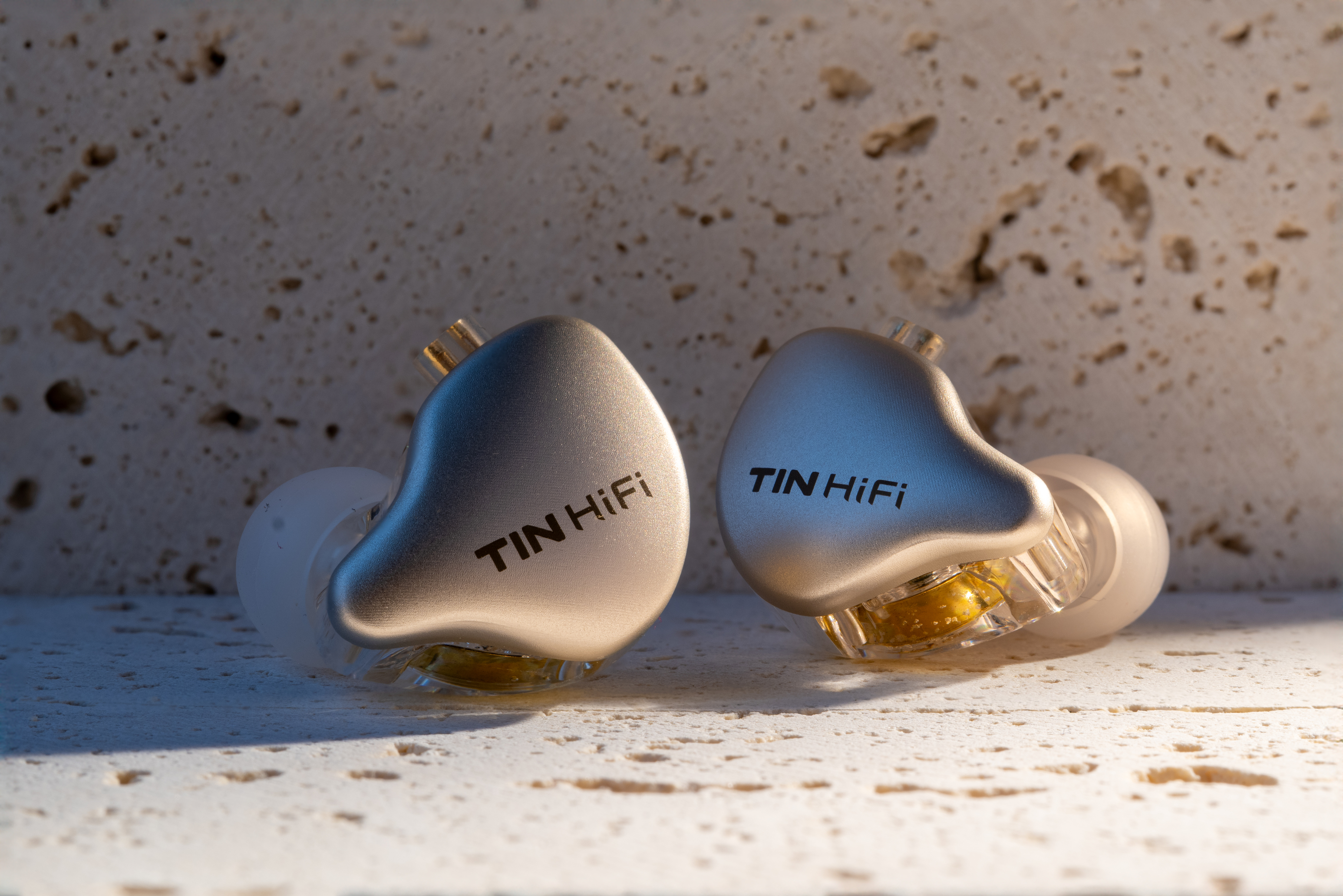
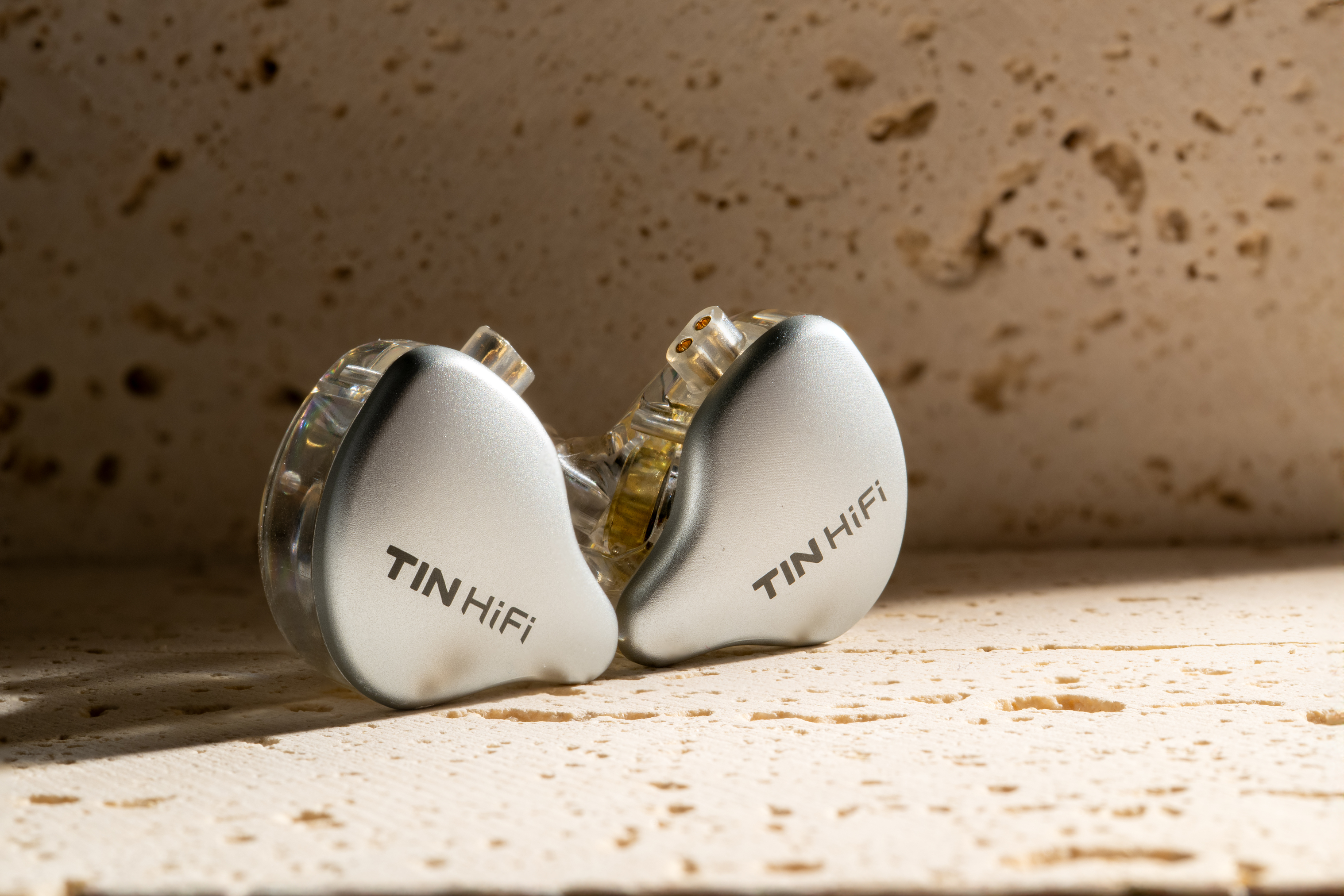
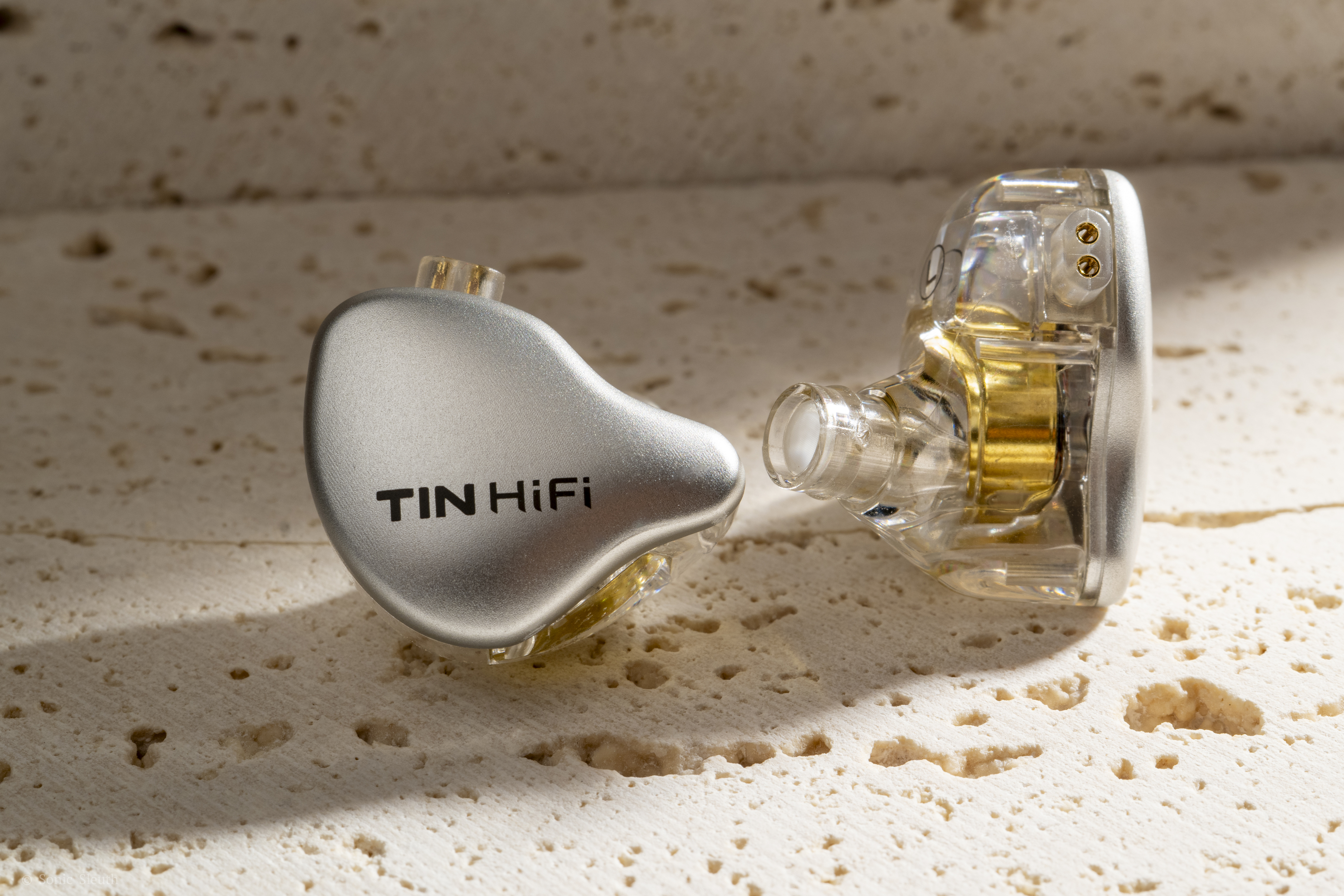
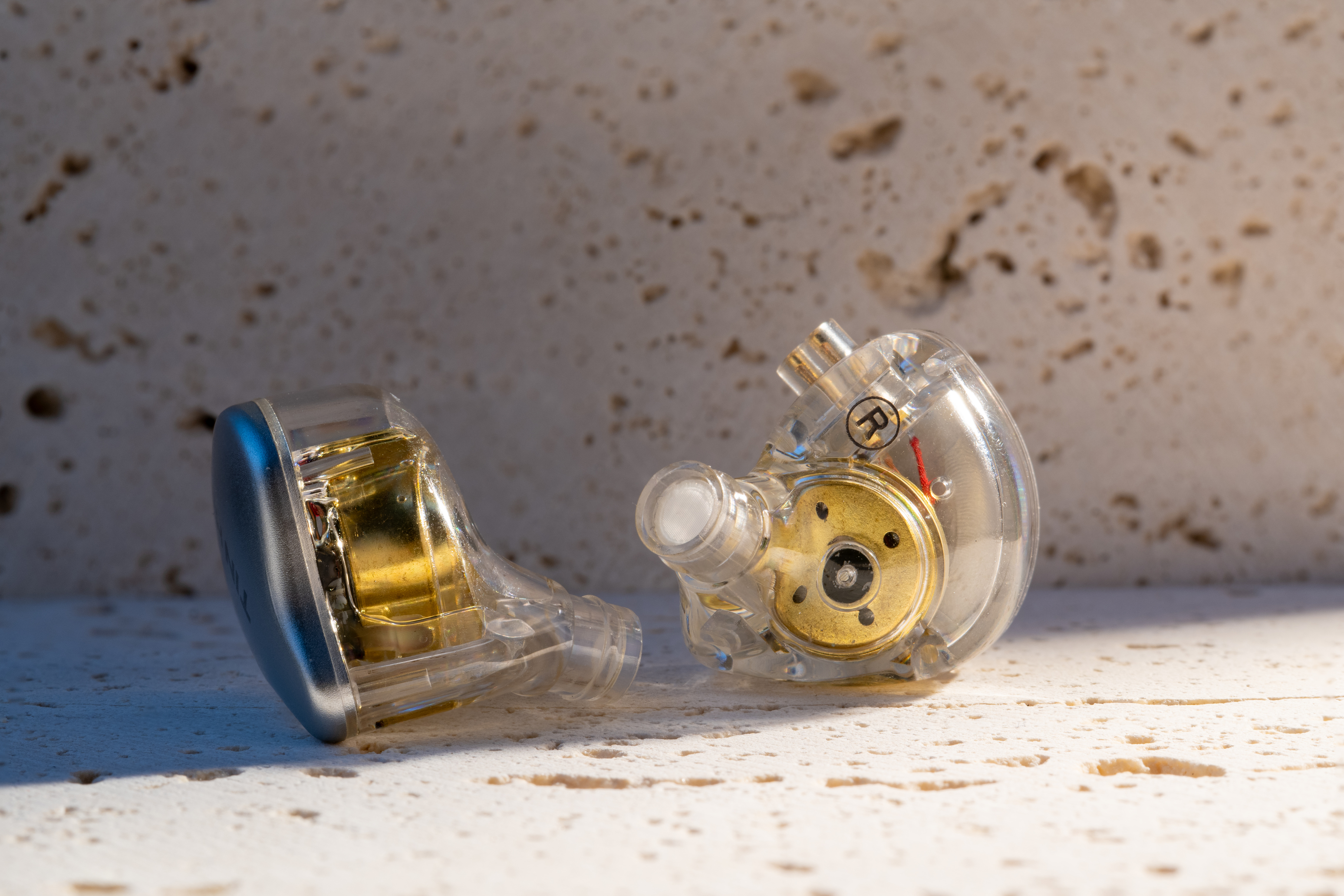
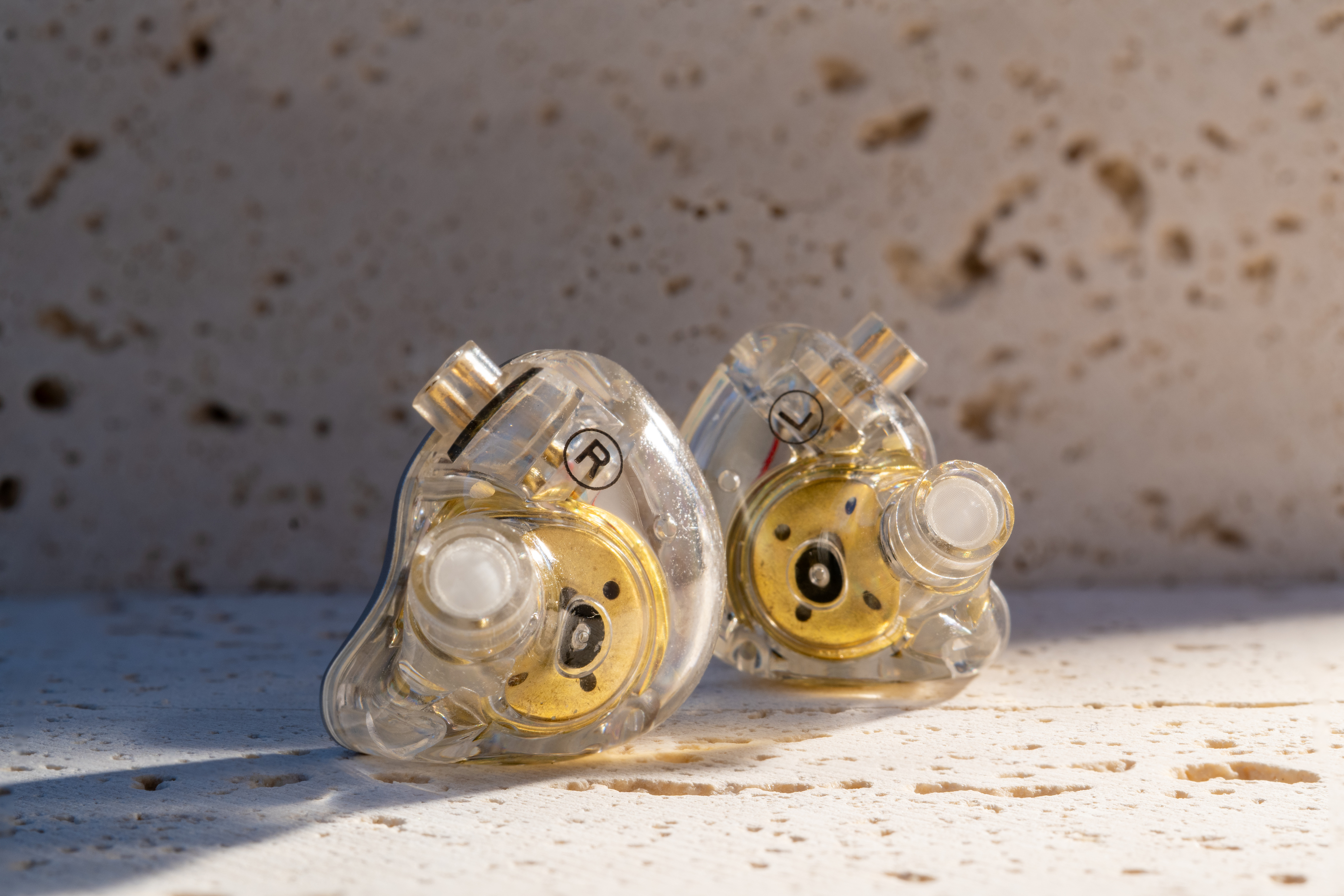
Moving onto the design and build, and this is where the C1 truly feels like it punches above its weight. For its humble price tag, the build quality is remarkably solid. The main part of the shell, the inner body that sits in your ear, is made from transparent resin. I actually really like this because you can clearly see the dynamic driver sitting inside. It gives it a cool, slightly technical look.
But where it really elevates itself is the faceplate. This isn't just cheap plastic, it's made from CNC-machined aerospace-grade aluminum. It feels substantial, has a lovely matte metallic finish, and just looks premium. It really gives the C1 a more sophisticated vibe than its price suggests. Plus, from my time with them, this aluminum seems pretty durable and scratch-resistant, which is a huge bonus for everyday use. Mine have taken a few knocks in my backpack, and they still look pretty pristine.

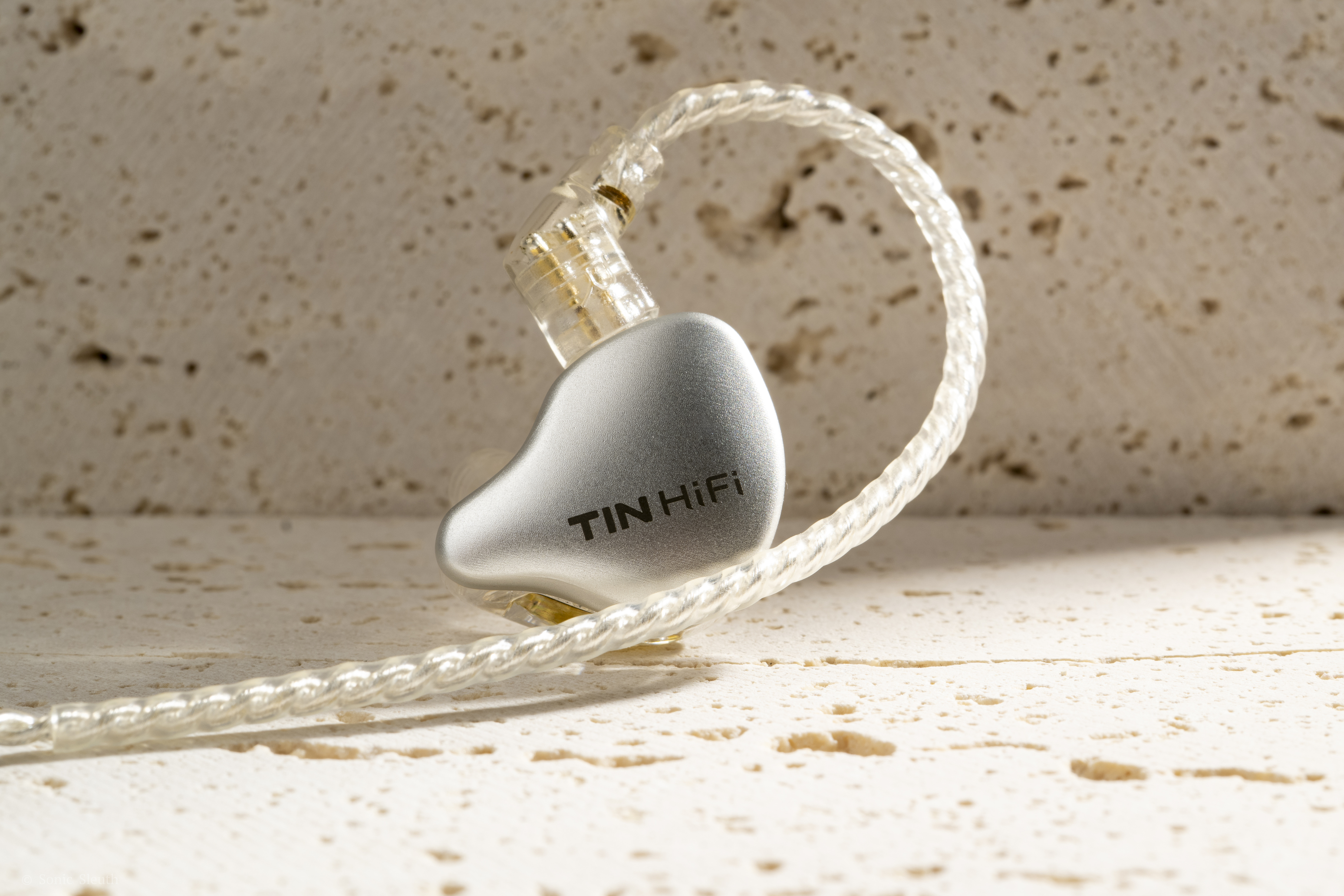
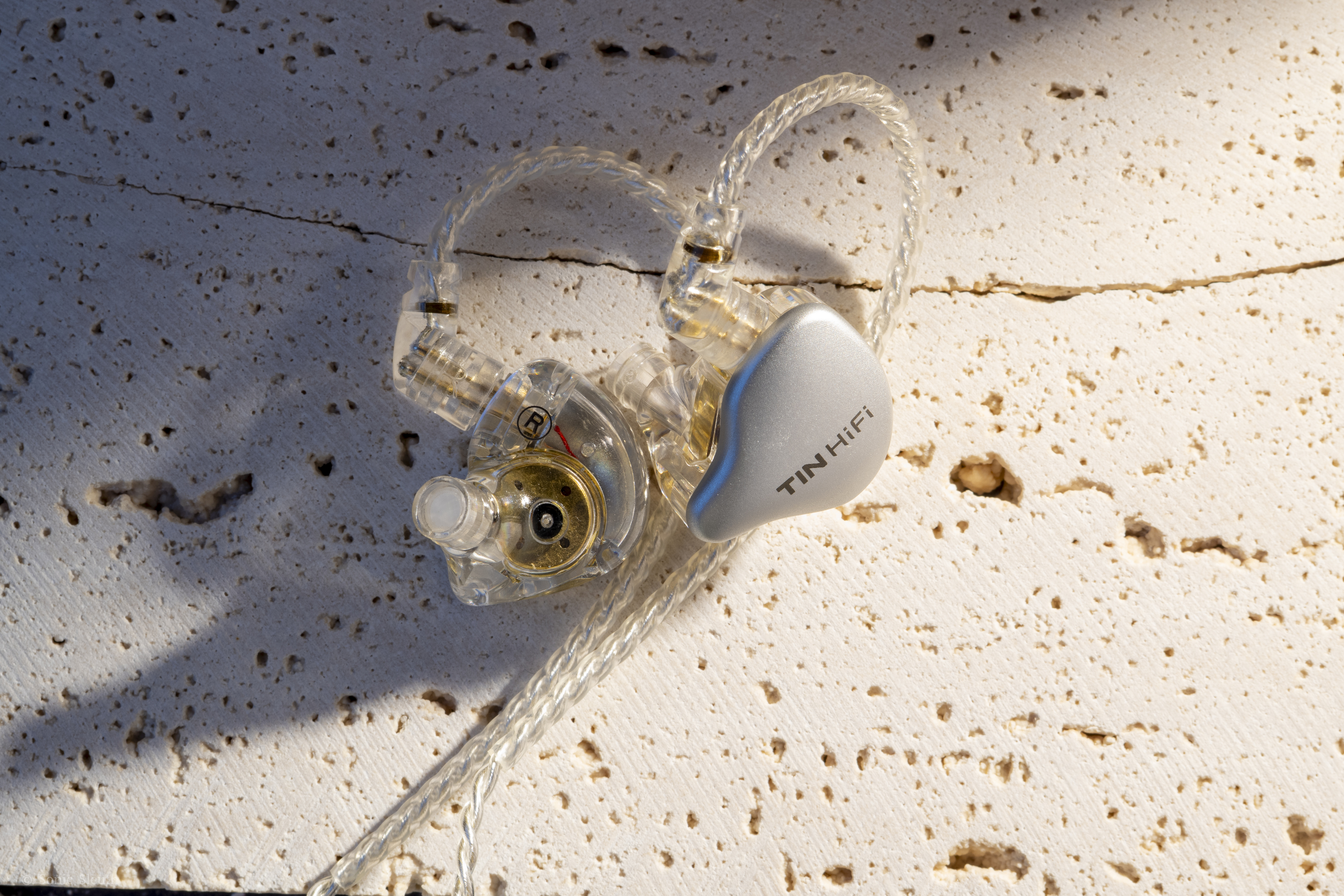
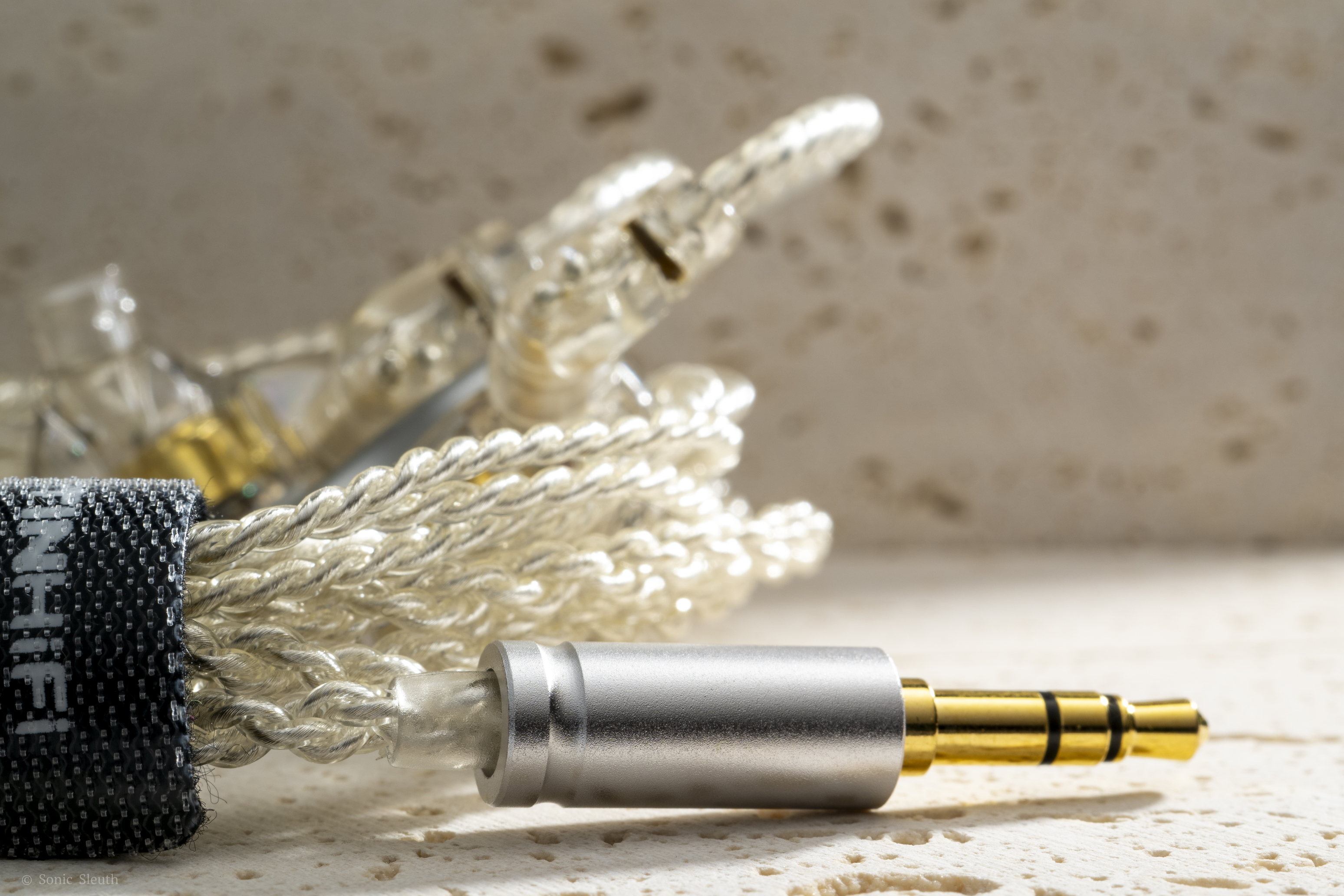
Now, the cable. It’s a 4-strand braided silver-plated wire, and it connects to the IEMs using the common 0.78mm 2-pin QDC connector. The stock cable itself is actually quite decent. It's soft enough that it doesn't fight you, it doesn't seem to get tangled into a bird's nest easily, and crucially, I found it had minimal microphonics.

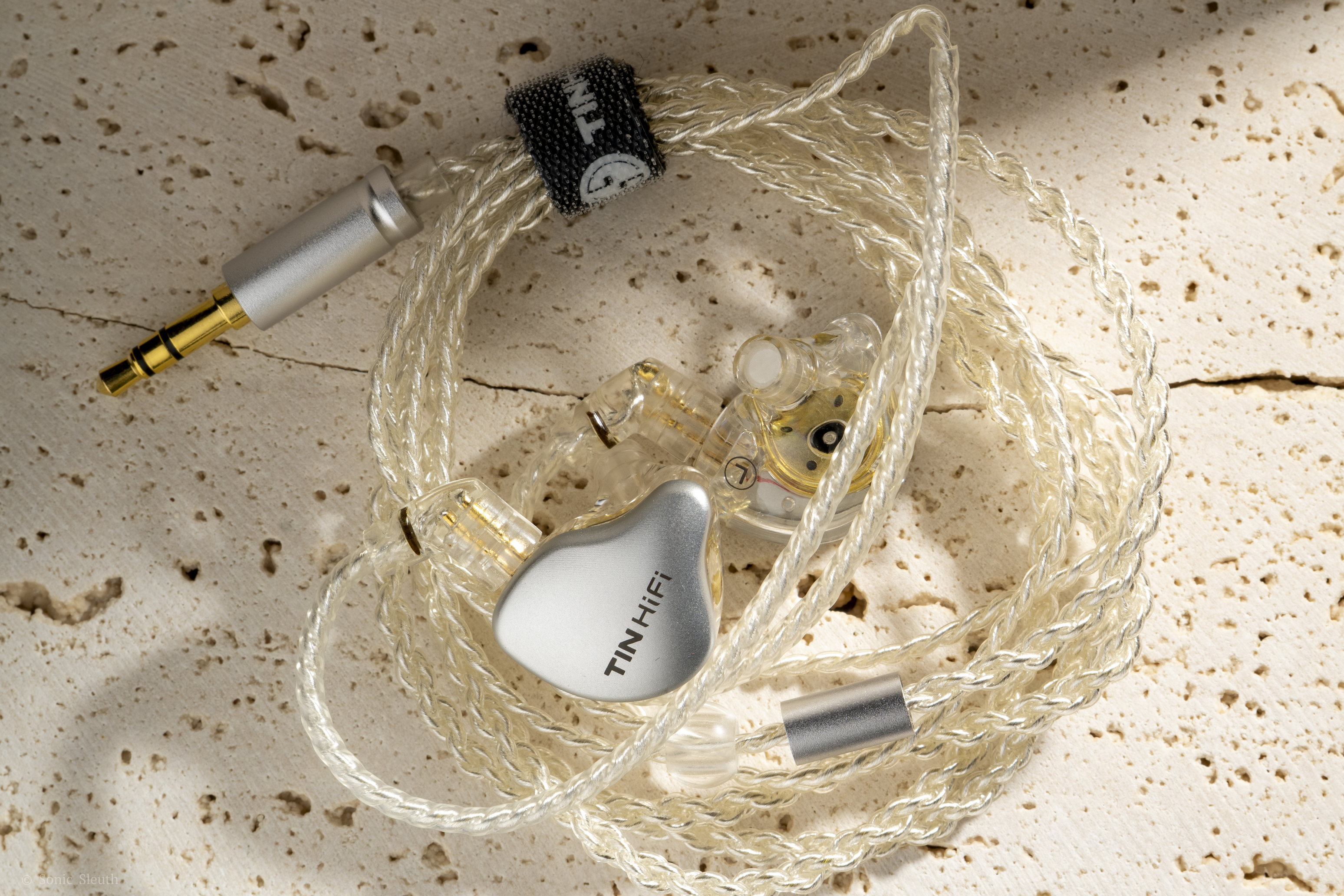
As for the included ear tips, well, this is probably the most "budget" part of the package. You get three standard pairs of silicone tips (small, medium, large). They do the job, and you can achieve a decent seal with them if they fit your ears right. But they're pretty generic. For me, like with most stock tips on budget IEMs, I quickly swapped them out for some aftermarket options. Getting the right tip fit is so important for maximizing sound, especially bass, and while these are usable, investing in a different set of tips can really elevate the C1's performance. So, good build on the IEMs and cable, but prepare to do some tip rolling if you're chasing perfection!
Wearing Comfort:
And finally, wearing comfort. This is a big one for me. Thankfully, the TinHiFi C1 absolutely nails it in this department. These IEMs are incredibly lightweight, mostly thanks to that resin shell. And the shape? It’s wonderfully ergonomic. They're designed to sit pretty much flush within your outer ear, almost like they were custom-molded for you. This means they don't stick out awkwardly, which is fantastic for chilling on the couch, lying down.

Sound Analysis:
Tonality:
C1 has a warm, almost cozy tonality. It's got that classic V-shaped sound, where the bass and treble get a bit of a boost, and the middle part, well, it's just a touch more relaxed. This isn't a ruler-flat, super-neutral tuning meant for studio monitoring. Oh no, this is more about making your music engaging and fun. There's a subtle coloration that adds richness, a nice change from some of the drier, analytical sets out there. It just wants you to kick back and enjoy the tunes. It's not trying to be something it's not, and I respect that.
Sub-Bass:
The C1's sub-bass is surprisingly deep and has a fantastic rumble. We're not talking about a subtle hint; this is a confident, well-extended low end. When I put on "Limit to Your Love" by James Blake, that opening synth bass, it just plunges into the depths! The C1 handles it with a clear, resonant thump. It doesn't just make noise down there; it creates a genuine sense of atmosphere. The decay is pretty natural too; the bass notes hang just long enough to leave an impression, then get out of the way. It’s not overstaying its welcome, which is crucial for keeping things from getting muddy. Now, switch over to "No Time to Die" by Billie Eilish. The dramatic, low cello notes and the underlying synth drone? The C1 gives you that palpable extension and presence, providing that dark, brooding foundation without losing control. It’s a sub-bass performance that really elevates the listening experience, especially if you like a bit of a shake in your skull.
Mid-Bass:
This is where things get a bit more punchy. The C1 delivers a good, impactful mid-bass. It adds a nice thwack to kick drums and a good bit of body to bass guitars. It keeps the rhythm driving forward. For example, in Michael Jackson's "Billie Jean," that iconic bassline and the kick drum have a really satisfying impact. You can feel the groove and the energy. However, and this is where we get critical, that mid-bass can be a little on the slower side. On tracks that are really busy, it sometimes bleeds a bit into the lower mids. It’s not a huge mess, but you might notice it. Take "Go Your Own Way" by Fleetwood Mac. The drums hit with a nice weight, but when the track gets busy, that decay on the kick drum can linger just a hair too long, slightly impacting the crispness of the surrounding instruments. It's like the bass is taking an extra moment to say goodbye. Still, for the price, the fullness and texture it brings to basslines are pretty darn engaging. It's a fun, not entirely analytical, mid-bass.
Lower Midrange:
Now, the lower midrange. This is where the C1 truly shows its warmth. It gives male vocals a lovely body and richness. They don't sound distant or thin; they have a real presence. Listen to Chris Stapleton's "Tennessee Whiskey." His voice, already deep and soulful, gains an extra layer of gravitas through the C1. You can almost feel the resonance in his chest. It’s wonderfully natural. But, and here’s the flip side, on some very bass-heavy tracks, that mid-bass bleed I mentioned earlier can ever so slightly veil the male vocals, making them a little less distinct. It’s not a deal-breaker, but it’s there. Female vocals in this zone, like the lower register of Norah Jones in "Don't Know Why," maintain their smoothness and gain a bit more fullness, which I quite enjoy. Instruments like acoustic guitars and cellos? They sound absolutely lush and resonant. The cello solo in "The Swan" by Saint-Saëns, played by Yo-Yo Ma, is reproduced with beautiful warmth and a believable timbral accuracy. It feels organic.
Upper Midrange:
Moving up, the upper midrange on the C1 is quite energetic and often feels pretty forward. Female vocals especially, they really shine here. They're often articulate, with a lovely sweetness that grabs your attention. Think of Sia's powerful vocals in "Chandelier." The C1 brings her voice right to the front, full of emotion and impact. You hear every twist and turn in her delivery. However, this forwardness can sometimes be a bit of a double-edged sword. At higher volumes, especially on tracks that are already mixed hot, that energy can sometimes tip into being a bit shouty. It’s like someone talking just a bit too loudly right in front of you. Guitars and snare drums, though? They get a nice bite and definition. The electric guitar riffs in AC/DC's "Back in Black" are delivered with fantastic edge and drive, really conveying the raw power. So, while it brings a lot of life to the party, if you’re sensitive to a more prominent upper mid, you might want to keep the volume in check on certain songs.
Lower Treble:
The lower treble on the C1 is generally well-behaved. It's got a good amount of detail and presence, without getting too sharp or annoying. It adds to the overall clarity without being fatiguing, which is a big win for a budget set. Cymbals have a nice crispness to their initial strike, and their decay is fairly natural. It doesn't sound like a crashing pot, thankfully! In Dave Brubeck's "Take Five," Joe Morello's intricate hi-hat work is delivered with good definition and a steady sparkle, keeping the jazz rhythm precise without becoming overly splashy. The much-discussed 6kHz dip seems to work its magic, helping to smooth out potential harshness. This means you can listen for longer without getting ear fatigue. String instruments, like violins, have good texture and definition in their higher notes, though they might not reveal every single microscopic vibration you'd hear on a much more expensive set. Overall, it's a pleasant lower treble that contributes to a lively sound without being aggressive.
Upper Treble:
Moving to the very top, the upper treble. The C1 offers pretty decent extension for its price, which helps open up the sound and adds a touch of airiness. There's a good amount of sparkle that makes the higher frequencies pop a bit. But let's be real, it's not infinite air or super-fine detail up here. It’s good, but not groundbreaking. My main caution here is sibilance. While generally controlled, if a track already has "ess" sounds that are a bit too sharp, the C1 won't shy away from pointing them out, especially at higher volumes. It can get a bit "spicy" as some reviewers call it. In "Hotel California" by The Eagles, the subtle cymbal hits in the background have a nice sheen and a decent decay, contributing to the overall spaciousness of the track. However, listen to some pop tracks with poorly recorded or over-processed vocals, and you might hear a slight "tsss" on those "s" sounds that could be a little grating. So, while the extension is commendable for the price, if you're super sensitive to treble or listen to a lot of bright recordings, a warmer source or different tips might be your friend.
Soundstage:
The soundstage on the C1 is actually quite wide, especially for an IEM in this category. It pushes the sound out beyond your head, which is a great feeling. It’s not just crammed right in your ears. You get a good sense of lateral spread, from left to right. However, the depth isn't as expansive. It feels more like a wide, relatively shallow arc in front of you, rather than a truly massive, spherical concert hall. The height is there, but it's not exceptionally tall. In "Bubbles" by Yosi Horikawa, the various percussive sounds and quirky effects move impressively from side to side, creating a clear sense of lateral positioning. You can follow the little bleeps and bloops as they travel across the stage. But the front-to-back aspect? It's a bit more 2D. Instruments are separated, but their precise distance from you isn't always super clear. Still, for this price, having a soundstage that feels genuinely open and not claustrophobic is a big win! It adds a nice sense of space to your music.
Layering and Separation:
This is an area where the C1 genuinely surprises me for its cost. The layering and separation are quite decent! It manages to keep individual instruments and vocals distinct, even when the music gets a bit busy. It’s not going to dissect every single tiny element in a complex orchestral piece with surgical precision, but for most genres – pop, rock, electronic – it does a commendable job. Vocals are usually front and center, with a clear placement. Instruments are nicely spaced out horizontally. Take "Bohemian Rhapsody" by Queen. During the operatic section, with all those layered vocals, the C1 does a respectable job of keeping the individual voices from blending into an indecipherable mush. You can pick out different vocal lines, though they do feel a bit closer together than on higher-end gear. The drums, bass, and guitars are kept distinct enough to follow their individual parts, creating a cohesive sound. While there might be a slight loss of crispness in separation during extremely bass-heavy, frantic parts due to that mid-bass tendency, generally, the C1 keeps the music from becoming a messy blob. It’s a clean listen, which is vital!
Timbre:
The timbre on the C1 is, for the most part, quite natural and realistic. This is important because it makes instruments and voices sound like themselves, not some artificial imitation. Acoustic guitars have that lovely woodiness, and pianos sound like actual pianos, not just a bunch of synthesized notes. When I listen to "Dust in the Wind" by Kansas, the acoustic guitar strings have a good sense of pluck and resonance, and the vocals sound quite authentic. There’s an organic quality here. The warmth in the lower mids really helps give instruments a convincing body. While it's not going to render every minute textural detail that a multi-thousand-dollar IEM might, the C1 avoids any glaring timbral inaccuracies. It means you can actually get lost in the music, feeling like you're listening to real instruments and real voices. That, for me, is a huge positive at this price.
Coherence:
Now, coherence. This is about how well all the different parts of the sound, from the deep bass to the sparkling treble, fit together. And on the C1, despite its V-shaped tuning, the coherence is actually really good! The bass and midrange don't feel like they're playing entirely separate songs, and the treble doesn't feel detached from everything else. There's a smooth transition between all the different frequency ranges. The bass has its fun, the upper mids get their energy, but they all flow into each other without any awkward bumps or "holes" in the sound. It's a unified presentation. You don't feel like you're just listening to a bass driver, then a midrange driver, then a treble driver; it's just music. This integration is a real strength, because it makes the overall listening experience so much more enjoyable and less fatiguing. It's impressive how well they've managed to tune these to sound like one whole, musical instrument. They're working together, which is fantastic.
Detail Retrieval:
For a budget IEM, the C1’s detail retrieval is surprisingly competent. You’re not getting a microscope for your music, but it’s definitely not blurry either. It does a respectable job of digging out subtle stuff – little background whispers, the gentle slide of fingers on guitar strings, or quiet percussive ticks that often get lost. In "Hotel California" (live acoustic version by Eagles), you can hear the audience subtle claps, and the distinct strumming patterns on the guitars. It doesn't scream "DETAIL!" at you, but it's there, woven naturally into the soundscape. You won't miss out on the important nuances in your favorite tracks. This is where the C1 really adds value; it's not just a loud, bassy mess, it actually lets you appreciate the finer points of the recording. It’s a clear window, letting you peek into the recording, and that’s pretty cool for its price.
Conclusion:
Look, the market for affordable IEMs is absolutely flooded right now. Seriously, it's a jungle out there, with new models popping up almost daily. So, for an IEM like the TinHiFi C1 to stand out, it really has to bring something special to the table.
The C1 delivers a genuinely engaging and fun sound signature. It’s got that delightful warmth that makes music enjoyable, especially if you're not chasing a super analytical, ruler-flat neutrality. The sub-bass is deep and impactful, giving your music a solid foundation you can actually feel. And while the mid-bass can be a touch on the slower side occasionally, it still brings plenty of punch and body to tracks. What really makes it shine, though, is how coherently all these elements work together. Despite its V-shaped tuning, the different frequency ranges blend smoothly, creating a unified and energetic presentation that just makes you want to tap your foot. You don't feel like you're listening to disparate parts; it's a true musical whole.
So, why should you consider the TinHiFi C1 over other options in this crowded space? It's not about being the absolute best in every single technical metric – no IEM at this price can claim that. Instead, it's about the sum of its parts delivering an exceptional overall experience for very little money. If you're someone who prioritizes a fun, energetic, and warm sound; if you value great comfort for extended wear; and if you want an IEM that's easy to drive straight from a dongle without needing extra gear, the C1 becomes a compelling choice. It’s a genuine all-rounder for the budget-conscious audiophile, or even someone just looking for a fantastic daily driver that delivers enjoyable audio without any fuss. It’s reliable, sounds good, and won’t break the bank. That, to me, makes it a definite standout recommendation in its category.
Linsoul Store links (None of them are affiliate links):
Linsoul website: https://www.linsoul.com/
Linsoul Aliexpress Store: https://ddaudio.aliexpress.com/store/2894006
Linsoul USA Amazon Store link: https://www.amazon.com/s?me=A267P2DT104U3C&marketplaceID=ATVPDKIKX0DER
keephifi store link:
keephifi: https://keephifi.com/