:
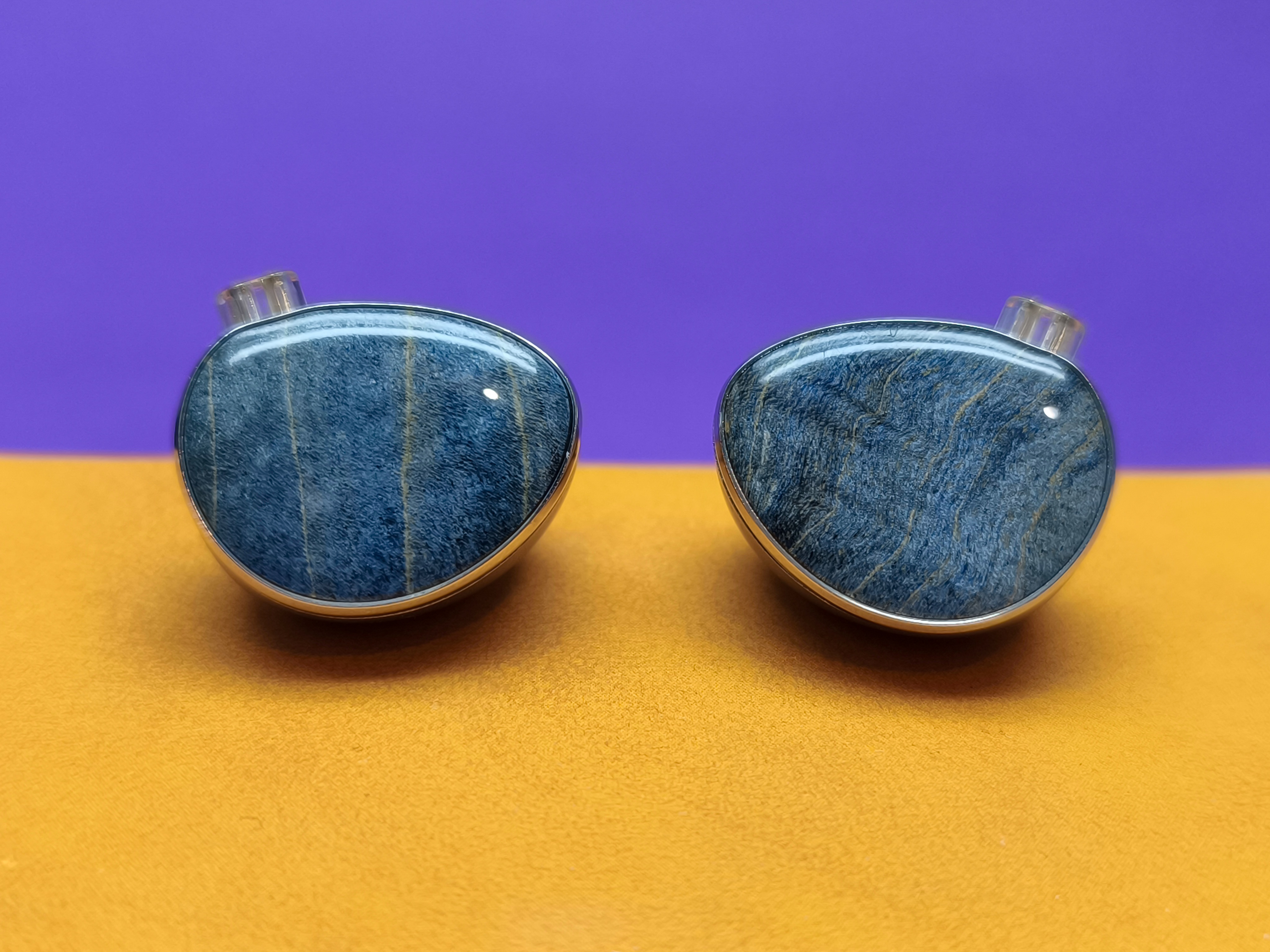
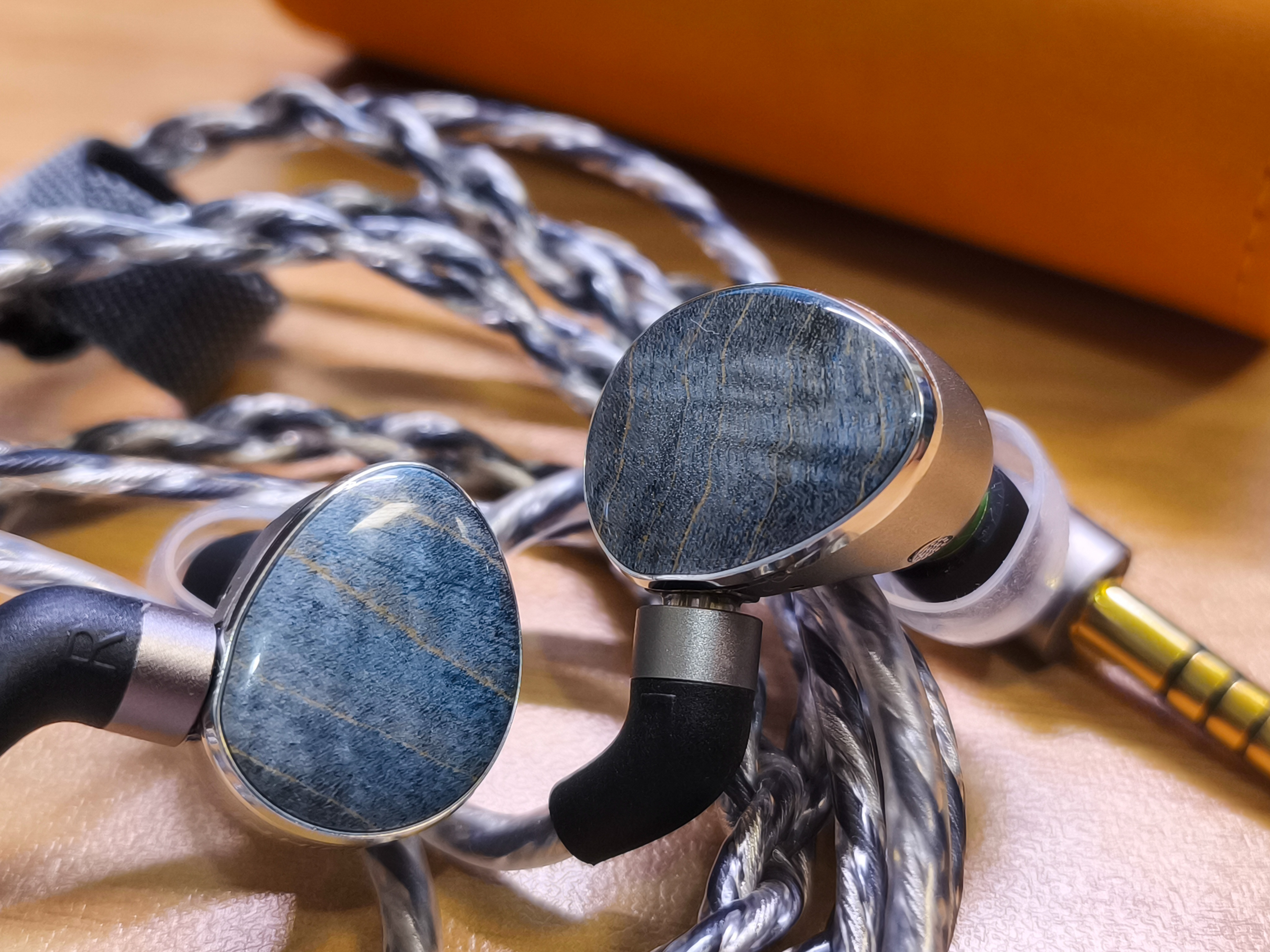
Solid build with wood faceplates
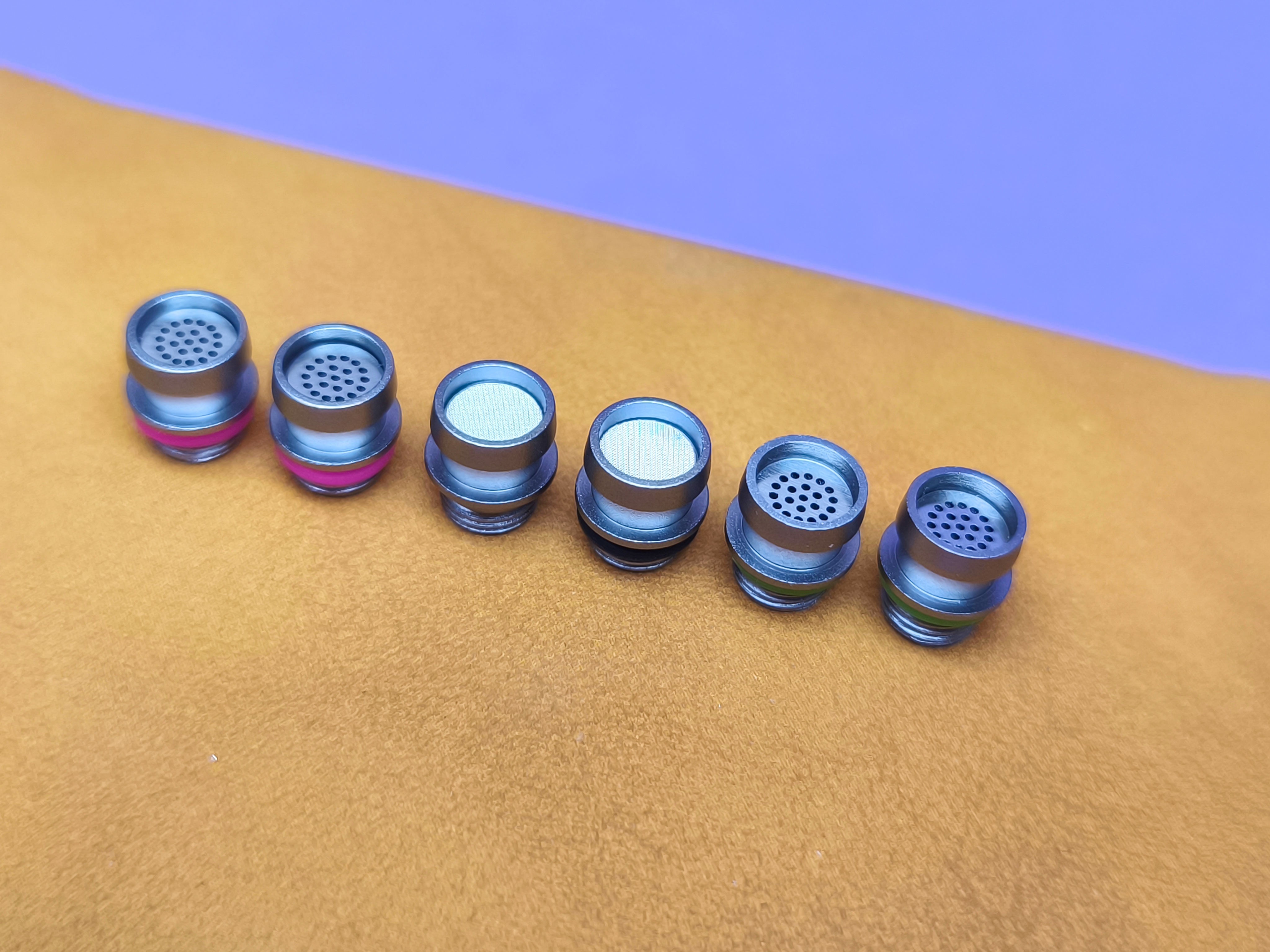
Modular tuning system (nozzles, mesh, foam) offers flexibility
Modular cable with both 3.5mm and 4.4mm plugs included
Clean, fast bass with good control and no mid-bass bloat
Energetic but non-fatiguing treble
:
Tuning system may feel overwhelming for casual users
Large nozzles can affect comfort for smaller ears
Male vocals can sound slightly lean
Disclaimer
Please note that I am not an audiophile, and this review does not delve into the technical aspects of the IEMs. My impressions are based on my personal preferences.
This unit was sent to me by TINHIFI. All opinions of the unit will be my own and will remain independent.
You can purchase the TINHIFI T6 via these channels (non-affiliate links):
On to the review!
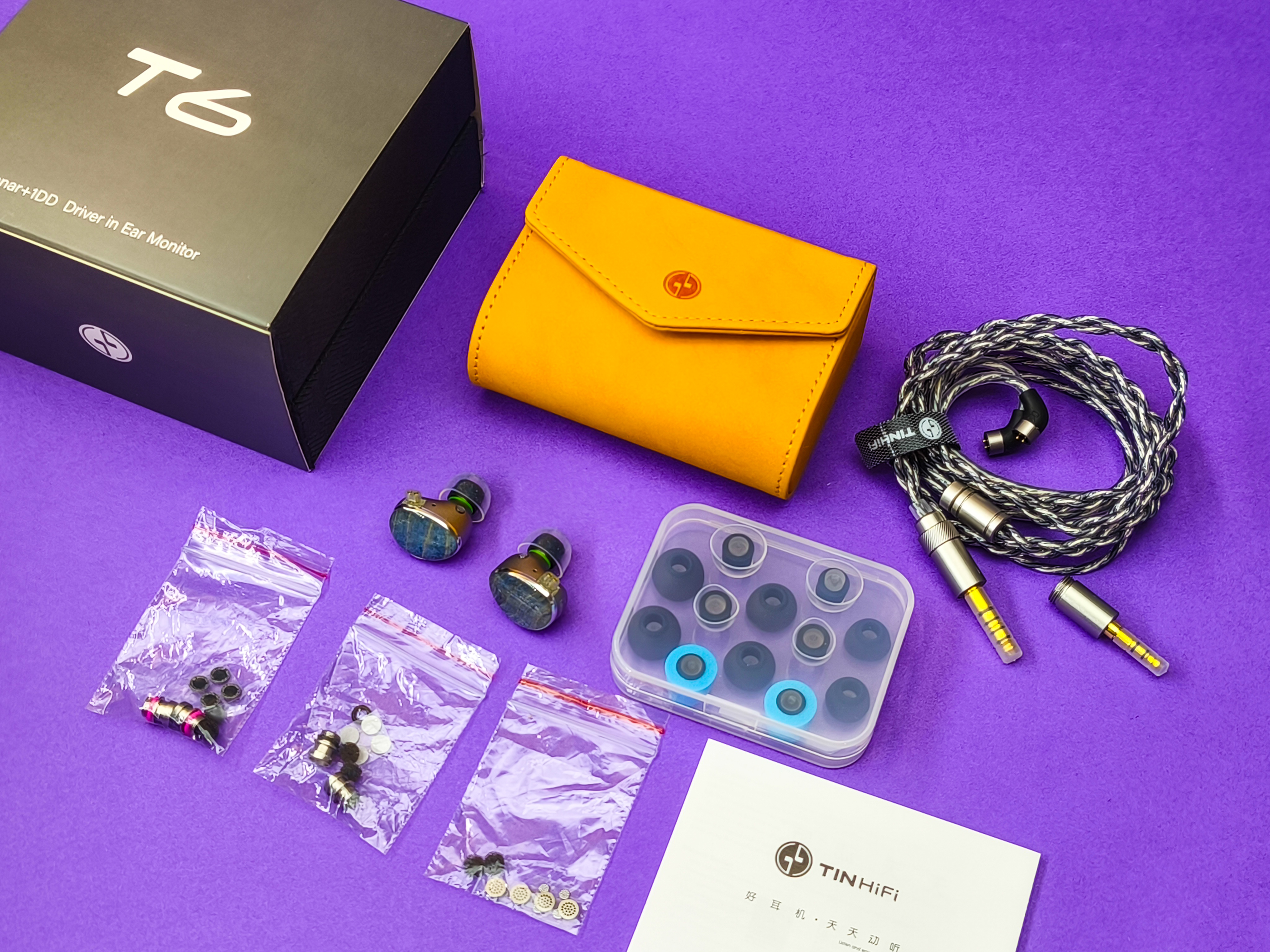
What's in the box
- TINHIFI T6 IEMs
- Modular cable with 3.5mm and 4.4mm plugs
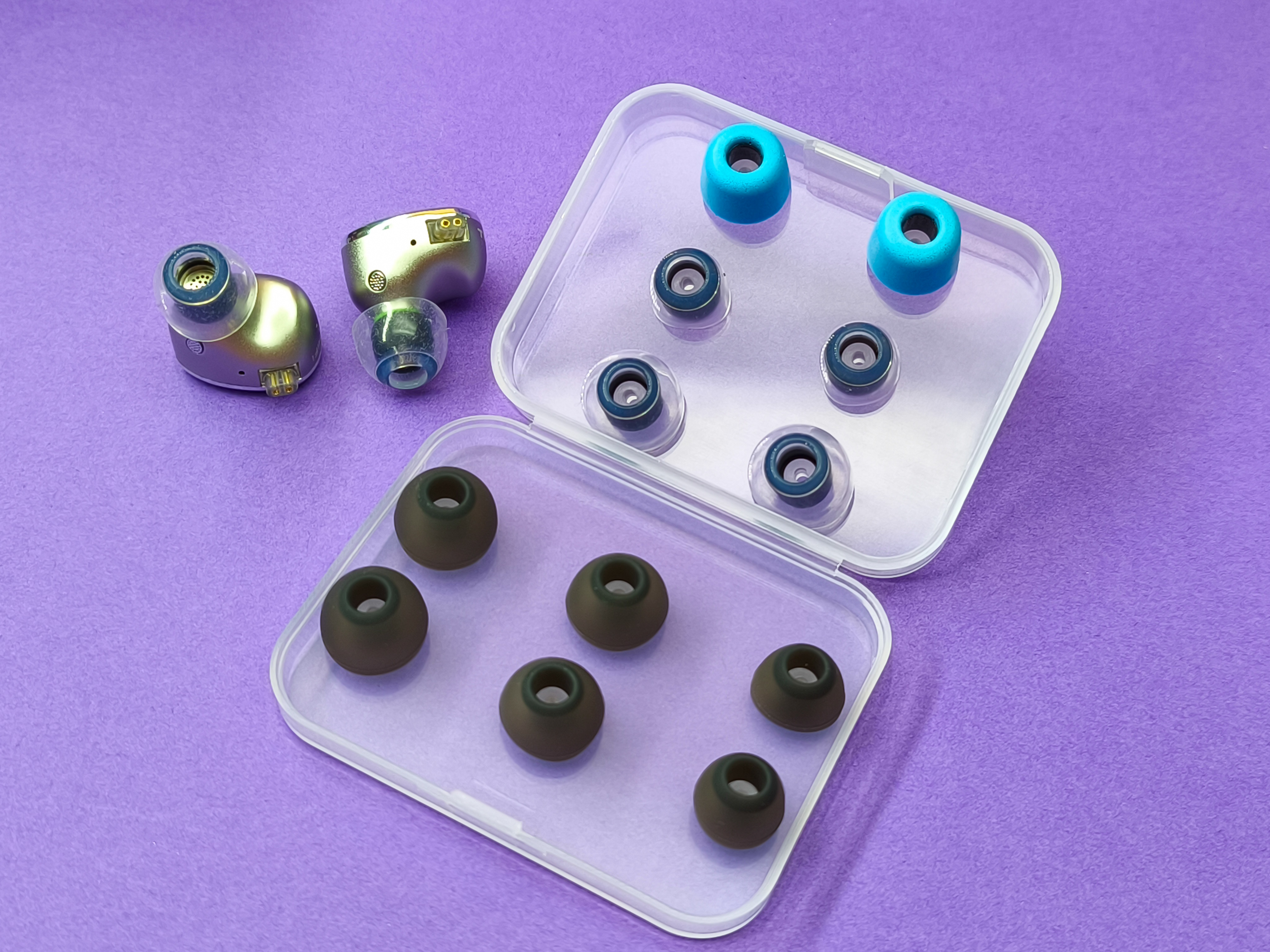
- 3 Pairs × Liquid silicon eartips (S / M / L)
- 3 pairs × Bullet-shaped silicon eartips (S / M / L)
- 1 pair × Memory foam eartips (M)
- Eartip storage case
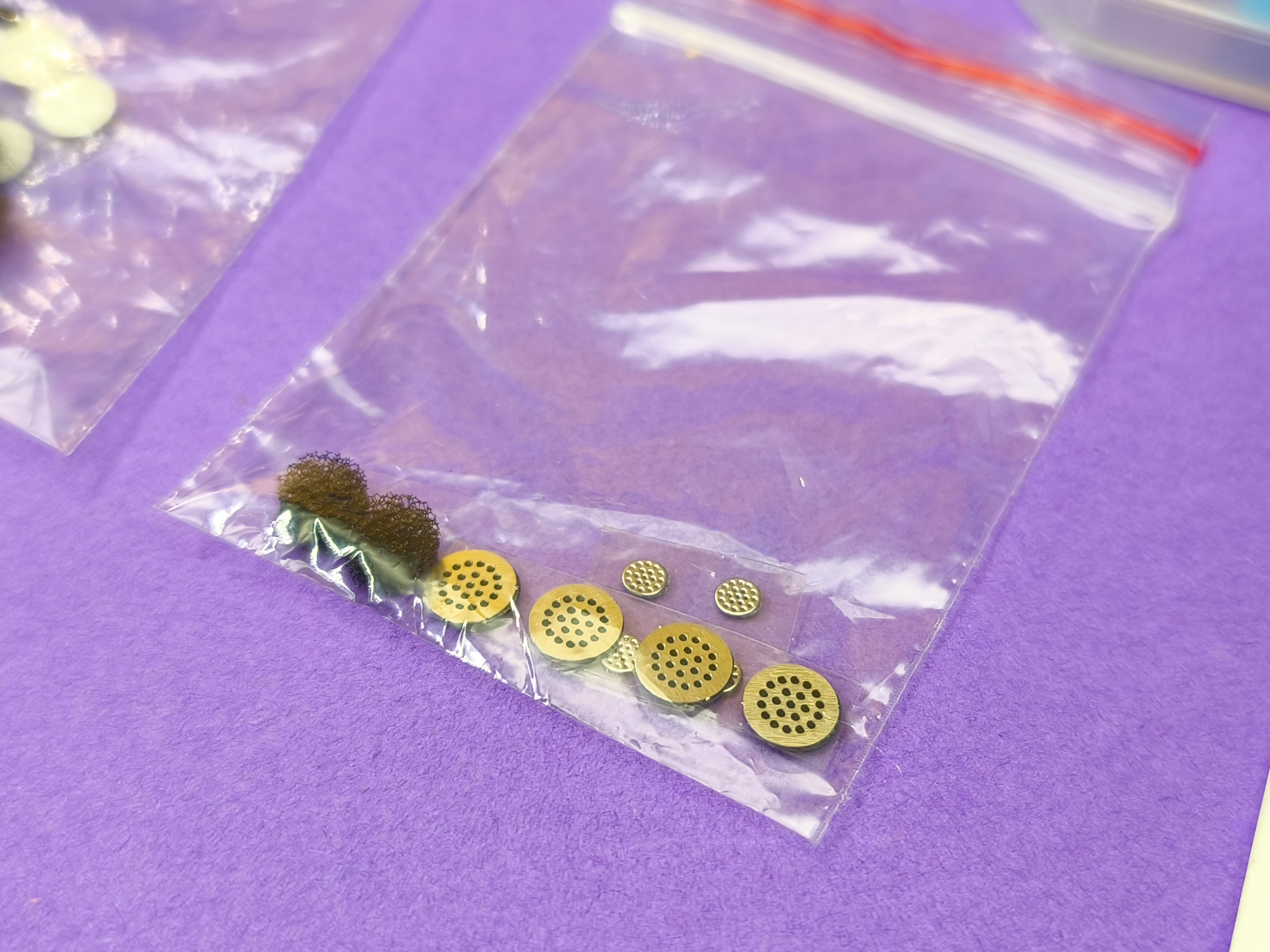
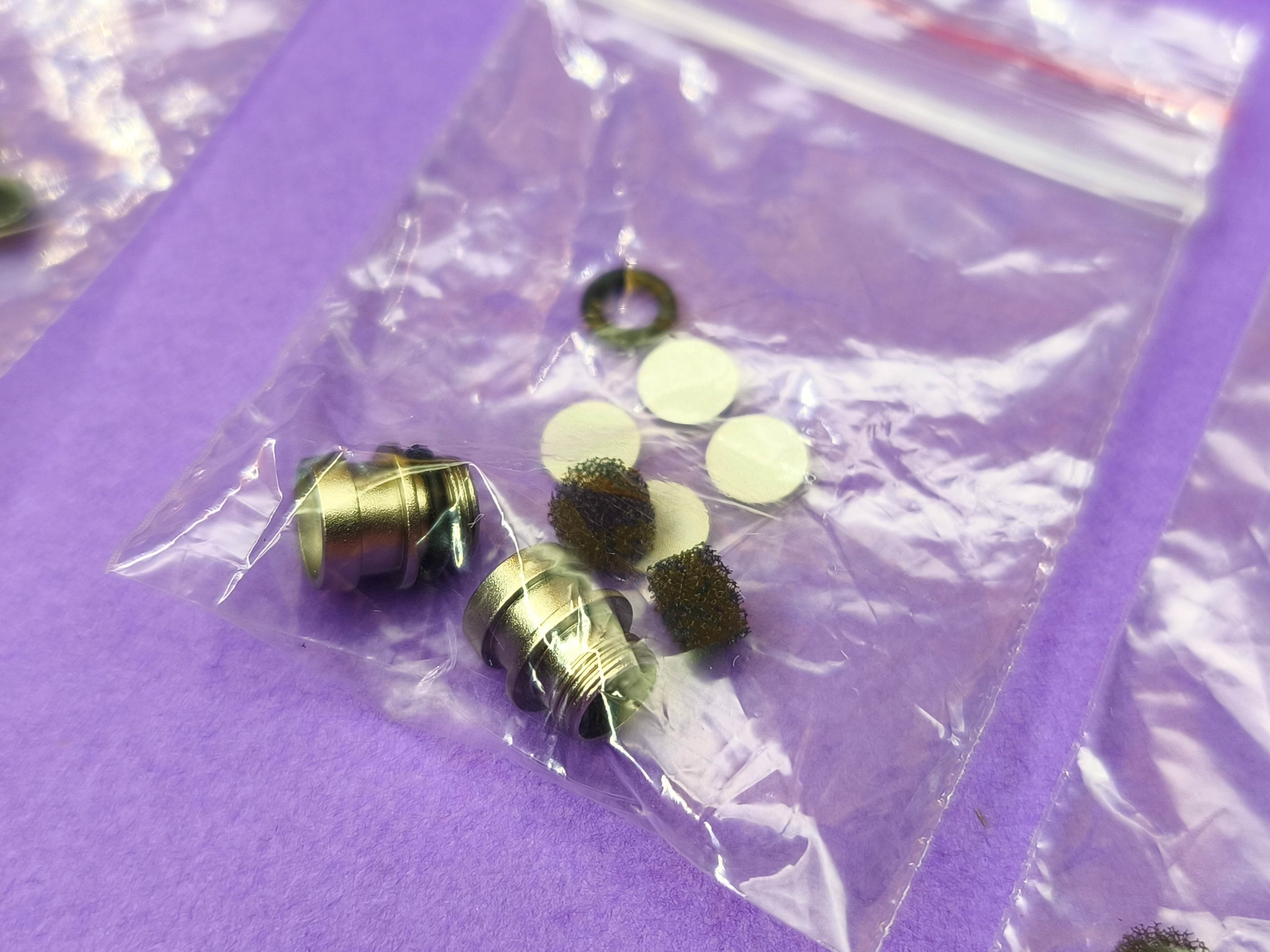
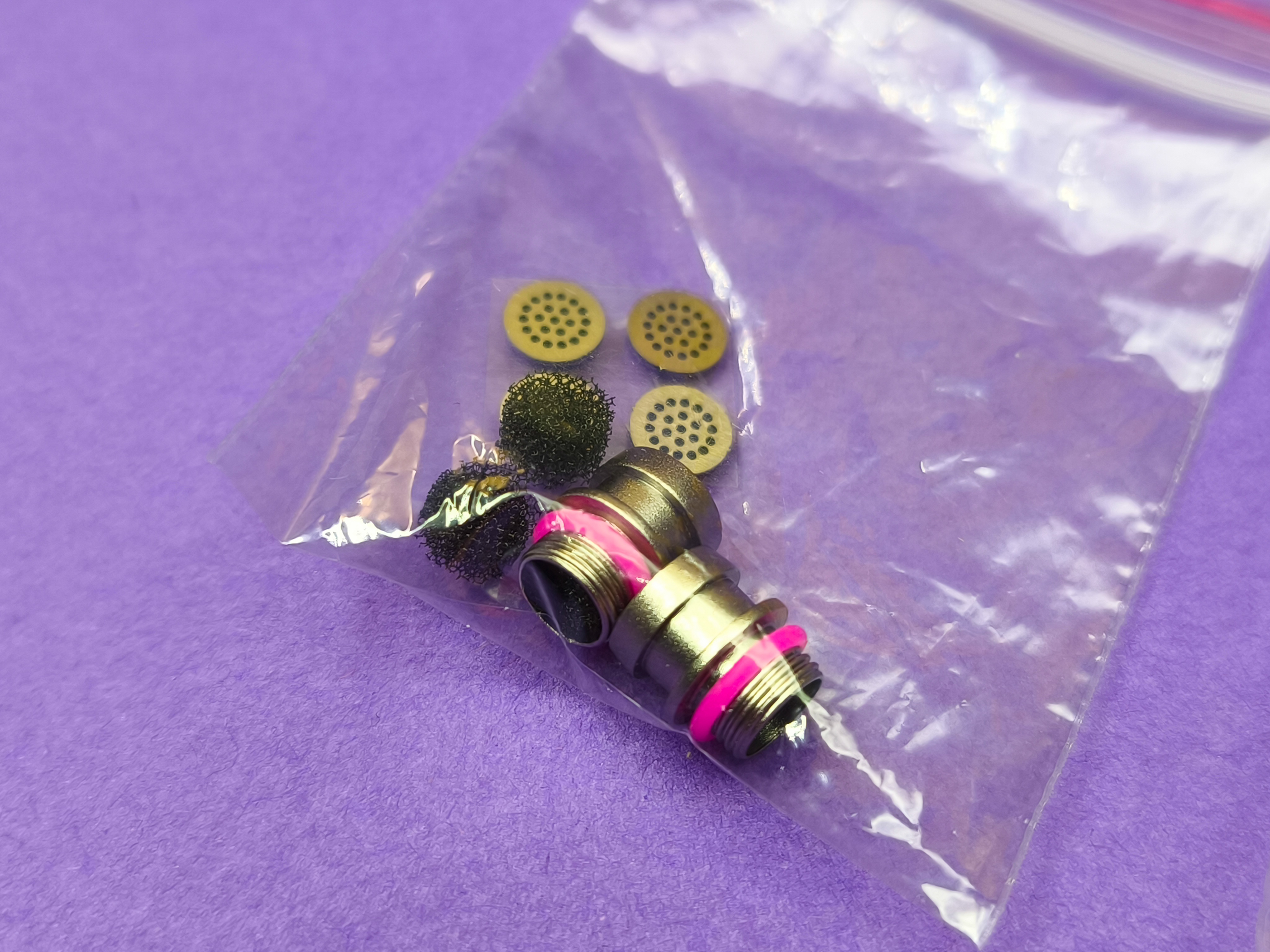
- 4 × APC™ Acoustic filters
- 12 × Nozzle filter mesh
- 6 × Nozzle filter foam inserts
- Carrying case
IEM Shell Design
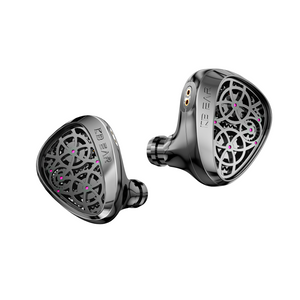
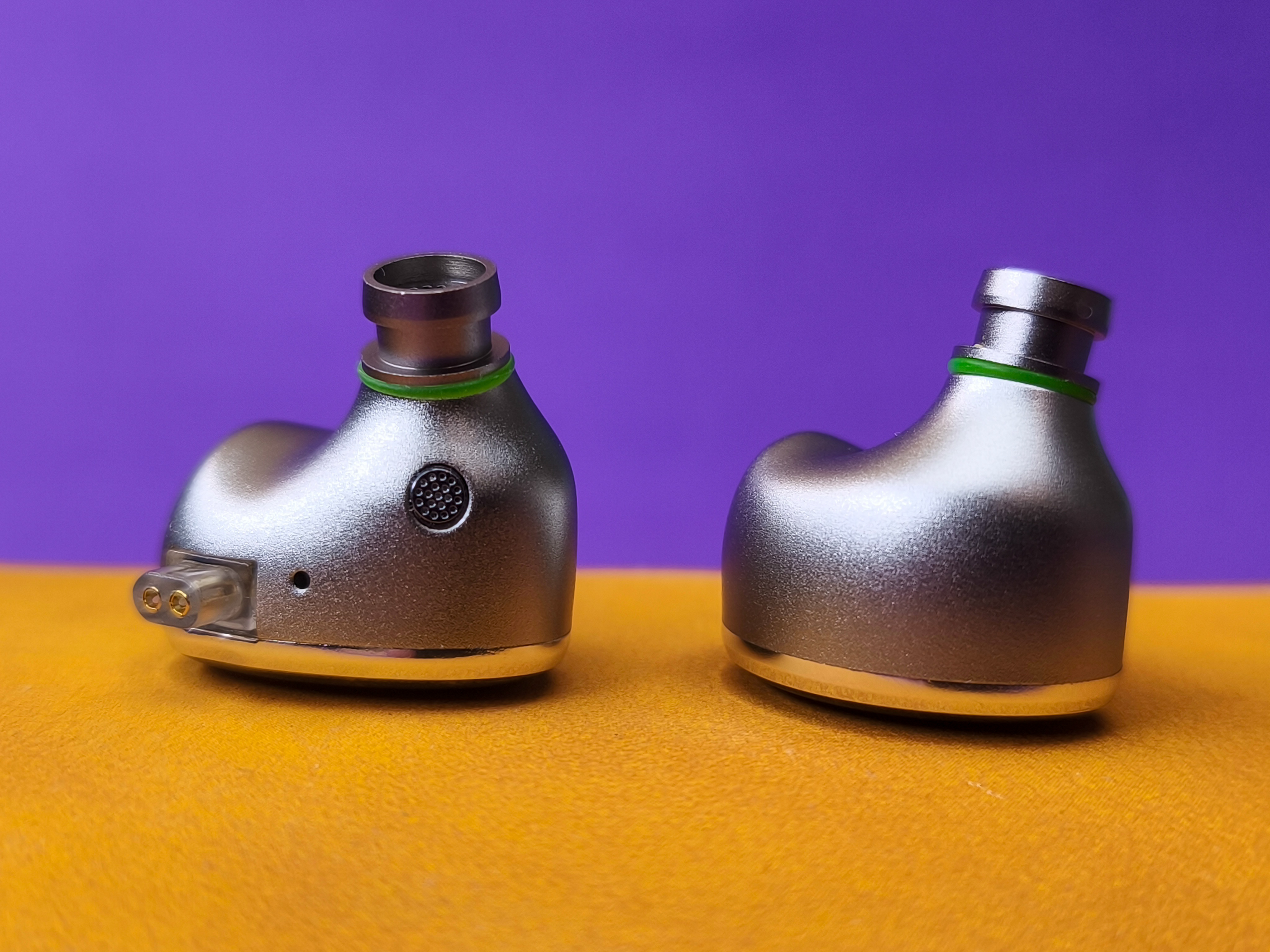
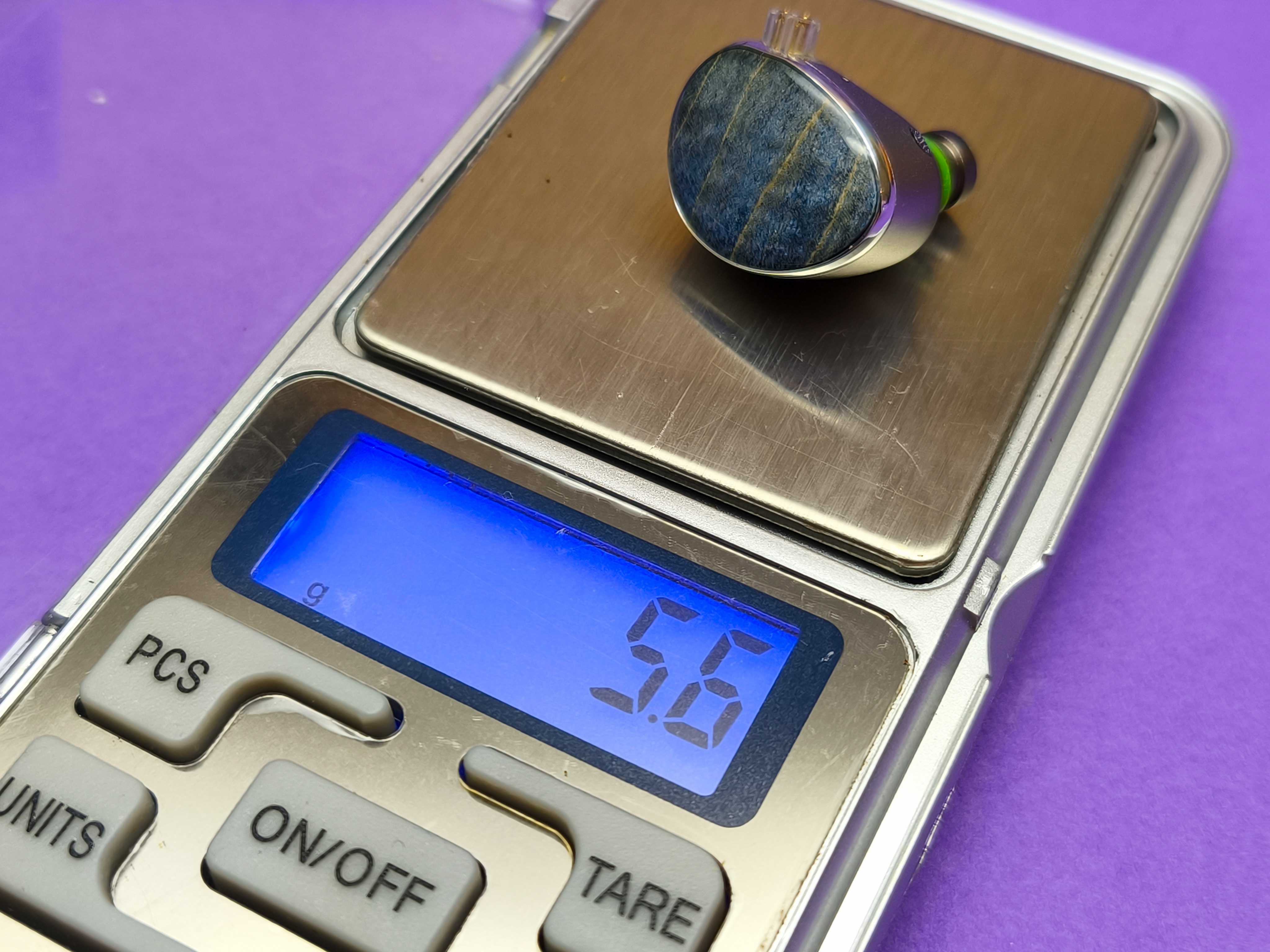
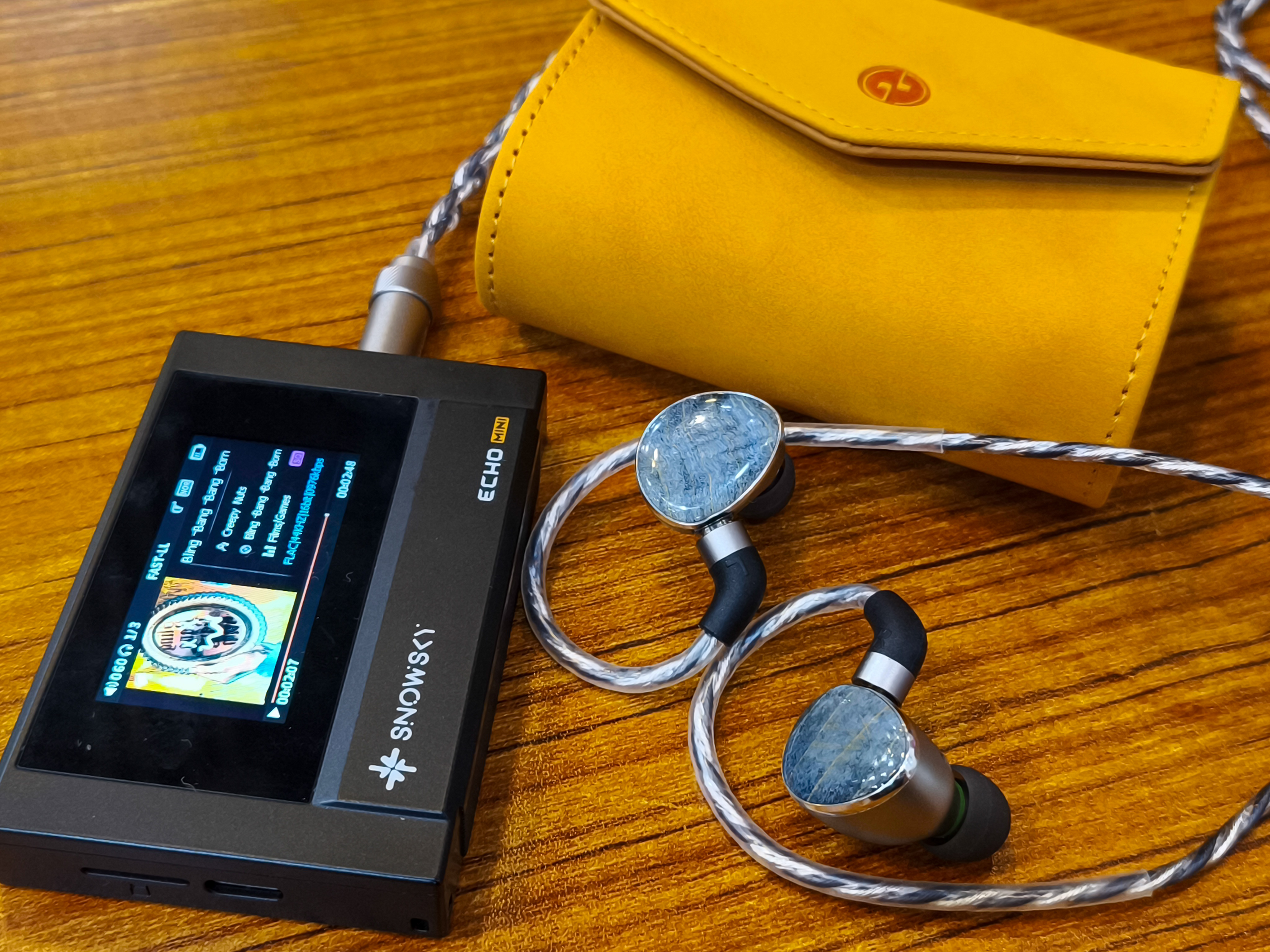
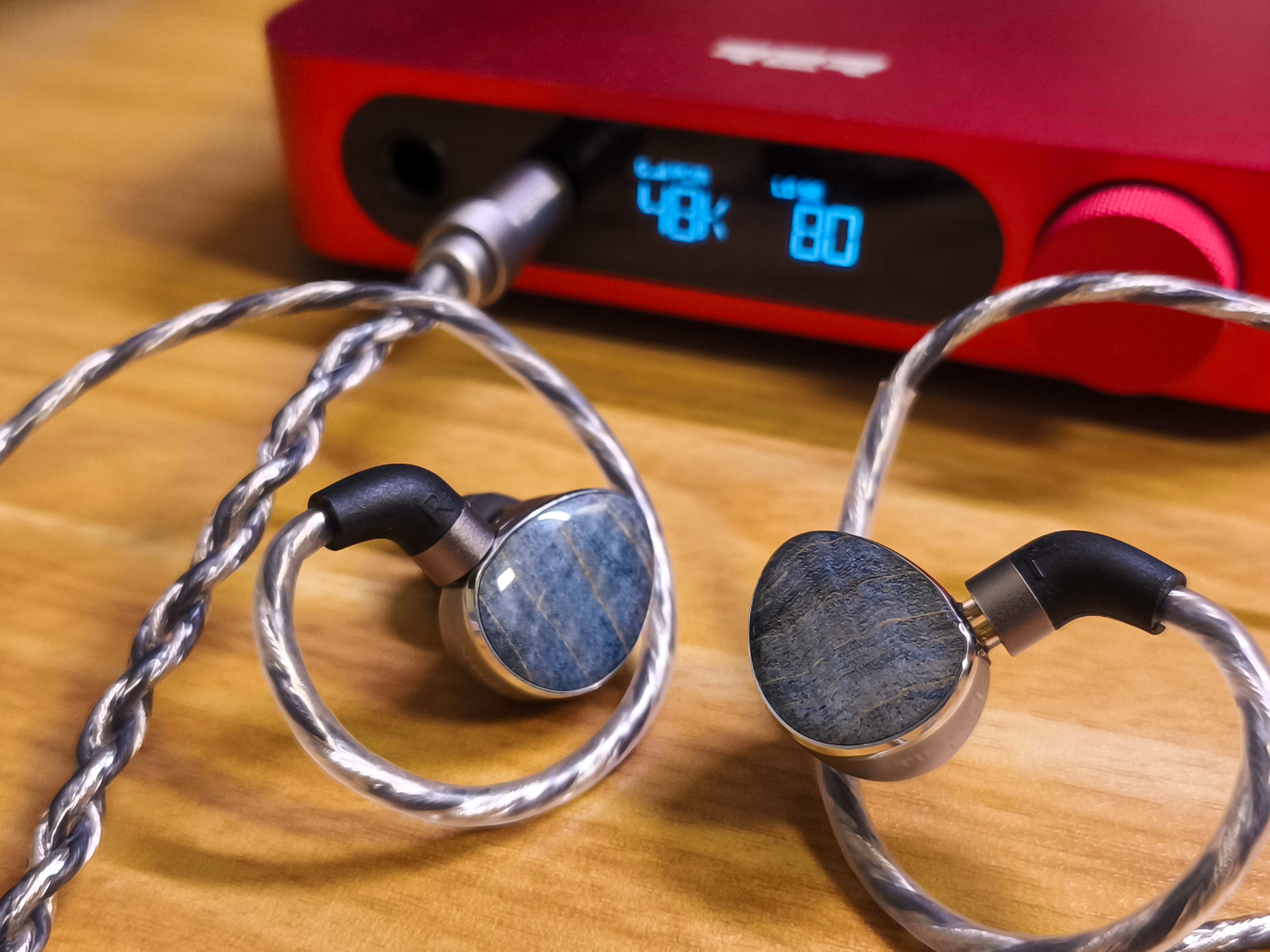
The IEM shells are made of aluminum paired with wood faceplates, finished with a resin coating. The wood pattern varies from unit to unit. It weighs about ~5.6g. Near the 2-pin QDC connectors, there is a pressure vent. Near the nozzles, there’s another hole which TinHifi calls the “APC™ Precision Airflow Control.” I’m guessing it’s an extra vent that you can fiddle with using the extra acoustic filters in the box.
Carry Case
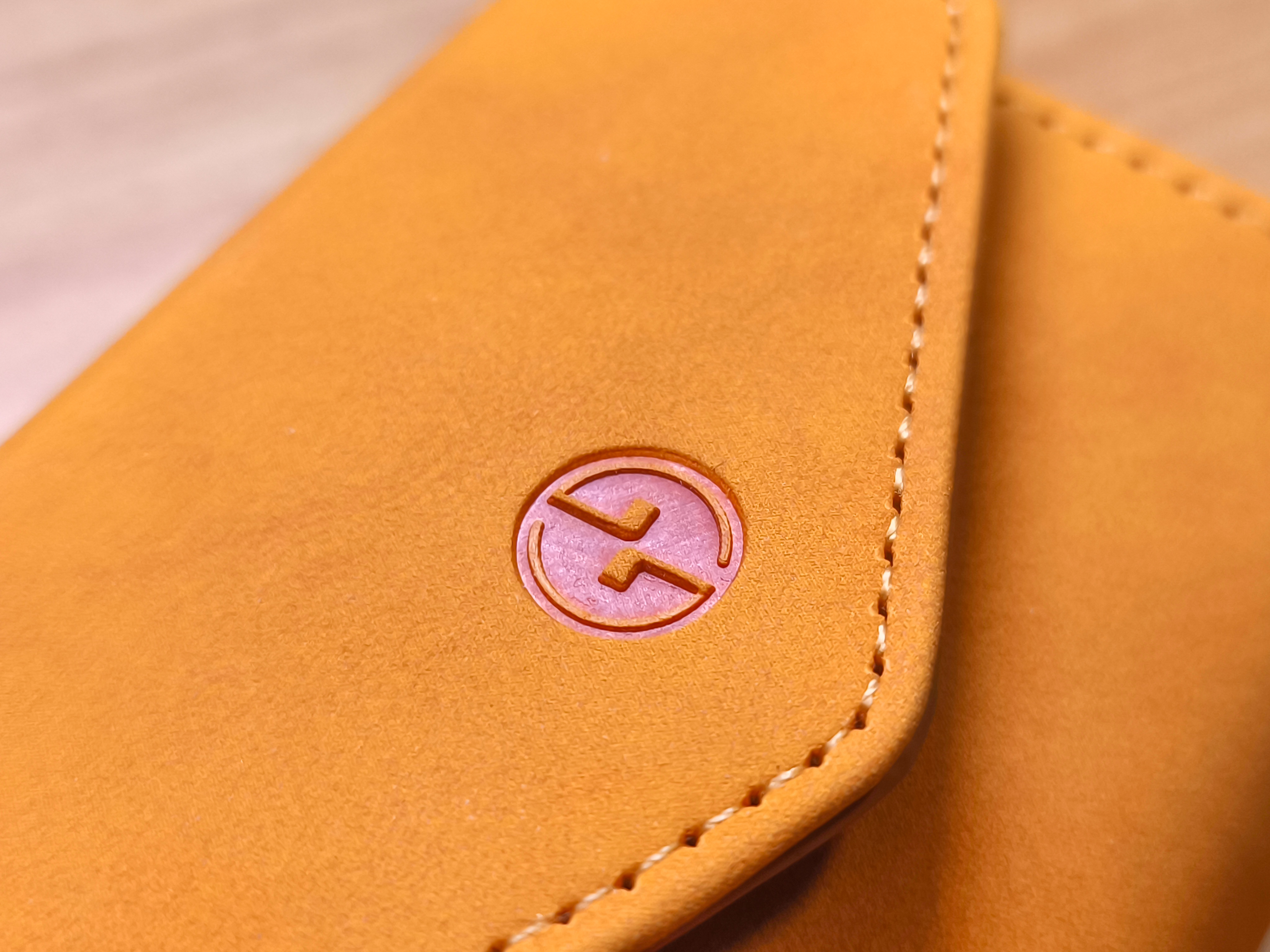
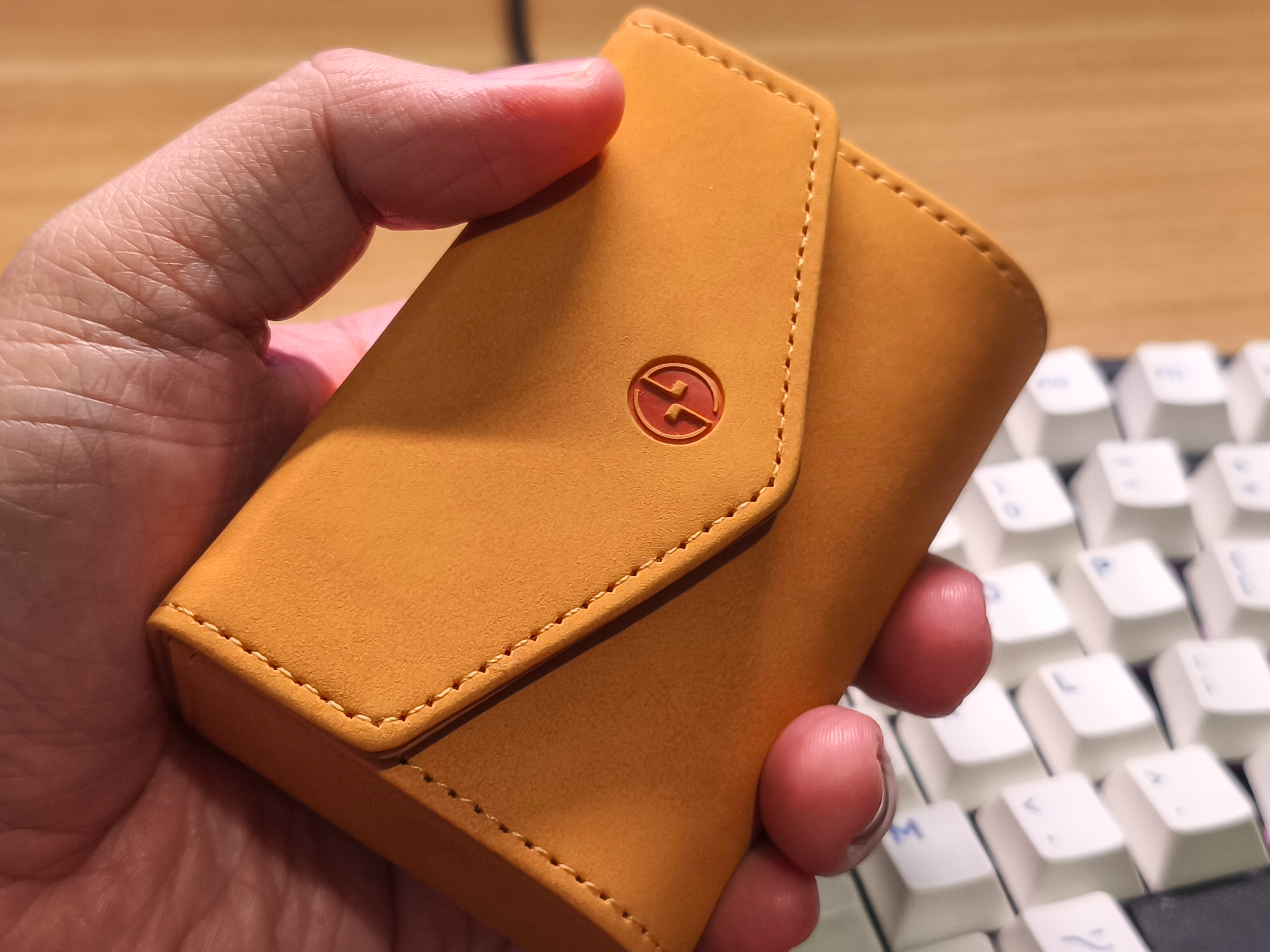
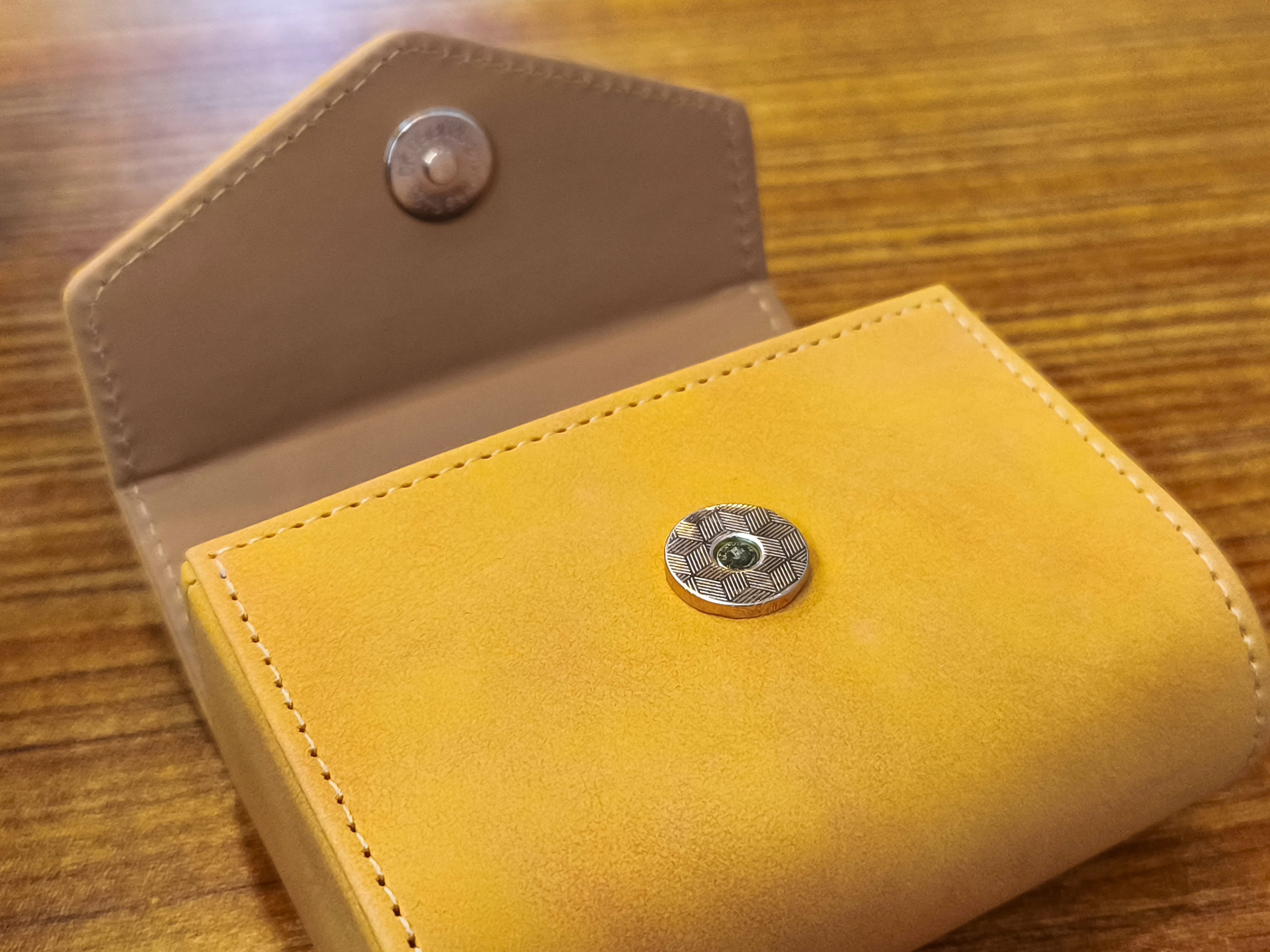
The included case is made of leather or pleather, I’m not entirely sure which, but it feels nice in hand and more premium than the usual soft pouches. It uses a magnetic clasp to keep the cover closed, which works well and doesn’t feel flimsy. The TinHifi logo is debossed on the cover, though on my unit it looks slightly off-center if you look closely.
It weighs around ~40g and feels solid without being bulky. There’s enough space inside to store the IEMs and cable, plus the extra plug and maybe some spare eartips, without having to force everything in. It’s a genuinely usable case and not just something included for show.
Cable
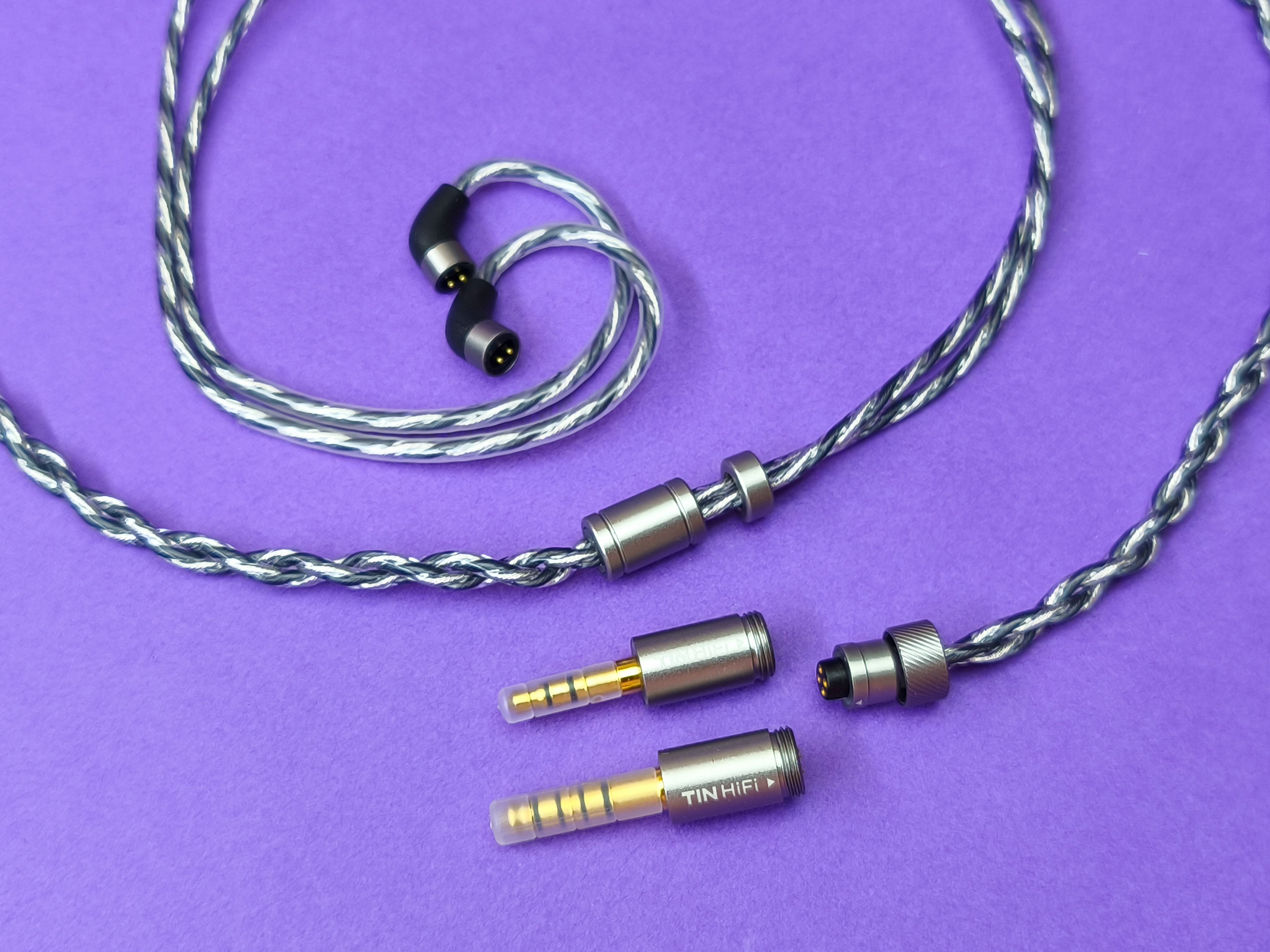
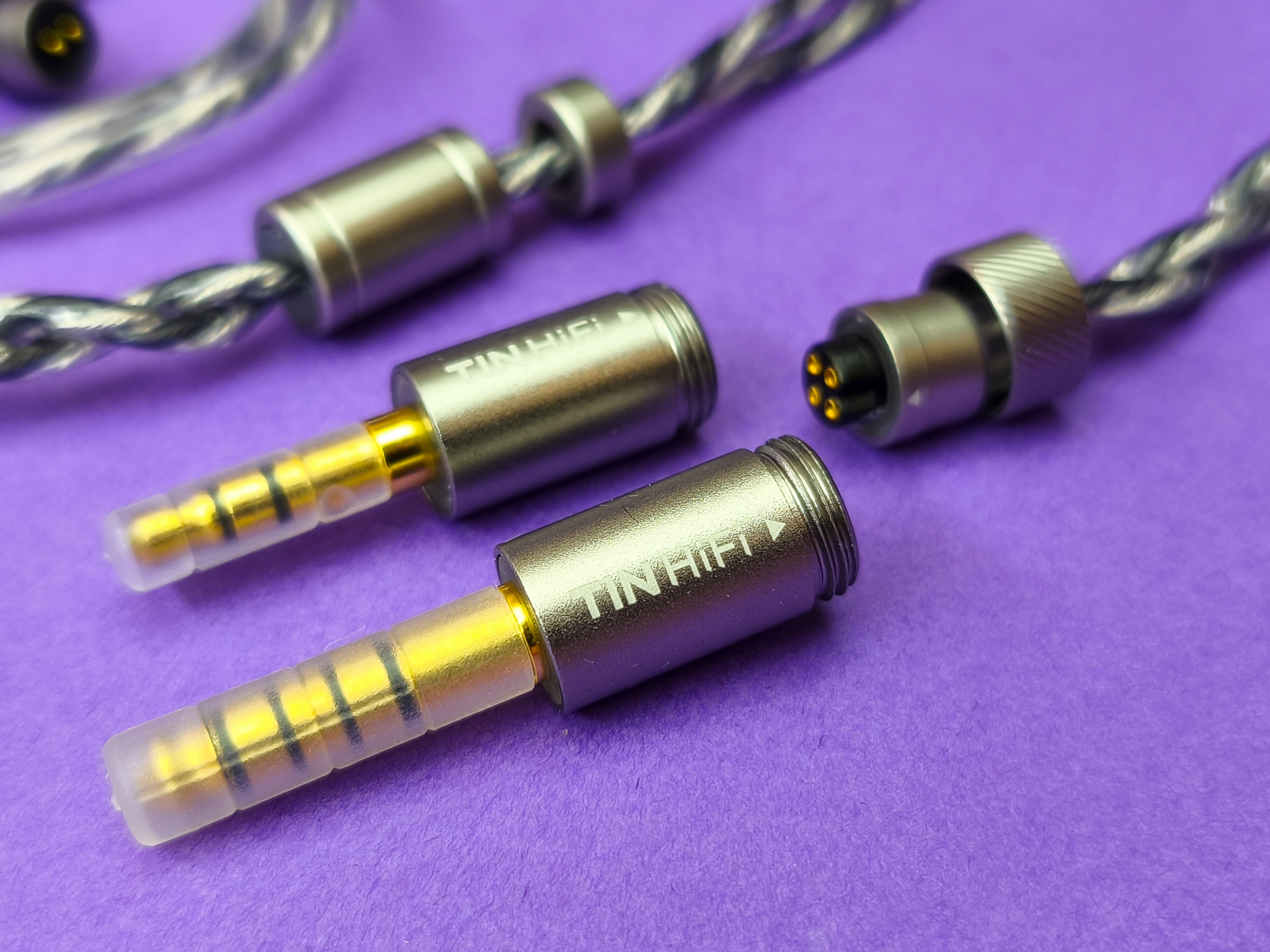
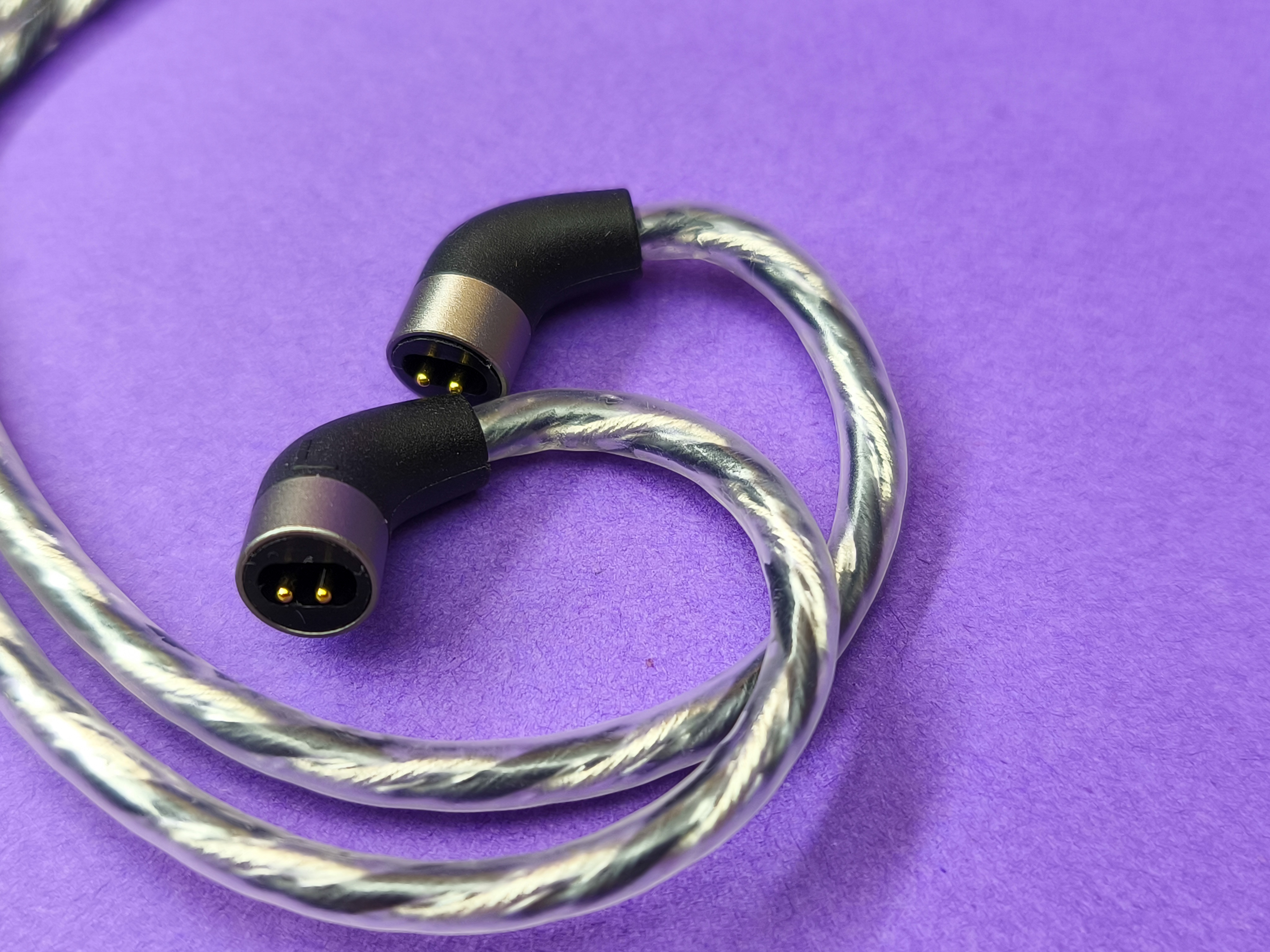
The T6 comes with two cable options, a standard one or a Type-C version. My unit came with the standard cable, which uses a modular design so you can swap between 3.5mm and 4.4mm plugs. Swapping them is easy and the connection feels secure once it’s on.
The cable itself feels premium and well-made. It’s flexible enough for daily use and doesn’t feel stiff or cheap, even during longer listening sessions.
If you go for the Type-C cable instead, TinHifi markets it as a gaming option since it supports custom parametric EQ. Personally, this feels more useful for mobile users than PC gaming, especially if you’re already using a DAC or audio interface on desktop.
General Usage Impressions
The shells fit my ears well overall, but because of the large nozzle size, even the small liquid silicone eartips were uncomfortable. An XS option would have been appreciated.
Comfort is good once properly seated, but tip selection matters a lot due to the nozzle size. Getting a proper seal took some trial and error.
Isolation is good for an IEM, with no noticeable ear pressure thanks to the shell vents. Despite the metal shells, they don’t feel heavy in the ear, and once in place, they stay put during longer listening and gaming sessions. Cable noise isn’t an issue in normal use, and there’s no heat buildup or discomfort even during extended sessions.
Sound Impressions
I started all my listening with the green nozzle since that’s how the unit comes out of the box. I used the bullet-shaped silicone tips, since the liquid silicone ones were uncomfortable for me even in the smallest size.
The nozzle swaps do change the sound, but the differences are pretty subtle and mostly affect the upper mids and treble. The overall sound stays more or less the same, especially in terms of bass and mids.
For gaming, I used Overwatch 2. It’s a competitive game with a lot going on sound-wise, good directional cues, and solid mixing, so it’s useful for checking things like separation and clarity during chaotic fights.
There are also extra acoustic filters, mesh, and foam inserts included, but I didn’t really mess with those. I wasn’t sure how they’re meant to work, and I wanted to keep things simple for this review.
Green Nozzle (Harman-style Tuning)
- Tuning: Clean sound overall. Bass is controlled, mids feel a bit lean, treble is energetic.
- Bass: Good sub-bass when the track calls for it. Mid-bass stays clean and doesn’t get in the way. Bass hits fast and doesn’t linger.
- Mids: Piano sounds full, but vocals can sound a bit thin at times. Female vocals get brighter on higher notes, and male vocals sometimes lack a bit of weight.
- Treble: Lively and energetic, but not harsh. I can listen for long sessions without getting tired.
- Technicalities: Clean separation with a laid-back presentation. The soundstage feels average overall. It’s not narrow or congested, but it’s not especially wide either.
- Gaming: For gaming, the green nozzle has good clarity and directionality. Even though the soundstage itself is average in size, positional cues are easy to follow. That said, it leans too bright, and some sound effects and voice lines can sound sibilant, which gets distracting in longer or frantic matches.
Pink Nozzle (Gaming-oriented Tuning)
- Tuning: Very similar to the green nozzle overall, but with changes mainly in the upper mids and treble. This is my preferred tuning out of the three since I’m treble-sensitive.
- Bass: Bass stays mostly the same as green, clean and controlled, without added impact.
- Mids: Upper mids are a bit more forward and clearer, so voices and sound effects are easier to pick out in busy scenes.
- Treble: Still bright, but less sharp than the green nozzle. Sounds are easier to separate, and it’s quicker to tell where things are coming from.
- Gaming: Still on the bright side, but much more comfortable for me than the green nozzle in longer sessions.
Black Nozzle (HIFI-reference Tuning)
- Tuning: Leaner and brighter overall compared to green, with less bass presence.
- Bass: Bass is reduced further and takes a clear step back, which makes the overall sound thinner.
- Mids: Mids sound flatter but also leaner, especially for vocals. Upper mids are more exposed, which makes voices stand out but also sound sharper.
- Treble: Comes across more analytical and forward. Can sound bright and unforgiving depending on the track.
- Gaming: Too bright for gaming for me. Fatiguing during longer or more frantic matches.
Final Thoughts
The TinHifi T6 is interesting mainly because of how tweakable it is. The nozzle changes are subtle, mostly affecting the upper mids and treble, and for me the pink nozzle worked best, especially for gaming. The green and black nozzles work fine for music, but can get too bright and tiring in longer gaming sessions.
Sound-wise, you get clean bass with good sub-bass, slightly lean mids, and energetic treble. Comfort really depends on tip choice because of the large nozzles, so some trial and error is needed.
At $119, a lot of the value comes from the extras. Even if you don’t use every tuning option, the modular cable, nozzles, extra filters, and leather case help make the price easier to justify.
If you’re into tweaking and dialing things in, the T6 gives you a lot to play with. If you just want something that works out of the box, it might feel like more setup than you need.
Sources Used
- PC + FIIO K11 R2R
- Snowsky Echo Mini
- Xiaomi 13T + Letshuoer DT03
Songs Used
- オトノケ - Otonoke / Creepy Nuts
- bury a friend / Billie Eilish
- goosebumps / Travis Scott
- Giorgio by Moroder / Daft Punk
- Ain’t It Fun / Paramore
- Hello / Adele
- ピースサイン - Peace Sign / Kenshi Yonezu
- Ref:rain / Aimer
- 革命道中 - On The Way / AiNA THE END
- Love poem / IU
- Perfect Night / Le Sserafim
- SLOW DANCING IN THE DARK / Joji
- Sparkle - movie ver. / Radwimps