








INTRO
Welcome to the current review. Today we're going to look at an IEM that surprised me, especially considering its price. An IEM that I thought would be just another one, but every time I listen to it, and for longer periods of time, I believe this is going to be the benchmark for sub-€200 dynamic driver audio due to its performance. An IEM that reminds me of all those that could have been but fell by the wayside, from larger, more reputable brands like Meze.

UNBOXING
The product's unboxing is relatively decent for its price, although I'd say it stands out slightly for offering it without compression or shortages.
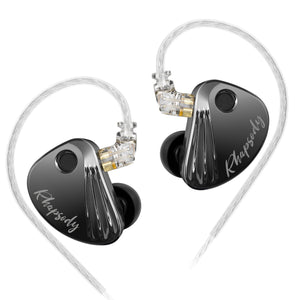
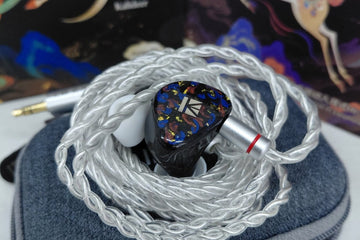
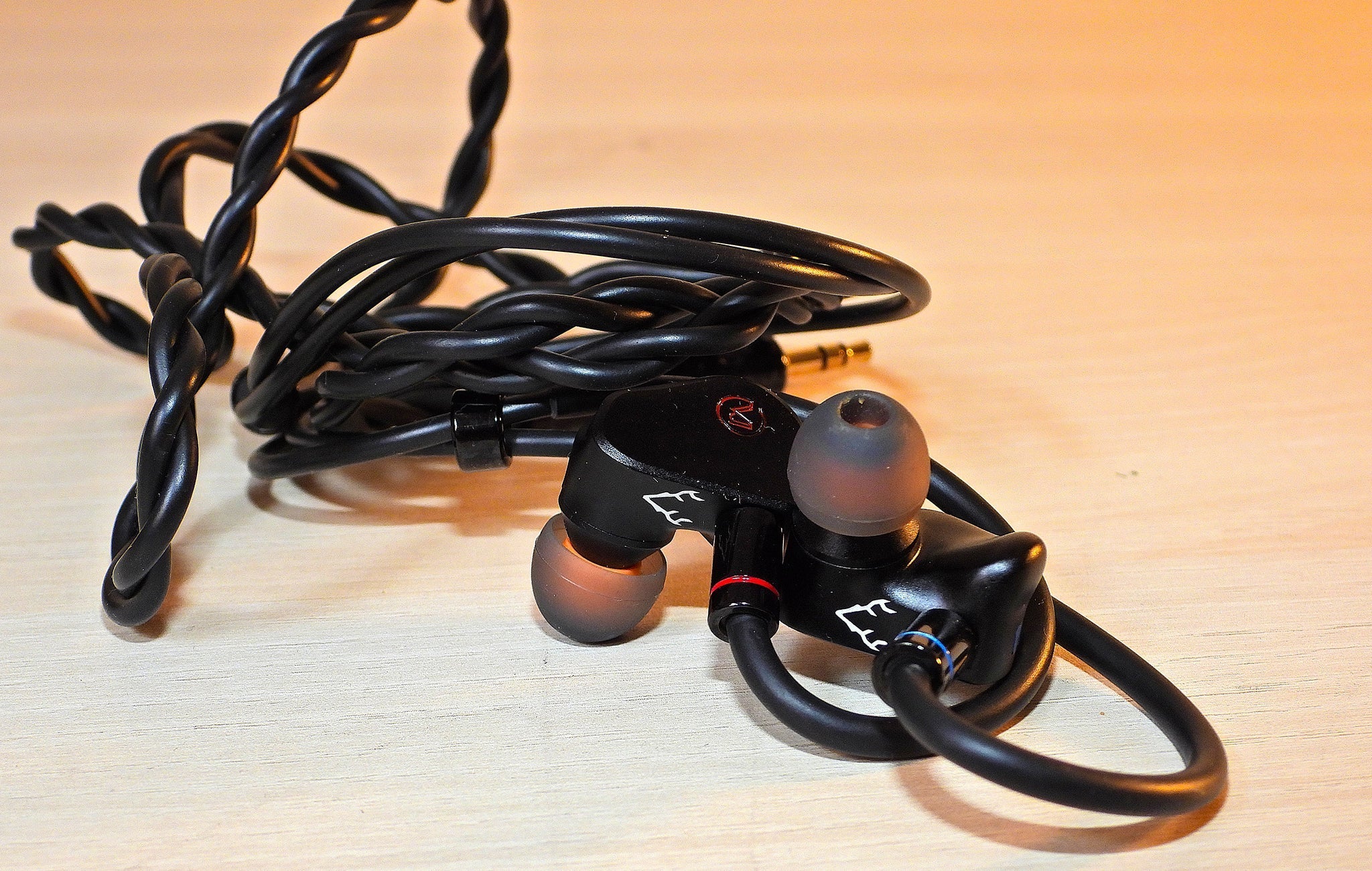
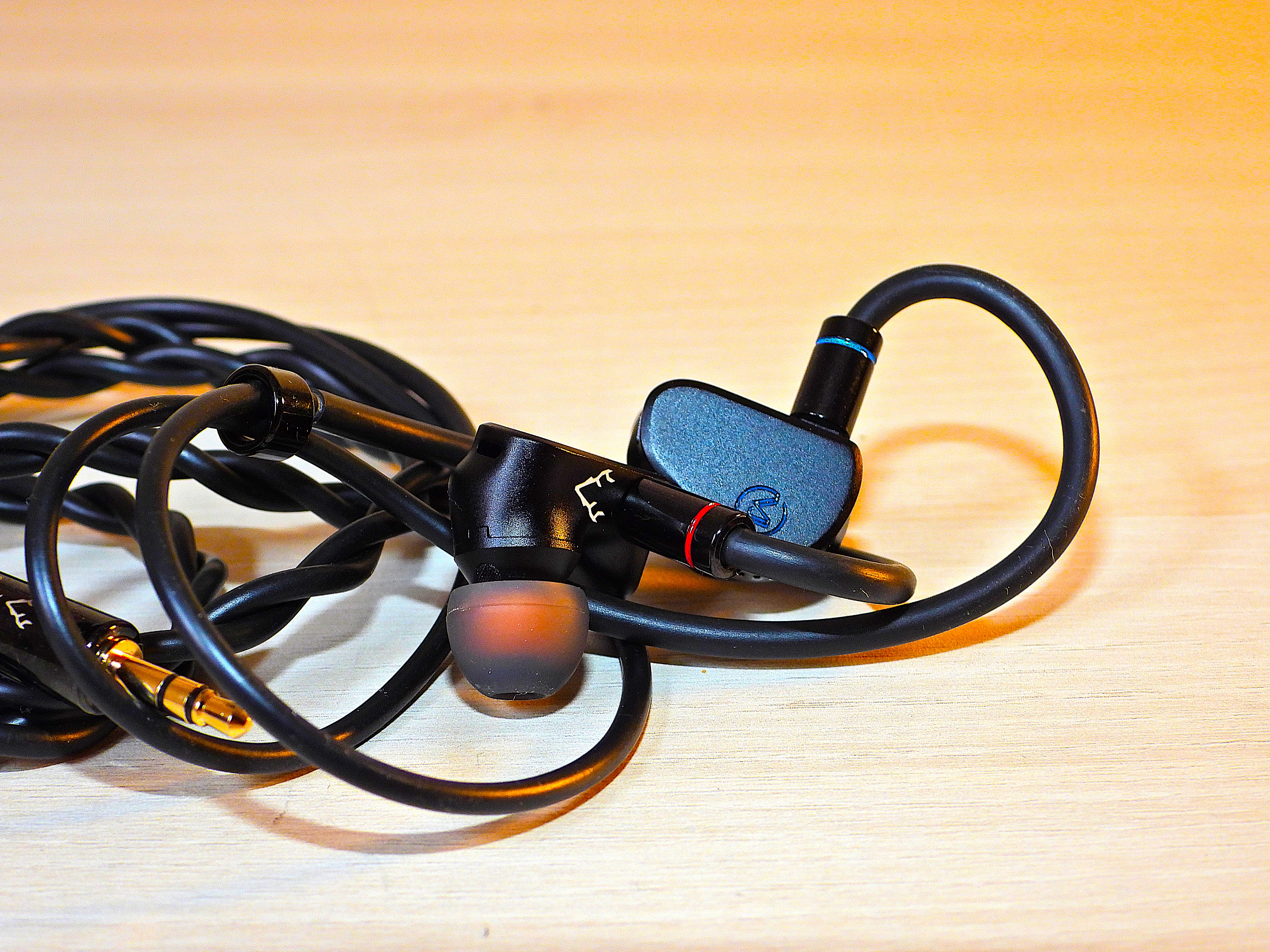
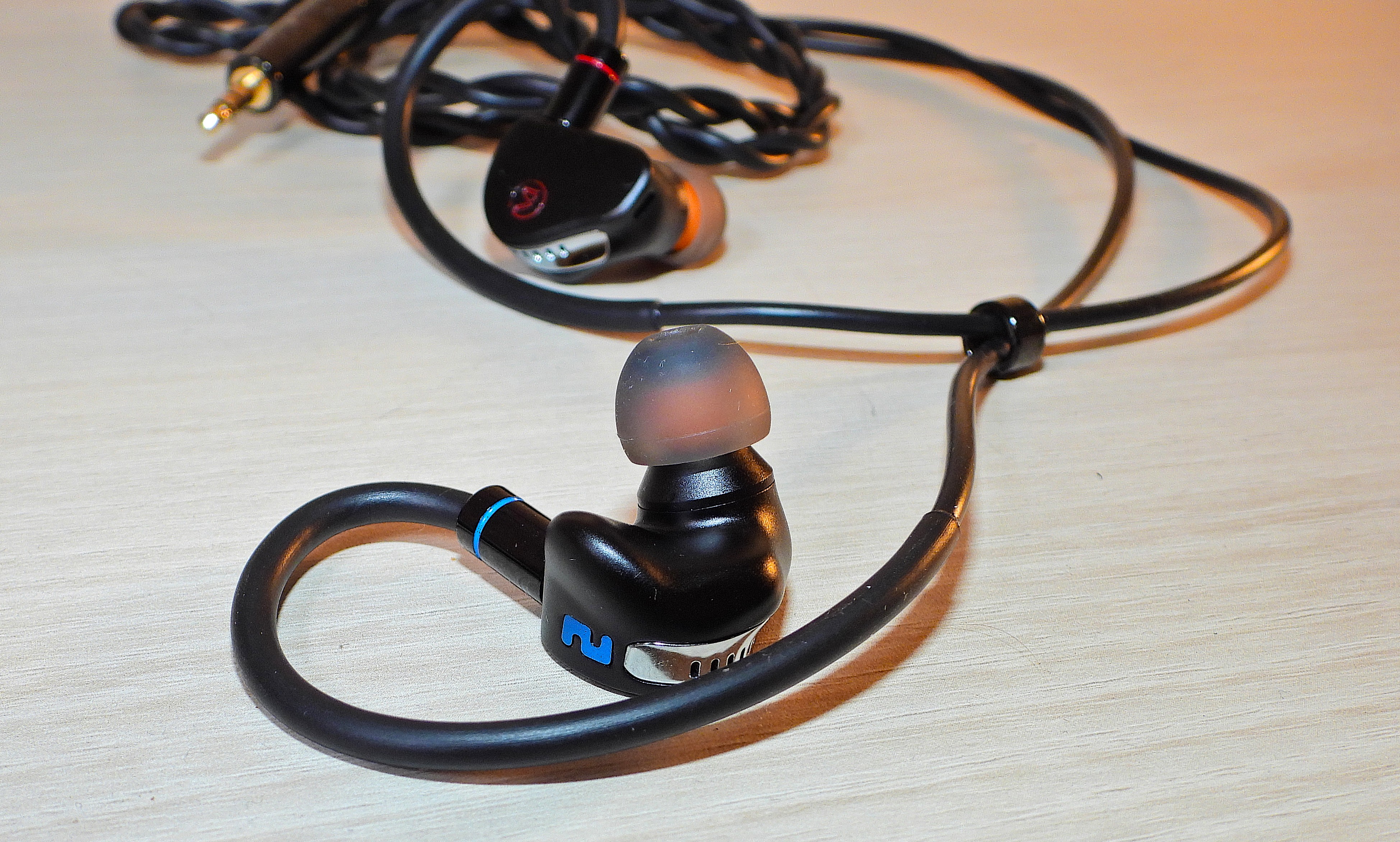
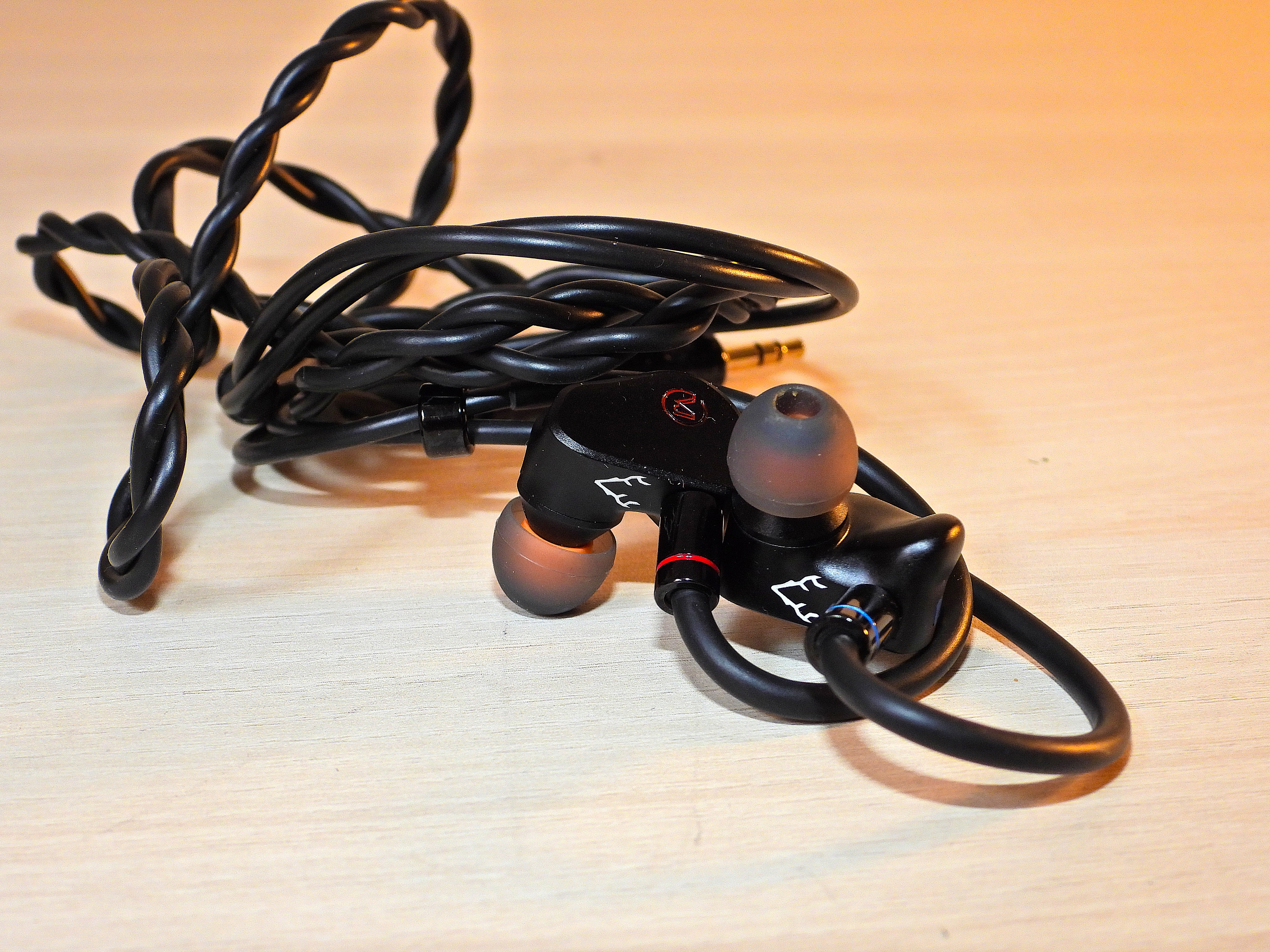
We have a black IEM, with fairly pronounced vents, with the shape of the ear canal marked... I'd say an atypical but functional design. The metal casing is durable... a 10 here.
On the other hand, we have the cable. Rubbery, two pins from 0.78 to 3.5mm, quite strong... and if that weren't enough, it's modular. Useful? Not too useful, but I always say the same thing. Yes, it's better.
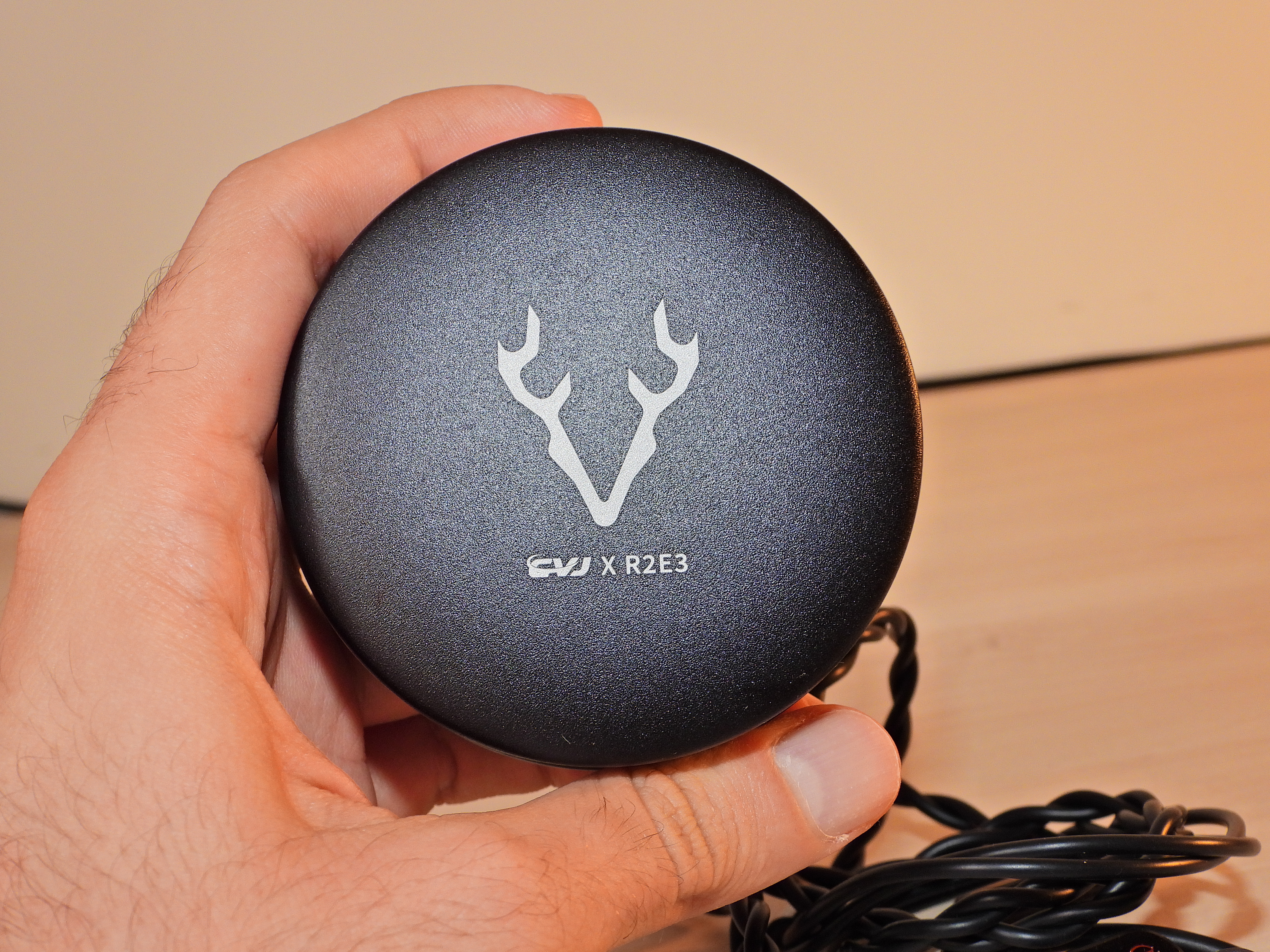
As for the carrying case, it's more like a carrying case because it's rigid, metallic, and round. Very strong. Maybe too strong. Designed more for storage than for travel.
We have a black IEM, with fairly pronounced vents, with the shape of the ear canal marked... I'd say an atypical but functional design. The metal casing is durable... a 10 here.
On the other hand, we have the cable. Rubbery, two pins from 0.78 to 3.5mm, quite strong... and if that weren't enough, it's modular. Useful? Not too useful, but I always say the same thing. Yes, it's better.
As for the carrying case, it's more like a carrying case because it's rigid, metallic, and round. Very strong. Maybe too strong. Designed more for storage than for travel.
As for the tips, we have the usual silicone ones, in the same box as the Twistura Woodnote. Well presented.
So, for the selling price, I think it's a very competitive IEM, well-built, well-thought-out, and functional. Very good CVJ.
So, for the selling price, I think it's a very competitive IEM, well-built, well-thought-out, and functional. Very good CVJ.
SOUND
As always, before giving my review, we review the product on the website. The Medusa combines design and technology in an IEM with a CNC metal casing, with understated aesthetic details and an ergonomic fit for long sessions.
It incorporates a 10mm dynamic driver with a dual magnet and chamber, which promises better diaphragm control, lower distortion, and a more precise image. Its beryllium-plated diaphragm offers rigidity and lightness, promoting clear and rapid treble extension, close to the performance of balanced armatures. You already know that beryllium drivers strike me as a top-notch combination.
The tuning, they say, is based on curves measured by the CVJ lab. The brand says it focuses on deep, controlled bass, neutral mids, and smooth yet detailed highs. The advanced venting system improves frequency separation and reduces low-frequency distortion. Completing the setup is a 556-strand silver-plated hybrid cable, designed to preserve signal purity and improve resolution.
Now for what I've been able to perceive. The CVJ Medusa sounds like a modern audiophile-grade single-channel speaker: bass with a resilient punch, but not too out of control, powerful sub-bass, clean, natural-toned mids that provide good intelligibility to vocals, and a perfectly balanced high end, extended just enough to reveal texture without sibilance. The soundstage is louder than expansive and breathes easily (the vented design is noticeable), with a stable image in the center and adequate separation for its price range. It doesn't go for the "wow" by brilliance, but it has a more than good, cavernous sub-bass punch; it strives for a balanced and confident presentation that works equally well with acoustic, pop, and light electronic music.
Honestly, if you're coming from bass-heavy IEMs or those with a "hi-fi" treble punch, the Medusa may seem somewhat restrained up and down, but you'll get a more audiophile sound experience. The appeal lies in its coherence, in the organic character of the driver, and in how it avoids fatigue at real volume. The microdynamics are good, the macrodynamics perform better, and the texture in the midrange is its strong point. I would describe it as a very smooth U-shaped tuning, leaning toward neutral-warm, more for long periods of enjoyment than for impressing in 30 seconds.
It incorporates a 10mm dynamic driver with a dual magnet and chamber, which promises better diaphragm control, lower distortion, and a more precise image. Its beryllium-plated diaphragm offers rigidity and lightness, promoting clear and rapid treble extension, close to the performance of balanced armatures. You already know that beryllium drivers strike me as a top-notch combination.
The tuning, they say, is based on curves measured by the CVJ lab. The brand says it focuses on deep, controlled bass, neutral mids, and smooth yet detailed highs. The advanced venting system improves frequency separation and reduces low-frequency distortion. Completing the setup is a 556-strand silver-plated hybrid cable, designed to preserve signal purity and improve resolution.
Now for what I've been able to perceive. The CVJ Medusa sounds like a modern audiophile-grade single-channel speaker: bass with a resilient punch, but not too out of control, powerful sub-bass, clean, natural-toned mids that provide good intelligibility to vocals, and a perfectly balanced high end, extended just enough to reveal texture without sibilance. The soundstage is louder than expansive and breathes easily (the vented design is noticeable), with a stable image in the center and adequate separation for its price range. It doesn't go for the "wow" by brilliance, but it has a more than good, cavernous sub-bass punch; it strives for a balanced and confident presentation that works equally well with acoustic, pop, and light electronic music.
Honestly, if you're coming from bass-heavy IEMs or those with a "hi-fi" treble punch, the Medusa may seem somewhat restrained up and down, but you'll get a more audiophile sound experience. The appeal lies in its coherence, in the organic character of the driver, and in how it avoids fatigue at real volume. The microdynamics are good, the macrodynamics perform better, and the texture in the midrange is its strong point. I would describe it as a very smooth U-shaped tuning, leaning toward neutral-warm, more for long periods of enjoyment than for impressing in 30 seconds.
The CVJ Medusa's bass is slightly emphasized, with a warm, full presence that seeks to please without reaching basshead extremes. The sub-bass has a more than acceptable extension, providing a certain depth and rumble, although it doesn't dominate the soundstage or vibrate excessively. Rather, it remains at a controlled or slightly above-average level. The midbass is present with a good punch, but without excessive fatness, which helps maintain clarity in the lower mids. The result is a bass with plenty of body and musicality, but without going overboard, designed for modern genres, but without invading or blurring the rest of the spectrum. It's not an ultra-technical or surgical bass, but it is well-integrated and balanced within a warm and pleasant profile. In short, bass with punch, but without going wild. For the price, it's a surprise.
The CVJ Medusa's midrange is presented with a balanced character. It sounds present, without being overpowering. It's not pushed forward or trying to stand out from the rest of the spectrum, but it's clear that at first glance you'll find it quite present and likable. It tends to achieve an obvious, natural integration into the warm, slightly W-shaped profile of the whole thing. Vocals sound clean, with a more than adequate timbre. Their reduced lateral expansion and size make them sound present and close. There's enough body in the lower midrange to support instruments like acoustic guitars or pianos without feeling thin. However, in dense or layered passages, a certain congestion or lack of air can be noticed, especially when compared to multi-driver models with better instrument separation. The upper midrange is smoothed, which prevents sibilance and fatigue, but also takes away some brightness or definition from female vocals or higher-pitched string instruments.
The CVJ Medusa's treble has a moderate and controlled focus. They extend well; I don't think you'll find them lacking. What CVJ didn't want is for it to sound too warm. So they counterbalance it. It has a more energetic profile, but not at all aggressive. The cymbals are slightly raised; they don't stand out for their high level of air or sparkle, but they do maintain an acceptable level of detail that allows you to enjoy instruments like cymbals or strings without them sounding muffled.
The CVJ Medusa's midrange is presented with a balanced character. It sounds present, without being overpowering. It's not pushed forward or trying to stand out from the rest of the spectrum, but it's clear that at first glance you'll find it quite present and likable. It tends to achieve an obvious, natural integration into the warm, slightly W-shaped profile of the whole thing. Vocals sound clean, with a more than adequate timbre. Their reduced lateral expansion and size make them sound present and close. There's enough body in the lower midrange to support instruments like acoustic guitars or pianos without feeling thin. However, in dense or layered passages, a certain congestion or lack of air can be noticed, especially when compared to multi-driver models with better instrument separation. The upper midrange is smoothed, which prevents sibilance and fatigue, but also takes away some brightness or definition from female vocals or higher-pitched string instruments.
The CVJ Medusa's treble has a moderate and controlled focus. They extend well; I don't think you'll find them lacking. What CVJ didn't want is for it to sound too warm. So they counterbalance it. It has a more energetic profile, but not at all aggressive. The cymbals are slightly raised; they don't stand out for their high level of air or sparkle, but they do maintain an acceptable level of detail that allows you to enjoy instruments like cymbals or strings without them sounding muffled.
Comparisons
-
Meze Alba
Both dynamic drivers, both under €200. But the differences exist and are surprising. A renowned brand like Meze should have opted for a sound more similar to the Medusa. From a marketing perspective, it's understandable. Meze opts for a somewhat more conservative sound, but it doesn't really stand out too much, either for better or worse. Both sound musical, but the Medusa sounds more powerful, focused, with more macro dynamics, more stage height, and a timbre that sometimes seems more realistic to me. If we consider that the Medusa feels more robust, with good packaging... I have to say it's superior.
-
Ziigaat Crescent
It may be unfair to compare a €280 Ziigaat Crescent with one that's barely half the price, but I find it interesting. While both offer quite a bit of bass and sub-bass, the Crescent could have a bit more texture here, although to be honest, it's not a huge difference. In the mids and highs, I like the Medusa more. Richer, fuller midrange and more powerful treble. The Medusa's soundstage is larger and more immersive. The Crescent's is better balanced. The Crescent offers more pleasurable long-range listening, with slightly more texture, but less focus and personality.
TECHNICAL ASPECTS
The stereo image is adequate; it doesn't have the level of precision of a well-built hybrid, but it delivers. One of the best for its price. There's a certain amount of directionality, but it's not distinguished by surgical instrument placement. The soundstage is very good and one of its strong points. It sounds rather intimate, with some depth, but little width. Why do you say it's good, then? Where it stands out most is its size. It has one of the largest sizes on the Y axis, or height. On par with the planar speakers and the Ikko OH5, also with a dynamic driver. Don't expect a holographic sensation, but expect a very immersive one.
The resolution is more than decent for its range: key details are captured, but without revealing microdetails or fine textures in complex recordings. In dense passages, it loses some definition. It's a more musical sound than analytical. As I said, at micro levels compared to others, it may be somewhat less top-notch, but at macro levels, it once again excels. Especially considering its price.
The separation between instruments is acceptable in single tracks, but it diminishes in more saturated mixes. It would have benefited from greater expansion along the X axis of the soundstage. There's no sensation of total collapse, but neither is there a clear separation between layers or planes. It does the job, but it doesn't shine.
If you like it. Get there!
The separation between instruments is acceptable in single tracks, but it diminishes in more saturated mixes. It would have benefited from greater expansion along the X axis of the soundstage. There's no sensation of total collapse, but neither is there a clear separation between layers or planes. It does the job, but it doesn't shine.
If you like it. Get there!