:
+ Excellent unboxing for the price
+ Handsome aesthetics & cable
+ Well-balanced & cohesive
+ 1 berylium-coated DD
+ Semi-open back design
+ W-shaped sound signature
+ Musical & technical for this tier
+ Vocal clarity & forwardness
+ Punchy, tight bass
+ Almost no bass distortion
+ Very lightweight
+ Beautiful gift idea at $150
:
- Modest sub-bass
- Some treble & upper-mid sharpness
- Moderately refined
This IEM was sent to me in exchange for my honest impressions. Big thanks to Linsoul for this privilege! I'm not a professional reviewer, just an audio enthusiast. I have benefitted from many Head-Fi reviews, and I hope this one can be helpful to you as well.
Intro: Dark Budget goddess
It's honestly been a couple of years since I've listened much to an IEM under $250. When I saw the CVJ Medusa on the Linsoul website, I was intrigued. While it's not quite as refined as some more expensive sets, Medusa delivers a well-balanced and cohesive sound, plus an outstanding unboxing experience at $150. It's a great value, and I've loved listening to it!
Build & Aesthetics
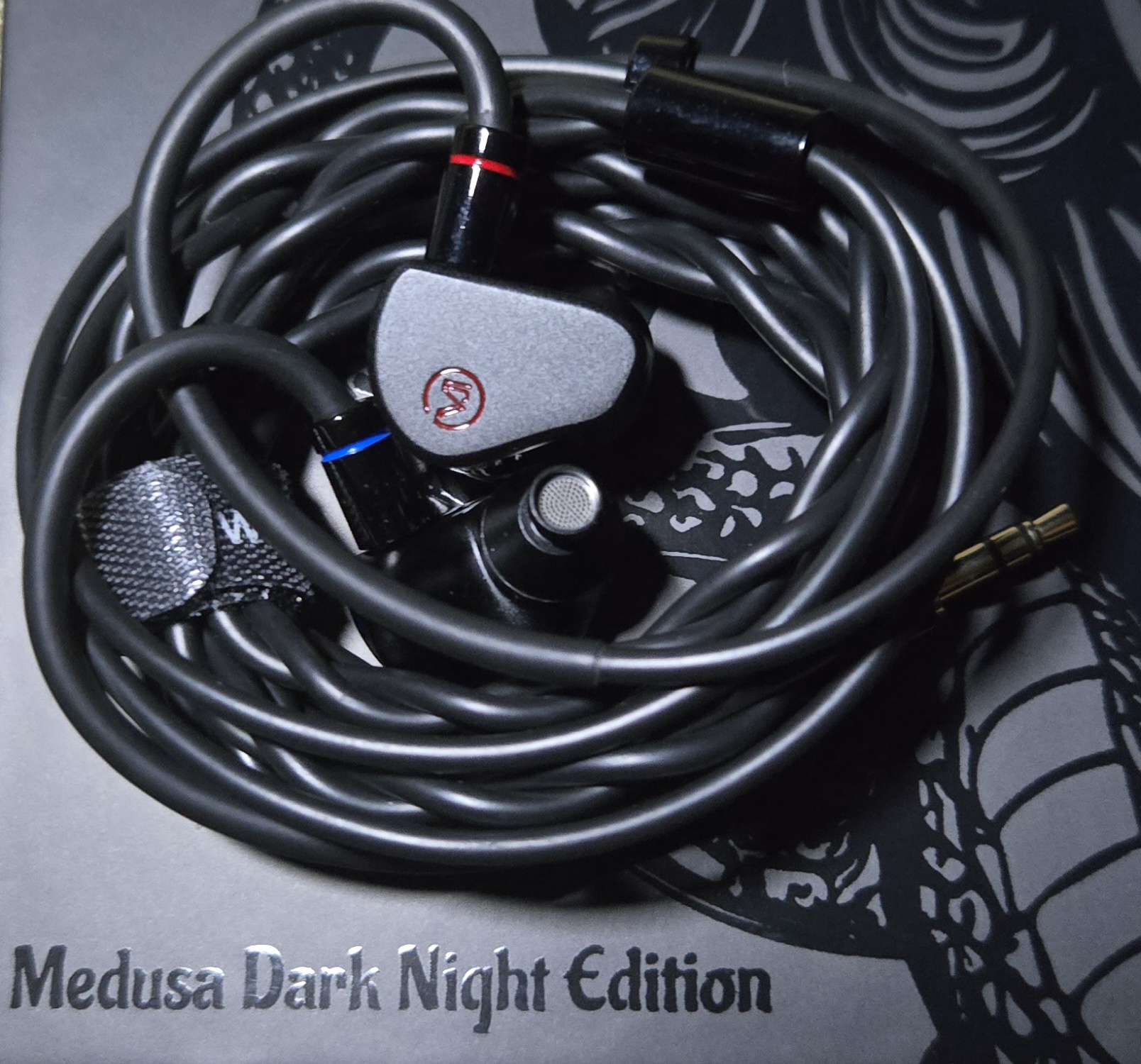
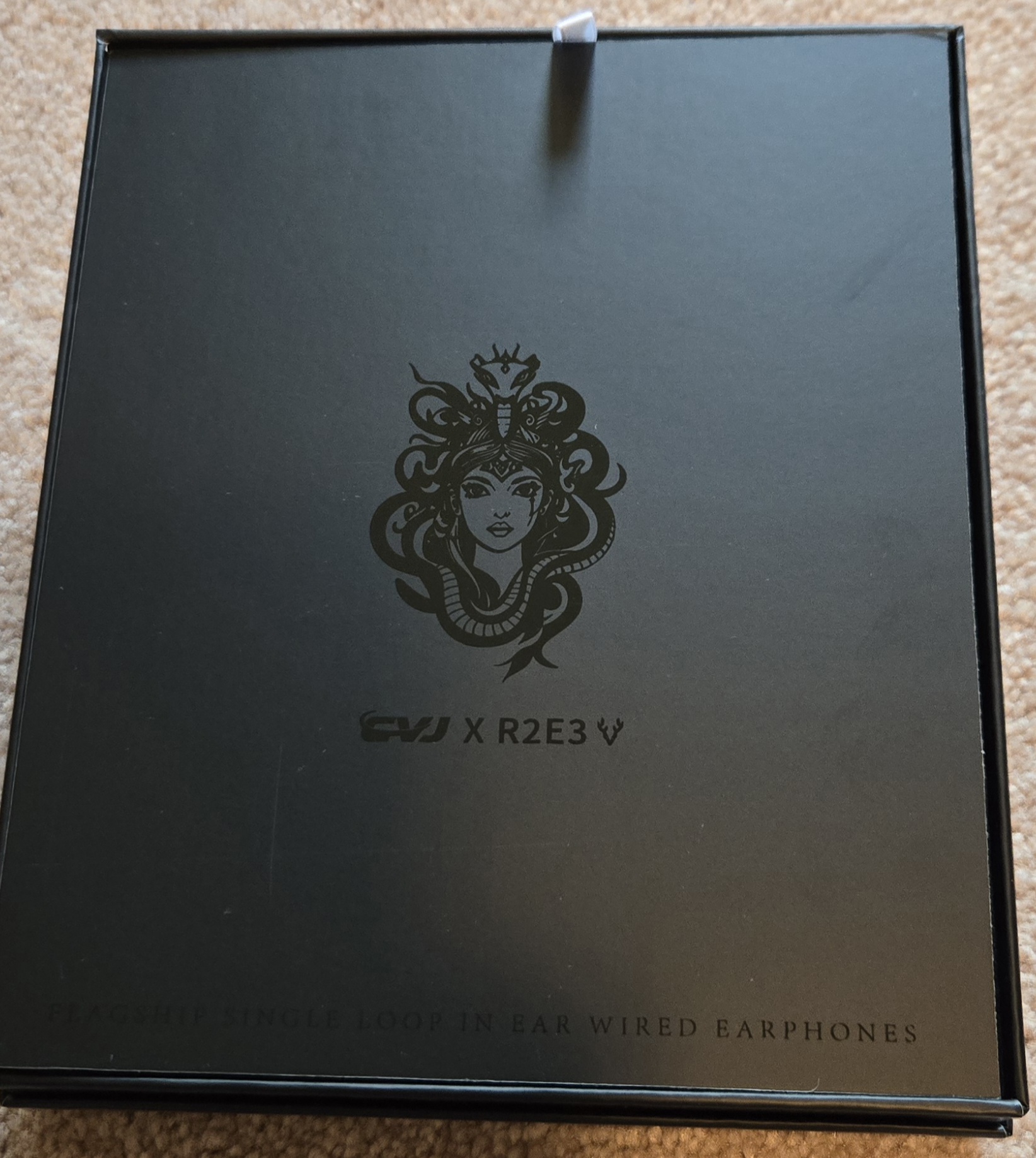
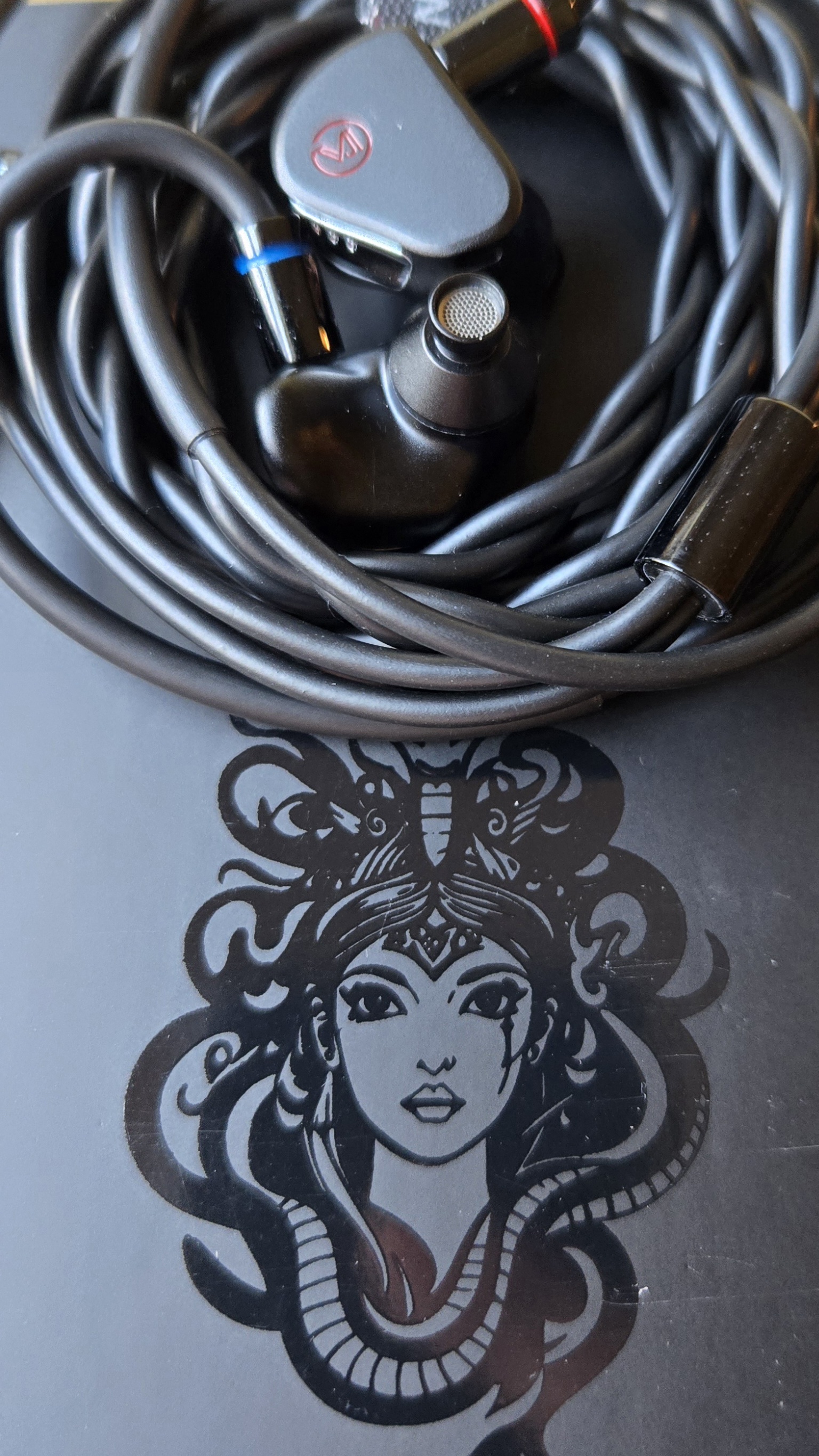
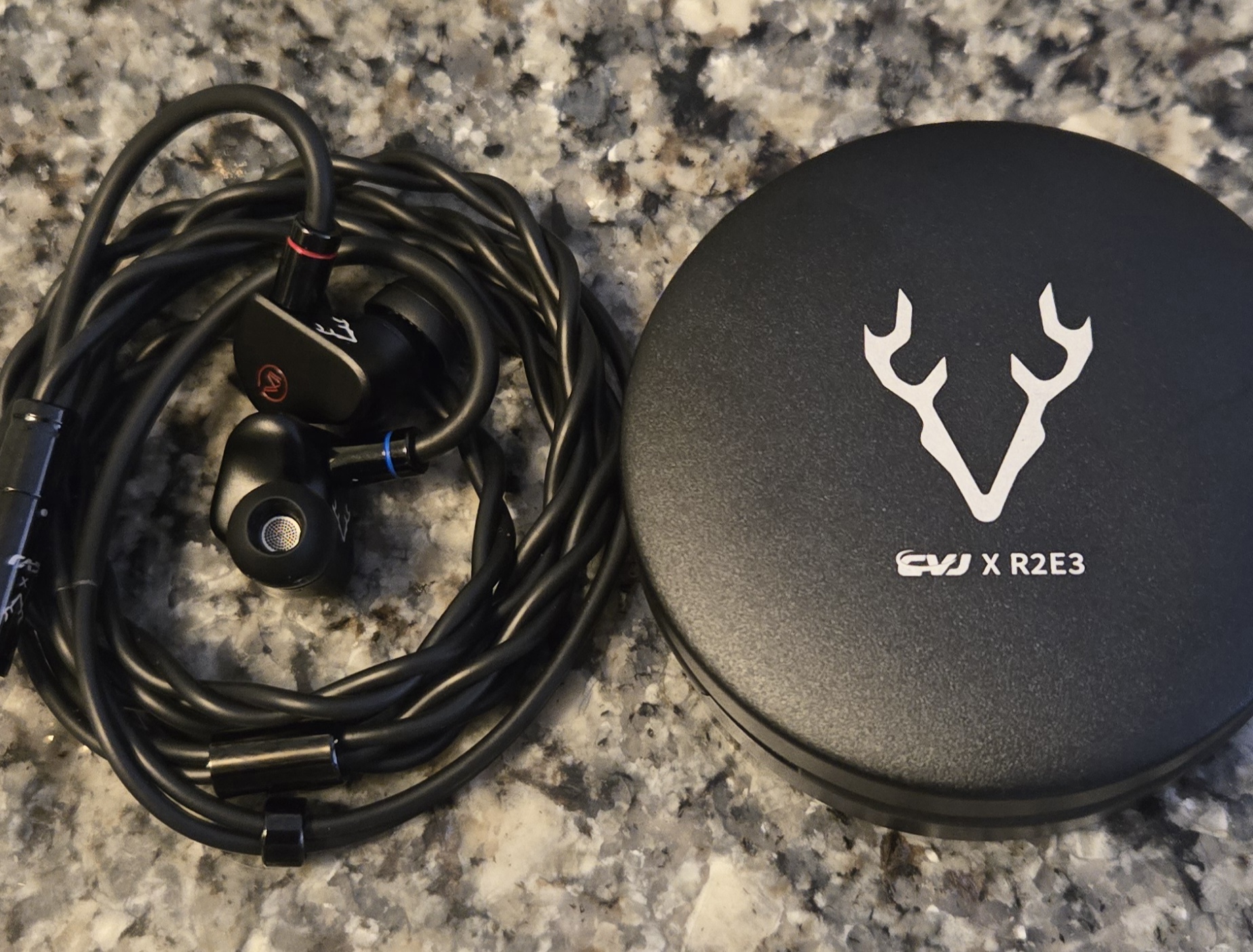
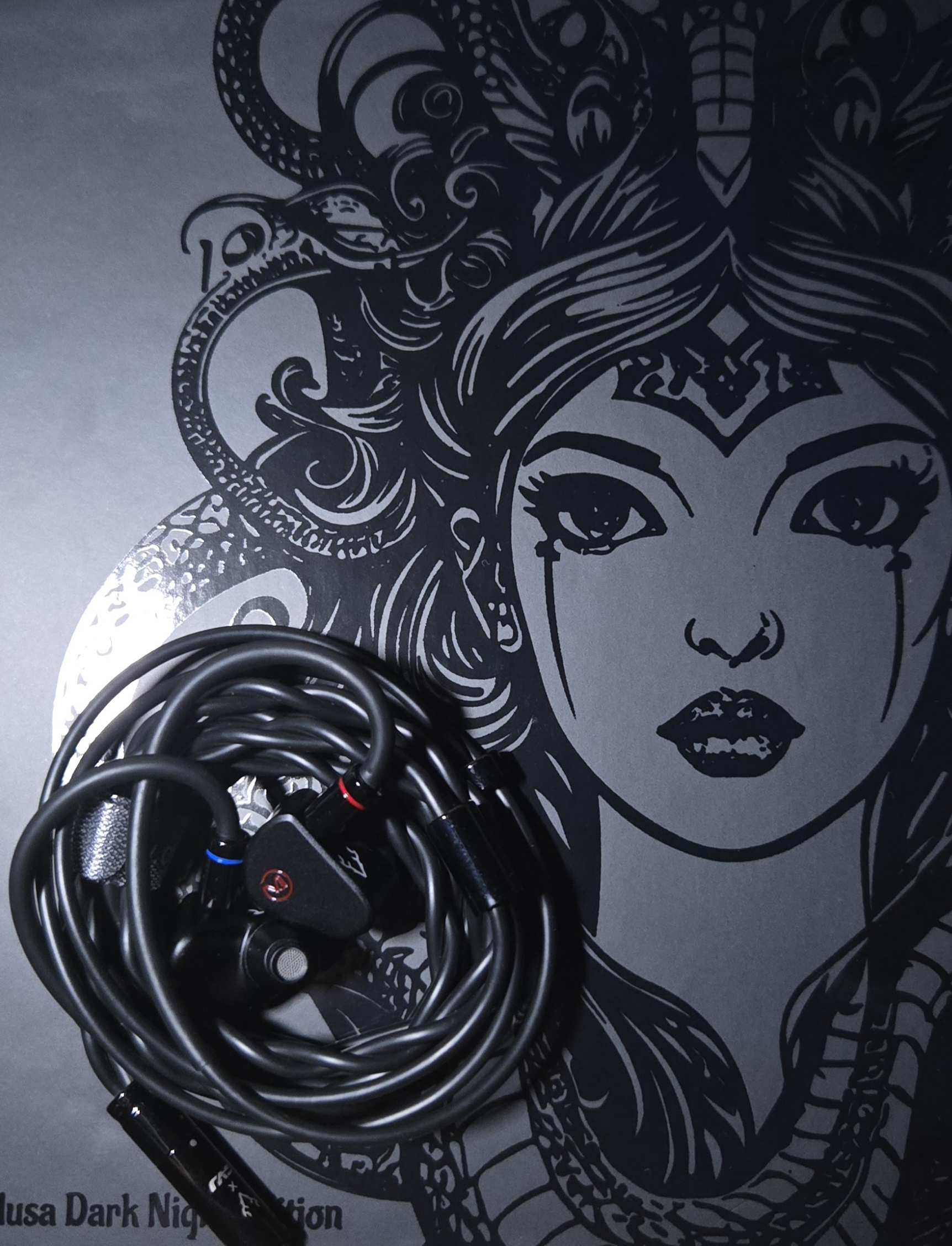
Unboxing Medusa is an impressive experience, perhaps class-leading at this price. My wife agreed this would make a perfect gift item. The stylish box looks like something that might contain a kilobuck IEM.
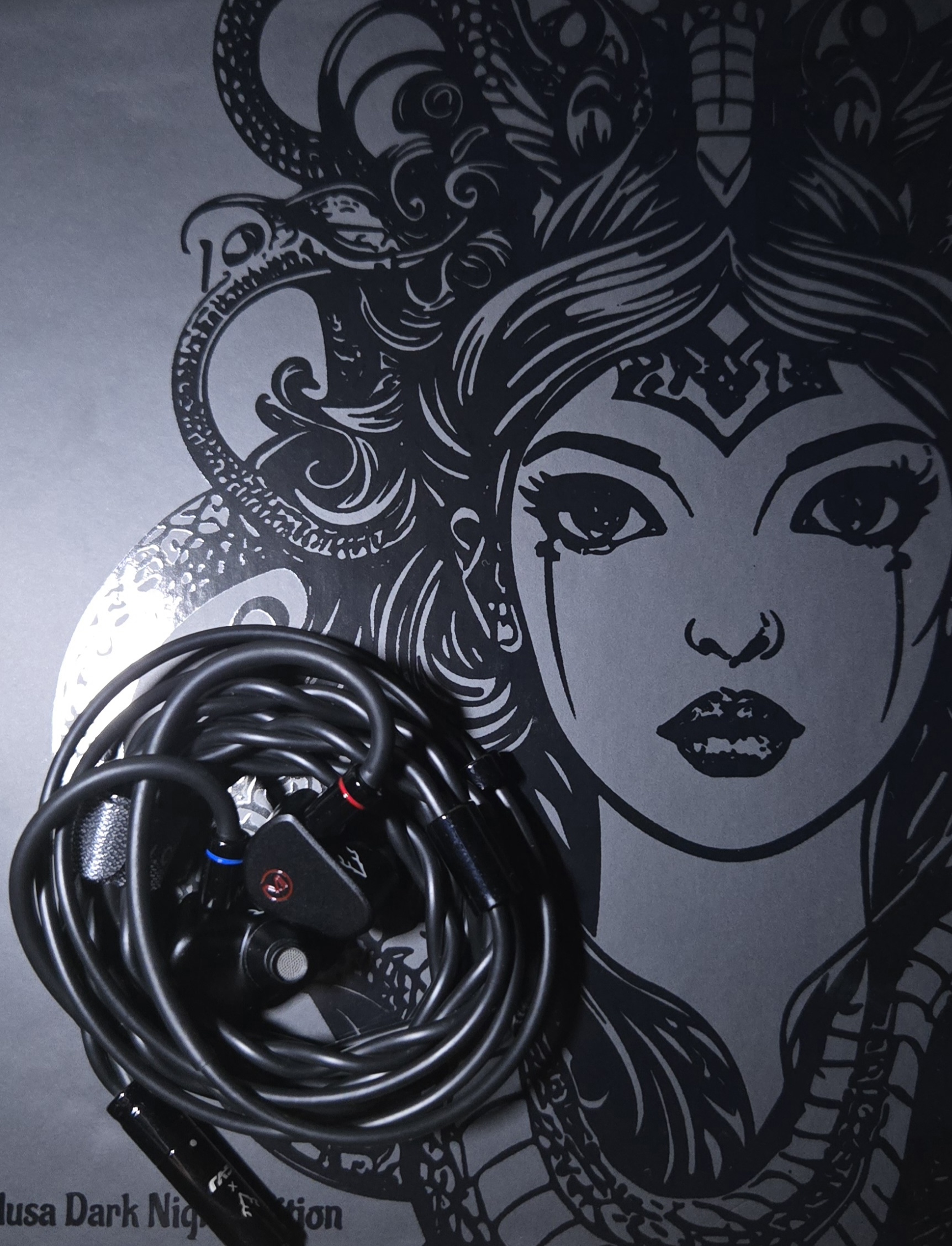
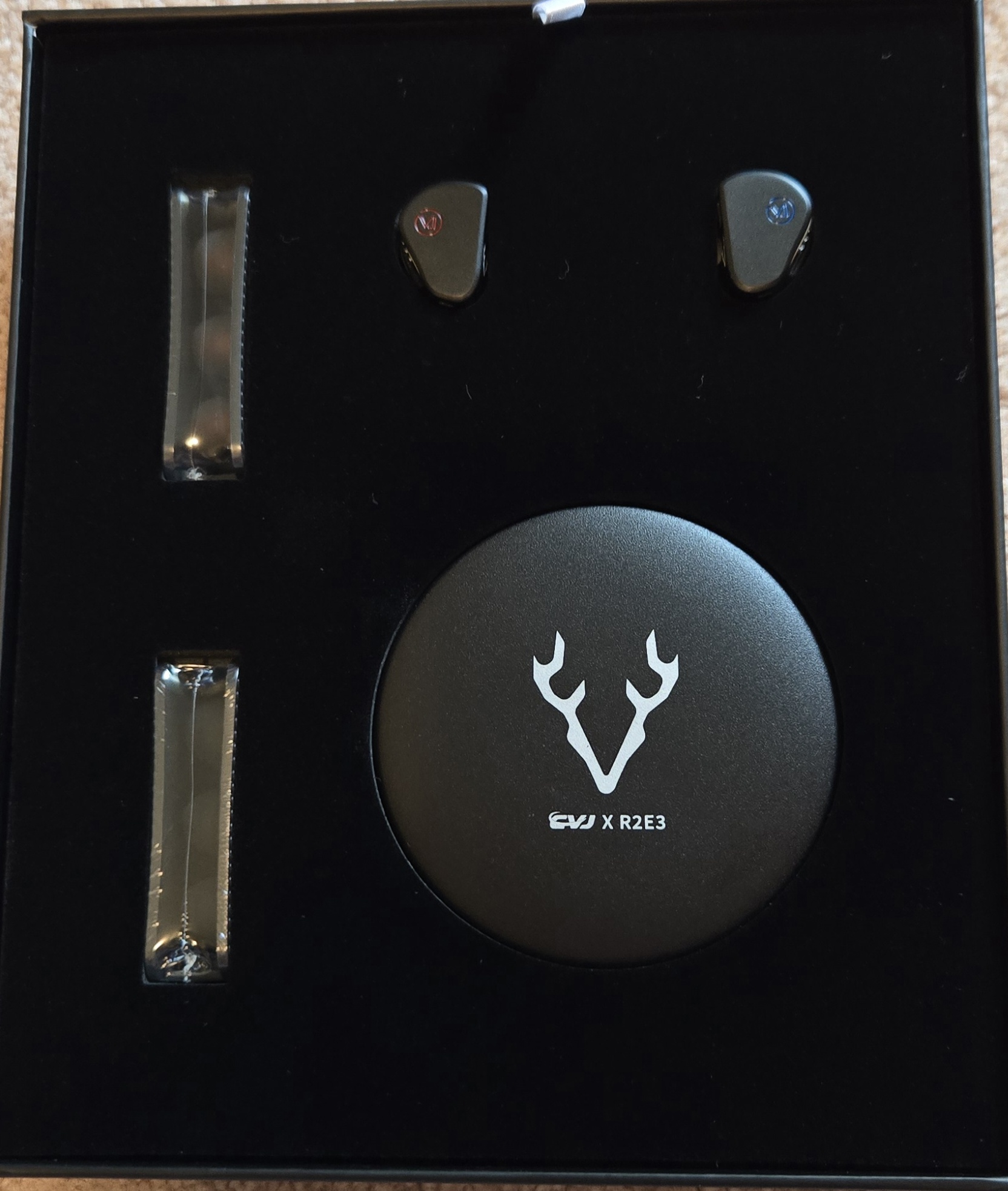
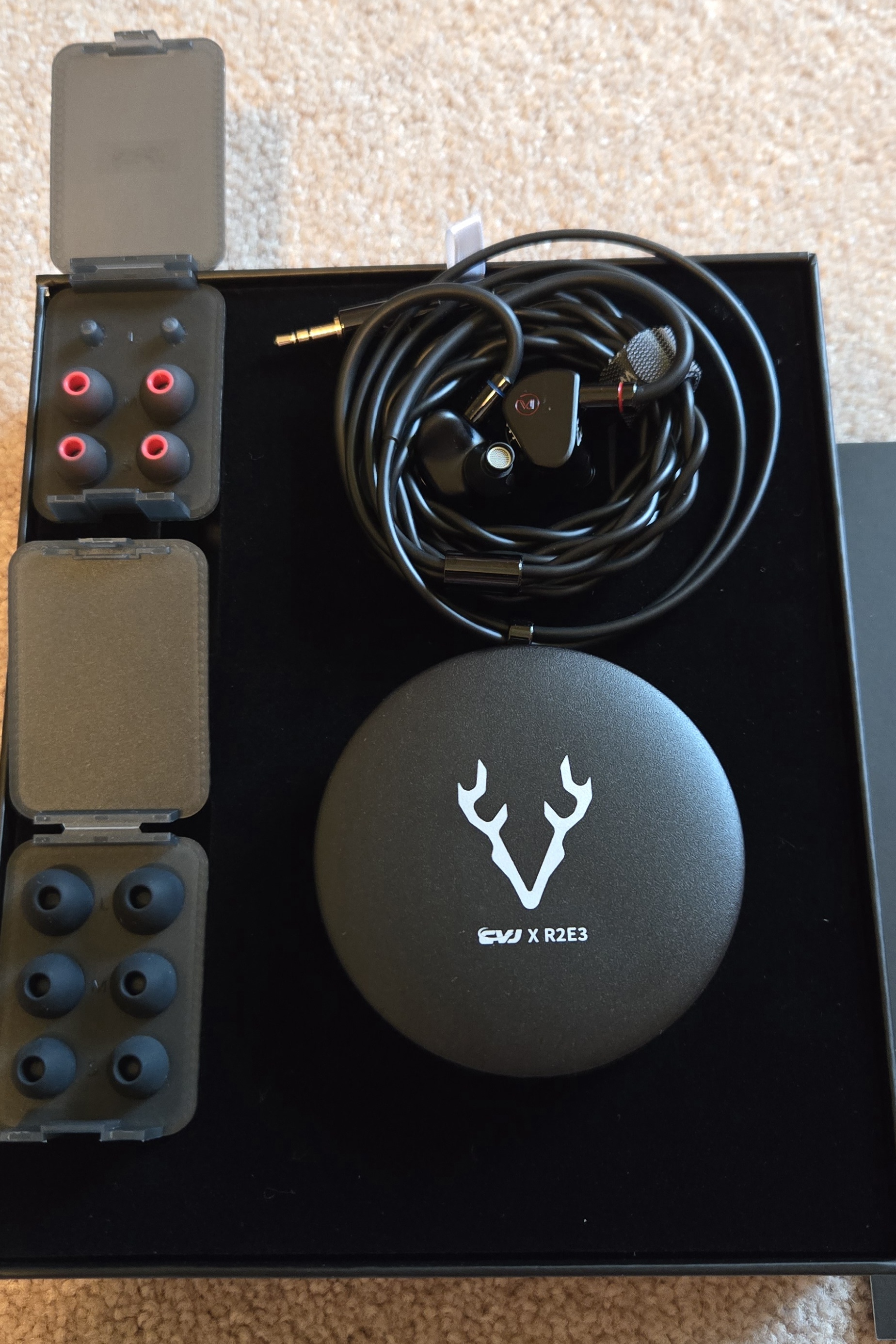
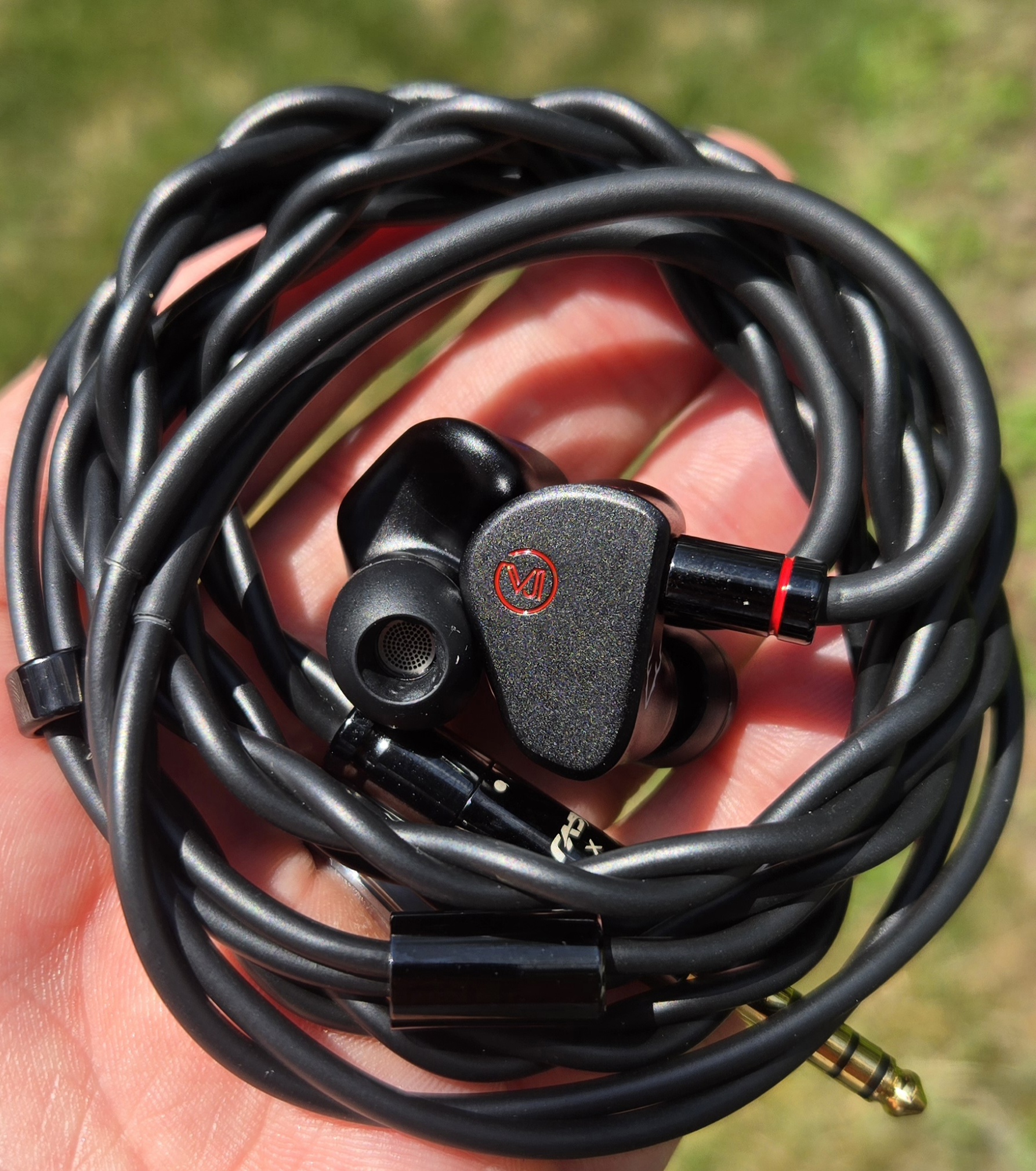
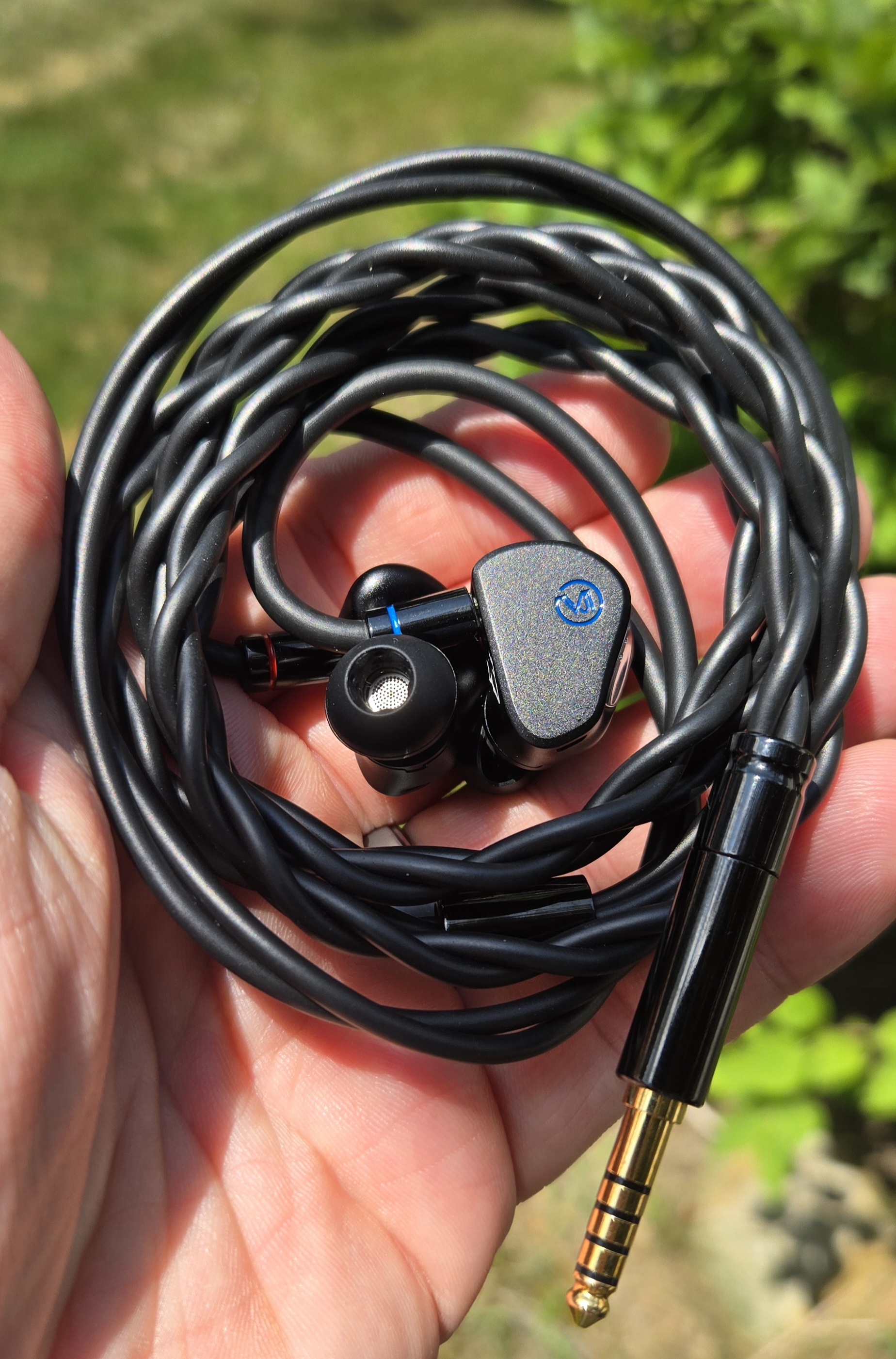
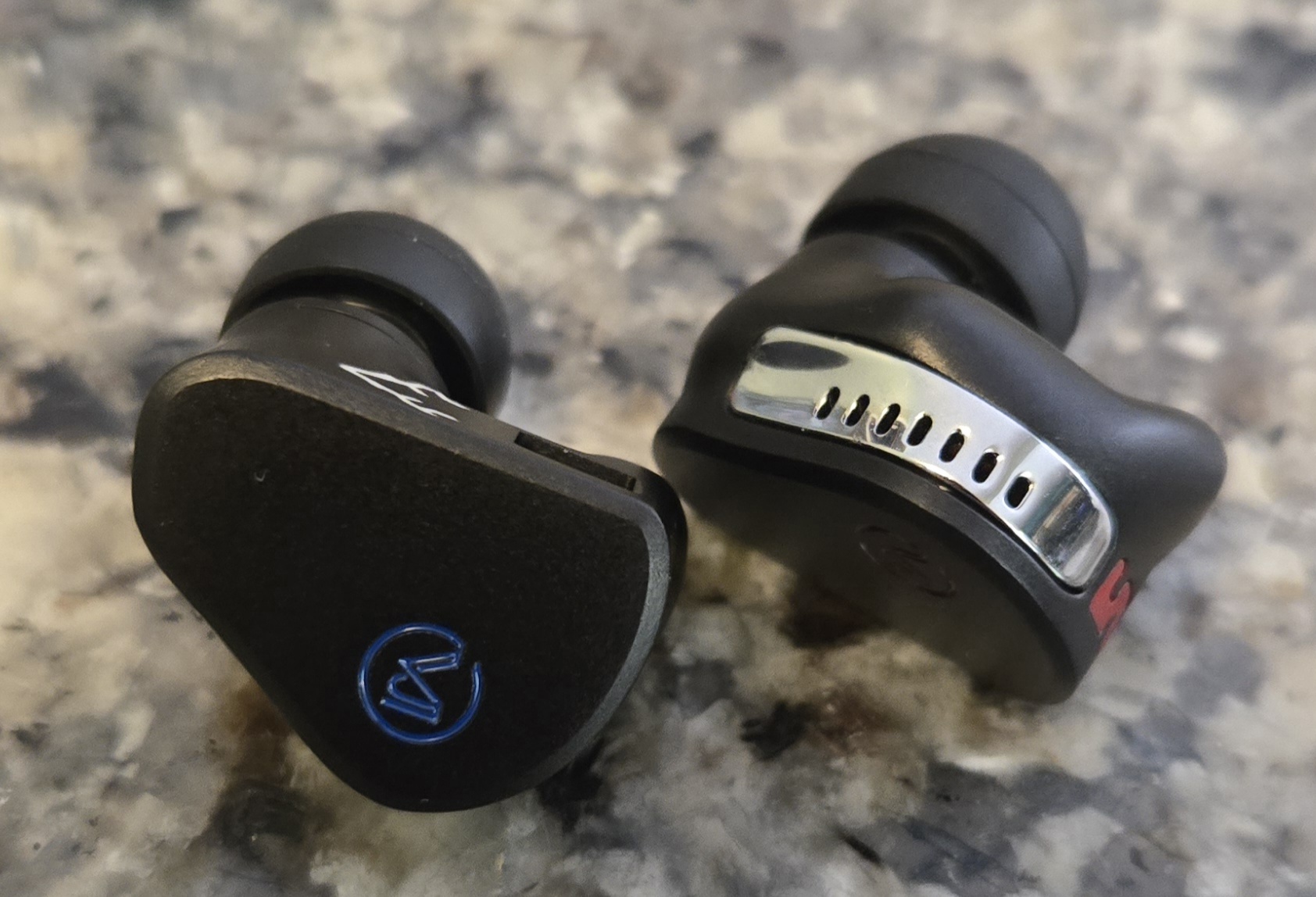
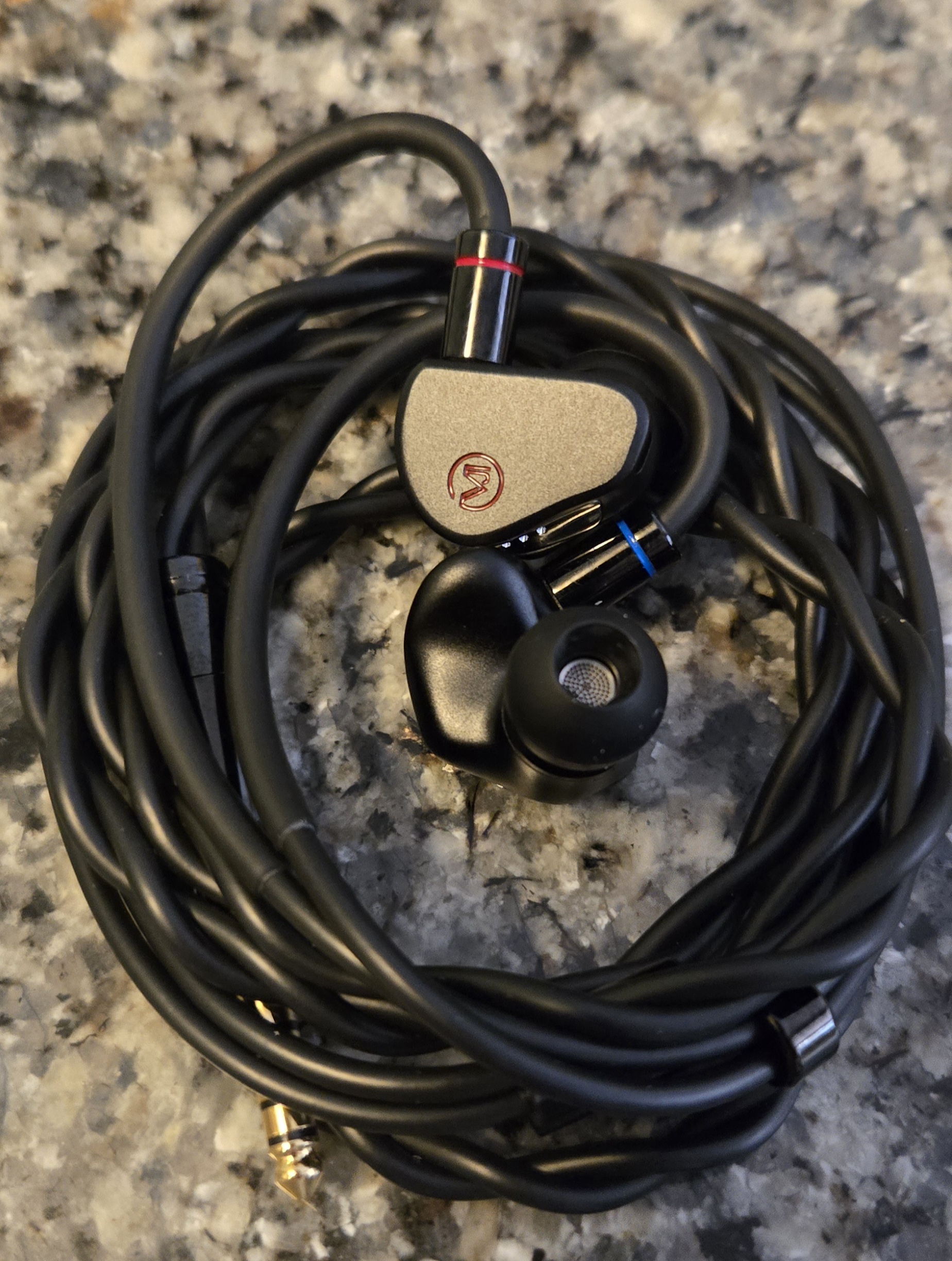
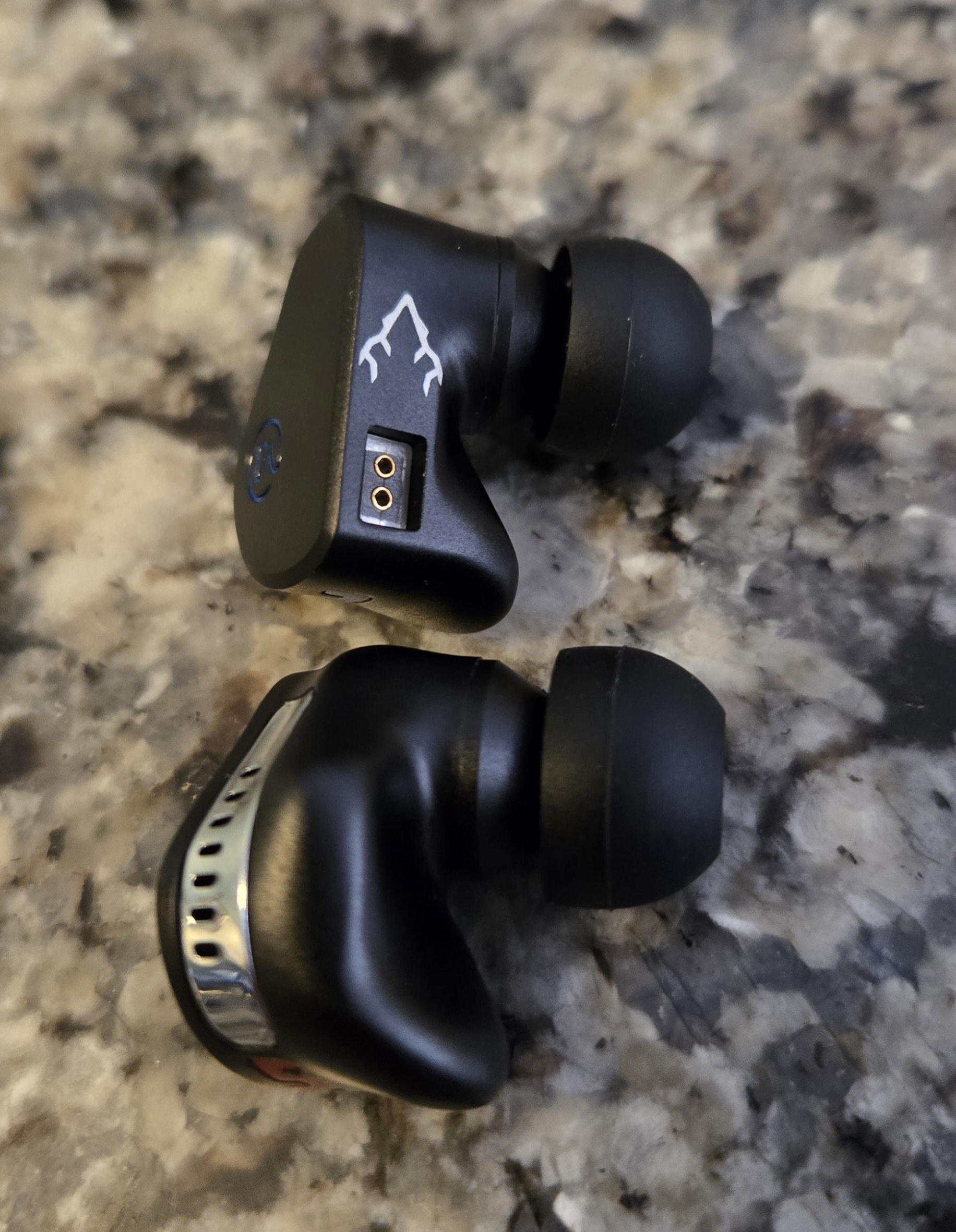
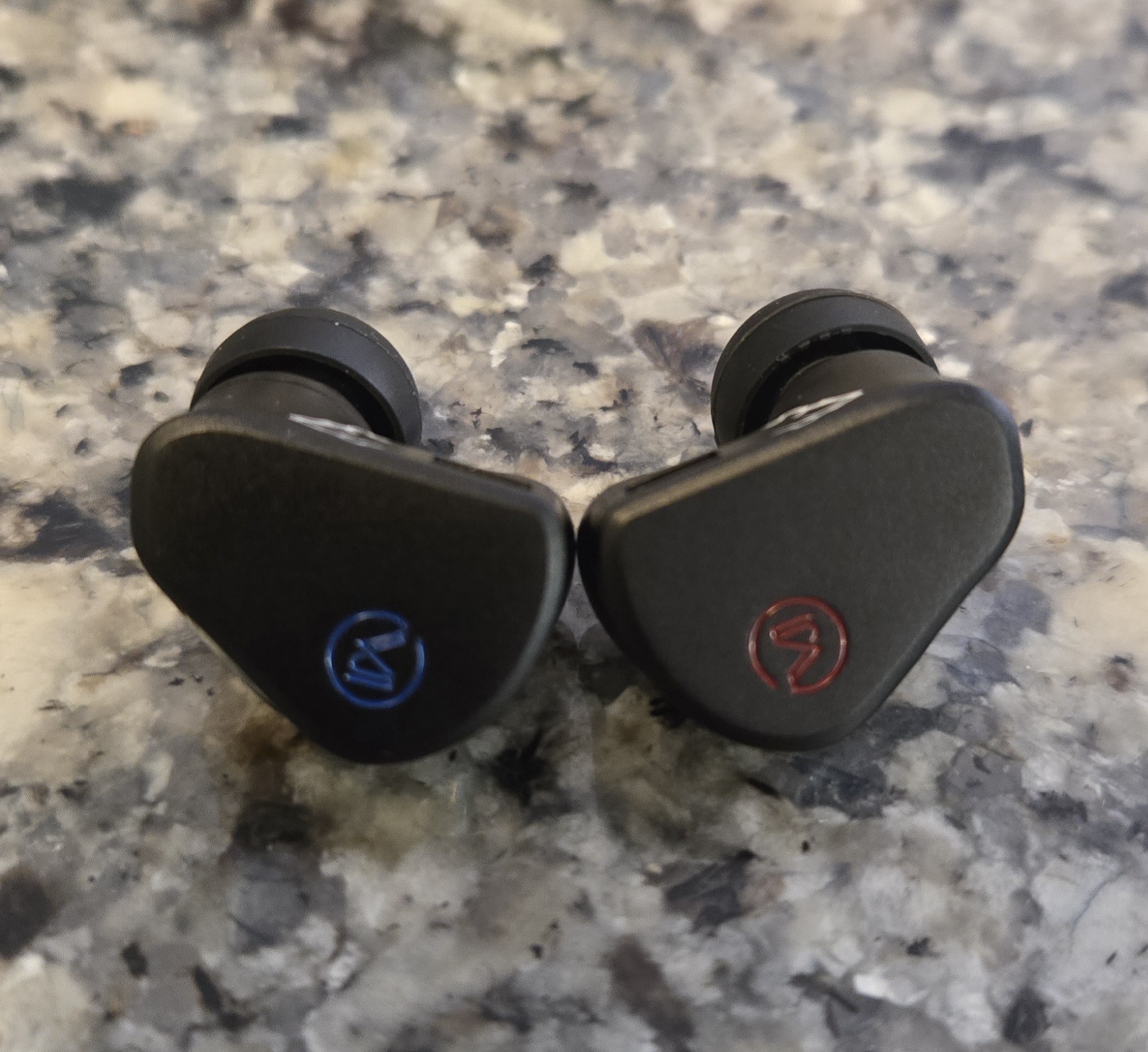
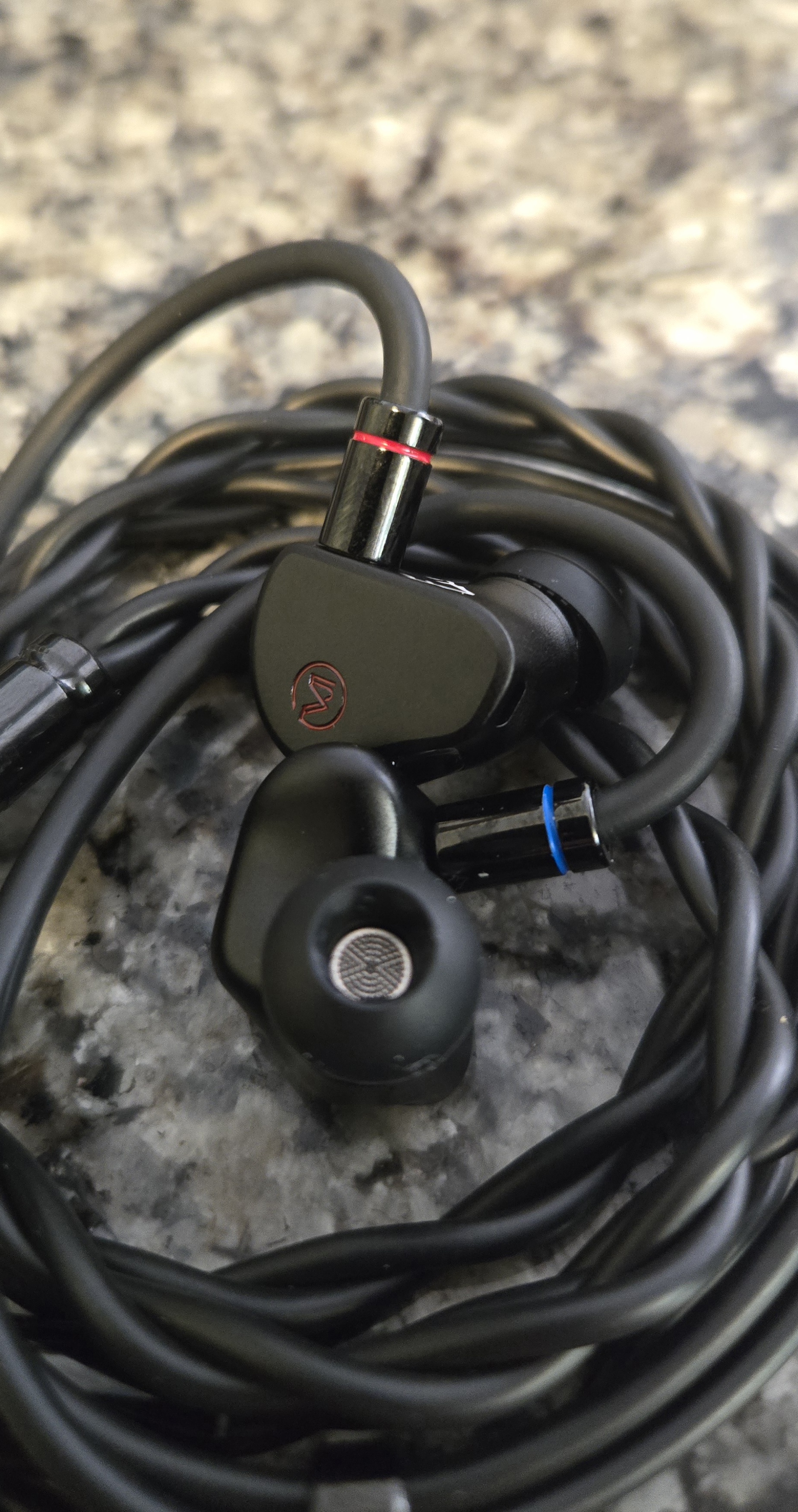
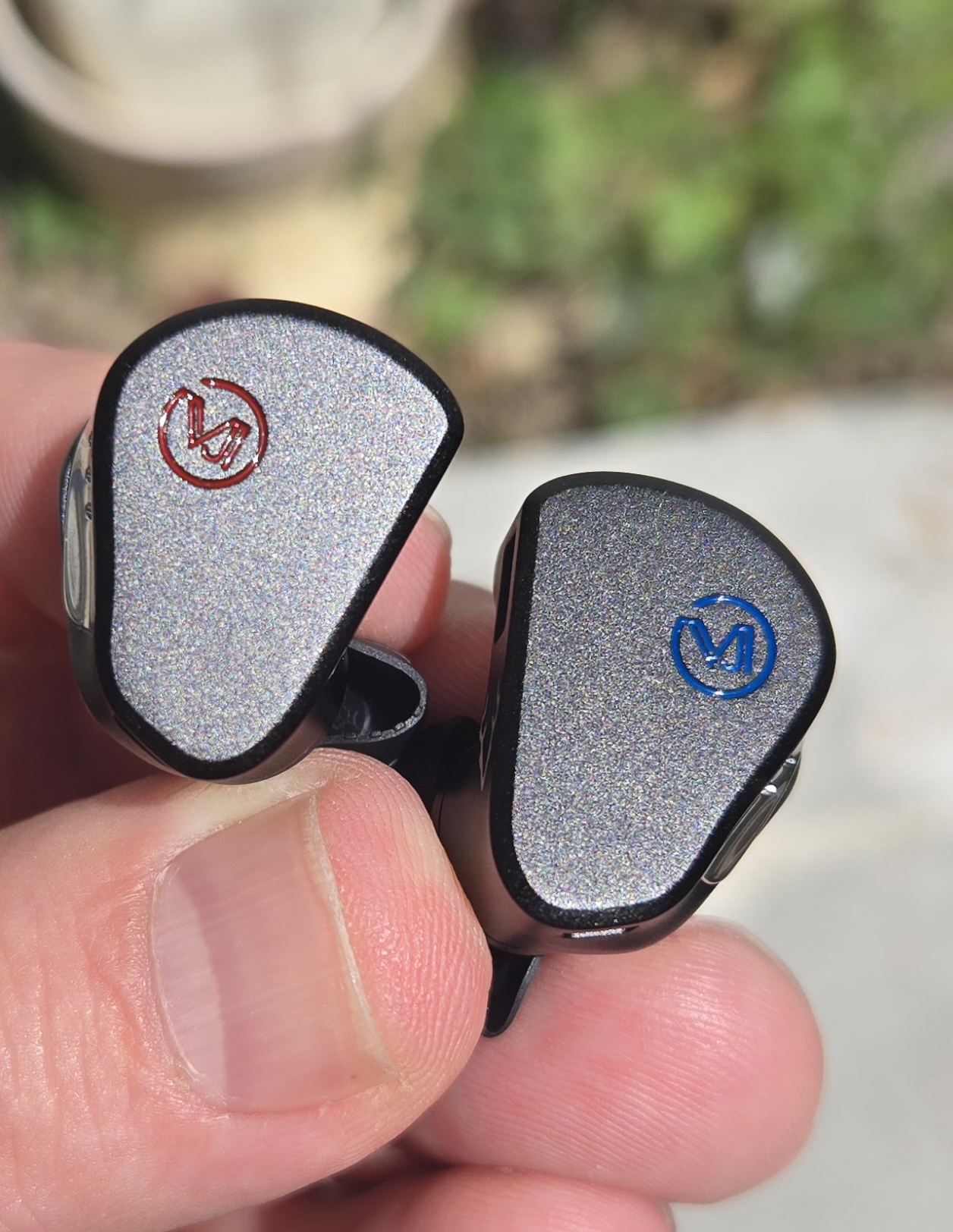
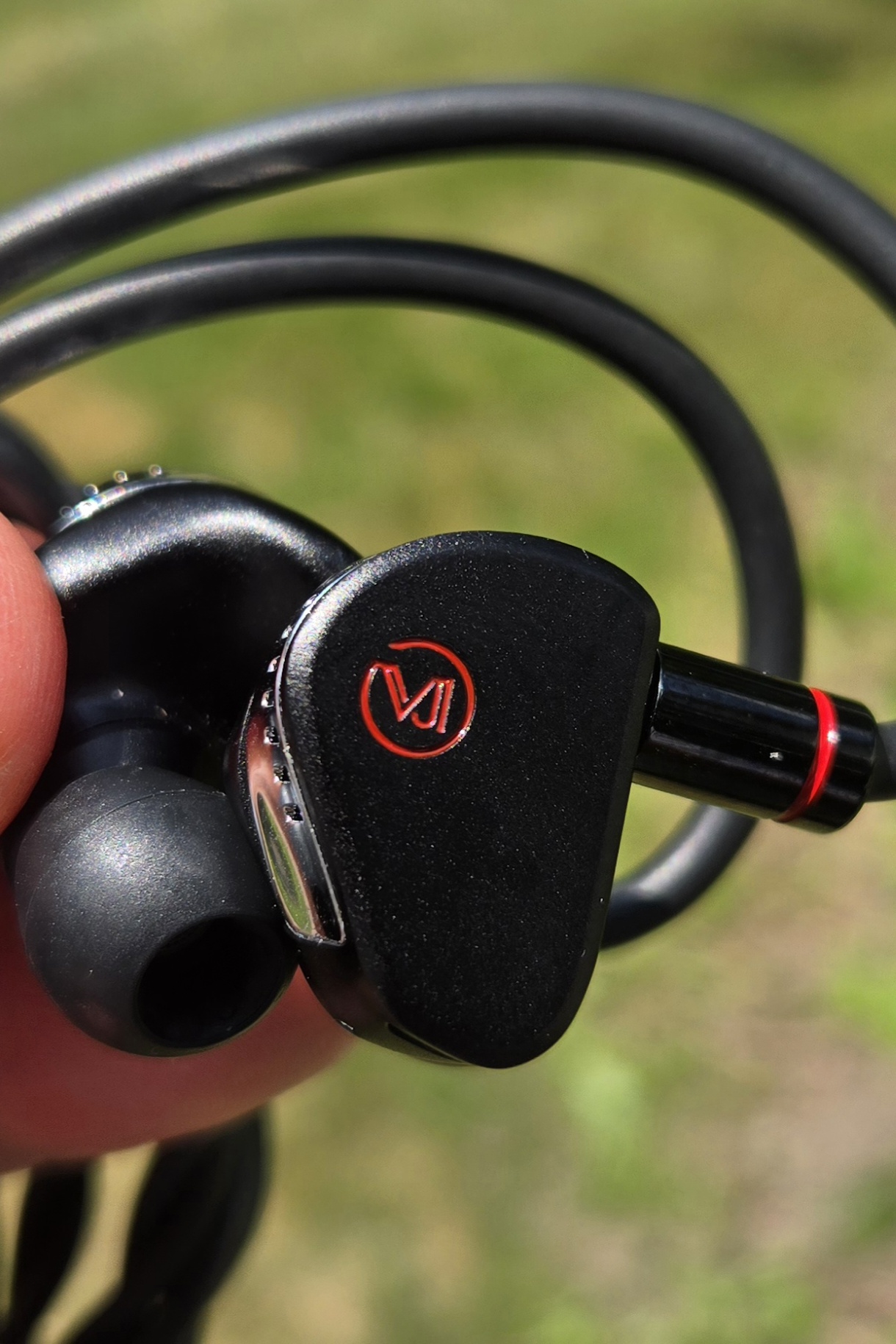
You are immediately presented with 3 various sized depictions of the snake-haired goddess herself. As you open the box, you see 6 sets of eartips, a durable black antler logoed case, a very nice rubbery black cable, and the beautiful glossy IEMs themselves. These are small, featherweight IEMs, very convenient for portability. The red and blue accents on the smooth black shells come across quite handsome.
The cable is excellent, something that I would be pleased with from a more expensive IEM. It's not perfect, having some memory and a bit too much loop over your ears. But this is minor. It's still a quality, comfortable cable, with a sleek style reminiscent of Medusa's serpentine hair.
Overall Sound: Balanced, Clean, Cohesive
Configuration:
10mm Berylium-plated DD
For $150, Medusa does a good job of giving you tonal balance and openness with almost no bass distortion. At first I was going to classify it as mildly V-shaped. But the vocals are somewhat forward, so I settled on a W-shape. You get a moderate amount of presence across the whole frequency range. The bass slam, treble extension, and midrange forwardness are all noticeable and each are prominent at times. Hence my choice of the word "balanced." Another way to say it is: the bass, treble, and mids are all present, with occasional forwardness from each. The treble in particular can be pretty forward and somewhat harsh on some tracks at high volume. But listening now to the classic Son of a Preacher Man by Dusty Springfield, it is nothing but delightful, even though it's not the clearest recording.
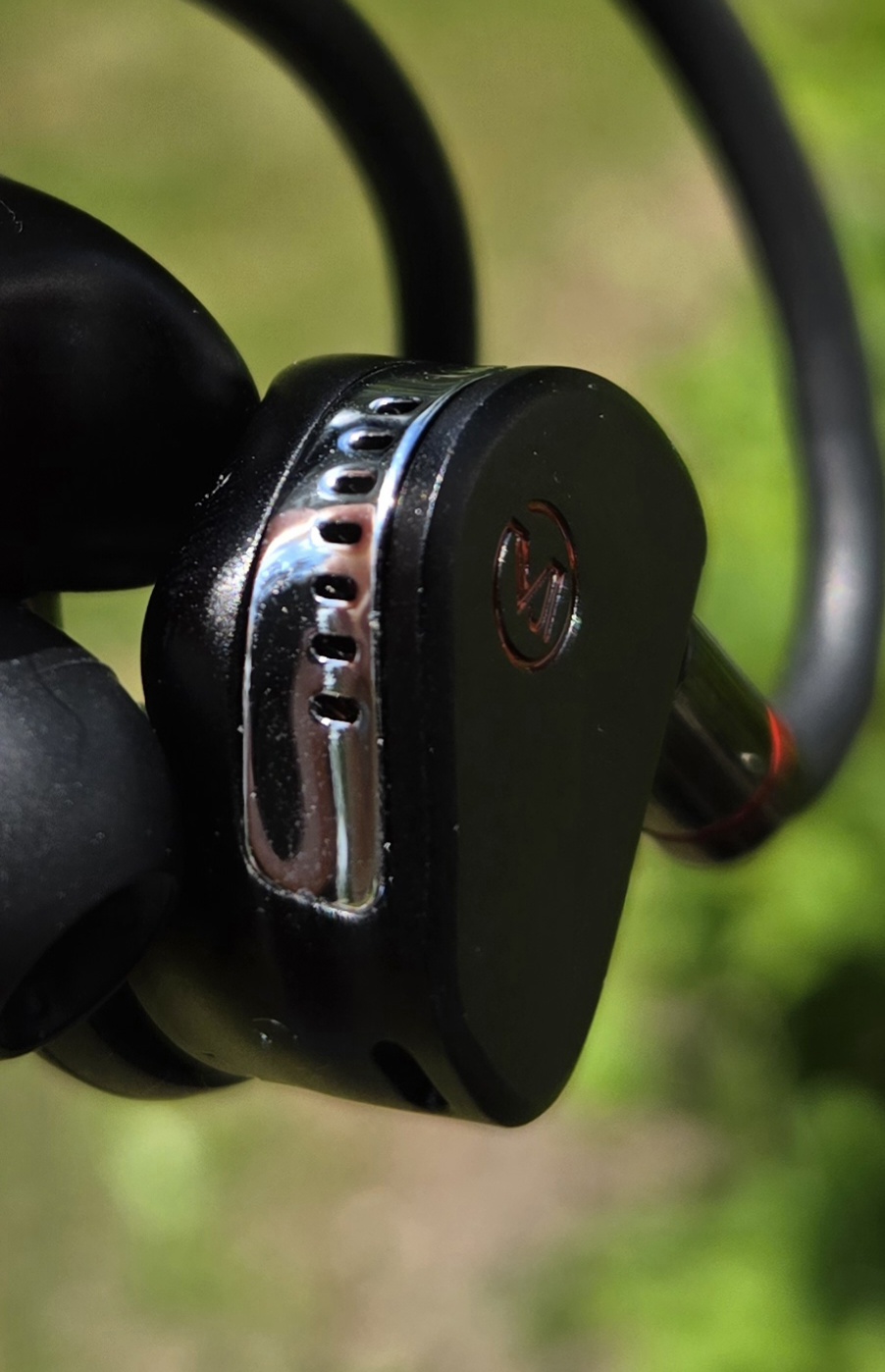
The soundstage is not massive, but it has an expansive quality, especially when the track has a lot of depth. Thank You by Dido brought a smile to my face just now as I hear the openness. This spaciousness appears to be owing to the numerous holes around Medusa's shells. The silver metallic panel has 7 small slits, plus there is one larger one underneath. This essentially makes Medusa a semi-open back IEM. This is a distinctive and desirable characteristic, especially at this modest price point. It apparently affects the staging and the bass response. CVJ says it like this:
Strategically placed vents in the outer shell balance internal and external air pressure, diffusing low-frequency airflow to minimize distortion. The result is tight, impactful bass paired with crystal-clear, transparent vocals.
Bass: Berylium Brawn & Balance
Medusa is a single DD IEM, so at $150 you definitely get slam and rumble. When the track is extra punchy, such as with electronica or rap, you are going to feel some visceral slam. The best characteristic here is the lack of distortion. While the bass is not super refined or layered, it does not distort with any irregularities that misrepresent your music. It is classic single DD bass... and berylium-coated.
You get more mid-bass than sub-bass with Medusa. It has solid impact, but this is not a basshead IEM. All low frequencies feel complimentary to the rest of the frequency range. Both mid-bass and sub-bass are adequate, especially if you have a well-recorded bassy track. The electropop tracks Prometheus by Avidus and Orchid by Ritmo sound impressive on almost anything, and Medusa is no exception. While Medusa's slam won't knock you out of your seat, you definitely feel the bass notes with impact and rumble. And again, the strength of Medusa's berylium DD is it's lack of bass distortion, even at high volume.
Mids
As a seasoned Penon listener, I am accustomed to outstanding IEM mids. Medusa does not quite have the exquisite lushness of say, my $289 ISN Neo 5 for example. But vocals and instruments present with accuracy and a mild forwardness. Medusa does well at balancing musicality and technicalities. There is some occasional thinness in male and female vocals, but again I am accustomed to some pretty rich mids from more expensive IEMs. Listening now to Steets of Philadelphia by Bruce Springsteen, there is nothing but beauty to hear from Medusa. But as the track ended and my Tidal Playlist switched to Against All Odds from Serious Hits Live by Phil Collins, I hear something else that listeners should be aware of...
Treble
The Phil Collins track I just mentioned displays the treble brightness Medusa's berylium coated driver can bring. It was bright enough that I had to turn the volume down a bit momentarily. However, this was only during the initial crowd cheers, soon settling back into tonal bliss. At $150, this is not bad overall. All my IEMs sound somewhat bright at the beginning of this track. As I write, the next song just came on from the same album. Phil's live performance of Do You Remember comes across beautifully with Medusa at moderate volume. This track exemplifies why this is a phenomenal gift item for a non-audiophile. "Normal" people are going to love Medusa and think it sounds way better than Apple or Beats or something. It's only because I listened last night to the likes of the $2000 Ice Lab Spectrumica that I hear Medusa's minor shortcomings. But as I continue to listen, each track becomes increasingly enjoyable as normal brain burn in takes effect.
Medusa's treble is unquestionably detailed with very good extension. Treble sensitive folks like me should still like it, just maybe not love it quite as much. Overall the treble is well-executed for the price.
Soundstage
Medusa's soundstage is the most pleasant surprise of all. Some think open-back IEMs are a gimmick. But I have here the $279 Kiwi Ears Septet and kilobuck 64 Audio Duo that beg to differ. Both of these semi-open back IEMs present your music with unparalleled openness and width from an IEM. I clearly hear the same kind of openness in Medusa, albeit a scaled-down version. Certain tracks like The Hardest Thing by Tyler Ward sound like they are coming from a more expensive set. And the bass note at the beginning of the song sounded stunningly powerful from the 1DD Medusa. As the track again switches to Seven Bridges Road from Eagles Live 1980, I hear an open, smooth, and lovely presentation from Medusa. All smiles here.
Comparison:
Dita Prelude, $159
Single 10mm DD
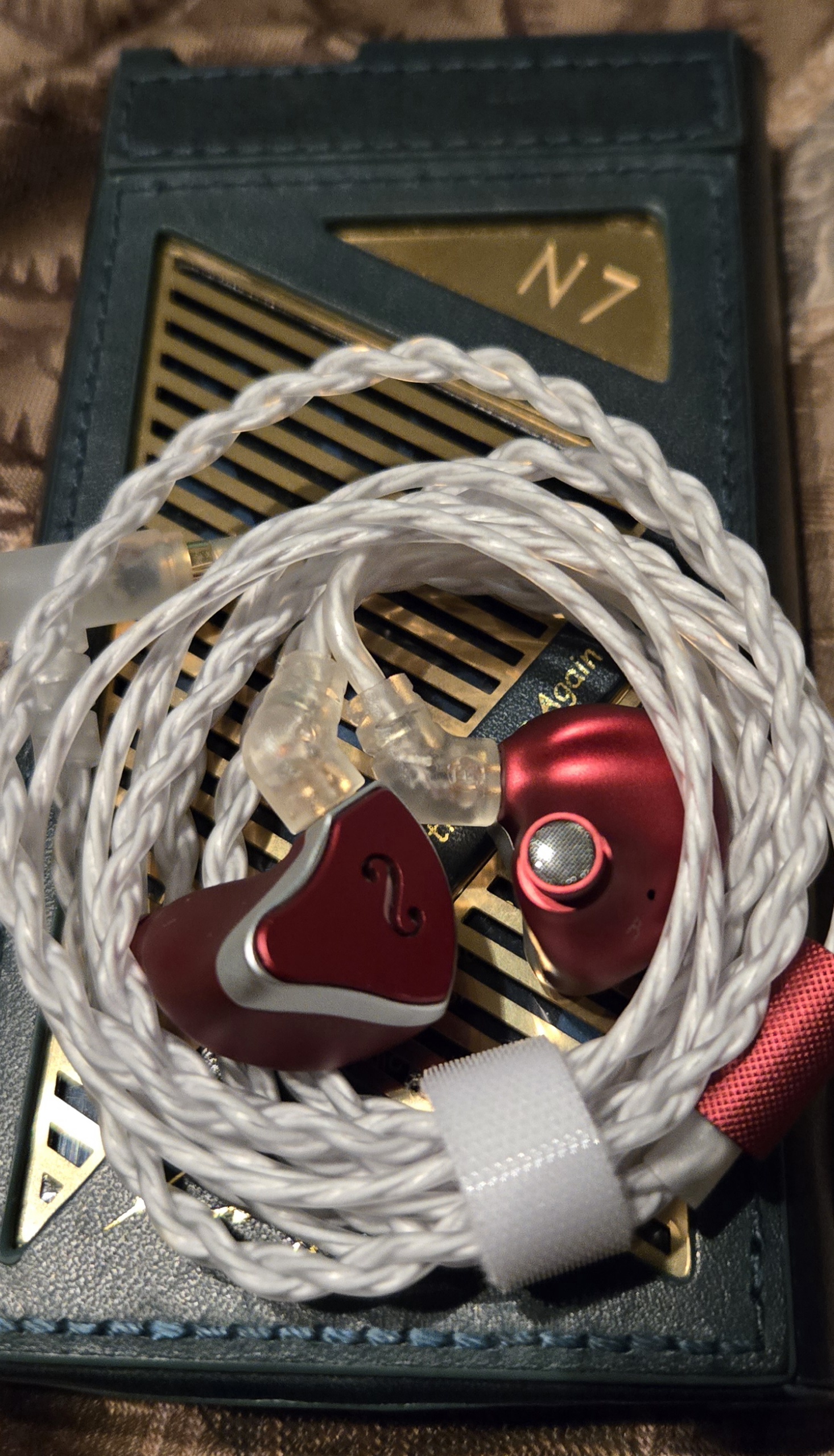
As fate would have it, I happen to have the Dita Prelude here temporarily from our awesome AudioGeeks tour. This is a near perfect comparison, as both IEMs have a single 10mm DD dual magnet design, sound very similar, and are priced $10 apart. It confirms for me that Medusa is competitive at the price, since the Prelude has been getting a lot of well-deserved praise in the community.
The 3 main differences are: treble smoothness, soundstage, and aesthetics. All 3 are close, and would come down to your personal preferences. I can tell you I have wanted to reach for both IEMs frequently, even with multiple kilobuck IEMs here in my listening room.
For soundstage, the nod goes to Medusa's openness by just a bit, although the slightly more intimate Prelude is also impressive. Treble smoothness, as you might have guessed, goes to Prelude. But just barely. It has significant energy too. Medusa can get a bit sharp and fatiguing, especially in longer sessions. But I'm pretty sensitive, and it still wasn't overwhelming for me. I think some will prefer Medusa's extra bit of treble energy. But the Prelude is just a tad smoother. Both IEMs are not afraid of treble extension, and the more I compare, the more similar they sound. It is splitting hairs comparing these two IEMs.
Finally, the aesthetic you prefer is of course subjective. My personal choice would be the unique-looking Medusa, which also includes a nicer, albeit more prominent, cable. But it may prove less comfortable than Prelude's more streamlined cable. You also have to tighten Medusa's slider a bit to add tension, which is unnecessary with Prelude.
So the question is: the red Prelude or the midnight Medusa? Well, they sound very similar. So the answer is: whichever one you like to gaze upon the most. It's up to you... or whoever you are gifting them to. Just remember, Medusa's gaze might turn them to stone.
Conclusion: Value goddess
The CVJ Medusa should be listenable and impressive for anyone, including audiophiles. But I think its real niche is as a lovely gift item. CVJ squeezed just about as much beauty out of the packaging, build, and sonic performance that I would hope for from a competitive $150 IEM. Well done!
Listened With:
- Cayin N7 DAP
- Fiio ka11 Dongle
- JVC Spiral dot pro tips worked well. Medusa was not very picky for me with eartips.
Purchase Link: